

Anabar District, Nauru Travel Guide
Discover Anabar District in Nauru: Tranquil beaches, vibrant marine life, and a warm welcome await in this serene island retreat.
Anabar District, located in the northeastern part of Nauru, is a hidden gem for travelers looking for a peaceful retreat. Known for its serene beaches and friendly locals, Anabar offers a unique blend of natural beauty and cultural charm. The district is small but rich with the essence of island life, making it an ideal spot for those who want to escape the hustle and bustle of more crowded destinations. The coastline of Anabar is adorned with pristine white-sand beaches and crystal-clear waters. The gentle waves provide a perfect setting for swimming, snorkeling, and fishing. Visitors often marvel at the vibrant marine life that can be seen just below the surface. The district's relaxed vibe allows tourists to unwind and soak in the tranquil atmosphere. In addition to its natural attractions, Anabar is home to a number of cultural sites that offer a glimpse into the traditional lifestyle of the Nauruan people. Local markets and small eateries serve delicious seafood and local delicacies, giving visitors a taste of the island's culinary heritage. The warm hospitality of the residents adds to the overall charm of the district, making every visitor feel welcome.

Know before you go
Hi, I'm Eve. Here are a few practical things to know before exploring Anabar District.
- Visit early in the morning to enjoy the beaches at their most peaceful.
- Try the local seafood dishes at small eateries for an authentic taste of Nauru.
- Bring snorkeling gear to explore the vibrant underwater life.
- Engage with local residents to learn about the district's culture and traditions.
Explore Anabar District: Things to Do, Places to Eat, Hotels & More
Handpicked recommendations for top attractions, local dining, accommodations, and more

Best attractions in Anabar District
Top-rated picks
Best Attractions

Twin Guns
Discover the breathtaking Twin Guns in Yaren, a stunning natural attraction featuring dramatic cliffs and serene coastal views, perfect for every traveler.

WW2 Bunker
Discover the WW2 Bunker in Anabar, a significant historical landmark that offers a profound insight into the past and the experiences of World War II.

Best landmarks in Anabar District
Top-rated picks
Best Landmarks
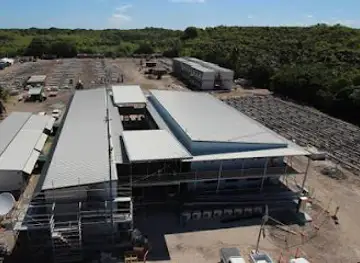
Nauru Australian Immigration Detention Center
Explore the Nauru Immigration Detention Center—a complex site of history, immigration policy, and the human experience in a beautiful island setting.

Budapest Hotel
Discover the unique charm and comfort of Budapest Hotel, your perfect base for exploring the stunning island of Nauru.
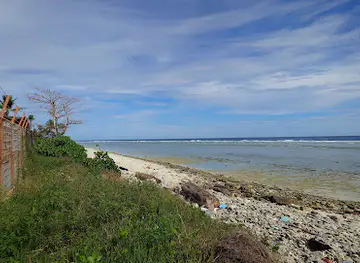
Anabar Beach
Discover the serene beauty of Anabar Beach in Nauru, where crystal-clear waters and soft sands create a perfect escape for relaxation and adventure.

Parliament House
Explore the fascinating Parliament House in Yaren, a symbol of governance and national pride in Nauru, showcasing beautiful architecture and rich history.

Best restaurants in Anabar District
Top-rated picks
Best Restaurants

The Bay Restaurant
Experience exceptional seafood and stunning ocean views at The Bay Restaurant in Anibare, Nauru - a culinary treasure by the sea.

OMG Sushi Restaurant
Experience authentic Japanese cuisine at OMG Sushi Restaurant in Orro – where fresh ingredients meet exquisite flavors in every bite.

Mr Chippies
Savor the flavors of Nauru at Mr Chippies - where delicious cuisine meets warm hospitality in Anibare.

Star Kingdom
Experience authentic Asian cuisine at Star Kingdom in Boe, Nauru - where every dish tells a story.

Best bars in Anabar District
Top-rated picks
Best Bars

The Bay Restaurant
Experience the flavors of Anibare at The Bay Restaurant, where fresh seafood meets stunning ocean views for an unforgettable dining experience.

Jules On The Deck
Discover the relaxing charm of Jules On The Deck, where refreshing drinks meet stunning views in the heart of Nibok.

OMG Sushi Restaurant
Discover the unique flavors of Japanese cuisine at OMG Sushi Restaurant in Orro, where every dish tells a story of freshness and culinary artistry.

Anabar Beach
Experience the tranquil beauty of Anabar Beach, a serene paradise perfect for relaxation and adventure on the stunning island of Niue.

Best nightclubs in Anabar District
Top-rated picks
Best Nightclubs

The Bay Restaurant
Experience delicious local cuisine and stunning ocean views at The Bay Restaurant in Anibare, a must-visit for every traveler.

Jules On The Deck
Discover the vibrant atmosphere of Jules On The Deck, a tropical bar in Nibok offering refreshing cocktails and breathtaking sunset views.

Anabar Beach
Discover the tranquil beauty of Anabar Beach, a hidden paradise with stunning coral reefs and serene shores perfect for relaxation and adventure.

Reef Bar
Discover the vibrant nightlife of Nauru at Reef Bar, the island's only nightlife destination, offering drinks, music, and a welcoming atmosphere.

Best shops in Anabar District
Top-rated picks
Best Shops

Pacific store
Discover the local flavors and essentials at Pacific Store, your go-to grocery destination in Nibok for all your shopping needs.
Zombies Store
Discover the charm of Zombies Store in Yaren, Nauru, a general store offering unique local crafts and essential goods for travelers.

Vim No.1 Store
Discover local flavors and everyday essentials at Vim No.1 Store in Arijejen, your go-to grocery destination in Nauru.

Ataro Bay Store
Experience the flavors of the island at Ataro Bay Store, your go-to grocery spot for local culinary treasures and essentials.

Explore Anabar District on the Map
A handpicked selection of must-see spots in Anabar District, mapped for you.
Anabar District Essentials
-
Anabar District is located in the northern part of Nauru. The nearest airport is Nauru International Airport (INU), situated in Yaren District. From the airport, you can take a taxi or a rented car to reach Anabar District. The drive typically takes around 20-30 minutes. There are no public buses or trains available, so arranging transportation in advance is advisable.
-
Within Anabar District, taxis and rental cars are the most convenient modes of transport. While the district is small and many attractions are within walking distance, having a car can make it easier to explore the surrounding areas. Bicycles can also be rented for a more eco-friendly and leisurely way to get around.
-
The official currency in Nauru is the Australian Dollar (AUD). Credit cards are accepted in some hotels and larger establishments, but it is wise to carry cash for smaller shops and local markets. ATMs are available, but they can be limited, so withdrawing sufficient cash upon arrival is recommended.
-
Anabar District is generally safe for tourists. However, standard precautions should be taken, such as not leaving belongings unattended and avoiding poorly lit areas at night. There are no specific high-crime areas targeting tourists, but it's always best to stay vigilant and aware of your surroundings.
-
In case of emergency, dial the local emergency number 110 for immediate assistance. The nearest police station and medical facilities are located within a short drive from Anabar District. It is also advisable to have travel insurance that covers medical emergencies. For minor health issues, there are pharmacies where you can purchase over-the-counter medications.
-
Fashion: Do dress modestly, especially when visiting local communities. Avoid overly revealing clothing. Religion: Do respect local customs and traditions. Public Transport: Do be courteous to drivers and other passengers. There is no public transport system, so you will rely on taxis or rental services. Greetings: Do greet locals with a smile and a friendly 'hello'. Eating & Drinking: Do try local dishes and accept food offerings graciously. Don't waste food, as it is considered disrespectful.
-
To experience Anabar District like a local, visit the local markets where you can buy fresh produce and traditional Nauruan goods. Engage with locals, who are often friendly and eager to share stories about their culture and history. Don't miss the opportunity to explore the beautiful coastal areas and participate in local fishing activities. Additionally, visiting during local festivals will give you a deeper insight into Nauruan culture and traditions.
When is the best time to visit Anabar District?
Useful Local Phrases for Anabar District
You don't need to speak the language perfectly. Even learning a few simple words can make conversations warmer—and locals usually appreciate the effort.
— Eve

Here are the phrases I use most often in Anabar District. Try a few—you'll be surprised how far they go! 😊
❤️
-
- HelloIa orana
[ee-ah oh-rah-nah] - GoodbyeNana
[nah-nah] - YesE
[eh] - NoAere
[ah-reh] - Please/You're welcomeMaeva
[my-eh-vah] - Thank youMauruuru
[mah-roo-roo] - Excuse me/SorryPardon
[par-dohn] - How are you?O vai oe?
[oh vah-ee oh-eh] - Fine. And you?Maitai. O oe?
[my-tie. oh oh-eh] - Do you speak English?Ua haere oe i te reo parau?
[oo-ah hah-eh-reh oh-eh ee teh reh-oh pah-rah-oo] - I don't understandAita au mohio
[ah-ee-tah oh moh-hee-oh]
- HelloIa orana
-
- I'd like to see the menu, pleaseE mea tāku e kite i te piha, mea te kore
[eh meh-ah tah-koo eh kee-teh ee teh pee-hah, meh-ah teh koh-reh] - I don't eat meatKare au kaai i te kai
[kah-reh oh kah-ah-ee ee teh kah-ee] - Cheers!Manuia!
[mah-noo-ee-ah] - I would like to pay, pleaseE mea tāku e utu, mea te kore
[eh meh-ah tah-koo eh oo-too, meh-ah teh koh-reh]
- I'd like to see the menu, pleaseE mea tāku e kite i te piha, mea te kore
-
- Help!Aide!
[ayd] - Go away!Haere atu!
[hah-eh-reh ah-too] - Call the Police!Tatau i te Pure
[tah-tow ee teh poo-reh] - Call a doctor!Tatau i te toetoe
[tah-tow ee teh toh-eh-toh-eh] - I'm lostKare au i te ore
[kah-reh oh ee teh oh-reh] - I'm illKare au e maoa
[kah-reh oh eh mah-oh-ah]
- Help!Aide!
-
- I'd like to buy...E mea tāku e hoko...
[eh meh-ah tah-koo eh hoh-koh] - I'm just lookingKare au e kite
[kah-reh oh eh kee-teh] - How much is it?E hia te moni?
[eh hee-ah teh moh-nee] - That's too expensiveMeri noa te moni
[meh-ree noh-ah teh moh-nee] - Can you lower the price?E taea e koe te faaiti i te moni?
[eh tah-eh-ah eh koh-eh teh fah-ah-ee-tee ee teh moh-nee]
- I'd like to buy...E mea tāku e hoko...
-
- What time is it?He aha te wa?
[heh ah-hah teh wah] - It's one o'clockHe ha te haa
[heh hah teh hah-ah] - Half past (10)He ha te toru
[heh hah teh toh-roo] - MorningAtaata
[ah-tah-ah-tah] - AfternoonApopo
[ah-poh-poh] - EveningAroaro
[ah-roh-ah-roh] - YesterdayIne
[ee-neh] - TodayNa
[nah] - TomorrowApōpo
[ah-poh-poh] - 1Tahi
[tah-hee] - 2Rua
[roo-ah] - 3Toru
[toh-roo] - 4Whā
[fah] - 5Rima
[ree-mah] - 6Ono
[oh-noh] - 7Whitu
[fee-too] - 8Waru
[wah-roo] - 9Iwa
[ee-wah] - 10Tekau
[tay-kow]
- What time is it?He aha te wa?
-
- Where's a/the...?Kei hea te...?
[keh heh-ah teh] - What's the address?He aha te wāhitau?
[heh ah-hah teh wah-hee-tow] - Can you show me (on the map)?Ka taea e koe te whakaatu i ahau (i runga i te mahere)?
[kah tah-eh-ah eh koh-eh teh fah-kah-ah-too ee ah-how (ee roon-gah ee teh mah-heh-reh)] - When's the next (bus)?He aha te wa kei te heke atu te (auta)?
[heh ah-hah teh wah keh teh heh-keh ah-too teh ow-tah] - A ticket (to ....)He tiketi (ki ...)
[heh tee-keh-tee (kee)]
- Where's a/the...?Kei hea te...?
History of Anabar District
-
Before European contact, the Anabar District, like the rest of Nauru, was inhabited by the indigenous Nauruan people. The district was part of a larger network of 12 tribes that lived on the island. The Nauruan society was characterized by a complex clan system, with each clan having its own specific roles and responsibilities. The Anabar District played a significant role in the traditional fishing and agricultural practices, which were the mainstays of the Nauruan economy.
-
European contact with Nauru began in the late 18th century when British sea captain John Fearn sighted the island in 1798. However, it wasn't until the late 19th century that the island, including Anabar District, came under European colonial influence. The Germans annexed Nauru in 1888 and established a protectorate. Anabar, like other districts, saw significant changes in its social and economic structures during this period, including the introduction of Christianity and Western education.
-
The discovery of phosphate in Nauru in 1900 marked a transformative period for the island, including Anabar District. The British Phosphate Commissioners began large-scale mining operations, which led to significant economic development but also environmental degradation. The Anabar District, along with other parts of Nauru, saw the influx of foreign workers and the establishment of infrastructure to support the mining industry. This period also laid the groundwork for future economic challenges as the phosphate resources began to deplete.
-
During World War II, Nauru, including Anabar District, was occupied by Japanese forces from 1942 to 1945. The occupation brought hardship to the local population, including forced labor and food shortages. Anabar, like other districts, was heavily fortified by the Japanese, who built bunkers and other military installations. The end of the war saw the return of Allied control, and Nauru was placed under a United Nations trusteeship administered by Australia.
-
Nauru gained its independence in 1968, and with it, the Anabar District embarked on a new chapter of self-governance. The district has seen various development projects aimed at improving infrastructure, education, and healthcare. Despite the challenges posed by the depletion of phosphate resources, Anabar remains a vital part of Nauru's cultural and economic landscape. Efforts have been made to preserve the district's natural beauty and cultural heritage, making it a fascinating destination for travelers interested in the history and culture of Nauru.
Cities in Anabar District
Browse our curated selection of top destinations, scenic points, and must-visit spots in the area.


Neighbouring destination travel guides
Browse our curated selection of top destinations, scenic points, and must-visit spots in the area.


Your all‑in‑one travel companion app
Explore expert travel guides, compare and book tours, experiences, hotels, and more—all from the palm of your hand. Download now for seamless trip planning wherever your wanderlust takes you.


Explore More of Anetan

Looking beyond Anabar District? Discover Anetan for broader travel guides, local hot-spots, and regional highlights.
Explore AnetanExplore More of Nauru

Looking beyond Anabar District? Discover Nauru for broader travel guides, local hot-spots, and regional highlights.
Explore NauruAnabar District in Photos
Browse through our photo collection highlighting the charm and character of the destination.


The Tranquil Shores of Anabar District, Nauru
Anabar District, located in the northeastern part of Nauru, is a hidden gem for travelers looking for a peaceful retreat. Known for its serene beaches and friendly locals, Anabar offers a unique blend of natural beauty and cultural charm. The district is small but rich with the essence of island life, making it an ideal spot for those who want to escape the hustle and bustle of more crowded destinations. The coastline of Anabar is adorned with pristine white-sand beaches and crystal-clear waters. The gentle waves provide a perfect setting for swimming, snorkeling, and fishing. Visitors often marvel at the vibrant marine life that can be seen just below the surface. The district's relaxed vibe allows tourists to unwind and soak in the tranquil atmosphere. In addition to its natural attractions, Anabar is home to a number of cultural sites that offer a glimpse into the traditional lifestyle of the Nauruan people. Local markets and small eateries serve delicious seafood and local delicacies, giving visitors a taste of the island's culinary heritage. The warm hospitality of the residents adds to the overall charm of the district, making every visitor feel welcome.