

Free Kearney Travel Guide & Mobile App
Plan your Kearney trip with Evendo. Get free guides to top attractions, restaurants, hotels, and bars. Web access or download the mobile app.


Kearney, Nebraska blends Great Platte River Road history, the Archway, crane migrations, museums and easy-going Midwestern culture for curious travellers.
On the Great Platte River Road
Kearney lies in central Nebraska beside the broad Platte River valley, a landscape shaped by migration, railways, agriculture and the seasonal movement of sandhill cranes. The city grew from the routes that carried Indigenous peoples, fur traders, soldiers, emigrants and railway passengers across the Great Plains. Today, its position beside Interstate 80 makes it an accessible base for exploring central Nebraska, while its compact centre and university district give it a relaxed, lived-in character.Read more about Kearney
History in the Landscape
Plains Culture and Open Skies
When is the best time to visit Kearney?
Best: May, September–October · 19–26°C| Month | High (°C) | Rainfall (mm) |
|---|---|---|
| January | 2 | 20 |
| February | 4 | 23 |
| March | 12 | 30 |
| April | 19 | 41 |
| May (best) | 24 | 51 |
| June | 29 | 60 |
| July | 32 | 66 |
| August | 32 | 56 |
| September (best) | 26 | 45 |
| October (best) | 19 | 31 |
| November | 10 | 21 |
| December | 4 | 16 |
Getting to and around Kearney
How to get there
Transportation
Best attractions in Kearney
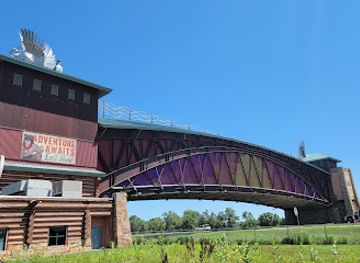
Kearney’s main attractions combine local history, art, transport heritage and open-air recreation. The Great Platte River Road Archway spans the Interstate 80 corridor and presents the story of Indigenous routes, emigrant trails, military movement, railways and road travel across Nebraska. At the Trails & Rails Museum, historic buildings and collections reveal how communities developed around the railway and the wider overland routes. The Museum of Nebraska Art, associated with the University of Nebraska at Kearney, offers a focused introduction to artists and visual culture from the state. The Classic Car Collection adds a different perspective through its display of historic automobiles. For outdoor time, Yanney Heritage Park provides landscaped paths, water, gardens and recreational space, while Fort Kearny State Historical Park, just outside the city, interprets the former military post and its role in nineteenth-century travel.
-
Tourist attraction
Great Platte River Road Archway Monument
Discover the Great Platte River Road Archway Monument, where history and culture unite in a stunning tribute to America's pioneering spirit.
15 min drive · 5.0 km from city centre
-
Tourist attraction
Great Platte River Road Archway Monument
Discover the Great Platte River Road Archway Monument, a captivating tribute to America's westward expansion, rich with history and interactive exhibits.
15 min drive · 5.0 km from city centre
-
Tourist attraction
Big Apple Fun Center
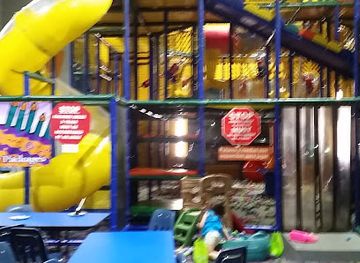
Experience the ultimate fun at Big Apple Fun Center in Kearney, Nebraska, where bowling, arcade games, and glow golf come together for an unforgettable adventure.
7 min drive · 2.5 km from city centre
-
Tourist attraction
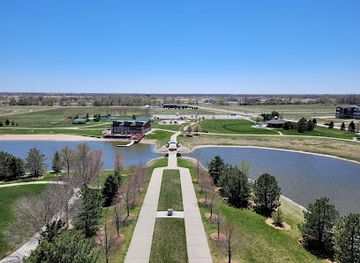
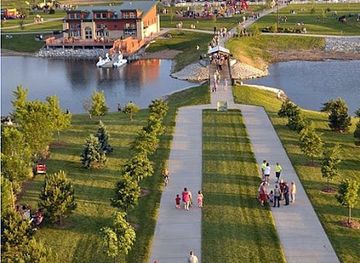
Yanney Heritage Park
Explore the serenity and beauty of Yanney Heritage Park, a premier outdoor destination in Kearney, Nebraska, perfect for relaxation and recreation.
8 min drive · 2.7 km from city centre

Best landmarks in Kearney
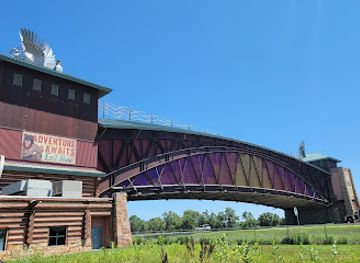
The Great Platte River Road Archway is Kearney’s most recognisable modern landmark, an imposing interpretive structure above Interstate 80 that turns the national story of westward travel into an architectural gateway. Fort Kearny State Historical Park preserves the setting of the 1848 military post, linking the city to the emigrant trails and the army’s efforts to support movement through the Platte valley. In central Kearney, the historic commercial streets and civic buildings reflect the town’s railway-era growth, while the Buffalo County Courthouse represents the public architecture of a regional Nebraska centre. The University of Nebraska at Kearney campus adds an institutional landmark and a continuing educational presence. Together, these places show how military routes, railways, county government, higher education and modern highways shaped the physical identity of Kearney.
-
Historical place
Great Platte River Road Archway Monument
Experience the rich history of American westward expansion at the Great Platte River Road Archway Monument, a remarkable tribute to explorers and pioneers.
15 min drive · 5.0 km from city centre
-
Park
Yanney Heritage Park
Explore the natural beauty of Yanney Heritage Park in Kearney, Nebraska, featuring scenic trails, a serene lake, and family-friendly recreation.
8 min drive · 2.7 km from city centre
-
Park
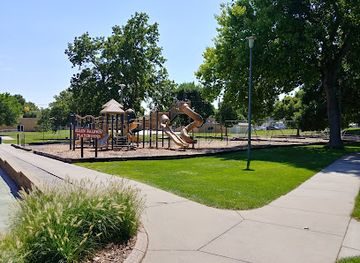
Harmon Park
Discover the beauty and tranquility of Harmon Park in Kearney, Nebraska, where nature meets recreation for a perfect day outdoors.
12 min walk · 0.9 km from city centre
-
Museum
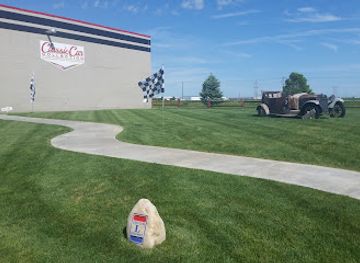
Classic Car Collection
Explore the stunning Classic Car Collection in Kearney, Nebraska, a must-visit museum showcasing a rich history of vintage automobiles and their cultural impact.
13 min drive · 4.4 km from city centre
Explore Kearney on the map
Plan your Kearney trip on one map. See where the top attractions, landmarks, restaurants, bars and hotels are, find what's near where you're staying, and book hotels and experiences in a few clicks.
Best hotels in Kearney
Best restaurants in Kearney
Kearney’s dining scene reflects central Nebraska’s agricultural setting and its role as a practical stop on the Great Platte River Road. Beef, burgers, steaks, sandwiches and hearty comfort food are widely represented, while cafés, bakeries and casual family restaurants serve residents, university students and road travellers. Nebraska specialities such as Runza, a baked bread pocket filled with seasoned meat and cabbage, may appear alongside broader Midwestern fare; bierocks and other Central European-influenced foods also reflect settlement histories across the state. Downtown and the streets around the university provide locally oriented places for coffee, lunch and evening meals, while the commercial areas near Interstate 80 include familiar roadside options. Breweries and taprooms add locally produced beer to the scene, and seasonal farmers’ markets can provide a closer connection with regional produce when operating.
-
Restaurant
Cunningham's Journal On The Lake
Discover exceptional dining at Cunningham's Journal On The Lake in Kearney, where delicious cuisine meets breathtaking lakeside views.
9 min drive · 3.2 km from city centre
-
Restaurant
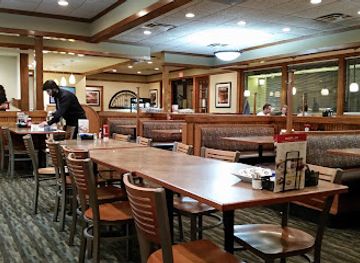
Perkins Restaurant & Bakery
Experience comfort dining at Perkins Restaurant & Bakery in Kearney – where hearty meals meet delightful bakery treats!
7 min drive · 2.2 km from city centre
-
Hamburger
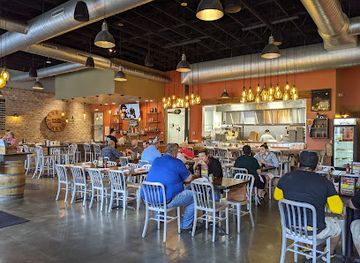
Angus Burgers & Shakes
Experience delicious gourmet burgers and creamy shakes at Angus Burgers & Shakes in Kearney - a must-visit culinary gem!
9 min drive · 2.9 km from city centre
-
Barbecue
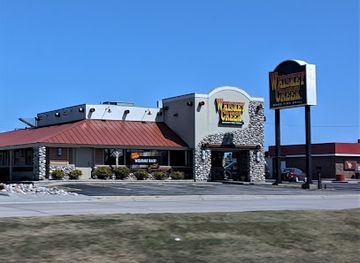
Whiskey Creek Wood Fire Grill
Experience mouthwatering barbecue at Whiskey Creek Wood Fire Grill in Kearney, Nebraska - where every meal is grilled to perfection.
7 min drive · 2.4 km from city centre
Best bars in Kearney
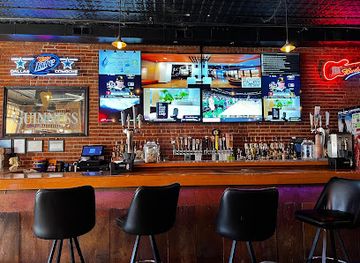
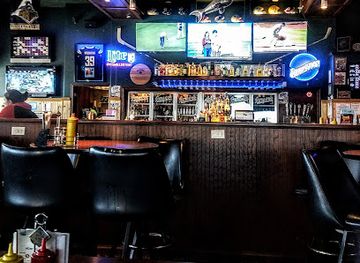
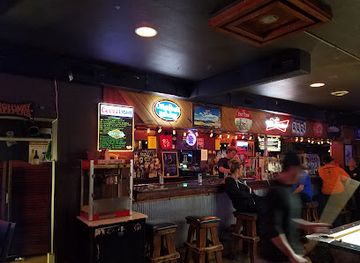
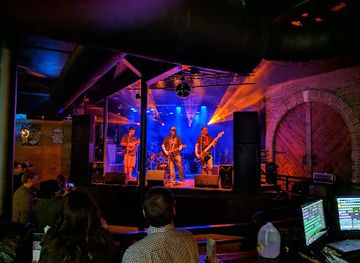
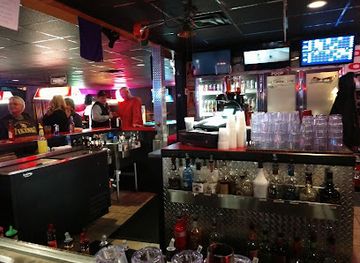
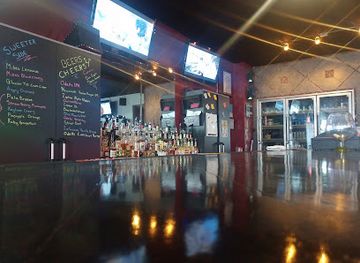
Kearney’s nightlife is modest and sociable rather than club-driven, with evening activity concentrated in downtown bars, brewery taprooms, casual pubs and restaurants. The presence of the University of Nebraska at Kearney brings a younger audience during the academic year, while live music, quiz nights, community events and seasonal performances broaden the city’s after-dark options. Local bars tend to favour conversation, televised sport and regional beer over elaborate nightlife production, and closing times and entertainment schedules vary. The town’s cultural calendar can include performances and public events connected with the university and civic venues, offering alternatives to drinking. Visitors should plan transport sensibly if sampling local beer, observe US age restrictions for alcohol and avoid assuming that every venue operates late or offers regular live entertainment.
-
Bar
Cunningham's Journal On The Lake
Experience the perfect blend of relaxation and culinary delight at Cunningham's Journal On The Lake, your lakeside retreat in Kearney, Nebraska.
9 min drive · 3.2 km from city centre
-
Grill
Cunninghams Journal
Discover delectable dishes and refreshing drinks at Cunningham's Journal, a vibrant grill and bar in Kearney, Nebraska, perfect for every palate.
2 min walk · 0.2 km from city centre
-
Bar
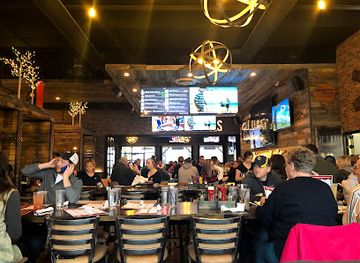
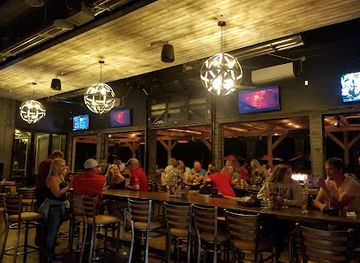
Jersey's Sports Bar & Grill
Discover Jersey's Sports Bar & Grill in Kearney, NE - where great food meets a lively sports atmosphere, perfect for every visitor.
8 min drive · 2.7 km from city centre
-
Grill
Gillies
Discover Gillies in Kearney, Nebraska – a grill restaurant offering delicious food, great atmosphere, and local charm for every traveler.
9 min walk · 0.8 km from city centre
Best nightclubs in Kearney
Kearney’s nightlife is modest and sociable rather than club-driven, with evening activity concentrated in downtown bars, brewery taprooms, casual pubs and restaurants. The presence of the University of Nebraska at Kearney brings a younger audience during the academic year, while live music, quiz nights, community events and seasonal performances broaden the city’s after-dark options. Local bars tend to favour conversation, televised sport and regional beer over elaborate nightlife production, and closing times and entertainment schedules vary. The town’s cultural calendar can include performances and public events connected with the university and civic venues, offering alternatives to drinking. Visitors should plan transport sensibly if sampling local beer, observe US age restrictions for alcohol and avoid assuming that every venue operates late or offers regular live entertainment.
-
Grill
Gillies
Experience the best of Kearney, Nebraska with Gillies' mouthwatering barbecue and friendly atmosphere, perfect for families and food lovers.
9 min walk · 0.8 km from city centre
-
Bar
The Other Side
Experience the best of Kearney with live music, delicious sandwiches, and a lively atmosphere at The Other Side, your go-to bar and entertainment venue.
3 min walk · 0.3 km from city centre
-
Bar
Dome Lounge & Package Store
Experience the vibrant nightlife and friendly atmosphere at Dome Lounge & Package Store in Kearney, Nebraska, where great drinks and good company await.
17 min walk · 1.4 km from city centre
-
Bar
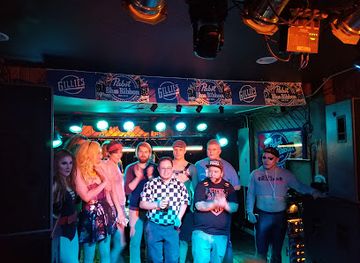
The Church Key
Experience Kearney's nightlife at The Church Key, where lively atmosphere, karaoke nights, and affordable drinks await every visitor.
8 min walk · 0.7 km from city centre
Best shops in Kearney
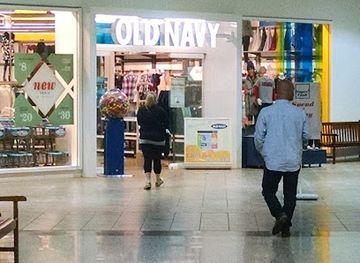
Shopping in Kearney combines a traditional central business district with the larger retail areas that serve residents and travellers across central Nebraska. Downtown streets offer independent boutiques, gift shops, antique dealers, cafés and locally oriented businesses, making them more suited to browsing than to one concentrated shopping complex. Hilltop Mall and nearby commercial districts provide mainstream retailers and practical travel purchases, while seasonal markets may feature produce, baked goods, crafts and small-scale Nebraska products. Visitors looking for regional souvenirs can consider locally made artwork, prairie-themed goods, books about Nebraska history, handmade items and food products from the wider state. The shopping experience is functional and community-based rather than centred on luxury retail, with Kearney’s independent businesses providing a useful sense of its regional character.
-
Shopping mall
Hilltop Mall
Experience top-notch shopping, dining, and entertainment at Hilltop Mall, Kearney's vibrant retail hub for every traveler.
8 min drive · 2.6 km from city centre
-
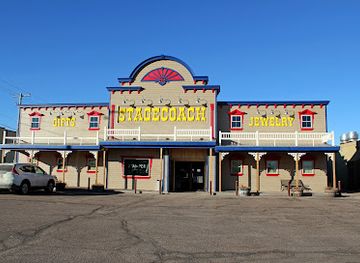
Gift shop
Stagecoach
Explore the enchanting Stagecoach in Kearney, Nebraska, where unique gifts, Native American goods, and exquisite jewelry await every visitor.
8 min drive · 2.5 km from city centre
-
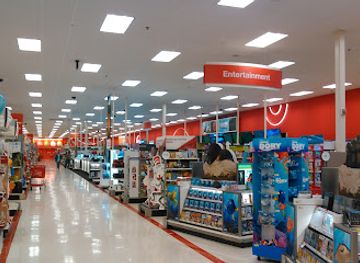
Department store
Target
Discover a shopping haven at Target in Kearney, offering everything from fashion to electronics and home essentials for every traveler.
7 min drive · 2.5 km from city centre
-
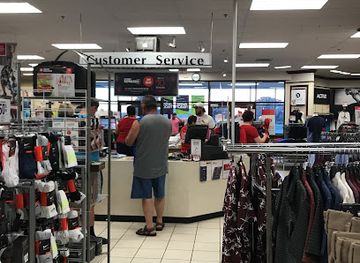
Department store
JCPenney
Explore a diverse shopping experience at JCPenney in Kearney, NE, where clothing, furniture, jewelry, and shoes await every visitor.
8 min drive · 2.7 km from city centre
Get your free copy of our complete guide to Kearney, delivered straight to you.
Everything on this page, from attractions and restaurants to essentials and local phrases, in one PDF you can read offline, print or share.
Already have an account? Sign in
Your Kearney guide is ready.
We'll send it to · Not you? Sign out

Getting your guide ready…
We are putting together a fresh copy of the Kearney guide. This can take up to a minute.
This can take a few moments. If your browser asks, choose Allow so the download can start. You'll find the guide in your Downloads folder.
Nothing happened? Download it again
Sorry, the guide is taking longer than usual. Please try again in a minute, or get it by email instead.
Kearney essentials
Currency and Payment
Safety
Emergency Situations
Do's and Don'ts
Local Tips
From Eve
Local phrases worth knowing
You don't need to get them perfect. A few words go a long way, and locals appreciate the effort.
Basics
| English | Local | Say it |
|---|---|---|
| Hello | Howdy | [haw-dee] |
| Goodbye | So long | [soh lawng] |
| Yes | Yup | [yuhp] |
| No | Nah | [nuh] |
| Please/You're welcome | Please/No problem | [pleez/no prob-lem] |
| Thank you | Thanks | [thanks] |
| Excuse me/Sorry | Pardon me/My bad | [par-dun me/my bad] |
| How are you? | Howdy | [haw-dee] |
| Fine. And you? | Doing well. You? | [doo-in well. yuh?] |
| Do you speak English? | Ya speak English? | [yah speak ing-glish?] |
| I don't understand | I ain't followin' | [I ent fol-lo-win'] |
Eating & Drinking
| English | Local | Say it |
|---|---|---|
| I'd like to see the menu, please | Can I check out the menu, please | [kan eye chek out the meh-nyoo, please] |
| I don't eat meat | I don't do meat | [I dohn doh meet] |
| Cheers! | Cheers! | [cheers!] |
| I would like to pay, please | I wanna settle up, please | [eye wah-nuh set-tul up, please] |
Emergencies
| English | Local | Say it |
|---|---|---|
| Help! | Help! | [help!] |
| Go away! | Get lost! | [get lost!] |
| Call the Police! | Call the Cops! | [call the cops!] |
| Call a doctor! | Call a doc! | [call a doc!] |
| I'm lost | I'm turned around | [I'm turned around] |
| I'm ill | I'm under the weather | [I'm under the weather] |
Shopping
| English | Local | Say it |
|---|---|---|
| I'd like to buy... | I wanna buy... | [eye wah-nuh buy...] |
| I'm just looking | Just browsin' | [just brow-zin'] |
| How much is it? | How much fer that? | [how much fur that?] |
| That's too expensive | That's steep | [that's steep] |
| Can you lower the price? | Can ya knock it down? | [can yuh nok it down?] |
Time & Numbers
| English | Local | Say it |
|---|---|---|
| What time is it? | What's the time? | [what's the time?] |
| It's one o'clock | It's one | [it's one] |
| Half past (10) | Half past ten | [half past ten] |
| Morning | Mornin' | [mornin'] |
| Afternoon | Afternoon | [afternoon] |
| Evening | Evenin' | [evenin'] |
| Yesterday | Yest'day | [yest'day] |
| Today | Today | [today] |
| Tomorrow | Tomorrah | [tomorrah] |
| 1 | One | [wun] |
| 2 | Two | [too] |
| 3 | Three | [three] |
| 4 | Four | [four] |
| 5 | Five | [five] |
| 6 | Six | [six] |
| 7 | Seven | [sev-un] |
| 8 | Eight | [ayt] |
| 9 | Nine | [nine] |
| 10 | Ten | [ten] |
Transport & Directions
| English | Local | Say it |
|---|---|---|
| Where's a/the...? | Where's the...? | [where's the...?] |
| What's the address? | What's the addy? | [what's the addy?] |
| Can you show me (on the map)? | Can ya point it out? | [can yuh point it out?] |
| When's the next (bus)? | When's the next (bus)? | [when's the next (bus)?] |
| A ticket (to ....) | A ticket (to ....) | [a ticket (to ....)] |
History of Kearney
Indigenous Plains and River Routes
Long before Kearney was established, the Platte River valley formed part of a major Indigenous travel and trading landscape. Native nations used the river corridor and surrounding grasslands for movement, hunting and exchange, while later emigrant routes followed the same relatively gentle passage across the Great Plains. The Oregon, California and Mormon trails, together with the route associated with the Pony Express, made the Platte valley one of the most important overland corridors in nineteenth-century North America. These routes did not create an empty wilderness, but crossed places with established Indigenous histories that were profoundly disrupted by migration, military expansion and settlement.
Fort Kearny on the Overland Trail
In 1848 the United States Army established Fort Kearny beside the Platte River to protect and support travellers moving along the overland trails. Named for Brigadier General Stephen Watts Kearny, the post became a familiar stopping point for emigrants, military personnel and freight traffic. It was not a large frontier fortress in the popular sense, but a strategically placed installation serving the movement of people and supplies across Nebraska. The fort declined after the completion of the transcontinental railway and was abandoned in 1866. Fort Kearny State Historical Park now interprets the site, preserving the historical relationship between the military post, the river corridor and westward migration.
Railways and the Birth of Kearney
The modern city developed with the arrival of the Union Pacific Railway, which reached the area in the 1860s. Originally known as Kearney Junction, the settlement benefited from the railway’s ability to move people, livestock, agricultural produce and manufactured goods across Nebraska. The railway altered the balance of power along the old trail routes and helped establish Kearney as a service and trading centre. The city was incorporated in the early 1870s, and its name reflects the nearby fort and the wider military and migration history of the Platte valley. Rail-connected commerce encouraged hotels, warehouses, businesses and residential growth around the emerging town.
Agriculture and Regional Growth
As railway infrastructure expanded, Kearney became increasingly tied to the agricultural economy of central Nebraska. Grain, livestock and other farm products moved through the town, while merchants and professional services supported surrounding rural communities. Irrigation and improvements in farming strengthened the region’s productive capacity, even as Nebraska’s severe weather and fluctuating markets shaped everyday life. Civic buildings, churches, schools and commercial premises established the architectural framework of the growing community. The city’s position between the major urban centres of eastern Nebraska and the more sparsely settled western plains also reinforced its role as a regional centre rather than simply a railway settlement.
Modern Kearney and Nebraska Identity
Twentieth-century Kearney developed through education, healthcare, manufacturing, retail and public institutions as well as agriculture. The University of Nebraska at Kearney became an important cultural and educational presence, while museums and heritage sites preserved the stories of migration, local communities and the wider state. Completion of Interstate 80 brought a new generation of long-distance travellers and strengthened the city’s connection with national road networks, later inspiring the Great Platte River Road Archway. Today, Kearney’s identity rests on several overlapping histories: Indigenous and overland routes, military and railway expansion, agricultural settlement, higher education and the continuing ecological importance of the Platte River.
Kearney in Photos
Browse through our photo collection highlighting the charm and character of the destination.
Cities near Kearney
The closest cities to Kearney, if you have time for more than one stop.
-
-

-

-

-


Swipe for more cities
Explore more

Explore more of Nebraska
Discover Nebraska: A blend of rich history, diverse landscapes, and unique attractions in the heartland of America.
Explore Nebraska