

Bangalamukhi Temple (Patan) Travel Guide - Free
Explore Bangalamukhi Temple in Patan with Evendo's free guide. Find the best shops, historic streets, restaurants, and gems on web or mobile.


Bangalamukhi Temple in Patan, Nepal, offers a focused encounter with tantric worship, Newar heritage, courtyards and living rituals in Lalitpur.
A Temple Within Patan’s Historic City
Bangalamukhi Temple is less a conventional neighbourhood than a compact sacred precinct within Patan, the historic city now officially known as Lalitpur. The shrine is dedicated to Bangalamukhi, a powerful form of the Hindu goddess associated with tantric worship, protection and the stilling of harmful forces. Its importance is felt most clearly during daily offerings and the larger flow of devotees that gathers on Thursdays and during festival observances.Read more about Bangalamukhi Temple
Ritual, Architecture and Everyday Life
Exploring the Immediate Area
Best attractions in Bangalamukhi Temple
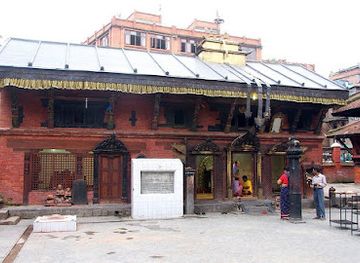
The principal attraction is Bangalamukhi Temple itself, where the experience is centred on observing an active devotional site rather than viewing a museum-like monument. Its ritual focus, offerings, bells and compact urban setting provide an introduction to the goddess traditions still woven into Patan’s daily life. The approach through narrow lanes is part of the visit, revealing brick houses, carved details, small shrines and glimpses of courtyards that are easy to miss on the main roads. The temple can also serve as a starting point for exploring the wider historic city on foot. Patan Durbar Square, Mangal Bazaar and other celebrated heritage sites lie nearby but should be understood as separate areas, not attractions within the Bangalamukhi precinct. Visitors interested in architecture can pay particular attention to the way sacred spaces are integrated into residential and commercial surroundings.
-
Hindu temple
Shree Bagalamukhi Temple
Explore the spiritual and architectural wonders of Shree Bagalamukhi Temple, a must-visit Hindu shrine in Lalitpur, Nepal.
1 min walk · 0.1 km from neighbourhood centre
-
Hindu temple
Kumbheshwor Temple(Patan)
Explore the spiritual beauty of Kumbheshwor Temple in Patan, a historic site showcasing exquisite architecture and vibrant Hindu rituals.
1 min walk · 0.1 km from neighbourhood centre
Best landmarks in Bangalamukhi Temple
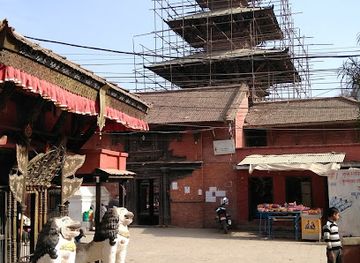
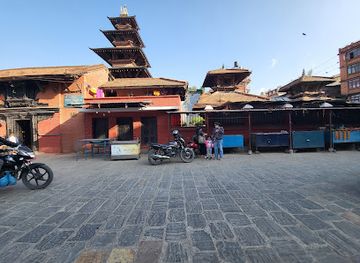
Bangalamukhi Temple is the defining landmark of the precinct, both as a physical shrine and as a centre of goddess worship in Patan. Its significance is inseparable from the surrounding historic urban fabric, where brick walls, timber details, small devotional images and intimate passages show how religious architecture is embedded in everyday city life. The temple is more locally focused than the monumental Durbar Square ensembles, yet that is precisely what makes it useful for understanding Patan beyond its principal sightseeing spaces. Nearby Patan Durbar Square and Mangal Bazaar are important related landmarks of the wider historic city, but they are geographically separate from Bangalamukhi. The temple’s symbolic importance lies in its continued ritual use: its bells, offerings and gatherings mark it as a living institution rather than a preserved architectural shell.
-
Hindu temple
Shree Bagalamukhi Temple
Experience the spiritual and architectural grandeur of Shree Bagalamukhi Temple in Lalitpur, a must-visit destination for every traveler in Nepal.
1 min walk · 0.1 km from neighbourhood centre
-
Hindu temple
Kumbheshwor Temple(Patan)
Explore the mesmerizing Kumbheshwor Temple in Lalitpur, a stunning Hindu temple known for its intricate design and spiritual ambiance.
1 min walk · 0.1 km from neighbourhood centre
Explore Bangalamukhi Temple on the map
A handpicked selection of must-see spots in Bangalamukhi Temple, mapped for you.
Best hotels in Bangalamukhi Temple
Best restaurants in Bangalamukhi Temple
Bangalamukhi’s immediate lanes are not a designated restaurant district, but their small local eateries and refreshment stalls reflect the everyday food culture of Patan. Visitors may find simple Newari and Nepali meals, snacks, tea and sweets around the wider historic centre, with more substantial dining choices concentrated towards Mangal Bazaar, Patan Dhoka and other busier streets nearby. Newari food traditions across Patan include dishes such as bara, a savoury lentil pancake, and yomari, a steamed rice-flour sweet associated with the Newar community, though availability varies by season and establishment. Eating near a temple calls for practical courtesy: keep entrances clear, avoid carrying food into restricted shrine areas and ask before photographing preparation or offerings. The food scene is primarily local and modest rather than a curated fine-dining enclave.
-
Restaurant
Banglamukhi Newa chhen
Experience authentic Newari cuisine at Banglamukhi Newa Chhen in Lalitpur - a culinary gem celebrating Nepal's rich gastronomic heritage.
1 min walk · 0.1 km from neighbourhood centre
-
 Indian
MAA (BANGLAMUKHI FOOD & BEVERAGE
Indulge in authentic Indian cuisine at MAA (Banglamukhi Food & Beverage), where every dish tells a story of rich traditions and vibrant flavors.
1 min walk · 0.1 km from neighbourhood centre
-
Fast Food
New Sandar Unique Khaja
Experience authentic Nepali street food at New Sandar Unique Khaja in Mangal Bazaar - a must-visit fast food gem in Lalitpur.
1 min walk · 0.1 km from neighbourhood centre

Best shops in Bangalamukhi Temple
Shopping around Bangalamukhi is chiefly practical and devotional, with local stalls and small businesses serving residents, worshippers and visitors passing through the wider Patan streets. Offerings such as flowers, incense and ritual items may be available near temple approaches, while the larger commercial areas towards Mangal Bazaar and Patan Dhoka provide more varied everyday shopping. Patan as a whole is known for Newar craft traditions, including metalwork, woodcarving and Buddhist and Hindu religious objects, but individual workshops and stock change, so visitors should distinguish the wider city’s craft reputation from what is immediately available beside the shrine. The most interesting shopping experience is often found in ordinary local commerce rather than a dedicated tourist market: look respectfully, ask before photographing artisans or goods and avoid blocking narrow entrances while browsing.
-
Grocery store
Laxman Stores
Discover the heart of Lalitpur at Laxman Stores, where fresh local produce and authentic Nepali ingredients await your culinary exploration.
1 min walk · 0.1 km from neighbourhood centre
-
Grocery store
आशाकाजी स्टोर्स
Discover the vibrant offerings of आशाकाजी स्टोर्स, your gateway to authentic local ingredients and culinary treasures in Lalitpur, Nepal.
1 min walk · 0.1 km from neighbourhood centre
Bangalamukhi Temple essentials
Getting There
Getting Around
Safety
Emergency Situations
Do's and Don'ts
Local Tips

From Eve
Local phrases worth knowing
You don't need to get them perfect. A few words go a long way, and locals appreciate the effort.
Basics
| English | Local | Say it |
|---|---|---|
| Hello | नमस्कार | [namaskār] |
| Goodbye | फेरी भेटौं | [pherī bhetauṁ] |
| Yes | हो | [ho] |
| No | होइन | [ho'in] |
| Please/You're welcome | कृपया | [kṛipayā] |
| Thank you | धन्यवाद | [dhanyavād] |
| Excuse me/Sorry | क्षमा गर्नुहोस् | [kṣamā garnuhos] |
| How are you? | तिमीलाई स्वास्थ्य कस्तो छ? | [timīlā'ī svāsthy kasto cha?] |
| Fine. And you? | ठिकै छ। तिमीलाई? | [ṭhikai cha. timīlā'ī?] |
| Do you speak English? | तिमी अंग्रेजी बोल्छौ? | [timī aṅgrejī bolchhau?] |
| I don't understand | मैले सम्झिन | [maile samjhin] |
Eating & Drinking
| English | Local | Say it |
|---|---|---|
| I'd like to see the menu, please | कृपया मेनु हेर्न चाहन्छु | [kṛipayā menū hern cāhanchu] |
| I don't eat meat | म मासु खाँदिन | [ma māsu khādin] |
| Cheers! | चियर्स! | [ciyars!] |
| I would like to pay, please | कृपया भुक्तानी गर्न चाहन्छु | [kṛipayā bhuktānī garn cāhanchu] |
Emergencies
| English | Local | Say it |
|---|---|---|
| Help! | मदत गर्नुहोस्! | [madat garnuhos!] |
| Go away! | दूर जाओ! | [dūr jāo!] |
| Call the Police! | पुलिसलाई बोलाउनुहोस्! | [pulisalā'ī bolāunuhos!] |
| Call a doctor! | डाक्टरलाई बोलाउनुहोस्! | [ḍākṭaralā'ī bolāunuhos!] |
| I'm lost | म खोइएको छु | [ma khoieko chu] |
| I'm ill | म बिमार छु | [ma bimār chu] |
Shopping
| English | Local | Say it |
|---|---|---|
| I'd like to buy... | म खरिद गर्न चाहन्छु... | [ma kharid garn cahanchu...] |
| I'm just looking | म सिर्जना गर्ने छु | [ma sīrjanā garne chu] |
| How much is it? | यो कति हो? | [yo kati ho?] |
| That's too expensive | त्यो धेरै महँगो छ | [tyo dherai mahango cha] |
| Can you lower the price? | के तपाइले मूल्य न्यून गर्न सक्छिनुहुन्छ? | [ke tapāile mūlya nyūn garn sakchhinuhunchha?] |
Time & Numbers
| English | Local | Say it |
|---|---|---|
| What time is it? | कति बजे छ? | [kati baje cha?] |
| It's one o'clock | एक बजे छ | [ek baje cha] |
| Half past (10) | दस बजे अर्ध बजे | [das baje ardha baje] |
| Morning | बिहान | [bihān] |
| Afternoon | दिउँसो | [diuṁso] |
| Evening | साँझ | [sāṁjh] |
| Yesterday | हिजो | [hijo] |
| Today | आज | [āj] |
| Tomorrow | भोलि | [bholi] |
| 1 | एक | [ek] |
| 2 | दुई | [du'ī] |
| 3 | तीन | [tīn] |
| 4 | चार | [cār] |
| 5 | पाँच | [pāṁc] |
| 6 | छः | [chhaḥ] |
| 7 | सात | [sāt] |
| 8 | आठ | [āṭh] |
| 9 | नौ | [nau] |
| 10 | दस | [das] |
Transport & Directions
| English | Local | Say it |
|---|---|---|
| Where's a/the...? | यहाँ... कहाँ छ? | [yahā'ī... kahā cha?] |
| What's the address? | ठेगाना के छ? | [ṭhēgānā kē cha?] |
| Can you show me (on the map)? | के तपाइले मलाई देखाउन सक्छिनुहुन्छ? | [kē tapāilē malā'ī dēkhā'un sakchhinuhunchha?] |
| When's the next (bus)? | अर्को (बस) कहिले आउँछ? | [arkō (bas) kahilē āuṁcha?] |
| A ticket (to ....) | एक टिकट (.... मा) | [ēk ti'kaṭ (.... mā)] |
History of Bangalamukhi Temple
A Shrine in a Tantric Tradition
Bangalamukhi is a form of the goddess worshipped within Hindu tantric traditions, in which the deity is approached for protection, spiritual power and the control of hostile influences. The shrine’s historical importance therefore lies not only in its physical structure but also in the continuity of ritual practice attached to it. As with many sacred places in the Kathmandu Valley, the temple is part of a wider religious landscape where formal temples, small roadside shrines and household devotion overlap. Its identity has been shaped by repeated worship across generations rather than by a single monument-building episode alone.
Patan’s Sacred Urban Fabric
The temple developed within the dense urban world of Patan, a historic Newar city whose neighbourhoods were organised around courtyards, monastic houses, temples, water spouts and specialist craft activity. Patan’s Malla-period urban growth gave the city many of the spatial and architectural characteristics still visible today, although individual shrines have older, changing and sometimes imperfectly documented histories. Bangalamukhi’s setting reflects this pattern: the temple is encountered through local streets and community spaces, not as an isolated structure separated from residential life.
Continuity Through Change
Modern Lalitpur has expanded far beyond the historic core, bringing heavier traffic, new construction and changing patterns of work and residence into contact with older religious quarters. Bangalamukhi Temple remains significant because its ritual use has continued within that changing city. Its observances connect contemporary devotees with Patan’s longstanding traditions of goddess worship, while the surrounding lanes retain the intimate scale of a historic neighbourhood. Conservation here involves more than repairing masonry or timber; it also depends on respecting the living practices that give the precinct its meaning.
Bangalamukhi Temple in Photos
Browse through our photo collection highlighting the charm and character of the destination.
Neighbourhoods near Bangalamukhi Temple
The closest neighbourhoods to Bangalamukhi Temple, if you have time for more than one stop.
-

-

-

-

-


Swipe for more neighbourhoods
Explore more

Explore more of Patan
Patan, Nepal brings together Newari courtyards, exquisite metalwork, living temples and the UNESCO-listed Durbar Square in Kathmandu Valley.
Explore Patan