

Free Limburg Travel Guide & Mobile App
Explore Limburg with free travel guides. Discover regional history, expert tips, proposed trips, and audio guides on web or mobile app.


Explore Limburg's Meuse valley, wooded hills, historic towns, vineyards, cycling routes and distinctive southern Dutch food culture.
Read more about Limburg
When is the best time to visit Limburg?
Best: June–August · 22–24°C| Month | High (°C) | Rainfall (mm) |
|---|---|---|
| January | 6 | 60 |
| February | 6 | 50 |
| March | 11 | 60 |
| April | 15 | 50 |
| May | 20 | 60 |
| June (best) | 22 | 70 |
| July (best) | 24 | 70 |
| August (best) | 24 | 70 |
| September | 20 | 60 |
| October | 15 | 60 |
| November | 10 | 60 |
| December | 6 | 60 |
Getting to and around Limburg
How to get there
Transportation
Top city travel guides in Limburg
The cities of Limburg, and the easiest places to base yourself.
-

-


Swipe for more cities
Destinations in Limburg
Resorts, valleys and scenic spots worth a trip of their own.

Swipe for more destinations
Best attractions in Limburg
Limburg's attractions range from Roman and medieval heritage in Maastricht to caves, castles and hill-country villages in the south. Maastricht's museums, churches, fortifications and riverside quarters reward urban exploration, while nearby Valkenburg combines marlstone cave tours with the remains of its medieval castle and access to walking routes through the Heuvelland. The south also offers vineyards, historic estates and the whitewashed streets of Thorn. Around Roermond, the Maasplassen provide opportunities for sailing, canoeing, swimming in designated areas and lakeside cycling. Northern Limburg has a more open, wooded character, with the National Park De Maasduinen protecting forests, heath, fen and river dunes along the Meuse. The Limburg section of De Groote Peel and the Weerterbos offer quieter wetland and woodland walks in the west. Family attractions, garden estates, local museums and former mining sites broaden the choice beyond scenery, while the province's cycling network links many of these experiences without relying entirely on motor traffic.
-
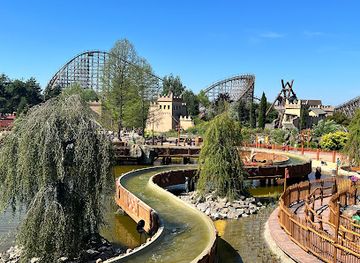
Theme park
Toverland
Discover the magic of Toverland, a captivating theme park in the Netherlands, boasting thrilling rides and enchanting experiences for families and adventurers.
-
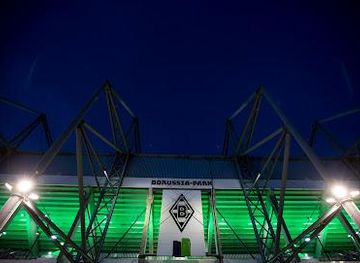
Stadium
BORUSSIA-PARK
Discover the heart of German football culture at Borussia-Park, home to Borussia Mönchengladbach, where passion and excitement meet.
-
Park
Japanese Garden
Discover the serene beauty of the Japanese Garden in Hasselt, where nature and tranquility blend seamlessly in a captivating landscape.
-
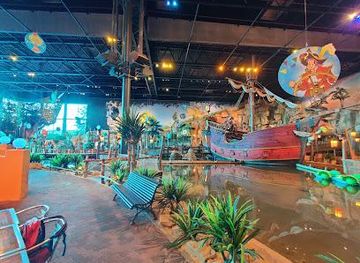
Theme park
Plopsa Indoor Hasselt
Discover endless fun at Plopsa Indoor Hasselt, a premier indoor theme park in Belgium, featuring thrilling rides, shows, and beloved characters.

Best landmarks in Limburg
Maastricht's surviving Helpoort, medieval churches and defensive works at the Hoge Fronten express the city's long military and religious importance, while the Meuse remains the geographical feature around which its history developed. In Valkenburg, the hilltop castle ruins are a prominent reminder of medieval power, and the marlstone quarries beneath the town reveal how local geology influenced building and industry. The whitewashed houses and church of Thorn form one of Limburg's most recognisable historic ensembles, reflecting its former status as a semi-independent ecclesiastical community. Further north, the Meuse and its river terraces shape the landscape around Stevensweert and Roermond, where historic settlement patterns coexist with the Maasplassen. The Vaalserberg near Vaals is the Netherlands' highest point and a notable geographical landmark, while Castle Hoensbroek and the former mining landscape around Parkstad represent the province's aristocratic and industrial legacies. In northern Limburg, the ridges and shifting sands of De Maasduinen provide a natural counterpoint to the province's built landmarks.
-
Botanical garden
Castle Gardens In Arcen
Explore the enchanting Castle Gardens in Arcen, where vibrant flora meets rich history in a serene botanical paradise.
-
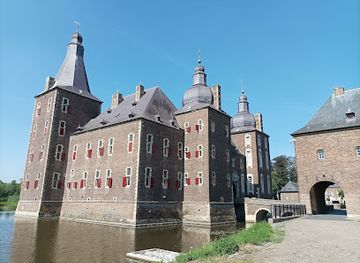
Castle
Hoensbroek Castle
Explore the enchanting Hoensbroek Castle, a historical gem in the Netherlands, rich in heritage and stunning architecture.
-
National park
Meinweg National Park
Experience the tranquil beauty and diverse wildlife of Meinweg National Park, a hidden treasure for nature lovers and outdoor enthusiasts in the Netherlands.
-
Bridge
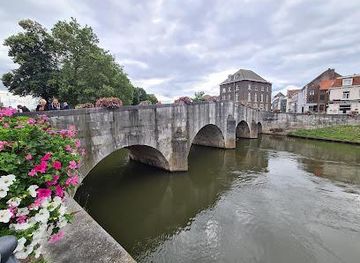
Steenen- of Maria-Theresia brug
Discover the stunning Maria Theresia Brug in Roermond, a historic bridge offering beautiful views and a glimpse into the city's rich heritage.

Explore Limburg on the map
Plan your trip on one map. See where the top cities, national parks and sights are, and book hotels and experiences in a few clicks.
Best hotels in Limburg
Best restaurants in Limburg
Limburg's food culture has a distinctly southern Dutch character, shaped by its proximity to Belgium and Germany and by the province's fruit-growing, farming and vineyard landscapes. Vlaai, the regional fruit tart, appears in many bakery windows, with fillings and pastry styles varying between makers. In autumn and winter, local menus may include zoervleis, a tangy slow-cooked meat dish, while spring brings Limburg asparagus and new-season produce. Maastricht has the broadest range of restaurants, from traditional cafés and brasseries to contemporary kitchens, with cafés and bakeries especially important to the city's social life. Village inns, farm shops and terrace restaurants are common in the southern hills, while Roermond and Venlo offer dining around historic centres and waterways. Beer is widely available, and Limburg's vineyards produce small quantities of Dutch wine on suitable southern slopes. Farmers' markets and regional-produce shops provide useful opportunities to sample local cheese, fruit, bread and preserves.
-
Restaurant
Beej Benders
Venlo's ultimate fresh market haven with food court bites and restaurant feasts, all sourced from local farms and crafted with traditional Limburg flair.
-
Restaurant
Horst World Kitchen
Experience global flavors at Horst World Kitchen – where every meal is a journey through taste.
-
Tapas
Gossimijne Horst
Experience the vibrant flavors of Spanish tapas at Gossimijne Horst – where every bite tells a story!
-
Restaurant
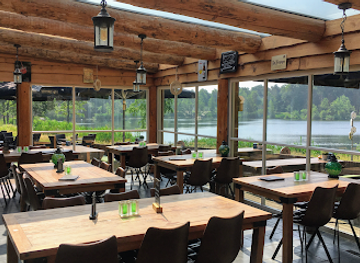
Boscafé Het Maasdal Sharing, Lunch, A la carte & High-Tea restaurant
Experience delightful dining at Boscafé Het Maasdal – where nature meets culinary excellence in Horst.

Best bars in Limburg
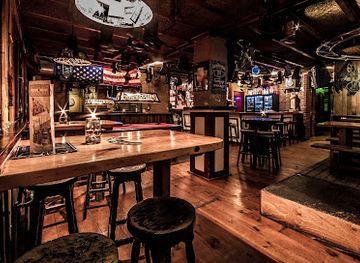
Evening life in Limburg varies sharply by town. Maastricht has the province's widest choice, with busy café squares, wine bars, restaurants, live-music venues and a student-influenced late-night scene. Venlo and Heerlen also offer central pubs, cafés and cultural venues, while Roermond combines restaurants and bars around its historic centre with a more relaxed waterside atmosphere. Outside these towns, nightlife generally centres on traditional pubs, local beer, cafés and occasional live music rather than large clubs. Carnival brings especially lively but highly localised celebrations in many communities, with different town names, costumes and traditions. Former mining towns have their own social and cultural venues, while rural villages may become quiet earlier in the evening. Check local transport before staying out late, as buses and trains are less frequent in smaller communities and around the edges of the province.
-
Bar
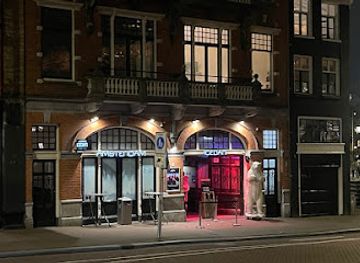
Xtracold Icebar Amsterdam
Discover the frosty allure of Xtracold Icebar Amsterdam, where drinks served in ice glasses create a unique and memorable experience.
-
Bar
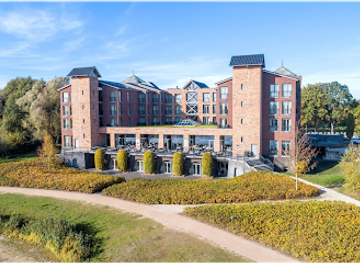
Parkhotel Horst
Experience the ultimate retreat at Parkhotel Horst, where luxury meets nature and adventure awaits in the heart of the Dutch countryside.
-
Tapas
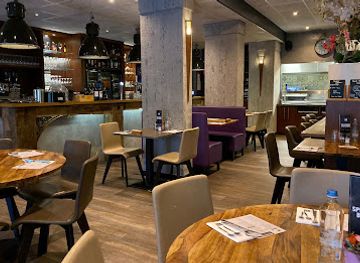
Gossimijne Horst
Experience the vibrant flavors of Spain at Gossimijne Horst, a top-rated tapas bistro in the heart of Horst.
-
Live music bar
Boothill Saloon Amersfoort - Live muziek & Cocktails
Discover Boothill Saloon in Amersfoort: a lively live music bar serving cocktails, delicious food, and unforgettable nights filled with rock music.
Best nightclubs in Limburg
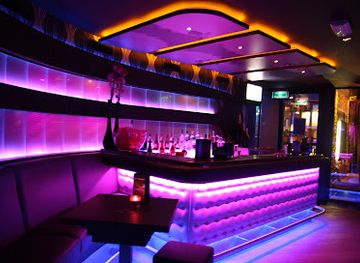
Evening life in Limburg varies sharply by town. Maastricht has the province's widest choice, with busy café squares, wine bars, restaurants, live-music venues and a student-influenced late-night scene. Venlo and Heerlen also offer central pubs, cafés and cultural venues, while Roermond combines restaurants and bars around its historic centre with a more relaxed waterside atmosphere. Outside these towns, nightlife generally centres on traditional pubs, local beer, cafés and occasional live music rather than large clubs. Carnival brings especially lively but highly localised celebrations in many communities, with different town names, costumes and traditions. Former mining towns have their own social and cultural venues, while rural villages may become quiet earlier in the evening. Check local transport before staying out late, as buses and trains are less frequent in smaller communities and around the edges of the province.
-
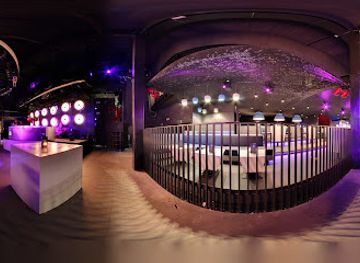
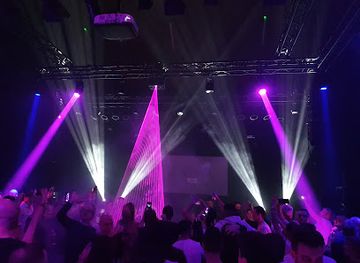
Night club
Versuz
Experience the electrifying nightlife at Versuz, Hasselt's premier nightclub, featuring top DJs, stunning light shows, and an unforgettable atmosphere.
-
Concert hall
Poppodium Grenswerk
Discover the heartbeat of Venlo's nightlife at Poppodium Grenswerk, a top concert hall and night club showcasing live music and vibrant entertainment.
-
Disco club
Mondial
Discover Mondial, Beek's premier disco club, where vibrant energy meets unforgettable nightlife experiences.
-
Disco club
Nr.7even Heerlen
Discover the nightlife of Heerlen at Nr.7even, where music, dancing, and vibrant energy come together for an unforgettable experience.
Best shops in Limburg
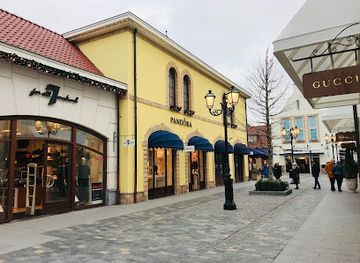
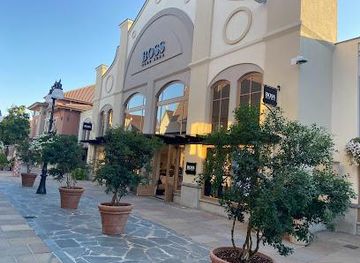
Shopping in Limburg is strongest in its historic town centres rather than in one province-wide retail district. Maastricht has the broadest selection, with pedestrian streets, independent boutiques, bookshops, design stores, galleries, food shops and larger retail chains concentrated around the central squares and lanes. Roermond is known for extensive outlet retail outside the historic core, while the city centre itself offers smaller shops and cafés; visitors should distinguish the two settings when planning time. Venlo, Heerlen, Sittard and Weert serve as practical market-town shopping centres with high-street stores, local services and regular market activity. In southern villages, look for bakeries selling vlaai, farm shops, wine from local vineyards and small producers of preserves or cheese. Craft and antique shops occur in historic towns such as Thorn and Valkenburg, although stock and opening patterns vary. Regional food products are generally more useful souvenirs than generic tourist goods, particularly when bought from established shops or markets.
-
Gift shop
Designer Outlet Roermond
Explore Designer Outlet Roermond for unbeatable designer deals and a delightful shopping experience in the Netherlands.
-
Shopping mall
Maasmechelen Village
Discover Maasmechelen Village, Belgium's premier shopping destination with luxury brands, scenic views, and a unique open-air retail experience.
-
Shopping mall
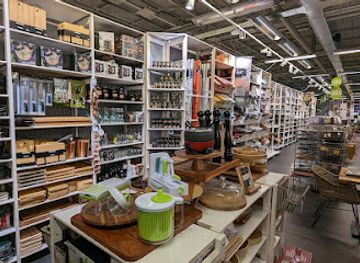
Trefcenter Venlo
Explore Trefcenter Venlo - a vibrant shopping mall offering everything from garden furniture to kitchen supplies in a delightful atmosphere.
-
Shopping mall
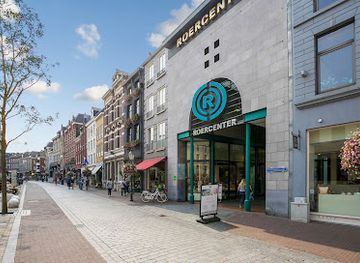
Shoppingcenter Roercenter
Explore Shoppingcenter Roercenter in Roermond – a vibrant shopping hub with diverse stores, dining options, and a welcoming atmosphere for all visitors.
Get your free copy of our complete guide to Limburg, delivered straight to you.
Everything on this page, from attractions and restaurants to essentials and local phrases, in one PDF you can read offline, print or share.
Already have an account? Sign in
Your Limburg guide is ready.
We'll send it to · Not you? Sign out

Getting your guide ready…
We are putting together a fresh copy of the Limburg guide. This can take up to a minute.
This can take a few moments. If your browser asks, choose Allow so the download can start. You'll find the guide in your Downloads folder.
Nothing happened? Download it again
Sorry, the guide is taking longer than usual. Please try again in a minute, or get it by email instead.
Limburg essentials
Currency and Payment
Safety
Emergency Situations
Do's and Don'ts
Local Tips
From Eve
Local phrases worth knowing
You don't need to get them perfect. A few words go a long way, and locals appreciate the effort.
Basics
| English | Local | Say it |
|---|---|---|
| Hello | Hallo | [Hah-loh] |
| Goodbye | Tot ziens | [Tot zeens] |
| Yes | Ja | [Yah] |
| No | Nee | [Nay] |
| Please/You're welcome | Alsjeblieft | [Ahl-she-bleeft] |
| Thank you | Dank je | [Dahnk yuh] |
| Excuse me/Sorry | Sorry | [Sor-ree] |
| How are you? | Hoe gaat het? | [Hoo ghaht het?] |
| Fine. And you? | Goed. En jij? | [Hoot. En yay?] |
| Do you speak English? | Spreek je Engels? | [Sprayk yuh Eng-els?] |
| I don't understand | Ik begrijp het niet | [Ik beh-graihf het neet] |
Eating & Drinking
| English | Local | Say it |
|---|---|---|
| I'd like to see the menu, please | Ik zou graag de menu willen zien, alsjeblieft | [Ik zow grahkh de men-oo vil-len zeen, ahl-she-bleeft] |
| I don't eat meat | Ik eet geen vlees | [Ik eet ghen vles] |
| Cheers! | Proost! | [Prohst!] |
| I would like to pay, please | Ik zou graag willen betalen, alsjeblieft | [Ik zow grahkh vil-len beh-ta-len, ahl-she-bleeft] |
Emergencies
| English | Local | Say it |
|---|---|---|
| Help! | Help! | [Help!] |
| Go away! | Ga weg! | [Gah vehkh!] |
| Call the Police! | Bel de politie! | [Bel de po-lee-tie!] |
| Call a doctor! | Bel een dokter! | [Bel een dok-ter!] |
| I'm lost | Ik ben verdwaald | [Ik ben fer-dwaald] |
| I'm ill | Ik ben ziek | [Ik ben zeek] |
Shopping
| English | Local | Say it |
|---|---|---|
| I'd like to buy... | Ik zou graag ... willen kopen | [Ik zow grahkh ... vil-len koh-pen] |
| I'm just looking | Ik kijk alleen maar | [Ik kayk ah-lay maar] |
| How much is it? | Hoeveel kost het? | [Hoo-vayl kost het?] |
| That's too expensive | Dat is te duur | [Dat is tuh dyur] |
| Can you lower the price? | Kun je de prijs verlagen? | [Kun yuh de prays fer-lah-ghen?] |
Time & Numbers
| English | Local | Say it |
|---|---|---|
| What time is it? | Hoe laat is het? | [Hoo laat is het?] |
| It's one o'clock | Het is een uur | [Het is ehn ur] |
| Half past (10) | Half (10) | [Half (10)] |
| Morning | Ochtend | [Okht-end] |
| Afternoon | Middag | [Mid-dahg] |
| Evening | Avond | [Ah-vont] |
| Yesterday | Gisteren | [Ghis-te-ren] |
| Today | Vandaag | [Vahn-dahg] |
| Tomorrow | Morgen | [Mor-ghen] |
| 1 | 1 | [1] |
| 2 | 2 | [2] |
| 3 | 3 | [3] |
| 4 | 4 | [4] |
| 5 | 5 | [5] |
| 6 | 6 | [6] |
| 7 | 7 | [7] |
| 8 | 8 | [8] |
| 9 | 9 | [9] |
| 10 | 10 | [10] |
Transport & Directions
| English | Local | Say it |
|---|---|---|
| Where's a/the...? | Waar is een/de ...? | [Waar is ehn/de ...?] |
| What's the address? | Wat is het adres? | [Wat is het ah-dres?] |
| Can you show me (on the map)? | Kun je me (op de kaart) laten zien? | [Kun yuh meh (op de kart) lah-ten zeen?] |
| When's the next (bus)? | Wanneer is de volgende (bus)? | [Vahn-neer is de vol-ghen-de (bus)?] |
| A ticket (to ....) | Een ticket (naar ...) | [Ehn ti-ket (naahr ...)] |
History of Limburg
Roman Maastricht and the Meuse Crossing
Maastricht developed at an important crossing of the Meuse, where Roman roads connected settlements in the wider region. The Roman name Trajectum ad Mosam refers to the crossing over the river, and archaeological remains show the importance of the site during the imperial period. Parts of the Roman bridge and later defensive and religious development helped establish Maastricht as a long-lasting urban centre. Roman influence was not confined to the city: roads, farms and settlements occupied parts of the fertile southern Limburg landscape, leaving a legacy that continues to shape the province's archaeological story.
Medieval Territories and Religious Foundations
During the Middle Ages, present-day Limburg was divided among several political territories rather than forming a single unified province. Maastricht was shared for centuries by the Prince-Bishop of Liège and the Dukes of Brabant, while other areas came under the Duchy of Jülich, the County of Loon or local lordships. Abbeys, parish churches, castles and fortified towns developed across the Meuse valley and southern hills. The medieval foundations of Maastricht, Thorn, Valkenburg and numerous villages remain visible in street plans, churches, defensive works and estates.
Maastricht's Fortifications and Strategic Borderland
Maastricht's position on the Meuse made it strategically important and repeatedly drew military conflict. Its walls, gates, bastions and underground passages were expanded over many centuries, particularly as artillery changed siege warfare. The city was captured and besieged several times, including the famous siege of 1673, when the French forces of Louis XIV took Maastricht and the military engineer Sébastien Le Prestre de Vauban was involved in the operation. Surviving fortifications such as the Helpoort and the Hoge Fronten illustrate the city's role as a fortified frontier town.
The Creation of the Dutch Province of Limburg
The modern province emerged from the political upheavals that followed the Napoleonic period and the Belgian Revolution. Much of the area joined Belgium in 1830, but the Treaty of London in 1839 divided the former territory: the western part became Belgian Limburg, while the eastern part, with Maastricht, became the Dutch province of Limburg. This explains why Limburg has a close cultural and linguistic relationship with Belgian Limburg while remaining firmly integrated into the Netherlands. The province's unusual shape and border position are direct results of this nineteenth-century settlement.
Coal Mining and Industrial Limburg
From the late nineteenth century until the mines closed in the 1960s and 1970s, coal transformed eastern and southern Limburg. Mining expanded around Heerlen, Kerkrade, Brunssum and Geleen, attracting workers and reshaping settlement, infrastructure and social life. Collieries, slag heaps, railways and company housing once dominated the landscape. After the closures, the region faced significant economic and environmental change, but industrial heritage remains visible in surviving buildings, mining monuments, museums and redesigned former sites. The legacy also helps explain the distinct urban character of Parkstad Limburg.
War, Liberation and Reconstruction
Limburg was among the first parts of the Netherlands to be liberated during the Second World War, beginning with the Allied advance into the southern province in September 1944. Maastricht was liberated early in the campaign, while other communities experienced fighting, disruption and later operations as the front moved northwards. Bridges over the Meuse and transport routes were strategically important, and memories of liberation remain part of local commemorations. Post-war reconstruction and the rapid dismantling of the coal industry then shaped much of Limburg's modern economic landscape.
Cross-Border Europe and Contemporary Limburg
Limburg's modern identity is inseparable from its borders with Belgium and Germany. Maastricht, Heerlen, Venlo and other towns participate in cross-border economic, educational and cultural networks, while residents regularly travel across national boundaries for work, shopping and leisure. European integration has made these connections easier, although language, transport arrangements and administrative systems still differ. The province now combines historic urban centres and industrial towns with tourism based on cycling, walking, food, wine, waterways and protected landscapes.
Limburg in Photos
Browse through our photo collection highlighting the charm and character of the destination.
Neighbouring regions of Limburg
The closest regions to Limburg, if you have time for more than one.
-

-
-
-

-


Swipe for more regions
Explore more

Explore more of Netherlands
Discover the Netherlands: A blend of historic charm, artistic treasures, and scenic landscapes, perfect for an enriching travel experience.
Explore Netherlands