

Free North Brabant Travel Guide & Mobile App
Explore North Brabant with free travel guides. Discover regional history, expert tips, proposed trips, and audio guides on web or mobile app.


Explore North Brabant for Eindhoven design, historic cities, Van Gogh heritage, cycling landscapes and the relaxed culture of the southern Netherlands.
Read more about North Brabant
When is the best time to visit North Brabant?
Best: June–August · 20–23°C| Month | High (°C) | Rainfall (mm) |
|---|---|---|
| January | 6 | 70 |
| February | 7 | 55 |
| March | 10 | 65 |
| April | 14 | 45 |
| May | 18 | 55 |
| June (best) | 20 | 70 |
| July (best) | 23 | 80 |
| August (best) | 23 | 75 |
| September | 19 | 70 |
| October | 14 | 70 |
| November | 10 | 70 |
| December | 7 | 80 |
Getting to and around North Brabant
How to get there
Transportation
Top city travel guides in North Brabant
The cities of North Brabant, and the easiest places to base yourself.
-

-

-

-

-

-


Swipe for more cities
Destinations in North Brabant
Resorts, valleys and scenic spots worth a trip of their own.
-
-

-
-


Swipe for more destinations
Best attractions in North Brabant
North Brabant’s attractions range from historic city centres to broad areas of heathland, woodland and sand dunes. In ’s-Hertogenbosch, visitors can explore medieval streets, museums and the city’s distinctive canal system, while Breda combines heritage buildings with a lively cultural scene. Eindhoven offers a markedly different experience through design, technology, industrial history and contemporary art. Van Gogh-related places in Nuenen, Zundert, Etten-Leur and Tilburg reveal the landscape and communities connected with the painter’s early life. Outdoors, the Loonse en Drunense Duinen provide extensive walking and cycling terrain, and the Brabantse Wal has wooded slopes, estates and views towards the western lowlands. The province also contains wetlands and river landscapes, including Brabant sections of De Biesbosch, where water management and wildlife are central themes. Smaller museums, historic estates, churches, breweries and village markets add local texture, while cycling routes link many attractions without requiring a major change of base.
-
Theme park
Efteling
Discover the enchanting world of Efteling, a premier theme park in Kaatsheuvel, Netherlands, where fairy tales and fun come alive.
-
Tourist attraction
Overloon War Museum
Explore the Overloon War Museum, a profound journey into the history of World War II in the Netherlands, with rich exhibits and engaging stories.
-
Catholic cathedral
St John's Cathedral
Explore the stunning St John's Cathedral in 's-Hertogenbosch, a gothic masterpiece filled with history, art, and spiritual beauty.
-
Tourist attraction
The Loonse and Drunense Duinen National Park
Explore the breathtaking landscapes of The Loonse and Drunense Duinen National Park, a stunning mix of sand dunes, forests, and diverse wildlife in the Netherlands.


Best landmarks in North Brabant
The cathedral of St John in ’s-Hertogenbosch is North Brabant’s most imposing ecclesiastical landmark, recognised for its Brabant Gothic architecture, elaborate sculpture and prominent position in the historic city. The same city’s medieval street plan and Binnendieze waterways express its former importance as a fortified trading centre. Breda’s Grote Kerk dominates the central square, while Breda Castle reflects the city’s links with the House of Nassau and the political history of the Netherlands. In Eindhoven, the former industrial legacy of Philips is represented through buildings and districts associated with the city’s transformation into a technology centre, although the contemporary skyline is equally important. Nuenen’s village streets, churchyard and rural surroundings are significant for their connection with Van Gogh’s Brabant period. Beyond the towns, the shifting sands of the Loonse en Drunense Duinen and the elevated wooded landscape of the Brabantse Wal are geographical landmarks that distinguish the province from the flatter northern Netherlands.
-
Theme park
Efteling
Discover a world of fairy tales and thrill rides at Efteling, the premier theme park in the Netherlands, where magic comes to life for visitors of all ages.
-
Zoo
Beekse Bergen
Discover Beekse Bergen, a remarkable safari park in Hilvarenbeek, where wildlife adventures and family fun await in a stunning natural setting.
-
Museum
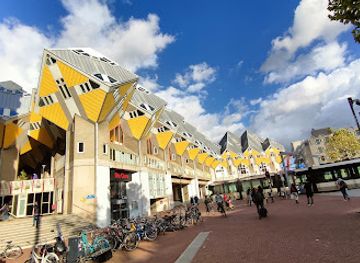
Kijk-Kubus Museum-house
Discover the architectural wonder of Kijk-Kubus Museum-House in Rotterdam, a unique blend of history and innovation that captivates all visitors.
-
Tourist attraction
Euromast
Discover breathtaking views and dine at the heights of Rotterdam at the iconic Euromast, a must-see tourist attraction blending history with modernity.


Explore North Brabant on the map
Plan your trip on one map. See where the top cities, national parks and sights are, and book hotels and experiences in a few clicks.
Best hotels in North Brabant
Best restaurants in North Brabant
Dining in North Brabant combines accessible Dutch café culture with a growing urban restaurant scene. ’s-Hertogenbosch is closely associated with the Bossche bol, a large chocolate-covered pastry filled with cream, while Brabant more broadly is known for convivial brown cafés, bakery traditions, hearty seasonal cooking and local beers. Menus often draw on nearby farms for vegetables, dairy, meat and fruit, with markets and farm shops providing further opportunities to sample regional produce. Eindhoven has the province’s most internationally varied dining landscape, including contemporary restaurants, cafés and food venues influenced by its sizeable student, technology and design communities. Breda and Tilburg offer a mix of modern restaurants, traditional pubs and informal lunch spots, while villages and rural areas are more likely to centre on inns, pancake houses and terrace dining. Look for beer brewed in Brabant and for seasonal dishes involving asparagus, berries or game when locally available, rather than assuming every food associated with the Netherlands is specifically regional.
-
Diner
Herberg "In den Bockenreyder"
Discover authentic Dutch cuisine at Herberg 'In den Bockenreyder', nestled in Esbeek's enchanting woods.
-
Restaurant
Sopranos
Experience authentic Dutch hospitality at Sopranos, Eindhoven's premier destination for exquisite meats and unforgettable dining.
-
Restaurant
Herberg de Brabantse Kluis
Discover Herberg de Brabantse Kluis: where history meets culinary excellence amidst serene nature.
-
Restaurant
Brass aan de Maas
Experience exquisite dining at Brass aan de Maas - where local flavors meet stunning riverside views.


Best bars in North Brabant
Evening life in North Brabant varies considerably between its cities and countryside. Eindhoven has the broadest late-night choice, with a concentration of bars, live-music venues, cultural spaces and clubs around the central area, although opening arrangements change. Breda is known for its busy café terraces and city-centre nightlife, while Tilburg combines bars with concert and performance venues, supported by its student and cultural communities. ’s-Hertogenbosch offers historic pubs, restaurants and a sociable evening atmosphere rather than a large club district. Outside the main cities, evenings generally revolve around village cafés, traditional pubs, brewery taprooms, restaurants and occasional live music. During major cultural events, the urban scene becomes busier, so advance planning for accommodation and transport is sensible. Visitors do not need to drink alcohol to participate in local evening life; cafés, food venues and performances provide alternatives.
-
Irish pub
O'Shea's Irish Pub
O'Shea's Irish Pub in Eindhoven offers a genuine Irish pub experience with delicious cuisine, live music, and a vibrant atmosphere for everyone.
-
Bar
Drinkers Pub
Experience the vibrant nightlife at Drinkers Pub in Eindhoven, where great drinks meet delicious food in a lively atmosphere.
-
Bar
FIFTH
Experience the vibrant culture of Eindhoven at FIFTH, a unique bar and live music venue blending coffee, events, and unforgettable performances.
-
Restaurant
Beyerd Café-Restaurant-Brouwerij De Beyerd
Discover the flavors of Breda at Beyerd Café-Restaurant-Brouwerij De Beyerd, where great food and crafted beers meet in a cozy atmosphere.


Best nightclubs in North Brabant
Evening life in North Brabant varies considerably between its cities and countryside. Eindhoven has the broadest late-night choice, with a concentration of bars, live-music venues, cultural spaces and clubs around the central area, although opening arrangements change. Breda is known for its busy café terraces and city-centre nightlife, while Tilburg combines bars with concert and performance venues, supported by its student and cultural communities. ’s-Hertogenbosch offers historic pubs, restaurants and a sociable evening atmosphere rather than a large club district. Outside the main cities, evenings generally revolve around village cafés, traditional pubs, brewery taprooms, restaurants and occasional live music. During major cultural events, the urban scene becomes busier, so advance planning for accommodation and transport is sensible. Visitors do not need to drink alcohol to participate in local evening life; cafés, food venues and performances provide alternatives.
-
Night club
PKHS
Dive into an unforgettable nightlife experience at PKHS, Tilburg's premier night club offering vibrant music, dance, and a lively atmosphere.
-
Disco club
Discotheek Oscars
Dive into the lively nightlife at Discotheek Oscars, a premier disco club in Raamsdonksveer, where music and dance create unforgettable memories.
-
Disco club
De Ballenbak
Discover the heart of Eindhoven’s nightlife at De Ballenbak, where the beats are infectious and the dance floor beckons.
-
Night club
Club Rouge
Discover Eindhoven's nightlife at Club Rouge, the ultimate destination for music lovers and partygoers in the heart of the city.


Best shops in North Brabant
Shopping in North Brabant is strongest in its historic city centres, where national retailers share streets with independent boutiques, bookshops, cafés and specialist food shops. ’s-Hertogenbosch is a pleasant place to browse around its old streets and seek out chocolate, bakery products and regional beers, while Breda offers a mixture of established shopping streets, smaller independent businesses and design-led shops. Eindhoven has the most contemporary retail character, with fashion, interiors, technology and creative products reflecting its design and innovation culture. Tilburg combines practical high-street shopping with independent shops and cultural venues. Outside the cities, market towns, farm shops and seasonal farmers’ markets are useful for Brabant cheeses, beer, preserves, bakery goods and locally grown produce. Craft shops and galleries may offer ceramics, textiles, prints and contemporary design, but availability varies by town. Visitors should distinguish genuinely local products from souvenirs simply branded with the Netherlands, particularly when buying food or handmade goods.
-
Shopping mall
AaBe Fabriek
Discover a vibrant shopping experience at AaBe Fabriek, where modern retail meets Tilburg's rich industrial heritage.
-
Shopping mall
the Baroness
Discover The Baroness in Breda, a shopping mall that offers a unique blend of local boutiques, major brands, and cozy cafes for a perfect day out.
-
Shopping mall
Winkelcentrum Etten-Leur
Experience the charm of Etten-Leur at Winkelcentrum, where shopping, dining, and local culture come together in a vibrant atmosphere.
-
Shopping mall
Winkelcentrum Westermarkt Tilburg
Explore Tilburg's vibrant Winkelcentrum Westermarkt, a shopping paradise with diverse stores, dining, and a lively atmosphere perfect for tourists.


Get your free copy of our complete guide to North Brabant, delivered straight to you.
Everything on this page, from attractions and restaurants to essentials and local phrases, in one PDF you can read offline, print or share.
Already have an account? Sign in
Your North Brabant guide is ready.
We'll send it to · Not you? Sign out

Getting your guide ready…
We are putting together a fresh copy of the North Brabant guide. This can take up to a minute.
This can take a few moments. If your browser asks, choose Allow so the download can start. You'll find the guide in your Downloads folder.
Nothing happened? Download it again
Sorry, the guide is taking longer than usual. Please try again in a minute, or get it by email instead.
North Brabant essentials
Currency and Payment
Safety
Emergency Situations
Do's and Don'ts
Local Tips
From Eve
Local phrases worth knowing
You don't need to get them perfect. A few words go a long way, and locals appreciate the effort.
Basics
| English | Local | Say it |
|---|---|---|
| Hello | Hallo | [Hah-loh] |
| Goodbye | Tot ziens | [Toht zeens] |
| Yes | Ja | [Yah] |
| No | Nee | [Nay] |
| Please/You're welcome | Alstublieft | [Alst-uu-bleeft] |
| Thank you | Dank u | [Dahnk oo] |
| Excuse me/Sorry | Excuseer | [Ex-kuseer] |
| How are you? | Hoe gaat het? | [Hoo gaat het] |
| Fine. And you? | Goed. En jij? | [Hood. En yay] |
| Do you speak English? | Spreekt u Engels? | [Spreekt oo Eng-els] |
| I don't understand | Ik begrijp het niet | [Ik beh-graip het neet] |
Eating & Drinking
| English | Local | Say it |
|---|---|---|
| I'd like to see the menu, please | Ik wil graag de menukaart zien, alstublieft | [Ik vil grahkh de meh-nu-kaart zeen, alst-uu-bleeft] |
| I don't eat meat | Ik eet geen vlees | [Ik eet ghen vlay-s] |
| Cheers! | Proost! | [Prohst] |
| I would like to pay, please | Ik wil graag betalen, alstublieft | [Ik vil grahkh beh-ta-len, alst-uu-bleeft] |
Emergencies
| English | Local | Say it |
|---|---|---|
| Help! | Help! | [Help] |
| Go away! | Ga weg! | [Gah vekh] |
| Call the Police! | Bel de politie! | [Bel de po-li-tsee] |
| Call a doctor! | Bel een dokter! | [Bel een dok-ter] |
| I'm lost | Ik ben verdwaald | [Ik ben fer-dwaald] |
| I'm ill | Ik ben ziek | [Ik ben zeek] |
Shopping
| English | Local | Say it |
|---|---|---|
| I'd like to buy... | Ik wil graag kopen... | [Ik vil grahkh koh-pen] |
| I'm just looking | Ik kijk alleen maar | [Ik kyke ah-lay maar] |
| How much is it? | Hoeveel kost het? | [Hoo-vayl kost het] |
| That's too expensive | Dat is te duur | [Dat is tuh deur] |
| Can you lower the price? | Kunt u de prijs verlagen? | [Kunt oo de prays fer-lah-ghen] |
Time & Numbers
| English | Local | Say it |
|---|---|---|
| What time is it? | Hoe laat is het? | [Hoo laat is het] |
| It's one o'clock | Het is één uur | [Het is ayn oor] |
| Half past (10) | Half elf | [Half elf] |
| Morning | Ochtend | [Okh-tend] |
| Afternoon | Middag | [Mid-dahg] |
| Evening | Avond | [Ah-vond] |
| Yesterday | Gisteren | [Ghis-te-ren] |
| Today | Vandaag | [Vaan-dahg] |
| Tomorrow | Morgen | [Mor-ghen] |
| 1 | 1 | [Eyn] |
| 2 | 2 | [Twee] |
| 3 | 3 | [Drie] |
| 4 | 4 | [Vier] |
| 5 | 5 | [Vijf] |
| 6 | 6 | [Zes] |
| 7 | 7 | [Zeven] |
| 8 | 8 | [Acht] |
| 9 | 9 | [Negen] |
| 10 | 10 | [Tien] |
Transport & Directions
| English | Local | Say it |
|---|---|---|
| Where's a/the...? | Waar is een/de...? | [Waar is ayn/de] |
| What's the address? | Wat is het adres? | [Wat is het ah-dres] |
| Can you show me (on the map)? | Kunt u het me laten zien (op de kaart)? | [Kunt oo het meh lah-ten zeen (op de kaart)] |
| When's the next (bus)? | Wanneer is de volgende (bus)? | [Van-deer is de vol-ghen-de (bus)] |
| A ticket (to ....) | Een ticket (naar ....) | [Ayn tik-ket (naar)] |
History of North Brabant
Prehistoric Landscapes and Roman Frontiers
Long before the modern province existed, North Brabant was occupied by farming communities, herders and traders who used its sandy ridges, river valleys and raised ground. Archaeological remains include prehistoric burial mounds and traces of settlement. Roman influence was strongest along the northern river frontier and the routes crossing the southern Netherlands, although the region remained largely rural. The contrast between sandy uplands and wetter river landscapes, visible today in heathland, woodland and polders, has continued to influence settlement and agriculture.
The Duchy of Brabant in the Middle Ages
During the medieval period, much of present-day North Brabant formed part of the Duchy of Brabant, whose principal centres lay in the southern Low Countries. Towns such as ’s-Hertogenbosch, Breda, Bergen op Zoom and Eindhoven developed through trade, craft production and regional administration. ’s-Hertogenbosch was founded in the twelfth century and became an important fortified town, while Breda grew around its castle and strategic position. Churches, city walls, market squares and surviving street patterns record this period of urban expansion.
War, Fortifications and the Generality Lands
The Eighty Years’ War and the later Dutch Republic profoundly shaped Brabant. Much of the region remained under Spanish control for long periods, while fortified towns and defensive lines guarded routes between the northern Netherlands and the southern territories. After the Peace of Münster in 1648, much of present-day North Brabant became part of the Republic as the Staats-Brabant, or Generality Lands, rather than enjoying the same political status as the core Dutch provinces. Military landscapes, fortresses and historic town centres still reflect this contested frontier position.
Catholic Life and Social Change
For centuries after the Reformation, public Catholic worship was restricted in the Dutch Republic, but Catholic communities remained strong in Brabant. Religious life became more visible after the nineteenth-century restoration of the Catholic hierarchy in the Netherlands. Churches, convents, processions and schools became important elements of community life, particularly in rural districts and growing towns. The province’s Catholic heritage remains visible in its architecture, religious art, local traditions and the prominence of church towers in historic centres.
Textiles, Manufacturing and Industrialisation
From the eighteenth and nineteenth centuries, industrial growth transformed North Brabant. Tilburg became one of the Netherlands’ leading textile centres, with spinning and weaving shaping both its economy and urban form. Eindhoven later expanded rapidly through electrical manufacturing, most notably through Philips, which established major industrial and social institutions there. Railways, canals and improved roads connected these manufacturing towns with national markets. Former factories and industrial districts now provide important settings for museums, design studios, cultural venues and creative businesses.
Van Gogh and Brabant’s Artistic Legacy
Vincent van Gogh was born in Zundert in 1853 and spent formative years in Brabant. He worked as a teacher in Tilburg, lived and painted in Nuenen, and drew inspiration from local farm workers, landscapes and village life. Nuenen is particularly associated with his early mature work, including The Potato Eaters, while places in Zundert, Etten-Leur and Tilburg illuminate other stages of his development. The provincial landscape and communities therefore form an important part of the story of Dutch nineteenth-century art.
Post-war Modernisation and Contemporary Design
After the Second World War, North Brabant experienced major demographic and economic change. Eindhoven grew into an international technology centre, while Tilburg, Breda and ’s-Hertogenbosch diversified beyond their older industrial and administrative roles. Former industrial sites were reused for education, culture and design, and Eindhoven developed a strong reputation for experimental design and innovation. Today the province combines historic urban centres and traditional villages with research, engineering, festivals and creative industries.
North Brabant in Photos
Browse through our photo collection highlighting the charm and character of the destination.
Neighbouring regions of North Brabant
The closest regions to North Brabant, if you have time for more than one.
-
-
-
-

-


Swipe for more regions
Explore more

Explore more of Netherlands
Discover the Netherlands: A blend of historic charm, artistic treasures, and scenic landscapes, perfect for an enriching travel experience.
Explore Netherlands