

Free Achterhoek Travel Guide & Mobile App
Explore Achterhoek with free travel guides. Discover regional history, expert tips, proposed trips, and audio guides on web or mobile app.


Explore Achterhoek for castle estates, wooded cycling routes, medieval towns, farm produce and the unhurried landscapes of the eastern Netherlands.
Read more about Achterhoek
When is the best time to visit Achterhoek?
Best: June–August · 21–23°C| Month | High (°C) | Rainfall (mm) |
|---|---|---|
| January | 6 | 55 |
| February | 6 | 50 |
| March | 10 | 55 |
| April | 14 | 45 |
| May | 19 | 55 |
| June (best) | 21 | 65 |
| July (best) | 23 | 70 |
| August (best) | 22 | 70 |
| September | 19 | 65 |
| October | 14 | 65 |
| November | 9 | 60 |
| December | 6 | 65 |
Getting to and around Achterhoek
How to get there
Transportation
Top city travel guides in Achterhoek
The cities of Achterhoek, and the easiest places to base yourself.
-

-


Swipe for more cities
Destinations in Achterhoek
Resorts, valleys and scenic spots worth a trip of their own.
-
-

-


Swipe for more destinations
Best attractions in Achterhoek
Achterhoek attractions are spread through a working countryside of villages, market towns, woods and agricultural estates rather than concentrated in a single resort. Around Vorden and Ruurlo, castle domains and historic houses provide a strong focus for walking and cycling, while Huis Bergh in 's-Heerenberg presents one of the region’s most substantial medieval castle complexes. Zutphen adds museums, churches and a dense historic centre, and Groenlo interprets the military landscape of the Dutch Revolt. The National Landscape Winterswijk is a principal outdoor attraction, with irregular fields, wooded banks, old farms and quiet lanes that reward unhurried exploration. Montferland offers forested hills, viewpoints and paths in the south-western Achterhoek. Doetinchem provides urban services, cultural venues and access to the surrounding countryside, while village museums, farm shops and small breweries give a more local perspective on daily life. Families can combine cycle routes and nature walks with castle grounds or indoor cultural attractions, although many rural sites have seasonal or limited opening arrangements. The appeal lies in the connections between places: a day can move from medieval architecture to an estate avenue, a woodland path and a village café without leaving the region.
-
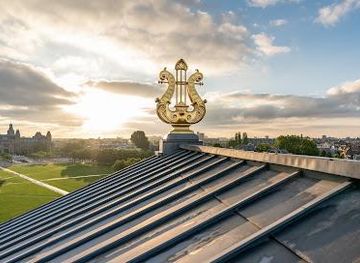
Concert hall
The Concertgebouw
Discover Amsterdam's iconic Concertgebouw, a cultural gem offering breathtaking music performances and stunning architecture in the heart of the city.
-
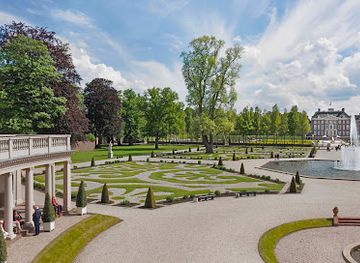
Museum
Paleis Het Loo
Explore the grandeur of Paleis Het Loo, a majestic royal palace and museum, where Dutch history and stunning gardens come alive.
-
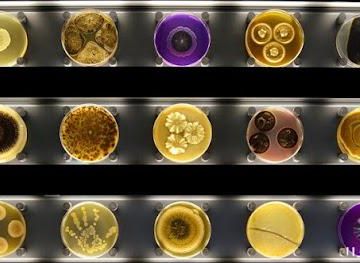
Science museum
Micropia
Explore the intriguing world of microorganisms at Micropia, Amsterdam's unique science museum dedicated to the unseen wonders of life.
-
 Cannabis store
Abraxas
Experience the best of Amsterdam's cannabis culture at Abraxas, where premium strains meet exceptional coffee in a vibrant atmosphere.
Best landmarks in Achterhoek
The most recognisable landmarks of the Achterhoek express its borderland history, medieval towns and estate culture. Huis Bergh at 's-Heerenberg is a major castle complex with medieval origins, defensive architecture and a long association with the local lords of Bergh. In Zutphen, the Walburgiskerk, the medieval town walls and prominent defensive towers convey the city’s former importance on the IJssel and within the Hanseatic trading world. Groenlo’s streets and surviving or reconstructed defensive features recall the fortified town that played a role in the Dutch Revolt. Kasteel Ruurlo and the castles around Vorden represent a different regional tradition: country houses set within parkland, avenues and managed woods. In the south, the Montferland ridge is a natural landmark, rising clearly above the surrounding lowlands and providing a wooded setting for paths and historic associations. The small fields, banks and farmsteads of National Landscape Winterswijk are less monumental but equally distinctive, forming a landscape landmark that explains the Achterhoek’s visual identity. Together these places show how water, war, trade, agriculture and aristocratic landholding shaped the region.
-
Castle
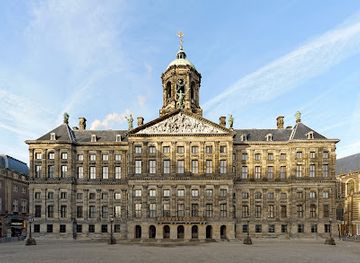
Royal Palace Amsterdam
Explore the grandeur of the Royal Palace Amsterdam, a historic castle and museum highlighting Dutch royal heritage and architecture in the heart of the city.
-
Museum
Moco Museum
Discover contemporary masterpieces at the Moco Museum in Amsterdam, showcasing iconic works from renowned artists like Banksy and Warhol.
-
Concert hall
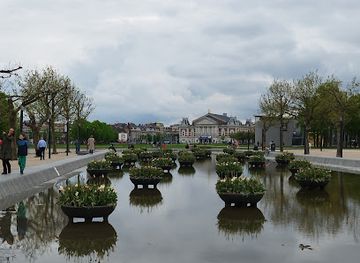
The Concertgebouw
Experience the enchanting acoustics and stunning architecture of The Concertgebouw, Amsterdam's premier concert hall for music enthusiasts.
-
Cultural landmark
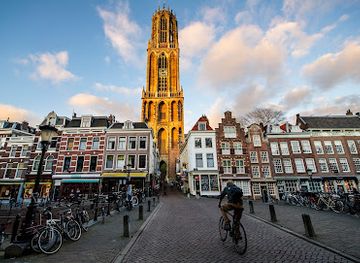
Dom Tower
Explore the majestic Dom Tower, Utrecht's tallest church tower, and immerse yourself in its rich history and breathtaking views.
Explore Achterhoek on the map
Plan your trip on one map. See where the top cities, national parks and sights are, and book hotels and experiences in a few clicks.
Best hotels in Achterhoek
Best restaurants in Achterhoek
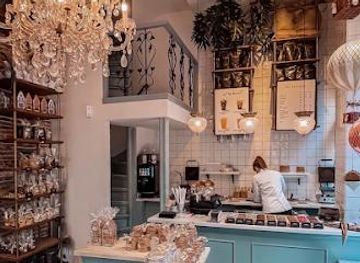
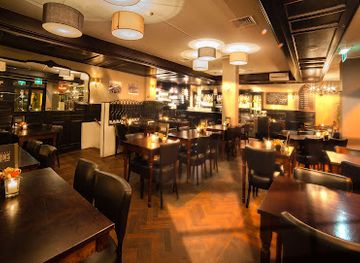
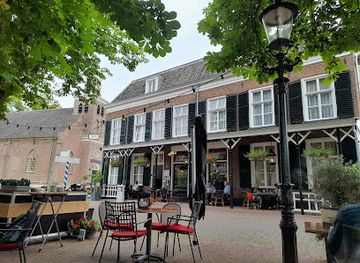
Dining in the Achterhoek reflects its agricultural setting and the practical, seasonal cooking of the eastern Netherlands. Menus commonly draw on local dairy, meat, vegetables, bread and fruit, with farm shops and producers supplying ingredients to cafés, country inns and contemporary restaurants. Around Winterswijk, Lochem, Vorden and the larger towns, visitors will find everything from informal cafés and traditional pubs to restaurants interpreting regional produce in more modern ways. Seasonal asparagus, when available, is a familiar spring ingredient in the wider eastern Netherlands, while local cheeses, preserves, cakes and breads make useful edible souvenirs. Farm-to-table restaurants and estate cafés often focus on what is available locally rather than a single fixed regional dish. Doetinchem and Zutphen offer the broadest choice of international and Dutch dining, whereas village establishments tend to centre on lunch, coffee, simple evening meals and social gatherings. Local breweries and drinks producers also appear on menus, but the Achterhoek’s food culture is best understood through its relationship with farms, markets and country landscapes rather than through one signature recipe.
-
Cookies
van Wonderen Stroopwafels
Amsterdam's freshest customizable stroopwafels on vibrant Kalverstraat—warm caramel-filled waffles topped your way, blending 1907 family craft with modern flair in the city's pedestrian heart.
-
Steak
Steakhouse Vivaldi BV
Experience culinary excellence at Steakhouse Vivaldi in Winterswijk Miste - where premium steaks meet inviting ambiance.
-
Restaurant
Stadscafé Simons
Experience the best of Dutch cuisine at Stadscafé Simons in Doetinchem – where local flavors meet warm hospitality.
-
Restaurant
Hotel Cafe Restaurant De Gouden Karper
Discover culinary delights at Hotel Cafe Restaurant De Gouden Karper in Hummelo – where comfort meets exquisite flavors.

Best bars in Achterhoek
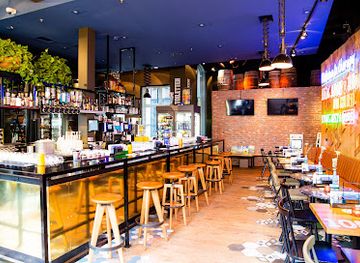
Evenings in the Achterhoek are centred on traditional pubs, cafés, restaurants and live music rather than a large, concentrated nightclub scene. Doetinchem has the broadest urban choice, with bars and late-evening venues around its centre, while Zutphen combines cafés and restaurants with the atmosphere of a historic town. Winterswijk and Lochem provide smaller-town options, and villages often rely on local pubs, community venues and occasional live performances. Historic inns and contemporary beer cafés offer places to sample Dutch and regional beers, while some restaurants and breweries create a more food-focused evening. Rural nightlife is quieter and distances between venues can be considerable, so taxis or a planned driver are important if travelling beyond a town. Opening patterns vary by day and season, particularly in smaller settlements. Visitors should treat the pub as a social setting rather than assuming that every rural destination has a late-night club, and should check current arrangements before making a special journey.
-
Beer hall
't Taphuys Arnhem
Experience the vibrant beer culture of Arnhem at 't Taphuys, where self-tap options meet delicious food in a lively atmosphere.
-
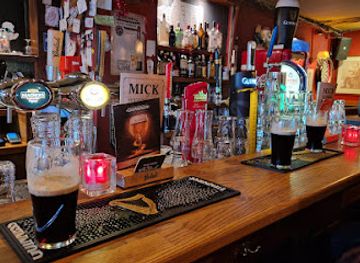
Irish pub
Irish Pub Mick O'Connells
Discover the heart of Ireland in Arnhem at Mick O'Connells, an authentic Irish pub with great food, drinks, and lively atmosphere.
-
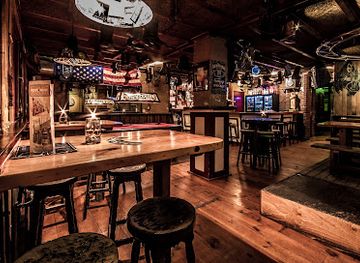
Live music bar
Boothill Saloon Amersfoort - Live muziek & Cocktails
Discover Boothill Saloon, the ultimate live music bar in Amersfoort, where cocktails, great food, and unforgettable performances come together.
-
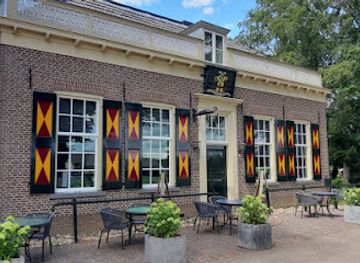
Restaurant
Het Wapen van Heeckeren
Discover exceptional European cuisine in a charming setting at Het Wapen van Heeckeren, the culinary gem of Hummelo.
Best nightclubs in Achterhoek
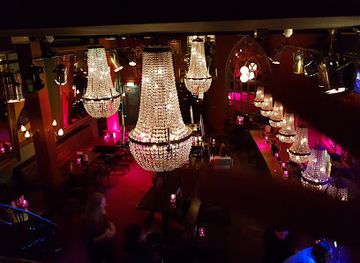
Evenings in the Achterhoek are centred on traditional pubs, cafés, restaurants and live music rather than a large, concentrated nightclub scene. Doetinchem has the broadest urban choice, with bars and late-evening venues around its centre, while Zutphen combines cafés and restaurants with the atmosphere of a historic town. Winterswijk and Lochem provide smaller-town options, and villages often rely on local pubs, community venues and occasional live performances. Historic inns and contemporary beer cafés offer places to sample Dutch and regional beers, while some restaurants and breweries create a more food-focused evening. Rural nightlife is quieter and distances between venues can be considerable, so taxis or a planned driver are important if travelling beyond a town. Opening patterns vary by day and season, particularly in smaller settlements. Visitors should treat the pub as a social setting rather than assuming that every rural destination has a late-night club, and should check current arrangements before making a special journey.
-
Disco club
Dieka
Discover the pulsating nightlife at Dieka, Markelo's premier disco club and event venue, where unforgettable moments await every weekend.
-
Club
Lucky The Feel Good Provider
Experience the vibrant nightlife of Rijssen at Lucky, where the café atmosphere meets the energy of a disco club.
-
Disco club
Club Organza
Unleash your nightlife spirit at Club Organza, Breukelen's ultimate disco club for unforgettable music, dancing, and vibrant energy.
-
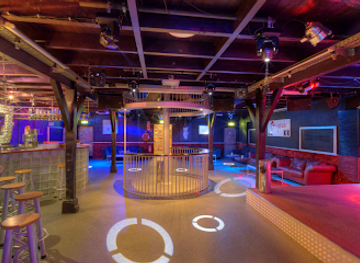
Club
loft Arnhem
Discover the lively nightlife at Loft Arnhem, where dance, drinks, and social connections come together for an unforgettable experience.


Best shops in Achterhoek
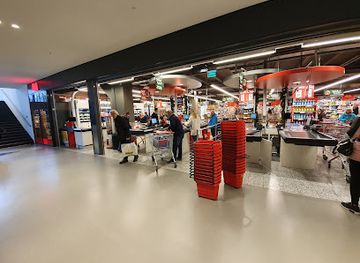
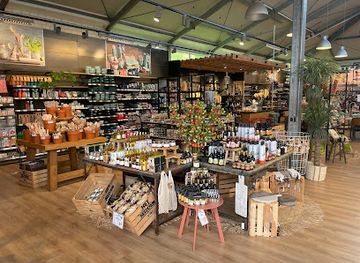
Shopping in the Achterhoek is mainly town-centre and locally produced rather than dominated by large retail districts. Zutphen has the broadest independent-shopping character, with bookshops, antique dealers, galleries, speciality food shops and boutiques in and around its historic streets. Doetinchem provides the region’s more conventional high-street and everyday retail choice, while Winterswijk, Lochem and other market towns combine practical shops with cafés and smaller independent businesses. Farm shops are valuable stops for regional cheese, preserves, vegetables, bread, meat and drinks, although opening arrangements can be seasonal or limited. Art, ceramics, textiles and carefully made home goods appear in galleries and craft shops, particularly in towns with strong cultural and historic identities. Markets vary by town and day, so check local listings rather than assuming a market operates daily. The most convincing souvenirs are often edible or functional: locally made food, beer, small craft objects, books on regional history and products connected with the Achterhoek’s rural landscape.
-
Shopping mall
Hilvertshof
Experience the best of shopping, dining, and leisure at Hilvertshof, Hilversum’s vibrant shopping mall.
-
Gift shop
Intratuin Lochem
Explore Intratuin Lochem for a unique blend of gifts, gardening essentials, and festive decorations in the heart of the Netherlands.
-
Pancake
Erve Brooks
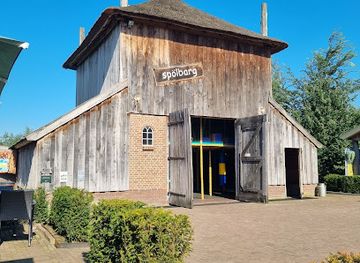
Discover Erve Brooks, a delightful pancake house in Gelselaar offering delicious pancakes, a playground for kids, and a unique museum experience.
-
Campground
Recreatiepark Het Winkel - Winterswijk
Discover the enchanting Recreatiepark Het Winkel in Winterswijk, a family-friendly holiday park offering camping, lodging, and outdoor adventures in nature.
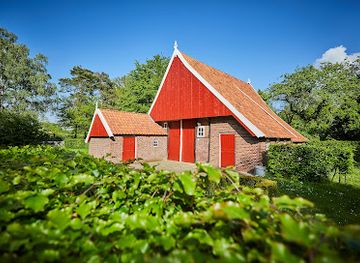
Get your free copy of our complete guide to Achterhoek, delivered straight to you.
Everything on this page, from attractions and restaurants to essentials and local phrases, in one PDF you can read offline, print or share.
Already have an account? Sign in
Your Achterhoek guide is ready.
We'll send it to · Not you? Sign out

Getting your guide ready…
We are putting together a fresh copy of the Achterhoek guide. This can take up to a minute.
This can take a few moments. If your browser asks, choose Allow so the download can start. You'll find the guide in your Downloads folder.
Nothing happened? Download it again
Sorry, the guide is taking longer than usual. Please try again in a minute, or get it by email instead.
Achterhoek essentials
Currency and Payment
Safety
Emergency Situations
Do's and Don'ts
Local Tips
From Eve
Local phrases worth knowing
You don't need to get them perfect. A few words go a long way, and locals appreciate the effort.
Basics
| English | Local | Say it |
|---|---|---|
| Hello | Hallo | [HAH-lo] |
| Goodbye | Tot ziens | [TOT zeens] |
| Yes | Ja | [YAH] |
| No | Nee | [NAY] |
| Please/You’re welcome | Alstublieft | [AL-stu-BLEEFt] |
| Thank you | Dank u | [DANK oo] |
| Excuse me/Sorry | Sorry | [SOR-ee] |
| How are you? | Hoe gaat het? | [HOO gaat het?] |
| Fine. And you? | Goed. En jij? | [GHOO-d. En YAI?] |
| Do you speak English? | Spreekt u Engels? | [SPREEKT oo ENG-els?] |
| I don't understand | Ik begrijp het niet | [IK be-GRIJF het NEET] |
Eating & Drinking
| English | Local | Say it |
|---|---|---|
| I’d like to see the menu, please | Ik zou graag de menukaart zien, alstublieft | [IK zou GHRAAG de ME-nu-kaart ZEEN, AL-stu-BLEEFt] |
| I don't eat meat | Ik eet geen vlees | [IK eet GHAYN VLEYS] |
| Cheers! | Proost! | [PROAST!] |
| I would like to pay, please | Ik zou graag betalen, alstublieft | [IK zou GHRAAG be-TA-len, AL-stu-BLEEFt] |
Emergencies
| English | Local | Say it |
|---|---|---|
| Help! | Help! | [HELP!] |
| Go away! | Ga weg! | [GA VEHGH!] |
| Call the Police! | Bel de politie! | [BEL de po-LEE-tsee!] |
| Call a doctor! | Bel een dokter! | [BEL een DOK-ter!] |
| I’m lost | Ik ben verdwaald | [IK ben ver-DWAALD] |
| I’m ill | Ik ben ziek | [IK ben ZEEK] |
Shopping
| English | Local | Say it |
|---|---|---|
| I’d like to buy... | Ik zou graag ... kopen | [IK zou GHRAAG ... KOH-pen] |
| I’m just looking | Ik kijk alleen maar | [IK KAIK a-LAY-en MAHR] |
| How much is it? | Hoeveel kost het? | [HOO-vayl KOST het?] |
| That’s too expensive | Dat is te duur | [DAT is te DUR] |
| Can you lower the price? | Kunt u de prijs verlagen? | [KUNT oo de PRICE ver-LAH-gen?] |
Time & Numbers
| English | Local | Say it |
|---|---|---|
| What time is it? | Hoe laat is het? | [HOO laat is het?] |
| It’s one o'clock | Het is een uur | [HET is een OOR] |
| Half past (10) | Half tien | [HALF TEE-en] |
| Morning | Ochtend | [OKH-tend] |
| Afternoon | Middag | [MID-dahg] |
| Evening | Avond | [AH-vond] |
| Yesterday | Gisteren | [GHIS-ter-en] |
| Today | Vandaag | [VAN-dahg] |
| Tomorrow | Morgen | [MOR-ghen] |
| 1 | 1 | [EEN] |
| 2 | 2 | [TWEI] |
| 3 | 3 | [DRIE] |
| 4 | 4 | [VIER] |
| 5 | 5 | [VIJF] |
| 6 | 6 | [ZES] |
| 7 | 7 | [ZEVEN] |
| 8 | 8 | [ACHT] |
| 9 | 9 | [NEGEN] |
| 10 | 10 | [TIEN] |
Transport & Directions
| English | Local | Say it |
|---|---|---|
| Where's a/the...? | Waar is een...? | [VAAR is een...?] |
| What's the address? | Wat is het adres? | [WAT is het a-DRES?] |
| Can you show me (on the map)? | Kunt u het me laten zien (op de kaart)? | [KUNT oo het me LAH-ten ZEEN (op de KAART)?] |
| When's the next (bus)? | Wanneer komt de volgende (bus)? | [WAN-neer komt de VOL-gende (BUS)?] |
| A ticket (to ....) | Een kaartje (naar ...) | [EEN KAART-je (NAAR ...)] |
History of Achterhoek
Prehistoric Settlement and Agricultural Landscapes
Long before the modern Dutch state, communities used the sandy east of Gelderland for farming, burial and seasonal movement. Archaeological remains include prehistoric fields, burial mounds and urnfield evidence, especially in the higher sandy areas around the eastern Achterhoek. The region’s later pattern of small fields, wooded banks and scattered farms developed gradually from these agricultural foundations. Although many ancient sites are subtle rather than monumental, they help explain why the Achterhoek differs from the engineered polders and densely occupied western Netherlands.
The County of Zutphen and Medieval Power
During the Middle Ages, the western part of the region was shaped by the County of Zutphen, whose political centre grew beside the IJssel. Zutphen developed as a fortified trading town and later became associated with the Hanseatic trading network. Local lords established castles and fortified houses across the countryside, including around Vorden, Ruurlo and Bergh. Churches, tower houses, estate boundaries and surviving town walls reflect a period when control of roads, rivers and agricultural land was divided among noble families, ecclesiastical institutions and emerging towns.
Gelderland and the Dutch Revolt
The Achterhoek occupied a strategically sensitive position during the sixteenth- and seventeenth-century conflicts that accompanied the Dutch Revolt. Groenlo, one of the region’s best-known fortified towns, changed hands during the fighting and was besieged several times, including by forces associated with Maurice of Nassau. The fortified landscape was later altered, but sections of Groenlo’s defensive history remain visible in its town plan and restored earthworks. Castles and border settlements across the region likewise reflect the political uncertainty of the period.
Hanseatic Trade and the Growth of Zutphen
Zutphen’s position on the IJssel gave it access to river commerce linking the eastern Netherlands with wider northern European trade. Merchants dealt in agricultural goods, fish, cloth and other products, while the town’s churches, warehouses and civic buildings reflected its prosperity. Trade declined and shifted over time as river conditions, political structures and commercial routes changed, but the medieval centre retained an unusually strong architectural record. Its streets and towers remain among the clearest expressions of the Achterhoek’s connection with the wider Hanseatic world.
Textiles, Railways and Nineteenth-Century Change
Industrial development reached the Achterhoek later and on a smaller scale than the major manufacturing areas of the Netherlands, but textiles and related production became important in places including Winterswijk. Railways connected regional towns with larger cities and markets, changing the movement of workers, goods and visitors. The new infrastructure encouraged commercial growth while leaving much of the surrounding countryside agricultural. Former industrial buildings, workers’ districts and railway corridors provide reminders of a period when the region’s economy began to move beyond farming and estate management.
War, Reconstruction and a Regional Identity
The Achterhoek experienced occupation during the Second World War, with the border, railways and local communities affecting wartime life. After 1945, mechanisation, agricultural restructuring and improved roads transformed the countryside, while many smaller farms disappeared or changed function. At the same time, the region’s dialects, social associations, estate landscapes and village traditions remained important markers of identity. Modern Achterhoek is therefore both agricultural and contemporary: manufacturing, services, tourism and food production now share a landscape still strongly defined by local history and rural settlement.
Achterhoek in Photos
Browse through our photo collection highlighting the charm and character of the destination.
Neighbouring regions of Achterhoek
The closest regions to Achterhoek, if you have time for more than one.
-

-

-

-

-


Swipe for more regions
Explore more

Explore more of Netherlands
Discover the Netherlands: A blend of historic charm, artistic treasures, and scenic landscapes, perfect for an enriching travel experience.
Explore Netherlands