

Free Gelderland Travel Guide & Mobile App
Explore Gelderland with free travel guides. Discover regional history, expert tips, proposed trips, and audio guides on web or mobile app.


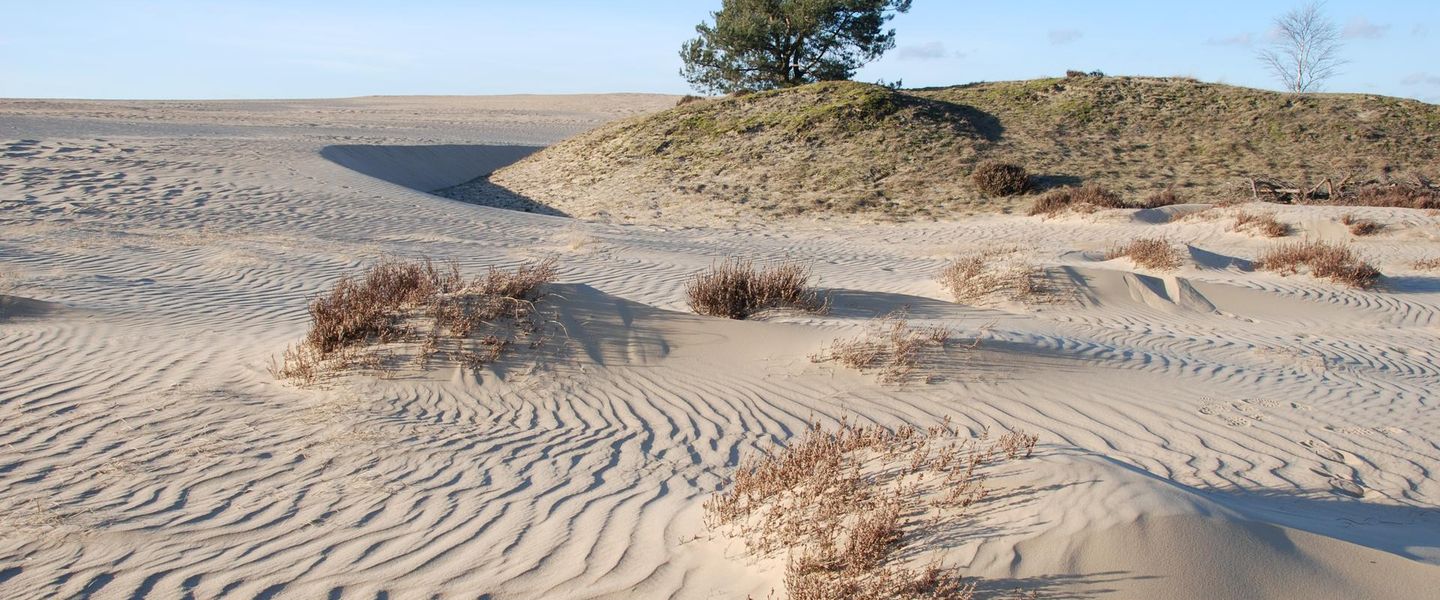


Explore Gelderland for Veluwe forests, historic towns, river landscapes, royal estates, museums, cycling routes and the wartime heritage of Arnhem.
Read more about Gelderland
When is the best time to visit Gelderland?
Best: June–August · 22–23°C| Month | High (°C) | Rainfall (mm) |
|---|---|---|
| January | 6 | 65 |
| February | 7 | 52 |
| March | 10 | 56 |
| April | 14 | 48 |
| May | 19 | 55 |
| June (best) | 22 | 67 |
| July (best) | 23 | 78 |
| August (best) | 23 | 70 |
| September | 20 | 58 |
| October | 15 | 66 |
| November | 10 | 71 |
| December | 7 | 75 |
Getting to and around Gelderland
How to get there
Transportation
Top city travel guides in Gelderland
The cities of Gelderland, and the easiest places to base yourself.
-

-

-

-

-

-


Swipe for more cities
Destinations in Gelderland
Resorts, valleys and scenic spots worth a trip of their own.
-
-

-

-


Swipe for more destinations
Best attractions in Gelderland
Gelderland’s attractions are distributed across several distinct landscapes. In the Veluwe, Hoge Veluwe National Park combines woodland, heath, wildlife habitats, cycling routes and the Kröller-Müller Museum, while the surrounding area adds Apenheul, Burgers’ Zoo and numerous estates and walking grounds. Apeldoorn is the base for Paleis Het Loo, whose palace, gardens and wider royal history provide a substantial cultural visit. Arnhem and Oosterbeek offer museums and interpretation connected with the Second World War, including the Airborne Museum at Hartenstein, while Nijmegen brings Roman archaeology, river scenery and a large urban cultural programme. South Gelderland is suited to cycling through orchards, floodplains and villages of the Betuwe, with the Waal and Linge providing varied waterside landscapes. In the east, the Achterhoek offers castles, country estates, farm country and quiet walking or cycling roads. Historic towns including Zutphen, Doesburg, Hattem and Elburg add museums, churches, quays and preserved streetscapes, so touring the province is as much about moving between landscapes and settlements as visiting individual headline sites.
-
Tourist attraction
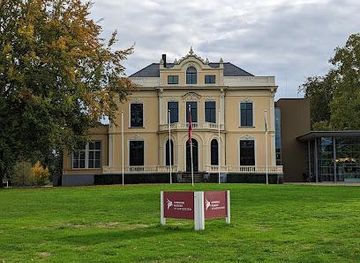
Park Sonsbeek
Discover the beauty of nature and art at Park Sonsbeek, a lush park in Arnhem filled with sculptures, trails, and serene landscapes.
-
Nationaal Park Veluwezoom
Discover the breathtaking landscapes and diverse wildlife of Nationaal Park Veluwezoom, a must-visit destination for nature lovers and adventure seekers in the Netherlands.
-
Museum
Airbornemuseum Hartenstein
Discover the heroic tales of the Battle of Arnhem at the Airborne Museum Hartenstein, where history comes alive through immersive exhibits and artifacts.
-
Tourist attraction
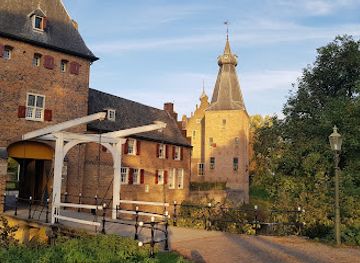
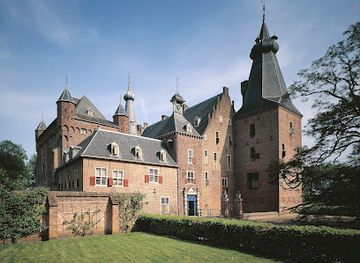
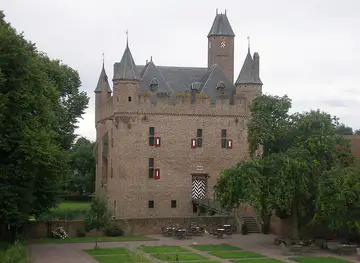
Castle Doorwerth
Discover the timeless beauty and rich history of Castle Doorwerth, a captivating destination in the Netherlands, featuring stunning gardens and engaging museum exhibits.
Best landmarks in Gelderland
Gelderland’s most recognisable landmarks range from royal architecture to river bridges and war memorials. Paleis Het Loo near Apeldoorn is the province’s leading royal landmark, with a formal façade, gardens and grounds that illustrate the history of the Dutch monarchy and court culture. Nijmegen’s Valkhof area, overlooking the Waal, represents the city’s long Roman and medieval importance, while the historic centres of Zutphen and Doesburg retain churches, merchant houses and traces of their former fortified roles. The John Frost Bridge in Arnhem is a powerful modern landmark associated with the 1944 battle and the city’s wartime memory; nearby Oosterbeek and Airborne memorial sites extend that landscape beyond a single structure. Deventer lies outside Gelderland, but the IJssel towns within the province, including Zutphen and Doesburg, provide their own riverfront identity. Natural landmarks are equally important: the open heathlands and woods of the Veluwe, the rolling river dykes, and the orchards and floodplains of the Betuwe define the province visually more than any single monument.
-
Open air museum
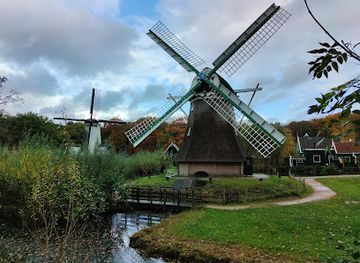
Netherlands Open Air Museum
Explore the rich tapestry of Dutch culture at the Netherlands Open Air Museum, where history comes alive through interactive exhibits and stunning landscapes.
-
National park
Het Nationale Park De Hoge Veluwe
Experience the breathtaking landscapes and rich cultural heritage of Het Nationale Park De Hoge Veluwe, a must-visit national park in the Netherlands.
-
History museum
Nationaal Militair Museum
Uncover the rich military history of the Netherlands at the Nationaal Militair Museum, a captivating experience for all ages in Soest.
-
National park
Nationaal Park Veluwezoom
Discover the breathtaking landscapes and diverse wildlife of Nationaal Park Veluwezoom, a paradise for nature lovers and outdoor enthusiasts in the Netherlands.
Explore Gelderland on the map
Plan your trip on one map. See where the top cities, national parks and sights are, and book hotels and experiences in a few clicks.
Best hotels in Gelderland
Best restaurants in Gelderland
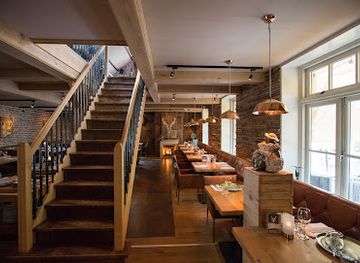
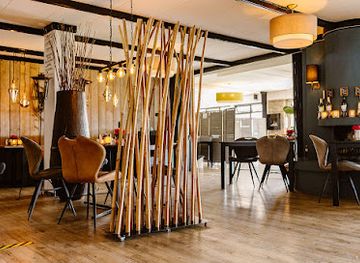
Gelderland’s dining reflects its mixed geography: fruit-growing in the Betuwe, farming in the Achterhoek, river landscapes and the food traditions of historic towns. Seasonal menus may feature apples, pears, cherries and other Betuwe produce, while local shops and farm stalls sell preserves, juices, cakes and fresh fruit when in season. Gelderse rookworst is a familiar regional speciality within the wider Dutch food tradition, often served with hearty dishes rather than treated as an elaborate restaurant creation. Town centres provide cafés, bakeries, brown cafés, international restaurants and contemporary kitchens, while rural Gelderland is well suited to country inns and farm-based producers. Arnhem and Nijmegen have the broadest choice of modern dining, with Apeldoorn offering a substantial restaurant scene of its own; smaller towns such as Zutphen and Doesburg concentrate on independent cafés and restaurants in historic settings. Farmers’ markets and specialist food shops are useful for regional products, though market schedules vary by town and season.
-
Restaurant
Planken Wambuis
Discover the culinary delights of Planken Wambuis in Ede - where local flavors meet inviting ambiance.
-
Restaurant
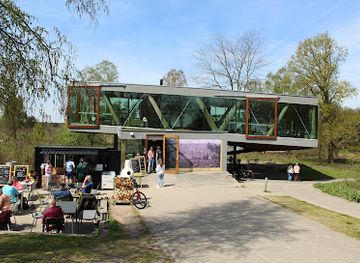
Panorama Restaurant De Blaauwe Kamer
Experience culinary excellence with stunning views at Panorama Restaurant De Blaauwe Kamer in Wageningen.
-
Restaurant
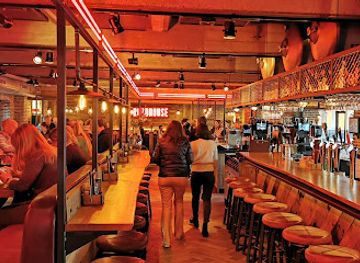
Roadhouse Arnhem Bar & Kitchen
Experience culinary excellence at Roadhouse Arnhem Bar & Kitchen – where global flavors meet local charm in an inviting atmosphere.
-
Restaurant
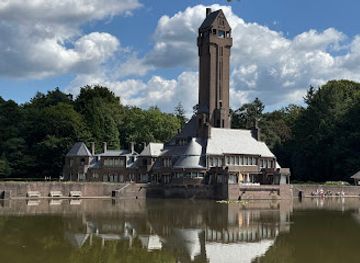
Pavilion De Posbank
Experience exquisite dining at Pavilion De Posbank amidst breathtaking views in Veluwezoom National Park.
Best bars in Gelderland
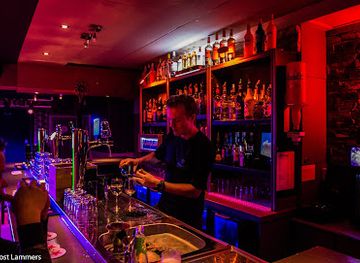
Evening life in Gelderland is concentrated in Arnhem and Nijmegen, with the latter’s student population supporting a broad choice of cafés, music venues, restaurants and later-night bars. Arnhem offers a more varied urban mix around its central streets, with cultural venues and places to drink after performances or exhibitions. Apeldoorn has a sociable but generally more measured evening scene, including pubs, cafés and restaurants rather than a large clubbing district. In Zutphen, Doesburg and other historic towns, nightlife tends to centre on traditional pubs, wine bars, terraces and occasional live music. Rural areas of the Veluwe and Achterhoek are quieter, with evenings often built around village pubs, dining and seasonal events. Local breweries and Dutch beer culture feature in many towns, but visitors should not assume that every establishment serves late or that public transport remains frequent after midnight; plan a taxi or accommodation within walking distance when staying outside the main cities.
-
Beer hall
't Taphuys Arnhem
Experience the vibrant atmosphere of 't Taphuys Arnhem, where local brews and Dutch cuisine come together in a lively beer hall setting.
-
Restaurant
Pavilion De Posbank
Experience the perfect blend of nature and gastronomy at Pavilion De Posbank, a culinary gem in the heart of the Veluwe.
-
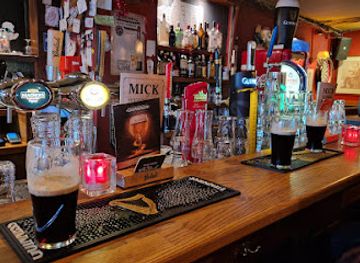
Irish pub
Irish Pub Mick O'Connells
Discover the charm of Ireland at Mick O'Connells, Arnhem's lively Irish pub with great food, drinks, and live music.
-
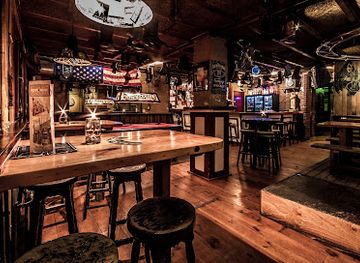
Live music bar
Boothill Saloon Amersfoort - Live muziek & Cocktails
Discover the vibrant ambiance of Boothill Saloon Amersfoort, a live music bar known for cocktails, hamburgers, and unforgettable nights.
Best nightclubs in Gelderland
Evening life in Gelderland is concentrated in Arnhem and Nijmegen, with the latter’s student population supporting a broad choice of cafés, music venues, restaurants and later-night bars. Arnhem offers a more varied urban mix around its central streets, with cultural venues and places to drink after performances or exhibitions. Apeldoorn has a sociable but generally more measured evening scene, including pubs, cafés and restaurants rather than a large clubbing district. In Zutphen, Doesburg and other historic towns, nightlife tends to centre on traditional pubs, wine bars, terraces and occasional live music. Rural areas of the Veluwe and Achterhoek are quieter, with evenings often built around village pubs, dining and seasonal events. Local breweries and Dutch beer culture feature in many towns, but visitors should not assume that every establishment serves late or that public transport remains frequent after midnight; plan a taxi or accommodation within walking distance when staying outside the main cities.
-
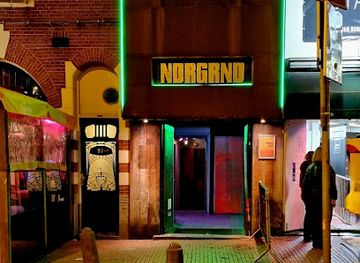
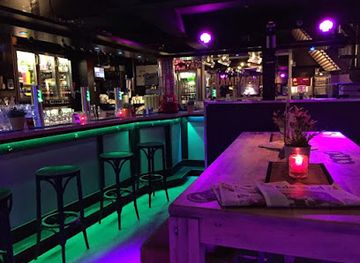
Night club
NDRGRND (music & dance club)
Experience the electrifying nightlife at NDRGRND, Nijmegen's top dance club, where music and vibrant energy unite for an unforgettable evening.
-
Club
loft Arnhem
Discover the lively nightlife at Loft Arnhem, a top club and bar known for its dynamic atmosphere and exciting events, perfect for all party enthusiasts.
-
Pub
Café De Pineut
Experience the vibrant atmosphere and nightlife at Café De Pineut, a unique pub and disco club in Ede, perfect for tourists seeking local flavor.
-
Disco club
Café Petticoat
Experience the vibrant nightlife at Café Petticoat, Ede's premier disco club, café, and bar, perfect for dancing and socializing.

Best shops in Gelderland
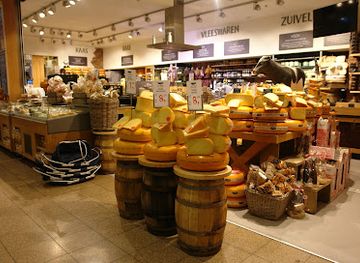
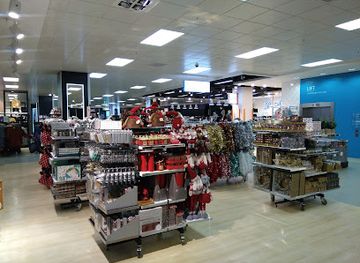
Shopping in Gelderland varies from urban retail to small-town specialities and rural produce. Arnhem has the province’s broadest city-centre choice, with mainstream shops alongside independent fashion, design and lifestyle retailers; Nijmegen combines high-street shopping with bookshops, cafés and smaller specialist businesses. Apeldoorn offers practical city shopping and access to the wider Veluwe, while historic centres such as Zutphen, Doesburg, Hattem and Elburg are better suited to antiques, books, galleries, craft goods and independent boutiques than large-scale retail. Farm shops and seasonal stalls in the Betuwe are good places to look for fruit, juices, jams and baked products, particularly during the growing season. Across the province, regional souvenirs may include Dutch design, ceramics, local beer, cheese and handmade goods, although provenance varies and should be checked. Markets are usually town-specific and may operate weekly or seasonally, so confirm the day before making a special journey; larger shopping centres and chain stores generally close earlier on Sundays than on ordinary weekdays.
-
Shopping mall
Kronenburg Shopping Center
Discover the bustling Kronenburg Shopping Center in Arnhem, where shopping and dining blend in a vibrant atmosphere perfect for every visitor.
-
National park
Nationaal Park Veluwezoom
Explore the breathtaking landscapes and diverse wildlife of Nationaal Park Veluwezoom, a premier hiking destination in the Netherlands.
-
Clothing store
Primark
Discover affordable fashion for all ages at Primark in Arnhem, where style meets savings in a vibrant shopping experience.
-
Store
Castle Doorwerth
Explore Castle Doorwerth: A Majestic Heritage Site with Stunning Gardens, Rich History, and Culinary Delights in the Heart of the Netherlands.
Get your free copy of our complete guide to Gelderland, delivered straight to you.
Everything on this page, from attractions and restaurants to essentials and local phrases, in one PDF you can read offline, print or share.
Already have an account? Sign in
Your Gelderland guide is ready.
We'll send it to · Not you? Sign out

Getting your guide ready…
We are putting together a fresh copy of the Gelderland guide. This can take up to a minute.
This can take a few moments. If your browser asks, choose Allow so the download can start. You'll find the guide in your Downloads folder.
Nothing happened? Download it again
Sorry, the guide is taking longer than usual. Please try again in a minute, or get it by email instead.
Gelderland essentials
Currency and Payment
Safety
Emergency Situations
Do's and Don'ts
Local Tips
From Eve
Local phrases worth knowing
You don't need to get them perfect. A few words go a long way, and locals appreciate the effort.
Basics
| English | Local | Say it |
|---|---|---|
| Hello | Hallo | [HAH-lo] |
| Goodbye | Tot ziens | [Tot zeens] |
| Yes | Ja | [Yah] |
| No | Nee | [Nay] |
| Please/You're welcome | Alsjeblieft | [ALS-ye-bleeft] |
| Thank you | Dank je | [Dahnk yuh] |
| Excuse me/Sorry | Sorry | [SOR-ee] |
| How are you? | Hoe gaat het? | [Hoo ghaht het] |
| Fine. And you? | Prima. En jij? | [PREE-mah. En yay?] |
| Do you speak English? | Spreek je Engels? | [SPREK yuh ENG-els] |
| I don't understand | Ik begrijp het niet | [Ik beh-GRIHP het neet] |
Eating & Drinking
| English | Local | Say it |
|---|---|---|
| I'd like to see the menu, please | Ik zou graag de menukaart zien, alsjeblieft | [Ik zou ghrahg de MENU-kart zeen, ALS-ye-bleeft] |
| I don't eat meat | Ik eet geen vlees | [Ik eet khayn VLES] |
| Cheers! | Proost! | [Prohst] |
| I would like to pay, please | Ik zou graag betalen, alsjeblieft | [Ik zou ghrahg beh-TAH-len, ALS-ye-bleeft] |
Emergencies
| English | Local | Say it |
|---|---|---|
| Help! | Hulp! | [HULP] |
| Go away! | Ga weg! | [Gah vehkh] |
| Call the Police! | Bel de politie! | [Bel de po-LEE-tsee] |
| Call a doctor! | Bel een dokter! | [Bel en DOK-ter] |
| I'm lost | Ik ben verdwaald | [Ik ben fer-DAHLD] |
| I'm ill | Ik ben ziek | [Ik ben ZEEK] |
Shopping
| English | Local | Say it |
|---|---|---|
| I'd like to buy... | Ik wil graag kopen... | [Ik vil ghrahg KOH-pen] |
| I'm just looking | Ik kijk alleen maar | [Ik kike ah-LAYN mar] |
| How much is it? | Hoeveel kost het? | [Hoo-VAYL kost het] |
| That's too expensive | Dat is te duur | [Dat is tuh DUR] |
| Can you lower the price? | Kun je de prijs verlagen? | [Kun yuh de PRICE fer-LAH-ghen] |
Time & Numbers
| English | Local | Say it |
|---|---|---|
| What time is it? | Hoe laat is het? | [Hoo laht is het] |
| It's one o'clock | Het is één uur | [Het is AYN OOR] |
| Half past (10) | Half elf | [Half elf] |
| Morning | Ochtend | [OKH-tend] |
| Afternoon | Middag | [MID-dahg] |
| Evening | Avond | [AH-vond] |
| Yesterday | Gisteren | [GEES-ter-en] |
| Today | Vandaag | [VAN-dahg] |
| Tomorrow | Morgen | [MOR-ghen] |
| 1 | Eén | [AYN] |
| 2 | Twee | [TWAY] |
| 3 | Drie | [DREE] |
| 4 | Vier | [VEER] |
| 5 | Vijf | [VAYF] |
| 6 | Zes | [ZES] |
| 7 | Zeven | [ZAY-ven] |
| 8 | Acht | [AKHT] |
| 9 | Negen | [NAY-ghen] |
| 10 | Tien | [TEEN] |
Transport & Directions
| English | Local | Say it |
|---|---|---|
| Where's a/the...? | Waar is een...? | [Vahr is en...?] |
| What's the address? | Wat is het adres? | [Vaht is het ah-DRES?] |
| Can you show me (on the map)? | Kun je me (op de kaart) laten zien? | [Kun yuh meh (op de kart) LAY-ten zeen?] |
| When's the next (bus)? | Wanneer komt de volgende (bus)? | [Vahn-eer komt de VOL-gen-de (bus)?] |
| A ticket (to ....) | Een kaartje (naar....) | [En KART-ye (naar....)] |
History of Gelderland
Prehistoric Communities and the Veluwe Landscape
Gelderland contains extensive evidence of prehistoric settlement, particularly on the sandy soils and higher ground of the Veluwe. Barrows, urnfield remains and traces of ancient farming show how communities used woodland, heath and arable clearings long before the province acquired its modern boundaries. The region’s rivers also provided routes for movement and trade. Many archaeological remains are subtle rather than monumental, but the survival of burial mounds, old field patterns and managed heathland helps explain why the Veluwe remains one of the Netherlands’ most important landscapes for understanding prehistoric life.
Roman Nijmegen and the Northern Frontier
Nijmegen, known in Roman times as Noviomagus, developed into a major settlement and military centre near the Waal. Roman troops occupied sites on and around the Nijmegen heights, which formed part of the empire’s northern frontier along the Rhine. Roads, trade and military administration connected the settlement with other parts of the Roman world, while local communities continued to live beyond the military zone. Archaeological finds and museums in Nijmegen preserve evidence of this period, giving the city a historical depth unusual among Dutch urban centres.
The Duchy of Guelders in the Middle Ages
During the Middle Ages, much of present-day Gelderland became the Duchy of Guelders, a territory shaped by rival powers, fortified towns and control of river routes. Its four traditional quarters included Arnhem, Nijmegen, Zutphen and Roermond, although modern Gelderland excludes the last of these. Towns such as Zutphen, Doesburg and Nijmegen prospered through trade and gained churches, walls and civic buildings. Noble families also established castles and estates across the countryside, leaving a built legacy that remains visible in historic centres and rural districts.
Trade, Towns and the Dutch Republic
From the late Middle Ages into the early modern period, Gelderland’s position between Holland, the German lands and the interior made its rivers and fortified towns strategically important. Arnhem, Nijmegen, Zutphen and Doesburg participated in regional trade, while the Waal, Rhine and IJssel supported shipping and agricultural exchange. Religious and political conflicts associated with the Reformation and the Dutch Revolt altered institutions and loyalties. Fortifications were repeatedly strengthened, and the province’s border position kept it involved in the military and commercial affairs of the Dutch Republic.
Estates, Agriculture and the Achterhoek
In the eighteenth and nineteenth centuries, landowners expanded country estates, avenues and designed parks in parts of Gelderland, particularly the Veluwe and Achterhoek. Agricultural improvement changed heathland and woodland, while farms, mills and small industries developed around market towns. The Achterhoek retained a dispersed settlement pattern of estates, hamlets and working farms, contrasting with the denser urban corridors around the rivers. These changes created much of the landscape experienced today: wooded estates, cultivated fields, lanes and villages connected by historic regional routes.
Railways and Industrial Development
The arrival of railways in the nineteenth century connected Gelderland more closely with Amsterdam, Utrecht, Germany and other Dutch industrial centres. Arnhem, Nijmegen, Apeldoorn and smaller towns expanded as transport and administrative hubs, while brickmaking, metalworking, food processing and other industries benefited from improved movement of goods. River clay supported brick production along the major waterways, and the Betuwe’s horticulture became increasingly commercial. Rail connections remain central to visiting the province, although many rural estates and nature reserves still require bicycles, buses or cars from the nearest station.
The Second World War and Operation Market Garden
Gelderland was heavily affected by the Second World War, particularly during the Allied airborne operation in September 1944. The attempt to secure bridges across the Waal, Rhine and other waterways brought intense fighting to Nijmegen, Arnhem, Oosterbeek and surrounding villages. Arnhem’s bridge could not be held, and the operation ended in failure, followed by hardship and displacement for local civilians. Museums, cemeteries, memorials and surviving landscapes across the corridor now explain the campaign from military and civilian perspectives, while the annual commemorations remain important to regional public life.
Post-war Reconstruction and Contemporary Gelderland
After 1945, Gelderland rebuilt damaged towns and infrastructure while adapting to the growth of the welfare state, motor transport and modern agriculture. Arnhem and Nijmegen became important centres for education, healthcare, government and culture; Apeldoorn grew as an administrative and service city. At the same time, nature conservation protected parts of the Veluwe, river wetlands and estate landscapes, balancing recreation with habitat management. Today, the province combines historic towns and rural communities with universities, creative industries, tourism and ongoing work to manage flooding, biodiversity and pressure on popular natural areas.
Gelderland in Photos
Browse through our photo collection highlighting the charm and character of the destination.
Neighbouring regions of Gelderland
The closest regions to Gelderland, if you have time for more than one.
-

-
-
-

-


Swipe for more regions
Explore more

Explore more of Netherlands
Discover the Netherlands: A blend of historic charm, artistic treasures, and scenic landscapes, perfect for an enriching travel experience.
Explore Netherlands