
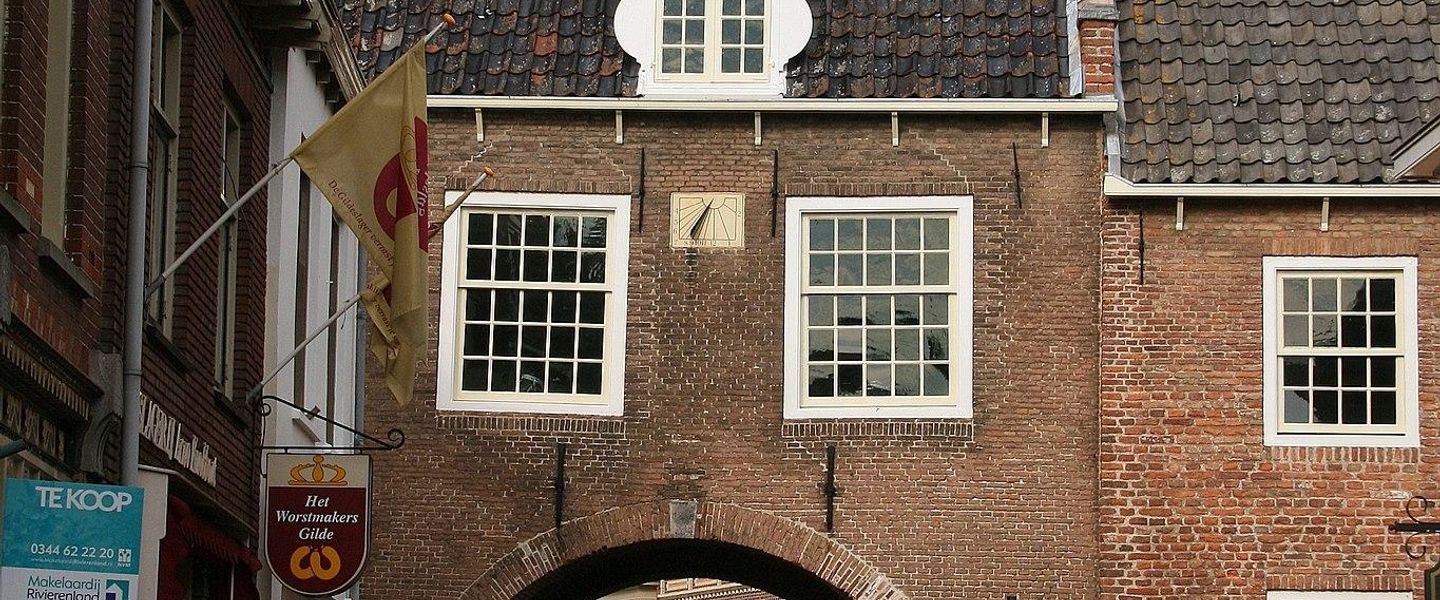
Rivierenland, Netherlands Travel Guide
Discover Rivierenland, a hidden gem in the Netherlands, where lush landscapes, historic towns, and serene riverbanks create the perfect escape for nature and culture lovers.
Rivierenland, located in the heart of the Netherlands, is a picturesque region cradled between the great rivers Waal, Maas, and Linge. Renowned for its lush landscapes, charming villages, and historical significance, this area is a haven for nature lovers, history buffs, and cycling enthusiasts. One of the most delightful ways to explore Rivierenland is by biking along its extensive network of cycling routes that weave through vibrant orchards, past ancient castles, and alongside serene riverbanks. The region is especially beautiful in the spring when the fruit trees are in full bloom, creating a stunning tapestry of colors. Rivierenland is also rich in cultural heritage. Visit the historic towns of Tiel and Zaltbommel, where you can wander through medieval streets, visit impressive churches, and enjoy local Dutch cuisine in cozy restaurants. The region's many dikes and windmills offer a glimpse into the Netherlands' long-standing battle with the sea. For those interested in water activities, Rivierenland offers ample opportunities for boating, fishing, and even swimming in designated areas. The rivers themselves are teeming with life, offering a peaceful setting for a leisurely day out. Don’t miss the National Glass Museum in Leerdam, where you can witness exquisite glass art and even try your hand at glassblowing.

Know before you go
Hi, I'm Eve. Here are a few practical things to know before exploring Rivierenland.
- Visit in spring to see the orchards in full bloom.
- Rent a bike to explore the scenic cycling routes.
- Check the local schedule for festivals and events in Tiel and Zaltbommel.
- Take a river cruise to experience the waterways from a unique perspective.
- Try local Dutch dishes at the traditional eateries.
Top City Travel Guides in Rivierenland
The cities of Rivierenland, and the easiest places to base yourself.

Explore Rivierenland: Things to Do, Places to Eat, Hotels & More
Handpicked recommendations for top attractions, local dining, accommodations, and more

Top Attractions & Sightseeing in Rivierenland
Top-rated picks
Best Attractions

Efteling
Explore Efteling, the enchanting theme park in the Netherlands, where fairytales come to life amidst thrilling rides and magical experiences.

Beekse Bergen
Discover Beekse Bergen, a unique safari park in Hilvarenbeek, offering thrilling animal encounters and immersive wildlife experiences.

Duinrell
Experience the ultimate adventure at Duinrell, a delightful theme park and amusement park in Wassenaar, Netherlands, perfect for families and thrill-seekers.

Castle Gardens In Arcen
Discover the breathtaking beauty of Castle Gardens in Arcen, a perfect blend of nature, history, and culinary delights for every traveler.

Best landmarks in Rivierenland
Top-rated picks
Best Landmarks

Keukenhof
Experience the breathtaking beauty of Keukenhof, where millions of flowers bloom in a stunning display of color and artistry every spring.

Anne Frank House
Visit the Anne Frank House in Amsterdam: a powerful museum dedicated to the legacy of Anne Frank and the lessons of history.

De Pier
Experience the magic of De Pier in Scheveningen, where stunning views, delightful dining, and endless entertainment await.

Madurodam
Discover the Netherlands in miniature at Madurodam, where iconic landmarks and rich culture come alive in a captivating theme park experience.

Best restaurants in Rivierenland
Top-rated picks
Best Restaurants

De Kas
Experience fine dining at De Kas in Amsterdam—where fresh ingredients meet innovative cuisine in a stunning greenhouse setting.

Café restaurant van Kerkwijk
Discover authentic Dutch cuisine and continental delights at Café Restaurant van Kerkwijk in Amsterdam's vibrant city center.

Moeke Mooren
Experience exquisite dining and serene views at Moeke Mooren in Appeltern - where culinary delight meets nature's tranquility.

Restaurant 't Veerhuis Opheusden
Experience authentic Dutch cuisine at 't Veerhuis Opheusden, where local flavors meet stunning riverside views.

Best bars in Rivierenland
Top-rated picks
Best Bars

The Malt Vault
Discover an exceptional cocktail experience at The Malt Vault, a premier cocktail bar nestled in the heart of Utrecht's vibrant Oudegracht.

Dutch Courage
Experience the heart of Amsterdam's nightlife at Dutch Courage, where innovative cocktails and vibrant atmosphere await.

Behind Bars Cocktail
Discover Utrecht's nightlife at Behind Bars Cocktail Bar, where creative cocktails and a lively atmosphere await every visitor.

Skybar SIXX Tiel
Experience breathtaking views and exquisite cocktails at Skybar SIXX Tiel, the ultimate rooftop destination for an unforgettable night out.

Best nightclubs in Rivierenland
Top-rated picks
Best Nightclubs

Escape
Discover the electrifying nightlife at Escape, Amsterdam's premier nightclub, where cocktails meet dancing in the heart of the city.

Club Prime
Immerse yourself in Amsterdam's vibrant nightlife at Club Prime, a premier destination for unforgettable parties and expertly crafted cocktails.

Club NYX
Discover the dynamic nightlife of Amsterdam at Club NYX, an inclusive disco club known for its vibrant atmosphere and diverse music scene.

AIR Amsterdam
Discover the electrifying nightlife at AIR Amsterdam, where world-class DJs, an energetic crowd, and stunning visuals create unforgettable nights.

Best shops in Rivierenland
Top-rated picks
Best Shops

Alexandrium Shopping Center
Explore the vibrant Alexandrium Shopping Center in Rotterdam – your ultimate destination for shopping, dining, and entertainment.

Primark
Explore Primark in The Hague for trendy and affordable fashion that fits every style and budget, right in the city’s bustling center.

Winkelcentrum Woensel
Discover Winkelcentrum Woensel, Eindhoven's premier shopping mall with a variety of shops and dining options for every visitor.

Winkelcentrum Paddepoel
Discover the shopping paradise at Winkelcentrum Paddepoel, where diverse shops, cozy cafes, and vibrant atmosphere await every visitor.

Explore Rivierenland on the Map
A handpicked selection of must-see spots in Rivierenland, mapped for you.
Rivierenland Essentials
-
Rivierenland is located in the central part of the Netherlands, easily accessible from major cities like Amsterdam, Rotterdam, and Utrecht. The nearest international airport is Amsterdam Schiphol Airport (AMS), approximately 80 kilometers away. From Schiphol, you can take a direct train to Utrecht and then transfer to a regional train to reach towns within Rivierenland, such as Tiel, Culemborg, or Zaltbommel. Alternatively, you can rent a car and drive, which typically takes around 1 to 1.5 hours, depending on your exact destination.
-
Rivierenland is well-connected by public transportation. Trains and buses operated by NS (Dutch Railways) and Arriva connect the towns within the region. For local travel, buses are frequent and reliable. Renting a bicycle is a popular option, as the area is known for its scenic cycling routes along the rivers. Car rentals are available for those who prefer to explore at their own pace, and there are ample parking facilities in most towns.
-
The official currency in the Netherlands is the Euro (€). Credit and debit cards are widely accepted in hotels, restaurants, and shops. However, it is advisable to carry some cash, especially in smaller towns and markets. ATMs are readily available throughout Rivierenland, and most have an option for English language instructions. Contactless payments using smartphones are also commonly accepted.
-
Rivierenland is generally a very safe region for tourists. However, it is always wise to take standard precautions. Avoid leaving your belongings unattended and be cautious in crowded places, such as markets and public transportation hubs. There are no specific high-crime areas targeting tourists, but staying vigilant is always recommended. Local police are approachable and can assist in case of any issues.
-
In case of an emergency, dial 112 for immediate assistance, which connects you to police, fire, and medical services. Hospitals and clinics are available in major towns like Tiel and Zaltbommel. Pharmacies (apotheken) are also widespread and provide over-the-counter medications. It's recommended to have travel insurance that covers medical emergencies. Most locals speak English, making it easier to communicate during emergencies.
-
Fashion: Do dress comfortably but neatly. Casual wear is acceptable, but avoid overly revealing clothing, especially in rural areas. Religion: Do respect local customs if you visit religious sites. Some churches may require modest dress and silence. Public Transport: Do validate your ticket and be punctual. Don’t eat or drink on public transport. Greetings: Do greet people with a friendly 'Hallo' or 'Goedendag.' A handshake is customary in formal settings. Eating & Drinking: Do try local specialties like cheese and stroopwafels. Don’t forget to say 'Eet smakelijk' (Enjoy your meal) before eating.
-
To experience Rivierenland like a local, rent a bicycle and explore the scenic pathways along the rivers. Visit local markets to buy fresh produce and regional delicacies. Engage with locals, as they are often friendly and willing to share stories about the region's history and culture. Don't miss the seasonal fruit-picking opportunities, particularly apples and pears. For a unique experience, take a boat tour along the rivers to enjoy the picturesque landscapes and historic towns.
When is the best time to visit Rivierenland?
Useful Local Phrases for Rivierenland
You don't need to speak the language perfectly. Even learning a few simple words can make conversations warmer—and locals usually appreciate the effort.
— Eve

Here are the phrases I use most often in Rivierenland. Try a few—you'll be surprised how far they go! 😊
❤️
-
- HelloHallo
[HAH-loh] - GoodbyeTot ziens
[Tot zeens] - YesJa
[YAH] - NoNee
[NAY] - Please/You're welcomeAlsjeblieft
[AHL-sheh-bleeft] - Thank youDank je
[DANK yuh] - Excuse me/SorrySorry
[SOR-ee] - How are you?Hoe gaat het?
[Hoo gaht het?] - Fine. And you?Goed. En jij?
[Khoot. En yay?] - Do you speak English?Spreek je Engels?
[Spreek yuh ENG-els?] - I don't understandIk begrijp het niet
[Ik buh-GRIPE het neet]
- HelloHallo
-
- I'd like to see the menu, pleaseIk zou graag de menukaart willen zien, alsjeblieft
[Ik zow ghrahg de MENU-kart VIL-len zeen, AHL-sheh-bleeft] - I don't eat meatIk eet geen vlees
[Ik ayt ghayn VLEIS] - Cheers!Proost!
[Prohst!] - I would like to pay, pleaseIk zou graag willen betalen, alsjeblieft
[Ik zow ghrahg VIL-len buh-TAH-len, AHL-sheh-bleeft]
- I'd like to see the menu, pleaseIk zou graag de menukaart willen zien, alsjeblieft
-
- Help!Help!
[Help!] - Go away!Ga weg!
[Gah vek!] - Call the Police!Bel de politie!
[Bel de po-LEE-tsee!] - Call a doctor!Bel een dokter!
[Bel ayn DOK-ter!] - I'm lostIk ben verdwaald
[Ik ben fer-DWAHLD] - I'm illIk ben ziek
[Ik ben ZEEK]
- Help!Help!
-
- I'd like to buy...Ik wil graag kopen...
[Ik vil ghrahg KOH-pen...] - I'm just lookingIk kijk alleen maar
[Ik kike ah-LAY-en mar] - How much is it?Hoeveel kost het?
[Hoo-veel kost het?] - That's too expensiveDat is te duur
[Dat is tuh DUR] - Can you lower the price?Kun je de prijs verlagen?
[Kun yuh de PRIZE ver-LAH-ghen?]
- I'd like to buy...Ik wil graag kopen...
-
- What time is it?Hoe laat is het?
[Hoo laht is het?] - It's one o'clockHet is één uur
[Het is AYNN oor] - Half past (10)Half tien
[Half teen] - MorningOchtend
[OKH-tend] - AfternoonMiddag
[MID-dahg] - EveningAvond
[AH-vond] - YesterdayGisteren
[KHEE-stern] - TodayVandaag
[VAN-dahg] - TomorrowMorgen
[MOR-ghen] - 1Één
[AYNN] - 2Twee
[TWAY] - 3Drie
[DREE] - 4Vier
[VEER] - 5Vijf
[VYF] - 6Zes
[ZES] - 7Zeven
[ZAY-ven] - 8Acht
[AKHT] - 9Negen
[NAY-ghen] - 10Tien
[TEEN]
- What time is it?Hoe laat is het?
-
- Where's a/the...?Waar is een/ de...?
[Vahr is ayn/ de...?] - What's the address?Wat is het adres?
[Wat is het ah-DRES?] - Can you show me (on the map)?Kun je me (op de kaart) laten zien?
[Kun yuh meh (op de kaart) LAH-ten zeen?] - When's the next (bus)?Wanneer komt de volgende (bus)?
[Vahn-neer komt de VOL-gende (bus)?] - A ticket (to ....)Een ticket (naar ....)
[Ayn TICK-it (naahr ....)]
- Where's a/the...?Waar is een/ de...?
History of Rivierenland
-
Rivierenland, located in the heart of the Netherlands, is a region shaped by its rivers, primarily the Rhine, Maas, and Waal. The landscape has been historically influenced by the constant flow and changing courses of these waterways. This dynamic relationship between land and water has defined the region’s development, agriculture, and settlement patterns over centuries.
-
During the Roman era, Rivierenland was part of the northern frontier of the Roman Empire. The Romans constructed forts and settlements along the rivers to protect their territory and facilitate trade. The remnants of these Roman structures, such as the castellum at Utrecht and the Limes Germanicus, highlight the strategic importance of the region in ancient times.
-
In the Middle Ages, Rivierenland became a vital hub for trade and commerce due to its navigable rivers. Towns like Tiel and Zaltbommel flourished as significant trading centers, connecting the interior of the Netherlands with the rest of Europe. The region's prosperity during this period is evident in the well-preserved medieval architecture and town layouts.
-
The Eighty Years' War (1568–1648), which led to the independence of the Dutch Republic from Spain, had a profound impact on Rivierenland. The region witnessed numerous battles and skirmishes, with cities like Tiel and Zaltbommel playing key roles in the conflict. Fortifications from this era, such as the restored city walls and bastions, are still visible today.
-
Rivierenland is renowned for its advanced water management systems, developed over centuries to control flooding and reclaim land. The construction of dikes, canals, and sluices has been crucial in shaping the region. The Waaldijk, one of the oldest and longest dikes in the Netherlands, exemplifies the engineering prowess and collective efforts to protect the land from the ever-present threat of water.
-
The Industrial Revolution brought significant changes to Rivierenland, transforming it into a center of industrial activity. The region saw the rise of factories, improved transportation networks, and the expansion of towns. This period marked a shift from agrarian to industrial economies, with the introduction of steam-powered machinery and enhanced trade routes along the rivers.
-
Rivierenland, like much of the Netherlands, experienced the devastation of World War II. The region was a strategic battleground, particularly during Operation Market Garden in 1944. Post-war reconstruction efforts focused on rebuilding infrastructure and restoring the economic vitality of the area. Monuments and museums in the region commemorate the sacrifices and resilience of the local population during this tumultuous period.
-
Today, Rivierenland is a blend of historical heritage and modern development. The region continues to thrive with a strong emphasis on sustainable water management, agriculture, and tourism. Visitors can explore picturesque towns, enjoy river cruises, and experience the unique cultural landscape that has evolved over centuries of human ingenuity and natural forces.
Neighbouring Regions of Rivierenland
The closest regions to Rivierenland, if you have time for more than one.


Your all‑in‑one travel companion app
Explore expert travel guides, compare and book tours, experiences, hotels, and more—all from the palm of your hand. Download now for seamless trip planning wherever your wanderlust takes you.


Explore More of Netherlands

Looking beyond Rivierenland? Discover Netherlands for broader travel guides, local hot-spots, and regional highlights.
Explore NetherlandsRivierenland in Photos
Browse through our photo collection highlighting the charm and character of the destination.

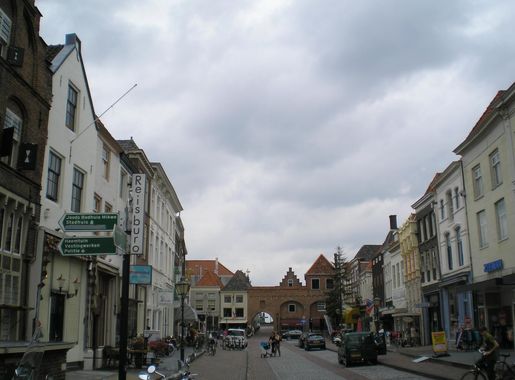


Rivierenland: The Heart of Dutch Waterways
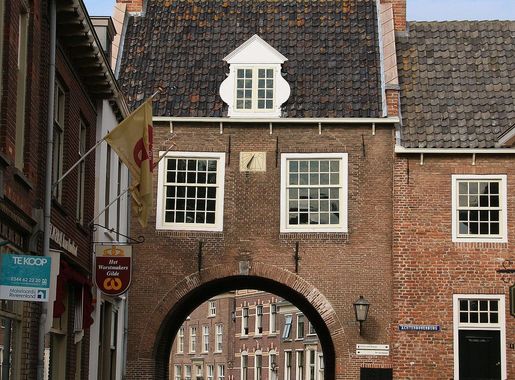
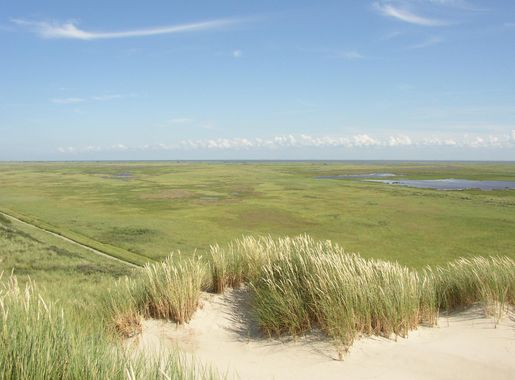
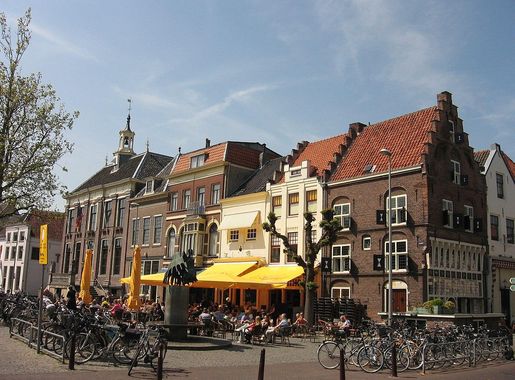
Rivierenland, located in the heart of the Netherlands, is a picturesque region cradled between the great rivers Waal, Maas, and Linge. Renowned for its lush landscapes, charming villages, and historical significance, this area is a haven for nature lovers, history buffs, and cycling enthusiasts. One of the most delightful ways to explore Rivierenland is by biking along its extensive network of cycling routes that weave through vibrant orchards, past ancient castles, and alongside serene riverbanks. The region is especially beautiful in the spring when the fruit trees are in full bloom, creating a stunning tapestry of colors. Rivierenland is also rich in cultural heritage. Visit the historic towns of Tiel and Zaltbommel, where you can wander through medieval streets, visit impressive churches, and enjoy local Dutch cuisine in cozy restaurants. The region's many dikes and windmills offer a glimpse into the Netherlands' long-standing battle with the sea. For those interested in water activities, Rivierenland offers ample opportunities for boating, fishing, and even swimming in designated areas. The rivers themselves are teeming with life, offering a peaceful setting for a leisurely day out. Don’t miss the National Glass Museum in Leerdam, where you can witness exquisite glass art and even try your hand at glassblowing.