
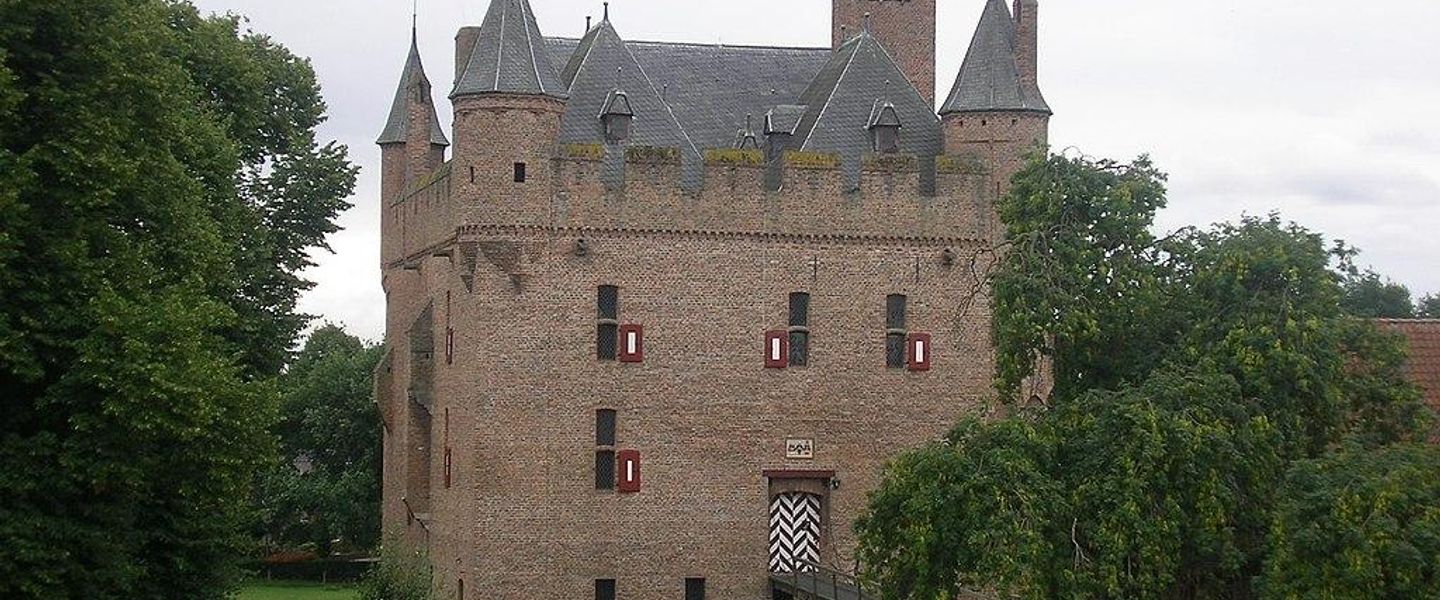
Betuwe, Netherlands Travel Guide
Discover Betuwe: A land of blooming orchards, scenic cycling paths, and rich agricultural heritage in the heart of the Netherlands.
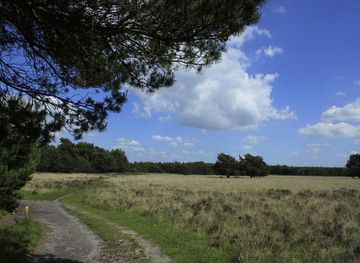
Betuwe is a picturesque region in the Netherlands, known for its vast orchards and scenic landscapes. This area is especially charming during the spring when apple and cherry blossoms are in full bloom, creating a breathtaking sea of pink and white flowers. The region is nestled between the rivers Rhine and Waal, making it an ideal spot for nature lovers and cycling enthusiasts. The flat terrain and well-maintained cycling paths offer a perfect way to explore the countryside and enjoy the local fauna and flora. Betuwe is also famous for its fruit production. Visitors can enjoy fresh fruit straight from the orchards, or visit one of the many local markets to taste a variety of apples, pears, and cherries. The region's rich agricultural heritage is also celebrated through various festivals and events, such as the annual Fruitcorso, where parades of floats decorated with fruits and flowers take over the streets. For history aficionados, Betuwe offers a glimpse into the past with its charming villages, historic churches, and traditional Dutch windmills. The area is dotted with quaint towns like Tiel and Geldermalsen, where visitors can enjoy local hospitality and explore cultural landmarks.

Know before you go
Hi, I'm Eve. Here are a few practical things to know before exploring Betuwe.
- Spring is the best time to visit Betuwe to see the orchards in bloom.
- Rent a bike to explore the region's flat terrain and well-maintained cycling paths.
- Don't miss the annual Fruitcorso festival to see the fruit-decorated parades.
- Visit local markets to taste fresh fruits right from the orchards.
- Take some time to explore the historic villages and traditional Dutch windmills.
Top City Travel Guides in Betuwe
The cities of Betuwe, and the easiest places to base yourself.


Destinations in Betuwe
Resorts, valleys and scenic spots worth a trip of their own.


Explore Betuwe: Things to Do, Places to Eat, Hotels & More
Handpicked recommendations for top attractions, local dining, accommodations, and more

Top Attractions & Sightseeing in Betuwe
Top-rated picks
Best Attractions

Ouwehands Zoo
Explore the enchanting Ouwehands Zoo in Rhenen, Netherlands, home to giant pandas and a diverse array of wildlife in a beautifully designed setting.

Netherlands Open Air Museum
Explore the vibrant history and culture of the Netherlands at the Open Air Museum in Arnhem, where tradition meets stunning natural beauty.

Het Nationale Park De Hoge Veluwe
Explore the breathtaking landscapes and rich culture of Het Nationale Park De Hoge Veluwe, a premier destination for nature lovers and art enthusiasts alike.

Nationaal Park Veluwezoom
Explore the breathtaking landscapes and diverse wildlife of Nationaal Park Veluwezoom, a must-visit destination for nature lovers and adventure seekers in the Netherlands.

Best landmarks in Betuwe
Top-rated picks
Best Landmarks

Dam Square
Discover the vibrant atmosphere of Dam Square in Amsterdam, where historical landmarks meet modern-day culture in the heart of the city.

De Pier
Explore De Pier, an iconic seaside attraction in Scheveningen, offering dining, shopping, and stunning ocean views for an unforgettable experience.

Madurodam
Explore Madurodam, a breathtaking miniature theme park in The Hague showcasing the Netherlands' most iconic landmarks and cultural heritage.

A'DAM Lookout
Discover the thrill of A'DAM Lookout in Amsterdam, where adventure meets breathtaking views and cultural experiences await every visitor.

Best restaurants in Betuwe
Top-rated picks
Best Restaurants
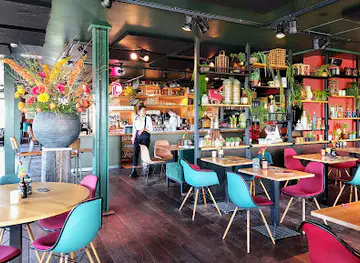
Moeke Rhenen
Experience authentic Dutch cuisine at Moeke Rhenen – where tradition meets modern dining in a charming atmosphere.

Panorama Restaurant De Blaauwe Kamer
Experience exquisite dining with breathtaking views at Panorama Restaurant De Blaauwe Kamer in Wageningen.

Wereldpaleis
Savor the best of Chinese and European cuisine at Wereldpaleis in Rhenen – a buffet experience like no other!

De Koning van Denemarken
Discover De Koning van Denemarken: A delightful restaurant in Rhenen offering traditional Dutch cuisine with a modern twist.

Best bars in Betuwe
Top-rated picks
Best Bars

't Taphuys Arnhem
Discover 't Taphuys Arnhem, a vibrant beer hall offering a diverse selection of brews and delicious food in a lively atmosphere, perfect for all beer enthusiasts.

Moeke Rhenen
Experience culinary delight at Moeke Rhenen, a cozy pub and restaurant offering a perfect blend of traditional and modern dishes in a charming setting.

Molen De Zwaluw
Discover Molen De Zwaluw in Kesteren, where delightful dining meets vibrant recreation for families and tourists.

Eetcafé de Tijd
Discover Eetcafé de Tijd, a charming bar and restaurant in Wageningen offering delicious local cuisine and a vibrant atmosphere for all visitors.

Best nightclubs in Betuwe
Top-rated picks
Best Nightclubs

Club Rodenburg
Discover Club Rodenburg: A premier disco club in Beesd offering vibrant nightlife, live music, and dynamic events for an unforgettable experience.

NDRGRND (music & dance club)
Discover the electrifying nightlife of Nijmegen at NDRGRND, where music and dance create unforgettable memories.

Club Organza
Discover the electrifying nightlife of Breukelen at Club Organza, where the music never stops and the dance floor awaits.

Club Poema
Discover the lively nightlife and vibrant atmosphere at Club Poema, a top destination for dancing and entertainment in Utrecht.

Best shops in Betuwe
Top-rated picks
Best Shops

The Betuwe Hoeve
Experience the beauty of The Betuwe at The Betuwe Hoeve, a serene campground surrounded by lush orchards and cycling trails.

Van Dam Wonen en Slapen
Explore Van Dam Wonen en Slapen in Kesteren for unique home goods and stylish furniture that reflects the essence of Dutch design.

Toys Betuwe
Toys Betuwe: A magical toy store in Opheusden, offering a wide range of toys and games for children of all ages.

De Streekzaak
Experience the charm of Geldermalsen at De Streekzaak, where gourmet groceries meet unique gifts in a cozy atmosphere.

Explore Betuwe on the Map
A handpicked selection of must-see spots in Betuwe, mapped for you.
Betuwe Essentials
-
Betuwe is located in the central part of the Netherlands. The nearest international airport is Amsterdam Schiphol Airport, approximately 80 kilometers away. From Schiphol, you can take a direct train to Utrecht, and then transfer to a regional train to reach various towns within Betuwe. The total journey typically takes around 1.5 to 2 hours. Alternatively, you can rent a car at the airport and drive to Betuwe, which offers more flexibility to explore the region.
-
Betuwe is well-connected by public transportation, including trains and buses. The Dutch railway system (NS) provides frequent services between major towns and cities in the region. For local travel, buses operated by Arriva and Breng are reliable options. Renting a bicycle is also a popular and eco-friendly way to explore, as the area is known for its scenic cycling routes. Taxis are available but can be expensive compared to public transport.
-
The official currency in the Netherlands is the Euro (EUR). Credit and debit cards are widely accepted, including contactless payments. ATMs are readily available in towns and cities. It is advisable to carry some cash for smaller establishments, local markets, and rural areas where card payments might not be accepted.
-
Betuwe is generally a safe destination for tourists. However, it is always wise to take standard precautions. Avoid leaving your belongings unattended and be cautious in crowded areas, such as markets and festivals. There are no specific high-crime areas targeting tourists in Betuwe, but it is always best to stay vigilant and aware of your surroundings.
-
In case of emergency, dial 112 for immediate assistance, which covers police, fire, and medical services. Most towns in Betuwe have local police stations and medical facilities. It is recommended to have travel insurance that covers medical emergencies. Pharmacies are available in the region for minor health issues and over-the-counter medications.
-
Fashion: Do dress comfortably and practically, especially if you plan to cycle or hike. Avoid overly casual attire in fine dining restaurants. Religion: Do respect local customs and traditions, particularly in churches. Public Transport: Do be punctual, as Dutch public transportation is known for its timeliness. Don't talk loudly or play music on public transport. Greetings: Do greet people with a handshake. A friendly greeting in Dutch is 'Hallo' or 'Goedendag'. Eating & Drinking: Do try local specialties like Betuwe apples and cherries. Don't leave a tip; service charges are usually included in the bill.
-
To experience Betuwe like a local, visit the region during the fruit blossom season in spring or the harvest season in late summer. Participate in local festivals such as the Betuwse Fruit Parade. Explore the scenic dikes and riverbanks by bike or on foot. Engage with locals at small cafes and market stalls; they are often willing to share stories about the area's rich agricultural heritage.
When is the best time to visit Betuwe?
Useful Local Phrases for Betuwe
You don't need to speak the language perfectly. Even learning a few simple words can make conversations warmer—and locals usually appreciate the effort.
— Eve

Here are the phrases I use most often in Betuwe. Try a few—you'll be surprised how far they go! 😊
❤️
-
- HelloHallo
[HAH-loh] - GoodbyeTot ziens
[Tot zeens] - YesJa
[Yah] - NoNee
[Nay] - Please/You're welcomeAlsjeblieft
[AHL-syeh-bleeft] - Thank youDank je
[Dahnk yuh] - Excuse me/SorrySorry
[SOR-ee] - How are you?Hoe gaat het?
[Hoo ghaht het] - Fine. And you?Goed. En jij?
[Hoot. En yay?] - Do you speak English?Spreek je Engels?
[Sprayk yuh ENG-els] - I don't understandIk begrijp het niet
[Ik beh-GRIHF het neet]
- HelloHallo
-
- I'd like to see the menu, pleaseIk zou graag de menukaart willen zien, alsjeblieft
[Ik zow ghrahg deh MEH-nu-kart VIL-len zeen, AHL-syeh-bleeft] - I don't eat meatIk eet geen vlees
[Ik ayt khayn vlays] - Cheers!Proost!
[Prohst] - I would like to pay, pleaseIk wil graag betalen, alsjeblieft
[Ik vil ghrahg beh-TAH-len, AHL-syeh-bleeft]
- I'd like to see the menu, pleaseIk zou graag de menukaart willen zien, alsjeblieft
-
- Help!Help!
[Help] - Go away!Ga weg!
[Gah vehk] - Call the Police!Bel de politie!
[Bel deh poh-LIT-see] - Call a doctor!Bel een dokter!
[Bel en DOK-ter] - I'm lostIk ben verloren
[Ik ben fer-LOH-ren] - I'm illIk ben ziek
[Ik ben zeek]
- Help!Help!
-
- I'd like to buy...Ik wil graag ... kopen
[Ik vil ghrahg ... KOH-pen] - I'm just lookingIk kijk gewoon rond
[Ik kike ghuh-WOHN ront] - How much is it?Hoeveel kost het?
[Hoo-veel kost het] - That's too expensiveDat is te duur
[Dat is tuh DUR] - Can you lower the price?Kun je de prijs verlagen?
[Kun yuh deh PRYS fer-LAH-gen]
- I'd like to buy...Ik wil graag ... kopen
-
- What time is it?Hoe laat is het?
[Hoo laat is het] - It's one o'clockHet is één uur
[Het is AIN oor] - Half past (10)Half (10)
[Half (10)] - MorningOchtend
[OKH-tent] - AfternoonMiddag
[MID-dahg] - EveningAvond
[AH-vond] - YesterdayGisteren
[GHEE-stuh-ren] - TodayVandaag
[VAHN-dahg] - TomorrowMorgen
[MOR-ghen] - 11
[1] - 22
[2] - 33
[3] - 44
[4] - 55
[5] - 66
[6] - 77
[7] - 88
[8] - 99
[9] - 1010
[10]
- What time is it?Hoe laat is het?
-
- Where's a/the...?Waar is een/de ...?
[Vahr is en/de ...?] - What's the address?Wat is het adres?
[Vahd is het ah-DRES?] - Can you show me (on the map)?Kun je me laten zien (op de kaart)?
[Kun yuh me LAH-ten zeen (op de kart)?] - When's the next (bus)?Wanneer komt de volgende (bus)?
[Vahn-neer komt de VOL-ghen-de (bus)?] - A ticket (to ....)Een kaartje (naar ...)
[En KART-ye (naahr ...)]
- Where's a/the...?Waar is een/de ...?
History of Betuwe
-
The Betuwe region, nestled in the heart of the Netherlands, has a history that stretches back to ancient times. Archaeological findings suggest that the area was inhabited as early as the Mesolithic period. Numerous artifacts, including tools and pottery, have been uncovered, offering a glimpse into the lives of the early settlers who made the fertile lands of Betuwe their home.
-
During the Roman era, Betuwe became a significant part of the Roman province of Germania Inferior. The Romans built infrastructure such as roads and fortifications, and introduced new agricultural techniques. The town of Ulpia Noviomagus Batavorum, present-day Nijmegen, served as a key military and trade center, highlighting the importance of the region during Roman times.
-
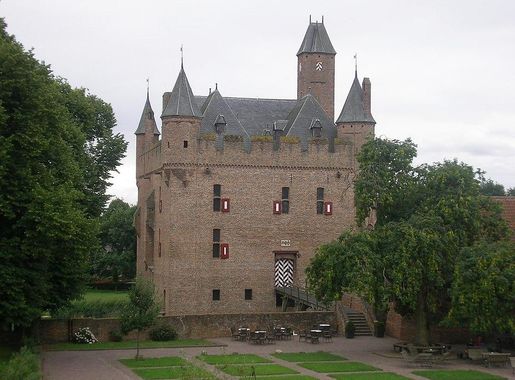
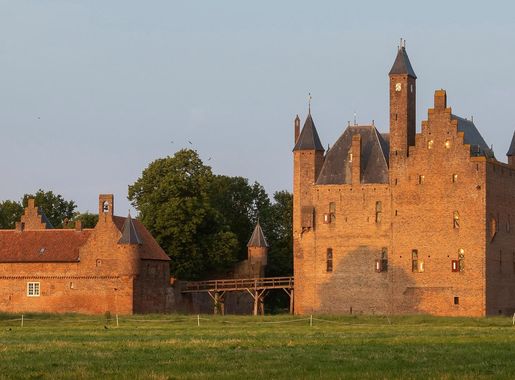
In the Middle Ages, the Betuwe region flourished due to its fertile soil and strategic location along the Rhine River. The area became renowned for its fruit orchards, particularly apple and pear trees. The growth of medieval trade routes and the establishment of market towns further boosted the region's prosperity. Castles and fortresses were constructed, many of which still stand today as a testament to the region's medieval heritage.
-
The Betuwe region played a significant role during the Eighty Years' War (1568-1648), a protracted conflict between the Dutch Republic and the Spanish Empire. The strategic location of Betuwe made it a battleground for numerous skirmishes and battles. The famous Battle of Arnhem in 1585 saw the region's involvement in this pivotal period of Dutch history. The war eventually led to the independence of the Dutch Republic.
-
In the modern era, Betuwe has maintained its reputation as an agricultural hub. The region is often referred to as the 'Fruit Garden of the Netherlands' due to its extensive fruit orchards. The Betuwe Express, a railway line established in the 19th century, enhanced the transportation of goods and bolstered the local economy. Today, Betuwe continues to thrive as a center for fruit production and agricultural innovation.
-
Betuwe's strategic location once again came into play during World War II. The region was heavily affected by the war, particularly during Operation Market Garden in 1944. The battle aimed to secure key bridges, including the one at Nijmegen, and led to significant destruction in the area. Post-war reconstruction efforts transformed Betuwe, and memorials and museums now commemorate the region's wartime experiences.
-
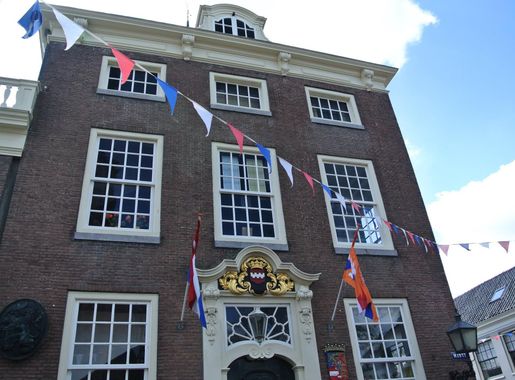
Betuwe boasts a rich cultural heritage, with numerous historical landmarks and traditions. The annual Fruitcorso in Tiel is a vibrant parade featuring floats adorned with thousands of fruits and vegetables, celebrating the region's agricultural bounty. Historic towns such as Culemborg and Buren offer well-preserved architecture and charming streets, providing visitors with a glimpse into the region's storied past.
Neighbouring Regions of Betuwe
The closest regions to Betuwe, if you have time for more than one.


Your all‑in‑one travel companion app
Explore expert travel guides, compare and book tours, experiences, hotels, and more—all from the palm of your hand. Download now for seamless trip planning wherever your wanderlust takes you.


Explore More of Netherlands

Looking beyond Betuwe? Discover Netherlands for broader travel guides, local hot-spots, and regional highlights.
Explore NetherlandsBetuwe in Photos
Browse through our photo collection highlighting the charm and character of the destination.






Betuwe: The Orchard of the Netherlands
Betuwe is a picturesque region in the Netherlands, known for its vast orchards and scenic landscapes. This area is especially charming during the spring when apple and cherry blossoms are in full bloom, creating a breathtaking sea of pink and white flowers. The region is nestled between the rivers Rhine and Waal, making it an ideal spot for nature lovers and cycling enthusiasts. The flat terrain and well-maintained cycling paths offer a perfect way to explore the countryside and enjoy the local fauna and flora. Betuwe is also famous for its fruit production. Visitors can enjoy fresh fruit straight from the orchards, or visit one of the many local markets to taste a variety of apples, pears, and cherries. The region's rich agricultural heritage is also celebrated through various festivals and events, such as the annual Fruitcorso, where parades of floats decorated with fruits and flowers take over the streets. For history aficionados, Betuwe offers a glimpse into the past with its charming villages, historic churches, and traditional Dutch windmills. The area is dotted with quaint towns like Tiel and Geldermalsen, where visitors can enjoy local hospitality and explore cultural landmarks.