

Free Utrechtse Heuvelrug Travel Guide & Mobile App
Explore Utrechtse Heuvelrug with free travel guides. Discover regional history, expert tips, proposed trips, and audio guides on web or mobile app.


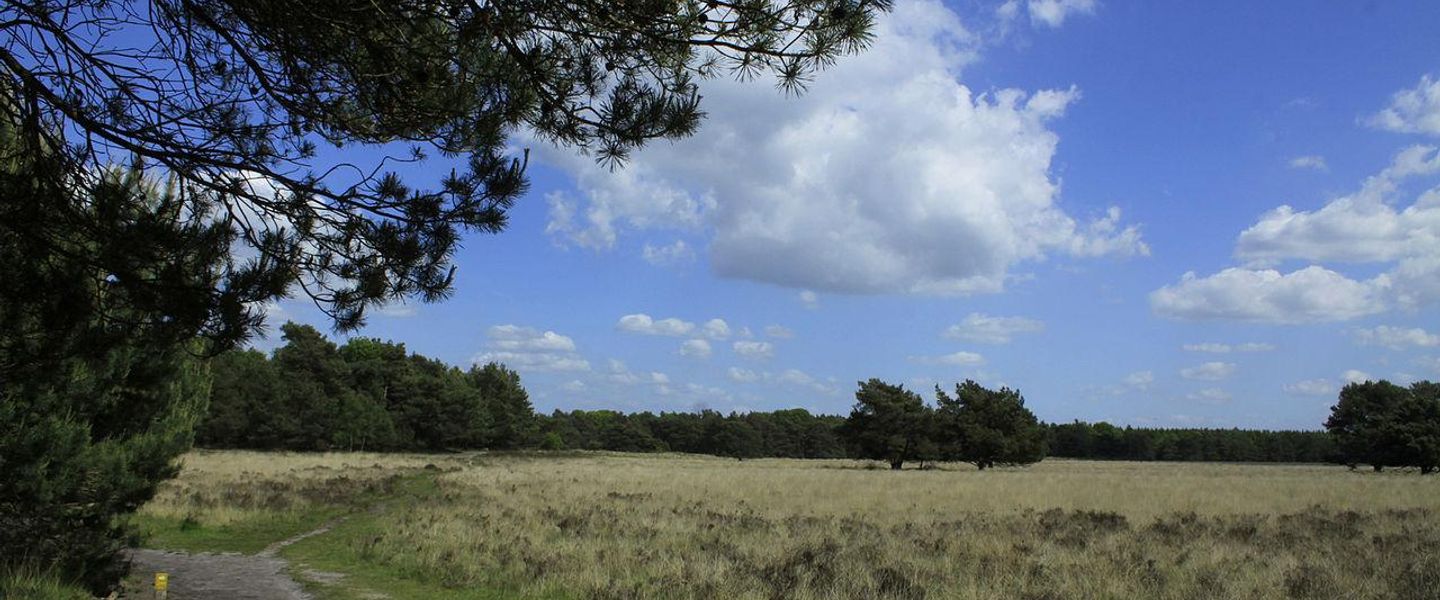


Discover Utrechtse Heuvelrug, a scenic and historic region in the Netherlands, perfect for nature lovers, history buffs, and outdoor enthusiasts seeking adventure and tranquility.
Read more about Utrechtse Heuvelrug
When is the best time to visit Utrechtse Heuvelrug?
Best: June–August · 22–24°C| Month | High (°C) | Rainfall (mm) |
|---|---|---|
| January | 7 | 65 |
| February | 7 | 55 |
| March | 11 | 60 |
| April | 15 | 50 |
| May | 19 | 60 |
| June (best) | 22 | 70 |
| July (best) | 24 | 75 |
| August (best) | 23 | 75 |
| September | 20 | 70 |
| October | 16 | 70 |
| November | 10 | 70 |
| December | 7 | 70 |
Getting to and around Utrechtse Heuvelrug
How to get there
Transportation
Best attractions in Utrechtse Heuvelrug
Nestled in the heart of the Netherlands, Utrechtse Heuvelrug offers a captivating blend of natural beauty, historical intrigue, and cultural richness that beckons travelers from far and wide. Visitors can explore the lush, forested landscapes of Utrechtse Heuvelrug National Park, where serene walking trails and panoramic viewpoints provide a tranquil escape into nature. History enthusiasts will revel in the grandeur of the region's centuries-old castles, such as Amerongen Castle and Slot Zeist, each filled with fascinating stories and majestic architecture. The area is also home to charming villages like Doorn and Driebergen, where quaint streets, local markets, and cozy cafes paint a picturesque scene of Dutch rural life. For the adventurous, there's ample opportunity for cycling, horseback riding, and even gliding, offering a unique perspective on the rolling hills and verdant valleys. With a rich tapestry of museums, historic estates, and vibrant flora and fauna, Utrechtse Heuvelrug is a destination that promises an unforgettable journey through nature and history.
-
Tourist attraction
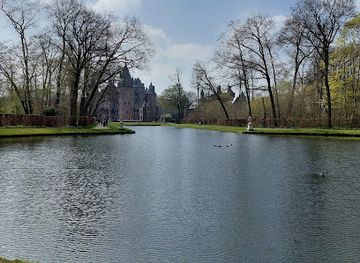
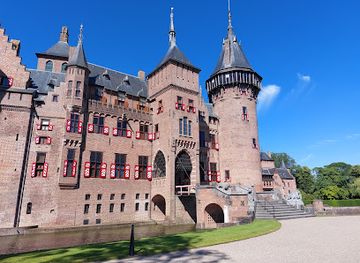
Castle De Haar
Experience the magic of Castle De Haar in Utrecht, a stunning castle surrounded by lush gardens and rich history, perfect for an unforgettable visit.
-
Tourist attraction
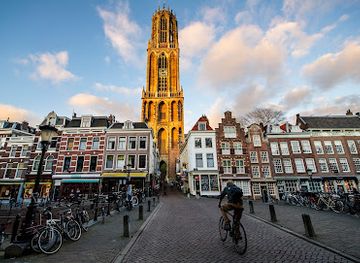
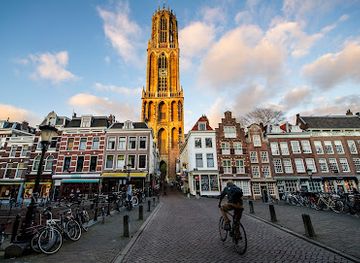
Dom Tower
Discover the breathtaking views and rich history of the iconic Dom Tower in Utrecht, a cultural landmark that defines the city's skyline.
-
Science museum
Micropia
Explore the fascinating world of microorganisms at Micropia, Amsterdam's innovative science museum dedicated to the unseen life around us.
-
Museum
Wereldmuseum Amsterdam
Explore the rich tapestry of global cultures at the Wereldmuseum Amsterdam, a captivating museum showcasing extraordinary artifacts and exhibitions.

Best landmarks in Utrechtse Heuvelrug
Utrechtse Heuvelrug offers a captivating blend of natural beauty and historical intrigue, perfect for any explorer. Visitors can marvel at the grandeur of Amerongen Castle, with its centuries-old architecture and lush gardens, or hike through the dense forests and rolling hills of the National Park, teeming with native wildlife. The Pyramid of Austerlitz, an unexpected Napoleonic-era monument, provides panoramic views and a fascinating glimpse into the past. For a touch of royal history, the majestic Huis Doorn, once the residence of the exiled German Kaiser, offers an intimate look at early 20th-century aristocratic life. The region's charming villages, such as Doorn and Driebergen, boast quaint streets, cozy cafes, and locally-owned shops, making them perfect spots for leisurely exploration.
-
Theme park
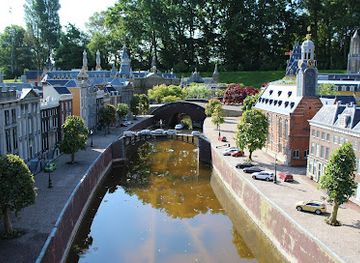
Madurodam
Explore Madurodam, a unique theme park in The Hague showcasing miniature replicas of the Netherlands’ iconic landmarks and cultural heritage.
-
Castle
Castle De Haar
Explore the enchanting Castle De Haar in Utrecht, a stunning blend of history, architecture, and beautiful gardens, perfect for a magical visit.
-
History museum
Nationaal Militair Museum
Explore the rich tapestry of military history at the Nationaal Militair Museum, featuring extensive exhibits and interactive experiences for all ages.
-
Cultural landmark
Dom Tower
Explore the Dom Tower in Utrecht, the tallest church tower in the Netherlands, and immerse yourself in the rich cultural heritage of this beautiful city.

Explore Utrechtse Heuvelrug on the map
Plan your trip on one map. See where the top cities, national parks and sights are, and book hotels and experiences in a few clicks.
Best hotels in Utrechtse Heuvelrug
Best restaurants in Utrechtse Heuvelrug
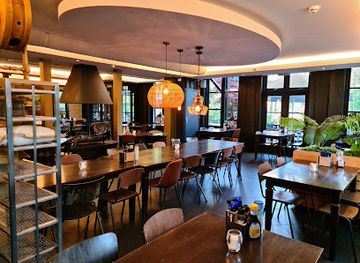
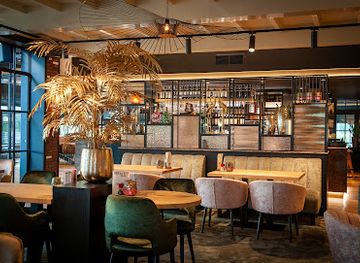
The dining scene in Utrechtse Heuvelrug is a delightful tapestry of culinary experiences that cater to a range of tastes and preferences. Visitors can expect to indulge in a variety of gourmet offerings from charming countryside bistros serving farm-to-table delicacies to elegant restaurants nestled in historic estates, where traditional Dutch fare meets contemporary culinary innovation. The region also boasts a number of cozy cafes and bakeries that offer a perfect respite with fresh pastries and locally sourced coffee. For those seeking international flavors, there are several eateries that present a global menu, ensuring everyone finds something to savor. The blend of rustic charm, historical ambiance, and modern gastronomy makes dining in Utrechtse Heuvelrug a truly enchanting experience.
-
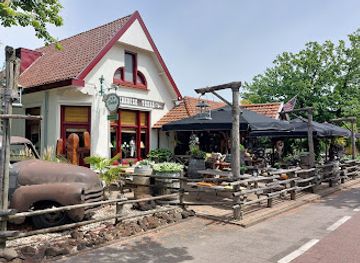
Steak
Ribhouse Texas Woudenberg
Discover Ribhouse Texas Woudenberg - where savory steaks meet authentic barbecue flavors in an inviting atmosphere.
-
Pancake
Pancake Restaurant Bergzicht
Experience delectable pancakes and French cuisine at Pancake Restaurant Bergzicht in Woudenberg - perfect for family lunches or cozy dinners.
-
Restaurant
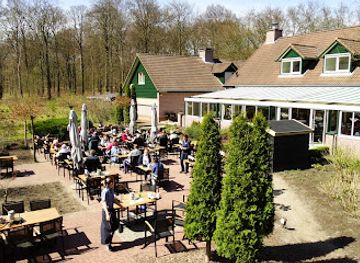
Restaurant Klein Zwitserland
Experience the culinary magic at Restaurant Klein Zwitserland in Driebergen-Rijsenburg - where every meal is a delightful journey through taste.
-
Restaurant
Restaurant De Hof
Experience the finest Dutch cuisine at Restaurant De Hof in Renswoude - where local flavors meet modern elegance.
Best bars in Utrechtse Heuvelrug
When the sun sets over the picturesque Utrechtse Heuvelrug, the region transforms into a vibrant hub of nightlife that promises a unique blend of rustic charm and modern entertainment. Visitors can expect an array of cozy pubs and lively bars nestled within historic buildings, where local brews and Dutch delicacies are served with a side of friendly conversation. Trendy nightclubs and music venues in nearby towns like Zeist and Driebergen-Rijsenburg offer live performances, from jazz to electronic beats, ensuring that there's something for every musical taste. Whether you're looking to dance the night away under the stars, enjoy a quiet drink by the fire, or mingle with locals and fellow travelers, the nightlife in Utrechtse Heuvelrug is an enchanting experience that seamlessly blends the old with the new.
-
Bar
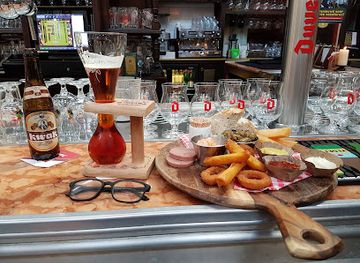
Belgisch Biercafé Olivier Utrecht
Experience the rich flavors of Belgium at Belgisch Biercafé Olivier, Utrecht's premier destination for Belgian beers and cuisine.
-
Cocktail bar
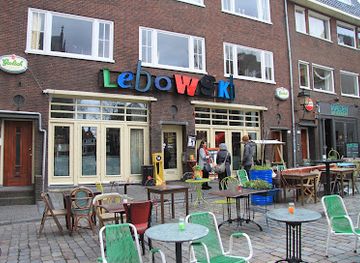
Lebowski
Discover the vibrant flavors of Lebowski in Utrecht, a cocktail bar and café offering a unique blend of creativity and comfort.
-
Bar
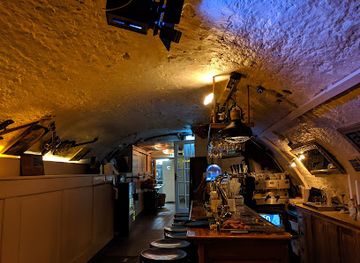
't Oude Pothuys
Discover 't Oude Pothuys, a lively bar in Utrecht known for its local live music, vibrant atmosphere, and exceptional drink selection.
-
Lunch
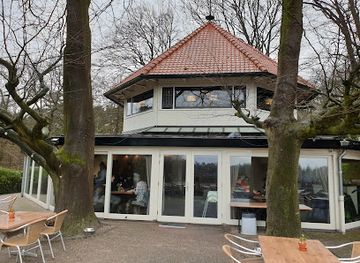
Chalet St. Helenaheuvel
Discover the charm of Chalet St. Helenaheuvel in Doorn, where delightful lunches and serene tea experiences await amidst stunning natural landscapes.
Best nightclubs in Utrechtse Heuvelrug
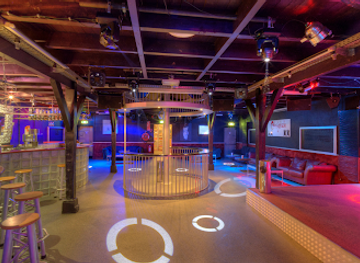
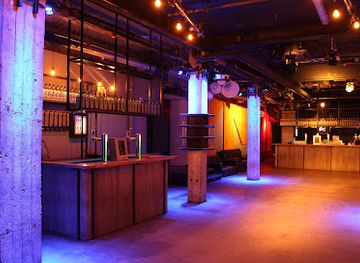
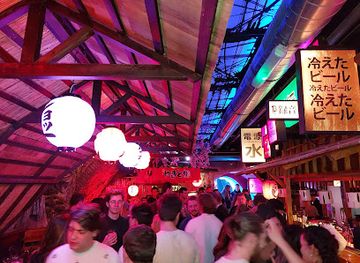
When the sun sets over the picturesque Utrechtse Heuvelrug, the region transforms into a vibrant hub of nightlife that promises a unique blend of rustic charm and modern entertainment. Visitors can expect an array of cozy pubs and lively bars nestled within historic buildings, where local brews and Dutch delicacies are served with a side of friendly conversation. Trendy nightclubs and music venues in nearby towns like Zeist and Driebergen-Rijsenburg offer live performances, from jazz to electronic beats, ensuring that there's something for every musical taste. Whether you're looking to dance the night away under the stars, enjoy a quiet drink by the fire, or mingle with locals and fellow travelers, the nightlife in Utrechtse Heuvelrug is an enchanting experience that seamlessly blends the old with the new.
-
Gay bar
Body Talk
Discover Body Talk, Utrecht's lively gay bar, where vibrant nightlife meets welcoming community spirit, perfect for a night of fun and connection.
-
Disco club
Club Organza
Experience the electrifying nightlife at Club Organza, Breukelen's premier disco club offering unforgettable music, dance, and social ambiance.
-
Night club
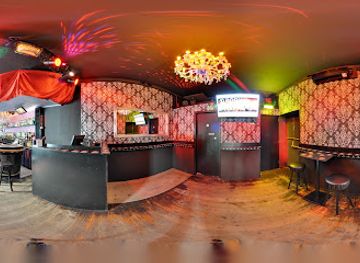
BASIS
Discover BASIS, Utrecht's dynamic night club offering electrifying music, captivating lights, and an unforgettable dance experience in the heart of the city.
-
Night club
Club Maggy
Discover the electrifying nightlife at Club Maggy, Utrecht's premier night club along the scenic Oudegracht, perfect for an unforgettable night out.
Best shops in Utrechtse Heuvelrug
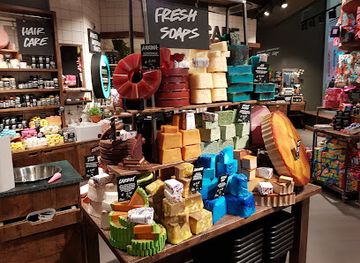
The shopping scene in Utrechtse Heuvelrug is a delightful blend of charming boutiques, artisanal shops, and vibrant markets set against a backdrop of picturesque villages and lush landscapes. Visitors can explore the quaint streets of Doorn and Amerongen, where local crafts and unique souvenirs abound, or visit the bustling market squares in Zeist and Driebergen for fresh produce and handmade goods. Specialty stores offer everything from Dutch cheeses and wines to bespoke fashion and home décor, ensuring that every shopping excursion is a treasure hunt filled with unexpected finds and local delights.
-
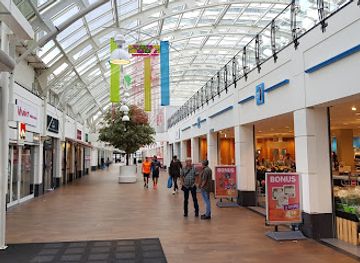
Shopping mall
Hoog Catharijne
Discover the vibrant shopping experience at Hoog Catharijne in Utrecht, featuring diverse stores and delightful dining options.
-
Shopping mall
Shopping Mall Nova
Explore Shopping Mall Nova in Utrecht: A vibrant shopping experience with diverse stores, dining options, and a lively atmosphere for all ages.
-
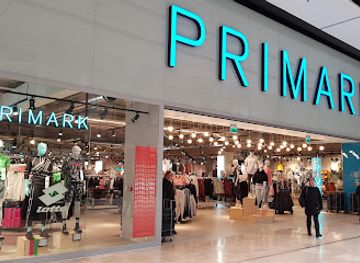
Clothing store
Primark
Discover stylish and affordable fashion at Primark in Utrecht, where trendy clothing meets unbeatable prices for the whole family.
-
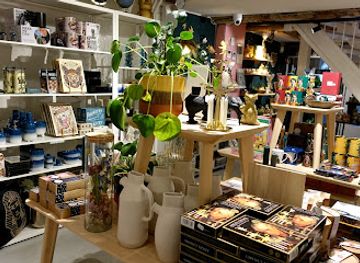
Gift shop
It`s a present!
Explore the vibrant gift shop 'It's a Present!' in Utrecht, offering unique home goods and maps, perfect for souvenirs and special gifts.
Get your free copy of our complete guide to Utrechtse Heuvelrug, delivered straight to you.
Everything on this page, from attractions and restaurants to essentials and local phrases, in one PDF you can read offline, print or share.
Already have an account? Sign in
Your Utrechtse Heuvelrug guide is ready.
We'll send it to · Not you? Sign out

Getting your guide ready…
We are putting together a fresh copy of the Utrechtse Heuvelrug guide. This can take up to a minute.
This can take a few moments. If your browser asks, choose Allow so the download can start. You'll find the guide in your Downloads folder.
Nothing happened? Download it again
Sorry, the guide is taking longer than usual. Please try again in a minute, or get it by email instead.
Utrechtse Heuvelrug essentials
Currency and Payment
Safety
Emergency Situations
Do's and Don'ts
Local Tips
From Eve
Local phrases worth knowing
You don't need to get them perfect. A few words go a long way, and locals appreciate the effort.
Basics
| English | Local | Say it |
|---|---|---|
| Hello | Hallo | [HAH-lo] |
| Goodbye | Tot ziens | [TOT zeens] |
| Yes | Ja | [YAH] |
| No | Nee | [NAY] |
| Please/You’re welcome | Alstublieft | [AL-stu-BLEEFt] |
| Thank you | Dank je | [DANK yuh] |
| Excuse me/Sorry | Sorry | [SOR-ee] |
| How are you? | Hoe gaat het? | [HOO gaat het] |
| Fine. And you? | Goed. En jij? | [GHOO-d. En yay?] |
| Do you speak English? | Spreekt u Engels? | [SPREEKT oo ENG-els] |
| I don't understand | Ik begrijp het niet | [IK buh-GRYP het neet] |
Eating & Drinking
| English | Local | Say it |
|---|---|---|
| I’d like to see the menu, please | Mag ik de menukaart zien, alstublieft? | [MAHG ik de MEH-nu-kart ZEEN, AL-stu-BLEEFt?] |
| I don't eat meat | Ik eet geen vlees | [IK AIT ghane VLES] |
| Cheers! | Proost! | [PROHST] |
| I would like to pay, please | Ik wil graag betalen, alstublieft | [IK vil GHRAHGH buh-TAH-len, AL-stu-BLEEFt] |
Emergencies
| English | Local | Say it |
|---|---|---|
| Help! | Help! | [HELP] |
| Go away! | Ga weg! | [GHAA VEHG] |
| Call the Police! | Bel de politie! | [BEL de po-LEET-sie] |
| Call a doctor! | Bel een dokter! | [BEL ayn DOK-ter] |
| I’m lost | Ik ben verloren | [IK ben fer-LOH-ren] |
| I’m ill | Ik ben ziek | [IK ben ZEEK] |
Shopping
| English | Local | Say it |
|---|---|---|
| I’d like to buy... | Ik wil graag kopen... | [IK vil GHRAHGH KOH-pen...] |
| I’m just looking | Ik kijk gewoon | [IK KAIK ghe-WOON] |
| How much is it? | Hoeveel kost het? | [HOO-veel KOST het] |
| That’s too expensive | Dat is te duur | [DAT is tuh DUR] |
| Can you lower the price? | Kunt u de prijs verlagen? | [KUNT oo de PRICE fer-LAH-ghen] |
Time & Numbers
| English | Local | Say it |
|---|---|---|
| What time is it? | Hoe laat is het? | [HOO laat is het] |
| It’s one o'clock | Het is één uur | [HET is ayn OOR] |
| Half past (10) | Half drie | [HALF DREE] |
| Morning | Ochtend | [OKH-tend] |
| Afternoon | Middag | [MID-dahg] |
| Evening | Avond | [AH-vond] |
| Yesterday | Gisteren | [GHIS-ter-en] |
| Today | Vandaag | [VAN-dahg] |
| Tomorrow | Morgen | [MOR-ghen] |
| 1 | Eén | [AYN] |
| 2 | Twee | [TWAY] |
| 3 | Drie | [DREE] |
| 4 | Vier | [VEER] |
| 5 | Vijf | [VIFE] |
| 6 | Zes | [ZES] |
| 7 | Zeven | [ZAY-ven] |
| 8 | Acht | [AKHT] |
| 9 | Negen | [NAY-ghen] |
| 10 | Tien | [TEEN] |
Transport & Directions
| English | Local | Say it |
|---|---|---|
| Where's a/the...? | Waar is een...? | [VAHR is ayn...?] |
| What's the address? | Wat is het adres? | [VAT is het AH-dres?] |
| Can you show me (on the map)? | Kunt u me laten zien (op de kaart)? | [KUNT oo muh LAH-ten ZEEN (op de KAART)?] |
| When's the next (bus)? | Wanneer komt de volgende (bus)? | [VA-NEER komt de VOL-gende (BUS)?] |
| A ticket (to ....) | Een ticket (naar ...) | [AYN TIK-ket (NAHR ...)] |
History of Utrechtse Heuvelrug
Prehistoric Settlements and Burial Mounds
The Utrechtse Heuvelrug region has a rich prehistoric past, with archaeological findings indicating human activity dating back to the Neolithic period. The area is dotted with ancient burial mounds, known locally as 'celtic fields', which provide insight into the early human settlements and their burial practices. These mounds are scattered throughout the forests, giving visitors a glimpse into the life and death rituals of the region's earliest inhabitants.
Roman Influence and Trade Routes
During the Roman era, the Utrechtse Heuvelrug served as a strategic location for trade and military routes. The Romans constructed roads and fortifications to secure the region and facilitate the movement of goods and troops. Archaeological excavations have uncovered Roman artifacts, including coins, pottery, and remnants of roads, highlighting the significance of the Utrechtse Heuvelrug within the broader context of the Roman Empire's northern frontier.
Medieval Castles and Estates
The Middle Ages saw the construction of numerous castles and estates across the Utrechtse Heuvelrug, reflecting the region's importance in feudal society. Notable examples include Castle Amerongen and Castle Doorwerth, which have been meticulously preserved and are open to the public. These castles not only served as defensive structures but also as centers of administration and symbols of power for the local nobility.
The Dutch Golden Age and Land Reclamation
The 17th century, known as the Dutch Golden Age, brought significant changes to the Utrechtse Heuvelrug. Wealthy merchants and nobles from Amsterdam and other cities began purchasing land to create country estates and hunting lodges. This period also saw extensive land reclamation projects, transforming marshy areas into arable land. The architecture of the estates from this era reflects the opulence and artistic achievements of the time.
World War II and the Grebbe Line
During World War II, the Utrechtse Heuvelrug played a critical role in the defense of the Netherlands. The Grebbe Line, a series of defensive positions, was established in the region to repel the advancing German forces. The Battle of the Grebbeberg in May 1940 was one of the first major engagements between Dutch and German troops. Today, memorials and preserved bunkers in the area serve as poignant reminders of this tumultuous period in history.
Post-War Development and National Park Status
In the post-war era, the Utrechtse Heuvelrug underwent significant development, balancing urban expansion with the preservation of natural landscapes. In 2003, the Utrechtse Heuvelrug National Park was established, encompassing vast tracts of forests, heathlands, and sand dunes. This designation aimed to protect the region's biodiversity and cultural heritage while promoting sustainable tourism and recreation. The park is now a haven for nature enthusiasts and a testament to the area's ongoing commitment to conservation.
Utrechtse Heuvelrug in Photos
Browse through our photo collection highlighting the charm and character of the destination.
Neighbouring regions of Utrechtse Heuvelrug
The closest regions to Utrechtse Heuvelrug, if you have time for more than one.
-
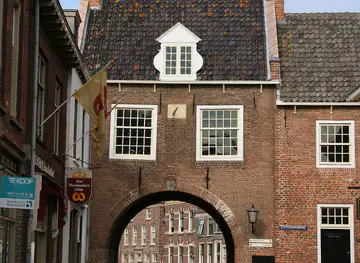 Rivierenland
Discover Rivierenland, a hidden gem in the Netherlands, where lush landscapes, historic towns, and serene riverbanks create the perfect escape for nature and culture lovers.
Rivierenland
Discover Rivierenland, a hidden gem in the Netherlands, where lush landscapes, historic towns, and serene riverbanks create the perfect escape for nature and culture lovers.
-
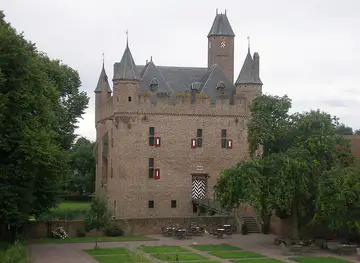 Betuwe
Discover Betuwe: A land of blooming orchards, scenic cycling paths, and rich agricultural heritage in the heart of the Netherlands.
Betuwe
Discover Betuwe: A land of blooming orchards, scenic cycling paths, and rich agricultural heritage in the heart of the Netherlands.
-
 Gooi
Discover the charm of Gooi, the Netherlands' hidden gem, known for its natural beauty, historical estates, and serene villages just a short drive from Amsterdam.
Gooi
Discover the charm of Gooi, the Netherlands' hidden gem, known for its natural beauty, historical estates, and serene villages just a short drive from Amsterdam.
-
 Vechtstreek
Discover Vechtstreek: A serene Dutch region with charming villages, historic estates, and scenic riverside landscapes perfect for cycling, boating, and relaxation.
Vechtstreek
Discover Vechtstreek: A serene Dutch region with charming villages, historic estates, and scenic riverside landscapes perfect for cycling, boating, and relaxation.
-
 Gelderland
Discover Gelderland, the largest province in the Netherlands, known for its stunning national parks, historical cities, and rich cultural heritage.
Gelderland
Discover Gelderland, the largest province in the Netherlands, known for its stunning national parks, historical cities, and rich cultural heritage.
Swipe for more regions

