

Free Alblasserwaard Travel Guide & Mobile App
Explore Alblasserwaard with free travel guides. Discover regional history, expert tips, proposed trips, and audio guides on web or mobile app.


Discover Alblasserwaard's charming windmills, scenic waterways, and rich cultural heritage in the heart of the Dutch countryside.
Read more about Alblasserwaard
When is the best time to visit Alblasserwaard?
Best: June–August · 21–23°C| Month | High (°C) | Rainfall (mm) |
|---|---|---|
| January | 6 | 60 |
| February | 6 | 50 |
| March | 11 | 60 |
| April | 14 | 50 |
| May | 19 | 60 |
| June (best) | 21 | 70 |
| July (best) | 23 | 80 |
| August (best) | 23 | 80 |
| September | 19 | 70 |
| October | 15 | 70 |
| November | 10 | 60 |
| December | 7 | 70 |
Getting to and around Alblasserwaard
How to get there
Transportation
Destinations in Alblasserwaard
Resorts, valleys and scenic spots worth a trip of their own.
Swipe for more destinations
Best attractions in Alblasserwaard
Nestled in the heart of the Netherlands, Alblasserwaard is a captivating region where history and nature seamlessly intertwine, offering a treasure trove of attractions for every traveler. The iconic Kinderdijk windmills, a UNESCO World Heritage site, stand as sentinels of Dutch ingenuity and provide a picturesque backdrop for cycling and walking trails. The area is crisscrossed by tranquil waterways and dotted with charming villages like Oud-Alblas and Nieuwpoort, where you can explore centuries-old architecture and quaint local shops. Nature enthusiasts can revel in the serene beauty of the De Biesbosch National Park, a sprawling wetland area perfect for bird watching, kayaking, and hiking. For a deeper dive into local history, visit the Arto Theater and the Alblasserdam Harbor, where you can learn about the region's rich maritime heritage. Whether you're a history buff, a nature lover, or simply in search of a peaceful escape, Alblasserwaard promises an unforgettable experience.
-
Tourist attraction
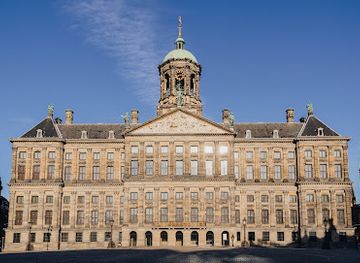
Royal Palace Amsterdam
Explore the Royal Palace Amsterdam, a stunning historical site showcasing opulence, artistry, and the rich heritage of the Dutch monarchy.
-
Tourist attraction
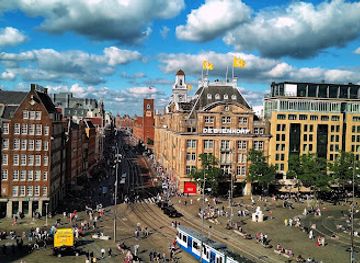
Madame Tussauds Amsterdam
Discover the iconic Madame Tussauds Amsterdam, where wax figures of your favorite celebrities and historical icons await in a captivating museum experience.
-
Tourist attraction
Ripley's Believe It or Not!
Discover the extraordinary at Ripley's Believe It or Not! in Amsterdam, a captivating attraction filled with bizarre artifacts and interactive exhibits.
-
Art museum
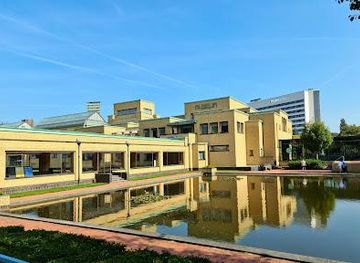
Kunstmuseum The Hague
Explore the rich collection of modern and contemporary art at Kunstmuseum The Hague, a cultural landmark in the heart of the Netherlands.

Best landmarks in Alblasserwaard
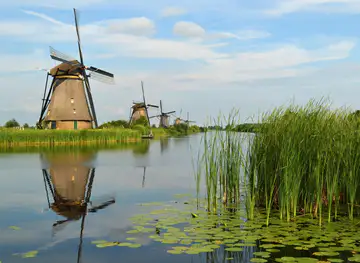
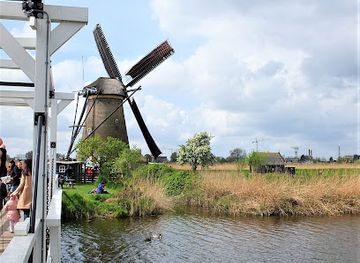
The enchanting region of Alblasserwaard in the Netherlands offers a captivating journey through time with its picturesque windmills, ancient water management systems, and charming villages. Most famously, the UNESCO World Heritage Site of Kinderdijk boasts 19 meticulously preserved windmills that transport visitors to the Golden Age of Dutch ingenuity. Wander through the scenic polder landscapes, where verdant meadows meet tranquil waterways, and discover centuries-old farmhouses and churches that tell tales of a resilient community. The region's serene beauty is further accentuated by the Alblasserbos forest, ideal for leisurely strolls or cycling, while the bustling town of Gorinchem invites with its historic fortress, vibrant markets, and inviting cafes. Alblasserwaard is a mesmerizing blend of natural splendor and historical richness, promising an unforgettable adventure for every traveler.
-
Heritage museum
Unesco Werelderfgoed Kinderdijk
Experience the iconic windmills and rich heritage of Kinderdijk, a UNESCO World Heritage site showcasing Dutch engineering and picturesque landscapes.
-
Heritage museum
Museummolen Nederwaard
Explore Museummolen Nederwaard in Kinderdijk, a heritage museum showcasing traditional Dutch windmills and the art of water management.
-
Nature preserve
Natuur- en Vogelwacht De Alblasserwaard
Explore the serene landscapes and diverse birdlife at Natuur- en Vogelwacht De Alblasserwaard, a nature preserve perfect for nature lovers and bird watchers.
-
Historical landmark
Dragon Fountain
Explore the enchanting Dragon Fountain in 's-Hertogenbosch, a historic monument that embodies local folklore and artistic heritage.


Explore Alblasserwaard on the map
Plan your trip on one map. See where the top cities, national parks and sights are, and book hotels and experiences in a few clicks.
Best hotels in Alblasserwaard
Best restaurants in Alblasserwaard
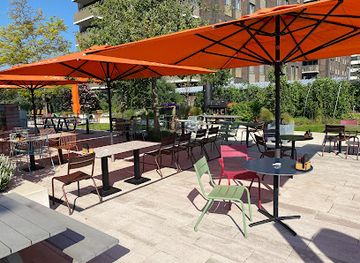
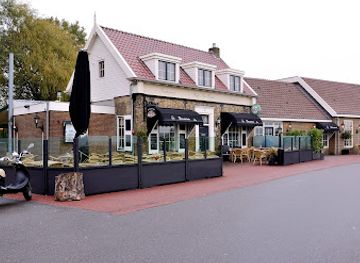
Nestled in the heart of the picturesque Alblasserwaard, the dining scene is a delightful tapestry of traditional Dutch cuisine and innovative culinary experiences. Visitors can savor hearty, farm-to-table meals featuring locally sourced ingredients at charming countryside bistros, while cozy cafes offer freshly baked stroopwafels and rich Dutch coffee. For a taste of history, dine at centuries-old inns that have been serving travelers for generations, or explore modern restaurants that blend classic flavors with contemporary twists, all set against the backdrop of serene canals and lush green polder landscapes.
-
Restaurant
Paviljoen Struis
Discover delightful flavors at Paviljoen Struis in Ridderkerk – where culinary excellence meets scenic beauty.
-
Restaurant
De Krom
Experience authentic French cuisine in Oud-Alblas at De Krom, where culinary excellence meets charming ambiance.
-
Restaurant
Willaerts
Experience exquisite Dutch and international cuisine at Willaerts in Papendrecht – where every meal is a celebration of flavor.
-
French
Zomerlust Brasserie & Restaurant
Experience authentic French cuisine in the heart of Zwijndrecht at Zomerlust Brasserie & Restaurant - where every meal is a celebration.
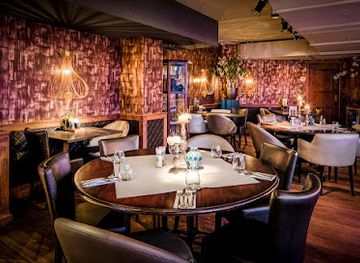
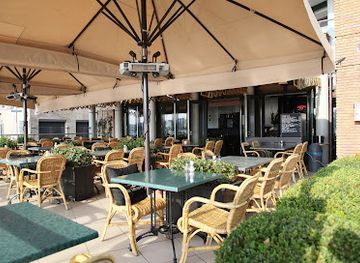
Best bars in Alblasserwaard
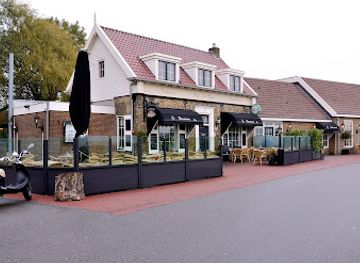
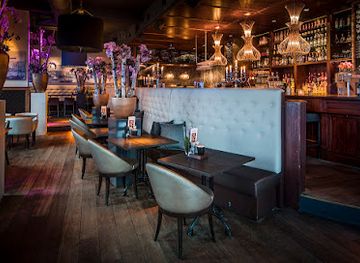
The nightlife in Alblasserwaard offers a uniquely charming experience that blends the region's rich history with modern entertainment. Visitors can unwind in cozy, centuries-old pubs where the atmosphere is imbued with local tales and traditions, or they can sip on local brews in contemporary bars that offer a sleek, modern contrast. Live music venues frequently host regional bands, adding a lively soundtrack to your evening. For those looking to dance the night away, intimate clubs provide an energetic ambiance with DJs spinning a mix of international and Dutch hits. Whether you prefer a quiet drink in a historic setting or a vibrant night of dancing, Alblasserwaard's nightlife scene caters to all tastes.
-
Restaurant
De Theetuin
Discover De Theetuin: A blend of delightful dining, recreational fun, and serene surroundings in Ridderkerk for an unforgettable experience.
-
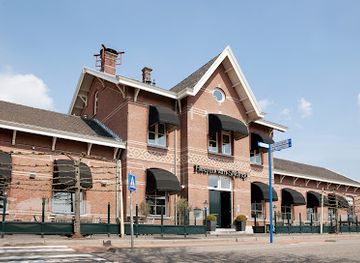
Brasserie
Heeren van Slydregt
Experience the warmth of Dutch hospitality at Heeren van Slydregt, a brasserie offering delicious local cuisine in the heart of Sliedrecht.
-
Restaurant
De Krom
Discover the exquisite flavors of French cuisine at De Krom, Oud-Alblas' charming brasserie offering an unforgettable dining experience.
-
Restaurant
Willaerts
Experience the culinary delights of Willaerts in Papendrecht, a restaurant that blends quality food with a warm, welcoming atmosphere.
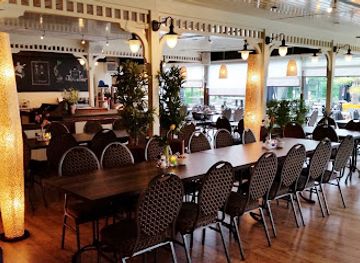
Best nightclubs in Alblasserwaard
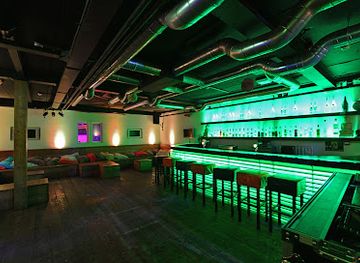
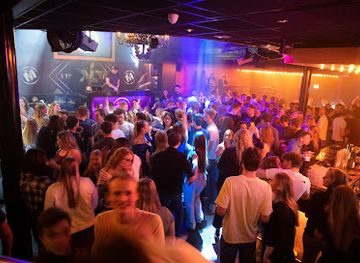
The nightlife in Alblasserwaard offers a uniquely charming experience that blends the region's rich history with modern entertainment. Visitors can unwind in cozy, centuries-old pubs where the atmosphere is imbued with local tales and traditions, or they can sip on local brews in contemporary bars that offer a sleek, modern contrast. Live music venues frequently host regional bands, adding a lively soundtrack to your evening. For those looking to dance the night away, intimate clubs provide an energetic ambiance with DJs spinning a mix of international and Dutch hits. Whether you prefer a quiet drink in a historic setting or a vibrant night of dancing, Alblasserwaard's nightlife scene caters to all tastes.
-
Disco club
Club Rodenburg
Discover the lively nightlife at Club Rodenburg in Beesd, the ultimate disco club for dance lovers and event enthusiasts.
-
Disco club
Dolhuis
Experience the vibrant nightlife at Dolhuis, Dordrecht's premier disco club and concert hall, where music and dance come alive.
-
Disco club
HOME Noordwijk
Discover the energy of HOME Noordwijk, a top disco club where unforgettable nights of music, dancing, and socializing await you.
-
Night club
Club BLU ROTTERDAM
Dive into Rotterdam's nightlife at Club BLU, a premier night club offering live music, vibrant atmosphere, and unforgettable dance experiences.


Best shops in Alblasserwaard
Alblasserwaard offers a unique shopping experience that seamlessly blends the charm of traditional Dutch culture with modern retail convenience. Visitors can explore quaint boutiques and artisanal shops nestled in historic towns like Kinderdijk and Nieuwpoort, where cobblestone streets and windmills form a picturesque backdrop. Local markets brim with fresh produce, cheeses, and handcrafted goods, providing a taste of the region's rich agricultural heritage. For those seeking contemporary fashion and home decor, the larger town centers feature a mix of well-known brands and stylish local designers. The shopping scene here is as diverse as the landscape, promising a delightful discovery around every corner.
-
Gift shop
Designer Outlet Roermond
Discover unbeatable deals on designer brands at Designer Outlet Roermond, the ultimate shopping destination in the Netherlands with over 150 stores.
-
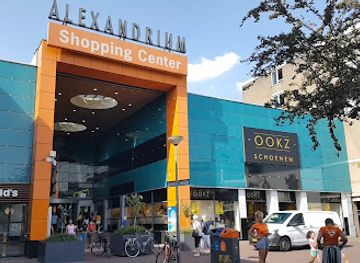
Shopping mall
Alexandrium Shopping Center
Discover Alexandrium Shopping Center in Rotterdam, a vibrant hub featuring diverse shops, dining, and entertainment for visitors of all ages.
-
Shopping mall
Shopping Center Stadshart Zoetermeer
Explore the lively Stadshart Zoetermeer, a premier shopping haven with diverse shops, delightful eateries, and entertainment options in the heart of the city.
-
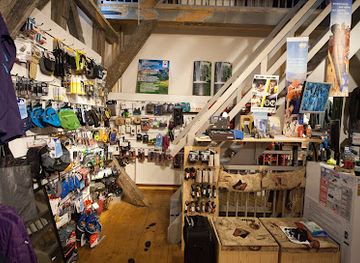
Outdoor sports store
antelope Outdoor
Discover top-notch outdoor gear at Antelope Outdoor, the ultimate destination for adventure enthusiasts in Alblasserdam.


Get your free copy of our complete guide to Alblasserwaard, delivered straight to you.
Everything on this page, from attractions and restaurants to essentials and local phrases, in one PDF you can read offline, print or share.
Already have an account? Sign in
Your Alblasserwaard guide is ready.
We'll send it to · Not you? Sign out

Getting your guide ready…
We are putting together a fresh copy of the Alblasserwaard guide. This can take up to a minute.
This can take a few moments. If your browser asks, choose Allow so the download can start. You'll find the guide in your Downloads folder.
Nothing happened? Download it again
Sorry, the guide is taking longer than usual. Please try again in a minute, or get it by email instead.
Alblasserwaard essentials
Currency and Payment
Safety
Emergency Situations
Do's and Don'ts
Local Tips
From Eve
Local phrases worth knowing
You don't need to get them perfect. A few words go a long way, and locals appreciate the effort.
Basics
| English | Local | Say it |
|---|---|---|
| Hello | Hallo | [ha-lo] |
| Goodbye | Tot ziens | [tot zeens] |
| Yes | Ja | [ya] |
| No | Nee | [nay] |
| Please/You're welcome | Alstublieft | [al-stu-bleeft] |
| Thank you | Dank u | [dank oo] |
| Excuse me/Sorry | Sorry | [sor-ree] |
| How are you? | Hoe gaat het? | [hoo gaat het] |
| Fine. And you? | Goed. En jij? | [hoot. en yay] |
| Do you speak English? | Spreekt u Engels? | [spraykt oo eng-els] |
| I don't understand | Ik begrijp het niet | [ik be-graif het neet] |
Eating & Drinking
| English | Local | Say it |
|---|---|---|
| I'd like to see the menu, please | Ik zou graag de menukaart zien, alstublieft | [ik zou graahg de me-nu-kaart zeen, al-stu-bleeft] |
| I don't eat meat | Ik eet geen vlees | [ik eet ghen vles] |
| Cheers! | Proost! | [proast] |
| I would like to pay, please | Ik zou graag willen betalen, alstublieft | [ik zou graahg vil-len be-ta-len, al-stu-bleeft] |
Emergencies
| English | Local | Say it |
|---|---|---|
| Help! | Help! | [help] |
| Go away! | Ga weg! | [ha vek] |
| Call the Police! | Bel de politie! | [bel de po-li-tie] |
| Call a doctor! | Bel een dokter! | [bel een dok-ter] |
| I'm lost | Ik ben verdwaald | [ik ben fer-dwaald] |
| I'm ill | Ik ben ziek | [ik ben zeek] |
Shopping
| English | Local | Say it |
|---|---|---|
| I'd like to buy... | Ik zou graag ... willen kopen | [ik zou graahg ... vil-len ko-pen] |
| I'm just looking | Ik kijk alleen maar | [ik kaik a-layn mar] |
| How much is it? | Hoeveel kost het? | [hoo-vail kost het] |
| That's too expensive | Dat is te duur | [dat is te dur] |
| Can you lower the price? | Kunt u de prijs verlagen? | [kunt oo de prijs ver-lah-gen] |
Time & Numbers
| English | Local | Say it |
|---|---|---|
| What time is it? | Hoe laat is het? | [hoo lat is het] |
| It's one o'clock | Het is één uur | [het is een oor] |
| Half past (10) | Half (10) | [half (10)] |
| Morning | Ochtend | [okh-tendt] |
| Afternoon | Middag | [mid-dahg] |
| Evening | Avond | [ah-vond] |
| Yesterday | Gisteren | [ghis-ter-en] |
| Today | Vandaag | [van-dahg] |
| Tomorrow | Morgen | [mor-ghen] |
| 1 | 1 | [1] |
| 2 | 2 | [2] |
| 3 | 3 | [3] |
| 4 | 4 | [4] |
| 5 | 5 | [5] |
| 6 | 6 | [6] |
| 7 | 7 | [7] |
| 8 | 8 | [8] |
| 9 | 9 | [9] |
| 10 | 10 | [10] |
Transport & Directions
| English | Local | Say it |
|---|---|---|
| Where's a/the...? | Waar is een/de ...? | [waar is een/de ...?] |
| What's the address? | Wat is het adres? | [wat is het a-dres] |
| Can you show me (on the map)? | Kunt u het me (op de kaart) laten zien? | [kunt oo het me (op de kaart) la-ten zeen] |
| When's the next (bus)? | Wanneer is de volgende (bus)? | [wan-neer is de vol-gen-de (bus)] |
| A ticket (to ....) | Een kaartje (naar ....) | [een kaart-je (naar ....)] |
History of Alblasserwaard
The Birth of Alblasserwaard
The Alblasserwaard polder, located between the rivers Lek, Noord, and Merwede, began its journey in the medieval period. This region, originally a swampy expanse, was transformed by human ingenuity and perseverance. As early as the 11th century, dug canals and constructed dikes started to shape the landscape, making it habitable and suitable for agriculture. This marked the beginning of an enduring relationship between the people and the water, a bond that has defined Alblasserwaard's history and culture.
The Great Flood of 1421
One of the most significant events in Alblasserwaard's history is the St. Elizabeth's Flood of 1421. This catastrophic flood submerged large parts of the region, leading to the loss of life and massive destruction. It is said that 72 villages were swallowed by the waters, and the event had a profound impact on the development of the region. The flood also gave rise to many local legends and stories, including the famous tale of the 'Ark of Dordrecht' and the baby in the cradle, which symbolizes resilience and hope.
The Windmills of Kinderdijk
Alblasserwaard is home to the iconic windmills of Kinderdijk, a UNESCO World Heritage site. Built in the 18th century, these 19 windmills were part of a larger water management system designed to prevent flooding and regulate water levels in the polder. The windmills are a testament to Dutch engineering prowess and the ongoing battle against water. They remain a symbol of the region's innovation and determination, and today, they attract visitors from around the world who come to marvel at their beauty and historical significance.
The Industrial Revolution
The 19th century brought significant changes to Alblasserwaard with the advent of the Industrial Revolution. The region saw the rise of new industries, including shipbuilding and manufacturing. The construction of the Merwede Canal in the late 19th century further boosted economic activity, connecting Alblasserwaard to larger commercial networks. This period of transformation laid the groundwork for the modern economic landscape of the region, blending traditional agricultural practices with burgeoning industrial enterprises.
World War II and Liberation
Alblasserwaard, like much of the Netherlands, was deeply affected by the events of World War II. The region experienced occupation by German forces, and local resistance efforts were pivotal in the fight for liberation. The area was liberated in May 1945, and the end of the war marked a new chapter of rebuilding and recovery. Memorials and monuments throughout Alblasserwaard serve as poignant reminders of this turbulent period and the resilience of its inhabitants.
Modern-Day Alblasserwaard
In contemporary times, Alblasserwaard has successfully blended its rich historical heritage with modern development. The region continues to rely on its innovative water management practices while embracing sustainable agriculture and tourism. Efforts to preserve its natural landscapes and historical landmarks ensure that the legacy of Alblasserwaard is cherished and passed down through generations. Festivals, cultural events, and local traditions keep the vibrant spirit of the region alive, making it a dynamic destination for travelers and history enthusiasts alike.
Alblasserwaard in Photos
Browse through our photo collection highlighting the charm and character of the destination.
Neighbouring regions of Alblasserwaard
The closest regions to Alblasserwaard, if you have time for more than one.
-
 South Holland
Discover the blend of modern cities, historic towns, and scenic countryside in South Holland, Netherlands. From Rotterdam's skyline to The Hague's political heart, explore it all.
South Holland
Discover the blend of modern cities, historic towns, and scenic countryside in South Holland, Netherlands. From Rotterdam's skyline to The Hague's political heart, explore it all.
-
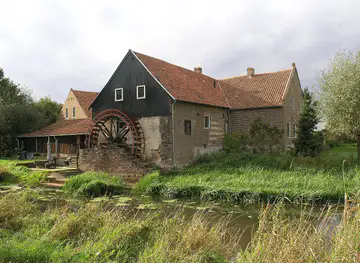 Hoeksche Waard
Discover the serene beauty of Hoeksche Waard, a tranquil Dutch island with lush landscapes, rich history, and diverse wildlife, perfect for nature lovers and history enthusiasts.
Hoeksche Waard
Discover the serene beauty of Hoeksche Waard, a tranquil Dutch island with lush landscapes, rich history, and diverse wildlife, perfect for nature lovers and history enthusiasts.
-
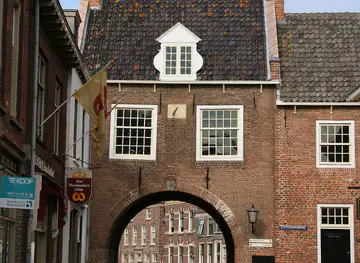 Rivierenland
Discover Rivierenland, a hidden gem in the Netherlands, where lush landscapes, historic towns, and serene riverbanks create the perfect escape for nature and culture lovers.
Rivierenland
Discover Rivierenland, a hidden gem in the Netherlands, where lush landscapes, historic towns, and serene riverbanks create the perfect escape for nature and culture lovers.
-
 Rijnmond
Explore Rijnmond: A blend of modern innovation and rich tradition in the Netherlands, offering stunning architecture, cultural treasures, serene nature, and culinary delights.
Rijnmond
Explore Rijnmond: A blend of modern innovation and rich tradition in the Netherlands, offering stunning architecture, cultural treasures, serene nature, and culinary delights.
-
 Delfland
Discover Delfland, a serene region in the Netherlands, where picturesque villages, historic windmills, and lush nature reserves await your exploration.
Delfland
Discover Delfland, a serene region in the Netherlands, where picturesque villages, historic windmills, and lush nature reserves await your exploration.
Swipe for more regions

