

Free Vechtstreek Travel Guide & Mobile App
Explore Vechtstreek with free travel guides. Discover regional history, expert tips, proposed trips, and audio guides on web or mobile app.


Explore the Netherlands’ Vechtstreek for riverside villages, historic country houses, cycling routes, boating waters and the Muiderslot.
Read more about Vechtstreek
When is the best time to visit Vechtstreek?
Best: June–August · 21–23°C| Month | High (°C) | Rainfall (mm) |
|---|---|---|
| January | 7 | 73 |
| February | 8 | 55 |
| March | 11 | 68 |
| April | 15 | 45 |
| May | 19 | 60 |
| June (best) | 21 | 72 |
| July (best) | 23 | 78 |
| August (best) | 23 | 75 |
| September | 19 | 70 |
| October | 15 | 80 |
| November | 10 | 80 |
| December | 7 | 78 |
Getting to and around Vechtstreek
How to get there
Transportation
Top city travel guides in Vechtstreek
The cities of Vechtstreek, and the easiest places to base yourself.
-

-

-

-

-

-


Swipe for more cities
Destinations in Vechtstreek
Resorts, valleys and scenic spots worth a trip of their own.
-

-
-

-

-

-


Swipe for more destinations
Best attractions in Vechtstreek
The Vechtstreek’s attractions are closely connected to its river landscape and former wealth. Historic houses and estates provide the cultural centrepiece: Slot Zuylen at Oud-Zuilen has an architectural and domestic history closely tied to the northern approach to Utrecht, while the country-house belt around Maarssen, Breukelen, Loenen aan de Vecht and Vreeland reveals how Amsterdam merchants shaped the riverbanks. Some estates are open as museums or gardens, while others are private and best appreciated from public roads and waterways. In the north, the Muiderslot offers a substantial medieval castle experience, and Weesp contributes historic streets, fortifications and a long association with the River Vecht. The landscape itself is an attraction, with cycle routes through pasture, tree-lined lanes, locks, dykes and waterside villages. The nearby Loosdrechtse Plassen add sailing, rowing, canoeing and lakeside recreation, while wetlands and open fields support birdlife and quiet walking. Museums, village churches, cafés and seasonal cultural programmes provide smaller-scale diversions between outdoor excursions.
-
Art museum
Rijksmuseum
Explore the Rijksmuseum and immerse yourself in the rich tapestry of Dutch art, history, and culture in the heart of Amsterdam.
-
Art museum
Van Gogh Museum
Explore the world-renowned Van Gogh Museum in Amsterdam, home to an extensive collection of the iconic artist's masterpieces and rich history.
-
Stadium
Johan Cruyff Arena
Discover the Johan Cruyff Arena in Amsterdam, home of AFC Ajax and a hub for thrilling events and unforgettable experiences.
-
Zoo
ARTIS
Explore ARTIS in Amsterdam: A captivating zoo, aquarium, and museum nestled in lush gardens that celebrates wildlife and nature.



Best landmarks in Vechtstreek
The River Vecht itself is the defining geographical landmark, its winding course framed by embankments, bridges, locks, pasture and the façades of historic houses. At Oud-Zuilen, Slot Zuylen marks the southern gateway to the river corridor and is notable for its medieval origins, later country-house form and landscaped setting. Along the central Vecht, the village streets of Breukelen, Loenen aan de Vecht and Vreeland preserve an unusually coherent relationship between brick architecture, churches, quays and the water. The Muiderslot at Muiden is the region’s most immediately recognisable historic monument: a medieval moated castle whose position at the mouth of the Vecht explains its strategic importance. Weesp adds a different architectural layer through its historic centre and military remains, including Fort aan de Ossenmarkt, while Fort Uitermeer reflects the later defensive use of the river landscape. The open meadows, drainage ditches and tree-lined estate avenues are also significant landmarks in a broader sense, showing how water management, agriculture and elite landscape design created the visual identity of the Vechtstreek.
-
Art museum
Rijksmuseum
Experience the grandeur of Dutch art and history at the Rijksmuseum, home to masterpieces and a vibrant cultural experience in Amsterdam.
-
Botanical garden
Keukenhof
Discover the breathtaking beauty of Keukenhof, the Garden of Europe, featuring millions of tulips and captivating floral displays in the heart of the Netherlands.
-
Museum
Anne Frank House
Discover the poignant history of the Anne Frank House in Amsterdam, where the young diarist's legacy inspires visitors to reflect on tolerance and human rights.
-
Tourist attraction
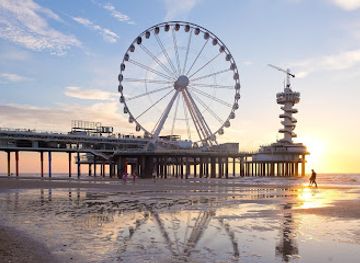
De Pier
Experience the best of beach life at De Pier in Scheveningen, a vibrant hub of dining, shopping, and breathtaking coastal views.
Explore Vechtstreek on the map
Plan your trip on one map. See where the top cities, national parks and sights are, and book hotels and experiences in a few clicks.
Best hotels in Vechtstreek
Best restaurants in Vechtstreek
Dining in the Vechtstreek reflects its position between Dutch cities and a productive water-and-pasture landscape. Restaurants and cafés in towns such as Maarssen, Breukelen, Loenen aan de Vecht, Weesp and Muiden range from informal lunches and coffee to contemporary Dutch cooking, while waterside terraces are popular during the warmer months. Menus may feature Dutch staples, seasonal vegetables, dairy produce, fish, meat and locally sourced ingredients, with pancakes, pastries and apple-based baking common at cafés and traditional eating places. Farm shops and local markets are useful for bread, cheese, fruit, preserves and other provisions for a cycling picnic. Around the Loosdrechtse Plassen, dining often has a recreational, lakeside character; along the central Vecht, village restaurants and former inns provide a more historic setting. International cuisine is widely available because of the region’s proximity to Amsterdam and Utrecht, but visitors looking for local character should seek out small cafés, brown pubs, bakery counters and restaurants that make use of Dutch seasonal produce.
-
Dutch
The Pantry
Discover traditional Dutch delights at The Pantry in Amsterdam – where every meal tells a story!
-
Pancake
Pancakes Amsterdam
Fluffy Dutch buckwheat pancakes and American stacks opposite Central Station—gluten-free, vegan-friendly fuel for Amsterdam adventures in a vibrant, accessible spot.
-
Chinese
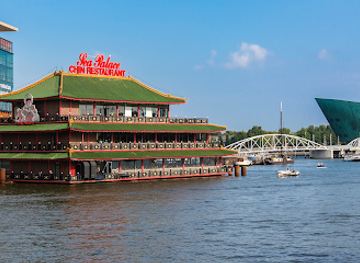
Sea Palace Restaurant
Discover the exquisite flavors of Asia at Sea Palace Restaurant in Amsterdam, where culinary art meets breathtaking canal views.
-
Cookies
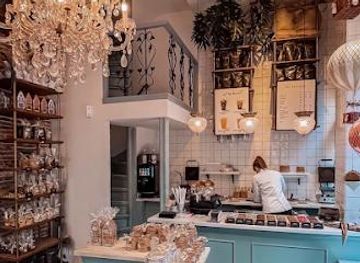
van Wonderen Stroopwafels
A century-old stroopwafel sanctuary where Dutch tradition meets contemporary indulgence in Amsterdam's vibrant Centrum.
Best bars in Vechtstreek
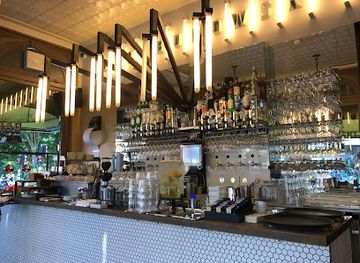
Evening life in the Vechtstreek is generally low-key rather than club-focused. Traditional cafés, brown pubs and restaurants provide the main nightlife in river villages, with the most choice found in Weesp, Muiden and the larger settlements closer to Utrecht and Amsterdam. Historic inns and waterside terraces are suited to an early evening drink, while some venues and cultural spaces host occasional live music or community events. The Loosdrechtse Plassen have a seasonal leisure atmosphere, although activity varies outside the boating months. Visitors seeking large nightclubs, extensive late-night entertainment or a broad concert programme will usually find more options in nearby Utrecht or Amsterdam, both outside the region and accessible by public transport. In the Vechtstreek, the evening is more often centred on dining, conversation and a quiet walk through an illuminated village than on a dedicated nightlife district.
-
Bar
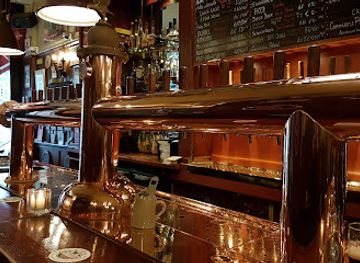
Proeflokaal Arendsnest
Experience the best of Dutch beer culture at Proeflokaal Arendsnest, a cozy bar along Amsterdam’s historic Herengracht canal.
-
Sports bar
Belushi's
Experience the vibrant nightlife of Amsterdam at Belushi's, where sports, live music, and delicious food come together in a lively atmosphere.
-
Bar
Bar Bukowski
Experience the vibrant atmosphere of Bar Bukowski in Amsterdam-Oost, where delightful brunches meet exquisite cocktails in a cozy setting.
-
Cocktail bar
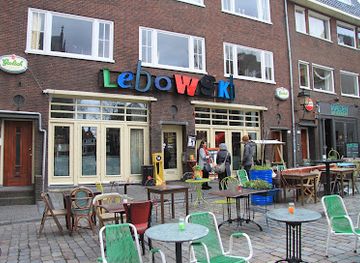
Lebowski
Experience the vibrant cocktail culture of Utrecht at Lebowski, a charming cocktail bar and café offering creative drinks and delicious food.

Best nightclubs in Vechtstreek
Evening life in the Vechtstreek is generally low-key rather than club-focused. Traditional cafés, brown pubs and restaurants provide the main nightlife in river villages, with the most choice found in Weesp, Muiden and the larger settlements closer to Utrecht and Amsterdam. Historic inns and waterside terraces are suited to an early evening drink, while some venues and cultural spaces host occasional live music or community events. The Loosdrechtse Plassen have a seasonal leisure atmosphere, although activity varies outside the boating months. Visitors seeking large nightclubs, extensive late-night entertainment or a broad concert programme will usually find more options in nearby Utrecht or Amsterdam, both outside the region and accessible by public transport. In the Vechtstreek, the evening is more often centred on dining, conversation and a quiet walk through an illuminated village than on a dedicated nightlife district.
-
Night club
Club Prime
Discover Club Prime, Amsterdam's lively night club offering an electrifying atmosphere, delectable cocktails, and a vibrant nightlife experience.
-
Night club
PKHS
Experience the electrifying nightlife of Tilburg at PKHS, a premier night club known for its vibrant atmosphere and unforgettable music.
-
Disco club
Club Organza
Dive into the vibrant nightlife at Club Organza in Breukelen, where music, dance, and unforgettable moments await every visitor.
-
Night club
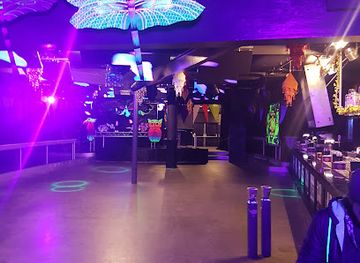
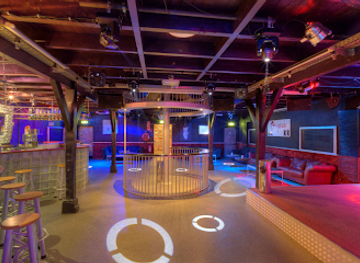
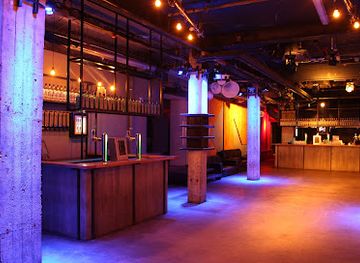
BASIS
Experience Utrecht's nightlife at BASIS, where electrifying beats and vibrant energy await you in a stylish underground dance club.

Best shops in Vechtstreek
Shopping in the Vechtstreek is concentrated in village high streets, historic centres and local markets rather than large retail districts. Weesp offers the broadest town-centre choice in the region, with independent shops, cafés, galleries and everyday services, while Muiden combines small retailers with visitors browsing for gifts near the castle and harbour. Breukelen, Maarssen, Loenen aan de Vecht and adjoining villages have a more local scale, including boutiques, bookshops, antiques, homeware and specialist food shops where available. Farm shops and producers are useful for Dutch cheese, bread, preserves, seasonal fruit and other regional provisions, especially when travelling by car or bicycle. Art galleries, craft studios and garden-related shops appear across the estate and lake districts, though opening arrangements can be seasonal. For a much wider selection of fashion, department stores and design shops, nearby Utrecht and Amsterdam are the principal destinations outside the Vechtstreek; within the region, shopping is best approached as a search for local food, small businesses and practical souvenirs rather than extensive luxury retail.
-
Gift shop
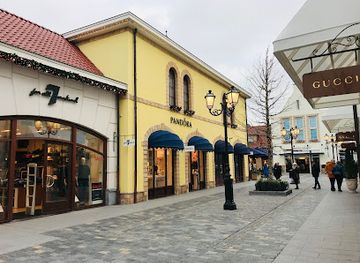
Designer Outlet Roermond
Shop the latest trends at Designer Outlet Roermond, where luxury meets affordability in a stunning open-air mall experience.
-
Shopping mall
Hoog Catharijne
Discover a shopping paradise at Hoog Catharijne in Utrecht, featuring diverse shops, delightful dining options, and a vibrant atmosphere.
-
Department store
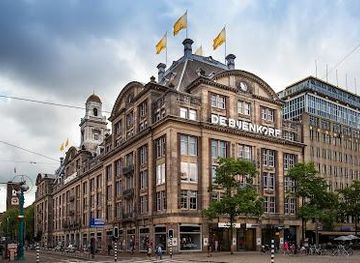
de Bijenkorf Amsterdam
Discover luxury shopping at de Bijenkorf Amsterdam, where high-end fashion meets exquisite service in the heart of the city.
-
Shopping mall
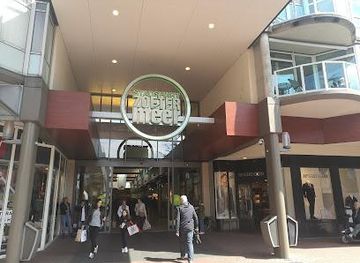
Shopping Center Stadshart Zoetermeer
Experience the ultimate shopping and dining destination at Shopping Center Stadshart Zoetermeer, where style meets convenience in a vibrant atmosphere.

Get your free copy of our complete guide to Vechtstreek, delivered straight to you.
Everything on this page, from attractions and restaurants to essentials and local phrases, in one PDF you can read offline, print or share.
Already have an account? Sign in
Your Vechtstreek guide is ready.
We'll send it to · Not you? Sign out

Getting your guide ready…
We are putting together a fresh copy of the Vechtstreek guide. This can take up to a minute.
This can take a few moments. If your browser asks, choose Allow so the download can start. You'll find the guide in your Downloads folder.
Nothing happened? Download it again
Sorry, the guide is taking longer than usual. Please try again in a minute, or get it by email instead.
Vechtstreek essentials
Currency and Payment
Safety
Emergency Situations
Do's and Don'ts
Local Tips
From Eve
Local phrases worth knowing
You don't need to get them perfect. A few words go a long way, and locals appreciate the effort.
Basics
| English | Local | Say it |
|---|---|---|
| Hello | Hallo | [Hah-loh] |
| Goodbye | Tot ziens | [Tot zeens] |
| Yes | Ja | [Yah] |
| No | Nee | [Nay] |
| Please/You're welcome | Alstublieft | [Al-stu-bleeft] |
| Thank you | Dank u | [Dunk oo] |
| Excuse me/Sorry | Sorry | [Sor-ree] |
| How are you? | Hoe gaat het? | [Hoo gaat het] |
| Fine. And you? | Goed. En jij? | [Hood. En yay?] |
| Do you speak English? | Spreekt u Engels? | [Spraykt oo Eng-els] |
| I don't understand | Ik begrijp het niet | [Ik be-graip het neet] |
Eating & Drinking
| English | Local | Say it |
|---|---|---|
| I'd like to see the menu, please | Ik zou graag het menu willen zien, alstublieft | [Ik zow graahg het meh-nu wil-len zeen, al-stu-bleeft] |
| I don't eat meat | Ik eet geen vlees | [Ik eet geen vleys] |
| Cheers! | Proost! | [Prohst] |
| I would like to pay, please | Ik zou graag willen betalen, alstublieft | [Ik zow graahg wil-len be-ta-len, al-stu-bleeft] |
Emergencies
| English | Local | Say it |
|---|---|---|
| Help! | Help! | [Help] |
| Go away! | Ga weg! | [Gah vek] |
| Call the Police! | Bel de politie! | [Bel de po-li-tsee] |
| Call a doctor! | Bel een dokter! | [Bel een dok-ter] |
| I'm lost | Ik ben verdwaald | [Ik ben ver-dwaald] |
| I'm ill | Ik ben ziek | [Ik ben zeek] |
Shopping
| English | Local | Say it |
|---|---|---|
| I'd like to buy... | Ik zou graag ... willen kopen | [Ik zow graahg ... wil-len ko-pen] |
| I'm just looking | Ik kijk alleen maar | [Ik kayk a-layn mar] |
| How much is it? | Hoeveel kost het? | [Hoo-veel kost het] |
| That's too expensive | Dat is te duur | [Dat is te dur] |
| Can you lower the price? | Kunt u de prijs verlagen? | [Kunt oo de prays ver-lah-gen] |
Time & Numbers
| English | Local | Say it |
|---|---|---|
| What time is it? | Hoe laat is het? | [Hoo laat is het] |
| It's one o'clock | Het is één uur | [Het is een oor] |
| Half past (10) | Half elf | [Half elf] |
| Morning | Ochtend | [Okh-tent] |
| Afternoon | Middag | [Mid-dahg] |
| Evening | Avond | [Ah-vond] |
| Yesterday | Gisteren | [Ghis-ter-en] |
| Today | Vandaag | [Van-dahg] |
| Tomorrow | Morgen | [Mor-ghen] |
| 1 | 1 | [Eén] |
| 2 | 2 | [Twee] |
| 3 | 3 | [Drie] |
| 4 | 4 | [Vier] |
| 5 | 5 | [Vijf] |
| 6 | 6 | [Zes] |
| 7 | 7 | [Zeven] |
| 8 | 8 | [Acht] |
| 9 | 9 | [Negen] |
| 10 | 10 | [Tien] |
Transport & Directions
| English | Local | Say it |
|---|---|---|
| Where's a/the...? | Waar is een/de...? | [Waar is een/de...?] |
| What's the address? | Wat is het adres? | [Wat is het ah-dres] |
| Can you show me (on the map)? | Kunt u me (op de kaart) laten zien? | [Kunt oo me (op de kaart) la-ten zeen] |
| When's the next (bus)? | Wanneer komt de volgende (bus)? | [Van-neer komt de vol-gen-de (bus)?] |
| A ticket (to ....) | Een kaartje (naar ...) | [Een kaar-tje (naar ...)] |
History of Vechtstreek
Peat Reclamation and Medieval Settlement
Much of the Vechtstreek developed from wet peatland beside the river. From the Middle Ages, communities drained and cultivated the peat through a network of ditches, embankments and canals, creating long strips of pasture divided by water. This process produced the characteristic open meadows, narrow plots and settlement patterns still visible around the river. The same drainage that made agriculture possible also caused the land to subside, leaving the region dependent on careful water management. Villages grew along the Vecht and its adjoining routes because the river offered transport, fishing and access to markets.
Castles, Bishops and River Defence
The Vecht corridor occupied a strategically important position between Utrecht and the northern approaches to Holland. Medieval lords and the bishops of Utrecht established or controlled fortified places along the river, while castles and fortified houses protected estates and transport routes. The medieval castle at Muiden, later transformed into the Muiderslot, guarded the mouth of the river and the waterway towards the Zuiderzee. Other defensive sites have disappeared or survive mainly through archaeological traces and later buildings, but the region’s castles and church villages still reflect the political importance of this frontier landscape.
The Golden Age and the Rise of Buitenplaatsen
During the seventeenth century, wealthy merchants from Amsterdam acquired land along the Vecht and built buitenplaatsen, seasonal country residences where they could retreat from the city. Houses, gardens, orchards, avenues and pleasure grounds reshaped the riverbanks, especially around Maarssen, Breukelen, Loenen aan de Vecht and Vreeland. The estates displayed commercial wealth while also exploiting the accessibility of the river and the road between Amsterdam and Utrecht. Many original properties have changed ownership or disappeared, but surviving houses, gardens, estate walls and designed avenues form one of the Vechtstreek’s defining historical landscapes.
River Trade and Waterway Connections
For centuries the Vecht was both a natural watercourse and a commercial route linking Utrecht with Amsterdam and the former Zuiderzee. Barges, passenger boats and smaller craft carried agricultural goods, building materials and people between river villages and the cities. The opening of canals and improvements to roads and later railways altered the balance of transport, but they also reinforced the region’s role as a corridor between major urban centres. Bridges, quays, lock structures and waterfront warehouses preserve parts of this working history, even where boating is now mainly recreational.
The Defence Line of Amsterdam
From the late nineteenth century, the northern Vechtstreek became part of the defensive system designed to protect Amsterdam by flooding surrounding land. Fortifications around Muiden, Weesp and the adjoining waterways formed part of the Defence Line of Amsterdam, using forts, locks and inundation fields rather than a continuous wall. Fort Uitermeer and Fort aan de Ossenmarkt are among the military remains associated with the region, while the Muiderslot represents an earlier phase of defence. The landscape’s canals and low-lying meadows made water control central to both protection and everyday life.
Railways, Industry and Suburban Change
Nineteenth- and twentieth-century railways and improved roads made the Vechtstreek more closely connected to Amsterdam and Utrecht. Weesp and the northern river towns developed stronger commuter and industrial links, while villages along the central Vecht attracted residents seeking access to the countryside. The region did not become a single industrial conurbation; instead, historic villages, estates, pasture and newer housing were interwoven. After the Second World War, recreation on the Loosdrechtse Plassen and along the Vecht expanded, adding boating, cycling and leisure tourism to the area’s older agricultural and transport functions.
Vechtstreek in Photos
Browse through our photo collection highlighting the charm and character of the destination.
Neighbouring regions of Vechtstreek
The closest regions to Vechtstreek, if you have time for more than one.
-

-

-
-

-


Swipe for more regions
Explore more

Explore more of Netherlands
Discover the Netherlands: A blend of historic charm, artistic treasures, and scenic landscapes, perfect for an enriching travel experience.
Explore Netherlands