

Free Zeeland Travel Guide & Mobile App
Explore Zeeland with free travel guides. Discover regional history, expert tips, proposed trips, and audio guides on web or mobile app.


Explore Zeeland for North Sea beaches, historic Middelburg, tidal estuaries, Delta Works engineering, cycling routes and oysters from the Oosterschelde.
Read more about Zeeland
When is the best time to visit Zeeland?
Best: June–August · 21–23°C| Month | High (°C) | Rainfall (mm) |
|---|---|---|
| January | 6 | 61 |
| February | 6 | 48 |
| March | 10 | 54 |
| April | 13 | 44 |
| May | 17 | 60 |
| June (best) | 21 | 72 |
| July (best) | 23 | 76 |
| August (best) | 23 | 71 |
| September | 19 | 66 |
| October | 15 | 62 |
| November | 10 | 65 |
| December | 7 | 71 |
Getting to and around Zeeland
How to get there
Transportation
Best attractions in Zeeland
Zeeland’s attractions are closely tied to its island geography and relationship with water. Middelburg offers the province’s richest concentration of historic streets, museums and the former abbey complex, while Veere and Zierikzee provide smaller, highly legible historic centres shaped by maritime trade. Along the coast, the beaches around Domburg, Westkapelle, Renesse and Burgh-Haamstede suit swimming, walking and cycling, with dunes and sea dykes creating varied routes. The Oosterschelde National Park is a major draw for birdwatching, diving, sailing and seal-spotting, while the Veerse Meer and Grevelingen support water sports in more sheltered settings. The Delta Works form an attraction in their own right, particularly the Oosterscheldekering and the interpretation facilities associated with the storm-surge barrier. Fortifications, bunkers, inundation sites and maritime museums add historical depth, and rural visitors can explore polders, orchards, creeks and working villages by bicycle. Zeeland’s appeal lies less in a single blockbuster sight than in the way engineering, nature, recreation and settlement fit together across separate islands and estuaries.
-
Amusement park
Delta Park Neeltje Jans
Experience thrilling rides and learn about Dutch water management at Delta Park Neeltje Jans, a unique amusement park and museum in the Netherlands.
-
Museum
Flood museum
Explore the Watersnoodmuseum in Ouwerkerk, a unique museum dedicated to the 1953 flood disaster and the resilience of the Dutch people.
-
Zoo
Berkenhof Tropical Zoo
Discover the enchanting Berkenhof Tropical Zoo, a top-tier destination for animal lovers and families seeking adventure in Kwadendamme.
-
Tourist attraction
Breskens Lighthouse
Discover the breathtaking views and rich history at Breskens Lighthouse, a must-see tourist attraction and hiking area in the Netherlands.


Best landmarks in Zeeland
Zeeland’s most recognisable landmark is the Oosterscheldekering, the movable storm-surge barrier of the Delta Works, whose massive piers and gates embody the province’s modern struggle to live with the sea. Middelburg Abbey, built around a medieval monastic complex and now interwoven with civic buildings, anchors the historic centre of the provincial capital. The Lange Jan tower provides the city’s most visible vertical reference. In Veere, the Grote Kerk dominates the former trading town, while the Campveerse Toren and harbourfront evoke its links with Scottish commerce. Zierikzee is marked by the tall Sint-Lievensmonstertoren, a major Gothic tower rising above the island town. Fort Rammekens near Ritthem, one of the Netherlands’ oldest surviving sea forts, illustrates the strategic importance of the Scheldt approaches. Westkapelle’s lighthouse, converted from the tower of a former church, stands above the seawall, while the province’s dykes, tidal channels and broad beaches function as geographical landmarks as much as defensive infrastructure.
-
Tourist attraction
De Pier
Experience the stunning views, diverse dining, and thrilling adventures at De Pier in Scheveningen, the ultimate seaside destination in The Hague.
-
Theme park
Madurodam
Discover the charm of the Netherlands at Madurodam, where you can explore iconic landmarks in miniature form and enjoy an interactive cultural experience.
-
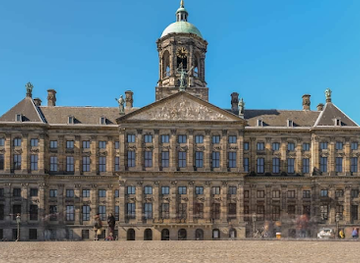
Castle
Royal Palace Amsterdam
Explore the Royal Palace Amsterdam, a majestic symbol of Dutch heritage, filled with history, art, and stunning architecture in the heart of the city.
-
Castle
Castle De Haar
Explore the enchanting Castle De Haar, a stunning blend of history, architecture, and picturesque gardens in Utrecht, Netherlands.



Explore Zeeland on the map
Plan your trip on one map. See where the top cities, national parks and sights are, and book hotels and experiences in a few clicks.
Best hotels in Zeeland
Best restaurants in Zeeland
Zeeland’s food culture reflects both the North Sea and productive polder land. Mussels and oysters from the Oosterschelde are among the province’s best-known specialities, while restaurants and fish shops also serve local catches when available. Zeeland lamb, potatoes, asparagus, fruit from orchard districts and regional dairy products appear in seasonal menus, farm shops and markets. Sea vegetables and shellfish are increasingly used in contemporary cooking, although traditional cafés and pubs remain important places for straightforward local meals. Middelburg, Vlissingen, Zierikzee and the coastal resorts offer the broadest choice of restaurants, from informal cafés and seafood counters to more ambitious dining rooms. In smaller villages, rural inns and terrace restaurants often focus on regional produce without elaborate presentation. Visitors should distinguish Zeeland’s own products from broadly Dutch favourites, but local baking, pancakes, fried fish and other familiar dishes are also easy to find. Seasonal availability matters, particularly for mussels, oysters, asparagus and orchard fruit.
-
Beach pavillion
Oase Domburg
Discover Oase Domburg: A charming beach pavilion offering exquisite dining with breathtaking views of the North Sea.
-
Restaurant
Strandrestaurant De Dam
Experience beachside dining like never before at Strandrestaurant De Dam - where stunning views meet delectable cuisine.
-
Seafood
Proef Zeeland
Experience authentic Dutch seafood at Proef Zeeland in Vrouwenpolder - where every bite tells a story.
-
Beach pavillion
Strandpaviljoen Scheldezicht
Experience coastal bliss at Strandpaviljoen Scheldezicht - where stunning sea views meet delicious dining in Westkapelle.


Best bars in Zeeland
Evening life in Zeeland is generally relaxed rather than centred on a large nightclub scene. Middelburg and Vlissingen have the broadest selection of cafés, beer bars, restaurants and occasional live-music venues, while Zierikzee and Goes provide smaller-town nightlife with terraces and late-opening venues. Coastal resorts such as Renesse and Domburg become busier in the summer season, when beach bars, cafés and music-oriented venues attract holidaymakers, though arrangements vary from year to year. Traditional brown cafés and pub-style establishments remain central to social life throughout the province, alongside breweries, wine bars and restaurant terraces. In rural Zeeland, evenings tend to revolve around dining, local pubs and community events rather than extensive clubbing. Check current opening arrangements, particularly outside summer, and remember that some island and village areas become quiet early once the day’s visitors have left.
-
Restaurant
Slot Ostende
Discover Slot Ostende: a unique blend of restaurant, brewery, and cafe in Goes, offering local brews and delightful cuisine for every palate.
-
Bar
Bar de Stulp
Experience the lively atmosphere and great drinks at Bar de Stulp, a top bar in Renesse, perfect for nightlife and socializing.
-
Bar
ZanziBar
Discover the lively ambiance of ZanziBar, a bar and lounge in Middelburg offering delicious drinks and a vibrant atmosphere for all visitors.
-
Pub
Brooklyn Bar & Grill
Discover the vibrant Brooklyn Bar & Grill in Middelburg, where American cuisine meets a lively atmosphere, perfect for every occasion.


Best nightclubs in Zeeland
Evening life in Zeeland is generally relaxed rather than centred on a large nightclub scene. Middelburg and Vlissingen have the broadest selection of cafés, beer bars, restaurants and occasional live-music venues, while Zierikzee and Goes provide smaller-town nightlife with terraces and late-opening venues. Coastal resorts such as Renesse and Domburg become busier in the summer season, when beach bars, cafés and music-oriented venues attract holidaymakers, though arrangements vary from year to year. Traditional brown cafés and pub-style establishments remain central to social life throughout the province, alongside breweries, wine bars and restaurant terraces. In rural Zeeland, evenings tend to revolve around dining, local pubs and community events rather than extensive clubbing. Check current opening arrangements, particularly outside summer, and remember that some island and village areas become quiet early once the day’s visitors have left.
-
Bar
Bar de Stulp
Discover Bar de Stulp in Renesse, a lively bar offering a vibrant atmosphere, delicious drinks, and a perfect setting to unwind after a day of exploration.
-
Diner
Seventy Seven
Discover the vibrant dining and nightlife experience at Seventy Seven in Middelburg, where culinary delights meet energetic entertainment.
-
Bar
The Zoom & Pinky's
Explore the vibrant nightlife at The Zoom & Pinky's in Renesse, where dining meets dancing in a lively atmosphere.
-
Night club
Café Rooie Oortjes
Discover the vibrant nightlife at Café Rooie Oortjes in Middelburg, where great music, drinks, and dancing create unforgettable nights.


Best shops in Zeeland
Shopping in Zeeland is strongest in historic market towns rather than in large metropolitan centres. Middelburg combines national retailers with independent bookshops, galleries, clothing stores, cafés and specialist food shops around its medieval centre. Vlissingen offers a more maritime high-street atmosphere, while Zierikzee and Veere suit visitors looking for smaller boutiques, antiques, art and locally themed gifts. Weekly markets and seasonal farmers’ markets are useful for Zeeland potatoes, fruit, cheese, baked goods, seafood and other regional produce, although days and locations should be checked locally. Coastal resorts add beachwear, outdoor equipment and holiday shops, particularly during summer. Regional souvenirs may include sea-inspired crafts, ceramics, local preserves and products made with Zeeland produce; good-quality items are more often found in independent shops and farm outlets than in generic tourist stalls. Large shopping trips may be better combined with cities outside the province, but Zeeland’s town centres reward browsing at a slower pace.
-
Outlet mall
Designer Outlet Roosendaal
Experience a unique shopping adventure at Designer Outlet Roosendaal with luxury brands at unbeatable prices.
-
Shopping mall
The Zeeland Leisure & Shopping
Discover the vibrant shopping and dining experience at The Zeeland Leisure & Shopping, a must-visit destination in Bergen op Zoom, Netherlands.
-
Shopping mall
Woonboulevard the Mortiere
Explore Woonboulevard the Mortiere: A shopping paradise in Middelburg with diverse stores and delightful dining options for every traveler.
-
Shopping mall
Winkelcentrum Kamperland
Experience the best shopping and dining at Winkelcentrum Kamperland, a vibrant shopping mall in the heart of Kamperland, Netherlands.


Get your free copy of our complete guide to Zeeland, delivered straight to you.
Everything on this page, from attractions and restaurants to essentials and local phrases, in one PDF you can read offline, print or share.
Already have an account? Sign in
Your Zeeland guide is ready.
We'll send it to · Not you? Sign out

Getting your guide ready…
We are putting together a fresh copy of the Zeeland guide. This can take up to a minute.
This can take a few moments. If your browser asks, choose Allow so the download can start. You'll find the guide in your Downloads folder.
Nothing happened? Download it again
Sorry, the guide is taking longer than usual. Please try again in a minute, or get it by email instead.
Zeeland essentials
Currency and Payment
Safety
Emergency Situations
Do's and Don'ts
Local Tips
From Eve
Local phrases worth knowing
You don't need to get them perfect. A few words go a long way, and locals appreciate the effort.
Basics
| English | Local | Say it |
|---|---|---|
| Hello | Hallo | [HAH-lo] |
| Goodbye | Tot ziens | [TOT zeens] |
| Yes | Ja | [YAH] |
| No | Nee | [NAY] |
| Please/You're welcome | Alstublieft | [AL-stu-BLEEF-t] |
| Thank you | Dank je | [DANK yuh] |
| Excuse me/Sorry | Sorry | [SOR-ee] |
| How are you? | Hoe gaat het? | [HOO gaht het] |
| Fine. And you? | Goed. En jij? | [GOOT. En yay?] |
| Do you speak English? | Spreekt u Engels? | [SPREEKT oo ENG-els] |
| I don't understand | Ik begrijp het niet | [IK be-GRYP het neet] |
Eating & Drinking
| English | Local | Say it |
|---|---|---|
| I'd like to see the menu, please | Ik wil graag de menukaart zien, alstublieft | [IK vil GRAHGH de MEH-nu-kart zeen, AL-stu-BLEEF-t] |
| I don't eat meat | Ik eet geen vlees | [IK eet ghan VLEIS] |
| Cheers! | Proost! | [PROAST] |
| I would like to pay, please | Ik wil graag betalen, alstublieft | [IK vil GRAHGH be-TAL-en, AL-stu-BLEEF-t] |
Emergencies
| English | Local | Say it |
|---|---|---|
| Help! | Help! | [HELP] |
| Go away! | Ga weg! | [GA vek] |
| Call the Police! | Bel de politie! | [BEL de po-LEE-tsee] |
| Call a doctor! | Bel een dokter! | [BEL ayn DOK-ter] |
| I'm lost | Ik ben verdwaald | [IK ben ver-DWAHLD] |
| I'm ill | Ik ben ziek | [IK ben ZEEK] |
Shopping
| English | Local | Say it |
|---|---|---|
| I'd like to buy... | Ik wil ... kopen | [IK vil ... KO-pen] |
| I'm just looking | Ik kijk alleen maar | [IK KAIK a-LAYN mar] |
| How much is it? | Hoeveel kost het? | [HOO-vayl KOST het] |
| That's too expensive | Dat is te duur | [DAT is tuh DUR] |
| Can you lower the price? | Kunt u de prijs verlagen? | [KUNT oo de PRICE ver-LAH-ghen] |
Time & Numbers
| English | Local | Say it |
|---|---|---|
| What time is it? | Hoe laat is het? | [HOO laat is het] |
| It's one o'clock | Het is één uur | [HET is AIN oor] |
| Half past (10) | Half tien | [HALF teen] |
| Morning | Ochtend | [OKH-tend] |
| Afternoon | Middag | [MID-dahg] |
| Evening | Avond | [AH-vond] |
| Yesterday | Gisteren | [GHIS-ter-en] |
| Today | Vandaag | [VAN-dahg] |
| Tomorrow | Morgen | [MOR-ghen] |
| 1 | één | [AIN] |
| 2 | twee | [TWAY] |
| 3 | drie | [DREE] |
| 4 | vier | [VEER] |
| 5 | vijf | [VIFE] |
| 6 | zes | [ZES] |
| 7 | zeven | [ZAY-ven] |
| 8 | acht | [AHT] |
| 9 | negen | [NAY-ghen] |
| 10 | tien | [TEEN] |
Transport & Directions
| English | Local | Say it |
|---|---|---|
| Where's a/the...? | Waar is een/de...? | [VAHR is ayn/de...?] |
| What's the address? | Wat is het adres? | [VAT is het a-DRES?] |
| Can you show me (on the map)? | Kunt u het me (op de kaart) laten zien? | [KUNT oo het meh (op de KART) LAH-ten zeen?] |
| When's the next (bus)? | Wanneer komt de volgende (bus)? | [WAN-neer komt de VOL-gende (bus)?] |
| A ticket (to ....) | Een ticket (naar ....) | [Ayn TICKET (NAR ....)] |
History of Zeeland
Roman Zeeland and the Cult of Nehalennia
Roman-era Zeeland was a coastal frontier of waterways, islands and shifting sandbanks rather than a densely urbanised province. Trade moved along the North Sea coast and through the Scheldt estuary, and the settlement at Ganuenta near modern Colijnsplaat became associated with the goddess Nehalennia, venerated by merchants and travellers. Numerous votive altars dedicated to her were recovered from the sea in the twentieth century, offering evidence of maritime commerce and local religious practice. The finds are among the clearest reminders that Zeeland’s archaeological record is often submerged, buried beneath later deposits or altered by changing shorelines.
Medieval Embankment and the Rise of Island Towns
From the early Middle Ages, communities increasingly organised the reclamation, drainage and protection of low-lying land. Dykes, drainage channels and polders created more stable agricultural districts, though storms repeatedly breached them. Middelburg developed around a monastic and commercial centre, while Zierikzee, Veere and other ports gained importance through fishing, shipping and regional trade. Medieval Zeeland was politically divided among local lordships, ecclesiastical interests and the counts of Holland and Zeeland. Its towns and villages acquired much of the spatial character still visible today: raised settlements, narrow waterways, defensive edges and farmed land enclosed by water management.
Trade, the Burgundian Netherlands and Maritime Towns
During the late Middle Ages and the fifteenth century, Zeeland became increasingly connected to the commercial networks of the Low Countries. Veere prospered through privileges granted to Scottish traders, while Middelburg and Zierikzee handled grain, wine, salt, cloth and other goods. Political integration into the Burgundian Netherlands brought the province into a larger administrative and economic framework, even as local privileges remained important. The prosperity of this period is reflected in town halls, merchant houses, harbour structures and churches, although repeated floods, silting and changing trade routes also caused some ports to decline.
The Revolt against Spain and the Dutch Republic
Zeeland played a significant role in the Dutch Revolt of the sixteenth century. Vlissingen joined the rebellion in 1572, and the province’s islands and waterways offered strategic advantages to forces opposing Habsburg rule. Control of ports and the Scheldt approaches affected the siege and defence of nearby cities, while Zeeland’s fleet supported the emerging northern Dutch state. After independence developed, Middelburg became an important centre of the Dutch Republic’s overseas commerce. The period left a legacy of fortifications, maritime institutions and civic architecture, alongside memories of religious conflict and political realignment.
The VOC Chamber of Zeeland and Overseas Commerce
Middelburg hosted the Chamber of Zeeland of the Verenigde Oostindische Compagnie, or Dutch East India Company, from the early seventeenth century. The chamber organised shipping, finance and administration connected with Dutch trade in Asia, making Middelburg one of the Republic’s important commercial centres outside Holland. Zeeland merchants also participated in Atlantic commerce and colonisation, including systems built on enslavement, whose consequences form part of the province’s difficult maritime history. Warehouses, canals, merchant residences and archival collections provide material evidence of this prosperity, while contemporary interpretation increasingly addresses the human cost behind overseas wealth.
War, Occupation and the Battle of the Scheldt
Zeeland was occupied by Nazi Germany during the Second World War, and its strategic coastline, ports and waterways became militarised. The province saw fighting during the liberation of the Netherlands in 1944, particularly in the campaign to open the Scheldt estuary for Allied shipping to the port of Antwerp. Walcheren was deliberately inundated by bombing of the sea dykes, a devastating act that affected settlements, farmland and civilians. Reminders of the period include bunkers, wartime cemeteries, memorials and inundation landscapes. The liberation of Zeeland was therefore both strategically decisive and locally destructive.
The 1953 North Sea Flood
On 1 February 1953, a severe North Sea storm combined with high tide to breach dykes across the southwestern Netherlands. Zeeland suffered the greatest loss of life in the country, with villages, farms and islands inundated and thousands of residents evacuated. The disaster transformed national water policy and accelerated a vast programme of coastal protection. Its memory remains present in memorials, museums, reconstructed flood markers and the stories of affected communities. The flood also changed settlement patterns and encouraged new standards for emergency planning, dyke strength and regional infrastructure.
The Delta Works and a New Relationship with Tidal Water
The Delta Works were constructed from the 1950s onwards to reduce flood risk in the southwestern delta. In Zeeland, dams, storm-surge barriers, reinforced dykes and improved connections altered the relationship between islands and estuaries. The Oosterscheldekering, completed in 1986, was designed as a movable barrier so that tidal exchange could continue in the Oosterschelde, protecting an important ecological and shellfish environment. The project brought roads and tourism infrastructure as well as flood security, but it also changed fisheries, currents and landscapes. Today the works stand as both engineering monuments and reminders of continuing adaptation to climate and water.
Zeeland in Photos
Browse through our photo collection highlighting the charm and character of the destination.
Neighbouring regions of Zeeland
The closest regions to Zeeland, if you have time for more than one.
-

-
-

-

-


Swipe for more regions
Explore more

Explore more of Netherlands
Discover the Netherlands: A blend of historic charm, artistic treasures, and scenic landscapes, perfect for an enriching travel experience.
Explore Netherlands