

Free Rijnmond Travel Guide & Mobile App
Explore Rijnmond with free travel guides. Discover regional history, expert tips, proposed trips, and audio guides on web or mobile app.


Explore Rijnmond for Rotterdam's architecture, the working port, Schiedam's canals, North Sea beaches and the engineered landscape of the Dutch delta.
Read more about Rijnmond
When is the best time to visit Rijnmond?
Best: June–August · 20–22°C| Month | High (°C) | Rainfall (mm) |
|---|---|---|
| January | 5 | 70 |
| February | 6 | 60 |
| March | 10 | 60 |
| April | 14 | 50 |
| May | 18 | 50 |
| June (best) | 20 | 50 |
| July (best) | 22 | 50 |
| August (best) | 22 | 50 |
| September | 19 | 60 |
| October | 15 | 70 |
| November | 10 | 70 |
| December | 6 | 80 |
Getting to and around Rijnmond
How to get there
Transportation
Top city travel guides in Rijnmond
The cities of Rijnmond, and the easiest places to base yourself.
-

-

-

-


Swipe for more cities
Destinations in Rijnmond
Resorts, valleys and scenic spots worth a trip of their own.
-

-
-


Swipe for more destinations
Best attractions in Rijnmond
Rijnmond's attractions range from major museums and modern architecture in Rotterdam to historic canals, distilleries and windmills in Schiedam. Rotterdam's cultural offer includes the Maritime Museum, Kunsthal Rotterdam, Museum Boijmans Van Beuningen's Depot and the Nieuwe Instituut, while architectural walks reveal the city's reconstruction, experimental housing and towers around the Maas. Historic Delfshaven provides a contrasting waterfront of older buildings, quays and maritime associations. Further west, Vlaardingen and Maassluis offer smaller harbours and museums connected with fishing, shipping and local industry. Hoek van Holland brings beaches, dunes and the engineering spectacle of the Maeslantkering, where visitors can learn how the storm-surge barrier protects the delta. Harbour cruises and waterborne excursions are attractions in their own right, presenting container terminals, shipyards, bridges and petrochemical infrastructure at a scale difficult to grasp from land. Cycling paths, riverside walks, parks and coastal routes add outdoor possibilities, although access around active port installations is controlled and not every waterfront is open to pedestrians.
-
Tourist attraction
Kijk-Kubus Museum-house
Discover the innovative design of the Kijk-Kubus Museum-House, a unique architectural gem in Rotterdam showcasing cube-shaped living spaces.
-
Bridge
Erasmusbrug
Discover the breathtaking views and architectural beauty of Erasmusbrug, Rotterdam's iconic bridge connecting the vibrant city across the River Maas.
-
Tourist attraction
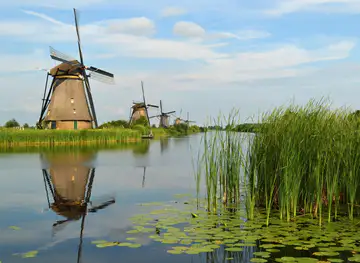
Unesco Werelderfgoed Kinderdijk
Explore Kinderdijk, a UNESCO World Heritage site, famous for its iconic windmills and rich Dutch heritage, perfect for a cultural getaway.
-
Art museum
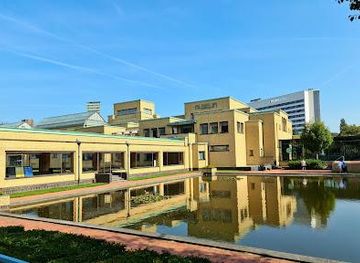
Kunstmuseum The Hague
Explore the masterpieces of modern art at Kunstmuseum The Hague, a cultural landmark showcasing creativity and innovation in the heart of the Netherlands.


Best landmarks in Rijnmond
The Erasmus Bridge is Rijnmond's most recognisable modern landmark, spanning the Nieuwe Maas with a white pylon that has given Rotterdam a defining image since its opening in 1996. Nearby, the historic Hotel New York occupies the former headquarters of the Holland-America Line and recalls the era when passengers departed for North America from Rotterdam's waterfront. The Cube Houses and the adjacent Blaakse Bos development represent the city's post-war architectural experimentation, while the Laurenskerk is a rare major survivor of the medieval city centre and a powerful counterpoint to the surrounding modern skyline. Schiedam's monumental windmills, including De Walvisch and De Noord, express the scale of the former grain and jenever industries; they stand above the town's canals as industrial landmarks rather than rural curiosities. At the western edge of Rijnmond, the Maeslantkering is a landmark of modern delta engineering, with enormous movable gates designed to close the Nieuwe Waterweg during exceptionally high storm tides. Together these places show the region's central themes: trade, reconstruction, water control and technological ambition.
-
Botanical garden
Keukenhof
Explore the captivating beauty of Keukenhof, the Garden of Europe, where spring comes alive with millions of blooming flowers and breathtaking landscapes.
-
Tourist attraction
Dam Square
Explore the historic Dam Square in Amsterdam, a vibrant hub filled with culture, architecture, and local experiences that capture the essence of the city.
-
Zoo
Rotterdam Zoo
Explore Rotterdam Zoo, a captivating wildlife sanctuary offering immersive exhibits, conservation efforts, and unforgettable family experiences in the heart of the Netherlands.
-
Tourist attraction
De Pier
Experience the unique charm of De Pier in Scheveningen, where stunning views meet dining and shopping for an unforgettable coastal adventure.


Explore Rijnmond on the map
Plan your trip on one map. See where the top cities, national parks and sights are, and book hotels and experiences in a few clicks.
Best hotels in Rijnmond
Best restaurants in Rijnmond
Rijnmond's dining reflects both the Netherlands' trading tradition and the region's international population. Rotterdam offers a broad range of cuisines, from contemporary restaurants and cafés to Indonesian, Surinamese, Turkish, Moroccan, Cape Verdean and other food traditions shaped by migration through the port. Dutch staples such as herring, fried fish, croquettes, poffertjes and apple tart are easy to find, while markets provide cheese, bread, vegetables and prepared foods. Schiedam's historic association with jenever remains visible in specialist tasting rooms and traditional cafés, although the spirit is best approached as part of the town's industrial history rather than a compulsory experience. Harbour districts and coastal areas are natural places to look for fish and seafood, while neighbourhood bakeries and brown cafés offer everyday local flavour. Menus, prices and opening patterns vary considerably between the city centre, residential streets and smaller towns, so exploring beyond the busiest tourist areas can reveal a more varied regional food culture.
-
Brasserie
Dudok
Discover Dudok in Rotterdam: A charming brasserie offering delicious Dutch cuisine in an inviting atmosphere.
-
Middle Eastern
Restaurant Bazar
Savor authentic Middle Eastern cuisine in Rotterdam's vibrant atmosphere at Restaurant Bazar - an unforgettable dining experience awaits!
-
Restaurant
De Ballentent
Experience authentic Dutch cuisine at De Ballentent in Rotterdam – where tradition meets taste in a welcoming atmosphere.
-
Restaurant
Restaurant De Tuin van de Vier Windstreken - Restaurant in Rotterdam
Experience the best of Dutch cuisine at Restaurant De Tuin van de Vier Windstreken in Rotterdam - where modern flavors meet cozy ambiance.


Best bars in Rijnmond
Nightlife in Rijnmond is concentrated in Rotterdam, where the city centre, Witte de Withstraat, Oude Haven and surrounding districts offer pubs, cocktail bars, live music, dance venues and late-opening restaurants. The atmosphere varies from student-oriented evenings and electronic music to relaxed waterfront drinking and cultural events, and the exact venue mix changes more quickly than the city's historic attractions. Schiedam and Vlaardingen provide a quieter selection of cafés, traditional pubs and bars, with local evenings often centred on conversation rather than large clubs. Historic inns and brown cafés remain important across the region, while breweries and jenever-focused venues provide alternatives to conventional nightlife. Hoek van Holland has seasonal beach bars and evening activity, particularly in warmer months, but it should not be mistaken for a year-round club district. Public transport options and late services differ by town, so check the return journey before heading to outer waterfront areas.
-
Beer Garden
Biergarten
Experience the vibrant atmosphere of Biergarten in Rotterdam, where delicious food meets refreshing drinks and live music in a stunning outdoor setting.
-
Pub
Bokaal Rotterdam
Experience the vibrant atmosphere of Bokaal Rotterdam, where local culture meets delicious cuisine in the heart of the city.
-
Irish pub
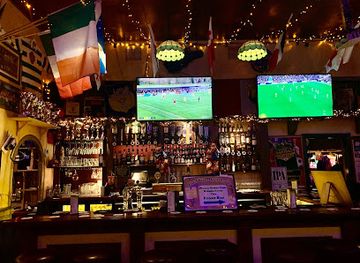
Paddy Murphy's Irish Pub
Discover the charm of Paddy Murphy's Irish Pub in Rotterdam, where authentic Irish hospitality meets vibrant nightlife and delicious cuisine.
-
Bar
De Witte Aap
Discover the vibrant nightlife of Rotterdam at De Witte Aap, a top bar known for its excellent cocktails and lively ambiance, perfect for socializing.



Best nightclubs in Rijnmond
Nightlife in Rijnmond is concentrated in Rotterdam, where the city centre, Witte de Withstraat, Oude Haven and surrounding districts offer pubs, cocktail bars, live music, dance venues and late-opening restaurants. The atmosphere varies from student-oriented evenings and electronic music to relaxed waterfront drinking and cultural events, and the exact venue mix changes more quickly than the city's historic attractions. Schiedam and Vlaardingen provide a quieter selection of cafés, traditional pubs and bars, with local evenings often centred on conversation rather than large clubs. Historic inns and brown cafés remain important across the region, while breweries and jenever-focused venues provide alternatives to conventional nightlife. Hoek van Holland has seasonal beach bars and evening activity, particularly in warmer months, but it should not be mistaken for a year-round club district. Public transport options and late services differ by town, so check the return journey before heading to outer waterfront areas.
-
Disco club
Munch
Experience the electrifying nightlife of Rotterdam at Munch, a premier disco club with stunning river views and top DJs.
-
Restaurant
BIRD
Discover the ultimate blend of culinary delights and live jazz music at BIRD in Rotterdam, a unique restaurant and event venue.
-
Club
Cultuurpodium Perron
Discover the pulsating nightlife of Rotterdam at Cultuurpodium Perron, a vibrant club known for its electrifying techno beats and welcoming atmosphere.
-
Night club
Now&Wow Club
Discover the electric vibe of Now&Wow Club in Rotterdam, where unique ambiance and lively music create an unforgettable nightlife experience.


Best shops in Rijnmond
Rotterdam provides Rijnmond's widest shopping choice, from the pedestrianised Lijnbaan and Koopgoot to independent boutiques, design shops, bookshops, galleries and specialist food stores in districts such as Oude Noorden, Katendrecht and surrounding central neighbourhoods. The Markthal combines food retail with cafés and market-style stalls beneath its large vaulted interior, while regular outdoor markets offer produce, flowers, clothing and international ingredients. Schiedam and Vlaardingen are better suited to smaller-scale browsing, with independent shops, antiques, galleries and local food businesses around their historic centres. Regional purchases can include Dutch cheeses, confectionery, baking, design objects and jenever from established producers, with bottles packed carefully for travel. Rotterdam's multicultural character is especially evident in its specialist groceries and bakeries, where visitors can find ingredients and products associated with communities connected to the port. Retail opening days and market schedules vary, so treat markets as part of an itinerary rather than relying on a particular stall being present.
-
Shopping mall
Alexandrium Shopping Center
Experience the best of shopping and dining at Alexandrium Shopping Center, Rotterdam's vibrant retail destination for tourists and locals alike.
-
Shopping mall
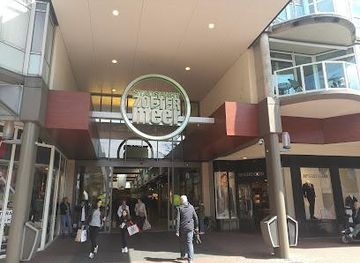
Shopping Center Stadshart Zoetermeer
Explore the vibrant Stadshart Zoetermeer, a shopping paradise with diverse stores, delightful dining options, and exciting entertainment for all visitors.
-
Shopping mall
Koopgoot
Discover the vibrant shopping experience at Koopgoot, Rotterdam's premier mall with diverse stores and delightful dining options.
-
Department store
De Bijenkorf Rotterdam
Experience luxury shopping at De Bijenkorf Rotterdam, where fashion, beauty, and gourmet delights await in a stunning setting.



Get your free copy of our complete guide to Rijnmond, delivered straight to you.
Everything on this page, from attractions and restaurants to essentials and local phrases, in one PDF you can read offline, print or share.
Already have an account? Sign in
Your Rijnmond guide is ready.
We'll send it to · Not you? Sign out

Getting your guide ready…
We are putting together a fresh copy of the Rijnmond guide. This can take up to a minute.
This can take a few moments. If your browser asks, choose Allow so the download can start. You'll find the guide in your Downloads folder.
Nothing happened? Download it again
Sorry, the guide is taking longer than usual. Please try again in a minute, or get it by email instead.
Rijnmond essentials
Currency and Payment
Safety
Emergency Situations
Do's and Don'ts
Local Tips
From Eve
Local phrases worth knowing
You don't need to get them perfect. A few words go a long way, and locals appreciate the effort.
Basics
| English | Local | Say it |
|---|---|---|
| Hello | Hallo | [Hah-loh] |
| Goodbye | Tot ziens | [Tot zeens] |
| Yes | Ja | [Yah] |
| No | Nee | [Nay] |
| Please/You're welcome | Alstublieft | [Al-stu-bleeft] |
| Thank you | Dank u | [Dunk oo] |
| Excuse me/Sorry | Sorry | [Sor-ree] |
| How are you? | Hoe gaat het? | [Hoo gaat het?] |
| Fine. And you? | Goed. En jij? | [Goot. En yay?] |
| Do you speak English? | Spreekt u Engels? | [Spraykt oo Eng-els?] |
| I don't understand | Ik begrijp het niet | [Ik be-graip het neet] |
Eating & Drinking
| English | Local | Say it |
|---|---|---|
| I'd like to see the menu, please | Ik zou graag de menukaart zien, alstublieft | [Ik zouw grahkh de me-nu-kart zeen, al-stu-bleeft] |
| I don't eat meat | Ik eet geen vlees | [Ik eet khayn vles] |
| Cheers! | Proost! | [Prohst!] |
| I would like to pay, please | Ik wil graag betalen, alstublieft | [Ik vil grahkh be-ta-len, al-stu-bleeft] |
Emergencies
| English | Local | Say it |
|---|---|---|
| Help! | Help! | [Help!] |
| Go away! | Ga weg! | [Gah vek!] |
| Call the Police! | Bel de politie! | [Bel de po-lit-see!] |
| Call a doctor! | Bel een dokter! | [Bel een dok-ter!] |
| I'm lost | Ik ben verdwaald | [Ik ben fer-dwaald] |
| I'm ill | Ik ben ziek | [Ik ben zeek] |
Shopping
| English | Local | Say it |
|---|---|---|
| I'd like to buy... | Ik wil graag kopen... | [Ik vil grahkh ko-pen...] |
| I'm just looking | Ik kijk alleen maar | [Ik kayk a-lay-en mar] |
| How much is it? | Hoeveel kost het? | [Hoo-vayl kost het?] |
| That's too expensive | Dat is te duur | [Dat is tu dur] |
| Can you lower the price? | Kunt u de prijs verlagen? | [Kunt oo de pris ver-la-ghen?] |
Time & Numbers
| English | Local | Say it |
|---|---|---|
| What time is it? | Hoe laat is het? | [Hoo laat is het?] |
| It's one o'clock | Het is één uur | [Het is ayn oor] |
| Half past (10) | Half elf | [Half elf] |
| Morning | Ochtend | [Ohk-tend] |
| Afternoon | Middag | [Mid-dahg] |
| Evening | Avond | [A-vond] |
| Yesterday | Gisteren | [Ghis-te-ren] |
| Today | Vandaag | [Van-dahg] |
| Tomorrow | Morgen | [Mor-ghen] |
| 1 | 1 | [1] |
| 2 | 2 | [2] |
| 3 | 3 | [3] |
| 4 | 4 | [4] |
| 5 | 5 | [5] |
| 6 | 6 | [6] |
| 7 | 7 | [7] |
| 8 | 8 | [8] |
| 9 | 9 | [9] |
| 10 | 10 | [10] |
Transport & Directions
| English | Local | Say it |
|---|---|---|
| Where's a/the...? | Waar is een/de...? | [Waar is een/de...?] |
| What's the address? | Wat is het adres? | [Wat is het a-dres?] |
| Can you show me (on the map)? | Kunt u me (op de kaart) laten zien? | [Kunt oo me (op de kart) la-ten zeen?] |
| When's the next (bus)? | Wanneer komt de volgende (bus)? | [Van-neer komt de vol-ghen-de (bus)?] |
| A ticket (to ....) | Een ticket (naar ...) | [Een ti-ket (naar ...)] |
History of Rijnmond
River Settlement and the Medieval Rotte
The name Rotterdam refers to a settlement at a dam built across the Rotte, where the small river met the waterways of the Maas delta. A market and fishing community developed there during the medieval period, benefiting from access to inland routes and the growing network of Dutch water transport. The settlement received city rights in the thirteenth century and gradually expanded through reclaimed and embanked land. Although later industrial growth transformed the area, the relationship between settlement, river control and commercial exchange remains central to Rijnmond's identity.
Medieval Ports and the Rise of Delftshaven
During the late Middle Ages and early modern period, ports along the Maas supported trade, fishing, shipbuilding and the movement of goods into the interior of Holland. Delftshaven, then associated with Delft rather than Rotterdam, became an important maritime outpost and retains one of the region's most legible historic waterfronts. Schiedam prospered through shipping, fishing and commerce, while Vlaardingen developed a strong herring-fishing tradition. These towns formed a network of smaller ports before Rotterdam assumed overwhelming regional dominance.
The Dutch Republic and Maritime Commerce
In the seventeenth century, Rijnmond benefited from the commercial expansion of the Dutch Republic. Rotterdam's merchants traded with the North Sea, the Baltic and overseas markets, while shipyards and warehouses multiplied along the waterways. Schiedam's distilling industry became particularly important, producing jenever from grain and supplying both domestic and maritime markets. The period established patterns that still shape the region: a close relationship between port employment, international trade, food and drink production, and the movement of people through the delta.
Canal Expansion and the Modern Port
Rotterdam's port grew dramatically in the nineteenth century as industrialisation and steam navigation demanded deeper, more direct access to the sea. The Nieuwe Waterweg, opened in 1872, cut through the coastal dunes and gave ocean-going vessels a reliable route from the North Sea to the city. New docks and industrial areas extended westwards, connecting Rotterdam with Schiedam, Vlaardingen and Maassluis. The port's expansion altered the physical landscape and made Rijnmond one of Europe's principal gateways for bulk goods, manufacturing inputs and international shipping.
War, Destruction and Reconstruction
The bombing of Rotterdam on 14 May 1940 destroyed much of the historic city centre and became one of the defining events in the region's modern history. Wartime occupation, persecution and the destruction of Jewish life left a profound human legacy. After 1945, planners rebuilt the centre with wider roads, modern commercial districts and new forms of housing rather than reproducing the pre-war city. The result was a striking architectural break that explains Rotterdam's reputation for experimentation, while surviving areas such as Delfshaven provide important reminders of the older city.
Post-war Port Growth and Delta Engineering
After the Second World War, Rijnmond became a major centre for oil storage, petrochemicals, container handling, ship repair and logistics. Port activity shifted increasingly towards the North Sea, with large industrial zones constructed on reclaimed land and along the Nieuwe Waterweg. The region was also shaped by the national response to flood risk after the 1953 North Sea flood. The Maeslantkering, completed in 1997 near Hoek van Holland, is a major movable storm-surge barrier and a visible expression of the continuing effort to balance navigation, industry and water safety.
Migration, Culture and Urban Transformation
Port employment and industrial expansion attracted successive waves of workers and families from within the Netherlands and from countries including Turkey, Morocco, Suriname and Cape Verde. Their presence helped shape Rijnmond's neighbourhoods, businesses, food culture, religious life and arts. From the late twentieth century, parts of the port moved further towards the coast while former docks and industrial sites were redeveloped for housing, offices, museums and cultural venues. Contemporary Rijnmond therefore reflects both its working-port heritage and a continuing process of urban renewal, internationalisation and environmental adaptation.
Rijnmond in Photos
Browse through our photo collection highlighting the charm and character of the destination.
Neighbouring regions of Rijnmond
The closest regions to Rijnmond, if you have time for more than one.
-
-

-

-

-


Swipe for more regions
Explore more

Explore more of Netherlands
Discover the Netherlands: A blend of historic charm, artistic treasures, and scenic landscapes, perfect for an enriching travel experience.
Explore Netherlands