

Free Hoeksche Waard Travel Guide & Mobile App
Explore Hoeksche Waard with free travel guides. Discover regional history, expert tips, proposed trips, and audio guides on web or mobile app.


Discover Hoeksche Waard's dykes, polders, river wetlands, historic villages, cycling routes and bird-rich island of Tiengemeten near Rotterdam.
Read more about Hoeksche Waard
When is the best time to visit Hoeksche Waard?
Best: June–August · 22–23°C| Month | High (°C) | Rainfall (mm) |
|---|---|---|
| January | 6 | 70 |
| February | 7 | 55 |
| March | 11 | 55 |
| April | 14 | 45 |
| May | 19 | 55 |
| June (best) | 22 | 60 |
| July (best) | 23 | 70 |
| August (best) | 23 | 70 |
| September | 20 | 65 |
| October | 15 | 70 |
| November | 11 | 75 |
| December | 7 | 80 |
Getting to and around Hoeksche Waard
How to get there
Transportation
Top city travel guides in Hoeksche Waard
The cities of Hoeksche Waard, and the easiest places to base yourself.

Swipe for more cities
Destinations in Hoeksche Waard
Resorts, valleys and scenic spots worth a trip of their own.

Swipe for more destinations
Best attractions in Hoeksche Waard
Hoeksche Waard's attractions are closely tied to its polder landscape and waterways. The Streekmuseum Hoeksche Waard in Heinenoord provides a useful introduction to reclamation, farming, domestic life and the development of the island's villages. Historic centres in Oud-Beijerland, Strijen, Puttershoek and other settlements are best explored on foot, with dike-side houses, churches, old harbours and agricultural buildings revealing different phases of local history. Around Mijnsheerenland and Westmaas, the Binnenbedijkte Maas offers opportunities for walking, boating and observing waterbirds, while the Korendijkse Slikken and other river-edge habitats have a stronger nature and birdwatching focus. Fort Buitensluis near Numansdorp represents the region's military heritage. Tiengemeten, reached by ferry from the mainland, is the most extensive nature outing within Hoeksche Waard, with wetlands, grasslands and broad views across the Haringvliet. Cycling routes connect these attractions, although the landscape is open and services are spread out, so route planning and provisions matter.
-
Art museum
Kunstmuseum The Hague
Explore the stunning collection of modern and contemporary art at Kunstmuseum The Hague, a top cultural destination in the Netherlands.
-
Church
Dordrecht Minster or Church of Our Lady
Discover the architectural beauty and rich history of Dordrecht Minster, a highlight of the Netherlands' cultural heritage.
-
Museum
House Van Gijn
Experience the grandeur of 19th-century life at House Van Gijn, a premier historical museum in Dordrecht, showcasing exquisite art and antiques.
-
Lake
Kralingen Lake
Experience the natural beauty and recreational delights of Kralingen Lake in Rotterdam, a serene retreat for nature lovers and adventure seekers alike.


Best landmarks in Hoeksche Waard
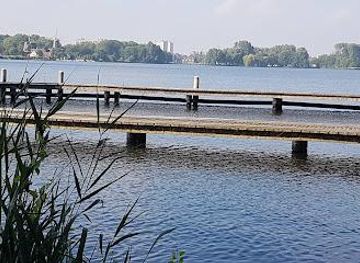
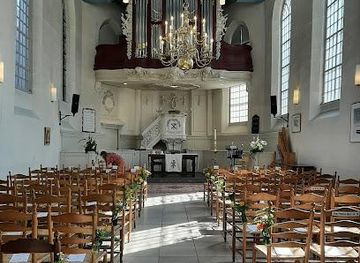
The most characteristic landmarks of Hoeksche Waard are its dykes, churches, windmills, waterways and surviving defensive structures. Fort Buitensluis near Numansdorp stands beside the Hollands Diep and illustrates the strategic importance of the region's water approaches. The Binnenbedijkte Maas is a notable geographical landmark: a former river channel transformed into an inland waterway within the reclaimed landscape. Windmills such as De Oostmolen near Mijnsheerenland reflect the continuing importance of drainage and grain processing, while village churches and old harbour streets in Oud-Beijerland, Strijen and Puttershoek provide visible anchors in otherwise open countryside. The long embankments around the polders are themselves significant works of landscape engineering, framing views across fields and tidal margins. On Tiengemeten, the open wetland scenery and the island's former agricultural buildings express a different phase of Hoeksche Waard's relationship with water, land use and nature conservation.
-
Heritage museum
Unesco Werelderfgoed Kinderdijk
Experience the enchanting beauty and rich heritage of Kinderdijk, home to historical windmills and a UNESCO World Heritage site symbolizing Dutch ingenuity.
-
Visitor center
Natuurbezoekerscentrum Klein Profijt
Explore the enchanting Natuurbezoekerscentrum Klein Profijt, where nature lovers can hike, learn, and connect with the great outdoors in Oud-Beijerland.
-
Museum
Museum Hoekschewaard
Explore the rich cultural heritage of Hoekschewaard at Museum Hoekschewaard, a captivating destination for history enthusiasts and curious travelers alike.
-
Lutheran church
Trinitatis chapel
Discover the tranquil beauty and historical significance of the Trinitatis Chapel in Dordrecht, a perfect stop for culture and history lovers.


Explore Hoeksche Waard on the map
Plan your trip on one map. See where the top cities, national parks and sights are, and book hotels and experiences in a few clicks.
Best hotels in Hoeksche Waard
Best restaurants in Hoeksche Waard
Dining in Hoeksche Waard reflects its agricultural setting rather than a single signature cuisine. Village cafés, pubs, restaurants and rural inns commonly use the informal, food-led traditions found across the Netherlands, while local farm shops and seasonal stalls showcase potatoes, vegetables, fruit and other produce from the polders. Fresh bread, pastries, dairy products and locally sourced meats are easy themes to encounter, and fish from the surrounding delta appears on menus without making the region a specialised seafood destination. Oud-Beijerland has the broadest choice of cafés and restaurants, while smaller villages offer a quieter setting for lunch or an evening meal. Markets and farm outlets are useful for assembling a picnic for a cycling trip, particularly when visiting the dykes or Tiengemeten. Opening days and seasonal availability vary considerably in rural areas, so independent producers should be checked locally rather than assumed to operate year-round.
-
Restaurant
Restaurant De Oude Tol
Experience exquisite dining at Restaurant De Oude Tol in Oud-Beijerland with diverse menus and inviting atmosphere.
-
Diner
Het Postkantoor Oud-Beijerland
Experience authentic Dutch cuisine at Het Postkantoor Oud-Beijerland - where tradition meets modern dining.
-
Restaurant
De Koningshoeve
Discover De Koningshoeve in Klaaswaal: where exquisite cuisine meets exceptional event spaces for unforgettable moments.
-
Restaurant
Restaurant Heeren van Beijerland
Discover culinary excellence at Restaurant Heeren van Beijerland – where local flavors meet exceptional dining experiences.


Best bars in Hoeksche Waard
Evening life in Hoeksche Waard is centred on traditional pubs, cafés, restaurants and community venues rather than a large nightclub scene. Oud-Beijerland has the widest choice for a drink or meal after exploring the historic centre, while Puttershoek, Numansdorp, Strijen and other larger villages provide locally oriented pubs and cafés. Some venues host live music or community events, but programming and opening arrangements can change. Rural evenings are generally quiet, with social life concentrated around village centres and hospitality businesses rather than dedicated entertainment districts. Breweries, wine bars and cocktail-led venues may be found in limited numbers, but they are not the defining feature of the region. Visitors staying outside the main settlements should plan their return transport in advance, since buses are less frequent at night and walking along unlit dykes is unsuitable.
-
Restaurant
Restaurant De Oude Tol
Experience the rich flavors of Dutch cuisine at Restaurant De Oude Tol, where every meal is a celebration of local ingredients and culinary creativity.
-
Bar
Melief Bender
Experience the vibrant atmosphere of Melief Bender, a delightful bar in Rotterdam offering a fantastic selection of drinks and a warm ambiance.
-
Bar
Het Postkantoor Oud-Beijerland
Experience the culinary charm of Het Postkantoor in Oud-Beijerland, where delightful dishes and a vibrant atmosphere await every visitor.
-
Restaurant
Restaurant 't Land van Wale
Discover authentic Dutch cuisine in a cozy setting at Restaurant 't Land van Wale, where every meal tells a story of local flavors and hospitality.


Best nightclubs in Hoeksche Waard
Evening life in Hoeksche Waard is centred on traditional pubs, cafés, restaurants and community venues rather than a large nightclub scene. Oud-Beijerland has the widest choice for a drink or meal after exploring the historic centre, while Puttershoek, Numansdorp, Strijen and other larger villages provide locally oriented pubs and cafés. Some venues host live music or community events, but programming and opening arrangements can change. Rural evenings are generally quiet, with social life concentrated around village centres and hospitality businesses rather than dedicated entertainment districts. Breweries, wine bars and cocktail-led venues may be found in limited numbers, but they are not the defining feature of the region. Visitors staying outside the main settlements should plan their return transport in advance, since buses are less frequent at night and walking along unlit dykes is unsuitable.
-
Disco club
Munch
Munch: Discover Rotterdam's vibrant disco scene with stunning riverside views and unforgettable nightlife experiences.
-
Club
Cultuurpodium Perron
Discover Rotterdam's electrifying nightlife at Cultuurpodium Perron, where top DJs and vibrant crowds create an unforgettable experience.
-
Disco club
Dolhuis
Experience the electrifying nightlife at Dolhuis, Dordrecht's premier disco club and concert venue with an unforgettable atmosphere.
-
Night club
Now&Wow Club
Discover the electrifying nightlife of Rotterdam at Now&Wow Club, where unforgettable dance experiences await in a vibrant atmosphere.


Best shops in Hoeksche Waard
Shopping in Hoeksche Waard is concentrated in the town centres, with Oud-Beijerland offering the broadest selection of everyday shops, cafés and independent retailers. Puttershoek, Numansdorp, Strijen and other villages provide smaller high streets suited to practical shopping rather than extensive retail browsing. Farm shops, roadside stalls and local producers are particularly relevant for visitors seeking potatoes, vegetables, fruit, preserves, dairy products and other seasonal goods from the surrounding agricultural area. Markets and village events can add local produce and handmade items, but their schedules vary and should be checked locally. Art, antiques, books and gifts are more likely to be found in independent shops than in large shopping complexes. Visitors buying souvenirs may find regional food products more representative of Hoeksche Waard than generic Dutch merchandise, while cycling routes make it possible to combine a village centre with a farm-shop stop.
-
Gift shop
Designer Outlet Roermond
Discover Designer Outlet Roermond: Shop luxury brands at irresistible prices in a charming Dutch shopping destination.
-
Shopping mall
Alexandrium Shopping Center
Experience retail bliss at Alexandrium Shopping Center in Rotterdam, where shopping, dining, and entertainment come together for an unforgettable day.
-
Shopping mall
Shopping Center Stadshart Zoetermeer
Experience shopping, dining, and entertainment at Shopping Center Stadshart Zoetermeer, a must-visit destination for tourists in the Netherlands.
-
Clothing store
Primark
Explore Primark in Rotterdam for trendy, affordable fashion and a vast selection of clothing and accessories for all ages.


Get your free copy of our complete guide to Hoeksche Waard, delivered straight to you.
Everything on this page, from attractions and restaurants to essentials and local phrases, in one PDF you can read offline, print or share.
Already have an account? Sign in
Your Hoeksche Waard guide is ready.
We'll send it to · Not you? Sign out

Getting your guide ready…
We are putting together a fresh copy of the Hoeksche Waard guide. This can take up to a minute.
This can take a few moments. If your browser asks, choose Allow so the download can start. You'll find the guide in your Downloads folder.
Nothing happened? Download it again
Sorry, the guide is taking longer than usual. Please try again in a minute, or get it by email instead.
Hoeksche Waard essentials
Currency and Payment
Safety
Emergency Situations
Do's and Don'ts
Local Tips
From Eve
Local phrases worth knowing
You don't need to get them perfect. A few words go a long way, and locals appreciate the effort.
Basics
| English | Local | Say it |
|---|---|---|
| Hello | Hallo | [Hah-loh] |
| Goodbye | Tot ziens | [Tot zeens] |
| Yes | Ja | [Yah] |
| No | Nee | [Nay] |
| Please/You're welcome | Alsjeblieft | [Al-she-bleeft] |
| Thank you | Dank je wel | [Dunk yuh vel] |
| Excuse me/Sorry | Sorry | [Sor-ree] |
| How are you? | Hoe gaat het? | [Hoo ghaht het?] |
| Fine. And you? | Goed. En jij? | [Goot. En yay?] |
| Do you speak English? | Spreek je Engels? | [Sprayk yuh Eng-els?] |
| I don't understand | Ik begrijp het niet | [Ik beh-graif het neet] |
Eating & Drinking
| English | Local | Say it |
|---|---|---|
| I'd like to see the menu, please | Ik zou graag de menukaart willen zien, alsjeblieft | [Ik zow grahkh de may-nu-kart vil-len zeen, al-she-bleeft] |
| I don't eat meat | Ik eet geen vlees | [Ik eet khayn vles] |
| Cheers! | Proost! | [Prohst] |
| I would like to pay, please | Ik zou graag willen betalen, alsjeblieft | [Ik zow grahkh vil-len beh-ta-len, al-she-bleeft] |
Emergencies
| English | Local | Say it |
|---|---|---|
| Help! | Help! | [Help] |
| Go away! | Ga weg! | [Gah vek] |
| Call the Police! | Bel de politie! | [Bel de po-lee-tsy] |
| Call a doctor! | Bel een dokter! | [Bel ayn dok-ter] |
| I'm lost | Ik ben verdwaald | [Ik ben fer-dwa-ld] |
| I'm ill | Ik ben ziek | [Ik ben zeek] |
Shopping
| English | Local | Say it |
|---|---|---|
| I'd like to buy... | Ik zou graag ... kopen | [Ik zow grahkh ... koh-pen] |
| I'm just looking | Ik kijk alleen maar | [Ik kike ah-layn mar] |
| How much is it? | Hoeveel kost het? | [Hoo-vayl kost het?] |
| That's too expensive | Dat is te duur | [Dat is tuh deur] |
| Can you lower the price? | Kun je de prijs verlagen? | [Kun yuh de prays fer-lah-ghen?] |
Time & Numbers
| English | Local | Say it |
|---|---|---|
| What time is it? | Hoe laat is het? | [Hoo laat is het?] |
| It's one o'clock | Het is één uur | [Het is ayn oor] |
| Half past (10) | Half elf | [Half elf] |
| Morning | Ochtend | [Okh-tend] |
| Afternoon | Middag | [Mid-dahkh] |
| Evening | Avond | [Ah-vond] |
| Yesterday | Gisteren | [Ghis-te-ren] |
| Today | Vandaag | [Van-dahkh] |
| Tomorrow | Morgen | [Mor-ghen] |
| 1 | 1 | [Eyn] |
| 2 | 2 | [Twee] |
| 3 | 3 | [Drie] |
| 4 | 4 | [Vier] |
| 5 | 5 | [Vijf] |
| 6 | 6 | [Zes] |
| 7 | 7 | [Zeven] |
| 8 | 8 | [Acht] |
| 9 | 9 | [Negen] |
| 10 | 10 | [Tien] |
Transport & Directions
| English | Local | Say it |
|---|---|---|
| Where's a/the...? | Waar is een ...? | [Vahr is ayn ...?] |
| What's the address? | Wat is het adres? | [Wat is het a-dress?] |
| Can you show me (on the map)? | Kun je me (op de kaart) laten zien? | [Kun yuh muh (op de kart) lah-ten zeen?] |
| When's the next (bus)? | Wanneer komt de volgende (bus)? | [Van-dair komt de vol-ghen-de (bus)?] |
| A ticket (to ....) | Een kaartje (naar ...) | [Ayn kart-ye (naar ...)] |
History of Hoeksche Waard
Medieval Tidal Marshes and Early Reclamation
Before large-scale reclamation, much of Hoeksche Waard consisted of tidal marshes, creeks and small inhabited islands at the meeting point of river and sea. Medieval communities built embankments around areas of cultivable land, but settlement remained vulnerable to storm surges and river flooding. The surviving dykes, former channels and irregular parish boundaries preserve traces of this gradual process. Hoeksche Waard was not created in one operation; it emerged through repeated cycles of embankment, loss, repair and renewed cultivation.
The Saint Elizabeth's Flood of 1421
The Saint Elizabeth's Flood of 1421 reshaped the south-western Dutch delta and devastated settlements across the wider region. Floodwaters broke through existing defences, altered channels and left some lands submerged for generations. Hoeksche Waard's later geography, including its relationship with the Hollands Diep and Haringvliet, cannot be understood without this period of disruption. The disaster encouraged more systematic rebuilding of dykes and helped establish the water-management culture that remains visible in the landscape.
Sixteenth-Century Polder Expansion
Much of the present island took shape during renewed reclamation in the sixteenth century. The Beijerlanden, including Oud-Beijerland and Nieuw-Beijerland, were established through planned polder projects that brought former tidal land into agricultural use. Villages were laid out beside dykes and waterways, while landowners, administrators and engineers coordinated drainage and defence. These projects created the long, open fields and orderly water network associated with Hoeksche Waard today, although later floods and embankment improvements continued to modify them.
Seventeenth-Century Settlement and Trade
During the seventeenth century, Hoeksche Waard's polders supported growing villages and a productive agricultural economy. Harbours and waterways connected communities with Rotterdam, Dordrecht and other markets in Holland and Zeeland. Grain, livestock, vegetables and later industrial crops moved by boat and road, while dike villages developed stores, mills, churches and workshops. Oud-Beijerland became an important local centre, and the region's settlement pattern acquired the combination of village streets, waterfront activity and isolated farmsteads that visitors still encounter.
Agriculture, Sugar Beet and Rural Industry
From the nineteenth century onwards, improved drainage, transport and farming methods strengthened Hoeksche Waard's role as an agricultural region. Arable farming became particularly important, with potatoes, grains, vegetables and sugar beet among the crops associated with the polders. Seasonal labour, farm machinery and produce trading altered village life without removing its dependence on land and water. Small processing activities, mills and later modern agricultural businesses linked the island to national food supply chains and helped preserve its open rural character.
Defence, Occupation and Modern Water Management
Hoeksche Waard's position between major waterways gave it strategic importance in modern times. Fort Buitensluis near Numansdorp formed part of the defensive system protecting the approaches to the Hollands Diep and the waterways towards the Dutch interior. During the Second World War, the region experienced German occupation, military restrictions and the wider pressures of a strategic delta landscape. After the war, improved roads, bridges, flood defences and mechanised agriculture brought greater integration with Rotterdam and Dordrecht while maintaining the island's distinct polder identity.
Hoeksche Waard in Photos
Browse through our photo collection highlighting the charm and character of the destination.
Neighbouring regions of Hoeksche Waard
The closest regions to Hoeksche Waard, if you have time for more than one.
-

-

-

-

-


Swipe for more regions
Explore more

Explore more of Netherlands
Discover the Netherlands: A blend of historic charm, artistic treasures, and scenic landscapes, perfect for an enriching travel experience.
Explore Netherlands