

Free Delfland Travel Guide & Mobile App
Explore Delfland with free travel guides. Discover regional history, expert tips, proposed trips, and audio guides on web or mobile app.


Explore Delfland for Delft's historic canals, Dutch painting and ceramics, polder villages, cycling routes and working greenhouse landscapes.
Read more about Delfland
When is the best time to visit Delfland?
Best: June–August · 19–21°C| Month | High (°C) | Rainfall (mm) |
|---|---|---|
| January | 6 | 70 |
| February | 7 | 60 |
| March | 11 | 60 |
| April | 13 | 50 |
| May | 16 | 60 |
| June (best) | 19 | 70 |
| July (best) | 21 | 80 |
| August (best) | 21 | 80 |
| September | 18 | 70 |
| October | 14 | 70 |
| November | 9 | 70 |
| December | 7 | 80 |
Getting to and around Delfland
How to get there
Transportation
Top city travel guides in Delfland
The cities of Delfland, and the easiest places to base yourself.
-

-

-


Swipe for more cities
Destinations in Delfland
Resorts, valleys and scenic spots worth a trip of their own.
-

-
-


Swipe for more destinations
Best attractions in Delfland
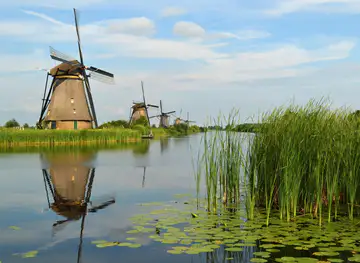
Delfland's attractions range from the canal-lined historic centre of Delft to the open waterways and pasture of Midden-Delfland. In Delft, the Prinsenhof complex explains the city's role in the Dutch Revolt, while the Nieuwe Kerk, Oude Kerk and collections connected with Delftware and local art provide different perspectives on religion, politics, craft and culture. The city's university and design environment add a contemporary layer to its historic streets. Outside Delft, walking and cycling are the main experiences: routes pass through Schipluiden, Maasland, Den Hoorn and the small settlement of 't Woudt, linking churchyards, farms, bridges and drainage channels. The Westland offers a contrasting view of intensive horticulture, with vast glasshouses and logistics networks shaping the landscape. Visitors interested in engineering and geography can observe the practical systems of dykes, pumping stations and controlled waterways that keep the polders habitable. Delfland is less about a single large attraction than about the relationship between an historic city and a working, engineered countryside.
-
Zoo
Rotterdam Zoo
Experience the magic of wildlife at Rotterdam Zoo, where conservation meets adventure in a stunning natural setting.
-
Tourist attraction
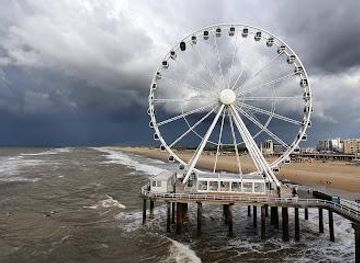
De Pier
Experience the breathtaking views, delicious dining, and fun-filled entertainment at De Pier in Scheveningen, The Hague's iconic coastal attraction.
-
Theme park
Madurodam
Explore the enchanting Madurodam, a miniature park in The Hague, showcasing the beauty and culture of the Netherlands in stunning detail.
-
Art museum
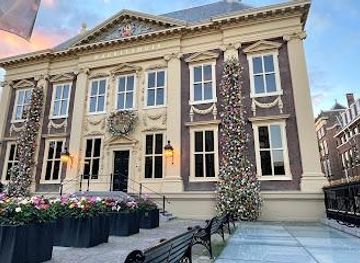
Mauritshuis
Discover the masterpieces of the Dutch Golden Age at the Mauritshuis, an art museum in The Hague featuring works by Vermeer and Rembrandt.


Best landmarks in Delfland
Delft's historic skyline is defined by the Nieuwe Kerk on the Markt and the slightly leaning Oude Kerk beside the Oude Delft canal. The Nieuwe Kerk is the burial church of the Dutch royal family and is closely associated with the House of Orange, while the Oude Kerk reflects the city's medieval religious and urban development. The Prinsenhof, a former monastery, is a landmark of national political history because William of Orange was assassinated there in 1584. Delft's surviving canals, bridges, brick façades and former town gates, including the Oostpoort, provide a coherent historic townscape rather than isolated monuments. Beyond the city, the defining landmarks are more infrastructural: dykes, sluices, pumping stations and straight drainage channels express the long history of water management. In Midden-Delfland, the church and compact settlement of 't Woudt stand out within the surrounding meadows, while the broad glasshouse districts of the Westland form a distinctly modern regional landscape. Together these places show Delfland as both a historic city region and an engineered lowland environment.
-
Tourist attraction
De Pier
Discover De Pier in Scheveningen, a unique seaside attraction offering dining, shopping, and stunning views of the North Sea.
-
Theme park
Madurodam
Experience the Netherlands in miniature at Madurodam, where iconic landmarks and cultural treasures come to life in an enchanting setting.
-
Aquarium
Sea Life Scheveningen
Discover the enchanting underwater world at Sea Life Scheveningen, where marine life comes alive in an unforgettable family-friendly adventure.
-
Ferris wheel
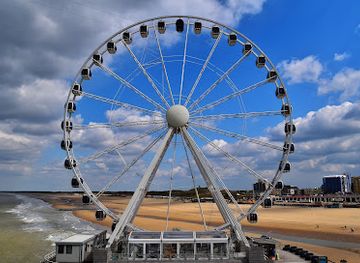
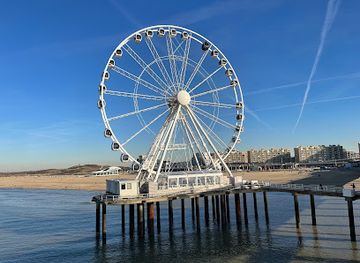
The Pier SkyView
Experience breathtaking views, delightful dining, and fun at The Pier SkyView in The Hague - a must-visit destination for all tourists.



Explore Delfland on the map
Plan your trip on one map. See where the top cities, national parks and sights are, and book hotels and experiences in a few clicks.
Best hotels in Delfland
Best restaurants in Delfland
Delfland's dining scene is anchored by Delft, where cafés, bakeries, international restaurants and contemporary Dutch kitchens occupy streets around the canals and market squares. Traditional Dutch foods such as herring, cheese, pancakes, fried snacks and filled pastries are readily available, while the wider South Holland region contributes seafood, dairy and seasonal produce. The Westland's horticultural economy means that vegetables, fruit, herbs and plants are central to the local food landscape, although produce is often distributed through national and international supply chains rather than sold directly at every farm. In Midden-Delfland, rural cafés, farm shops and waterside establishments provide informal stops for cyclists and walkers, with menus varying by season. Delftware is a craft rather than a food, but specialist shops sometimes pair local cultural interpretation with tastings or regional products. Visitors should expect a mixture of Dutch staples, modern European cooking and international food reflecting the region's urban population rather than a single narrowly defined cuisine.
-
Dutch
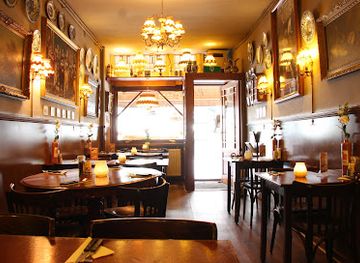
The Pantry
Experience authentic Dutch cuisine at The Pantry in Amsterdam – where tradition meets taste in a family-friendly setting.
-
Restaurant
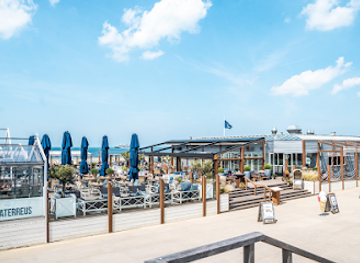
De Waterreus
Experience beachfront dining at De Waterreus in Scheveningen – where culinary delights meet stunning sea views.
-
Restaurant
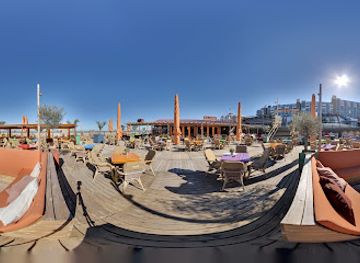
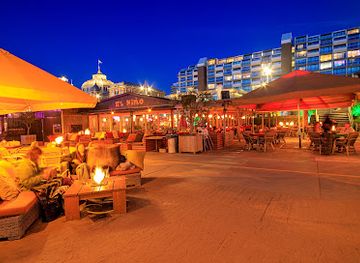
El Niño Beach Club
Discover El Niño Beach Club: A vibrant beachside restaurant offering exquisite tapas and unforgettable seaside experiences in Scheveningen.
-
Restaurant
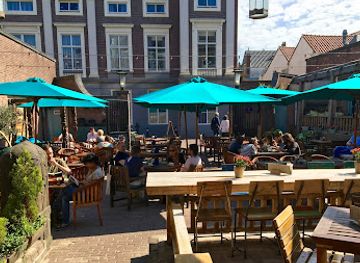
't Postkantoor
Experience the delightful flavors of Dutch cuisine at 't Postkantoor in Delft – where tradition meets modern culinary excellence.
Best bars in Delfland
Delft is the main evening centre in Delfland, with a concentration of cafés, traditional brown bars, beer-focused venues, restaurants and student-oriented establishments around the historic centre and university area. Live music and cultural programming are more significant here than a large-scale nightclub scene, although particular venues and events change over time. The city is suitable for an evening of canal-side dining followed by drinks, but quieter streets can become calm once the busiest venues close. In Schipluiden, Maasland and other rural parts of Delfland, nightlife is centred on village pubs, cafés, restaurants and occasional community or music events rather than dedicated clubs. The greenhouse and polder districts have limited late-night public transport, so visitors staying outside Delft should check their return journey in advance. Alcohol is only one part of the evening culture: museums, theatres, seasonal cultural programmes and late meals also shape nights in the region.
-
Restaurant
El Niño Beach Club
Discover the vibrant El Niño Beach Club, where delicious tapas meet stunning seaside views in Scheveningen, The Hague.
-
Restaurant
Crazy Pianos
Experience the perfect blend of live music, exquisite Asian cuisine, and vibrant nightlife at Crazy Pianos in Scheveningen, The Hague.
-
Bar
Bar Bukowski
Experience the lively atmosphere and unique cocktails at Bar Bukowski, a must-visit spot in Amsterdam-Oost for brunch lovers and nightlife seekers.
-
Grill
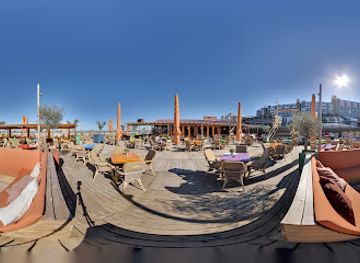
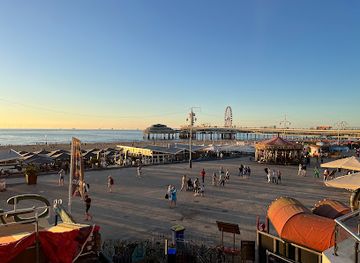
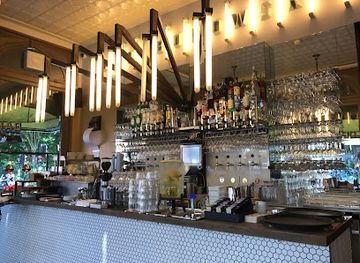
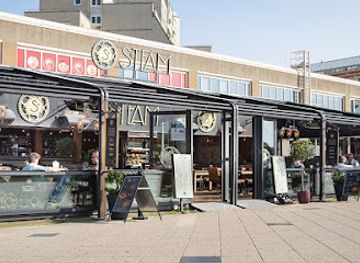
Steam Scheveningen
Indulge in expertly grilled dishes and live music at Steam Scheveningen, a vibrant restaurant and cocktail bar by the beach in The Hague.
Best nightclubs in Delfland
Delft is the main evening centre in Delfland, with a concentration of cafés, traditional brown bars, beer-focused venues, restaurants and student-oriented establishments around the historic centre and university area. Live music and cultural programming are more significant here than a large-scale nightclub scene, although particular venues and events change over time. The city is suitable for an evening of canal-side dining followed by drinks, but quieter streets can become calm once the busiest venues close. In Schipluiden, Maasland and other rural parts of Delfland, nightlife is centred on village pubs, cafés, restaurants and occasional community or music events rather than dedicated clubs. The greenhouse and polder districts have limited late-night public transport, so visitors staying outside Delft should check their return journey in advance. Alcohol is only one part of the evening culture: museums, theatres, seasonal cultural programmes and late meals also shape nights in the region.
-
Restaurant
El Niño Beach Club
Experience the perfect blend of beachside relaxation and culinary delight at El Niño Beach Club in Scheveningen.
-
Night club
Crazy Pianos
Discover Crazy Pianos in The Hague: a vibrant night club featuring live music, an Asian restaurant, and an unforgettable nightlife experience.
-
Beach pavillion
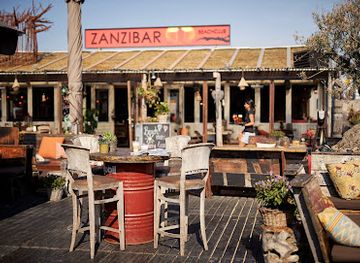
Zanzibar Beachclub
Discover the vibrant atmosphere of Zanzibar Beachclub, where stunning beach views meet delicious barbecue cuisine in Scheveningen, The Hague.
-
Night club
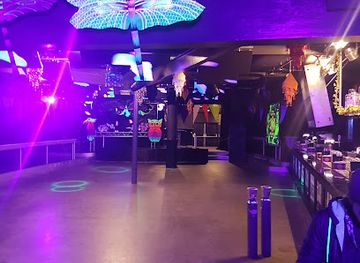
PKHS
Discover the electrifying nightlife of PKHS in Tilburg, where vibrant music, stunning lights, and unforgettable experiences await.

Best shops in Delfland
Delft is the strongest shopping centre in Delfland, combining everyday Dutch high-street retail with independent boutiques, bookshops, galleries, antique dealers and specialist stores in and around the historic centre. Delftware is the most recognisable regional purchase, but visitors should distinguish authentic workshop or established maker products from mass-produced souvenirs and ask about provenance when it matters. The city's markets and food shops offer cheese, baked goods, flowers and other Dutch staples, while farm shops and growers in the surrounding horticultural area may sell seasonal produce when local access is available. In smaller Delfland villages, shopping is practical and limited, with a few local services rather than extensive retail streets. The Westland's identity is more strongly connected with horticulture than with visitor shopping, although plants and fresh produce can be found through appropriate specialist outlets. For crafts, ceramics, design and locally themed gifts, Delft provides the widest choice; for everyday provisions, supermarkets and neighbourhood shops are more dependable than rural routes.
-
Store
De Pier
Experience the vibrant atmosphere of De Pier, a premier beach destination in The Hague, featuring shops, dining, and stunning ocean views.
-
Shopping mall
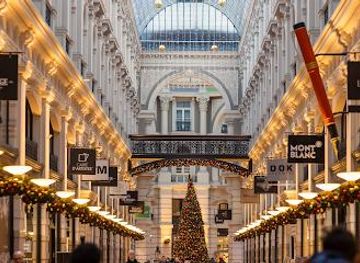
The Passage
Explore The Passage, a stunning shopping mall and historical landmark in The Hague, featuring exquisite architecture and a vibrant shopping experience.
-
Shopping mall
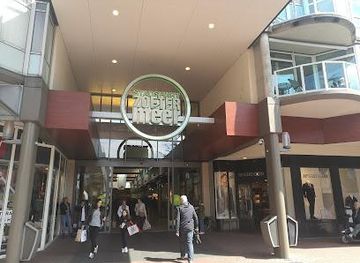
Shopping Center Stadshart Zoetermeer
Experience shopping, dining, and entertainment at Stadshart Zoetermeer, the vibrant shopping center that caters to every taste and preference.
-
Department store
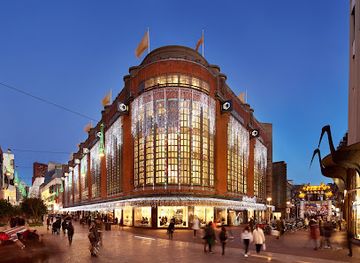
De Bijenkorf (Den Haag)
Experience luxury shopping at De Bijenkorf in The Hague, where high-end fashion meets Dutch charm in a vibrant retail environment.
Get your free copy of our complete guide to Delfland, delivered straight to you.
Everything on this page, from attractions and restaurants to essentials and local phrases, in one PDF you can read offline, print or share.
Already have an account? Sign in
Your Delfland guide is ready.
We'll send it to · Not you? Sign out

Getting your guide ready…
We are putting together a fresh copy of the Delfland guide. This can take up to a minute.
This can take a few moments. If your browser asks, choose Allow so the download can start. You'll find the guide in your Downloads folder.
Nothing happened? Download it again
Sorry, the guide is taking longer than usual. Please try again in a minute, or get it by email instead.
Delfland essentials
Currency and Payment
Safety
Emergency Situations
Do's and Don'ts
Local Tips
From Eve
Local phrases worth knowing
You don't need to get them perfect. A few words go a long way, and locals appreciate the effort.
Basics
| English | Local | Say it |
|---|---|---|
| Hello | Hallo | [hah-loh] |
| Goodbye | Tot ziens | [toht zeens] |
| Yes | Ja | [yah] |
| No | Nee | [nay] |
| Please/You're welcome | Alsjeblieft | [ahl-syeh-bleeft] |
| Thank you | Dank je | [dank yuh] |
| Excuse me/Sorry | Sorry | [soh-ree] |
| How are you? | Hoe gaat het? | [hoo ghaht het] |
| Fine. And you? | Goed. En jij? | [hoot. en yay] |
| Do you speak English? | Spreek je Engels? | [sprayk yuh en-guhls] |
| I don't understand | Ik begrijp het niet | [ik buh-graif het neet] |
Eating & Drinking
| English | Local | Say it |
|---|---|---|
| I'd like to see the menu, please | Ik wil graag de menukaart zien, alsjeblieft | [ik vil grahkh duh meh-nu-kahrt zeen, ahl-syeh-bleeft] |
| I don't eat meat | Ik eet geen vlees | [ik ayt khayn vlays] |
| Cheers! | Proost! | [prohst] |
| I would like to pay, please | Ik wil graag betalen, alsjeblieft | [ik vil grahkh beh-tah-len, ahl-syeh-bleeft] |
Emergencies
| English | Local | Say it |
|---|---|---|
| Help! | Help! | [help] |
| Go away! | Ga weg! | [gah vek] |
| Call the Police! | Bel de politie! | [bel duh poh-leet-sie] |
| Call a doctor! | Bel een dokter! | [bel eyn dok-ter] |
| I'm lost | Ik ben verdwaald | [ik ben fer-dwahlt] |
| I'm ill | Ik ben ziek | [ik ben zeek] |
Shopping
| English | Local | Say it |
|---|---|---|
| I'd like to buy... | Ik wil ... kopen | [ik vil ... koh-pen] |
| I'm just looking | Ik kijk gewoon | [ik kyke khuh-vohn] |
| How much is it? | Hoeveel kost het? | [hoo-vayl kost het] |
| That's too expensive | Dat is te duur | [daht is tuh duur] |
| Can you lower the price? | Kun je de prijs verlagen? | [kun yuh duh prays fer-lah-ghen] |
Time & Numbers
| English | Local | Say it |
|---|---|---|
| What time is it? | Hoe laat is het? | [hoo laat is het] |
| It's one o'clock | Het is een uur | [het is eyn ur] |
| Half past (10) | Half (tien) | [half (teen)] |
| Morning | Ochtend | [okh-tend] |
| Afternoon | Middag | [mid-dahkh] |
| Evening | Avond | [ah-vond] |
| Yesterday | Gisteren | [gis-te-ren] |
| Today | Vandaag | [vahn-dahkh] |
| Tomorrow | Morgen | [mor-ghen] |
| 1 | 1 | [eyn] |
| 2 | 2 | [twee] |
| 3 | 3 | [drie] |
| 4 | 4 | [vier] |
| 5 | 5 | [vijf] |
| 6 | 6 | [zes] |
| 7 | 7 | [zeven] |
| 8 | 8 | [acht] |
| 9 | 9 | [negen] |
| 10 | 10 | [tien] |
Transport & Directions
| English | Local | Say it |
|---|---|---|
| Where's a/the...? | Waar is een/de...? | [vahr is eyn/de...?] |
| What's the address? | Wat is het adres? | [vaht is het ah-dres] |
| Can you show me (on the map)? | Kun je me (op de kaart) laten zien? | [kun yuh muh (op duh kaart) lah-ten zeen] |
| When's the next (bus)? | Wanneer komt de volgende (bus)? | [van-neer komt duh vol-ghen-de (bus)] |
| A ticket (to ....) | Een ticket (naar ...) | [eyn ti-ket (naahr ...)] |
History of Delfland
Medieval Peat Reclamation and the Rise of Delfland
Much of Delfland developed from wet peat and clay landscapes that required systematic drainage before permanent settlement could expand. From the medieval period, local communities dug ditches, constructed embankments and organised water levels through collective institutions. The resulting polders supported pasture, farming and villages, while the interlaced waterways also provided transport. Water management became a permanent civic responsibility rather than a single historical project, and the regional water authority associated with Delfland remains part of that institutional legacy.
Delft's Medieval Foundation and Trading Position
Delft grew around a canal associated with the river Delft and developed into an important settlement in the county of Holland during the Middle Ages. Its position between inland communities and larger waterways helped it prosper through trade, brewing, craft production and administration. The construction and enlargement of churches, civic buildings and defensive works shaped the historic centre whose canals and street plan remain visible today. Delft's medieval development also established the urban focus around which the surrounding Delfland countryside has long been organised.
The Dutch Revolt and William of Orange
Delft played a significant role during the Dutch Revolt against Spanish rule. William of Orange made the city his base during the later stages of the conflict, and he was assassinated at the Prinsenhof in 1584. He was buried in the Nieuwe Kerk because Breda, the traditional burial place of the Nassau family, was under Spanish control. Delft subsequently became the principal burial city of the House of Orange, giving its churches and former monastery an enduring place in Dutch political and national history.
Delft in the Dutch Golden Age
During the seventeenth century, Delft benefited from trade, brewing, printing, art and military activity. The city was associated with painters including Johannes Vermeer, whose views of Delft and domestic interiors contributed to its lasting artistic reputation. Delftware also developed during this period as local potters adapted techniques and visual ideas connected with Chinese porcelain, producing the blue-and-white earthenware now strongly associated with the city. This cultural flowering coincided with the growth of the Dutch Republic's commercial and maritime power.
Water Boards and the Engineered Landscape
The low-lying territory of Delfland required continuous maintenance as settlement, agriculture and urban growth expanded. Water boards coordinated drainage, dykes, canals, sluices and pumping, balancing the needs of farms, towns and later industry. Windmills were important in earlier phases, while steam and electrically powered pumping gradually transformed water control. The landscape around Midden-Delfland still makes this history legible: straight drainage channels, raised roads, pumping installations and carefully managed water levels reveal how Dutch communities have adapted to living below or close to sea level.
Horticulture and the Westland Glasshouse Economy
From the nineteenth century onwards, intensive horticulture became increasingly important in the western part of the Delfland area, particularly in the Westland. Market gardening supplied nearby cities, while the development of glasshouses enabled growers to control temperature, light and growing conditions. Improvements in transport and logistics turned the district into one of the Netherlands' major horticultural production areas. Modern glasshouse cultivation has changed the appearance and economy of the landscape, but it continues an older regional pattern of making productive use of carefully drained land.
Delft's Technical and Industrial Transformation
Delft's modern identity was strongly influenced by the development of technical education and research. The institution now known as Delft University of Technology grew from nineteenth-century initiatives intended to train engineers for the industrialising Netherlands. Engineering, design, science and water expertise subsequently became central to the city's economy and public culture. The university's presence helped create a marked contrast between Delft's historic centre and its modern research environment, while reinforcing the wider region's association with infrastructure, engineering and applied knowledge.
Delfland in Photos
Browse through our photo collection highlighting the charm and character of the destination.
Neighbouring regions of Delfland
The closest regions to Delfland, if you have time for more than one.
-

-

-
-

-


Swipe for more regions
Explore more

Explore more of Netherlands
Discover the Netherlands: A blend of historic charm, artistic treasures, and scenic landscapes, perfect for an enriching travel experience.
Explore Netherlands