

Free Poya Travel Guide & Mobile App
Explore Poya with free travel guides. Discover regional history, expert tips, proposed trips, and audio guides on web or mobile app.


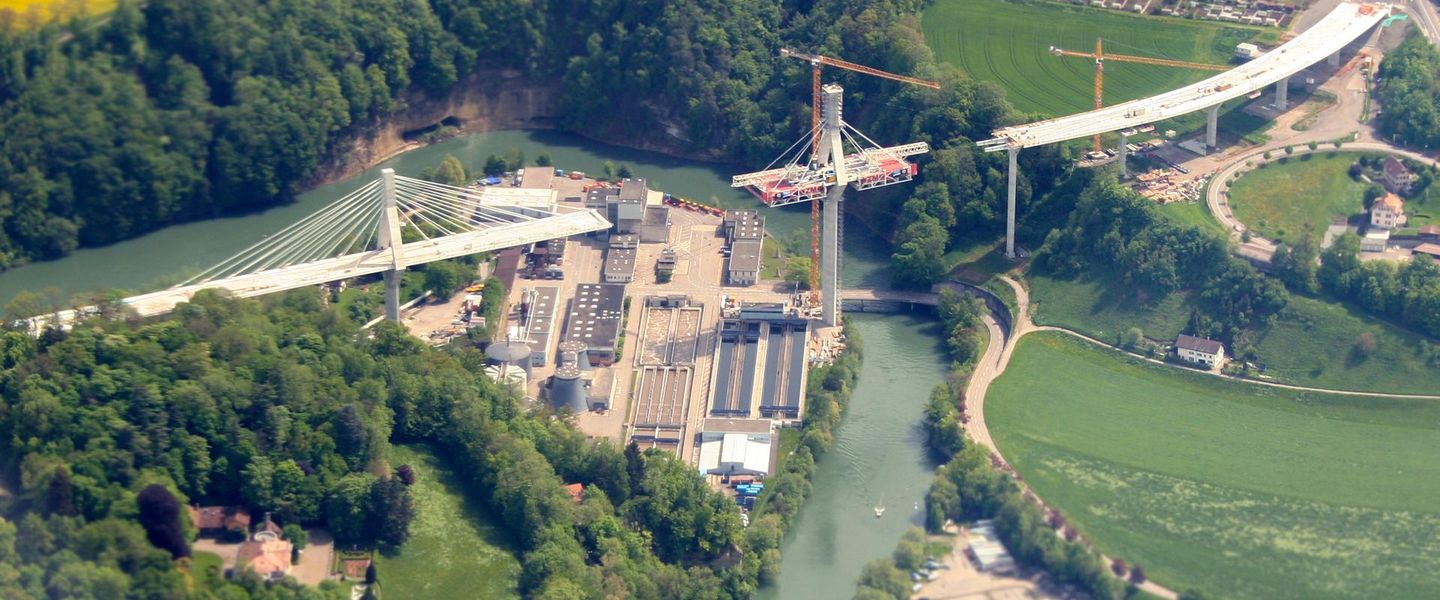


Poya reveals New Caledonia’s dry west coast through Kanak heritage, nickel country, rural landscapes and quiet coastal settlements.
Read more about Poya
When is the best time to visit Poya?
Best: May, July, September · 22–25°C| Month | High (°C) | Rainfall (mm) |
|---|---|---|
| January | 29 | 150 |
| February | 29 | 140 |
| March | 29 | 130 |
| April | 27 | 120 |
| May (best) | 25 | 110 |
| June | 23 | 100 |
| July (best) | 22 | 90 |
| August | 23 | 100 |
| September (best) | 25 | 110 |
| October | 27 | 120 |
| November | 28 | 130 |
| December | 29 | 140 |
Getting to and around Poya
How to get there
Transportation
Best attractions in Poya
Poya’s attractions are primarily landscapes, working environments and coastal settlements rather than a large collection of formal visitor sites. Route territoriale 1 provides access to the broad west-coast scenery, with dry hills, grazing country and views towards the lagoon and offshore waters. Poya village offers a useful point of orientation, while Népoui provides a different perspective shaped by its coastal setting and nickel economy. The surrounding country is suitable for scenic drives, birdwatching, fishing where permitted and quiet observation of New Caledonia’s dry-forest environment. Mining landscapes are historically important, but active sites and industrial roads are not visitor attractions and should be viewed only from authorised public areas. River valleys and rural tracks can be rewarding for knowledgeable local visitors, although access and conditions vary. Poya also works as a base or pause within a wider west-coast journey, where the value lies in seeing how customary land, pastoral activity, transport routes and mineral extraction occupy the same island landscape. Formal facilities are limited, so independent travellers should arrange guidance, supplies and permissions rather than assuming that every scenic area is publicly accessible.
-
Boat tour agency
MANA NAUTIQUE - Excursions Île des Pins
Explore the breathtaking Île des Pins with MANA NAUTIQUE, offering stunning boat tours and unforgettable experiences in New Caledonia's tropical paradise.
-
Tourist attraction
Plage Bobby
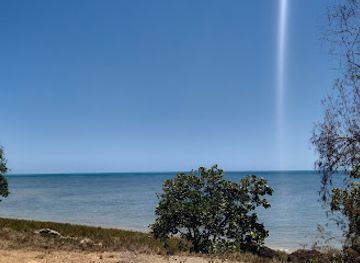
Discover the serene beauty of Bobby Beach in New Caledonia, an ideal destination for relaxation, swimming, and breathtaking sunsets.
-
Baie des Sapins beach
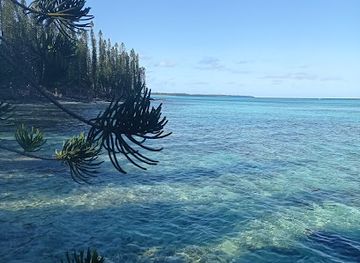
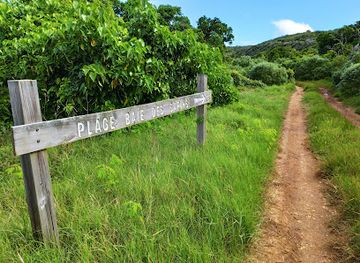
Explore the tranquil beauty of Baie des Sapins beach, a hidden gem in New Caledonia, perfect for relaxation, swimming, and unforgettable sunsets.
Best landmarks in Poya
Poya’s most recognisable landmarks are tied to geography and industry rather than monumental urban architecture. The settlement of Poya serves as the commune’s inland administrative reference point, while Népoui is distinguished by its coastal position and the infrastructure associated with nickel extraction. The mineral hills and altered red-earth slopes around the mining landscape are visually significant reminders of New Caledonia’s geological wealth, although active industrial areas are restricted and should not be entered. The broad west-coast road corridor is another defining feature, linking rural country, settlements and distant views across the dry side of Grande Terre. Dry forest, open pasture and coastal horizons form a changing natural landmark system rather than a single celebrated viewpoint. In cultural terms, the most important places may be customary or community sites whose significance is not marked for general tourism. Their value should be respected without seeking access or photography when permission has not been given. Poya’s landmarks are therefore best understood through the relationship between land, settlement, nickel and travel routes.
-
Aquarium
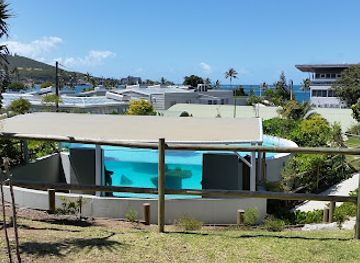
Lagoon Aquarium
Explore the breathtaking marine life of New Caledonia at the Lagoon Aquarium, a top tourist attraction in Nouméa.
-
City park
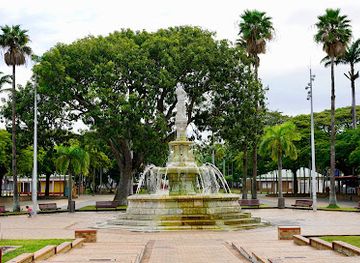
Place des Cocotiers
Discover the tranquil beauty of Place des Cocotiers, a lush city park in Nouméa, where nature and culture intertwine in a vibrant urban oasis.
-
Cultural center
Tjibaou Cultural Centre
Explore the Tjibaou Cultural Centre, where modern architecture meets Kanak heritage, celebrating the vibrant culture of New Caledonia.
-
Tourist attraction
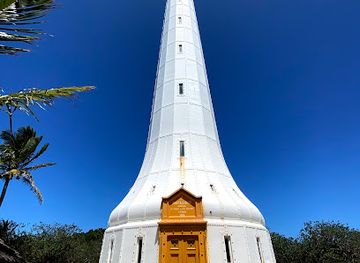
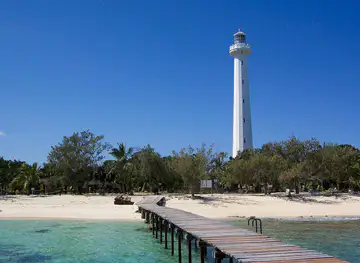
Amédée Lighthouse
Discover the breathtaking Amédée Lighthouse in New Caledonia, a stunning tourist attraction surrounded by turquoise waters and rich marine life.

Explore Poya on the map
Plan your trip on one map. See where the top cities, national parks and sights are, and book hotels and experiences in a few clicks.
Best hotels in Poya
Best restaurants in Poya
Dining in Poya is modest and practical, reflecting the commune’s dispersed settlements and rural economy rather than a concentrated restaurant scene. Visitors are likely to find the greatest choice in established village or roadside businesses, with additional options connected to accommodation and local community activity. Meals may draw on the wider New Caledonian table: rice, grilled meat, chicken, seasonal vegetables, tropical fruit and seafood where locally available. Kanak culinary traditions are broader and more varied than any single dish, and customary meals should be approached as community occasions rather than packaged tourist performances. Fresh fish, shellfish and locally grown produce can appear along the coast, while the west-coast pastoral landscape supports a strong association with beef and rural cooking. Carry supplies for journeys between Poya and Népoui, since distances and opening arrangements can limit spontaneous choices. Larger supermarkets and a wider selection of cafés and restaurants are more readily available in regional centres outside the commune, so food planning is part of travelling comfortably through Poya.
-
Restaurant
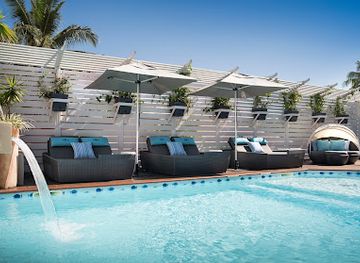
Hôtel Le Lagon
Discover paradise at Hôtel Le Lagon: A beachfront hotel offering exquisite dining and revitalizing spa experiences in Nouméa.
-
Restaurant
Marmite et Tire-Bouchon
Experience authentic New Caledonian cuisine at Marmite et Tire-Bouchon in Nouméa - where flavor meets tradition.
-
Restaurant
Le Roof
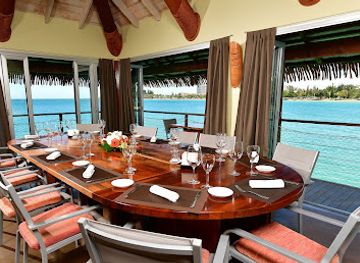
Experience exquisite seafood dining with breathtaking lagoon views at Le Roof in Nouméa, New Caledonia.
-
Restaurant
L'Atelier Gourmand
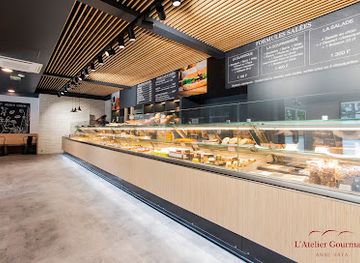
Experience exquisite dining and delightful bakery treats at L'Atelier Gourmand in Nouméa's scenic Anse Vata.

Best bars in Poya
Poya does not have a major nightclub district, and evening life is generally quieter and more locally oriented than in Nouméa. Socialising is centred on places to eat, modest bars, community gatherings and the informal hospitality of rural settlements rather than late-night entertainment. Népoui’s mining and coastal character gives it a different rhythm from Poya village, but neither should be approached as a guaranteed nightlife centre with extensive late-opening venues. Visitors staying in the commune should check arrangements locally, avoid assuming that a small settlement will have evening services, and plan transport before drinking. For a broader choice of cocktails, live music and clubs, Nouméa is the principal destination elsewhere in New Caledonia, not a nightlife extension of Poya. A quiet evening can instead involve a meal, conversation and western-sky views, provided that access is lawful and the coast or countryside is approached safely.
-
Restaurant
Le Roof
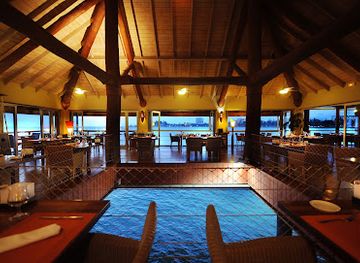
Discover the culinary delight of Le Roof, where stunning waterfront views meet exquisite New Caledonian cuisine in the heart of Nouméa.
-
Bar
MV Lounge
Experience the vibrant nightlife at MV Lounge in Nouméa, where refreshing cocktails and lively music create the perfect ambiance for relaxation.
-
Restaurant
Ô soleil de la Foa
Discover the flavors of New Caledonia at Ô Soleil de la Foa, a restaurant that combines local ingredients with a stunning dining experience.
-
Restaurant
L'Alizee Snack and Bar
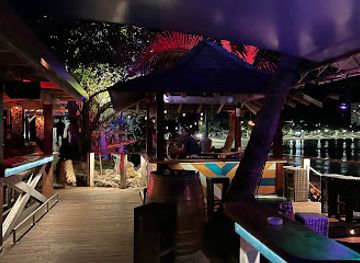
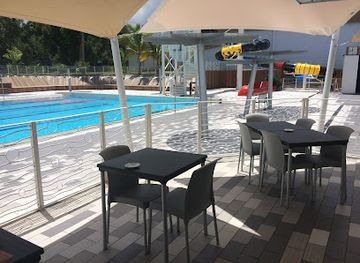
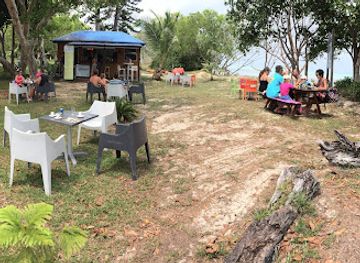
Discover the perfect blend of relaxation and delicious cuisine at L'Alizee Snack and Bar on the beautiful Poe Beach in New Caledonia.
Best nightclubs in Poya
Poya does not have a major nightclub district, and evening life is generally quieter and more locally oriented than in Nouméa. Socialising is centred on places to eat, modest bars, community gatherings and the informal hospitality of rural settlements rather than late-night entertainment. Népoui’s mining and coastal character gives it a different rhythm from Poya village, but neither should be approached as a guaranteed nightlife centre with extensive late-opening venues. Visitors staying in the commune should check arrangements locally, avoid assuming that a small settlement will have evening services, and plan transport before drinking. For a broader choice of cocktails, live music and clubs, Nouméa is the principal destination elsewhere in New Caledonia, not a nightlife extension of Poya. A quiet evening can instead involve a meal, conversation and western-sky views, provided that access is lawful and the coast or countryside is approached safely.
-
Bar
MV Lounge
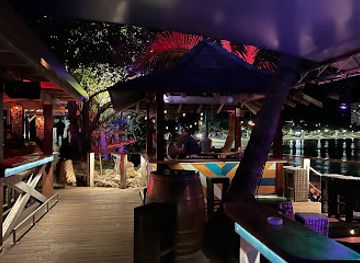
Discover MV Lounge, the ultimate bar experience in Nouméa, offering signature cocktails and a vibrant nightlife by the stunning Baie des Citrons.
-
Bar
L'Etrave
Discover the serene charm of L'Etrave, a beachfront bar in Nouméa offering exquisite drinks and breathtaking ocean views.
-
Bar
Public House Noumea
Discover the vibrant nightlife and stunning views at Public House Noumea, the ultimate bar, lounge, and club experience in New Caledonia.
-
Night club
XO Club
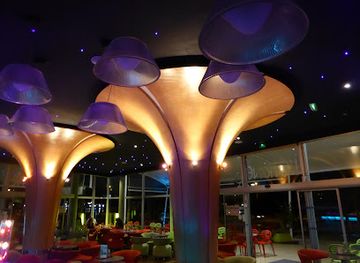
Discover the electrifying atmosphere of XO Club, Nouméa's top nightlife destination, where music, dancing, and fun come together in a tropical paradise.


Best shops in Poya
Shopping in Poya is limited and functional, with small local businesses and essential supplies more important than specialist retail. Visitors may find basic provisions in the main settlements, while locally produced food, seasonal produce or handmade items are most likely to appear through community channels rather than a permanent tourist market. The region’s strongest potential purchases are New Caledonian products available across Grande Terre, including tropical preserves, honey, coffee, locally made crafts and packaged foods, but provenance and availability vary. Ask before photographing or purchasing customary artwork, shells or cultural objects, and buy only through legitimate channels that respect artists and community rights. Travellers making a west-coast road journey should stock up in larger regional centres rather than expect an extensive high street in Poya. The practical shopping experience is part of the commune’s rural character: plan provisions, support local shops where possible and treat locally made goods as cultural products rather than generic souvenirs.
-
City park
Place des Cocotiers
Discover the enchanting Place des Cocotiers, a stunning city park in Nouméa filled with lush greenery, local culture, and serene beauty perfect for relaxation.
-
Market
City Market
Discover the flavors and crafts of New Caledonia at the bustling City Market in Nouméa, where local culture comes alive.
-
 Hotel
HotelHilton Noumea La Promenade Residences
Discover the elegance and comfort of Hilton Noumea La Promenade Residences, your gateway to the stunning beaches and culture of New Caledonia.
-
Marina
Port Moselle Harbour
Experience the vibrant atmosphere and stunning views of Port Moselle Harbour in Nouméa, New Caledonia, a must-visit for travelers seeking culture and adventure.

Get your free copy of our complete guide to Poya, delivered straight to you.
Everything on this page, from attractions and restaurants to essentials and local phrases, in one PDF you can read offline, print or share.
Already have an account? Sign in
Your Poya guide is ready.
We'll send it to · Not you? Sign out

Getting your guide ready…
We are putting together a fresh copy of the Poya guide. This can take up to a minute.
This can take a few moments. If your browser asks, choose Allow so the download can start. You'll find the guide in your Downloads folder.
Nothing happened? Download it again
Sorry, the guide is taking longer than usual. Please try again in a minute, or get it by email instead.
Poya essentials
Currency and Payment
Safety
Emergency Situations
Do's and Don'ts
Local Tips
From Eve
Local phrases worth knowing
You don't need to get them perfect. A few words go a long way, and locals appreciate the effort.
Basics
| English | Local | Say it |
|---|---|---|
| Hello | Bonjour | [bɔnʒuʁ] |
| Goodbye | Au revoir | [o ʁəvwaʁ] |
| Yes | Oui | [wi] |
| No | Non | [nɔ̃] |
| Please/You're welcome | S'il vous plaît | [sil vu plɛ] |
| Thank you | Merci | [mɛʁsi] |
| Excuse me/Sorry | Excusez-moi | [ɛkskyze mwa] |
| How are you? | Comment ça va? | [kɔmɑ̃ sa va] |
| Fine. And you? | Bien. Et vous? | [bjɛ̃ e vu] |
| Do you speak English? | Parlez-vous anglais? | [paʁle vu ɑ̃ɡlɛ] |
| I don't understand | Je ne comprends pas | [ʒə nə kɔ̃pʁɑ̃ pa] |
Eating & Drinking
| English | Local | Say it |
|---|---|---|
| I'd like to see the menu, please | Je voudrais voir le menu, s'il vous plaît | [ʒə vudʁɛ vwaʁ lə məny s'il vu plɛ] |
| I don't eat meat | Je ne mange pas de viande | [ʒə nə mɑ̃ʒ pa də vjɑ̃d] |
| Cheers! | Santé! | [sɑ̃te] |
| I would like to pay, please | Je voudrais payer, s'il vous plaît | [ʒə vudʁɛ peje s'il vu plɛ] |
Emergencies
| English | Local | Say it |
|---|---|---|
| Help! | Au secours! | [o səkuʁ] |
| Go away! | Allez-vous-en! | [ale vu zɑ̃] |
| Call the Police! | Appelez la police! | [aple la pɔlis] |
| Call a doctor! | Appelez un médecin! | [aple ɛ̃ mɛdɛsɛ̃] |
| I'm lost | Je suis perdu | [ʒə sɥi pɛʁdy] |
| I'm ill | Je suis malade | [ʒə sɥi malad] |
Shopping
| English | Local | Say it |
|---|---|---|
| I'd like to buy... | Je voudrais acheter... | [ʒə vudʁɛ aʃte] |
| I'm just looking | Je regarde juste | [ʒə ʁəɡaʁd ʒyst] |
| How much is it? | Combien ça coûte? | [kɔ̃bjɛ̃ sa kut] |
| That's too expensive | C'est trop cher | [sɛ tʁo ʃɛʁ] |
| Can you lower the price? | Pouvez-vous baisser le prix? | [puve vu besɛ le pʁi] |
Time & Numbers
| English | Local | Say it |
|---|---|---|
| What time is it? | Quelle heure est-il? | [kɛl œʁ ɛ t'il] |
| It's one o'clock | Il est une heure | [il ɛ yn œʁ] |
| Half past (10) | Dix heures et demie | [di zœʁ e dəmi] |
| Morning | Matin | [matɛ̃] |
| Afternoon | Après-midi | [apʁɛ midi] |
| Evening | Soir | [swaʁ] |
| Yesterday | Hier | [jɛʁ] |
| Today | Aujourd'hui | [oʒuʁdʋi] |
| Tomorrow | Demain | [dəmɛ̃] |
| 1 | Un | [œ̃] |
| 2 | Deux | [dø] |
| 3 | Trois | [tʁwa] |
| 4 | Quatre | [katʁ] |
| 5 | Cinq | [sɛ̃k] |
| 6 | Six | [sis] |
| 7 | Sept | [sɛt] |
| 8 | Huit | [ɥit] |
| 9 | Neuf | [nœf] |
| 10 | Dix | [di] |
Transport & Directions
| English | Local | Say it |
|---|---|---|
| Where's a/the...? | Où est un/le...? | [u ɛ ɛ̃ lə] |
| What's the address? | Quelle est l'adresse? | [kɛl ɛ l'adrɛs] |
| Can you show me (on the map)? | Pouvez-vous me montrer (sur la carte)? | [puve vu mə mɔ̃tʁe syʁ la kaʁt] |
| When's the next (bus)? | Quand est le prochain (bus)? | [kɑ̃ ɛ lə pʁɔʃɛ̃] |
| A ticket (to ....) | Un billet (pour ....) | [ɛ̃ bijɛ (puʁ)] |
History of Poya
Kanak Settlement and Customary Land
Poya’s history begins with the long presence of Kanak communities in the valleys, coastal areas and uplands of Grande Terre. Social relationships, customary authority and connections to particular lands shaped movement, exchange and settlement well before European administration. These traditions remain important to the region’s identity, even where modern roads, farms and mining infrastructure have altered the visible landscape. Travellers should understand that land in New Caledonia may have customary significance and that access can depend on local permission rather than simply on the absence of a fence or sign.
Nineteenth-Century Colonial Expansion
French colonial expansion during the nineteenth century brought new administrative structures, Christian missions, settlers and commercial activity to the west coast. Poya developed within this wider transformation of Grande Terre, as colonial land policies and settlement changed patterns of occupation and placed pressure on Kanak communities. The resulting history was not a simple replacement of one society by another: contemporary Poya reflects the continuing interaction of customary life, rural settlement and state administration. Much of this past is embedded in land ownership, community memory and the distribution of villages rather than in monumental architecture.
The Rise of Nickel Mining
Nickel prospecting and extraction became one of Poya’s defining economic forces from the late nineteenth century onwards. The mineral-rich uplands of New Caledonia attracted companies, workers and transport investment, while mines and associated infrastructure altered remote landscapes. Around Népoui, mining helped create a durable industrial presence and connected the commune to the territory’s wider export economy. Nickel brought employment and public revenue, but it also left difficult questions about erosion, water, habitat disturbance and the long-term restoration of worked land.
Rural Farming and West-Coast Development
Alongside mining, Poya became part of the west coast’s pastoral and agricultural economy. Drier conditions than on the eastern side of Grande Terre favoured cattle grazing and shaped the appearance of broad open country interspersed with dry forest and hills. Roads linking the settlements to neighbouring communes strengthened the movement of people, livestock, supplies and ore. This combination of ranching, small-scale rural activity and industrial employment explains why Poya has never been defined solely by its village centre: its history is distributed across a large territory with different economic landscapes.
The Provincial Reorganisation of New Caledonia
The political reforms associated with the Matignon and Nouméa agreements led to the creation of New Caledonia’s three provincial institutions in the late twentieth century. Poya is notable because its municipal territory crosses the boundary between the North and South Provinces, a reminder that commune, province and customary-area boundaries do not always coincide. This arrangement gives the region an administratively distinctive character and places it within the broader history of New Caledonia’s effort to balance French republican institutions, Kanak recognition and territorial self-government.
Contemporary Nickel and Environmental Debate
Today, nickel remains central to Poya’s economy and public identity, particularly around Népoui, but mining is considered alongside environmental protection, customary rights and economic diversification. The commune’s hills, waterways and coastal areas show how industrial activity and fragile island ecosystems exist in close proximity. Contemporary Poya therefore belongs to two histories at once: the long history of Kanak relationships with land and the modern history of a territory whose prosperity has been closely tied to mineral extraction. These tensions are part of the context behind the region’s present-day landscapes.
Poya in Photos
Browse through our photo collection highlighting the charm and character of the destination.
Neighbouring regions of Poya
The closest regions to Poya, if you have time for more than one.
-
-

-

-

-


Swipe for more regions
Explore more
Explore more of New Caledonia
Discover New Caledonia, a captivating blend of French elegance and Pacific beauty, offering pristine beaches, vibrant culture, and unparalleled natural wonders.
Explore New Caledonia