

Free Poindimié Travel Guide & Mobile App
Explore Poindimié with free travel guides. Discover regional history, expert tips, proposed trips, and audio guides on web or mobile app.


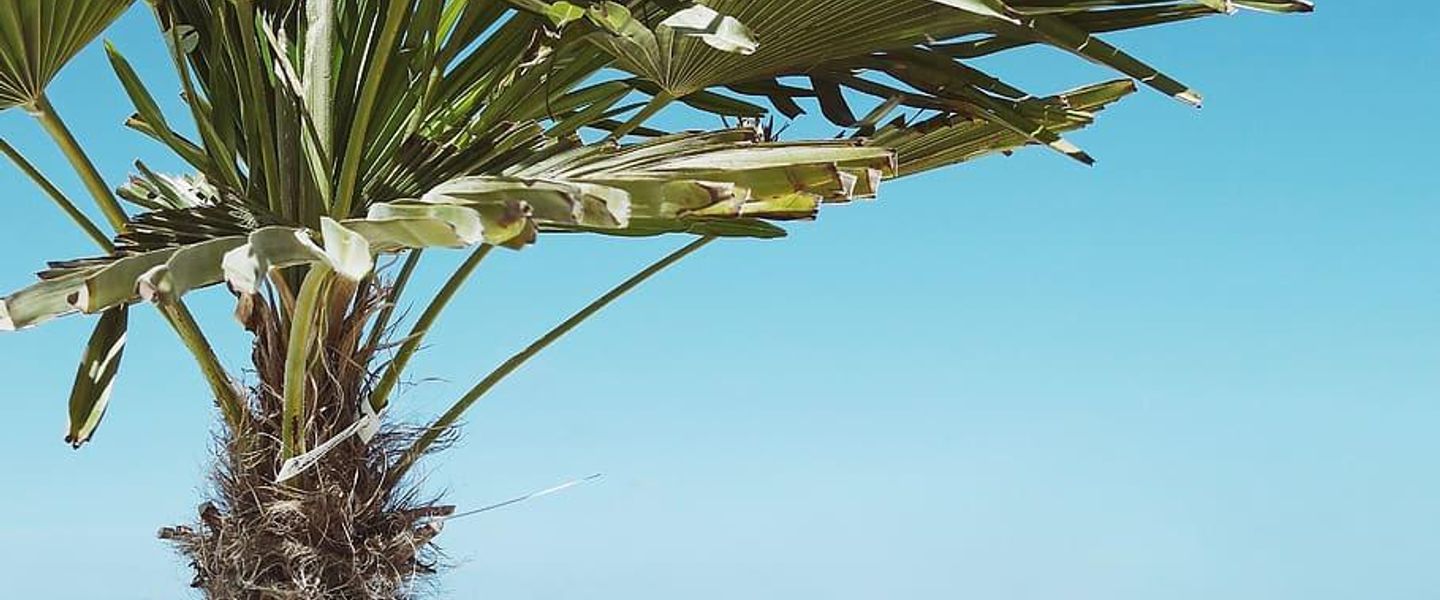
Poindimié pairs New Caledonia's Paicî culture with reef-fringed beaches, forested valleys, tropical produce and a quieter east-coast journey.
Read more about Poindimié
When is the best time to visit Poindimié?
Best: June–July, September · 23–25°C| Month | High (°C) | Rainfall (mm) |
|---|---|---|
| January | 30 | 150 |
| February | 30 | 170 |
| March | 30 | 160 |
| April | 28 | 140 |
| May | 26 | 130 |
| June (best) | 24 | 120 |
| July (best) | 23 | 110 |
| August | 24 | 120 |
| September (best) | 25 | 130 |
| October | 26 | 140 |
| November | 28 | 150 |
| December | 29 | 160 |
Getting to and around Poindimié
How to get there
Transportation
Best attractions in Poindimié
Poindimié's attractions are spread across coast, lagoon, forest and valley rather than concentrated in a single historic centre. The beaches around the east-coast settlements provide a setting for swimming, paddling and quiet shoreline walks, while reef and lagoon excursions offer opportunities to see coral environments when sea conditions permit. Inland roads lead into lush valleys where streams, waterfalls, gardens and forest edges create a cooler contrast to the coast. Walking and guided nature outings are especially rewarding when arranged with local knowledge, since access and conditions can change with rain. The town and surrounding villages also provide an introduction to everyday life in the Paicî cultural area, through community-led activities, local produce and conversations arranged respectfully. Poindimié is not a destination built around large museums or a dense collection of monumental architecture; its appeal lies in the relationship between customary country, tropical landscape and the Pacific shore. Visitors interested in New Caledonia's wider natural heritage can use the commune as an east-coast base, while remembering that major attractions elsewhere on Grande Terre require long journeys rather than short day trips.
-
Diving center
Aqualagoon Poindimié
Explore Aqualagoon Poindimié, a paradise for divers in New Caledonia, where vibrant coral reefs and diverse marine life await your discovery.
-
Dive club
Tieti Diving
Experience breathtaking underwater adventures at Tieti Diving in New Caledonia, where vibrant marine life and stunning coral reefs await.
-
Tourist attraction
Îlot Tibarama
Explore the mesmerizing beauty of Îlot Tibarama, a serene island paradise in New Caledonia, perfect for relaxation and vibrant marine adventures.


Best landmarks in Poindimié
Poindimié's most significant landmarks are principally geographical and cultural rather than monumental. The east-coast lagoon and its reef-fringed shoreline form the commune's defining natural setting, contrasting with the steep, forested foothills of Grande Terre's central range. Beaches around the coastal settlements provide recognisable points of orientation, while the valleys and river corridors show how closely local communities remain connected to cultivated and customary country. The town's churches, civic buildings and dispersed village settlements are modest in scale, but they help explain the meeting of French administrative history and Kanak social life. Inland viewpoints, waterfalls and forested ridges become landmarks through their relationship to the coast: from elevated roads, the transition from mountain slope to lagoon is often the clearest expression of Poindimié's geography. These places should not be treated as empty scenery; many lie near lived-in communities or customary land, so visitors should follow signs, request permission where appropriate and avoid entering private areas. The commune's character is found in this layered landscape rather than in a single castle, cathedral or monumental structure.
-
Aquarium
Lagoon Aquarium
Discover the vibrant marine life of New Caledonia at the Lagoon Aquarium, a captivating attraction for all ages in Nouméa.
-
City park
Place des Cocotiers
Explore the serene beauty of Place des Cocotiers, the heart of Nouméa, where lush gardens and vibrant culture meet in a tranquil city park.
-
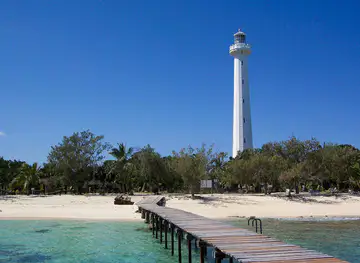
Tourist attraction
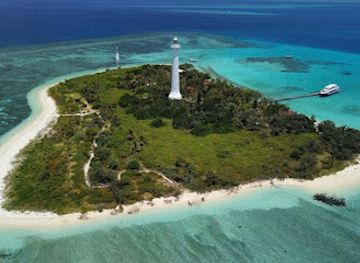
Amédée Lighthouse
Experience the breathtaking views and rich history of Amédée Lighthouse, an iconic landmark on New Caledonia's stunning coral reefs.
-
 Resort hotel
Hotel Tieti
Experience unparalleled luxury and stunning natural beauty at Hotel Tieti, your perfect coastal retreat in Poindimie, New Caledonia.


Explore Poindimié on the map
Plan your trip on one map. See where the top cities, national parks and sights are, and book hotels and experiences in a few clicks.
Best hotels in Poindimié
Best restaurants in Poindimié
Dining in Poindimié is shaped by its small-town scale and rural setting. Local cooking draws on New Caledonia's Kanak, French and wider Pacific influences, with root vegetables such as yam and taro, banana, coconut, seasonal fruit, fresh fish and other seafood appearing alongside rice, salads, baguettes and French-style pastries. Hotels, cafés, family-run eateries and community events provide the main opportunities to eat out, while accommodation kitchens or self-catering options can be useful when travelling into the valleys. Fresh produce may be available through local growers or small markets, though supply and opening arrangements vary. Ask about locally sourced ingredients rather than assuming every menu item is produced nearby. Meals are usually more informal and limited in choice than in Nouméa, and advance planning is sensible outside the town. Visitors should also carry water and snacks for excursions, as rural food outlets are widely spaced.
-
Restaurant
Snack Le Broussard
Discover the flavors of New Caledonia at Snack Le Broussard - where every bite tells a story.
-
Pizza
Koyaboa Pizza
Experience delicious pizzas at Koyaboa Pizza in Poindimie, where local flavors meet culinary passion amidst stunning New Caledonian scenery.
-
Restaurant
SNACK NAAOUTEA
Experience authentic New Caledonian flavors at Snack Naaoutea – a delightful culinary gem in Poindimié.
-
Family-friendly
Chez MY
Experience authentic New Caledonian cuisine at Chez MY – a family-friendly restaurant in beautiful Napwetamwa.


Best bars in Poindimié
Poindimié does not have a large nightclub scene. Evening life is centred on hotel dining rooms, small cafés, local gatherings and relaxed drinks rather than a concentrated entertainment district. Some accommodation venues may provide a bar or restaurant, while community celebrations and cultural events can bring music and social activity to particular places at particular times; these should be treated as local occasions rather than permanent nightlife attractions. The east coast becomes quiet after dark, and visitors staying outside the town should arrange transport in advance rather than expecting plentiful taxis or late public services. A respectful evening may involve a meal, conversation, music or an early start for the coast and forest the following day. Check current arrangements locally, since hospitality services in a small regional commune can be seasonal or change without the extensive online presence found in Nouméa.
-
Resort hotel
Hotel Tieti
Discover tranquility and luxury at Hotel Tieti, a stunning resort hotel in Poindimie, New Caledonia, featuring breathtaking views and exceptional service.
-
Bar
MV Lounge
Discover MV Lounge in Nouméa, where local flavors meet vibrant nightlife in a stunning bay-side setting.
-
Wine bar
Chai de l'Hippodrome
Discover the best wines and delightful cuisine at Chai de l'Hippodrome, a must-visit wine bar in Nouméa, New Caledonia.
-
Family-friendly
Le Jardin De Poé
Delight in the flavors of New Caledonia at Le Jardin De Poé, a family-friendly restaurant offering a serene dining experience amidst lush surroundings.


Best nightclubs in Poindimié
Poindimié does not have a large nightclub scene. Evening life is centred on hotel dining rooms, small cafés, local gatherings and relaxed drinks rather than a concentrated entertainment district. Some accommodation venues may provide a bar or restaurant, while community celebrations and cultural events can bring music and social activity to particular places at particular times; these should be treated as local occasions rather than permanent nightlife attractions. The east coast becomes quiet after dark, and visitors staying outside the town should arrange transport in advance rather than expecting plentiful taxis or late public services. A respectful evening may involve a meal, conversation, music or an early start for the coast and forest the following day. Check current arrangements locally, since hospitality services in a small regional commune can be seasonal or change without the extensive online presence found in Nouméa.
-
Resort hotel
Hotel Tieti
Experience luxury and tranquility at Hotel Tieti, a stunning resort hotel in Poindimie, New Caledonia, ideal for relaxation and exploration.
-
Bar
MV Lounge
Experience the lively ambiance of MV Lounge, a top bar in Nouméa with great drinks and stunning bay views, perfect for a night out.
-
Dive club
Tieti Diving
Discover the underwater wonders of New Caledonia with Tieti Diving – an unforgettable experience awaits in the Coral Sea.
-
Restaurant
Snack Le Broussard
Experience the vibrant flavors of New Caledonia at Snack Le Broussard, a local favorite in Poindimie, perfect for travelers seeking authentic cuisine.


Best shops in Poindimié
Shopping in Poindimié is practical and local rather than centred on large retail complexes. The town's shops and supermarkets are useful for food, drinks, fuel-related supplies and basic travel needs, while small stalls, community events and local producers may offer seasonal fruit, vegetables or prepared foods. Visitors may find Kanak crafts, woven items, carvings or locally made products through recognised cultural organisations and community-based sellers; provenance and respectful purchasing matter, particularly where designs or materials have customary significance. French and Pacific food influences appear in everyday groceries, and regional produce makes a more useful souvenir than generic imported merchandise. Retail choice becomes limited outside the town, so buy essentials before travelling into the valleys or along less populated stretches of coast. For a wider selection of galleries, specialist crafts, fashion and department-store shopping, visitors generally need to travel to Nouméa or another larger centre outside Poindimié.
-
Diving center
Aqualagoon Poindimié
Experience the vibrant marine life and stunning underwater landscapes at Aqualagoon Poindimié, New Caledonia's premier diving center.
-
Dive club
Tieti Diving
Explore the breathtaking underwater world at Tieti Diving in New Caledonia, where adventure and marine beauty await every visitor.
-
Supermarket
Poindimie Discount
Explore local flavors and essentials at Poindimie Discount, your friendly supermarket in New Caledonia, perfect for tourists and locals alike.
-
Gift basket store
Les Arts du Pacifique - Anse Vata
Explore the craftsmanship of New Caledonia at Les Arts du Pacifique, where unique gifts and local artistry come together in Anse Vata.


Get your free copy of our complete guide to Poindimié, delivered straight to you.
Everything on this page, from attractions and restaurants to essentials and local phrases, in one PDF you can read offline, print or share.
Already have an account? Sign in
Your Poindimié guide is ready.
We'll send it to · Not you? Sign out

Getting your guide ready…
We are putting together a fresh copy of the Poindimié guide. This can take up to a minute.
This can take a few moments. If your browser asks, choose Allow so the download can start. You'll find the guide in your Downloads folder.
Nothing happened? Download it again
Sorry, the guide is taking longer than usual. Please try again in a minute, or get it by email instead.
Poindimié essentials
Currency and Payment
Safety
Emergency Situations
Do's and Don'ts
Local Tips
From Eve
Local phrases worth knowing
You don't need to get them perfect. A few words go a long way, and locals appreciate the effort.
Basics
| English | Local | Say it |
|---|---|---|
| Hello | Nia | [nee-ah] |
| Goodbye | Nia to | [nee-ah toh] |
| Yes | Oui | [wee] |
| No | Nia | [nee-ah] |
| Please/You’re welcome | S'il vous plaît | [seel voo pleh] |
| Thank you | Merci | [mehr-see] |
| Excuse me/Sorry | Pardon | [par-dohn] |
| How are you? | Comment ça va? | [koh-mohn sah vah] |
| Fine. And you? | Bien. Et toi? | [byehn eh twah] |
| Do you speak English? | Parles-tu anglais? | [parl tuh ahn-glay] |
| I don't understand | Je ne comprends pas | [zhuh nuh kom-prahn pah] |
Eating & Drinking
| English | Local | Say it |
|---|---|---|
| I’d like to see the menu, please | Je voudrais voir le menu, s'il vous plaît | [zhuh voo-dray vwah le meh-nu seel voo pleh] |
| I don’t eat meat | Je ne mange pas de viande | [zhuh nuh mahnj pah duh vyahnd] |
| Cheers! | Santé! | [sahn-tay] |
| I would like to pay, please | Je voudrais payer, s'il vous plaît | [zhuh voo-dray pay-ay seel voo pleh] |
Emergencies
| English | Local | Say it |
|---|---|---|
| Help! | Au secours! | [oh se-kour] |
| Go away! | Va-t'en! | [vah-tahn] |
| Call the Police! | Appelez la police! | [ah-peh-lay lah poh-lees] |
| Call a doctor! | Appelez un médecin! | [ah-peh-lay uhn meh-deh-sin] |
| I’m lost | Je suis perdu | [zhuh swee pair-doo] |
| I’m ill | Je suis malade | [zhuh swee mah-lahd] |
Shopping
| English | Local | Say it |
|---|---|---|
| I’d like to buy... | Je voudrais acheter... | [zhuh voo-dray ah-sheh-tay] |
| I’m just looking | Je regarde juste | [zhuh reh-gard zhoost] |
| How much is it? | C'est combien? | [say kohm-byen] |
| That’s too expensive | C'est trop cher | [say troh shair] |
| Can you lower the price? | Pouvez-vous baisser le prix? | [poo-vay voo beh-say le pree] |
Time & Numbers
| English | Local | Say it |
|---|---|---|
| What time is it? | Quelle heure est-il? | [kel uhr eh-teel] |
| It’s one o’clock | Il est une heure | [eel eh oon uhr] |
| Half past (10) | Dix heures et demie | [dees uhr eh deh-mee] |
| Morning | Matin | [mah-tan] |
| Afternoon | Après-midi | [ah-preh-mee-dee] |
| Evening | Soir | [swahr] |
| Yesterday | Hier | [ee-ehr] |
| Today | Aujourd'hui | [oh-zhoor-dwee] |
| Tomorrow | Demain | [deh-mahn] |
| 1 | Un | [uhn] |
| 2 | Deux | [duh] |
| 3 | Trois | [trwah] |
| 4 | Quatre | [katr] |
| 5 | Cinq | [sank] |
| 6 | Six | [sees] |
| 7 | Sept | [set] |
| 8 | Huit | [weet] |
| 9 | Neuf | [nurf] |
| 10 | Dix | [dees] |
Transport & Directions
| English | Local | Say it |
|---|---|---|
| Where's a/the...? | Où est le/la...? | [oo eh luh/lah] |
| What’s the address? | Quelle est l'adresse? | [kel eh la-dress] |
| Can you show me (on the map)? | Pouvez-vous me montrer (sur la carte)? | [poo-vay voo muh mon-tray (sur lah kart)] |
| When's the next (bus)? | Quand est le prochain (bus)? | [kahn eh luh pro-shan (bus)] |
| A ticket (to ....) | Un billet (pour....) | [uhn bee-yay (poor....)] |
History of Poindimié
Kanak settlement and Paicî country
Long before European contact, the Poindimié area was inhabited by Kanak communities whose social, spiritual and economic life was connected to clans, gardens, rivers, forests and the lagoon. Poindimié lies within the wider Paicî cultural and linguistic area of Grande Terre. Traditional cultivation included crops such as yam, taro and banana, while fishing and the use of forest resources complemented gardening. Customary relationships remain important today, and the contemporary landscape cannot be understood solely through its French administrative boundaries.
European contact and the French annexation of 1853
European ships had visited New Caledonian waters before France formally annexed Grande Terre in 1853. French control brought new administrative, religious and commercial structures to the east coast, alongside pressures on Kanak land, authority and movement. Catholic and Protestant missions became influential in different parts of the island, and coastal settlements developed within a colonial system that placed Indigenous communities at a profound disadvantage. The legacy of this period remains visible in the region's churches, place names, land patterns and continuing debates about customary authority.
Colonial administration, missions and customary change
During the late nineteenth and early twentieth centuries, French colonial administration reorganised Kanak life through reserves, taxation, labour demands and official customary structures. Mission activity introduced Christianity and new forms of education, while local communities adapted, negotiated and sometimes resisted external authority. In Poindimié and the surrounding east coast, the result was not the disappearance of Kanak society but its transformation under severe constraints. Contemporary cultural practice, language use and customary land relationships carry elements of both continuity and adaptation from this period.
The 1878 uprising and its regional repercussions
The major Kanak uprising of 1878, associated especially with Chief Ataï in the central-western part of Grande Terre, reflected widespread resentment over land loss, colonial rule and settler expansion. Its principal fighting did not centre on Poindimié, but the conflict affected the colony as a whole and contributed to tighter controls over Indigenous communities across the island. The eastern side of Grande Terre, including areas that now form part of the North Province, shared the broader political and social consequences of this violent phase of colonisation.
Nickel and the transformation of Grande Terre
Nickel mining became central to New Caledonia's economy from the late nineteenth century onwards. The largest mining landscapes are concentrated in particular parts of Grande Terre, but the industry influenced the entire territory through employment, infrastructure, migration and public finance. Poindimié is better known for its coastal and rural setting than for a major urban mining landscape, yet the commune participates in an island economy shaped by nickel and by the environmental questions surrounding extraction. Roads, services and employment patterns have all been affected by this wider history.
From political conflict to provincial institutions
Tensions over independence, land, political representation and the future status of New Caledonia intensified during the 1980s, producing serious conflict across the territory. The Matignon Agreements of 1988 and the subsequent Nouméa Accord of 1998 established processes of political rebalancing, economic development and greater recognition of Kanak identity. Poindimié is administered within the North Province, one of the institutions created in this period. Its modern identity therefore reflects both local customary life and New Caledonia's ongoing constitutional and political transition within the French Republic.
Poindimié in Photos
Browse through our photo collection highlighting the charm and character of the destination.
Neighbouring regions of Poindimié
The closest regions to Poindimié, if you have time for more than one.
-

-

-
-

-


Swipe for more regions
Explore more
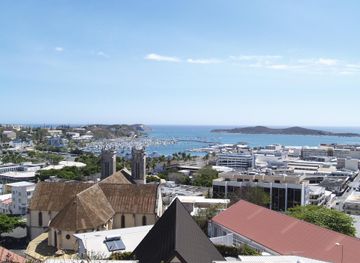
Explore more of New Caledonia
Discover New Caledonia, a captivating blend of French elegance and Pacific beauty, offering pristine beaches, vibrant culture, and unparalleled natural wonders.
Explore New Caledonia