

Free Great North Woods Travel Guide & Mobile App
Explore Great North Woods with free travel guides. Discover regional history, expert tips, proposed trips, and audio guides on web or mobile app.


Explore New Hampshire’s Great North Woods for remote lakes, moose country, logging heritage, scenic drives and four-season outdoor adventures.
Read more about Great North Woods
When is the best time to visit Great North Woods?
Best: June–August · 22–24°C| Month | High (°C) | Rainfall (mm) |
|---|---|---|
| January | -3 | 70 |
| February | -1 | 65 |
| March | 4 | 75 |
| April | 10 | 80 |
| May | 17 | 85 |
| June (best) | 22 | 90 |
| July (best) | 24 | 95 |
| August (best) | 23 | 90 |
| September | 19 | 85 |
| October | 14 | 80 |
| November | 8 | 75 |
| December | 1 | 70 |
Getting to and around Great North Woods
How to get there
Transportation
Destinations in Great North Woods
Resorts, valleys and scenic spots worth a trip of their own.
-

-

-

-

-


Swipe for more destinations
Best attractions in Great North Woods
The Great North Woods is an outdoor region first, with attractions spread across a large, lightly populated landscape. Around Pittsburg, the Connecticut Lakes and Lake Francis provide a setting for paddling, fishing, boating, wildlife watching and scenic drives towards the Canadian border. Umbagog National Wildlife Refuge, reached from the Errol area, protects wetlands, islands and forest habitat important to loons, waterfowl and other wildlife. The Androscoggin River corridor offers opportunities for water-based recreation and links the communities of Errol, Gorham and Berlin. Dixville Notch adds a more dramatic mountain setting, with trails, viewpoints and the historic Balsams complex. In Berlin, local museums and heritage sites interpret logging, paper manufacture, railways and the lives of the workers who built the industrial north. Small-town galleries, historical societies and seasonal outdoor bases provide a useful cultural counterpoint to the region’s lakes and forests. Activities change with the weather: summer favours boating, hiking and fishing, autumn brings foliage drives and wildlife observation, and winter supports snowmobiling, snowshoeing and Nordic-style outdoor pursuits where conditions and access permit.
-
State park
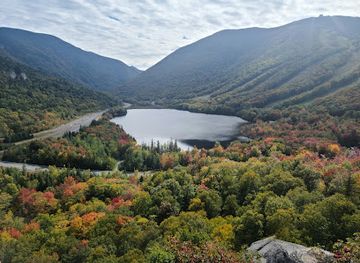
Franconia Notch State Park
Explore the breathtaking landscapes and outdoor adventures at Franconia Notch State Park, a natural gem in New Hampshire's White Mountains.
-
Park
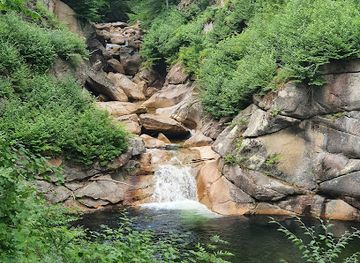
Flume Gorge
Explore Flume Gorge, a stunning natural park in New Hampshire, featuring breathtaking landscapes, hiking trails, and rich geological history.
-
Tourist attraction
The Mount Washington Cog Railway
Experience the historic Mount Washington Cog Railway, a breathtaking journey to the Northeast's highest peak with stunning views and rich history.
-
Tourist attraction
Conway Scenic Railroad
Explore the stunning landscapes of New Hampshire aboard vintage trains at the Conway Scenic Railroad, a historic journey through beautiful scenery.


Best landmarks in Great North Woods
-
National forest
White Mountain National Forest
Experience the majestic landscapes and diverse outdoor activities at White Mountain National Forest, a must-visit destination in New Hampshire for nature lovers.
-
State park
Franconia Notch State Park
Experience the breathtaking beauty of Franconia Notch State Park, an outdoor paradise in New Hampshire's White Mountains, perfect for hiking and exploring.
-
Park
Flume Gorge
Experience the breathtaking beauty of Flume Gorge in New Hampshire, a stunning park filled with towering granite walls and cascading waterfalls.
-
Tourist attraction
The Mount Washington Cog Railway
Discover breathtaking views and rich history aboard the Mount Washington Cog Railway, the world's first mountain-climbing cog railway.


Explore Great North Woods on the map
Plan your trip on one map. See where the top cities, national parks and sights are, and book hotels and experiences in a few clicks.
Best hotels in Great North Woods
Best restaurants in Great North Woods
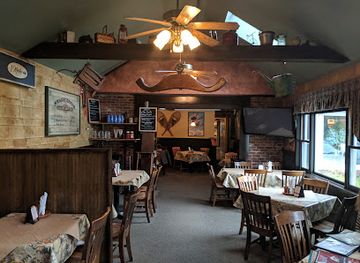
Dining in the Great North Woods reflects its working rural communities and outdoor culture rather than a concentrated restaurant scene. Berlin, Gorham, Colebrook, Lancaster, Errol and Pittsburg provide the broadest choice, while roadside diners, cafés, general stores, pubs and seasonal establishments serve visitors travelling between lakes and trailheads. Menus commonly draw on wider New England traditions, including hearty breakfasts, soups, sandwiches, baked goods, burgers, fried seafood and maple products, with locally sourced ingredients varying by season and supplier. Freshwater fishing is important to the region’s recreational identity, although visitors should distinguish between locally caught fish and food simply described as New England style. Farmers’ markets and farm stands can offer eggs, vegetables, preserves, baked goods and maple syrup during the warmer months. Remote camps and cabin areas require more planning: shop in the larger towns, check kitchen facilities and do not assume that a late meal or takeaway service will be available far from the main roads.
-
Restaurant
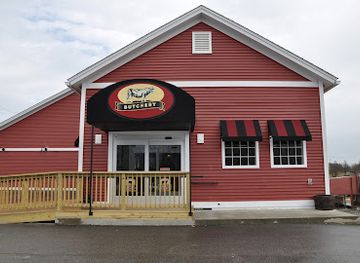
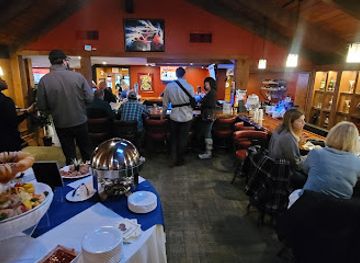
Tuckaway Tavern and Butchery
Discover the vibrant flavors of Tuckaway Tavern and Butchery - where exceptional food meets craft beverages in a cozy setting.
-
Traditional American
Hart's Turkey Farm Restaurant
Experience the warmth of traditional American dining at Hart's Turkey Farm Restaurant in Meredith, NH—home to delicious comfort food and charming ambiance.
-
American
Copper Door
Experience exceptional American cuisine at Copper Door in Bedford, NH – where innovative dishes meet warm hospitality.
-
Grill
Delaney's Hole In the Wall
Experience delightful American grill cuisine at Delaney's Hole In the Wall in scenic North Conway; where comfort food meets warm hospitality.

Best bars in Great North Woods
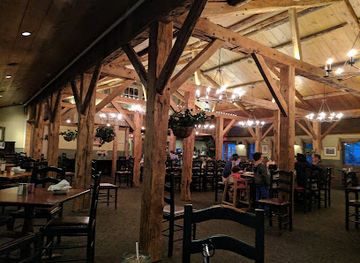
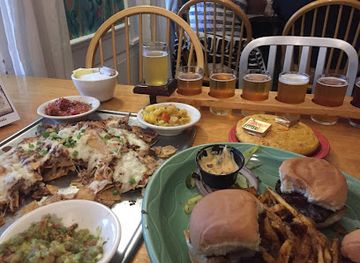
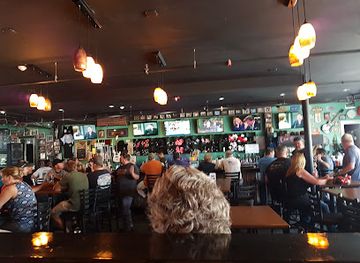
Evening life in the Great North Woods is centred on traditional pubs, taverns, restaurants, cafés and lodge-based social spaces rather than a major nightclub circuit. Berlin and Gorham offer the widest choice of places to eat, meet and hear occasional live music, while Colebrook, Pittsburg, Errol and Lancaster have smaller, community-oriented scenes. In snowmobile season, establishments may become informal gathering points for riders, but opening patterns can be seasonal and should not be assumed. Craft beer and spirits from New Hampshire are available in some venues, alongside familiar American drinks, yet the region’s evening appeal is more often conversation, local food, music and dark-sky calm than late-night entertainment. Visitors staying in remote cabins should plan transport in advance and avoid driving after drinking, since distances are long and roadside services are limited.
-
American
Muddy Moose Restaurant & Pub
Experience the best of American cuisine and a cozy pub atmosphere at Muddy Moose Restaurant & Pub in beautiful North Conway.
-
 Restaurant
Woodstock Inn Brewery
Experience the best of New Hampshire at Woodstock Inn Brewery, where craft beer, local cuisine, and scenic beauty come together.
-
Grill
Red Fox Bar and Grille
Discover the delightful offerings and family-friendly atmosphere at Red Fox Bar and Grille in Jackson, NH, perfect for any dining occasion.
-
Brewpub
Moat Mountain Smokehouse & Brewing Co.
Experience the best of craft beer and smokehouse cuisine at Moat Mountain Smokehouse & Brewing Co. in North Conway, NH, where flavor meets scenic beauty.

Best nightclubs in Great North Woods
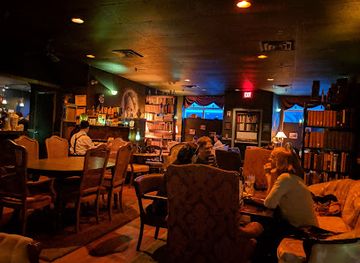
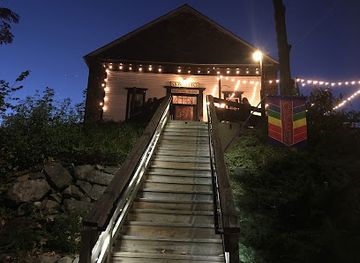
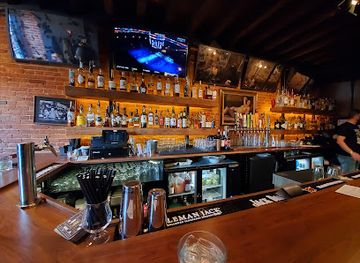
Evening life in the Great North Woods is centred on traditional pubs, taverns, restaurants, cafés and lodge-based social spaces rather than a major nightclub circuit. Berlin and Gorham offer the widest choice of places to eat, meet and hear occasional live music, while Colebrook, Pittsburg, Errol and Lancaster have smaller, community-oriented scenes. In snowmobile season, establishments may become informal gathering points for riders, but opening patterns can be seasonal and should not be assumed. Craft beer and spirits from New Hampshire are available in some venues, alongside familiar American drinks, yet the region’s evening appeal is more often conversation, local food, music and dark-sky calm than late-night entertainment. Visitors staying in remote cabins should plan transport in advance and avoid driving after drinking, since distances are long and roadside services are limited.
-
Bar
CodeX B.A.R.
Experience the vibrant nightlife of Nashua at CodeX B.A.R., where craft cocktails meet a quirky atmosphere for an unforgettable evening.
-
Restaurant
Tower Hill Tavern
Experience vibrant dining and thrilling entertainment at Tower Hill Tavern in Laconia, NH, where delicious food meets live music and joyous celebrations.
-
Night club
The Stone Church Music Club
Experience the vibrant music scene at The Stone Church Music Club in Newmarket, NH – a perfect blend of live performances, delicious food, and a lively atmosphere.
-
Night club
The Press Room
Experience the best of Portsmouth's nightlife at The Press Room, a top venue for live music, cocktails, and local brews.
Best shops in Great North Woods
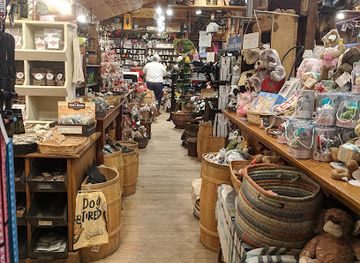
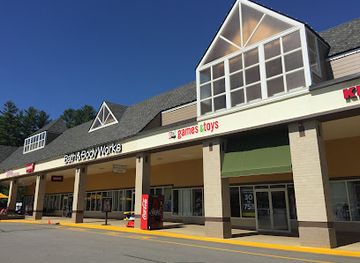
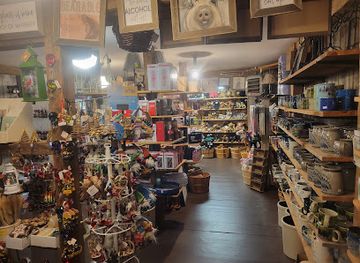
Shopping in the Great North Woods is practical and locally oriented, with the strongest concentrations in Berlin, Gorham, Lancaster, Colebrook and Pittsburg. Independent shops, general stores, outdoor outfitters, bookshops, galleries and small gift stores serve both residents and visitors, while farm stands and seasonal markets offer maple syrup, preserves, baked goods, honey and other New Hampshire products. The region is a useful place to buy supplies for a camping, paddling or snowmobile trip, but it is not a destination for extensive department-store or luxury retail. Crafts, local artwork, photographs, wood products and nature-themed gifts are more characteristic souvenirs than mass-produced merchandise. Historic and cultural institutions may sell books about logging, railways, wildlife and northern New Hampshire, providing more meaningful mementoes of the area. Because villages are widely spaced and some businesses operate seasonally, combine shopping with fuel and food stops rather than assuming that every community will have late-opening services.
-
Gift shop
Zeb's General Store
Explore Zeb's General Store in North Conway for unique gifts, local treats, and a taste of New Hampshire's charm.
-
Outlet mall
Tanger Outlets Tilton
Discover unbeatable deals at Tanger Outlets Tilton, New Hampshire's premier outlet shopping destination with top brands and a fantastic atmosphere.
-
Gift shop
The Old Country Store and Museum
Experience the charm of New Hampshire at The Old Country Store and Museum, where history meets local culture in a delightful shopping experience.
-
Shopping mall
Fort Eddy Plaza
Discover Fort Eddy Plaza: A shopping haven in Concord, NH, featuring diverse retail stores, dining options, and vibrant community events.
Get your free copy of our complete guide to Great North Woods, delivered straight to you.
Everything on this page, from attractions and restaurants to essentials and local phrases, in one PDF you can read offline, print or share.
Already have an account? Sign in
Your Great North Woods guide is ready.
We'll send it to · Not you? Sign out

Getting your guide ready…
We are putting together a fresh copy of the Great North Woods guide. This can take up to a minute.
This can take a few moments. If your browser asks, choose Allow so the download can start. You'll find the guide in your Downloads folder.
Nothing happened? Download it again
Sorry, the guide is taking longer than usual. Please try again in a minute, or get it by email instead.
Great North Woods essentials
Currency and Payment
Safety
Emergency Situations
Do's and Don'ts
Local Tips
From Eve
Local phrases worth knowing
You don't need to get them perfect. A few words go a long way, and locals appreciate the effort.
Basics
| English | Local | Say it |
|---|---|---|
| Hello | Howdy | [/haʊdi/] |
| Goodbye | See ya | [/si jə/] |
| Yes | Yup | [/jʌp/] |
| No | Nah | [/nɑː/] |
| Please/You're welcome | Sure thing | [/ʃʊr θɪŋ/] |
| Thank you | Thanks a bunch | [/θæŋks ə bʌŋtʃ/] |
| Excuse me/Sorry | Pardon me | [/ˈpɑrdən mi/] |
| How are you? | How ya doin'? | [/haʊ jə ˈduɪn/] |
| Fine. And you? | Good. And you? | [/ɡʊd. ənd ju/] |
| Do you speak English? | Ya speakin' English? | [/jə ˈspiːkɪn ˈɪŋɡlɪʃ/] |
| I don't understand | I ain't followin' | [/aɪ eɪnt ˈfɑloʊɪn/] |
Eating & Drinking
| English | Local | Say it |
|---|---|---|
| I'd like to see the menu, please | Can I see the menu? | [/kæn aɪ si ðə ˈmɛnju/] |
| I don't eat meat | I ain't eatin' meat | [/aɪ eɪnt ˈiːtɪn miːt/] |
| Cheers! | Cheers! | [/tʃɪrz/] |
| I would like to pay, please | Can I get the check? | [/kæn aɪ ɡɛt ðə tʃɛk/] |
Emergencies
| English | Local | Say it |
|---|---|---|
| Help! | Help! | [/hɛlp/] |
| Go away! | Get lost! | [/ɡɛt lɔst/] |
| Call the Police! | Call the cops! | [/kɔl ðə kɑps/] |
| Call a doctor! | Get a doctor! | [/ɡɛt ə ˈdɒktər/] |
| I'm lost | I'm turned around | [/aɪm tɜrnd əˈraʊnd/] |
| I'm ill | I ain't feelin' well | [/aɪ eɪnt ˈfiːlɪn wɛl/] |
Shopping
| English | Local | Say it |
|---|---|---|
| I'd like to buy... | I wanna buy... | [/aɪ ˈwɒnə baɪ/] |
| I'm just looking | Just browsin' | [/dʒʌst ˈbraʊzɪn/] |
| How much is it? | What’s the price? | [/wʌt ðə praɪs/] |
| That's too expensive | That's a bit steep | [/ðæts ə bɪt stiːp/] |
| Can you lower the price? | Can ya knock down the price? | [/kæn jə nɒk daʊn ðə praɪs/] |
Time & Numbers
| English | Local | Say it |
|---|---|---|
| What time is it? | What time ya got? | [/wʌt taɪm jə ɡɒt/] |
| It's one o'clock | It's one | [/ɪts wʌn/] |
| Half past (10) | Half past ten | [/hæf pæst tɛn/] |
| Morning | Mornin' | [/ˈmɔrnɪn/] |
| Afternoon | Afternoon | [/ˌæftərˈnun/] |
| Evening | Evenin' | [/ˈivnɪn/] |
| Yesterday | Yesterday | [/ˈjɛstərdeɪ/] |
| Today | Today | [/təˈdeɪ/] |
| Tomorrow | Tomorrow | [/təˈmɔroʊ/] |
| 1 | One | [/wʌn/] |
| 2 | Two | [/tu/] |
| 3 | Three | [/θri/] |
| 4 | Four | [/fɔr/] |
| 5 | Five | [/faɪv/] |
| 6 | Six | [/sɪks/] |
| 7 | Seven | [/ˈsɛvən/] |
| 8 | Eight | [/eɪt/] |
| 9 | Nine | [/naɪn/] |
| 10 | Ten | [/tɛn/] |
Transport & Directions
| English | Local | Say it |
|---|---|---|
| Where's a/the...? | Where's the...? | [/wɛrz ðə/] |
| What's the address? | What's the addy? | [/wʌts ðə ˈædi/] |
| Can you show me (on the map)? | Can ya point it out? | [/kæn jə pɔɪnt ɪt aʊt/] |
| When's the next (bus)? | When's the next bus? | [/wɛn's ðə nɛkst bʌs/] |
| A ticket (to ....) | One ticket to... | [/wʌn ˈtɪkɪt tu/] |
History of Great North Woods
Abenaki Homelands and Northern Travel Routes
The Great North Woods lies within the wider homeland of Western Abenaki peoples, whose communities used the rivers, lakes and forest corridors of northern New England for travel, hunting, fishing and exchange. The Connecticut and Androscoggin river systems connected the region to neighbouring valleys, while lakes and passes provided practical routes through difficult terrain. European settlement and colonial land claims later disrupted Indigenous lifeways, and disease, warfare and displacement profoundly affected Abenaki communities. Visitors should understand that the apparent wilderness is not an untouched landscape but part of a much older cultural geography.
Timber, Rivers and Early Settlement
European-American settlement expanded slowly into northern New Hampshire because the terrain was heavily forested, remote and difficult to reach. Rivers supplied movement and water power, while the abundance of spruce, fir and hardwood encouraged timber cutting. Communities such as Lancaster, Colebrook, Pittsburg and Berlin developed around farms, river crossings, logging operations and small manufacturing. The timber trade altered the forest, created seasonal employment and established the north-south transport patterns that still influence roads and settlements today.
Railways and the Industrial North
Railways transformed the Great North Woods during the nineteenth century by linking remote timber districts with larger markets in New England. Lines reached Berlin and other Coos County communities, carrying logs, finished lumber, paper and passengers. Improved transport accelerated settlement and enabled Berlin to develop into a major paper-making centre. Rail travel also brought visitors to northern resorts and hunting country. Although much passenger rail service disappeared during the twentieth century, railway corridors, bridges, station buildings and industrial sites remain important evidence of the region’s economic transformation.
Berlin’s Paper-Mill Era
Berlin’s identity was shaped by the large paper mills established along the Androscoggin River, particularly from the late nineteenth century onwards. The mills drew workers, investment and immigrant communities, and they made the city an important industrial centre in an otherwise rural county. Paper production depended on timber, water power, rail transport and demanding industrial labour. Mill closures and restructuring later brought economic hardship, but the surviving industrial landscape and local heritage institutions help explain how forestry and manufacturing shaped northern New Hampshire society.
Dixville Notch and the Balsams
Dixville Notch became known as both a dramatic mountain passage and a resort destination. The Balsams, developed from the nineteenth century, attracted visitors to the remote setting and became one of New Hampshire’s best-known grand hotels. Dixville Notch also acquired a distinctive political role when its tiny community began opening New Hampshire’s presidential primary poll at midnight, a tradition that gained national attention. The resort’s later closure and proposed redevelopment reflect the continuing challenge of maintaining large-scale tourism infrastructure in a remote northern landscape.
Modern Conservation and Outdoor Recreation
During the twentieth century, parts of the region increasingly balanced timber production, private landownership, wildlife management and outdoor recreation. Umbagog National Wildlife Refuge, the Connecticut Lakes area and other protected waters and forests helped conserve habitat for moose, loons, waterfowl and migratory birds. Snowmobiling, paddling, fishing, hunting, hiking and scenic driving became important visitor activities alongside traditional forestry. The contemporary Great North Woods therefore combines a working rural economy with conservation landscapes and a tourism culture based on access to large, relatively undeveloped spaces.
Great North Woods in Photos
Browse through our photo collection highlighting the charm and character of the destination.
Neighbouring regions of Great North Woods
The closest regions to Great North Woods, if you have time for more than one.
-

-

-
-

-


Swipe for more regions
Explore more

Explore more of New Hampshire
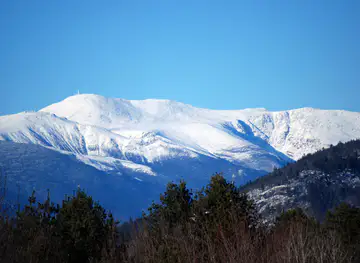
Discover New Hampshire: Explore the majestic White Mountains, serene lakes, and historic towns in the heart of New England's enchanting landscapes.
Explore New Hampshire