

Free Grafton County Travel Guide & Mobile App
Explore Grafton County with free travel guides. Discover regional history, expert tips, proposed trips, and audio guides on web or mobile app.


Explore Grafton County, New Hampshire, for White Mountain hikes, Dartmouth culture, historic towns, covered bridges and northern New England food.
Read more about Grafton County
Getting to and around Grafton County
How to get there
Transportation
Top city travel guides in Grafton County
The cities of Grafton County, and the easiest places to base yourself.
-

-


Swipe for more cities
Destinations in Grafton County
Resorts, valleys and scenic spots worth a trip of their own.
-

-

-

-

-

-


Swipe for more destinations
Best attractions in Grafton County
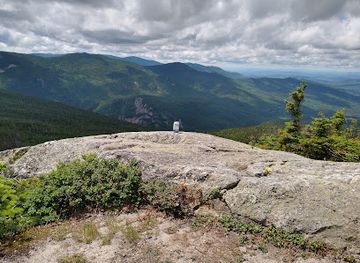
Grafton County's attractions range from major mountain landscapes to small museums and historic communities. Franconia Notch State Park is the county's central outdoor showcase, with the Flume Gorge, Echo Lake, Cannon Mountain and access to trails in the surrounding ranges. The Pemigewasset Wilderness and Appalachian Trail provide more demanding walking, while conditions at elevation require careful planning. Southern and western Grafton offer a different pace: kayaking and boating are available on lakes and rivers, and places such as Sculptured Rocks Natural Area near Groton combine geology with easy walking. Saint-Gaudens National Historical Park in Cornish explores the life and work of Augustus Saint-Gaudens through historic buildings, gardens and sculpture, while the Frost Place in Franconia interprets Robert Frost's local literary connections. Hanover adds Dartmouth's museums, galleries and campus architecture, and Littleton, Plymouth and other towns provide independent shops, local history and cultural events. In winter, downhill skiing, cross-country routes and snow-based activities become important attractions around the White Mountains and Waterville Valley area.
-
National forest
White Mountain National Forest
Explore the stunning landscapes and outdoor adventures of White Mountain National Forest in New Hampshire, a paradise for nature lovers and thrill-seekers alike.
-
Tourist attraction
The Mount Washington Cog Railway
Explore the breathtaking views and history of Mount Washington aboard the iconic Cog Railway in New Hampshire's stunning White Mountains.
-
Amusement park
Story Land
Experience the magic of Story Land, New Hampshire's premier amusement park, where fairy tales come to life for families and children.
-
Tourist attraction
Ice Castles
Experience the wonder of Ice Castles in North Woodstock, NH, where artistry meets nature in a breathtaking winter spectacle.


Best landmarks in Grafton County
-
Amusement park
Canobie Lake Park
Discover the excitement of Canobie Lake Park, where thrilling rides, live entertainment, and beautiful landscapes create unforgettable memories in New Hampshire.
-
National forest
White Mountain National Forest
Experience the majestic landscapes and diverse outdoor activities at White Mountain National Forest, a must-visit destination in New Hampshire for nature lovers.
-
State park
Franconia Notch State Park
Experience the breathtaking beauty of Franconia Notch State Park, an outdoor paradise in New Hampshire's White Mountains, perfect for hiking and exploring.
-
Park
Flume Gorge
Experience the breathtaking beauty of Flume Gorge in New Hampshire, a stunning park filled with towering granite walls and cascading waterfalls.


Explore Grafton County on the map
Plan your trip on one map. See where the top cities, national parks and sights are, and book hotels and experiences in a few clicks.
Best hotels in Grafton County
Best restaurants in Grafton County
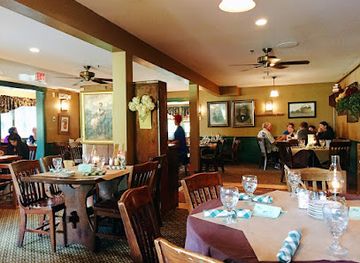
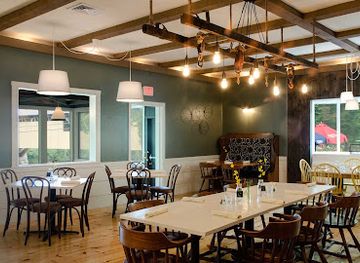
Dining in Grafton County combines northern New England staples with the more varied restaurant culture associated with Dartmouth College, resort towns and the Upper Valley. Farm produce, apples, dairy, maple syrup, baked goods and locally raised meat appear in seasonal menus, while diners, country inns and pubs remain useful for hearty breakfasts and informal meals. Around Hanover and Lebanon, visitors will find a broader range of international and contemporary cooking; Lincoln, North Woodstock and nearby mountain communities cater to hikers, skiers and holiday visitors with cafés, breweries, pizza restaurants and relaxed sit-down dining. Maple products and craft beverages make practical regional purchases, and farm stands are common along rural roads during the growing season. Seafood is available, but Grafton County's strongest culinary identity comes from inland agriculture, preserving, baking and maple production rather than coastal cuisine. Reservations are sensible at popular restaurants during foliage season and winter weekends.
-
Grill
The Common Man Lincoln
Experience delectable American cuisine in Lincoln at The Common Man, where local ingredients meet warm hospitality in a charming setting.
-
Steak
Gordi's Fish & Steak House
Discover culinary excellence at Gordi's Fish & Steak House - where fresh seafood meets prime steaks in the heart of Lincoln, NH.
-
American
Covered Bridge Farm Table
Experience authentic American flavors with live music at Covered Bridge Farm Table in beautiful Campton, New Hampshire.
-
Restaurant
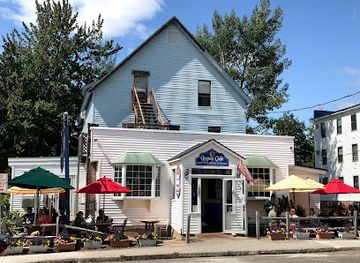
Gypsy Cafe
Experience culinary creativity at Gypsy Cafe in Lincoln NH—where every meal is a delightful journey through global flavors.
Best bars in Grafton County
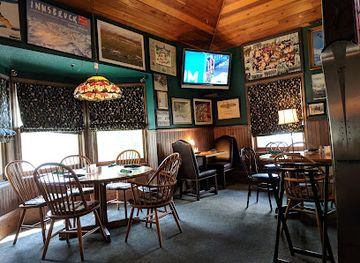
Evening life in Grafton County is generally sociable and low-key rather than centred on large nightclubs. Hanover has the county's most concentrated bar and entertainment scene, shaped partly by Dartmouth College, with pubs, restaurants, live music and occasional cultural programming. Lincoln and North Woodstock offer après-ski bars, breweries, taverns and casual venues where visitors gather after hiking or winter sports, while Plymouth has a modest student and local evening scene. In smaller towns, historic inns, diners and local pubs provide the principal nightlife, and many rural communities become quiet after dinner. Seasonal festivals, concerts and theatre may broaden the choices, but dates and venues change. Non-drinking options include cafés, cinema, performing arts and evening walks in established town centres; visitors should arrange transport in advance when staying outside a walkable community.
-
Grill
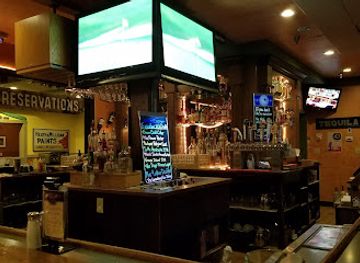
Red Fox Bar and Grille
Discover the taste of American cuisine in a cozy setting at Red Fox Bar and Grille, Jackson's go-to spot for families and food lovers.
-
Grill
The Common Man Lincoln
Experience the best of American cuisine at The Common Man Lincoln, where local ingredients meet warm hospitality in a cozy setting.
-
Brewpub
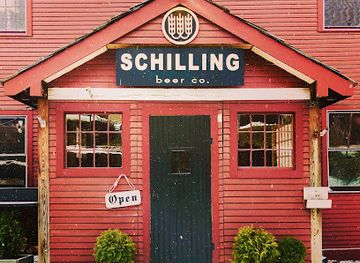
Schilling Beer Co.
Experience the best of craft brewing at Schilling Beer Co. in Littleton, NH, where every sip tells a story of passion and quality.
-
American
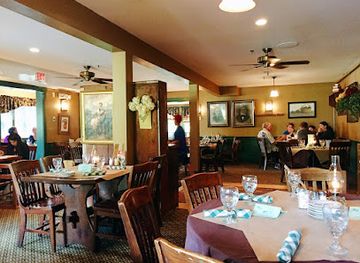
Covered Bridge Farm Table
Experience the taste of New Hampshire at Covered Bridge Farm Table, where hearty American dishes meet delightful ice cream and live music.

Best nightclubs in Grafton County
Evening life in Grafton County is generally sociable and low-key rather than centred on large nightclubs. Hanover has the county's most concentrated bar and entertainment scene, shaped partly by Dartmouth College, with pubs, restaurants, live music and occasional cultural programming. Lincoln and North Woodstock offer après-ski bars, breweries, taverns and casual venues where visitors gather after hiking or winter sports, while Plymouth has a modest student and local evening scene. In smaller towns, historic inns, diners and local pubs provide the principal nightlife, and many rural communities become quiet after dinner. Seasonal festivals, concerts and theatre may broaden the choices, but dates and venues change. Non-drinking options include cafés, cinema, performing arts and evening walks in established town centres; visitors should arrange transport in advance when staying outside a walkable community.
-
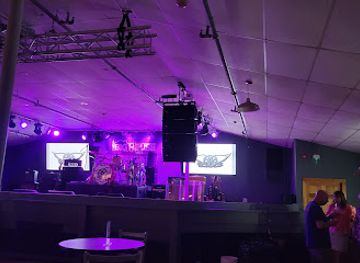
Live music bar
The Big House
Experience the vibrant nightlife at The Big House, Laconia’s premier live music venue with unforgettable performances and a lively atmosphere.
-
Night club
Bike Week
Join the excitement at Laconia's Bike Week, a vibrant celebration of motorcycle culture amidst stunning New Hampshire scenery.

Best shops in Grafton County
Shopping in Grafton County is strongest in independent town centres, outdoor-oriented resort communities and seasonal farm outlets rather than large urban retail districts. Hanover offers bookshops, galleries, clothing retailers and Dartmouth-related goods, while Littleton has a traditional downtown with independent stores, cafés and specialist shops. Lincoln and North Woodstock focus on clothing and equipment for hiking, skiing and other outdoor activities, alongside souvenirs and locally made products. Visitors can look for maple syrup, maple sweets, honey, preserves, baked goods, local cheese and craft beverages at farm stands, producers and markets, although availability varies by season. Antiques, artwork, pottery, woodwork and textiles appear in village shops and galleries across the county. Buying directly from small producers is often the best way to find regional food, but check packaging and transport requirements if taking liquids or perishable goods onward by air.
-
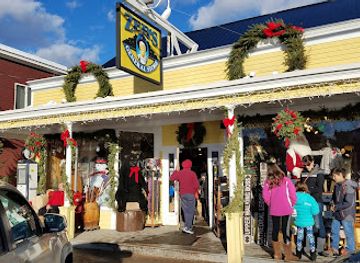
Gift shop
Zeb's General Store
Explore Zeb's General Store in North Conway, NH - your one-stop shop for unique gifts, local delicacies, and sweet treats!
-
Gift shop
The Old Country Store and Museum
Explore unique gifts, gourmet groceries, and rich history at The Old Country Store and Museum in Moultonborough, NH.
-
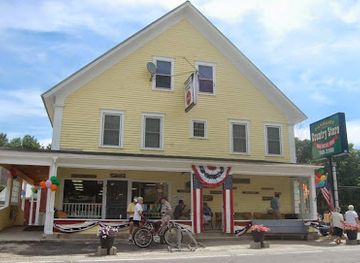
Store
Danbury Country Store
Discover local flavors and unique finds at Danbury Country Store, a charming stop in the heart of New Hampshire.
-
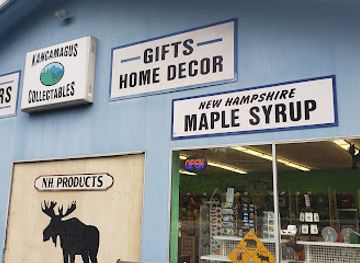
Gift shop
Kancamagus Collectables
Explore Kancamagus Collectables in North Woodstock for unique gifts and local crafts that capture the spirit of New Hampshire.

Get your free copy of our complete guide to Grafton County, delivered straight to you.
Everything on this page, from attractions and restaurants to essentials and local phrases, in one PDF you can read offline, print or share.
Already have an account? Sign in
Your Grafton County guide is ready.
We'll send it to · Not you? Sign out

Getting your guide ready…
We are putting together a fresh copy of the Grafton County guide. This can take up to a minute.
This can take a few moments. If your browser asks, choose Allow so the download can start. You'll find the guide in your Downloads folder.
Nothing happened? Download it again
Sorry, the guide is taking longer than usual. Please try again in a minute, or get it by email instead.
Grafton County essentials
Currency and Payment
Safety
Emergency Situations
Do's and Don'ts
Local Tips
From Eve
Local phrases worth knowing
You don't need to get them perfect. A few words go a long way, and locals appreciate the effort.
Basics
| English | Local | Say it |
|---|---|---|
| Hello | Hiya | [hiyah] |
| Goodbye | See ya | [see yah] |
| Yes | Yep | [yehp] |
| No | Nah | [nah] |
| Please/You're welcome | No problem | [noh proh-blem] |
| Thank you | Thanks | [thangs] |
| Excuse me/Sorry | Pardon me | [par-dun mee] |
| How are you? | How ya doin'? | [how yah doin'?] |
| Fine. And you? | Good. And you? | [gud. and yah?] |
| Do you speak English? | You speakin' English? | [you speekin' ing-glish?] |
| I don't understand | I don't get it | [I don't get it] |
Eating & Drinking
| English | Local | Say it |
|---|---|---|
| I'd like to see the menu, please | Can I see the menu? | [kan I see the men-yoo?] |
| I don't eat meat | I ain't eatin' meat | [I ain't eatin' meet] |
| Cheers! | Cheers! | [cheers] |
| I would like to pay, please | Can I pay, please? | [kan I pay, pleez?] |
Emergencies
| English | Local | Say it |
|---|---|---|
| Help! | Help! | [help] |
| Go away! | Get lost! | [get lost] |
| Call the Police! | Call the cops! | [call the cops] |
| Call a doctor! | Get a doctor! | [get a doc-tor] |
| I'm lost | I’m turned around | [I’m turned around] |
| I'm ill | I’m not feelin' well | [I’m not feelin' wel] |
Shopping
| English | Local | Say it |
|---|---|---|
| I'd like to buy... | I want to buy... | [I want to buy...] |
| I'm just looking | Just browsing | [just brow-zing] |
| How much is it? | What’s it cost? | [whats it cost?] |
| That's too expensive | That's way too pricey | [thats way too pry-see] |
| Can you lower the price? | Can ya drop the price? | [kan yah drop the pryce?] |
Time & Numbers
| English | Local | Say it |
|---|---|---|
| What time is it? | What time ya got? | [what time yah got?] |
| It's one o'clock | It's one | [its one] |
| Half past (10) | Half past ten | [half past ten] |
| Morning | Mornin' | [mor-nin'] |
| Afternoon | Afternoon | [af-ter-noon] |
| Evening | Evenin' | [ee-venin'] |
| Yesterday | Yesterday | [yes-ter-day] |
| Today | Today | [to-day] |
| Tomorrow | Tomorrow | [to-mor-row] |
| 1 | One | [wun] |
| 2 | Two | [too] |
| 3 | Three | [three] |
| 4 | Four | [for] |
| 5 | Five | [five] |
| 6 | Six | [six] |
| 7 | Seven | [sev-en] |
| 8 | Eight | [ate] |
| 9 | Nine | [nine] |
| 10 | Ten | [ten] |
Transport & Directions
| English | Local | Say it |
|---|---|---|
| Where's a/the...? | Where's the...? | [where's the...?] |
| What's the address? | What's the address? | [whats the ad-dress?] |
| Can you show me (on the map)? | Can ya show me on the map? | [kan yah show me on the map?] |
| When's the next (bus)? | When's the next bus? | [when's the next bus?] |
| A ticket (to ....) | A ticket to... | [a ticket to...] |
History of Grafton County
Abenaki Homelands and River Corridors
Before European settlement, the region was part of the wider homeland and travel network of Western Abenaki peoples. Rivers, lakes and mountain passes supported seasonal movement, fishing, hunting and trade, while the Connecticut River formed a major route through what is now western Grafton County. European colonisation, disease, land transactions and expanding settlement profoundly disrupted Indigenous communities. Visitors should understand the county's later colonial landscape as one layer of a much older human history.
Colonial Settlement and the Connecticut Valley
European-American settlement expanded northwards during the eighteenth century, following river valleys and improving overland routes. Towns such as Hanover, founded in 1761, and Plymouth, established in the 1760s, became durable centres of agriculture, commerce and civic life. Farmsteads developed on more productive lowlands, while the mountains remained comparatively remote. Early buildings, churchyards, village layouts and surviving road corridors still reveal the pattern of settlement that shaped the county.
Dartmouth College and Hanover's Transformation, 1769 Onwards
Dartmouth College was founded in Hanover in 1769 through a charter granted to Eleazar Wheelock, initially with a mission that included educating Native American youth, though that early objective was not achieved as intended. The college became a major intellectual and economic influence in the Connecticut River valley. Its campus, libraries, museums and associated institutions helped make Hanover a regional centre for education, medicine, the arts and public life.
Timber, Mills and Nineteenth-Century Transport
The county's forests supported logging, lumber production and related industries during the nineteenth century. Water-powered mills operated along rivers and streams, while the arrival of railways connected inland communities with markets beyond New Hampshire. Littleton, Plymouth, Woodsville and other settlements benefited from improved transport, although the timber economy also altered forest landscapes and depended on difficult labour in remote country. Former industrial sites, railway buildings and mill architecture preserve elements of this period.
Mountain Tourism and the Birth of the White Mountain Resort Economy
Improved roads, rail connections, guidebooks and the growing popularity of landscape tourism drew visitors to the White Mountains during the nineteenth century. Hotels, artists, guides and transport businesses developed around Franconia Notch and other scenic districts. The county's mountains became associated with hiking, painting and summer retreats, while later automobile travel made more locations accessible. This long tourism history underpins the modern concentration of inns, attractions and outdoor services around Lincoln, North Woodstock and the notches.
Conservation, Recreation and the Modern County
Twentieth-century conservation helped protect large areas of northern New Hampshire forest and mountain landscape, while skiing, hiking, scenic driving and heritage tourism became central to the regional economy. Franconia Notch State Park and other protected areas balance public recreation with environmental management. Today, Grafton County combines university and healthcare centres, working farms, small manufacturing and service economies with a tourism sector shaped by winter sports, autumn foliage and outdoor access.
Grafton County in Photos
Browse through our photo collection highlighting the charm and character of the destination.
Neighbouring regions of Grafton County
The closest regions to Grafton County, if you have time for more than one.
-

-

-

-

-


Swipe for more regions
Explore more

Explore more of New Hampshire
Discover New Hampshire: Explore the majestic White Mountains, serene lakes, and historic towns in the heart of New England's enchanting landscapes.
Explore New Hampshire