

Free Lakes Region Travel Guide & Mobile App
Explore Lakes Region with free travel guides. Discover regional history, expert tips, proposed trips, and audio guides on web or mobile app.


Explore New Hampshire's Lakes Region for Lake Winnipesaukee cruises, mountain hikes, historic towns, beaches, boating and autumn scenery.
Read more about Lakes Region
When is the best time to visit Lakes Region?
Best: June, August–September · 22–26°C| Month | High (°C) | Rainfall (mm) |
|---|---|---|
| January | 0 | 75 |
| February | 1 | 70 |
| March | 7 | 85 |
| April | 14 | 90 |
| May | 20 | 95 |
| June (best) | 25 | 100 |
| July | 27 | 110 |
| August (best) | 26 | 105 |
| September (best) | 22 | 90 |
| October | 17 | 95 |
| November | 9 | 90 |
| December | 3 | 85 |
Getting to and around Lakes Region
How to get there
Transportation
Top city travel guides in Lakes Region
The cities of Lakes Region, and the easiest places to base yourself.
-

-


Swipe for more cities
Destinations in Lakes Region
Resorts, valleys and scenic spots worth a trip of their own.
-

-

-

-

-

-


Swipe for more destinations
Best attractions in Lakes Region
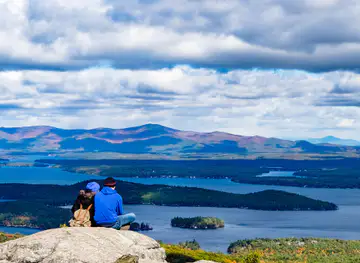
The Lakes Region's attractions are organised around water, woodland and small-town heritage rather than a single urban centre. Lake Winnipesaukee supports scenic cruises, swimming, sailing, fishing, kayaking and waterfront walks, with Meredith, Wolfeboro, Alton, Gilford and Weirs Beach providing different access points. The quieter Squam Lake area combines paddling and wildlife observation with the Squam Lakes Natural Science Center in Holderness, whose trails and exhibits interpret local species and habitats. Newfound Lake and Lake Winnisquam offer further beaches, boating and lakeside recreation. Mount Major, the Belknap Range and nearby Mount Cardigan provide hiking with views across the lake country, while autumn foliage makes even ordinary back roads part of the experience. Laconia contributes museums, cultural programming and historic mill districts, and the region's seasonal attractions include family entertainment, farm visits, garden displays and heritage sites. Activities vary considerably by season, so visitors should distinguish between year-round institutions and businesses that operate mainly from late spring through early autumn.
-
Canobie Lake Park
Discover adventure and fun at Canobie Lake Park, New Hampshire's premier amusement park, featuring thrilling rides, live music, and water attractions for all ages.
-

White Mountain National Forest
Explore the breathtaking landscapes and outdoor adventures at White Mountain National Forest, the crown jewel of New Hampshire's wilderness.
-
Franconia Notch State Park
Experience the breathtaking beauty of Franconia Notch State Park, a top outdoor destination in New Hampshire's White Mountains, perfect for every nature lover.
-
Flume Gorge
Explore the breathtaking beauty of Flume Gorge in New Hampshire, where nature's wonders await every visitor.


Best landmarks in Lakes Region
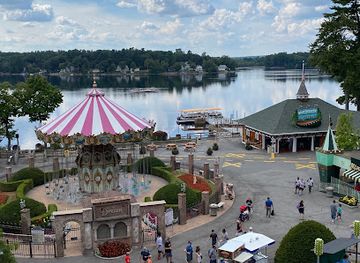
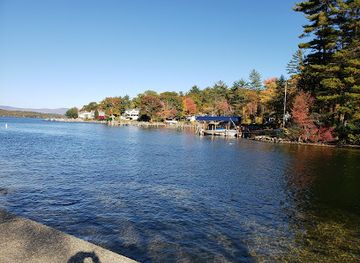
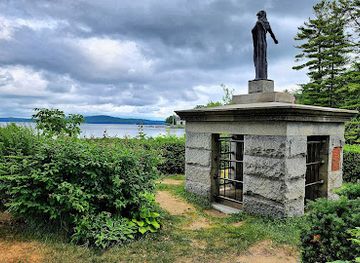
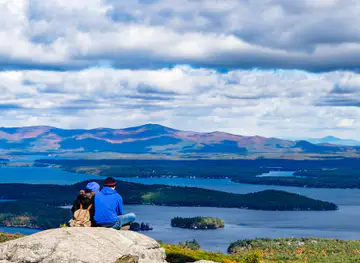
Lake Winnipesaukee itself is the region's defining natural landmark, its long, irregular shoreline and wooded islands shaping both the scenery and the settlement pattern. Mount Major, rising above the lake near Alton, is one of the most recognisable viewpoints in the area, while the Belknap Range forms a prominent backdrop near Laconia and Gilford. Meredith's lakeside setting and town centre provide a familiar civic image, with docks and public waterfront space facing the broad lake. Wolfeboro's historic village core reflects its long resort history, while Laconia's Lakeport district and former industrial buildings recall the era when mills and railway connections drove the local economy. Squam Lake's forested shores and islands form a more secluded landmark landscape, protected in part through conservation and recognised by many visitors from the film On Golden Pond. The covered bridges, meetinghouses, cemeteries and nineteenth-century houses scattered through surrounding towns add smaller-scale architectural markers to the larger geography of water and mountains.
-
Video arcade
Funspot
Experience the ultimate in family fun at Funspot, Laconia's premier destination for arcade games, bowling, mini-golf, and more.
-
City park
Weirs Beach
Experience the serene beauty and vibrant activities of Weirs Beach, a perfect lakeside getaway in Laconia, New Hampshire.
-
State park
Endicott Rock State Historic Site
Explore the historical richness and natural beauty of Endicott Rock State Historic Site in Laconia, NH, a perfect blend for history enthusiasts and nature lovers.
-
Tourist attraction
Winnipesaukee Pier
Explore the beauty and charm of Winnipesaukee Pier, a scenic destination on Lake Winnipesaukee with activities for everyone.

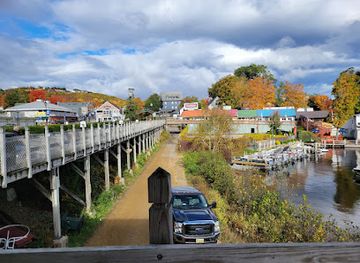
Explore Lakes Region on the map
Plan your trip on one map. See where the top cities, national parks and sights are, and book hotels and experiences in a few clicks.
Best hotels in Lakes Region
Best restaurants in Lakes Region
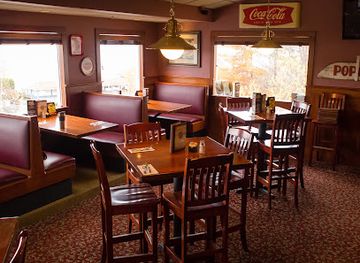
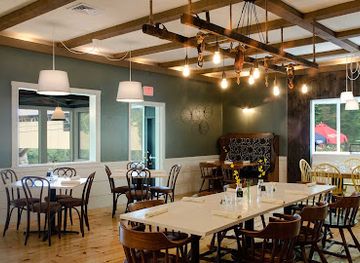
Dining in the Lakes Region combines New England staples with a growing interest in local produce and craft beverages. Waterfront restaurants and cafés in Meredith, Wolfeboro, Weirs Beach and other established centres commonly serve fish, shellfish, burgers, salads and baked goods, while traditional inns and rural eateries offer hearty seasonal meals. Ice cream stands and casual family restaurants are part of the summer landscape, particularly around the larger lakes. Local food shopping may include New Hampshire maple syrup, apples, farm vegetables, preserves, cheese, breads and other small-producer goods, though availability changes with the season. Seafood is associated with the wider New England tradition rather than originating in the inland region, while freshwater fish may appear on menus without being a defining regional cuisine. Breweries, pubs and cafés provide informal alternatives to waterfront dining, and farmers' markets are useful places to encounter produce and prepared foods from central New Hampshire.
-
Restaurant
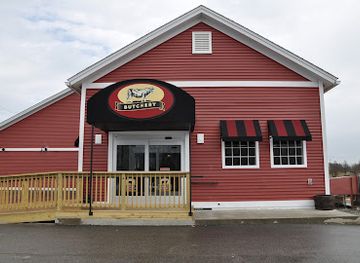
Tuckaway Tavern and Butchery
Experience the best of New England dining at Tuckaway Tavern and Butchery with gourmet dishes and craft beers in a cozy atmosphere.
-
Traditional American
Hart's Turkey Farm Restaurant
Discover comfort food at Hart's Turkey Farm Restaurant in Meredith, NH - where traditional American flavors meet warm hospitality.
-
American
T-BONES Great American Eatery
Discover the heart of American dining at T-BONES Great American Eatery in Laconia - where flavors meet comfort.
-
American
Covered Bridge Farm Table
Experience the best of American cuisine at Covered Bridge Farm Table with live music and homemade ice cream in scenic Campton, NH.

Best bars in Lakes Region
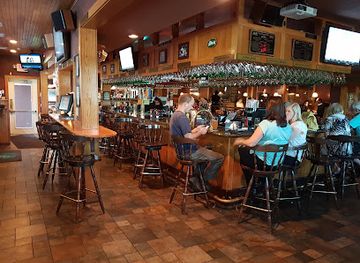
Evening life in the Lakes Region is modest and dispersed, with traditional pubs, brewery taprooms, restaurants, hotel bars and live music providing more of the social scene than large nightclubs. Meredith, Wolfeboro, Laconia and the Weirs Beach area have the greatest concentration of places to eat and drink, while smaller lake communities are quieter after seasonal businesses close. Summer brings outdoor seating, waterfront entertainment and a larger visitor population; autumn foliage weekends can also create a noticeable evening buzz. In the cooler months, nightlife tends to centre on local pubs, dining rooms, community events and occasional performances rather than late-night venues. Visitors should check current arrangements before travelling, as opening patterns in this seasonal destination can change considerably between summer and winter.
-
Patrick's Pub & Eatery
Experience authentic Irish hospitality at Patrick's Pub & Eatery in Gilford, NH, featuring delicious cuisine, live music, and a family-friendly atmosphere.
-
High Octane Saloon
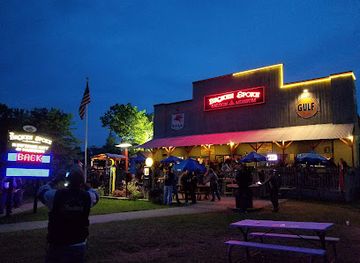
Discover the vibrant atmosphere and delicious grill offerings at High Octane Saloon, the perfect spot for food lovers in Laconia, NH.
-
American
Shibley's at the Pier
Experience the best of American cuisine with breathtaking lake views at Shibley's at the Pier in Alton Bay, New Hampshire.
-
Twin Barns Brewing Co - Meredith
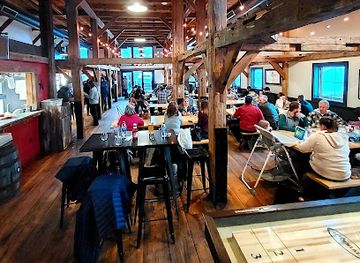
Experience the best craft beers in Meredith at Twin Barns Brewing Co, where local ingredients meet rustic charm and community spirit.

Best nightclubs in Lakes Region
Evening life in the Lakes Region is modest and dispersed, with traditional pubs, brewery taprooms, restaurants, hotel bars and live music providing more of the social scene than large nightclubs. Meredith, Wolfeboro, Laconia and the Weirs Beach area have the greatest concentration of places to eat and drink, while smaller lake communities are quieter after seasonal businesses close. Summer brings outdoor seating, waterfront entertainment and a larger visitor population; autumn foliage weekends can also create a noticeable evening buzz. In the cooler months, nightlife tends to centre on local pubs, dining rooms, community events and occasional performances rather than late-night venues. Visitors should check current arrangements before travelling, as opening patterns in this seasonal destination can change considerably between summer and winter.
-
Grill
High Octane Saloon
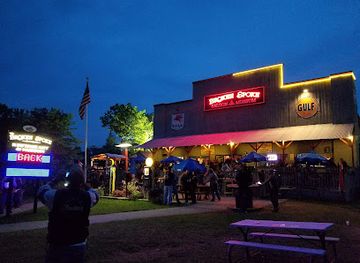
Discover High Octane Saloon in Laconia, NH - a grill paradise with delicious food, vibrant drinks, and a lively atmosphere for every tourist.
-
Restaurant
Tower Hill Tavern
Discover the lively ambiance of Tower Hill Tavern, featuring delicious food, live music, and a vibrant nightlife in Laconia, NH.
-
Night club
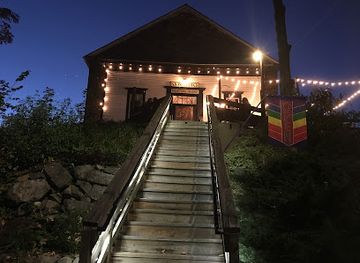
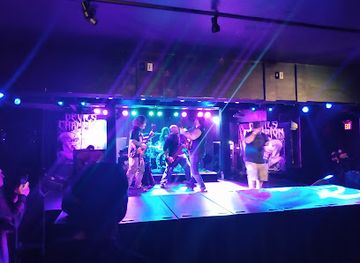
The Stone Church Music Club
Experience the electrifying ambiance of The Stone Church Music Club, where live music and great food create unforgettable nights in Newmarket, NH.
-
Live Music
Jewel Music Venue
Discover the heartbeat of Manchester's live music scene at Jewel Music Venue, where every night promises unforgettable performances and lively atmosphere.

Best shops in Lakes Region
Shopping in the Lakes Region is concentrated in the town centres and waterfront districts of Meredith, Wolfeboro, Laconia and nearby communities rather than in a single major retail area. Visitors will find independent clothing and gift shops, bookshops, galleries, antiques, homewares and locally made crafts, with the strongest selection during the summer season. Meredith and Wolfeboro are particularly associated with walkable visitor-oriented shopping, while Laconia provides a broader everyday retail base and access to larger stores outside the historic waterfront areas. Farm stands and farmers' markets offer maple syrup, honey, preserves, baked goods, seasonal fruit and vegetables, and other New Hampshire products. Craft purchasing may include pottery, woodwork, prints, jewellery and textiles, although stock varies among small businesses. Shopping hours can be reduced outside the main visitor season, so rural producers and independent shops are best approached as part of a planned town visit rather than assumed to be open every day.
-
Gift shop
Zeb's General Store
Explore Zeb's General Store in North Conway for unique gifts, local treats, and a delightful shopping experience in the heart of New Hampshire.
-
Outlet mall
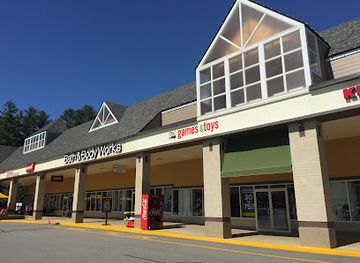
Tanger Outlets Tilton
Discover unbeatable deals at Tanger Outlets Tilton, New Hampshire's premier shopping destination with top-brand outlets and dining options.
-
Gift shop
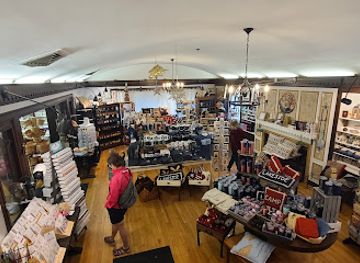
The Old Country Store and Museum
Discover the blend of history and unique shopping at The Old Country Store and Museum in Moultonborough, NH, where local crafts and gourmet delicacies await.
-
Gift shop
Kellerhaus
Explore Kellerhaus in Laconia, NH, where delightful homemade sweets, chocolates, and a delicious ice cream buffet await you.


Get your free copy of our complete guide to Lakes Region, delivered straight to you.
Everything on this page, from attractions and restaurants to essentials and local phrases, in one PDF you can read offline, print or share.
Already have an account? Sign in
Your Lakes Region guide is ready.
We'll send it to · Not you? Sign out

Getting your guide ready…
We are putting together a fresh copy of the Lakes Region guide. This can take up to a minute.
This can take a few moments. If your browser asks, choose Allow so the download can start. You'll find the guide in your Downloads folder.
Nothing happened? Download it again
Sorry, the guide is taking longer than usual. Please try again in a minute, or get it by email instead.
Lakes Region essentials
Currency and Payment
Safety
Emergency Situations
Do's and Don'ts
Local Tips
From Eve
Local phrases worth knowing
You don't need to get them perfect. A few words go a long way, and locals appreciate the effort.
Basics
| English | Local | Say it |
|---|---|---|
| Hello | Hi there | [Hai thair] |
| Goodbye | See ya | [See yah] |
| Yes | Yup | [Yup] |
| No | Nah | [Nah] |
| Please/You're welcome | Sure thing | [Shur thing] |
| Thank you | Thanks a lot | [Thangs a lot] |
| Excuse me/Sorry | Pardon me | [Pardon me] |
| How are you? | How's it going? | [How's it goin'?] |
| Fine. And you? | Good, and you? | [Good, an' you?] |
| Do you speak English? | Do ya speak English? | [Doo ya speak English?] |
| I don't understand | I ain't got it | [I ain't got it] |
Eating & Drinking
| English | Local | Say it |
|---|---|---|
| I'd like to see the menu, please | Can I see the menu? | [Can I see the menu?] |
| I don't eat meat | I don't do meat | [I don't do meat] |
| Cheers! | Cheers! | [Cheers!] |
| I would like to pay, please | Could I get the check? | [Could I get the check?] |
Emergencies
| English | Local | Say it |
|---|---|---|
| Help! | Help! | [Help!] |
| Go away! | Leave me alone! | [Leave me alone!] |
| Call the Police! | Call the cops! | [Call the cops!] |
| Call a doctor! | Get a doctor! | [Get a doctor!] |
| I'm lost | I'm turned around | [I'm turned around] |
| I'm ill | I'm not feeling well | [I'm not feelin' well] |
Shopping
| English | Local | Say it |
|---|---|---|
| I'd like to buy... | I wanna buy... | [I wanna buy...] |
| I'm just looking | Just browsing, thanks | [Just browsing, thanks] |
| How much is it? | What’s the damage? | [What’s the damage?] |
| That's too expensive | That's a bit steep | [That's a bit steep] |
| Can you lower the price? | Can you bring it down? | [Can you bring it down?] |
Time & Numbers
| English | Local | Say it |
|---|---|---|
| What time is it? | What time ya got? | [What time ya got?] |
| It's one o'clock | It's one | [It's one] |
| Half past (10) | Half past ten | [Half past ten] |
| Morning | Morning | [Morning] |
| Afternoon | Afternoon | [Afternoon] |
| Evening | Evening | [Evening] |
| Yesterday | Yesterday | [Yesterday] |
| Today | Today | [Today] |
| Tomorrow | Tomorrow | [Tomorrow] |
| 1 | One | [One] |
| 2 | Two | [Two] |
| 3 | Three | [Three] |
| 4 | Four | [Four] |
| 5 | Five | [Five] |
| 6 | Six | [Six] |
| 7 | Seven | [Seven] |
| 8 | Eight | [Eight] |
| 9 | Nine | [Nine] |
| 10 | Ten | [Ten] |
Transport & Directions
| English | Local | Say it |
|---|---|---|
| Where's a/the...? | Where's the nearest...? | [Where's the nearest...?] |
| What's the address? | What's the address? | [What's the address?] |
| Can you show me (on the map)? | Can ya point it out? | [Can ya point it out?] |
| When's the next (bus)? | When's the next bus? | [When's the next bus?] |
| A ticket (to ....) | A ticket to ... | [A ticket to ...] |
History of Lakes Region
Abenaki Homelands and Indigenous Lake Networks
Before European settlement, the lakes and forests of central New Hampshire were part of the homeland and travel network of Western Abenaki communities, including the Pennacook and related peoples. Waterways supported movement, fishing, hunting and seasonal gathering, while trails connected the lake basins with the Merrimack Valley and the mountains. European colonisation, disease, warfare and land dispossession severely disrupted Indigenous life. Place names such as Winnipesaukee preserve an Indigenous linguistic legacy, although their precise translations and historical interpretations vary.
Colonial Settlement and Inland Agriculture
European settlement expanded into the Lakes Region during the eighteenth century, following earlier coastal and river-valley development in New Hampshire. Farms, small sawmills and gristmills appeared around the lake outlets and along streams, while communities such as Meredith, Gilford, Wolfeboro and Holderness developed local institutions and roads. The region remained relatively dispersed, with agriculture, timber and small-scale trade shaping everyday life. Churches, meetinghouses, cemeteries and early houses still provide evidence of these settlement patterns in several town centres.
Waterpower, Timber and the Industrial Era
During the nineteenth century, rivers flowing from the lakes powered sawmills, textile operations and other industries. Laconia became a notable manufacturing centre, and the settlement later known as Lakeport grew around mills and water transport at the southern end of Lake Winnipesaukee. Timber extraction altered the surrounding forests, while farming remained important in the uplands. Industrial buildings, rail corridors and mill villages connected the region more closely with markets elsewhere in New Hampshire and New England.
Steamboats, Railways and the Rise of Summer Tourism
Steam navigation and railway construction transformed the lakes from local transport routes into destinations for visitors. Rail connections brought holidaymakers from Boston and other New England cities to resort communities, particularly around Lake Winnipesaukee. Steamboats carried passengers between waterfront settlements, and hotels, boarding houses, camps and private summer estates expanded along accessible shores. Wolfeboro developed an especially strong seasonal identity, while Weirs Beach became known for entertainment and public access to the lake.
Laconia and the Lakeside Manufacturing Economy
Laconia's industrial development helped make the southern Lakes Region an urban and manufacturing centre. Textile production, machinery and related businesses used the area's waterpower and railway connections, employing residents and attracting investment. Industrial decline during the twentieth century changed the local economy, but former mill buildings and the Lakeport district retain traces of that era. Laconia's later role broadened to include services, healthcare, education, retail and tourism for the surrounding lake communities.
Conservation and the Modern Lakes Region
The twentieth century brought heavier road traffic, shoreline development and growing pressure on water quality, prompting stronger conservation efforts. Organisations concerned with lake protection, land trusts, scientific research and responsible development became important regional institutions. The Squam Lakes Natural Science Center, opened in Holderness in the 1960s, reflects this educational and conservation focus. Today, tourism remains central, but the region's identity also depends on protecting lakes, forests, wildlife habitat and the year-round communities that share the shoreline.
Lakes Region in Photos
Browse through our photo collection highlighting the charm and character of the destination.
Neighbouring regions of Lakes Region
The closest regions to Lakes Region, if you have time for more than one.
-
-

-

-

-


Swipe for more regions
Explore more

Explore more of New Hampshire
Discover New Hampshire: Explore the majestic White Mountains, serene lakes, and historic towns in the heart of New England's enchanting landscapes.
Explore New Hampshire