

Free San Juan Basin Travel Guide & Mobile App
Explore San Juan Basin with free travel guides. Discover regional history, expert tips, proposed trips, and audio guides on web or mobile app.


Explore New Mexico’s San Juan Basin for Chacoan heritage, Diné culture, red-rock wilderness, river landscapes and high-desert adventure.
Read more about San Juan Basin
Getting to and around San Juan Basin
How to get there
Transportation
Destinations in San Juan Basin
Resorts, valleys and scenic spots worth a trip of their own.

Swipe for more destinations
Best attractions in San Juan Basin
-
Historical landmark
Jemez Historic Site
Explore New Mexico's Jemez Historic Site, a captivating blend of ancient Pueblo architecture and breathtaking natural beauty.
-
Visitor center
Chaco Culture National Historical Park Visitor Center
Discover the rich history of the Ancestral Puebloans at Chaco Culture National Historical Park Visitor Center, a gateway to ancient wonders.
-
Tourist attraction
Pueblo Bonito
Explore Pueblo Bonito, a UNESCO World Heritage Site in New Mexico, where ancient civilizations thrive in stunning landscapes.
-
Hiking area
Valley of Dreams Trailhead
Explore the hidden beauty of the Valley of Dreams Trailhead in New Mexico, where unique badlands and stunning landscapes await every adventurer.
Best landmarks in San Juan Basin
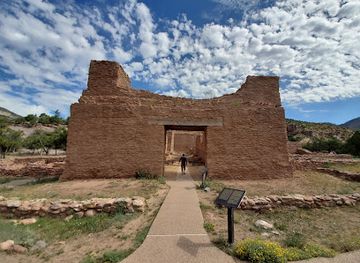
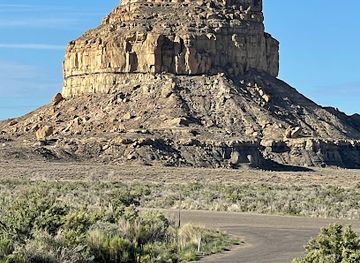
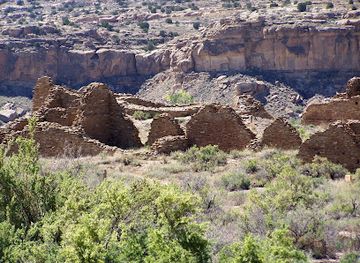
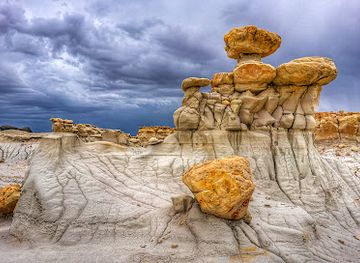
Chaco Culture National Historical Park is the San Juan Basin’s defining architectural landmark, where massive sandstone great houses such as Pueblo Bonito express the scale and sophistication of Ancestral Puebloan planning. Aztec Ruins National Monument provides another powerful architectural reference, with preserved masonry, enclosed rooms and a reconstructed great kiva that demonstrate the region’s enduring connections to Pueblo history. Shiprock, known in Diné as Tsé Bitʼaʼí, rises dramatically above the western basin as the eroded core of an ancient volcanic feature; it is sacred and should be viewed respectfully from publicly accessible areas rather than climbed or approached across private or restricted land. Four Corners Monument marks the point where New Mexico, Arizona, Colorado and Utah meet, within the Navajo Nation. The San Juan River, red mesas and badland formations around Bisti and Ah-Shi-Sle-Pah complete a landmark landscape shaped as much by geology as by human history.
-
Historical place
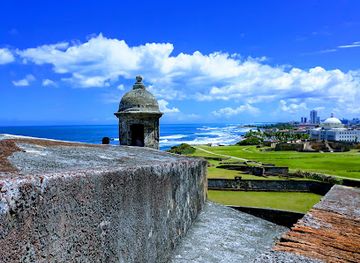
San Juan National Historic Site
Discover the stunning fortresses and rich history at San Juan National Historic Site, a must-visit UNESCO World Heritage site in Puerto Rico.
-
Historical landmark
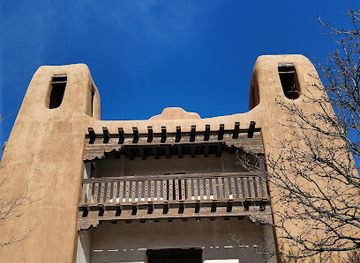
Santa Fe Plaza
Explore Santa Fe Plaza, the vibrant cultural heart of New Mexico, where history, art, and community come together in a stunning setting.
-
Historical landmark
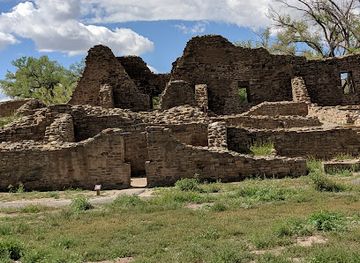
Aztec Ruins National Monument
Discover the rich history and stunning architecture of Aztec Ruins National Monument, a must-visit historical landmark in New Mexico.
-
Historical place
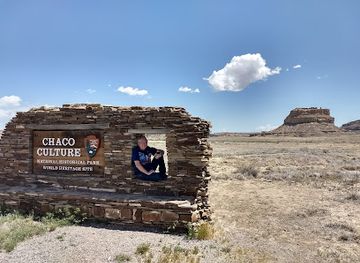
Chaco Culture National Historical Park
Explore Chaco Culture National Historical Park, a UNESCO World Heritage site filled with ancient ruins, stunning landscapes, and rich Puebloan history.
Explore San Juan Basin on the map
Plan your trip on one map. See where the top cities, national parks and sights are, and book hotels and experiences in a few clicks.
Best hotels in San Juan Basin
Best restaurants in San Juan Basin
Dining in the San Juan Basin reflects the meeting of New Mexican, Diné, Mexican-American and wider Southwestern traditions. Farmington has the broadest choice, from cafés and family restaurants to places serving red or green chile, enchiladas, burritos, tacos and other regional staples. Green chile is a New Mexico-wide culinary signature rather than an exclusive product of this basin, but it features prominently in local menus. Fry bread and mutton are associated with Diné foodways and may be found at some Navajo-owned eateries, events and community settings; availability varies and visitors should approach these traditions with respect. The rural areas around the basin are better suited to planned meals and provisions than spontaneous restaurant-hopping, with supermarkets, diners and service-town cafés important for road trips. Local farmers’ markets and Native American food vendors can provide seasonal produce, baked goods and prepared dishes, while Farmington’s dining scene also includes contemporary Southwestern cooking and familiar national options.
-
Breakfast
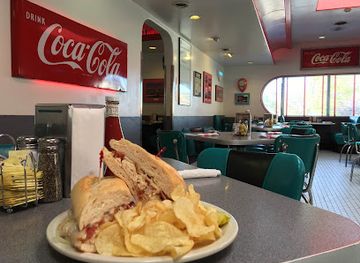
66 Diner
Savor classic American breakfasts and nostalgic vibes at Albuquerque's beloved 66 Diner—a must-visit for food lovers.
-
Hamburger
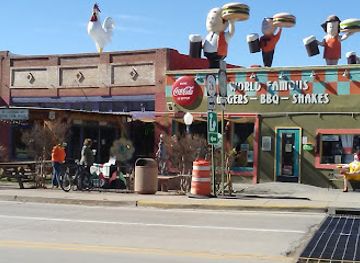
Sparkys
Discover Sparkys in Hatch, NM - A burger paradise where juicy flavors meet local barbecue delights in a friendly atmosphere.
-
American
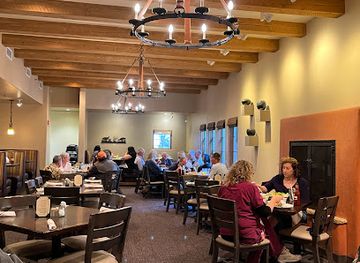
The Ranch House
Experience authentic American flavors at The Ranch House in Santa Fe, where local ingredients meet Southwestern culinary traditions.
-
American
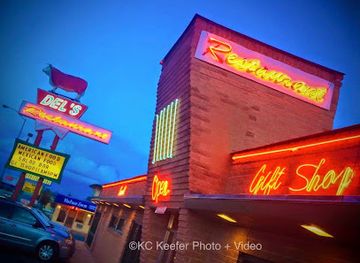
Del's Restaurant
Discover Del's Restaurant in Tucumcari: A perfect blend of American comfort food and Mexican flavors on historic Route 66.
Best bars in San Juan Basin
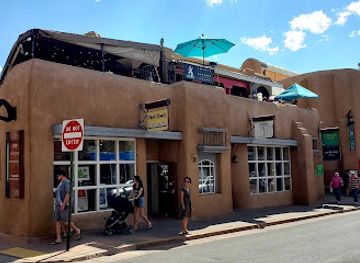
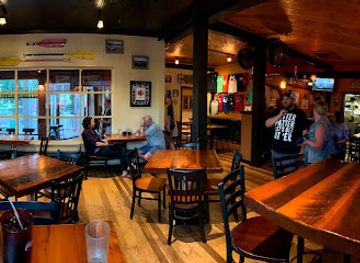
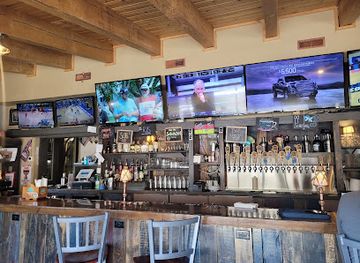
Evening life is concentrated in Farmington and, on a smaller scale, in Aztec and Bloomfield. Traditional New Mexican restaurants, breweries, casual bars and live-music settings provide more of the region’s nightlife than large clubs, while the towns’ cinemas, galleries and community events offer non-alcoholic alternatives. Rural communities and reservation areas generally have a quieter evening rhythm, with social life often centred on family, community gatherings and local events rather than a dedicated entertainment district. Visitors should not assume that venues operate late or that services are available between towns; arrange transport before drinking and check current local information. The basin’s dark skies and open landscapes also make stargazing an appealing evening activity where access is permitted, although remote outings require the same preparation as daytime desert travel.
-
Bar
Coyote Cafe & Rooftop Cantina
Experience the vibrant flavors and breathtaking views at Coyote Cafe & Rooftop Cantina, Santa Fe's culinary hotspot.
-
Brewpub
Riff Raff Brewing Company
Discover the vibrant flavors of craft beer at Riff Raff Brewing Company, the heart of Pagosa Springs' brewing scene.
-
Pub
Riff Raff on the Rio
Discover the vibrant flavors of Pagosa Springs at Riff Raff on the Rio, where local ingredients meet a warm, inviting atmosphere.
-
Cocktail bar
The Copper Lounge
Experience the vibrant atmosphere and innovative cocktails at The Copper Lounge, a top cocktail bar in Albuquerque's Silver Hill neighborhood.
Best nightclubs in San Juan Basin
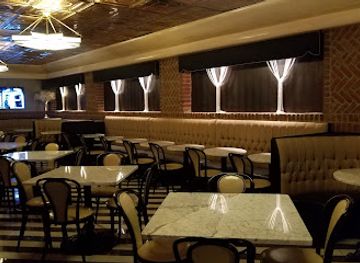
Evening life is concentrated in Farmington and, on a smaller scale, in Aztec and Bloomfield. Traditional New Mexican restaurants, breweries, casual bars and live-music settings provide more of the region’s nightlife than large clubs, while the towns’ cinemas, galleries and community events offer non-alcoholic alternatives. Rural communities and reservation areas generally have a quieter evening rhythm, with social life often centred on family, community gatherings and local events rather than a dedicated entertainment district. Visitors should not assume that venues operate late or that services are available between towns; arrange transport before drinking and check current local information. The basin’s dark skies and open landscapes also make stargazing an appealing evening activity where access is permitted, although remote outings require the same preparation as daytime desert travel.
-
Night club
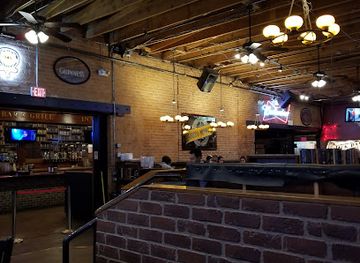
The Library Bar & Grill
Experience the vibrant nightlife at The Library Bar & Grill in Albuquerque, where delicious food meets an energetic atmosphere for an unforgettable evening.
-
Night club
Cake Nightclub
Discover the vibrant nightlife of Albuquerque at Cake Nightclub, where electrifying music and a lively atmosphere come together for an unforgettable experience.
-
Night club
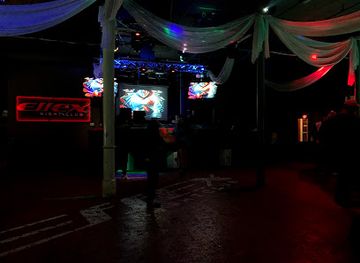
Effex NightClub
Discover Albuquerque's electrifying nightlife at Effex NightClub, where live music and dancing create unforgettable memories.
-
Night club
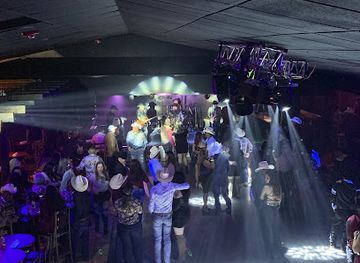
Cananas
Experience the vibrant nightlife of Albuquerque at Cananas, a must-visit nightclub and bar with lively music and a welcoming atmosphere.

Best shops in San Juan Basin
Farmington is the basin’s main shopping centre, combining ordinary services with galleries, jewellery outlets, antique businesses, bookshops and shops selling Southwestern art. Visitors can look for Diné weaving, silver and turquoise jewellery, pottery, paintings and other Native American arts, but should buy from reputable artists, galleries or authorised sellers and ask about provenance rather than treating cultural work as generic souvenirs. The city’s historic downtown and surrounding commercial areas offer different experiences, from independent retailers to practical road-trip supplies. Aztec and Bloomfield have smaller selections, including local businesses and food shops, while markets and community events may offer seasonal produce, baked goods and handmade goods. Chiles, regional pantry products and locally made crafts travel well, but regulations may apply when carrying food or natural materials across borders. Retail options become sparse outside the main towns, so purchase essentials before heading to remote archaeological or wilderness areas.
-
Shopping mall
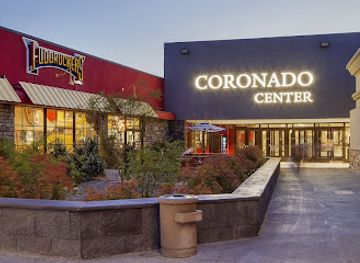
Coronado Center
Explore Coronado Center, Albuquerque’s top shopping mall, featuring over 120 stores, diverse dining options, and entertainment for a perfect day out.
-
Rock shop
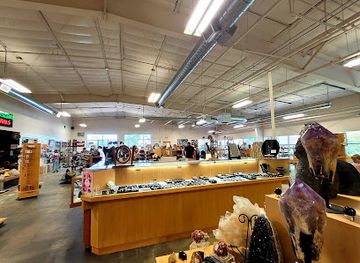
Mama's Minerals
Discover the enchanting world of gems, crystals, and handcrafted treasures at Mama's Minerals in Albuquerque, a must-visit for every tourist.
-
Gift shop
The Breaking Bad Store ABQ
Explore The Breaking Bad Store ABQ for exclusive souvenirs and memorabilia from the iconic series in Albuquerque, New Mexico.
-
Gift shop
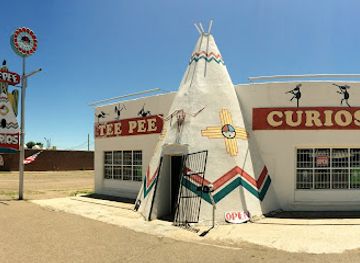
TeePee Curios
Explore the eclectic charm of TeePee Curios, a treasure trove of unique souvenirs and local art along Route 66 in Tucumcari, New Mexico.
Get your free copy of our complete guide to San Juan Basin, delivered straight to you.
Everything on this page, from attractions and restaurants to essentials and local phrases, in one PDF you can read offline, print or share.
Already have an account? Sign in
Your San Juan Basin guide is ready.
We'll send it to · Not you? Sign out

Getting your guide ready…
We are putting together a fresh copy of the San Juan Basin guide. This can take up to a minute.
This can take a few moments. If your browser asks, choose Allow so the download can start. You'll find the guide in your Downloads folder.
Nothing happened? Download it again
Sorry, the guide is taking longer than usual. Please try again in a minute, or get it by email instead.
San Juan Basin essentials
Currency and Payment
Safety
Emergency Situations
Do's and Don'ts
Local Tips
From Eve
Local phrases worth knowing
You don't need to get them perfect. A few words go a long way, and locals appreciate the effort.
Basics
| English | Local | Say it |
|---|---|---|
| Hello | Hola | [oh-lah] |
| Goodbye | Adiós | [ah-dee-ohs] |
| Yes | Sí | [see] |
| No | No | [noh] |
| Please/You’re welcome | Por favor/De nada | [por fah-bor/deh nah-dah] |
| Thank you | Gracias | [grah-syahs] |
| Excuse me/Sorry | Perdón | [pehr-dohn] |
| How are you? | ¿Cómo estás? | [koh-moh eh-stahs] |
| Fine. And you? | Bien. ¿Y tú? | [byehn. ee too] |
| Do you speak English? | ¿Hablas inglés? | [ah-blahs een-glays] |
| I don't understand | No entiendo | [noh ehn-tyen-doh] |
Eating & Drinking
| English | Local | Say it |
|---|---|---|
| I’d like to see the menu, please | Me gustaría ver el menú, por favor | [meh goos-tah-ree-ah vehr el meh-noo, por fah-bor] |
| I don't eat meat | No como carne | [noh koh-moh kar-neh] |
| Cheers! | ¡Salud! | [sah-lood] |
| I would like to pay, please | Me gustaría pagar, por favor | [meh goos-tah-ree-ah pah-gar, por fah-bor] |
Emergencies
| English | Local | Say it |
|---|---|---|
| Help! | ¡Ayuda! | [ah-yoo-dah] |
| Go away! | ¡Vete! | [beh-teh] |
| Call the Police! | ¡Llama a la policía! | [yah-mah ah lah poh-lee-see-ah] |
| Call a doctor! | ¡Llama a un doctor! | [yah-mah ah oon dok-tor] |
| I’m lost | Estoy perdido | [es-toy pehr-dee-doh] |
| I’m ill | Estoy enfermo/a | [es-toy en-fehr-moh/ah] |
Shopping
| English | Local | Say it |
|---|---|---|
| I’d like to buy... | Quisiera comprar... | [kee-syeh-rah kom-prar] |
| I’m just looking | Solo estoy mirando | [so-lo es-toy mee-ran-doh] |
| How much is it? | ¿Cuánto cuesta? | [kwahn-toh kwes-tah] |
| That’s too expensive | Eso es muy caro | [eh-so es moy kah-roh] |
| Can you lower the price? | ¿Puedes bajar el precio? | [pweh-des bah-har el preh-syo] |
Time & Numbers
| English | Local | Say it |
|---|---|---|
| What time is it? | ¿Qué hora es? | [keh oh-rah es] |
| It’s one o'clock | Es la una | [es lah oo-nah] |
| Half past (10) | Y diez y media | [ee dyez ee meh-dee-ah] |
| Morning | Mañana | [mah-nyah-nah] |
| Afternoon | Tarde | [tar-deh] |
| Evening | Noche | [noh-cheh] |
| Yesterday | Ayer | [ah-yehr] |
| Today | Hoy | [oy] |
| Tomorrow | Mañana | [mah-nyah-nah] |
| 1 | Uno | [oo-noh] |
| 2 | Dos | [dohs] |
| 3 | Tres | [tres] |
| 4 | Cuatro | [kwah-troh] |
| 5 | Cinco | [seen-koh] |
| 6 | Seis | [says] |
| 7 | Siete | [syeh-teh] |
| 8 | Ocho | [oh-choh] |
| 9 | Nueve | [nweh-beh] |
| 10 | Diez | [dyehs] |
Transport & Directions
| English | Local | Say it |
|---|---|---|
| Where's a/the...? | ¿Dónde está un/una...? | [dohn-deh es-tah oon/oo-nah] |
| What's the address? | ¿Cuál es la dirección? | [kwahl es lah dee-rek-syon] |
| Can you show me (on the map)? | ¿Puedes mostrarme (en el mapa)? | [pweh-des mos-trar-me (en el mah-pah)] |
| When's the next (bus)? | ¿Cuándo es el próximo (autobús)? | [kwahn-doh es el prohk-see-moh (ow-toh-boos)] |
| A ticket (to ....) | Un boleto (a ....) | [oon boh-leh-toh (ah ....)] |
History of San Juan Basin
Ancestral Puebloan settlements before European contact
The San Juan Basin was home to Ancestral Puebloan communities for centuries before European arrival. From the ninth through the thirteenth centuries, people built settlements ranging from small habitation sites to major multi-storey great houses, organised farming systems and long roads. Chaco Canyon became the best-known ceremonial and political centre, while sites across the wider basin connected communities through exchange, ritual and shared architectural traditions. Drought, social change, migration and other pressures contributed to the reorganisation of settlement after the thirteenth century. Pueblo and other Indigenous peoples today maintain cultural connections to these ancestral places.
Spanish exploration and colonial frontier
Spanish expeditions entered the upper Río Grande and north-western New Mexico during the sixteenth century, extending imperial claims into landscapes already inhabited and traversed by Indigenous peoples. Permanent colonial settlement was concentrated elsewhere at first, but Spanish influence gradually spread through missions, ranching, trade and administrative networks. Relations with Pueblo, Navajo and Apache communities were frequently contested, and control remained uneven across the San Juan country. The period introduced new forms of livestock keeping, agriculture, religion and political authority, while Indigenous communities adapted, resisted and preserved their own cultural systems.
Navajo expansion, conflict and the Long Walk
Diné communities have long occupied and travelled through the San Juan region, developing farming, herding, weaving and trading traditions suited to the high desert. During the nineteenth century, conflict with the United States intensified as settlers, military authorities and Indigenous communities disputed land and resources. In 1864, thousands of Navajo people were forced to undertake the Long Walk to Bosque Redondo, a traumatic internment that followed military campaigns led by Kit Carson. The Navajo Treaty of 1868 established a reservation, later expanded, and remains central to the political and cultural geography of the basin.
U.S. territorial incorporation and regional settlement
New Mexico became a United States territory in 1850 and a state in 1912, but federal authority, ranching settlement and transport development reshaped the San Juan Basin over a longer period. Trading posts, agency communities, farms and ranches grew alongside roads and rail connections, while Farmington developed as a regional commercial centre. These changes brought new markets and services but also intensified pressure on Indigenous land, water and political autonomy. Towns in the basin retain traces of this layered history in their street plans, civic buildings, trading traditions and continuing relationships with surrounding reservations.
Archaeology, preservation and the national-park movement
Interest in the basin’s ancestral ruins increased among archaeologists, collectors and tourists during the late nineteenth and early twentieth centuries. Aztec Ruins was protected as a national monument in 1923, while Chaco Canyon received federal protection in stages before becoming a national historical park. Preservation helped curb some looting and damage, but early interpretations often overlooked the perspectives of descendant communities and treated living cultural landscapes as vanished civilisations. Modern interpretation increasingly acknowledges Pueblo and Indigenous connections, the complexity of Chacoan society and the importance of consultation and respectful visitation.
Oil, gas and coal in the twentieth century
The San Juan Basin became one of the American West’s important energy-producing regions during the twentieth century. Oil and natural gas fields, coal mines and associated infrastructure transformed Farmington and neighbouring communities, attracting workers, investment and public revenue. Energy production also altered land use, air quality, water management and local economic patterns. Coal-fired electricity and mining were particularly significant around the Four Corners area, while natural-gas development spread across many parts of the basin. The industry remains part of the region’s identity even as communities debate environmental effects and economic diversification.
Contemporary Indigenous and regional identity
Today the San Juan Basin is shaped by the overlapping jurisdictions and cultures of New Mexico, the Navajo Nation, Pueblo communities, municipal governments, federal agencies and private industry. Diné artists, educators, entrepreneurs and cultural organisations contribute prominently to regional life, while museums and visitor sites continue to reinterpret the ancient landscape. Farmington’s arts and heritage institutions, the annual movement of community life across reservation and non-reservation areas, and ongoing discussions about water, energy and conservation all show that the basin is not merely a record of the past but a living, contested and evolving region.
San Juan Basin in Photos
Browse through our photo collection highlighting the charm and character of the destination.
Neighbouring regions of San Juan Basin
The closest regions to San Juan Basin, if you have time for more than one.
-

-

-

-
-


Swipe for more regions
Explore more

Explore more of New Mexico
Discover the enchanting blend of rich history, diverse cultures, and stunning landscapes in New Mexico, the Land of Enchantment, where adventure and relaxation await.
Explore New Mexico