

Free Northwest New Mexico Travel Guide & Mobile App
Explore Northwest New Mexico with free travel guides. Discover regional history, expert tips, proposed trips, and audio guides on web or mobile app.


Explore Northwest New Mexico for Chacoan ruins, Navajo and Pueblo culture, volcanic landscapes, red-rock wilderness and historic Route 66 towns.
Read more about Northwest New Mexico
When is the best time to visit Northwest New Mexico?
Best: May–June, September · 23–28°C| Month | High (°C) | Rainfall (mm) |
|---|---|---|
| January | 6 | 15 |
| February | 10 | 13 |
| March | 13 | 18 |
| April | 18 | 13 |
| May (best) | 23 | 16 |
| June (best) | 28 | 25 |
| July | 31 | 45 |
| August | 30 | 40 |
| September (best) | 26 | 30 |
| October | 20 | 20 |
| November | 13 | 15 |
| December | 8 | 15 |
Getting to and around Northwest New Mexico
How to get there
Transportation
Top city travel guides in Northwest New Mexico
The cities of Northwest New Mexico, and the easiest places to base yourself.
-
-
-

-

-

-


Swipe for more cities
Destinations in Northwest New Mexico
Resorts, valleys and scenic spots worth a trip of their own.
-

-

-
-

-
-


Swipe for more destinations
Best attractions in Northwest New Mexico
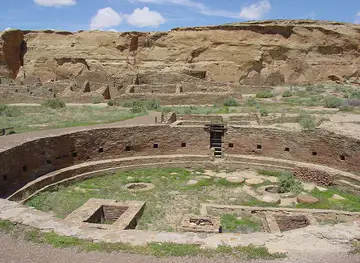
Northwest New Mexico's attractions range from monumental archaeology to geologically strange wilderness. Chaco Culture National Historical Park is the region's defining archaeological landscape, with great houses, ceremonial structures and remnants of an extensive road system. Aztec Ruins National Monument and Salmon Ruins, near Farmington, offer more intimate insight into Ancestral Puebloan architecture and later regional connections. South of Gallup and Grants, El Malpais National Monument combines black lava flows, cinder cones, caves, sandstone cliffs and hardy desert vegetation, while nearby El Morro National Monument preserves inscriptions and petroglyphs beneath a water-bearing cliff. Bisti/De-Na-Zin Wilderness and Ah-Shi-Sle-Pah Wilderness present eroded badlands, hoodoos and fossils in remote settings where route-finding and preparation matter. Farmington's museums and cultural institutions explain local art, archaeology and the San Juan Basin, while Gallup's galleries and trading heritage connect visitors with contemporary Native American craftsmanship. The Four Corners Monument, in the far northwest of the state, is a boundary landmark, although services around it are limited and conditions can be basic.
-
National park
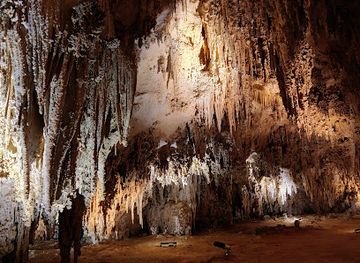
Carlsbad Caverns National Park
Discover the breathtaking beauty of Carlsbad Caverns National Park, a UNESCO World Heritage Site featuring stunning caves and diverse wildlife in New Mexico.
-
National park
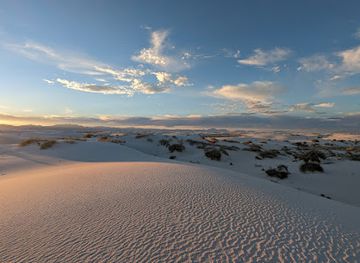
White Sands National Park
Experience the breathtaking landscapes and outdoor adventures at White Sands National Park, a unique natural wonder in New Mexico's desert.
-
Zoo
ABQ BioPark Zoo
Discover exotic wildlife and engaging exhibits at ABQ BioPark Zoo, a premier destination in Albuquerque for animal lovers and families alike.
-
Historical landmark
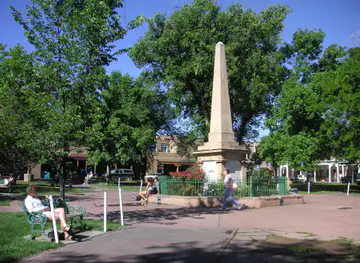
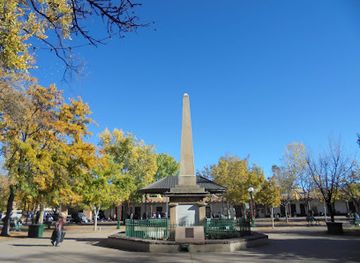
Santa Fe Plaza
Experience the vibrant culture and rich history of Santa Fe Plaza, a historical landmark and tourist attraction at the heart of Santa Fe, New Mexico.

Best landmarks in Northwest New Mexico
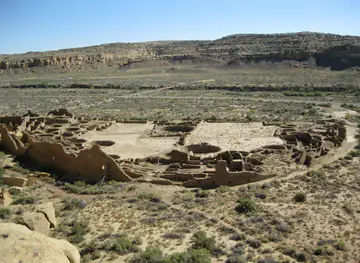
Chaco Canyon's Pueblo Bonito is the region's most recognisable archaeological landmark, its large arc of masonry making the scale and ambition of Chacoan construction immediately apparent. At Aztec Ruins, the reconstructed roof and surviving rooms of the Great Kiva help visitors understand the ceremonial dimension of the site, while the wider ruin preserves a major Ancestral Puebloan settlement. El Morro's sheer sandstone bluff is both a natural landmark and a historical record, carrying centuries of Indigenous petroglyphs, Spanish inscriptions and later American names beside its dependable water source. The Four Corners Monument marks the meeting point of New Mexico, Arizona, Utah and Colorado and has particular symbolic importance despite its simple physical form. Near Farmington, Shiprock rises dramatically from the surrounding plain as the eroded core of an ancient volcanic feature; it is sacred to the Navajo people and should be viewed from public roads rather than approached or climbed. The lava landscapes and sandstone ramparts of El Malpais provide a contrasting set of geological landmarks in the south.
-
Historical landmark
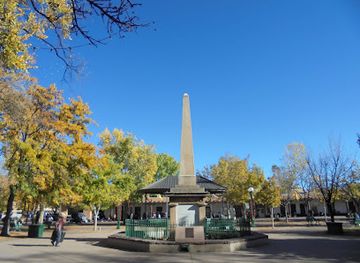
Santa Fe Plaza
Discover the vibrant heart of Santa Fe at the historic Plaza, where culture, art, and cuisine converge in New Mexico's enchanting capital.
-
Tourist attraction
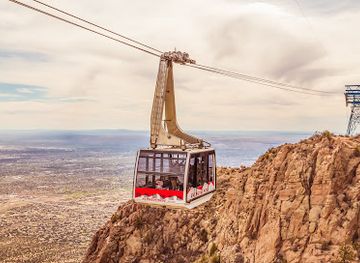
Sandia Peak Tramway
Experience breathtaking views and adventure at Sandia Peak Tramway, a premier tourist attraction in Albuquerque, New Mexico.
-
Plaza
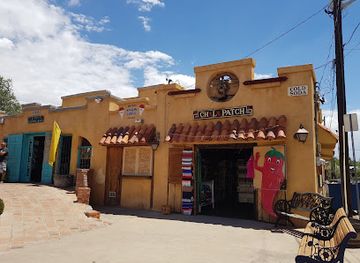
Old Town Plaza
Experience the vibrant culture and history of Albuquerque at Old Town Plaza, a charming hub of shops, art galleries, and events.
-
Natural history museum
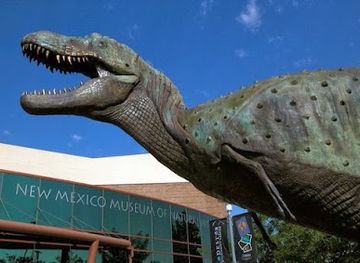
New Mexico Museum of Natural History and Science
Explore the fascinating natural history of New Mexico at this dynamic museum featuring dinosaurs, fossils, and interactive science exhibits.
Explore Northwest New Mexico on the map
Plan your trip on one map. See where the top cities, national parks and sights are, and book hotels and experiences in a few clicks.
Best hotels in Northwest New Mexico
Best restaurants in Northwest New Mexico
Food in northwest New Mexico reflects several overlapping traditions rather than one uniform regional cuisine. Diné-influenced menus may feature mutton stew, fry bread and Navajo tacos, while New Mexican restaurants serve red or green chile with beans, meat, enchiladas, breakfast dishes and blue-corn preparations. Gallup and Farmington provide the broadest choice of independent restaurants, cafés, bakeries and family-run diners, with roadside establishments and local markets adding variety in smaller communities. Piñon nuts, seasonal produce and locally familiar comfort foods appear in shops and home-style cooking, and Native artists' markets may offer food alongside craftwork. Ask about chile heat, since a dish described as mild can still be substantial for visitors unused to it. Mexican-American, Hispano, Native and contemporary Western influences are all present, so dining is best approached as a cross-cultural expression of the wider Four Corners and New Mexico region.
-
Resort hotel
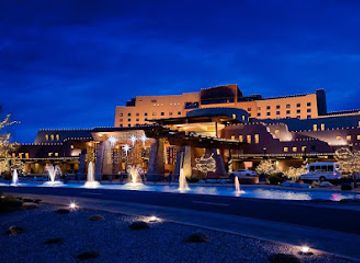
Sandia Resort & Casino
Discover unparalleled luxury at Sandia Resort & Casino - where entertainment meets breathtaking landscapes in Albuquerque.
-
Mexican
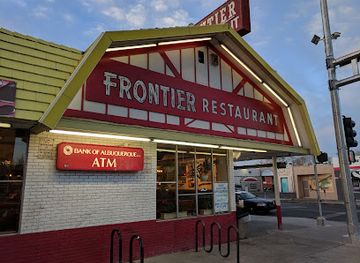
Frontier
Savor authentic New Mexican flavors at Frontier – Albuquerque's iconic eatery known for its delicious breakfasts and hearty meals.
-
Southwestern American
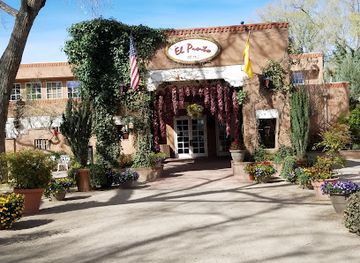
El Pinto Restaurant
Discover the vibrant flavors of Southwestern cuisine at El Pinto Restaurant in Albuquerque—where tradition meets taste in every dish.
-
Mexican
Sadie's of New Mexico
Savor the authentic taste of New Mexican cuisine at Sadie's - where every dish tells a story.

Best bars in Northwest New Mexico
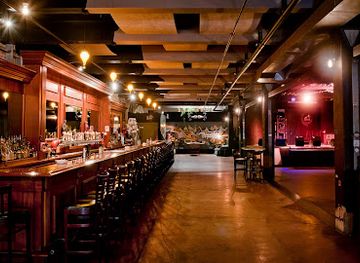
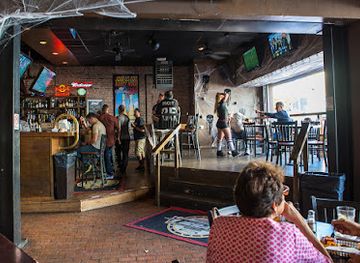
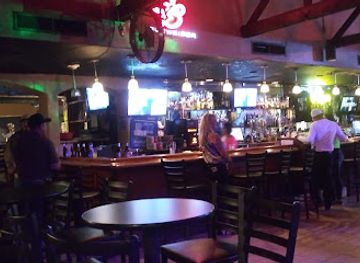
Evening life is concentrated in Farmington, Gallup and, to a lesser extent, Grants, rather than spread across the rural landscape. Traditional bars, brewpub-style venues, hotel lounges, cafés and independent restaurants provide most of the social atmosphere, with occasional live music and community events adding to the choice. Gallup's historic railway and Route 66 setting gives its evenings a distinctive travelling-town character, while Farmington has the region's larger concentration of restaurants and after-dark venues. Outside the main towns, nights are generally quiet and suited to stargazing, dining or resting after a long drive; many archaeological and wilderness areas have little nearby nightlife. Alcohol is not central to every local cultural experience, and visitors should respect tribal regulations, which may differ from those elsewhere in New Mexico.
-
Irish pub
Two Fools Tavern
Experience traditional Irish cuisine and a lively atmosphere at Two Fools Tavern in Albuquerque's charming Nob Hill neighborhood.
-
Restaurant
Northern Edge Navajo Casino
Discover the Northern Edge Navajo Casino in Farmington, NM, where thrilling gaming meets delightful dining in a vibrant atmosphere.
-
Bar
Vernon's Speakeasy
Experience the charm of Vernon's Speakeasy, where exquisite dining meets lively entertainment in Albuquerque's hidden gem.
-
Bar
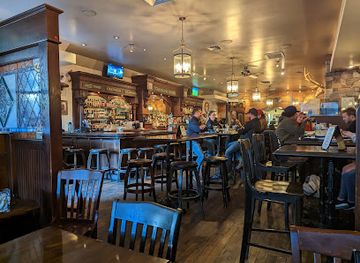
Sister
Experience the vibrant nightlife of Albuquerque at Sister, a retro bar and live music venue offering great drinks and unforgettable entertainment.

Best nightclubs in Northwest New Mexico
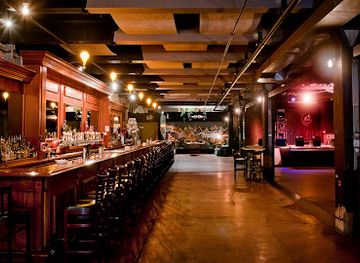
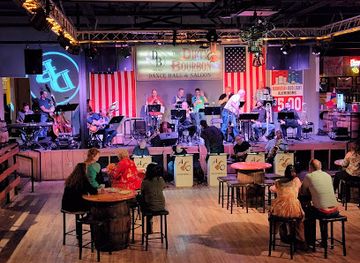
Evening life is concentrated in Farmington, Gallup and, to a lesser extent, Grants, rather than spread across the rural landscape. Traditional bars, brewpub-style venues, hotel lounges, cafés and independent restaurants provide most of the social atmosphere, with occasional live music and community events adding to the choice. Gallup's historic railway and Route 66 setting gives its evenings a distinctive travelling-town character, while Farmington has the region's larger concentration of restaurants and after-dark venues. Outside the main towns, nights are generally quiet and suited to stargazing, dining or resting after a long drive; many archaeological and wilderness areas have little nearby nightlife. Alcohol is not central to every local cultural experience, and visitors should respect tribal regulations, which may differ from those elsewhere in New Mexico.
-
Restaurant
Sister
Experience the taste of Albuquerque at Sister, where great food and live music come together in a vibrant atmosphere.
-
Bar
The Dirty Bourbon
Experience the vibrant nightlife of Albuquerque at The Dirty Bourbon, where dance, drinks, and unforgettable memories await.
-
Night club
The Library Bar & Grill
Discover the lively atmosphere of The Library Bar & Grill, a perfect blend of culinary delights and nightlife excitement in Albuquerque.
-
Bar
Leo's
Discover the vibrant nightlife at Leo's, Albuquerque's favorite bar and nightclub, known for karaoke, live music, and a fun-filled atmosphere.
Best shops in Northwest New Mexico
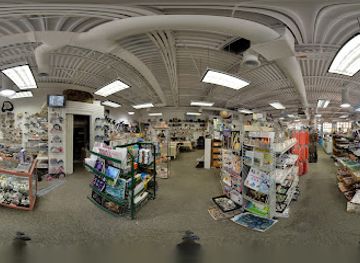
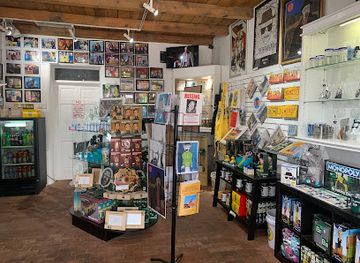
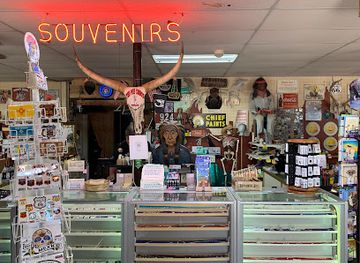
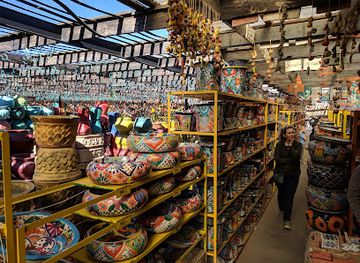
Shopping in northwest New Mexico is strongest for Native American art, regional food and practical local goods rather than large-scale retail. Gallup is the principal centre for galleries, trading establishments and independent dealers handling Diné rugs, Pueblo pottery, jewellery, silverwork and other crafts; buyers should ask about the artist, provenance and authenticity. Farmington has galleries, museums and shops where regional art and souvenirs can be found, while smaller communities offer locally made work on a more limited basis. Look for blue-corn products, piñon nuts, chile-based foods and other New Mexican provisions in food shops and markets, remembering that availability is seasonal. Grants and other highway towns provide useful everyday shopping for road journeys rather than destination retail. Respectful purchasing means avoiding imitation Indigenous designs presented as authentic and never buying archaeological objects, fossils or artefacts whose legal origin is unclear.
-
Rock shop
Mama's Minerals
Explore a unique selection of rocks, gemstones, and crafting supplies at Mama's Minerals, the premier rock shop in Albuquerque, New Mexico.
-
Gift shop
The Breaking Bad Store ABQ
Explore the iconic Breaking Bad Store ABQ, a must-visit destination for fans featuring memorabilia, clothing, and souvenirs celebrating the beloved series.
-
Gift shop
TeePee Curios
Explore the charm of TeePee Curios, a unique gift shop on Route 66, offering local souvenirs and treasures of the Southwest.
-
Gift shop
Camino 66
Explore Camino 66 in Albuquerque, a unique gift shop showcasing southwestern folk art and home goods perfect for tourists and collectors alike.
Get your free copy of our complete guide to Northwest New Mexico, delivered straight to you.
Everything on this page, from attractions and restaurants to essentials and local phrases, in one PDF you can read offline, print or share.
Already have an account? Sign in
Your Northwest New Mexico guide is ready.
We'll send it to · Not you? Sign out

Getting your guide ready…
We are putting together a fresh copy of the Northwest New Mexico guide. This can take up to a minute.
This can take a few moments. If your browser asks, choose Allow so the download can start. You'll find the guide in your Downloads folder.
Nothing happened? Download it again
Sorry, the guide is taking longer than usual. Please try again in a minute, or get it by email instead.
Northwest New Mexico essentials
Currency and Payment
Safety
Emergency Situations
Do's and Don'ts
Local Tips
From Eve
Local phrases worth knowing
You don't need to get them perfect. A few words go a long way, and locals appreciate the effort.
Basics
| English | Local | Say it |
|---|---|---|
| Hello | Yá'át'ééh | [yah-tay-eh] |
| Goodbye | Hágoónee' | [ha-go-nee] |
| Yes | Aoo' | [ah-oh] |
| No | Doo' | [doo] |
| Please/You're welcome | T'áá shoodí | [tah-shoh-dee] |
| Thank you | Ahéhee' | [ah-hay-hee] |
| Excuse me/Sorry | Shí éí t'áá'íiyisí | [shee ay tah-ih-yee-see] |
| How are you? | Nízhóní | [nee-zhon-ee] |
| Fine. And you? | Yá'át'ééh, hágoónee'? | [yah-tay-eh, ha-go-nee?] |
| Do you speak English? | T'áá shoodí English? | [tah-shoh-dee English?] |
| I don't understand | Doo shił hániil'ii | [doo sheel ha-nee-lee] |
Eating & Drinking
| English | Local | Say it |
|---|---|---|
| I'd like to see the menu, please | T'áá shoodí menu nishłį́į́h | [tah-shoh-dee men-oo nish-leen] |
| I don't eat meat | Doo shił naashá | [doo sheel nah-shah] |
| Cheers! | Yá'át'ééh | [yah-tay-eh] |
| I would like to pay, please | T'áá shoodí ba'áh nishłį́į́h | [tah-shoh-dee bah-ah nish-leen] |
Emergencies
| English | Local | Say it |
|---|---|---|
| Help! | Ayóo anííníshní! | [ah-yoh ah-nee-nee-shnee] |
| Go away! | Doo shił hólǫ́ | [doo sheel ho-lo] |
| Call the Police! | Dóó bilagáana hólǫ́! | [doo bee-lah-gah-nah ho-lo] |
| Call a doctor! | Dóó bilagáana hólǫ́ asdzaan! | [doo bee-lah-gah-nah ho-lo ahs-zahn] |
| I'm lost | Doo shił nihi'níízh | [doo sheel nee-hee-nee] |
| I'm ill | Doo shił nish'ííh | [doo sheel nish-ee] |
Shopping
| English | Local | Say it |
|---|---|---|
| I'd like to buy... | T'áá shoodí... naashá | [tah-shoh-dee... nah-shah] |
| I'm just looking | Nááts'íílid | [nah-ts'ee-leed] |
| How much is it? | Há'át'éeh? | [ha-ah-tay?] |
| That's too expensive | Doo shił nahasdzáán | [doo sheel nah-has-dzahn] |
| Can you lower the price? | Doo shił t'áá'íiyisí dóó baa'áh? | [doo sheel tah-ih-yee-see doo ba-ah?] |
Time & Numbers
| English | Local | Say it |
|---|---|---|
| What time is it? | Há'át'éeh nishłį́į́h? | [ha-ah-tay nish-leen?] |
| It's one o'clock | Díí' 1 nishłį́į́h | [dee ee one nish-leen] |
| Half past (10) | Náayéé' (10) nishłį́į́h | [nah-yay (ten) nish-leen] |
| Morning | Naaltsoos | [nahl-tsohs] |
| Afternoon | T'áá'ííh | [tah-ee] |
| Evening | Yá'át'ééh | [yah-tay-eh] |
| Yesterday | Biniiyéé' | [bee-nee-yay] |
| Today | Díí' naashá | [dee ee nah-shah] |
| Tomorrow | Díí' t'áá'ííh | [dee ee tah-ee] |
| 1 | T'áá' | [tah-ah] |
| 2 | Naakid | [nah-keed] |
| 3 | T'áá'íí | [tah-ee] |
| 4 | Doo shił | [doo sheel] |
| 5 | Naak'ááh | [nah-kah] |
| 6 | Naaki | [nah-kee] |
| 7 | Naak'eh | [nah-keh] |
| 8 | Naak'ish | [nah-keesh] |
| 9 | Naak'az | [nah-kahz] |
| 10 | Naak'áh | [nah-kah] |
Transport & Directions
| English | Local | Say it |
|---|---|---|
| Where's a/the...? | Ha'ííji'...? | [ha-ee-gee?] |
| What's the address? | Díí' naashá ayóo hólǫ́? | [dee ee nah-shah ah-yoh ho-lo?] |
| Can you show me (on the map)? | Doo shił yá'át'ééh (bik'ehgo)? | [doo sheel yah-tay-eh (bee-keh-go)?] |
| When's the next (bus)? | Díí' t'áá'ííh (bus)? | [dee ee tah-ee (bus)?] |
| A ticket (to ....) | T'áá shoodí ticket (dóó ...) | [tah-shoh-dee ticket (doo ...)] |
History of Northwest New Mexico
Early Ancestral Puebloan Communities
The Four Corners region has been inhabited for thousands of years, with farming, hunting and gathering communities adapting to a dry but varied environment. Ancestral Puebloan settlements developed increasingly complex architecture, water-management practices and trade networks across what is now northwest New Mexico, southwest Colorado, southeast Utah and northeast Arizona. Archaeological sites preserve evidence of villages, field systems, roads, ceramics and ceremonial spaces. These communities were not an isolated civilisation but part of a changing regional world whose descendants and cultural traditions remain important to several Pueblo peoples today.
Chacoan Regional Centre, Ninth to Thirteenth Centuries
Between roughly the ninth and thirteenth centuries, Chaco Canyon became the centre of a far-reaching cultural system. Great houses such as Pueblo Bonito, Chetro Ketl and Casa Rinconada combined monumental masonry with ceremonial and residential functions, while roads and outlying settlements connected the canyon to a wide area. The precise nature of Chacoan authority and its relationships with surrounding communities continues to be studied, but the scale of construction and the movement of goods, people and ideas are clear. The later dispersal of Chacoan communities did not end Indigenous connections to the landscape.
Spanish Exploration and Colonial Expansion
Spanish expeditions entered the wider New Mexico region in the sixteenth century, followed by colonial settlement, mission activity, livestock raising and new systems of land and labour. In the northwest, Spanish and Pueblo interests intersected with the long-established presence of Diné communities and with other Indigenous nations. Colonial power was repeatedly negotiated and resisted, most dramatically in the Pueblo Revolt of 1680, which temporarily expelled the Spanish from New Mexico. The later reconquest and colonial period left enduring influences on place names, agriculture, architecture, religion and foodways.
Diné History and the Long Walk
The Diné, commonly known in English as the Navajo, have deep historical and spiritual connections to the lands of northwest New Mexico and the surrounding Colorado Plateau. During the mid-nineteenth century, conflict with the United States intensified through military campaigns, forced removals and the destruction of crops and homes. In 1864, thousands of Diné people were compelled to travel to Bosque Redondo in eastern New Mexico in the event remembered as the Long Walk. The 1868 treaty established a reservation, later expanded, and contemporary Navajo Nation communities remain central to the region's identity.
Railways, Trading Towns and Route 66
The arrival of the Atlantic and Pacific Railway in the 1880s transformed communities along the southern part of the region. Gallup grew as a railway, livestock and trading centre, and its location on the later Route 66 brought motorists, businesses and a new layer of popular culture. Trading posts and commercial exchanges also shaped the relationship between non-Native markets and Indigenous artists, particularly in silverwork, weaving, pottery and other crafts. The railway and highway corridors remain visible in the region's urban form, museums, roadside architecture and continuing role as transport routes.
Mining, Energy and the San Juan Basin
Coal, uranium, oil and natural gas became major forces in the twentieth-century economy. Grants and nearby communities were strongly affected by uranium mining after the Second World War, while the San Juan Basin around Farmington developed extensive coal and energy operations. These industries created employment and infrastructure but also left environmental, health and cultural legacies, especially for workers and nearby Indigenous communities. As extraction has changed, the region has increasingly balanced energy history with tourism, public-land recreation, heritage interpretation and efforts to protect archaeological and geological landscapes.
Contemporary Tribal Sovereignty and Cultural Renewal
Modern northwest New Mexico includes parts of Navajo Nation and the lands and communities of several Pueblo nations, each with its own government, laws, cultural practices and visitor policies. Native artists, educators, historians and community organisations continue to shape how regional history is presented, challenging older interpretations that treated archaeological sites as disconnected from living peoples. Museums, cultural centres, galleries and carefully managed visitor experiences provide opportunities to learn about continuity as well as change. Respect for tribal sovereignty is essential to understanding the region today.
Northwest New Mexico in Photos
Browse through our photo collection highlighting the charm and character of the destination.
Neighbouring regions of Northwest New Mexico
The closest regions to Northwest New Mexico, if you have time for more than one.
-

-

-

-

-


Swipe for more regions
Explore more

Explore more of New Mexico
Discover the enchanting blend of rich history, diverse cultures, and stunning landscapes in New Mexico, the Land of Enchantment, where adventure and relaxation await.
Explore New Mexico