

Free Central New York Travel Guide & Mobile App
Explore Central New York with free travel guides. Discover regional history, expert tips, proposed trips, and audio guides on web or mobile app.


Central New York pairs Syracuse’s museums and canal heritage with Lake Ontario ports, historic Auburn, quiet lakes, forests and rural food traditions.
Read more about Central New York
When is the best time to visit Central New York?
Best: June–August · 24–26°C| Month | High (°C) | Rainfall (mm) |
|---|---|---|
| January | 0 | 56 |
| February | 2 | 50 |
| March | 6 | 74 |
| April | 13 | 81 |
| May | 19 | 85 |
| June (best) | 24 | 92 |
| July (best) | 26 | 99 |
| August (best) | 25 | 95 |
| September | 21 | 82 |
| October | 15 | 75 |
| November | 8 | 70 |
| December | 2 | 65 |
Getting to and around Central New York
How to get there
Transportation
Top city travel guides in Central New York
The cities of Central New York, and the easiest places to base yourself.
-

-


Swipe for more cities
Destinations in Central New York
Resorts, valleys and scenic spots worth a trip of their own.

Swipe for more destinations
Best attractions in Central New York
Central New York’s attractions combine urban museums, historic properties, waterways and accessible outdoor landscapes. In Syracuse, the Erie Canal Museum explains the canal’s role in the city’s rise, while the Everson Museum of Art provides an important focus for modern and contemporary art; the Rosamond Gifford Zoo and the New York State Fairgrounds add family and event-oriented options. Auburn offers the Harriet Tubman National Historical Park and the Seward House Museum, both central to understanding the region’s reform and political history. Oswego turns towards Lake Ontario, with Fort Ontario, maritime collections and a working-port setting. Green Lakes State Park near Fayetteville is known for its unusual glacial lakes and wooded recreation, while Old Erie Canal State Historic Park preserves towpaths and canal landscapes for walking and cycling. Rural Madison and Cortland counties provide hiking, boating, fishing, farm visits and small-town heritage rather than a dense concentration of attractions. The result is a destination best explored through contrasting half-day and full-day excursions, not a single theme park-style circuit.
-
State park
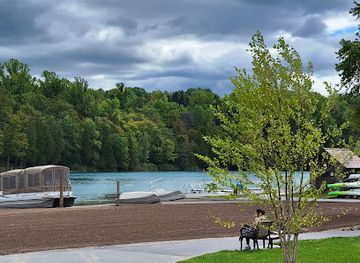
Green Lakes State Park
Explore the captivating beauty of Green Lakes State Park, a natural paradise with glacial lakes, vibrant forests, and endless outdoor adventures.
-
Tourist attraction
Howe Caverns
Explore the breathtaking depths of Howe Caverns, a stunning underground wonder in New York, filled with awe-inspiring geological formations and thrilling adventures.
-
State park
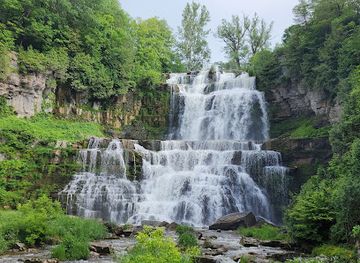
Chittenango Falls State Park
Experience the natural beauty of Chittenango Falls State Park, a breathtaking destination for outdoor enthusiasts and nature lovers in New York.
-
Restaurant
Dave & Buster's Syracuse
Experience fun and flavor at Dave & Buster's Syracuse, where dining meets arcade excitement in an unforgettable entertainment hub.

Best landmarks in Central New York
The Erie Canal Museum in Syracuse occupies a historic canal-era building and is one of the clearest reminders of the waterway that reorganised New York’s economy. Nearby, the city’s Clinton Square preserves the memory of the original canal crossing, while the Salt Museum at Onondaga Lake interprets the brine industry that helped create Syracuse. Auburn’s Harriet Tubman Home and the Seward House are nationally significant landmarks of abolitionism, African American history and nineteenth-century politics, each tied to a figure who shaped the town’s identity. In Oswego, Fort Ontario stands above Lake Ontario as a layered military landmark, with surviving defensive works reflecting several periods of construction and use. Green Lakes State Park provides a natural counterpart: its glacially formed lakes, wooded setting and distinctive shoreline landscapes are among the region’s notable physical features. Further west and south, canal locks, towpaths, village main streets and historic civic buildings give smaller communities their visual identity, even when they are less monumental than Syracuse, Auburn or Oswego’s principal sites.
-
State park
Green Lakes State Park
Explore the natural beauty and outdoor adventures at Green Lakes State Park, a hidden gem in Fayetteville, New York.
-
Historical landmark
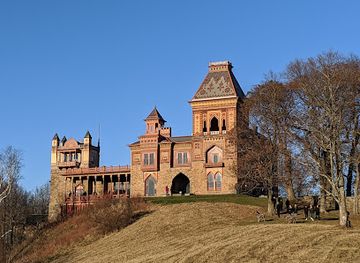
Olana State Historic Site
Experience the artistic legacy and stunning landscapes at Olana State Historic Site, the historic home of painter Frederic Edwin Church in Hudson Valley, New York.
-
Historical landmark
Fort Ontario State Historic Site
Explore Fort Ontario State Historic Site, a captivating historical landmark in Oswego, NY, where military history and stunning views come together.
-
Historical place museum
Port Byron Old Erie Canal Heritage Park
Immerse yourself in history and nature at Port Byron Old Erie Canal Heritage Park, a unique blend of heritage and beauty along the iconic Erie Canal.


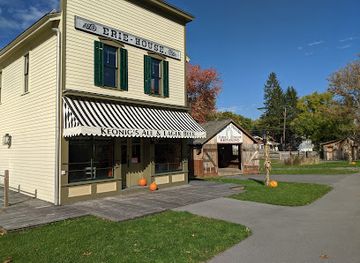
Explore Central New York on the map
Plan your trip on one map. See where the top cities, national parks and sights are, and book hotels and experiences in a few clicks.
Best hotels in Central New York
Best restaurants in Central New York
Central New York’s food culture is shaped by upstate agriculture, immigrant traditions and the practical cooking of canal and industrial communities. Syracuse’s signature salt potatoes, traditionally associated with the local salt-producing area, are a useful regional starting point, while dairy, apples, seasonal vegetables, maple products and baked goods appear at farm stands and markets across the countryside. Italian-American cooking is particularly visible in the larger towns, alongside diners, independent cafés, breweries and contemporary restaurants. Auburn and Oswego offer access to food-producing landscapes and lake-country dining, while Cazenovia and Skaneateles have a more village-oriented mix of cafés, inns and restaurants. Local beer and cider are increasingly common, but the region’s dining is not limited to drinks or formal tasting rooms. Visitors should look for seasonal menus, farmers’ markets and roadside produce stands, remembering that opening patterns vary considerably outside the cities and that small rural businesses may accept cash more readily than larger urban establishments.
-
Barbecue
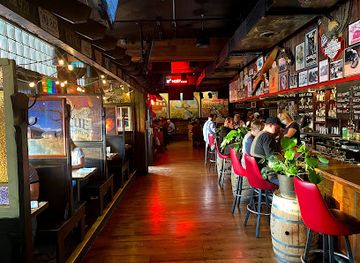
Dinosaur Bar-B-Que
Experience authentic American barbecue at Dinosaur Bar-B-Que in Syracuse - where delicious flavors meet vibrant atmosphere and live music.
-
Italian
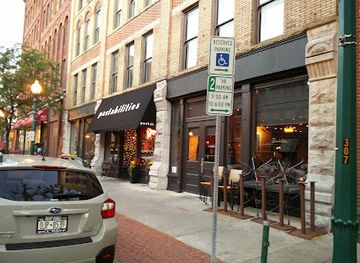
Pastabilities
Experience the fusion of traditional Italian flavors with modern culinary creativity at Pastabilities in Downtown Syracuse.
-
American
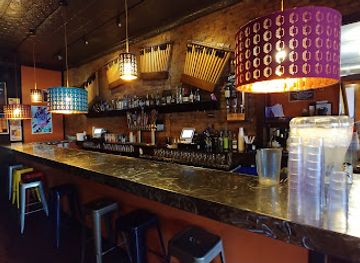
Funk 'n Waffles
Experience unique waffle creations paired with live music at Funk 'n Waffles in downtown Syracuse - where culinary innovation meets vibrant nightlife.
-
Grill
Bull and Bear Roadhouse
Experience the vibrant flavors of Bull and Bear Roadhouse in East Syracuse – where great food meets a lively atmosphere.
Best bars in Central New York
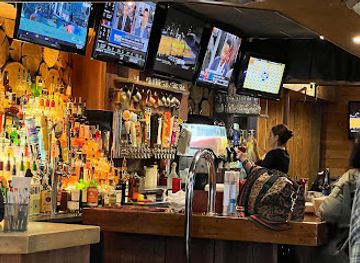
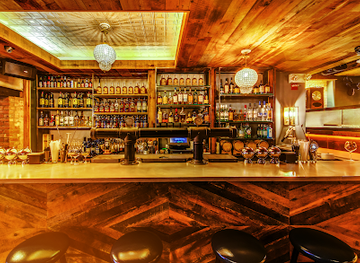
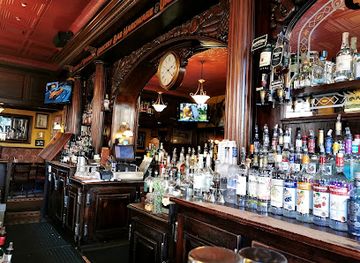
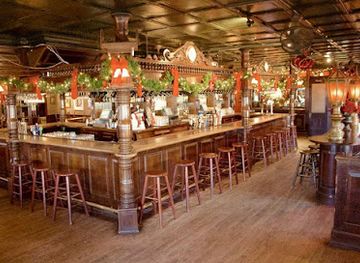
Nightlife in Central New York is concentrated in Syracuse, where downtown and university-adjacent areas support pubs, cocktail bars, breweries, live music and late-opening restaurants. Evening entertainment is also found in theatres, concert venues and seasonal events rather than only in nightclubs. Auburn and Oswego have smaller scenes built around traditional bars, restaurants, live performances and waterfront or historic-town settings, while Cortland’s student population contributes a more youthful selection during the academic year. In Cazenovia, Skaneateles and rural Madison County, evenings generally centre on pubs, inns, restaurants and occasional community events rather than a large club circuit. The region has a strong brewing culture, but visitors should arrange transport carefully when sampling rural producers, as distances, limited late-night public transport and winter conditions can make taxis or a designated driver important.
-
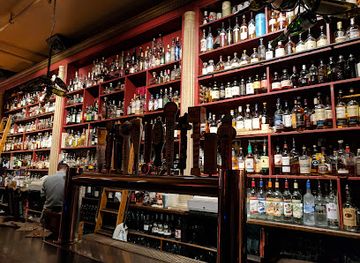
Bar
Tanner Smith's
Discover the essence of New York nightlife at Tanner Smith's, a vibrant cocktail bar and gastropub in the heart of Manhattan.
-
Irish pub
Kitty Hoyne's Irish Pub
Discover the heart of Ireland in Syracuse at Kitty Hoyne's Irish Pub, where delicious food, great drinks, and vibrant atmosphere await.
-
Bar
Coleman's Authentic Irish Pub
Immerse yourself in the authentic Irish atmosphere at Coleman's Authentic Irish Pub in Syracuse, where great food and drinks meet live music.
-
Bar
Al's Wine & Whiskey Lounge
Discover the vibrant atmosphere of Al's Wine & Whiskey Lounge, where fine spirits and live music create unforgettable nights in Syracuse.
Best nightclubs in Central New York
Nightlife in Central New York is concentrated in Syracuse, where downtown and university-adjacent areas support pubs, cocktail bars, breweries, live music and late-opening restaurants. Evening entertainment is also found in theatres, concert venues and seasonal events rather than only in nightclubs. Auburn and Oswego have smaller scenes built around traditional bars, restaurants, live performances and waterfront or historic-town settings, while Cortland’s student population contributes a more youthful selection during the academic year. In Cazenovia, Skaneateles and rural Madison County, evenings generally centre on pubs, inns, restaurants and occasional community events rather than a large club circuit. The region has a strong brewing culture, but visitors should arrange transport carefully when sampling rural producers, as distances, limited late-night public transport and winter conditions can make taxis or a designated driver important.
-
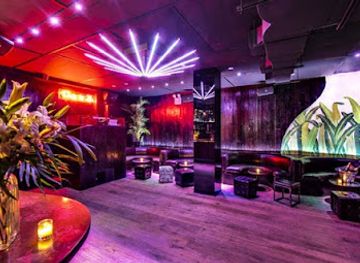
Night club
Rumpus Room
Experience the vibrant nightlife of NYC at Rumpus Room, the ultimate destination for music, dancing, and unforgettable memories.
-
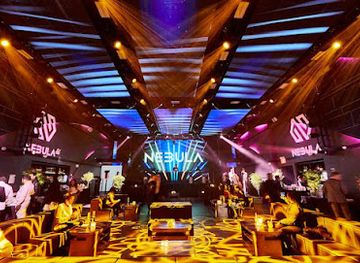
Night club
Nebula
Discover Nebula, the ultimate night club in Manhattan, where vibrant music and an upscale atmosphere create unforgettable nightlife experiences.
-
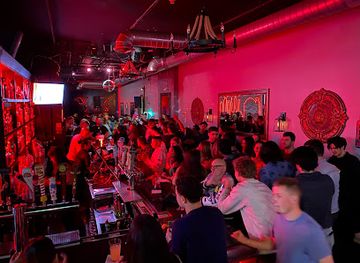
Night club
Orbis Lounge
Experience the vibrant nightlife at Orbis Lounge in Syracuse, where a stylish ambiance meets electrifying energy for unforgettable evenings.
-
Night club
Paradise Night Club
Dive into the vibrant nightlife of Syracuse at Paradise Night Club, where music, food, and fun come together for an unforgettable experience.

Best shops in Central New York
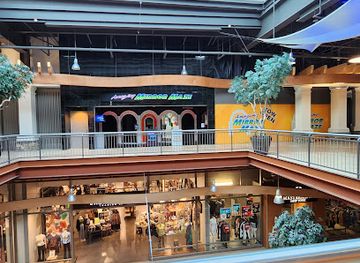
Shopping in Central New York is strongest in Syracuse, where downtown independent retailers, arts venues and larger commercial areas serve the region, while Destiny USA provides a substantial enclosed shopping complex near the city’s transport and canal corridors. Auburn, Oswego, Cortland, Cazenovia and Skaneateles offer more intimate high streets with antiques, books, galleries, clothing, gifts and locally made goods, although individual businesses and opening patterns change over time. Farmers’ markets, farm shops and seasonal roadside stands are particularly worthwhile for apples, maple products, dairy, baked goods, preserves and other produce from the surrounding countryside. Craft shopping tends to be found through galleries, studio retailers and museum shops rather than a single regional craft district. Visitors seeking meaningful souvenirs should look for work by local artists, canal-themed material, regional food products or books on Haudenosaunee, industrial and reform history, while remembering that rural markets may operate only on particular days or seasons.
-
Shopping mall
Destiny USA
Discover shopping, dining, and entertainment at Destiny USA, a premier outlet mall in Syracuse, New York, perfect for an unforgettable day out.
-
Shopping mall
Shop City Shopping Center
Explore Shop City Shopping Center in Syracuse, NY, where shopping meets dining in a vibrant and diverse atmosphere for every visitor.
-
Music store
The Sound Garden-Syracuse
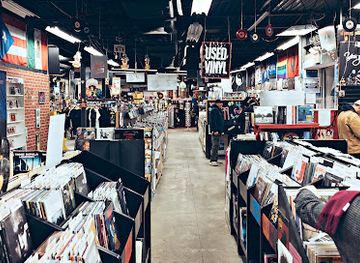
Explore The Sound Garden in Syracuse, a vibrant music store offering records, CDs, and live events for music lovers and collectors alike.
-
Shopping mall
Dewitt Town Center
Explore Dewitt Town Center in Syracuse, NY: a vibrant shopping mall and community center with diverse shops, delicious dining, and engaging local events.
Get your free copy of our complete guide to Central New York, delivered straight to you.
Everything on this page, from attractions and restaurants to essentials and local phrases, in one PDF you can read offline, print or share.
Already have an account? Sign in
Your Central New York guide is ready.
We'll send it to · Not you? Sign out

Getting your guide ready…
We are putting together a fresh copy of the Central New York guide. This can take up to a minute.
This can take a few moments. If your browser asks, choose Allow so the download can start. You'll find the guide in your Downloads folder.
Nothing happened? Download it again
Sorry, the guide is taking longer than usual. Please try again in a minute, or get it by email instead.
Central New York essentials
Currency and Payment
Safety
Emergency Situations
Do's and Don'ts
Local Tips
From Eve
Local phrases worth knowing
You don't need to get them perfect. A few words go a long way, and locals appreciate the effort.
Basics
| English | Local | Say it |
|---|---|---|
| Hello | Hey | [Hey] |
| Goodbye | See ya | [See ya] |
| Yes | Yup | [Yup] |
| No | Nah | [Nah] |
| Please/You’re welcome | No problem | [No pro-blem] |
| Thank you | Thanks | [Thanks] |
| Excuse me/Sorry | Sorry | [Sorry] |
| How are you? | How ya doin’? | [How ya doin’?] |
| Fine. And you? | Good. You? | [Good. You?] |
| Do you speak English? | Do ya speak English? | [Do ya speak English?] |
| I don’t understand | I don’t get it | [I don’t get it] |
Eating & Drinking
| English | Local | Say it |
|---|---|---|
| I’d like to see the menu, please | Can I see the menu? | [Can I see the menu?] |
| I don’t eat meat | I’m a vegetarian | [I’m a ve-ge-ta-rian] |
| Cheers! | Cheers! | [Cheers!] |
| I would like to pay, please | Can I get the check? | [Can I get the check?] |
Emergencies
| English | Local | Say it |
|---|---|---|
| Help! | Help! | [Help!] |
| Go away! | Leave me alone! | [Leave me a-lone!] |
| Call the Police! | Call the cops! | [Call the cops!] |
| Call a doctor! | Get a doctor! | [Get a doc-tor!] |
| I’m lost | I’m lost | [I’m lost] |
| I’m ill | I’m not feelin’ well | [I’m not feelin’ well] |
Shopping
| English | Local | Say it |
|---|---|---|
| I’d like to buy... | I want to buy... | [I want to buy...] |
| I’m just looking | Just browsing | [Just brows-ing] |
| How much is it? | What’s the price? | [What’s the price?] |
| That’s too expensive | That’s way too pricey | [That’s way too price-y] |
| Can you lower the price? | Can ya give me a better deal? | [Can ya give me a bet-ter deal?] |
Time & Numbers
| English | Local | Say it |
|---|---|---|
| What time is it? | What time is it? | [What time is it?] |
| It’s one o’clock | It’s one o’clock | [It’s one o’clock] |
| Half past (10) | Half past ten | [Half past ten] |
| Morning | Mornin’ | [Mornin’] |
| Afternoon | Afternoon | [Af-ter-noon] |
| Evening | Evenin’ | [Evenin’] |
| Yesterday | Yesterdy | [Yes-ter-day] |
| Today | Today | [To-day] |
| Tomorrow | Tomorra | [To-mor-ra] |
| 1 | One | [One] |
| 2 | Two | [Two] |
| 3 | Three | [Three] |
| 4 | Four | [Four] |
| 5 | Five | [Five] |
| 6 | Six | [Six] |
| 7 | Seven | [Seven] |
| 8 | Eight | [Eight] |
| 9 | Nine | [Nine] |
| 10 | Ten | [Ten] |
Transport & Directions
| English | Local | Say it |
|---|---|---|
| Where's a/the...? | Where’s the...? | [Where’s the...?] |
| What’s the address? | What’s the addy? | [What’s the ad-dy?] |
| Can you show me (on the map)? | Can ya point it out? | [Can ya point it out?] |
| When’s the next (bus)? | When’s the next bus? | [When’s the next bus?] |
| A ticket (to ....) | A ticket to... | [A ticket to...] |
History of Central New York
Haudenosaunee Homelands and Onondaga History
Central New York lies within the historic homelands of the Haudenosaunee, including the Onondaga Nation, whose central territory is near present-day Syracuse. The Onondaga people have played a foundational role in the political and cultural history of the Haudenosaunee Confederacy, often known in English as the Iroquois Confederacy. Indigenous trails, waterways and diplomatic networks shaped the region long before European settlement. Visitors should understand that this is not simply a prelude to later colonial history: Haudenosaunee communities, governance and cultural life remain part of the region today.
The Erie Canal and Inland Commerce
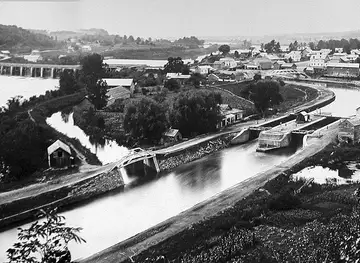
The opening of the Erie Canal in 1825 transformed the centre of New York State by linking the Hudson River with the Great Lakes. Syracuse, Canastota, Chittenango and other communities prospered as canal towns, while the Oswego Canal extended the system towards Lake Ontario. The waterway lowered transport costs, encouraged migration and connected agricultural districts with expanding markets. Although modern roads and railways replaced the canal as the principal freight system, remnants, locks, towpaths and museums preserve the engineering and commercial legacy of this decisive development.
Salt, Industry and the Growth of Syracuse
Salt springs around Onondaga Lake supported a major nineteenth-century salt industry and gave Syracuse an early economic foundation. Brine was processed and transported through the canal network, helping the settlement grow into an industrial and commercial centre. Manufacturing later broadened into machinery, chemicals, electrical goods and other industries, while railways reinforced Syracuse’s position as a regional crossroads. The Salt Museum in Liverpool and the Erie Canal Museum in downtown Syracuse help explain how natural resources, transport infrastructure and industrial labour shaped the city.
Reform, Abolition and the Auburn Community
Auburn became an important centre of nineteenth-century reform movements. Harriet Tubman settled there after the Civil War, operating a home for elderly African Americans and remaining active in religious and humanitarian work until her death in 1913. William H. Seward, a prominent politician and abolitionist who served as Abraham Lincoln’s secretary of state, also made Auburn his home. Their preserved residences and associated sites reflect the complicated political debates of the era, including abolition, emancipation, women’s rights and the continuing struggle for racial equality.
War of 1812 and Lake Ontario Defence
Lake Ontario made the northern part of Central New York strategically important during the War of 1812. Oswego served as a military and supply location, and Fort Ontario guarded the harbour and approaches to the lake. The fort’s surviving structures and later layers of military history reveal how frontier defence evolved from the early republic through the nineteenth and twentieth centuries. Oswego’s port, lighthouse traditions and maritime museums preserve the broader story of commerce and conflict on the inland sea.
Railways, Canals and Twentieth-Century Change
Railways and improved roads gradually displaced canals as the dominant means of long-distance freight, while Syracuse and the surrounding towns adapted to changing manufacturing patterns. The region retained important links to national transport networks, but industrial employment later declined in many communities as production restructured. Former canal corridors became heritage landscapes and recreational paths, and historic downtowns began to emphasise museums, universities, food, arts and local enterprise. Central New York’s present character therefore reflects both industrial inheritance and continuing economic reinvention.
Central New York in Photos
Browse through our photo collection highlighting the charm and character of the destination.
Neighbouring regions of Central New York
The closest regions to Central New York, if you have time for more than one.
-

-
-

-

-


Swipe for more regions
Explore more

Explore more of New York
Discover the electrifying energy, iconic landmarks, and diverse cultural experiences of New York City, the ultimate urban playground for travelers from around the world.
Explore New York