
Kaikoura, New Zealand Travel Guide
Discover the coastal charm of Kaikoura, New Zealand, where majestic mountains meet the Pacific Ocean, offering stunning landscapes, marine wildlife, and fresh seafood.
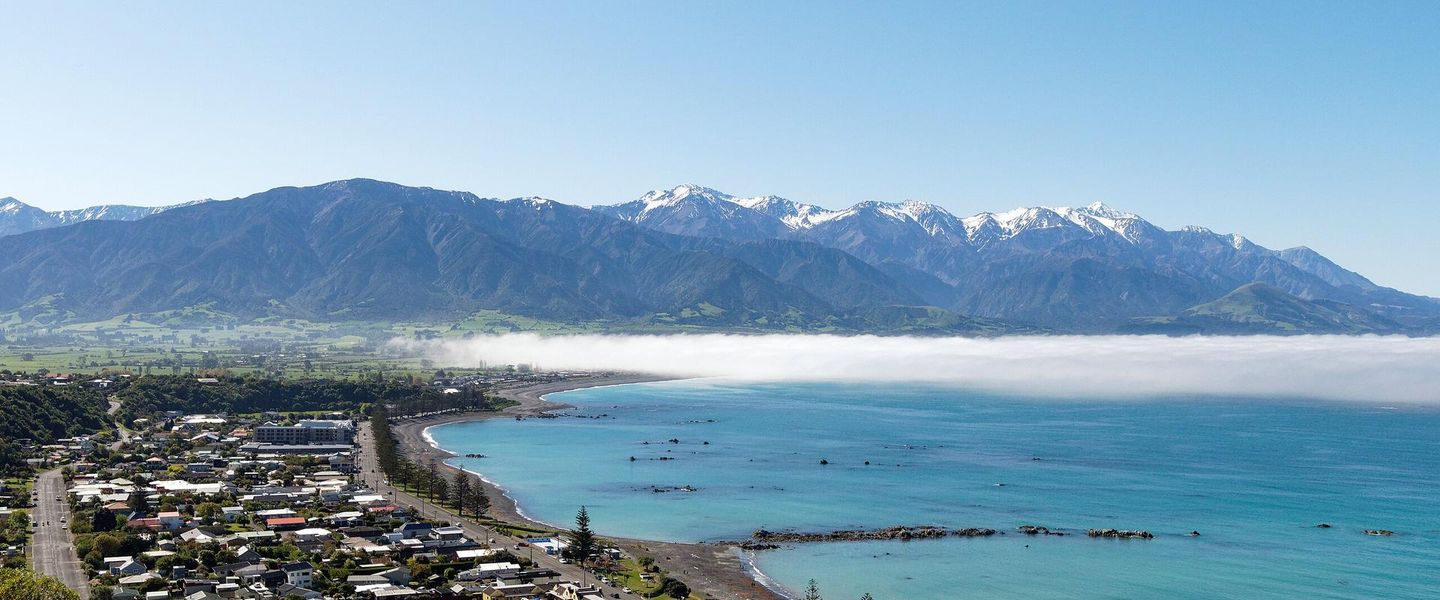
Kaikoura is a coastal town in New Zealand known for its stunning natural beauty and abundant marine life. Nestled between the Seaward Kaikoura Range and the Pacific Ocean, this picturesque town offers a unique blend of mountains and sea, creating breathtaking landscapes that are sure to captivate any visitor. One of the main attractions in Kaikoura is its marine wildlife. The town is renowned for whale watching, with sperm whales, humpback whales, and orcas frequently spotted in the waters. Boat tours and aerial flights provide ample opportunities to witness these magnificent creatures up close. In addition to whales, Kaikoura is also home to a large population of dolphins, seals, and seabirds, making it a paradise for wildlife enthusiasts. Beyond its marine life, Kaikoura offers a range of outdoor activities. Hiking trails in the surrounding mountains provide panoramic views of the coastline, while the Kaikoura Peninsula Walkway offers a scenic route along the cliffs, with opportunities to see native flora and fauna. For those interested in local culture, the town has a rich Maori heritage, with sites and stories that provide insight into the area's history and traditions. For food lovers, Kaikoura is a haven for fresh seafood. The town's name itself means 'meal of crayfish' in Maori, and visitors can enjoy delicious crayfish and other seafood dishes at local restaurants and food stalls. The combination of natural beauty, wildlife, outdoor activities, and culinary delights makes Kaikoura a must-visit destination in New Zealand.

Know before you go
Hi, I'm Eve. Here are a few practical things to know before exploring Kaikoura.
- Book whale watching tours in advance, especially during peak seasons, to ensure availability.
- Wear layers and bring waterproof clothing, as the weather can change quickly.
- Visit the Kaikoura Peninsula Walkway at low tide for easier access to the seal colony.
- Try the local crayfish from roadside stalls for an authentic taste of Kaikoura.
- Rent a car to explore the surrounding areas and enjoy the scenic coastal drives.
Explore Kaikoura: Things to Do, Places to Eat, Hotels & More
Handpicked recommendations for top attractions, local dining, accommodations, and more

Best attractions in Kaikoura
Top-rated picks
Best Attractions

Whale Watch Kaikoura
Discover the wonders of marine life at Whale Watch Kaikoura, New Zealand's premier destination for eco-friendly whale watching and unforgettable coastal experiences.

South Bay Recreation Reserve
Discover the breathtaking landscapes and serene trails of South Bay Recreation Reserve in Canterbury, New Zealand, perfect for nature lovers and outdoor adventures.

EcoZip Adventures Kaikōura
Experience the thrill of ziplining in Kaikōura, surrounded by stunning landscapes and rich biodiversity at EcoZip Adventures.

Fyffe House
Explore the rich history of Kaikōura at Fyffe House, a captivating heritage museum showcasing the lives of early settlers and their enduring legacy.

Best landmarks in Kaikoura
Top-rated picks
Best Landmarks

Whale Watch Kaikoura
Discover the majestic whales of New Zealand at Whale Watch Kaikoura, where unforgettable marine adventures await in a stunning coastal setting.

Encounter Kaikoura (Dolphin Encounter)
Discover the magic of swimming with dolphins at Encounter Kaikoura, where stunning coastal views meet unforgettable marine adventures.

Kaikōura TOP 10 Holiday Park
Experience the perfect blend of adventure and relaxation at Kaikōura TOP 10 Holiday Park, your gateway to breathtaking nature and outdoor activities.

Kaikoura Lookout
Discover the stunning beauty of New Zealand at Kaikoura Lookout, where ocean and mountain meet for breathtaking views and unforgettable moments.

Best restaurants in Kaikoura
Top-rated picks
Best Restaurants

Coopers Catch
Savor the freshest seafood at Coopers Catch in Kaikōura – where every bite is a taste of New Zealand's coastal charm.

Bernie's Diner Kaikoura
Discover delicious comfort food at Bernie's Diner in Kaikoura - where local flavors meet a warm atmosphere.

The Whaler Bar and Restaurant
Experience coastal dining at The Whaler Bar and Restaurant in Kaikōura - fresh seafood, local flavors, and stunning ocean views await you.

Strawberry Tree Kaikoura Ltd.
Experience fresh seafood delights and vibrant live music at Strawberry Tree Kaikoura - a must-visit culinary gem in New Zealand.

Best bars in Kaikoura
Top-rated picks
Best Bars

Coopers Catch
Savor the finest fish and chips in Kaikōura at Coopers Catch, where fresh seafood meets a vibrant atmosphere.

The Pier Hotel
Experience the beauty of Kaikōura at The Pier Hotel, where stunning ocean views meet cozy accommodations and delicious local cuisine.

Bernie's Diner Kaikoura
Experience the best of Kiwi cuisine at Bernie's Diner in Kaikoura, where fresh ingredients and friendly service come together.

The Whaler Bar and Restaurant
Experience the vibrant atmosphere and delightful flavors of The Whaler Bar and Restaurant in picturesque Kaikōura, New Zealand.

Best nightclubs in Kaikoura
Top-rated picks
Best Nightclubs

The Whaler Bar and Restaurant
Experience the best of New Zealand’s coastal cuisine at The Whaler Bar and Restaurant in Kaikōura, where fresh seafood meets stunning views.

Slam Club
Discover the lively Slam Club in Kaikōura, where delicious dining meets an energetic bar scene, perfect for a memorable night out.

Lobster Inn Tavern
Discover the coastal charm of Kaikōura at Lobster Inn Tavern, where fresh seafood meets the warm hospitality of a local pub.

Kaikoura Boutique Hotel
Experience the perfect blend of luxury and nature at Kaikoura Boutique Hotel, where stunning ocean views meet warm hospitality.

Best shops in Kaikoura
Top-rated picks
Best Shops

Whale Watch Kaikoura
Experience the thrill of whale watching in Kaikoura, New Zealand, where breathtaking marine encounters await amidst stunning coastal scenery.

Encounter Kaikoura (Dolphin Encounter)
Explore the wonders of marine life at Encounter Kaikoura, where unforgettable dolphin encounters and scenic tours await in stunning New Zealand.

New World Kaikoura
Discover the flavors of New Zealand at New World Kaikoura, your go-to supermarket for local produce, fresh seafood, and culinary delights.

Kaikoura Bakery
Experience the flavors of Kaikoura at the delightful Kaikoura Bakery, where fresh pastries and local delicacies await every visitor.

Explore Kaikoura on the Map
A handpicked selection of must-see spots in Kaikoura, mapped for you.
Kaikoura Essentials
-
Kaikoura is located on the east coast of New Zealand's South Island. The nearest major airport is Christchurch International Airport, approximately 180 kilometers away. From Christchurch, you can drive to Kaikoura via State Highway 1, which takes about 2.5 hours. Alternatively, you can take a train on the Coastal Pacific line, offering scenic views along the way. There are also intercity bus services that connect Christchurch to Kaikoura.
-
Kaikoura is a compact town, making it easy to explore on foot. For those looking to venture further afield, rental cars are available and provide the flexibility to explore the surrounding areas at your own pace. Local taxis are also available. For those interested in eco-friendly options, bicycles can be rented from local shops. Public transport within Kaikoura is limited, but the town is well-connected by road to other parts of the South Island.
-
The official currency in New Zealand is the New Zealand Dollar (NZD). Credit and debit cards are widely accepted in most establishments, including restaurants, shops, and hotels. ATMs are readily available throughout Kaikoura, and many places also offer contactless payment options. It is advisable to carry some cash for smaller vendors or in more remote areas where card payments may not be accepted.
-
Kaikoura is generally a safe destination for tourists. It is important to take standard precautions, such as not leaving valuables unattended and being vigilant in crowded areas. There are no specific high-crime areas targeting tourists, but it is always wise to stay aware of your surroundings. The town is known for its natural beauty, so be mindful of weather conditions and sea safety if participating in water activities.
-
In case of emergency, dial 111 for immediate assistance from police, fire, or medical services. The local medical center in Kaikoura can handle most health issues, but for serious conditions, patients may need to be transferred to a larger hospital in Christchurch. It is recommended to have travel insurance that covers medical emergencies. Pharmacies in Kaikoura can provide over-the-counter medications for minor health concerns.
-
Fashion: Do dress in layers as the weather can change quickly. Casual and comfortable clothing is recommended. Religion: Do respect local customs, although Kaikoura is not particularly religious. Public Transport: Do plan ahead as public transport is limited. Taxis and rental cars are more reliable options. Greetings: Do greet people with a friendly 'Hello' or 'Kia Ora', the Māori greeting. Eating & Drinking: Do try local seafood delicacies like crayfish. Don't forget to book in advance for popular restaurants, especially during peak seasons.
-
To experience Kaikoura like a local, take a stroll along the Kaikoura Peninsula Walkway for stunning coastal views. Visit the local farmers market on weekends to buy fresh produce and handmade goods. Engage with locals at cafes and pubs to hear stories about the town's history and marine life. Don’t miss the chance to go whale watching, a signature activity in Kaikoura, and try to explore some lesser-known spots like the Ohau Stream Walk where you can see baby seals.
When is the best time to visit Kaikoura?
Useful Local Phrases for Kaikoura
You don't need to speak the language perfectly. Even learning a few simple words can make conversations warmer—and locals usually appreciate the effort.
— Eve

Here are the phrases I use most often in Kaikoura. Try a few—you'll be surprised how far they go! 😊
❤️
-
- HelloKia ora
[key-ah or-ah] - GoodbyeHaere rā
[high-ree rah] - YesĀe
[eye] - NoKāore
[kaa-or-reh] - Please/You're welcomeKoa
[koh-ah] - Thank youNgā mihi
[nah mee-hee] - Excuse me/SorryWhakapāhaia au
[fah-kah-paah-high-ah ow] - How are you?Kei te pehea koe?
[key teh feh-ha koh-eh] - Fine. And you?Ka pai. Ā koe?
[kah pie. eye koh-eh] - Do you speak English?Kōrero koe i te reo Pākehā?
[koh-reh-roh koh-eh ee teh reh-oh pah-keh-ha] - I don't understandKaore au e mohio
[kaa-or-reh ow eh moh-hee-oh]
- HelloKia ora
-
- I'd like to see the menu, pleaseMe tiro i te wharangi kai, koa
[meh tee-roh ee teh fah-rah-ngi kai, koh-ah] - I don't eat meatKāore au e kai mīti
[kaa-or-reh ow eh kai mee-tee] - Cheers!Āraha!
[eye-rah-ha] - I would like to pay, pleaseMe utu au, koa
[meh oo-too ow, koh-ah]
- I'd like to see the menu, pleaseMe tiro i te wharangi kai, koa
-
- Help!Āwhina!
[eye-fee-nah] - Go away!Haere atu!
[high-ree ah-too] - Call the Police!Whakapā atu ki te Pirihimana!
[fah-kah-paah ah-too kee teh pee-ree-hee-mah-nah] - Call a doctor!Whakapā atu ki te doctor!
[fah-kah-paah ah-too kee teh doh-k-tor] - I'm lostI wareware au
[ee wah-reh-wah-reh ow] - I'm illKua mate au
[koo-ah mah-teh ow]
- Help!Āwhina!
-
- I'd like to buy...Me hoko...
[meh hoh-koh] - I'm just lookingE hiahia ana au
[eh hee-ah-hee-ah ah-nah ow] - How much is it?E hia te utu?
[eh hee-ah teh oo-too] - That's too expensiveHe rawa te utu
[heh rah-wah teh oo-too] - Can you lower the price?Ka taea e koe te whakaiti i te utu?
[kah teh-ah eh koh-eh teh fah-kai-tee ee teh oo-too]
- I'd like to buy...Me hoko...
-
- What time is it?He aha te wa?
[heh ah-hah teh wah] - It's one o'clockKotahi te haora
[koh-tah-hee teh hah-oh-rah] - Half past (10)Tekau ma rima
[teh-koh mah ree-mah] - MorningAta
[ah-tah] - AfternoonAhiahi
[ah-hee-ah-hee] - EveningPō
[poh] - YesterdayRāwhānau
[rah-fah-now] - TodayTēnei rā
[teh-nay rah] - TomorrowĀpōpō
[ah-poh-poh] - 1Tahi
[tah-hee] - 2Rua
[roo-ah] - 3Toru
[toh-roo] - 4Whā
[fah] - 5Rima
[ree-mah] - 6Ono
[oh-no] - 7Whitu
[fee-too] - 8Waru
[wah-roo] - 9Iwa
[ee-wah] - 10Tekau
[teh-kou]
- What time is it?He aha te wa?
-
- Where's a/the...?Kei hea te...
[key heh-ah teh] - What's the address?Ko wai te wāhitau?
[koh why teh wah-hee-tow] - Can you show me (on the map)?Taea e koe te whakaatu mai ki ahau (i runga i te mahere)?
[teh-ah eh koh-eh teh fah-kah-ah-too my key ah-how ee roo-ngah ee teh mah-heh-reh] - When's the next (bus)?Āhea te (pahi) kei te tatau?
[eye-heh teh pah-hee kei teh tah-tow] - A ticket (to ....)He tiki (ki ...)
[heh tee-kee kee]
- Where's a/the...?Kei hea te...
History of Kaikoura
-
Kaikoura, which translates to 'meal of crayfish' in Māori, has been inhabited by the Ngāti Kurī tribe for over 900 years. The Māori people were drawn to the region’s rich marine life, particularly the abundance of crayfish, which became a staple in their diet. The region’s mountains and coastlines were also significant in Māori mythology and spirituality, serving as a backdrop for many of their legends and stories.
-
The first recorded European to sight Kaikoura was Captain James Cook in 1770 during his first voyage to New Zealand. However, it was not until the early 19th century that European whalers began to settle in the region. The establishment of whaling stations marked a new era in Kaikoura's history, with the area becoming a bustling hub for whaling activities. European settlers brought significant changes to the region, impacting the local Māori population and the environment.
-
The whaling industry was central to Kaikoura's economy from the early 1800s until the 1920s. Whaling stations were established along the coast, and the town grew as a result of the industry’s success. Whalers hunted various species, including sperm and right whales, which were abundant in the region's waters. This era left a lasting impact on Kaikoura's culture and heritage, with many residents tracing their ancestry back to whalers.
-
In 1945, the completion of the South Island Main Trunk Railway brought significant economic development to Kaikoura. The railway provided a crucial link between Christchurch and Picton, facilitating trade and travel. This development led to an increase in tourism and commerce, transforming Kaikoura into a more connected and prosperous community.
-
In the late 20th century, Kaikoura began to reinvent itself as a premier eco-tourism destination. The town’s commitment to marine conservation attracted tourists from around the globe eager to experience its unique marine life. The establishment of whale watching tours in 1987 marked the beginning of this new era. Today, Kaikoura is renowned for its sustainable tourism practices and its efforts to protect the natural environment.
-
On November 14, 2016, Kaikoura was struck by a 7.8 magnitude earthquake, causing significant damage to the town and surrounding areas. The quake resulted in landslides, infrastructure damage, and temporarily cut off access to the town. The community’s resilience and the rapid response in rebuilding efforts showcased the strength and unity of Kaikoura’s residents. The earthquake also led to geological changes, such as the uplifting of the seabed, which have since become points of interest for scientists and tourists alike.
Cities near Kaikoura
The closest cities to Kaikoura, if you have time for more than one stop.


Your all‑in‑one travel companion app
Explore expert travel guides, compare and book tours, experiences, hotels, and more—all from the palm of your hand. Download now for seamless trip planning wherever your wanderlust takes you.


Kaikoura in Photos
Browse through our photo collection highlighting the charm and character of the destination.




Kaikoura: Where Mountains and Ocean Converge
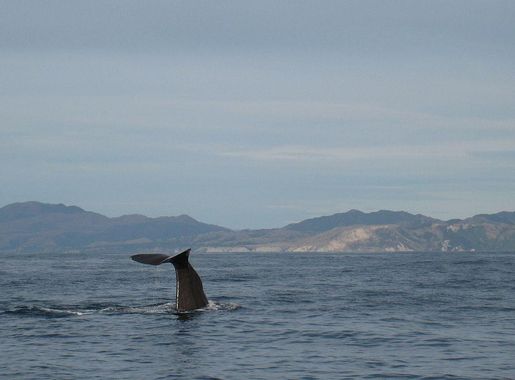
Kaikoura is a coastal town in New Zealand known for its stunning natural beauty and abundant marine life. Nestled between the Seaward Kaikoura Range and the Pacific Ocean, this picturesque town offers a unique blend of mountains and sea, creating breathtaking landscapes that are sure to captivate any visitor. One of the main attractions in Kaikoura is its marine wildlife. The town is renowned for whale watching, with sperm whales, humpback whales, and orcas frequently spotted in the waters. Boat tours and aerial flights provide ample opportunities to witness these magnificent creatures up close. In addition to whales, Kaikoura is also home to a large population of dolphins, seals, and seabirds, making it a paradise for wildlife enthusiasts. Beyond its marine life, Kaikoura offers a range of outdoor activities. Hiking trails in the surrounding mountains provide panoramic views of the coastline, while the Kaikoura Peninsula Walkway offers a scenic route along the cliffs, with opportunities to see native flora and fauna. For those interested in local culture, the town has a rich Maori heritage, with sites and stories that provide insight into the area's history and traditions. For food lovers, Kaikoura is a haven for fresh seafood. The town's name itself means 'meal of crayfish' in Maori, and visitors can enjoy delicious crayfish and other seafood dishes at local restaurants and food stalls. The combination of natural beauty, wildlife, outdoor activities, and culinary delights makes Kaikoura a must-visit destination in New Zealand.
Explore More of New Zealand

Looking beyond Kaikoura? Discover New Zealand for broader travel guides, local hot-spots, and regional highlights.
Explore New Zealand