
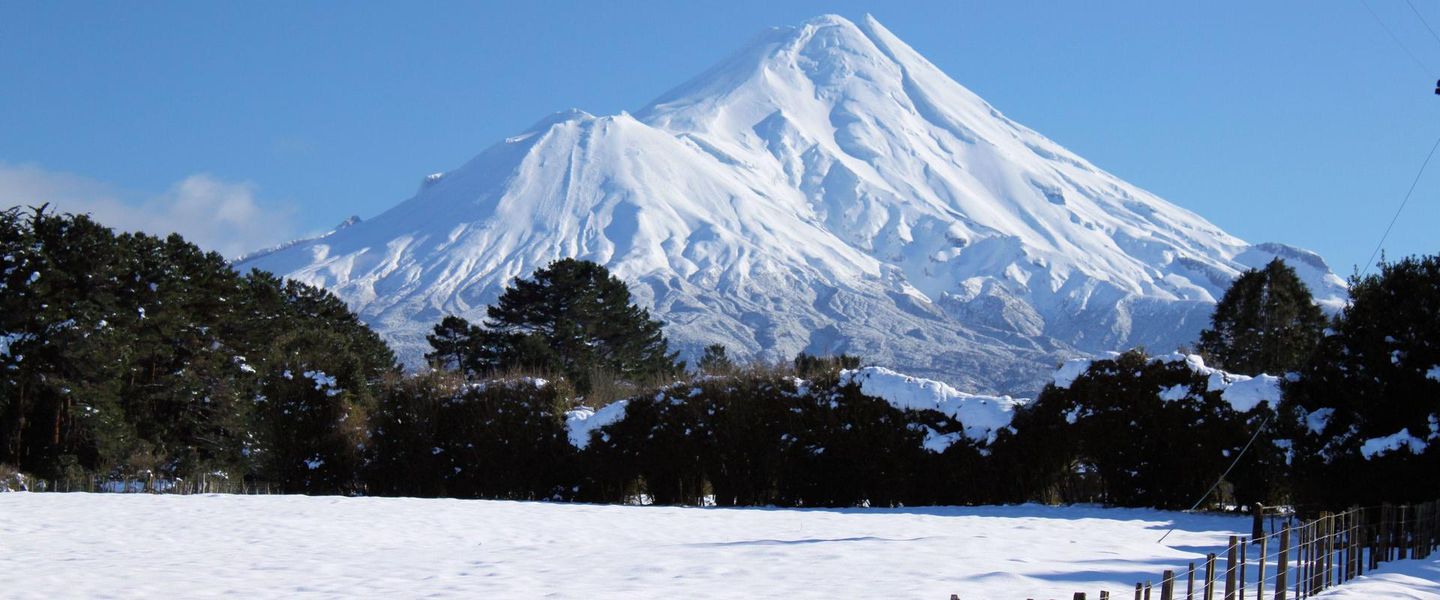
Taranaki, New Zealand Travel Guide
Discover Taranaki: A blend of dramatic landscapes, vibrant arts, and rich Maori culture on New Zealand's stunning west coast.
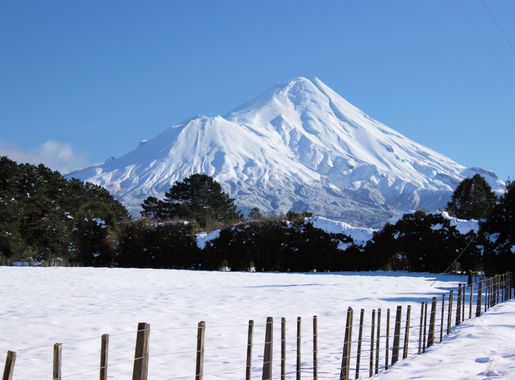
Taranaki, located on the west coast of New Zealand's North Island, is a captivating destination that combines natural beauty with rich cultural experiences. Dominated by the majestic Mount Taranaki, an almost perfectly symmetrical volcano, the region offers stunning landscapes that are a paradise for outdoor enthusiasts. From lush rainforests and serene beaches to dramatic cliffs and waterfalls, Taranaki has it all. The city of New Plymouth, the largest urban area in Taranaki, boasts a vibrant arts scene, with numerous galleries, museums, and the iconic Len Lye Centre, dedicated to the works of the pioneering kinetic artist. The city's coastal walkway is perfect for a leisurely stroll or bike ride, offering breathtaking views of the Tasman Sea. Beyond the city, Taranaki's natural attractions are abundant. Egmont National Park, which encircles Mount Taranaki, offers a variety of hiking trails suitable for all levels of fitness. The Pouakai Crossing, often compared to the famous Tongariro Alpine Crossing, provides a challenging yet rewarding trek with spectacular views of the mountain and surrounding landscapes. The region's gardens, such as Pukeiti, Hollard Gardens, and Tupare, are must-visit spots, showcasing a diverse range of native and exotic plants. Cultural experiences in Taranaki are equally enriching. The region is steeped in Maori history, and visitors can learn about the local iwi (tribes) and their traditions through guided tours and cultural performances. Taranaki's annual events, such as the Taranaki Garden Festival and WOMAD (World of Music, Arts and Dance), draw visitors from all over the globe, adding to the region's dynamic appeal.

Know before you go
Hi, I'm Eve. Here are a few practical things to know before exploring Taranaki.
- Weather can change quickly; pack layers and waterproof clothing.
- Visit during the Taranaki Garden Festival for a unique floral experience.
- Rent a car to explore the region at your own pace.
- Check local guides for the best times to hike Mount Taranaki.
Top City Travel Guides in Taranaki
The cities of Taranaki, and the easiest places to base yourself.


Explore Taranaki: Things to Do, Places to Eat, Hotels & More
Handpicked recommendations for top attractions, local dining, accommodations, and more

Top Attractions & Sightseeing in Taranaki
Top-rated picks
Best Attractions

Pukekura Park
Discover the beauty of Pukekura Park, an urban haven in New Plymouth, filled with lush gardens, serene lakes, and vibrant cultural experiences.

Te Rewa Rewa Bridge
Discover the breathtaking beauty of Te Rewa Rewa Bridge in New Plymouth, an architectural marvel with stunning views and scenic walking paths.

Egmont National Park
Explore Egmont National Park: A stunning national park in Taranaki, New Zealand, offering hiking, breathtaking views, and rich biodiversity.

Tawhai Falls (Gollums Pool)
Explore the stunning Tawhai Falls, a natural wonder in Tongariro National Park, famous for its breathtaking views and connection to 'The Lord of the Rings.'

Best landmarks in Taranaki
Top-rated picks
Best Landmarks
Pukekura Park
Explore the enchanting Pukekura Park in New Plymouth, New Zealand, a stunning blend of nature, gardens, and vibrant events that offers a perfect escape for every traveler.

Te Rewa Rewa Bridge
Discover the breathtaking Te Rewa Rewa Bridge in New Plymouth, a stunning architectural marvel that connects nature and beauty.

Egmont National Park
Explore Egmont National Park: A breathtaking blend of natural beauty, rich wildlife, and outdoor adventure in Taranaki, New Zealand.

Govett-Brewster Art Gallery/Len Lye Centre
Discover the vibrant world of modern art at the Govett-Brewster Art Gallery/Len Lye Centre in New Plymouth, showcasing innovative exhibitions and kinetic masterpieces.

Best restaurants in Taranaki
Top-rated picks
Best Restaurants

Deluxe Diner
Experience authentic American flavors at Deluxe Diner in New Plymouth – from breakfast delights to classic burgers and shakes.

Crowded House Bar & Eatery
Discover delicious cuisine and vibrant nightlife at Crowded House Bar & Eatery in New Plymouth – a must-visit destination for tourists.

The Good Home
Experience the essence of New Zealand's culinary scene at The Good Home in New Plymouth – where delicious food meets vibrant nightlife.

Cobb & Co. New Plymouth
Experience delicious Kiwi cuisine at Cobb & Co. New Plymouth - a must-visit restaurant offering comfort food in a warm atmosphere.

Best bars in Taranaki
Top-rated picks
Best Bars

Deluxe Diner
Experience the vibrant flavors of America at Deluxe Diner in New Plymouth, where delicious food meets a friendly atmosphere.
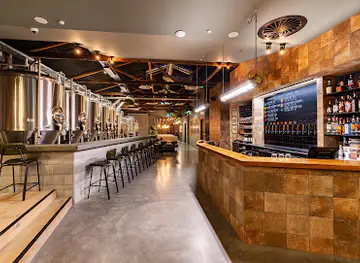
Shining Peak Brewing
Experience the best of New Plymouth's craft beer culture at Shining Peak Brewing, where innovative brews meet a vibrant dining atmosphere.
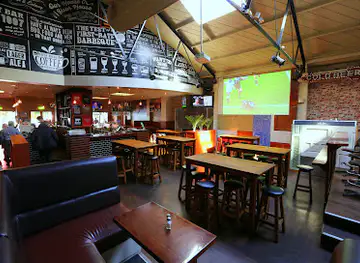
Crowded House Bar & Eatery
Discover the lively Crowded House Bar & Eatery in New Plymouth, where great food, drinks, and sports come together in a vibrant atmosphere.
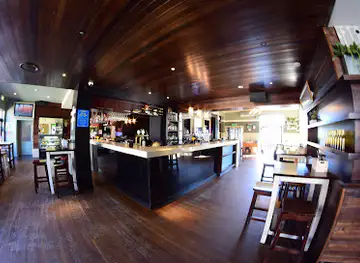
The Good Home
Discover the culinary charm of New Plymouth at The Good Home, where local flavors and a warm atmosphere await you.

Best nightclubs in Taranaki
Top-rated picks
Best Nightclubs

Peggy Gordon's Celtic Bar
Immerse yourself in the lively atmosphere of Peggy Gordon's Celtic Bar, a premier spot for live music, Irish cuisine, and great company in New Plymouth.

Snug Lounge
Discover the vibrant culinary scene at Snug Lounge, where Japanese cuisine meets a stylish cocktail bar in New Plymouth.

New Plymouth Club
Experience the heart of New Plymouth at the vibrant New Plymouth Club, where community spirit and entertainment come alive.

South Taranaki Club Inc
Discover local flavors and a vibrant atmosphere at South Taranaki Club Inc, Hāwera's prime social hub for travelers.

Best shops in Taranaki
Top-rated picks
Best Shops

Centre City Shopping Centre
Explore the vibrant atmosphere of Centre City Shopping Centre, where shopping, dining, and entertainment come together in New Plymouth's heart.
The Valley Mega Centre
Discover The Valley Mega Centre, New Plymouth's vibrant shopping mall with diverse stores, eateries, and family-friendly entertainment options.

The Warehouse New Plymouth
Explore The Warehouse New Plymouth, a diverse department store offering everything from clothing to home goods, perfect for all your shopping needs.

The Warehouse Hawera
Discover a world of shopping at The Warehouse Hawera, where fashion, home goods, and toys meet quality and value in the heart of Hāwera.

Explore Taranaki on the Map
A handpicked selection of must-see spots in Taranaki, mapped for you.
Taranaki Essentials
-
Taranaki is located on the west coast of New Zealand's North Island. The nearest major airport is New Plymouth Airport (NPL), which offers domestic flights from cities such as Auckland, Wellington, and Christchurch. International travelers can connect via Auckland Airport (AKL) or Wellington Airport (WLG). From New Plymouth Airport, you can rent a car, take a taxi, or use shuttle services to reach your destination within Taranaki.
-
Taranaki offers various transportation options. Renting a car is popular for exploring the region at your own pace. New Plymouth has a public bus system operated by 'Tranzit Coachlines,' which connects key locations within the city and surrounding areas. Taxis and ride-sharing services like Uber are also available. For those who enjoy biking, Taranaki has excellent cycling trails, including the New Plymouth Coastal Walkway.
-
The official currency in New Zealand is the New Zealand Dollar (NZD). Credit and debit cards are widely accepted in most hotels, restaurants, and shops. ATMs are plentiful in urban areas like New Plymouth. It's advisable to carry some cash for use in smaller towns and rural areas. Most places accept contactless payments such as EFTPOS, Apple Pay, and Google Wallet.
-
Taranaki is generally a safe destination for tourists. However, it's always good to practice standard safety precautions. Avoid walking alone at night in unfamiliar areas and keep an eye on your belongings in crowded places. While Taranaki doesn't have specific high-crime areas targeting tourists, it's always best to stay vigilant and aware of your surroundings.
-
In case of emergency, dial 111 for police, fire, or medical assistance. New Plymouth has a hospital, Taranaki Base Hospital, which offers comprehensive emergency services. Pharmacies are readily available for minor health issues. It is recommended to have travel insurance that covers medical emergencies. The New Zealand Police are generally friendly and helpful to tourists.
-
Fashion: Do dress in layers as the weather can be variable. Casual and comfortable clothing is generally acceptable. Avoid overly revealing attire. Religion: Do respect local customs and traditions, especially when visiting Marae (Māori meeting grounds). Always ask for permission before entering. Public Transport: Do be respectful and considerate. Keep noise levels down and offer seats to the elderly or those with disabilities. Greetings: Do greet people with a friendly 'Kia Ora' (hello) or a handshake. Eating & Drinking: Do try local delicacies like fish and chips, and Taranaki’s famous cheeses. Don't leave food waste or litter behind, as New Zealanders are very environmentally conscious.
-
To experience Taranaki like a local, visit the farmers' markets in New Plymouth and Hawera for fresh produce and local crafts. Engage with locals, as they are friendly and often willing to share insights about the region. Don't miss the annual Taranaki Arts Festival and WOMAD (World of Music, Arts and Dance) held in New Plymouth. For a unique experience, hike the trails of Mt. Taranaki or explore the scenic Surf Highway 45.
When is the best time to visit Taranaki?
Useful Local Phrases for Taranaki
You don't need to speak the language perfectly. Even learning a few simple words can make conversations warmer—and locals usually appreciate the effort.
— Eve

Here are the phrases I use most often in Taranaki. Try a few—you'll be surprised how far they go! 😊
❤️
-
- HelloKia ora
[kee-ah oh-rah] - GoodbyeHaere rā
[high-reh rah] - YesĀe
[ah-eh] - NoKāo
[ka-oh] - Please/You’re welcomeTēnā koa
[teh-nah koh-ah] - Thank youNgā mihi
[nah mee-hee] - Excuse me/SorryAroha mai
[ah-roh-hah my] - How are you?Kei te pēhea koe?
[kay teh peh-heh-ah koy] - Fine. And you?Ka pai. Āe, koe?
[kah pie. ah-eh, koy?] - Do you speak English?Ka kōrero koe i te reo Ingarihi?
[kah koh-reh-roh koy ee teh reh-oh in-gah-ree-hee?] - I don’t understandKāore au e mārama
[kah-oh-reh ow eh mah-rah-mah]
- HelloKia ora
-
- I’d like to see the menu, pleaseKa hiahia au ki te kite i te rārangi kai, tēnā koa
[kah hee-ah-hee-ah ow kee teh kee-teh ee teh rah-rah-ngi kye, teh-nah koh-ah] - I don’t eat meatKāore au e kai i te mutton
[kah-oh-reh ow eh kye ee teh muht-ton] - Cheers!Kia ora!
[kee-ah oh-rah!] - I would like to pay, pleaseKa hiahia au ki te utu, tēnā koa
[kah hee-ah-hee-ah ow kee teh oo-too, teh-nah koh-ah]
- I’d like to see the menu, pleaseKa hiahia au ki te kite i te rārangi kai, tēnā koa
-
- Help!Tūpakitanga!
[too-pah-kee-tah-ngah!] - Go away!Haere atu!
[high-reh ah-too!] - Call the Police!Karanga te Pūtahi!
[kah-rah-ngah teh poo-tah-hee!] - Call a doctor!Karanga he rata!
[kah-rah-ngah heh rah-tah!] - I’m lostKua ngaro au
[koo-ah nah-roh ow] - I’m illKei te pāngia au
[kay teh pah-ngah-ee-ah ow]
- Help!Tūpakitanga!
-
- I’d like to buy...Ka hiahia au ki te hoko...
[kah hee-ah-hee-ah ow kee teh hoh-koh...] - I’m just lookingKei te tirohia noa
[kay teh tee-roh-hee-ah noh-ah] - How much is it?E hia te utu?
[eh hee-ah teh oo-too?] - That’s too expensiveTēnā he tino utu kē
[teh-nah heh tee-noh oo-too keh] - Can you lower the price?Ka taea e koe te whakaheke i te utu?
[kah tah-eh eh koy teh fah-kah-heh-keh ee teh oo-too?]
- I’d like to buy...Ka hiahia au ki te hoko...
-
- What time is it?He aha te wā?
[heh ah-hah teh wah?] - It’s one o’clockHe tekau mā tahi te wā
[heh teh-kau mah tah-hee teh wah] - Half past (10)Hāwhe ki te tekau
[hah-feh kee teh teh-kau] - MorningAta
[ah-tah] - AfternoonPopo
[poh-poh] - EveningPō
[poh] - YesterdayInā hoki
[ee-nah hoh-kee] - TodayI tēnei rā
[ee teh-neh rah] - TomorrowĀpōpō
[ah-po-po] - 1Tahi
[tah-hee] - 2Rua
[roo-ah] - 3Toru
[toh-roo] - 4Whā
[fah] - 5Rima
[ree-mah] - 6Ono
[oh-noh] - 7Whitu
[fee-too] - 8Waru
[wah-roo] - 9Iwa
[ee-wah] - 10Tekau
[teh-kau]
- What time is it?He aha te wā?
-
- Where's a/the...?Kei hea te...?
[kay he-ah teh...?] - What’s the address?He aha te wāhitau?
[heh ah-hah teh wah-hee-tau?] - Can you show me (on the map)?Ka taea e koe te whakaatu mai (i runga i te mapi)?
[kah tah-eh eh koy teh fah-kah-ah-too my (ee roo-ngah ee teh mah-pee)?] - When’s the next (bus)?Āhea te pahi e whai ake nei?
[ah-heh-ah teh pah-hee eh whigh ah-keh nay?] - A ticket (to ....)He tikiti (ki ....)
[heh tee-kee-tee (kee ....)]
- Where's a/the...?Kei hea te...?
History of Taranaki
-
The Taranaki region, known for its iconic volcanic peak, has been inhabited by Māori iwi (tribes) for over 700 years. The indigenous people established intricate communities, with the Ngāti Tama, Ngāti Mutunga, and Te Āti Awa being some of the prominent iwi in the area. They utilized the fertile lands for agriculture and the coastal waters for fishing, creating a rich cultural tapestry that is still evident today.
-
The first recorded European contact with Taranaki was by British explorer Captain James Cook in 1770. Cook named the prominent mountain 'Mount Egmont' after John Perceval, the 2nd Earl of Egmont. This marked the beginning of European interest in the region, leading to further exploration and eventual settlement.
-
The 19th century was a tumultuous period for Taranaki, marked by the New Zealand Wars between Māori and British settlers. The conflict was primarily over land disputes, with significant battles such as the Siege of Pukehinahina (Gate Pā) and the Battle of Waireka. These wars had a profound impact on the region, leading to extensive land confiscations and shaping the socio-political landscape of Taranaki.
-
New Plymouth, the main city in Taranaki, was founded by the Plymouth Company in 1841. The town was established as a planned settlement for British immigrants, and its growth was driven by agriculture, particularly dairy farming. The arrival of European settlers brought significant changes to the region's infrastructure, economy, and culture.
-
The Taranaki Land Wars, which took place from 1860 to 1863, were a series of conflicts between the Māori and British settlers. The wars began with the Waitara dispute, where the colonial government attempted to purchase land without proper consultation with the Māori owners. The conflicts resulted in loss of life, land confiscations, and long-lasting grievances that continue to influence Taranaki's history.
-
In the late 19th century, Parihaka, a village in Taranaki, became a symbol of non-violent resistance against land confiscations. Led by Te Whiti-o-Rongomai and Tohu Kākahi, the community practiced passive resistance, which inspired future civil rights movements globally. The government’s response was the invasion of Parihaka in 1881, leading to the arrest of its leaders and the dispersal of its inhabitants.
-
The early 20th century saw a significant boom in Taranaki's dairy industry, contributing to the region's prosperity. The establishment of numerous dairy cooperatives and the development of new farming techniques transformed Taranaki into one of New Zealand's leading dairy-producing areas. This agricultural success has played a crucial role in shaping the region's economy and identity.
-
Mount Taranaki, formerly known as Mount Egmont, holds immense cultural and spiritual significance for the Māori people. The mountain is considered an ancestor and a living entity, featuring prominently in local legends and traditions. In recent years, there has been a movement to restore its traditional name, reflecting a broader recognition of its importance in Māori culture.
-
Today, Taranaki is a vibrant region where Māori and European cultures coexist and thrive. The area's rich history is celebrated through various cultural festivals, historical sites, and museums. Modern Taranaki continues to honor its past while embracing a diverse and dynamic future, making it a unique destination for travelers seeking to understand New Zealand's heritage.
Neighbouring Regions of Taranaki
The closest regions to Taranaki, if you have time for more than one.



Your all‑in‑one travel companion app
Explore expert travel guides, compare and book tours, experiences, hotels, and more—all from the palm of your hand. Download now for seamless trip planning wherever your wanderlust takes you.


Explore More of New Zealand

Looking beyond Taranaki? Discover New Zealand for broader travel guides, local hot-spots, and regional highlights.
Explore New ZealandTaranaki in Photos
Browse through our photo collection highlighting the charm and character of the destination.


Taranaki: New Zealand's Hidden Gem
Taranaki, located on the west coast of New Zealand's North Island, is a captivating destination that combines natural beauty with rich cultural experiences. Dominated by the majestic Mount Taranaki, an almost perfectly symmetrical volcano, the region offers stunning landscapes that are a paradise for outdoor enthusiasts. From lush rainforests and serene beaches to dramatic cliffs and waterfalls, Taranaki has it all. The city of New Plymouth, the largest urban area in Taranaki, boasts a vibrant arts scene, with numerous galleries, museums, and the iconic Len Lye Centre, dedicated to the works of the pioneering kinetic artist. The city's coastal walkway is perfect for a leisurely stroll or bike ride, offering breathtaking views of the Tasman Sea. Beyond the city, Taranaki's natural attractions are abundant. Egmont National Park, which encircles Mount Taranaki, offers a variety of hiking trails suitable for all levels of fitness. The Pouakai Crossing, often compared to the famous Tongariro Alpine Crossing, provides a challenging yet rewarding trek with spectacular views of the mountain and surrounding landscapes. The region's gardens, such as Pukeiti, Hollard Gardens, and Tupare, are must-visit spots, showcasing a diverse range of native and exotic plants. Cultural experiences in Taranaki are equally enriching. The region is steeped in Maori history, and visitors can learn about the local iwi (tribes) and their traditions through guided tours and cultural performances. Taranaki's annual events, such as the Taranaki Garden Festival and WOMAD (World of Music, Arts and Dance), draw visitors from all over the globe, adding to the region's dynamic appeal.