

Free Manawatu-Wanganui Travel Guide & Mobile App
Explore Manawatu-Wanganui with free travel guides. Discover regional history, expert tips, proposed trips, and audio guides on web or mobile app.


Explore Manawatu-Wanganui for volcanic mountains, river journeys, forest walks, farm country, Māori heritage and creative towns across New Zealand’s lower North Island.
Read more about Manawatu-Wanganui
When is the best time to visit Manawatu-Wanganui?
Best: January–March · 22–23°C| Month | High (°C) | Rainfall (mm) |
|---|---|---|
| January (best) | 23 | 70 |
| February (best) | 23 | 60 |
| March (best) | 22 | 70 |
| April | 20 | 80 |
| May | 17 | 90 |
| June | 14 | 100 |
| July | 13 | 100 |
| August | 15 | 90 |
| September | 18 | 80 |
| October | 20 | 80 |
| November | 21 | 80 |
| December | 23 | 80 |
Getting to and around Manawatu-Wanganui
How to get there
Transportation
Top city travel guides in Manawatu-Wanganui
The cities of Manawatu-Wanganui, and the easiest places to base yourself.
-

-

-

-

-

-


Swipe for more cities
Destinations in Manawatu-Wanganui
Resorts, valleys and scenic spots worth a trip of their own.

Swipe for more destinations
Best attractions in Manawatu-Wanganui
Manawatu-Wanganui’s attractions range from urban museums and gardens to national parks, river corridors and mountain landscapes. Palmerston North offers Te Manawa, a cultural complex combining art, science and history, as well as the New Zealand Rugby Museum and the expansive Victoria Esplanade. Whanganui’s city galleries, riverfront and heritage attractions provide a different emphasis, centred on architecture, craft and the Whanganui River. In the north, Tongariro National Park brings volcanic scenery, alpine walks and winter sports into the region, while Whanganui National Park offers forest tracks, river travel and historic bridges. Tararua Forest Park is suited to experienced trampers and back-country visitors, and the Manawatū Gorge and Te Apiti area combine walking, cycling and striking hill-country views. Rural museums, heritage rail interests, gardens, markets and farm landscapes add slower-paced experiences around Feilding, Marton, Woodville, Dannevirke and other towns.
-
Tourist attraction
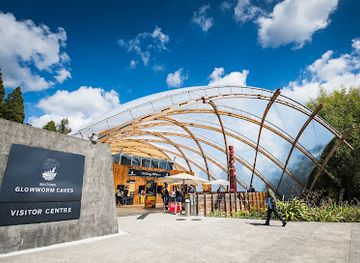
Waitomo Glowworm Caves
Explore the mystical beauty of Waitomo Glowworm Caves, where nature's wonders come alive in a breathtaking underground world.
-
Tourist attraction
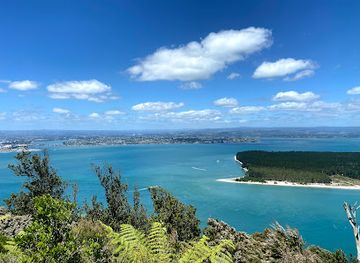
Mauao / Mount Maunganui summit
Discover the breathtaking beauty and cultural heritage of Mauao, a must-visit mountain offering stunning views of New Zealand’s Bay of Plenty.
-
Tourist attraction
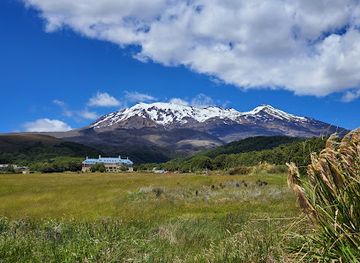
Tongariro National Park
Experience the breathtaking beauty and rich cultural heritage of Tongariro National Park, New Zealand's oldest national park and a UNESCO World Heritage site.
-
Tourist attraction
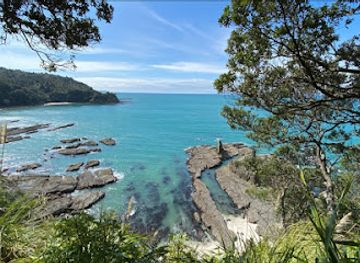
Whakapapa
Discover Whakapapa, New Zealand's ultimate alpine destination, where breathtaking landscapes and thrilling adventures await every traveler.
Best landmarks in Manawatu-Wanganui
The Whanganui River is the region’s defining natural and cultural landmark, cutting through forested country before reaching the city of Whanganui and the Tasman Sea. Its legal recognition as Te Awa Tupua reflects a relationship with the river that is deeper than scenic or recreational value. Mount Ruapehu dominates the northern skyline and forms part of the volcanic landscape of Tongariro National Park, while the wider park’s cones and alpine terrain provide some of the North Island’s most recognisable scenery. In Palmerston North, the Square and surrounding civic buildings express the city’s planned nineteenth-century development, while All Saints’ Church and the city’s older streets contribute to its architectural history. Whanganui’s Durie Hill Elevator and War Memorial Tower are distinctive landmarks above the river, and the city’s historic bridges and riverfront reinforce its connection with waterborne travel. The wind turbines and steep hills around the Te Apiti-Manawatū Gorge area form another memorable regional landscape, marking the transition from open plain to the ranges.
-
Park
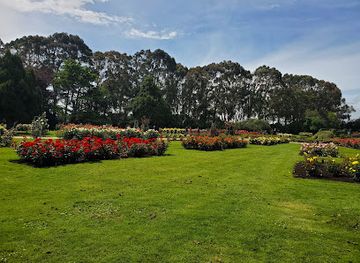
The Victoria Esplanade
Discover the natural beauty and tranquil atmosphere of The Victoria Esplanade, Palmerston North's beloved park and tourist attraction.
-
Park
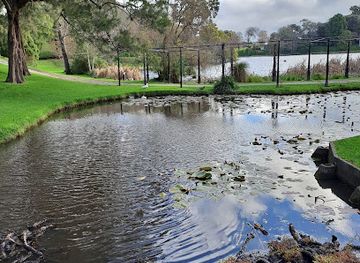
Virginia Lake Reserve
Experience the breathtaking beauty of Virginia Lake Reserve in Whanganui, a serene park perfect for relaxation and outdoor activities amidst stunning landscapes.
-
Grill
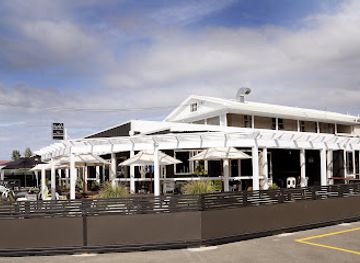
Caroline's Boatshed Bar and Eatery
Experience the charm of Caroline's Boatshed Bar and Eatery, a family-friendly grill and pub by the beautiful Whanganui River.
-
Pub
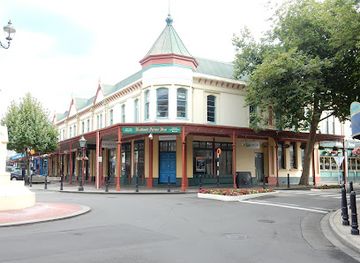
Rutland Arms Inn
Experience the warm hospitality of Rutland Arms Inn in Whanganui, a family-friendly pub offering delicious food and cozy accommodations.
Explore Manawatu-Wanganui on the map
Plan your trip on one map. See where the top cities, national parks and sights are, and book hotels and experiences in a few clicks.
Best hotels in Manawatu-Wanganui
Best restaurants in Manawatu-Wanganui
Dining in Manawatu-Wanganui reflects the region’s agricultural economy and varied settlement history. Palmerston North has the broadest choice of cafés, contemporary restaurants, international food and bakeries, supported by a large student and professional population. Whanganui combines cafés, riverside dining, traditional pubs and independent kitchens with access to produce from surrounding farms. Across the region, menus commonly feature New Zealand lamb, beef, dairy products, seasonal vegetables, fruit, artisan bread and familiar café fare, while market stalls and farm shops provide a more direct connection with local growers. Ohakune is known for its horticultural setting and offers food suited to visitors heading into the mountains, including casual meals and après-ski-style venues in winter. Rural pubs, country cafés and community markets become particularly useful in smaller settlements, where opening patterns can be limited outside peak travel periods.
-
Grill
Caroline's Boatshed Bar and Eatery
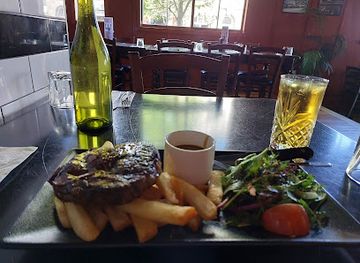
Experience the best of New Zealand cuisine at Caroline's Boatshed Bar and Eatery with stunning river views in Whanganui.
-
 Pub
PubRutland Arms Inn
Experience the perfect blend of traditional pub atmosphere and family-friendly dining at Rutland Arms Inn in Whanganui.
-
Restaurant
Stellar Restaurant & Bar
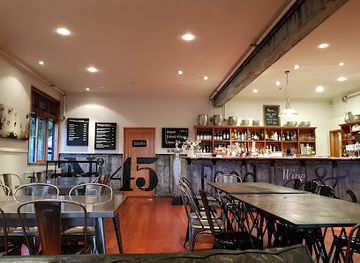
Experience exceptional dining and vibrant nightlife at Stellar Restaurant & Bar in Whanganui - where culinary excellence meets entertainment.
-
Restaurant
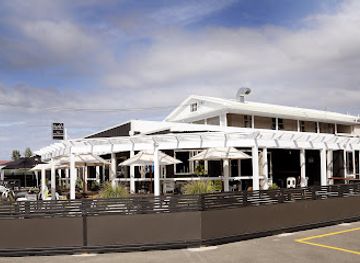
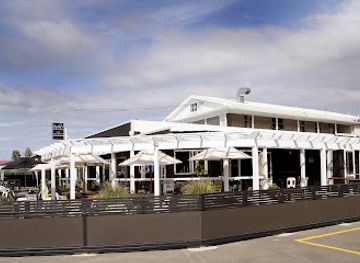
Speedway Garage & The Cobb Whanganui
Discover Speedway Garage & The Cobb in Whanganui – where delicious cuisine meets vibrant atmosphere for an unforgettable dining experience.
Best bars in Manawatu-Wanganui
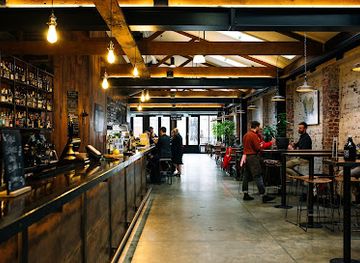
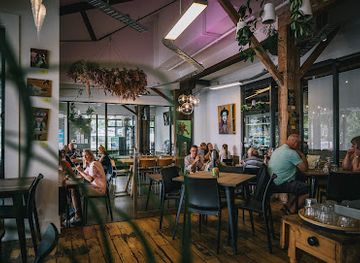
Evening life is concentrated in Palmerston North and Whanganui rather than spread evenly across the region. Palmerston North has the largest selection of pubs, bars, restaurants, student-oriented venues and occasional live music, with activity centred around the central city. Whanganui offers a quieter mix of historic pubs, wine and cocktail settings, restaurants, theatre and arts-related evenings. In Feilding, Dannevirke, Marton, Taihape and smaller towns, nightlife generally means local pubs, dining rooms, community events and live music rather than a large club scene. Ohakune becomes busier during the ski season, when bars and casual venues serve mountain visitors, although the atmosphere remains seasonal. Check current opening arrangements, arrange transport before visiting rural areas and treat drinking as only one part of the region’s evening culture.
-
Grill
Caroline's Boatshed Bar and Eatery
Discover the perfect blend of flavors and stunning views at Caroline's Boatshed Bar and Eatery in Whanganui.
-
Grill
Brew Union Brewing Co
Savor the best craft beers and gourmet pizzas at Brew Union Brewing Co in Palmerston North, where flavor meets a lively brewpub atmosphere.
-
Pub
Rutland Arms Inn
Discover Rutland Arms Inn, a charming pub and family-friendly restaurant in Whanganui, offering delicious meals and cozy accommodations.
-
Cafe
Mud Ducks
Discover Mud Ducks in Whanganui: a delightful cafe offering fresh coffee, scrumptious meals, and a warm atmosphere perfect for every traveler.
Best nightclubs in Manawatu-Wanganui
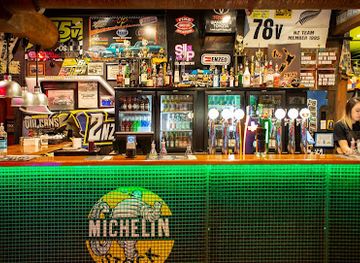
Evening life is concentrated in Palmerston North and Whanganui rather than spread evenly across the region. Palmerston North has the largest selection of pubs, bars, restaurants, student-oriented venues and occasional live music, with activity centred around the central city. Whanganui offers a quieter mix of historic pubs, wine and cocktail settings, restaurants, theatre and arts-related evenings. In Feilding, Dannevirke, Marton, Taihape and smaller towns, nightlife generally means local pubs, dining rooms, community events and live music rather than a large club scene. Ohakune becomes busier during the ski season, when bars and casual venues serve mountain visitors, although the atmosphere remains seasonal. Check current opening arrangements, arrange transport before visiting rural areas and treat drinking as only one part of the region’s evening culture.
-
Night club
Stellar Restaurant & Bar
Discover the vibrant nightlife at Stellar Restaurant & Bar, Whanganui's premier dining and entertainment destination offering exquisite cuisine and a lively atmosphere.
-
Pub
Speedway Garage & The Cobb Whanganui
Discover the lively atmosphere and delicious cuisine at Speedway Garage & The Cobb, a perfect blend of pub charm and family-friendly dining in Whanganui.
-
Social club
St John's Club Inc
Discover the vibrant community spirit at St John's Club Inc in Whanganui, a welcoming social hub for locals and tourists alike.
-
Club
Wanganui East Club Inc
Discover the vibrant community hub of Wanganui East Club, where locals gather for fun, food, and unforgettable experiences in Whanganui.
Best shops in Manawatu-Wanganui
Shopping is strongest in Palmerston North and Whanganui, where central streets combine national retailers with independent clothing shops, bookshops, cafés, galleries and practical outdoor stores. Palmerston North’s city centre serves a wide rural hinterland, while Whanganui is particularly known for its arts, craft and heritage associations. Feilding provides a compact market-town experience with antique and independent shops, and smaller settlements across the region offer practical stores, galleries and occasional community markets rather than extensive retail districts. Farmers’ markets, roadside stalls and farm shops are good places to look for seasonal fruit and vegetables, preserves, honey, baking and other regional produce. Handcrafted pottery, textiles, woodwork, prints and Māori art may be found through reputable galleries and cultural venues; buyers should seek clear information about artists, provenance and cultural permissions. Outdoor equipment and warm clothing are especially practical purchases in Ruapehu towns.
-
Shopping mall
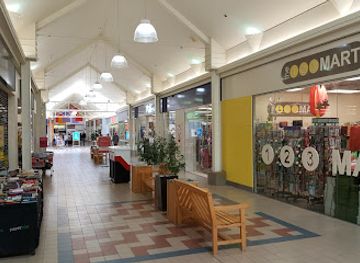
Trafalgar Square Shopping Centre
Discover a vibrant shopping and dining experience at Trafalgar Square Shopping Centre in Whanganui, New Zealand.
-
Craft store
Spotlight Palmerston North
Discover your creative potential at Spotlight Palmerston North, the ultimate craft store for fabric, home goods, and unique DIY supplies.
-
Supermarket
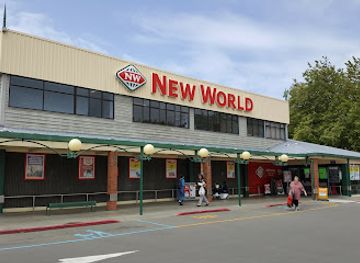
New World Whanganui
Discover the local flavors and fresh produce at New World Whanganui, a vibrant supermarket ideal for tourists and locals alike.
-
Sporting goods store
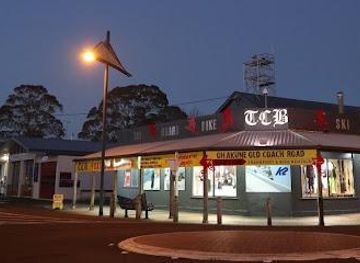
TCB Ski Board & Bike
Discover the ultimate adventure gear at TCB Ski Board & Bike in Ohakune, your one-stop shop for skiing, snowboarding, and biking equipment.

Get your free copy of our complete guide to Manawatu-Wanganui, delivered straight to you.
Everything on this page, from attractions and restaurants to essentials and local phrases, in one PDF you can read offline, print or share.
Already have an account? Sign in
Your Manawatu-Wanganui guide is ready.
We'll send it to · Not you? Sign out

Getting your guide ready…
We are putting together a fresh copy of the Manawatu-Wanganui guide. This can take up to a minute.
This can take a few moments. If your browser asks, choose Allow so the download can start. You'll find the guide in your Downloads folder.
Nothing happened? Download it again
Sorry, the guide is taking longer than usual. Please try again in a minute, or get it by email instead.
Manawatu-Wanganui essentials
Currency and Payment
Safety
Emergency Situations
Do's and Don'ts
Local Tips
From Eve
Local phrases worth knowing
You don't need to get them perfect. A few words go a long way, and locals appreciate the effort.
Basics
| English | Local | Say it |
|---|---|---|
| Hello | Kia ora | [kee-ah or-ah] |
| Goodbye | Ka kite | [kah kee-teh] |
| Yes | Āe | [ah-eh] |
| No | Kāore | [kah-oh-reh] |
| Please/You're welcome | Tēnā koa | [teh-nah koh-ah] |
| Thank you | Ngā mihi | [nah mee-hee] |
| Excuse me/Sorry | Aroha mai | [ah-roh-hah my] |
| How are you? | Kei te pēhea koe? | [kay teh peh-heh-ah koy] |
| Fine. And you? | Pai. Ko koe? | [pie. koh koy] |
| Do you speak English? | Ka korero koe i te reo Pākehā? | [kah koh-reh-roh koy ee teh reh-oh pah-keh-hah] |
| I don't understand | Kaore au e mohio | [kah-oh-reh ow eh mo-hio] |
Eating & Drinking
| English | Local | Say it |
|---|---|---|
| I'd like to see the menu, please | Ka hiahia au ki te kite i te rārangi kai | [kah hee-ah-hee-ah ow kee teh kee-teh ee teh rah-rah-ngi ki] |
| I don't eat meat | Kaore au e kai i te mutton | [kah-oh-reh ow eh kye ee teh muht-ton] |
| Cheers! | Kia ora! | [kee-ah or-ah] |
| I would like to pay, please | Ka hiahia au ki te utu, tēnā koa | [kah hee-ah-hee-ah ow kee teh oo-too, teh-nah koh-ah] |
Emergencies
| English | Local | Say it |
|---|---|---|
| Help! | Tāua! | [tah-oo-ah] |
| Go away! | Haere atu! | [hi-reh ah-too] |
| Call the Police! | Tonoa te Pirihimana! | [toh-noh-ah teh pee-ree-hee-mah-nah] |
| Call a doctor! | Tonoa he tāngata rongoā! | [toh-noh-ah heh tah-ngah-tah roh-ngoh-ah] |
| I'm lost | Kua ngaro au | [koo-ah nah-roh ow] |
| I'm ill | Kei te mauiui au | [kay teh mow-ee-oo-ee ow] |
Shopping
| English | Local | Say it |
|---|---|---|
| I'd like to buy... | Ka hiahia au ki te hoko... | [kah hee-ah-hee-ah ow kee teh hoh-koh] |
| I'm just looking | Kei te tirohia noa | [kay teh tee-roh-hee-ah noh-ah] |
| How much is it? | E hia te utu? | [eh hee-ah teh oo-too] |
| That's too expensive | Te tino utu teitei | [teh tee-noh oo-too tay-teh] |
| Can you lower the price? | Ka taea e koe te whakaiti i te utu? | [kah tah-eh eh koy teh fah-kah-ee-tee ee teh oo-too] |
Time & Numbers
| English | Local | Say it |
|---|---|---|
| What time is it? | He aha te wā? | [heh ah-hah teh wah] |
| It's one o'clock | Kua kotahi te karaka | [koo-ah koh-tah-hee teh kah-rah-kah] |
| Half past (10) | Te haurua ki te tekau | [teh how-roo-ah kee teh teh-koh] |
| Morning | Ata | [ah-tah] |
| Afternoon | Popo | [poh-poh] |
| Evening | Ahiahi | [ah-hee-ah-hee] |
| Yesterday | Inanahi | [ee-nah-nah-hee] |
| Today | I tēnei rā | [ee tay-neh rah] |
| Tomorrow | Āpōpō | [ah-poh-poh] |
| 1 | Tahi | [tah-hee] |
| 2 | Rua | [roo-ah] |
| 3 | Toru | [toh-roo] |
| 4 | Whā | [fah] |
| 5 | Rima | [ree-mah] |
| 6 | Ono | [oh-noh] |
| 7 | Whitu | [fee-too] |
| 8 | Waru | [wah-roo] |
| 9 | Iwa | [ee-wah] |
| 10 | Tekau | [teh-kah-oo] |
Transport & Directions
| English | Local | Say it |
|---|---|---|
| Where's a/the...? | Kei hea te...? | [kay he-ah teh] |
| What's the address? | He aha te wāhitau? | [heh ah-hah teh wah-hee-tah-oo] |
| Can you show me (on the map)? | Ka taea e koe te whakaatu mai (i te mapi)? | [kah tah-eh eh koy teh fah-kah-ah-too my (ee teh mah-pee)] |
| When's the next (bus)? | Āhea te pahi e whai ake nei? | [ah-hee-ah teh pah-hee eh fwhy ah-keh nay] |
| A ticket (to ....) | He tīkitipati (ki ...) | [heh tee-kee-tee-pah-tee (kee)] |
History of Manawatu-Wanganui
Māori settlement and river culture
Māori communities have lived throughout the region for centuries, developing settlements, gardens, travel routes and trading relationships along the Whanganui River, the Manawatū River and the inland valleys. The Whanganui River is particularly associated with Te Āti Haunui-a-Pāpārangi, whose history, authority and identity remain inseparable from the river. Rangitāne is strongly connected with the Manawatū and northern Wairarapa, while Ngāti Rangi and other iwi hold enduring relationships with the volcanic country around Ruapehu. Place names, oral traditions, archaeological sites and contemporary iwi organisations continue to express this deep history.
European contact and the Whanganui River
European traders, missionaries and settlers entered a landscape already organised through Māori authority and commerce. Whanganui became an important point of contact because of its river access and coastal position. Relations between Māori communities, the Crown and settlers were complex, involving trade, land purchasing disputes and competing ideas about authority. The river was a major route into the interior, but it was never simply an empty transport corridor. Its present cultural status reflects decades of advocacy by Whanganui iwi and the eventual legal recognition of the river as a living entity with its own rights.
The New Zealand Wars in the lower North Island
Conflict associated with the New Zealand Wars affected the Whanganui district and wider western North Island during the 1860s. Fighting, military settlements and political tensions disrupted communities and intensified disputes over land and sovereignty. The lower Whanganui area became a significant military and administrative centre, while campaigns also affected inland routes and settlements. The history is remembered through local memorials, pā sites, museum collections and iwi narratives. Visitors should approach this past as a contested history involving Māori communities, the Crown and settlers rather than as a simple frontier story.
Planned settlement and the growth of Palmerston North
Palmerston North was established in the 1860s as a planned settlement in the forested Manawatū, named after the British statesman Viscount Palmerston. Roads, drainage, land clearance and later rail connections transformed the surrounding plain into a productive farming district. The town grew as a service and administrative centre, benefiting from its position between Wellington and the central North Island. Its development illustrates the wider nineteenth-century transformation of the region, in which forest was cleared, land was surveyed and transport infrastructure connected agricultural producers with national markets.
Railways, river trade and agricultural expansion
The arrival of railways in the late nineteenth century strengthened Palmerston North, Whanganui and the smaller settlements that served the farming districts. Whanganui’s port and river system supported the movement of people, timber and agricultural goods, while rail links opened inland country to settlement and commerce. Dairy farming, sheep and beef production, cropping and horticulture became central to the regional economy. Towns such as Feilding, Marton, Taihape, Woodville and Dannevirke developed distinctive roles as stock, service or railway centres, leaving a legacy of civic buildings, showgrounds and historic streets.
Scandinavian settlement in southern Manawatu-Wanganui
From the 1870s, Scandinavian immigrants formed important communities in parts of the lower North Island, particularly around Palmerston North, Woodville and Dannevirke. Many arrived through assisted immigration schemes and helped clear dense bush, establish farms and build roads. Dannevirke’s name and cultural associations reflect this history, although the community became part of a wider New Zealand society over time. Scandinavian influence remains visible in local histories, place names, museums, architecture and community traditions, alongside the much older Māori heritage of the region.
Twentieth-century education, research and industry
During the twentieth century, Palmerston North developed into a major centre for agricultural education and research. The establishment and growth of Massey University, together with research institutions and agricultural services, reinforced the city’s role in New Zealand’s primary-sector economy. Food processing, engineering, health services and manufacturing also expanded across the region. In Whanganui and other towns, industry and river-related commerce shaped employment and urban form. These changes helped create the modern region: a predominantly rural economy supported by specialised education, science, public services and increasingly diverse cultural activity.
Conservation and the recognition of the Whanganui River
Late twentieth- and early twenty-first-century environmental and legal developments changed how important landscapes are understood. National parks and forest parks protect the volcanic, alpine and river environments of the region, while Māori-led advocacy has influenced the management of culturally significant places. In 2017, Te Awa Tupua legislation recognised the Whanganui River as a legal person, reflecting the river’s identity within Whanganui iwi traditions and establishing a framework of guardianship. The decision has international significance and provides an important context for visitors exploring the river.
Manawatu-Wanganui in Photos
Browse through our photo collection highlighting the charm and character of the destination.
Neighbouring regions of Manawatu-Wanganui
The closest regions to Manawatu-Wanganui, if you have time for more than one.
-
-

-

-

-


Swipe for more regions
Explore more

Explore more of New Zealand
New Zealand: Discover awe-inspiring landscapes, vibrant Maori culture, and thrilling adventures in a land of breathtaking natural beauty and welcoming locals.
Explore New Zealand