

Free Marlborough Travel Guide & Mobile App
Explore Marlborough with free travel guides. Discover regional history, expert tips, proposed trips, and audio guides on web or mobile app.


Explore Marlborough’s celebrated vineyards, seafood-rich Sounds, walking tracks and historic settlements across New Zealand’s sunny north-east South Island.
Read more about Marlborough
When is the best time to visit Marlborough?
Best: December–February · 23–25°C| Month | High (°C) | Rainfall (mm) |
|---|---|---|
| January (best) | 24 | 45 |
| February (best) | 25 | 35 |
| March | 22 | 40 |
| April | 18 | 45 |
| May | 15 | 55 |
| June | 12 | 60 |
| July | 12 | 60 |
| August | 14 | 55 |
| September | 16 | 50 |
| October | 18 | 50 |
| November | 20 | 50 |
| December (best) | 23 | 50 |
Getting to and around Marlborough
How to get there
Transportation
Top city travel guides in Marlborough
The cities of Marlborough, and the easiest places to base yourself.
-
-

-

-


Swipe for more cities
Destinations in Marlborough
Resorts, valleys and scenic spots worth a trip of their own.

Swipe for more destinations
Best attractions in Marlborough
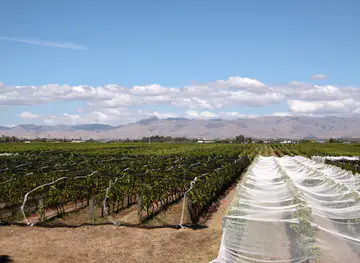
Marlborough’s attractions span two contrasting environments: the productive inland valleys around Blenheim and the wooded, water-bound landscape of the Sounds. The vineyard country offers cellar-door tastings, cycling routes, food-focused visits and views across the Wairau and Awatere valleys, while Blenheim provides museums, galleries and regional cultural venues. Picton is the principal base for cruises, kayaking, wildlife trips and water-taxi journeys into the sheltered bays. The Queen Charlotte Track is the region’s best-known long-distance walk, with demanding ridges, forest and coastal outlooks, while shorter tracks and reserves offer more manageable outings. Maritime history is visible around Picton and the Sounds, and the region’s shorelines support experiences centred on seabirds, seals and marine ecology. The Wairau Bar adds archaeological depth to the travel offering, although its significance is cultural and historical as much as scenic. A car broadens access to wineries, orchards and rural viewpoints, whereas boat-based travel is the natural way to appreciate the intricate geography of the Sounds.
-
Museum
Omaka Aviation Heritage Centre
Discover the legacy of flight at the Omaka Aviation Heritage Centre, a premier museum showcasing the history of aviation in stunning detail.
-
Vista point
Ohau Point Lookout
Discover the breathtaking views and vibrant wildlife at Ohau Point Lookout, a stunning vista point in Half Moon Bay, New Zealand.
-
National reserve
Pelorus Bridge Scenic Reserve
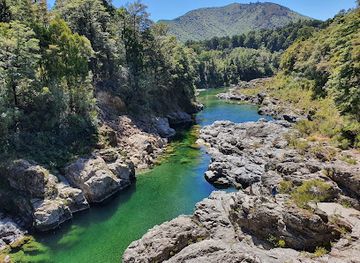
Discover the majestic landscapes and thrilling outdoor adventures at Pelorus Bridge Scenic Reserve in New Zealand's Marlborough region.
-
Park
Pollard Park
Experience the serene beauty of Pollard Park in Blenheim, with its stunning gardens, peaceful walking paths, and vibrant community events.



Best landmarks in Marlborough
The Wairau Bar is one of Marlborough’s most significant landmarks, not because of monumental architecture but because its archaeological remains document some of the earliest Polynesian settlement in New Zealand. In Blenheim, the Wairau River and the open Wairau Plain provide the geographical setting for the region’s agricultural and wine history, while the town’s civic and heritage buildings reflect its role as the plain’s administrative centre. Picton’s harbour and waterfront are more than scenic viewpoints: they mark the South Island terminus of the Cook Strait ferry connection and the entrance to the Sounds. Ship Cove, associated with James Cook’s voyages and now linked to the Queen Charlotte Track, is an important maritime and historical place. Across the Sounds, the steep forested ridges, narrow channels and sheltered bays form a natural landmark of regional scale, defining Marlborough’s relationship with the sea and making the distinction between road travel and water access especially clear.
-
Vista point
Ohau Point Lookout
Discover breathtaking views at Ohau Point Lookout, a stunning vista point in Half Moon Bay, New Zealand, perfect for nature lovers and photographers.
-
Scenic spot
Point Kean Viewpoint
Explore the stunning beauty of Point Kean Viewpoint in Kaikōura, where panoramic ocean views and vibrant wildlife await every traveler.
-
Hiking area
Kaikoura Peninsula Walkway
Explore the stunning Kaikoura Peninsula Walkway, where captivating ocean views and unique wildlife await at every turn.
-
Tourist attraction
Kaikoura Seal Colony
Experience the breathtaking Kaikoura Seal Colony, a haven for wildlife lovers and a picturesque natural attraction along New Zealand's stunning coastline.


Explore Marlborough on the map
Plan your trip on one map. See where the top cities, national parks and sights are, and book hotels and experiences in a few clicks.
Best hotels in Marlborough
Best restaurants in Marlborough
Marlborough dining is closely tied to its vineyards, productive plains and maritime setting. Sauvignon blanc is the region’s most recognised wine, but cellar doors and restaurants also feature other local varieties and increasingly diverse styles. Seafood from the Sounds, particularly green-lipped mussels, is central to the regional table, joined by lamb, seasonal vegetables, cherries, apples, stone fruit and other produce from the surrounding farms and orchards. Blenheim has the widest choice of cafés, casual restaurants, wine-focused dining and bakeries, while Picton combines waterfront eating with provisions for travellers heading into the Sounds. Rural cellar doors and vineyard restaurants often emphasise matching local food with wine, and farm stalls provide a direct connection to the agricultural landscape. Menus change with the season, so visitors should expect Marlborough’s culinary identity to be expressed through fresh produce and regional sourcing rather than a single fixed traditional dish.
-
Cafe
Raupo Cafe, Restaurant & Traiteur
Experience the best of Blenheim at Raupo Cafe: where local flavors meet exceptional hospitality.
-
European
Dodson Street Beer Garden
Discover Dodson Street Beer Garden: A vibrant European dining experience nestled in Blenheim's charming Mayfield district.
-
Restaurant
Gramado's Restaurant & Bar
Discover Blenheim's culinary treasure at Gramado's Restaurant & Bar, where local flavors meet warm hospitality in every dish.
-
Gastropub
Cortado Restaurant & Bar
Discover Cortado Restaurant & Bar in Picton - where local ingredients meet international flair in a cozy gastropub setting.


Best bars in Marlborough
Evenings in Marlborough are generally social and food-led rather than centred on a large nightclub scene. Blenheim has the region’s broadest choice of pubs, wine bars, casual drinking places and restaurants, with local wines forming a natural part of the evening culture. Picton’s bars and eateries serve both residents and travellers using the ferry or staying before a Sounds excursion, while cellar doors and vineyard restaurants may offer more relaxed tasting-led evenings. Live music and community events appear in the larger towns, but schedules and venues change, so current local listings are useful. In smaller settlements and the Sounds, nightlife usually means a pub, an inn, a meal or a quiet drink with limited late-night transport. Plan a safe return journey in rural areas, where taxis and public transport are less readily available than in Blenheim.
-
Bar
Dodson Street Beer Garden
Experience the vibrant atmosphere and delightful European cuisine at Dodson Street Beer Garden in Blenheim, New Zealand.
-
Irish pub
Seumus' Irish Bar & Restaurant
Discover the charm of Ireland at Seumus' Irish Bar & Restaurant in Picton, where delicious food and live music create an unforgettable experience.
-
Gastropub
Speight's Ale House
Experience the authentic flavors of New Zealand at Speight's Ale House, a premier gastropub in Blenheim with a rich selection of craft beers and hearty meals.
-
Restaurant
Fairweathers
Discover Fairweathers in Blenheim, where local flavors meet exceptional dining in a warm and welcoming atmosphere.


Best nightclubs in Marlborough
Evenings in Marlborough are generally social and food-led rather than centred on a large nightclub scene. Blenheim has the region’s broadest choice of pubs, wine bars, casual drinking places and restaurants, with local wines forming a natural part of the evening culture. Picton’s bars and eateries serve both residents and travellers using the ferry or staying before a Sounds excursion, while cellar doors and vineyard restaurants may offer more relaxed tasting-led evenings. Live music and community events appear in the larger towns, but schedules and venues change, so current local listings are useful. In smaller settlements and the Sounds, nightlife usually means a pub, an inn, a meal or a quiet drink with limited late-night transport. Plan a safe return journey in rural areas, where taxis and public transport are less readily available than in Blenheim.
-
Whale watching tour agency
Air Kaikoura Aero Club
Discover the breathtaking beauty of Kaikoura from the skies with Air Kaikoura Aero Club, your premier whale watching tour agency.
-
Bar
The Yard Bar
Discover the lively atmosphere of The Yard Bar in Blenheim – where great drinks, live music, and a vibrant crowd come together for unforgettable nights.
-
Bar
Moa Tap Room & Food Truck
Discover the vibrant Moa Tap Room & Food Truck; a haven for craft beer lovers and food enthusiasts in Rapaura, New Zealand.
-
Country food restaurant
The Queen Charlotte Tavern
The Queen Charlotte Tavern offers a unique blend of local cuisine, vibrant atmosphere, and stunning views, perfect for your New Zealand adventure.


Best shops in Marlborough
Shopping in Marlborough is concentrated in Blenheim and Picton, with smaller rural settlements offering a more limited selection of practical stores, galleries and local produce. Blenheim’s central streets provide everyday retail, cafés, wine merchants, specialist food shops and independent businesses, while Picton has a travel-oriented mix of galleries, craft shops, souvenirs and provisions for visitors heading into the Sounds. Regional wines are the most obvious purchase, ranging from cellar-door bottles to carefully selected local releases, and food shoppers can look for Marlborough mussels, preserves, honey, seasonal fruit and other farm products. Art galleries and craft outlets often reflect the region’s landscapes, maritime setting and outdoor culture. Farmers’ stalls and honesty boxes appear in the countryside but can be seasonal and cashless or cash-only depending on the operator, so carry suitable payment options. Visitors should check transport and baggage limits before buying wine or large food items for onward travel.
-
Home improvement store
Mitre 10 MEGA Marlborough
Discover quality home improvement products and expert advice at Mitre 10 MEGA Marlborough, your go-to destination for building and gardening needs.
-
Pie shop
The Burleigh Gourmet Pies
Savor the art of pie-making at The Burleigh Gourmet Pies, where every bite tells a delicious story of New Zealand's culinary heritage.
-
Department store
Kmart Blenheim
Explore Kmart Blenheim for a wide range of affordable clothing, home goods, and toys in a vibrant shopping atmosphere.
-
Cafe
Herb + Olive Cafe
Discover the flavors of organic and vegetarian cuisine at Herb + Olive Cafe in Blenheim, a must-visit for health-conscious food lovers.


Get your free copy of our complete guide to Marlborough, delivered straight to you.
Everything on this page, from attractions and restaurants to essentials and local phrases, in one PDF you can read offline, print or share.
Already have an account? Sign in
Your Marlborough guide is ready.
We'll send it to · Not you? Sign out

Getting your guide ready…
We are putting together a fresh copy of the Marlborough guide. This can take up to a minute.
This can take a few moments. If your browser asks, choose Allow so the download can start. You'll find the guide in your Downloads folder.
Nothing happened? Download it again
Sorry, the guide is taking longer than usual. Please try again in a minute, or get it by email instead.
Marlborough essentials
Currency and Payment
Safety
Emergency Situations
Do's and Don'ts
Local Tips
From Eve
Local phrases worth knowing
You don't need to get them perfect. A few words go a long way, and locals appreciate the effort.
Basics
| English | Local | Say it |
|---|---|---|
| Hello | Kia ora | [kee-ah or-ah] |
| Goodbye | Ka kite | [kah kee-teh] |
| Yes | Ae | [eye] |
| No | Kao | [kah-oh] |
| Please/You're welcome | Tēnā koa | [teh-nah koh-ah] |
| Thank you | Ngā mihi | [nah mee-hee] |
| Excuse me/Sorry | Aroha mai | [ah-roh-hah my] |
| How are you? | Kei te pēhea koe? | [kay teh peh-heh-ah kweh] |
| Fine. And you? | Pai. Ko koe? | [pie. koh kweh] |
| Do you speak English? | Ka kōrero koe i te reo Ingarihi? | [kah koh-reh-roh kweh ee teh reh-oh in-gah-ree-hee] |
| I don't understand | Kaore au e mohio | [kah-oh-reh ow eh mo-hoi] |
Eating & Drinking
| English | Local | Say it |
|---|---|---|
| I'd like to see the menu, please | Ka hiahia au ki te kite i te rārangi kai, tēnā koa | [kah hee-ah-hee-ah ow kee teh kee-teh ee teh rah-rah-ngi kye, teh-nah koh-ah] |
| I don't eat meat | Kaore au e kai i te mīti | [kah-oh-reh ow eh kye ee teh mee-tee] |
| Cheers! | Kia ora! | [kee-ah or-ah] |
| I would like to pay, please | Ka hiahia au ki te utu, tēnā koa | [kah hee-ah-hee-ah ow kee teh oo-too, teh-nah koh-ah] |
Emergencies
| English | Local | Say it |
|---|---|---|
| Help! | Tāwharautia! | [tah-wha-rau-ti-ah] |
| Go away! | Haere atu! | [high-reh ah-too] |
| Call the Police! | Karanga ki te Pirihimana! | [kah-rah-ngah kee teh pee-ree-hee-mah-nah] |
| Call a doctor! | Karanga ki te taote! | [kah-rah-ngah kee teh tau-teh] |
| I'm lost | Kua ngaro au | [koo-ah nah-roh ow] |
| I'm ill | Kei te mate au | [kay teh mah-teh ow] |
Shopping
| English | Local | Say it |
|---|---|---|
| I'd like to buy... | Ka hiahia au ki te hoko... | [kah hee-ah-hee-ah ow kee teh hoh-koh] |
| I'm just looking | Kei te tirohia au | [kay teh tee-roh-hee-ah ow] |
| How much is it? | E hia te utu? | [eh hee-ah teh oo-too] |
| That's too expensive | He tino teitei | [he tee-noh tay-tay] |
| Can you lower the price? | Ka taea e koe te whakaheke i te utu? | [kah tah-eh eh kweh teh fah-kah-heh-keh ee teh oo-too] |
Time & Numbers
| English | Local | Say it |
|---|---|---|
| What time is it? | He aha te wā? | [he ah-hah teh wah] |
| It's one o'clock | He kotahi te hāora | [he koh-tah-hee teh ha-oh-rah] |
| Half past (10) | Hauwhā ki te (10) | [how-fah kee teh ten] |
| Morning | Ata | [ah-tah] |
| Afternoon | Popo | [poh-poh] |
| Evening | Pō | [poh] |
| Yesterday | Inanahi | [ee-nah-nah-hee] |
| Today | I tenei ra | [ee teh-nay rah] |
| Tomorrow | A pōpō | [ah poh-poh] |
| 1 | Tahi | [tah-hee] |
| 2 | Rua | [roo-ah] |
| 3 | Toru | [toh-roo] |
| 4 | Whā | [fah] |
| 5 | Rima | [ree-mah] |
| 6 | Ono | [oh-no] |
| 7 | Whitu | [fee-too] |
| 8 | Waru | [wah-roo] |
| 9 | Iwa | [ee-wah] |
| 10 | Tekau | [teh-kah-oo] |
Transport & Directions
| English | Local | Say it |
|---|---|---|
| Where's a/the...? | Kei hea te...? | [kay he-ah teh] |
| What's the address? | He aha te wāhitau? | [he ah-hah teh wah-hee-tau] |
| Can you show me (on the map)? | Ka taea e koe te whakaatu mai (i te mapi)? | [kah tah-eh eh kweh teh fah-kah-ah-too my (ee teh mah-pee)] |
| When's the next (bus)? | Kāinga te pahi e whai ake nei? | [kah-ing-ah teh pah-hee eh fhai ah-keh nay] |
| A ticket (to ....) | He tikiti (ki ....) | [he tee-kee-tee (kee)] |
History of Marlborough
Early Māori Settlement and the Wairau Bar
Māori communities settled the Wairau region centuries before European arrival, taking advantage of its river systems, coastal resources and fertile plains. The Wairau Bar, at the mouth of the Wairau River, is one of New Zealand’s most important early Polynesian archaeological sites. Excavations have revealed evidence of settlement, food gathering and tool production, including material associated with the country’s earliest colonising period. The wider area remains significant to Rangitāne and other iwi, whose histories connect the rivers, plains and Sounds with ancestral journeys, occupation and customary use.
European Exploration of the Coast and Sounds
Abel Tasman’s expedition encountered the northern South Island in 1642, and James Cook charted the coastline and waterways during his voyages in the eighteenth century. Cook Strait became an important geographical link between the two main islands, while the intricate inlets later known as the Marlborough Sounds challenged early navigators and encouraged detailed coastal surveying. These encounters did not represent an empty landscape: European exploration took place within an established Māori world, with later relationships shaped by trade, competition and the growing pressure of colonial settlement.
The Wairau Affray, 1843
The Wairau Affray, also known as the Wairau Incident, took place near the Wairau Bar in 1843 after a dispute over land claims involving New Zealand Company settlers and local Māori leaders. An armed party attempted to enforce a contested survey, and violence followed, resulting in deaths on both sides. The event exposed the weakness of early colonial land arrangements and heightened tensions between settlers and Māori in the South Island. Its legacy is especially important in Marlborough because it illustrates how disputed land purchases affected the region’s subsequent development.
Whaling, Shipping and Pastoral Settlement
During the nineteenth century, whaling stations and coastal shipping helped connect Marlborough with Wellington and other settlements. The sheltered Sounds supported maritime activity, while the Wairau Plain became increasingly associated with sheep farming, grain production and river transport. Blenheim developed as the commercial centre of the plain, and Picton grew as a port. Roads and railways later reduced the importance of river and coastal transport, but traces of this period remain in historic buildings, farm landscapes, maritime stories and the continuing importance of Picton as an inter-island gateway.
Agricultural Transformation and Irrigation
Marlborough’s economy changed substantially during the twentieth century as pastoral farming and horticulture adapted to improved transport, irrigation and changing markets. The Wairau and Awatere valleys offered fertile soils and a relatively dry climate, although water management has remained an important issue. Orchards, market gardens and other forms of intensive agriculture expanded alongside established sheep farming. This productive landscape laid much of the groundwork for the later growth of viticulture, while Blenheim’s role as a regional service and processing centre continued to strengthen.
The Rise of Marlborough Wine
Commercial wine-growing expanded rapidly in Marlborough from the 1970s, when vineyards were established on the Wairau Plain and subsequently in the Awatere Valley. Sauvignon blanc became the region’s defining export style, supported by cool nights, strong sunlight and suitable alluvial soils. Wine transformed land use, employment and tourism, creating cellar doors, vineyard restaurants, cycling routes and a major export industry. Marlborough is now one of New Zealand’s best-known wine regions, although viticulture exists alongside horticulture, pastoral farming, aquaculture and the maritime economy of the Sounds.
Marlborough in Photos
Browse through our photo collection highlighting the charm and character of the destination.
Neighbouring regions of Marlborough
The closest regions to Marlborough, if you have time for more than one.
-

-

-

-

-


Swipe for more regions
Explore more

Explore more of New Zealand
New Zealand: Discover awe-inspiring landscapes, vibrant Maori culture, and thrilling adventures in a land of breathtaking natural beauty and welcoming locals.
Explore New Zealand