

Free Waikato Travel Guide & Mobile App
Explore Waikato with free travel guides. Discover regional history, expert tips, proposed trips, and audio guides on web or mobile app.


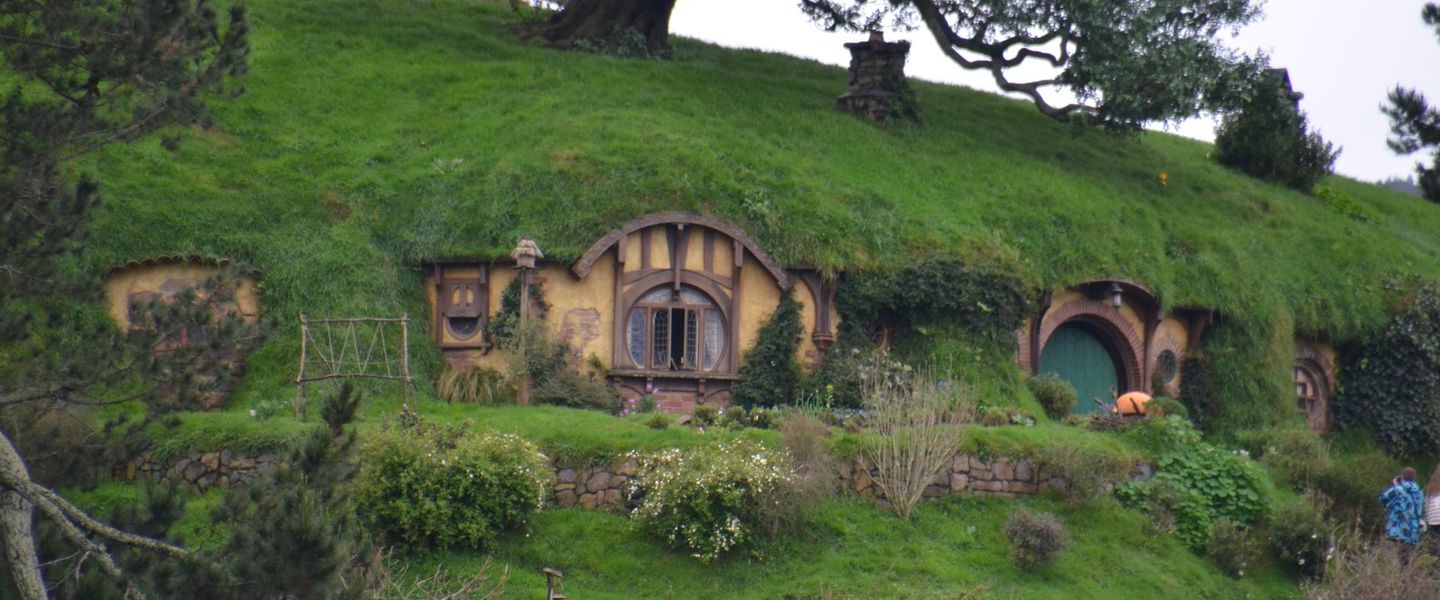


Explore Waikato’s river landscapes, Māori heritage, limestone caves, farming country, surf coast and Coromandel towns across New Zealand’s North Island.
Read more about Waikato
When is the best time to visit Waikato?
Best: December–February · 25–26°C| Month | High (°C) | Rainfall (mm) |
|---|---|---|
| January (best) | 26 | 87 |
| February (best) | 26 | 90 |
| March | 24 | 101 |
| April | 21 | 114 |
| May | 17 | 124 |
| June | 15 | 126 |
| July | 15 | 122 |
| August | 16 | 119 |
| September | 18 | 110 |
| October | 21 | 117 |
| November | 23 | 114 |
| December (best) | 25 | 103 |
Getting to and around Waikato
How to get there
Transportation
Top city travel guides in Waikato
The cities of Waikato, and the easiest places to base yourself.
-
-

-

-

-


Swipe for more cities
Destinations in Waikato
Resorts, valleys and scenic spots worth a trip of their own.
-

-


Swipe for more destinations
Best attractions in Waikato
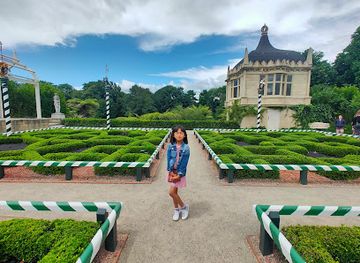
Waikato’s attractions range from carefully designed gardens and urban museums to caves, forests, beaches and working rural landscapes. Hamilton Gardens is the region’s best-known horticultural destination, presenting themed garden settings, while the Waikato Museum explores local art, history and science. South of Hamilton, Hobbiton Movie Set near Matamata offers guided tours through the film landscape, and Lake Karapiro is associated with rowing, water recreation and the Te Awa River Ride. Waitomo provides guided cave tours, glowworm experiences and adventure activities beneath limestone country. On the west coast, Raglan combines harbour scenery, surfing and walks near Mount Karioi, while Pirongia Forest Park offers native bush and demanding tracks. Sanctuary Mountain Maungatautari focuses on large-scale ecological restoration within a predator-resistant reserve. The Coromandel adds gold-mining heritage, forested ranges, coastal walks and beaches, while the Hauraki Plains and lower Waikato reveal wetlands, rivers and agricultural landscapes best appreciated at a slower pace.
-
Tourist attraction
Hobbiton™ Movie Set Tours
Explore the enchanting Hobbiton™ Movie Set in Matamata, New Zealand, where film magic comes to life amidst stunning landscapes.
-
Garden
Hamilton Gardens
Experience the beauty and culture of Hamilton Gardens, a stunning array of themed botanical gardens in New Zealand's picturesque Hamilton.
-
Park
Hamilton Lake Domain
Explore the scenic Hamilton Lake Domain, a beautiful park in Hamilton, New Zealand, perfect for leisurely walks, picnics, and outdoor activities.
-
Zoo
Hamilton Zoo
Explore Hamilton Zoo, a premier wildlife destination in New Zealand, where nature, conservation, and unforgettable animal encounters await.



Best landmarks in Waikato
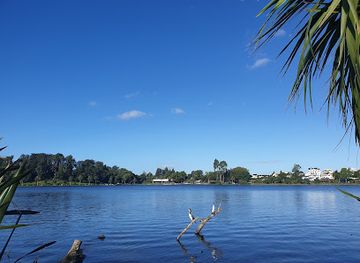
The Waikato River is the region’s central natural and cultural landmark, linking settlements, hydroelectric lakes, agricultural land and places of deep significance to Waikato-Tainui. In Hamilton, the distinctive themes of Hamilton Gardens provide a major designed landscape, while the city’s river corridor gives the urban area its geographical coherence. The limestone formations and cave systems around Waitomo are internationally recognisable geological landmarks, shaped by underground water over considerable time. Mount Karioi dominates the landscape behind Raglan, marking the transition between harbour, surf coast and inland forest. The Kaimai Range forms a substantial eastern backdrop to the central Waikato and separates it from the Bay of Plenty. On the Coromandel Peninsula, forested ridges, the Firth of Thames and historic mining landscapes around Thames and Waihi express the region’s coastal and industrial past. Lake Karapiro, created as part of the Waikato hydroelectric system, is both a prominent water landscape and an important rowing venue.
-
Garden
Hamilton Gardens
Discover the breathtaking beauty of Hamilton Gardens, a serene paradise showcasing diverse gardens and horticultural artistry in the heart of New Zealand.
-
Park
Hamilton Lake Domain
Explore the beauty of Hamilton Lake Domain, an urban park in Hamilton, New Zealand, perfect for relaxation, outdoor activities, and family fun.
-
Tourist attraction
Bridal Veil Falls
Discover the breathtaking beauty of Bridal Veil Falls, a majestic waterfall in New Zealand, surrounded by lush forests and scenic walking trails.
-
Museum
Waikato Museum Te Whare Taonga o Waikato
Explore the Waikato Museum Te Whare Taonga o Waikato for a vibrant mix of art, history, and science in Hamilton, New Zealand.
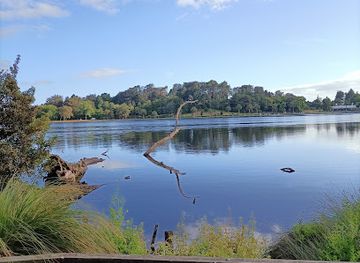


Explore Waikato on the map
Plan your trip on one map. See where the top cities, national parks and sights are, and book hotels and experiences in a few clicks.
Best hotels in Waikato
Best restaurants in Waikato
Waikato’s dining reflects its position as a major farming region with access to river, harbour and coastal produce. Hamilton has the broadest choice, including cafés, contemporary restaurants, craft breweries and international cuisines, while Cambridge, Raglan, Matamata, Thames and Whitianga provide smaller but varied food scenes. Dairy products, seasonal fruit, lamb, beef, honey and locally grown vegetables are prominent, and farmers’ markets and roadside stalls offer changing selections rather than a single fixed regional menu. West-coast and Coromandel towns add seafood, fish and chips, oysters and casual waterfront dining, although availability depends on season and local supply. Country pubs, bakeries and cafés remain useful stops on longer drives, particularly in market and farming towns. Visitors should look for food made with Waikato produce, but recognise that many familiar New Zealand dishes are national rather than exclusively regional traditions.
-
Restaurant
The Roaming Giant
Experience the best of New Zealand cuisine at The Roaming Giant in Claudelands - where flavor meets community spirit.
-
Restaurant
Gothenburg Restaurant
Experience exceptional dining at Gothenburg Restaurant in Hamilton Central - where exquisite flavors meet elegant ambiance.
-
Pub
The Helm Bar & Kitchen
Discover authentic New Zealand flavors at The Helm Bar & Kitchen in Hamilton—your gateway to local cuisine and craft beverages.
-
Restaurant
Camarosa
Discover culinary excellence at Camarosa in Hamilton - where local flavors meet international cuisine in a welcoming atmosphere.


Best bars in Waikato
Nightlife in Waikato varies sharply by settlement. Hamilton has the region’s largest evening scene, with bars, restaurants, live music, student-oriented venues and occasional late-night entertainment concentrated around the central city. Raglan has a relaxed harbour-town culture built around pubs, small bars, live music and community events rather than a large club circuit. Cambridge, Matamata, Te Awamutu, Thames and Whitianga offer traditional pubs, restaurants and modest evening venues, with Whitianga becoming busier during the summer holiday period. In rural Waikato and the King Country, evenings generally centre on country pubs, dining, local gatherings and accommodation venues. Craft breweries and cellar-door-style experiences appear in parts of the region, but opening arrangements vary, so designated drivers and advance planning are particularly important when visiting outside town centres.
-
Pub
The Helm Bar & Kitchen
Discover The Helm Bar & Kitchen in Hamilton, New Zealand, where local flavors and vibrant atmosphere come together for an unforgettable dining experience.
-
Bar
Iguana Street Bar & Restaurant
Experience the vibrant flavors of Iguana Street Bar & Restaurant in Hamilton, where cocktails, pizza, and a lively atmosphere await.
-
Pub
Cock & Bull Hamilton
Experience the vibrant atmosphere of Cock & Bull Hamilton, a perfect pub for relaxation, hearty meals, and local brews in the heart of New Zealand.
-
Gastropub
Foundation Bar
Discover the culinary delights and vibrant atmosphere of Foundation Bar, a top gastropub in Hamilton offering gourmet dishes and craft drinks.


Best nightclubs in Waikato
Nightlife in Waikato varies sharply by settlement. Hamilton has the region’s largest evening scene, with bars, restaurants, live music, student-oriented venues and occasional late-night entertainment concentrated around the central city. Raglan has a relaxed harbour-town culture built around pubs, small bars, live music and community events rather than a large club circuit. Cambridge, Matamata, Te Awamutu, Thames and Whitianga offer traditional pubs, restaurants and modest evening venues, with Whitianga becoming busier during the summer holiday period. In rural Waikato and the King Country, evenings generally centre on country pubs, dining, local gatherings and accommodation venues. Craft breweries and cellar-door-style experiences appear in parts of the region, but opening arrangements vary, so designated drivers and advance planning are particularly important when visiting outside town centres.
-
Bar
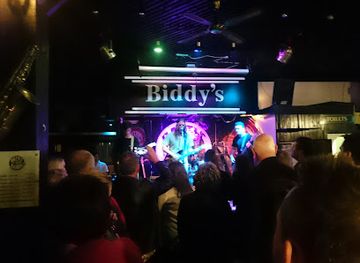
Biddy Mulligans
Experience the vibrant nightlife of Hamilton at Biddy Mulligans, where live music and great drinks create unforgettable memories.
-
Lounge
Nivara Lounge
Discover Nivara Lounge in Hamilton: a vibrant lounge offering live music, diverse drinks, and a cozy atmosphere ideal for relaxation.
-
Social club
Hamilton Cosmopolitan Club
Discover the Hamilton Cosmopolitan Club, a lively social hub for dining, entertainment, and community spirit in the heart of Hamilton.
-
Night club
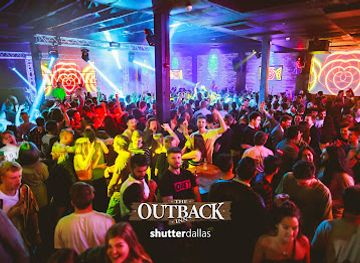
The Outback Inn
Discover Hamilton's vibrant nightlife at The Outback Inn, a premier night club and bar offering an unforgettable experience with music, drinks, and dancing.


Best shops in Waikato
Hamilton provides Waikato’s broadest retail choice, with central streets, suburban shopping areas, independent boutiques, galleries, bookshops and larger commercial centres. Smaller towns offer more localised shopping: Cambridge is known for boutiques, homewares and equestrian-related businesses, while Raglan has galleries, craft shops, surf-oriented stores and locally made goods. Thames and Waihi retain connections with historic gold-mining districts and provide antiques, collectables, books and practical provisions alongside independent retailers. Farmers’ markets and town markets are useful for seasonal fruit, vegetables, honey, preserves, baking and artisan products, although market schedules change. In the Coromandel, look for locally produced art, ceramics, jewellery, woodwork and coastal-themed crafts rather than generic souvenirs. Regional food products make practical gifts, but check biosecurity requirements before carrying food or plant material to another country.
-
Shopping mall
The Base
Explore The Base in Hamilton, New Zealand – a shopping paradise with diverse stores and delicious dining options for all tastes.
-
Shopping mall
Te AWA
Discover Te AWA, Hamilton's vibrant shopping mall, offering a diverse range of stores, dining experiences, and family-friendly activities.
-
Shopping mall
Chartwell Shopping Centre
Experience vibrant shopping, diverse dining, and family-friendly entertainment at Chartwell Shopping Centre in Hamilton, New Zealand.
-
Sewing shop
Davids Emporium
Explore the vibrant world of sewing and crafts at Davids Emporium, Hamilton's premier destination for quality fabrics and creative inspiration.


Get your free copy of our complete guide to Waikato, delivered straight to you.
Everything on this page, from attractions and restaurants to essentials and local phrases, in one PDF you can read offline, print or share.
Already have an account? Sign in
Your Waikato guide is ready.
We'll send it to · Not you? Sign out

Getting your guide ready…
We are putting together a fresh copy of the Waikato guide. This can take up to a minute.
This can take a few moments. If your browser asks, choose Allow so the download can start. You'll find the guide in your Downloads folder.
Nothing happened? Download it again
Sorry, the guide is taking longer than usual. Please try again in a minute, or get it by email instead.
Waikato essentials
Currency and Payment
Safety
Emergency Situations
Do's and Don'ts
Local Tips
From Eve
Local phrases worth knowing
You don't need to get them perfect. A few words go a long way, and locals appreciate the effort.
Basics
| English | Local | Say it |
|---|---|---|
| Hello | Kia ora | [kee-ah or-ah] |
| Goodbye | Ka kite | [kah kee-teh] |
| Yes | Āe | [ah-eh] |
| No | Kao | [kah-oh] |
| Please/You're welcome | Tēnā koa | [teh-nah koh-ah] |
| Thank you | Ngā mihi | [nah mee-hee] |
| Excuse me/Sorry | Aroha mai | [ah-roh-hah my] |
| How are you? | Kei te pēhea koe? | [kay teh peh-hah koh-eh] |
| Fine. And you? | Pai. Koe? | [pie. koh-eh] |
| Do you speak English? | Ka kōrero koe i te reo Ingarihi? | [kah koh-reh-roh koh-eh ee teh reh-oh in-gah-ree-hee] |
| I don't understand | Kaore au e mōhio | [kah-oh-reh ow eh mo-hee-oh] |
Eating & Drinking
| English | Local | Say it |
|---|---|---|
| I'd like to see the menu, please | Ka hiahia au ki te tirotiro i te menū | [kah hee-ah-hee-ah ow kee teh tee-roh-tee-roh ee teh meh-noo] |
| I don't eat meat | Kaore au e kai mutton | [kah-oh-reh ow eh kye ma-tun] |
| Cheers! | Kia ora! | [kee-ah or-ah] |
| I would like to pay, please | Ka hiahia au ki te utu, tēnā koa | [kah hee-ah-hee-ah ow kee teh oo-too, teh-nah koh-ah] |
Emergencies
| English | Local | Say it |
|---|---|---|
| Help! | Tāutoko! | [tau-toh-koh] |
| Go away! | Haere atu! | [high-reh ah-too] |
| Call the Police! | Karanga te Pirihimana! | [kah-rah-ngah teh pee-ree-hee-mah-nah] |
| Call a doctor! | Karanga he taakuta! | [kah-rah-ngah heh tah-koo-tah] |
| I'm lost | Kua ngaro au | [koo-ah nah-roh ow] |
| I'm ill | Kei te pātea au | [kay teh pah-teh-ah ow] |
Shopping
| English | Local | Say it |
|---|---|---|
| I'd like to buy... | Ka hiahia au ki te hoko... | [kah hee-ah-hee-ah ow kee teh ho-ko] |
| I'm just looking | Kei te tirotiro au | [kay teh tee-roh-tee-roh ow] |
| How much is it? | E hia te utu? | [eh hee-ah teh oo-too] |
| That's too expensive | He tino utu nui tēnā | [he tee-no oo-too noo-ee teh-nah] |
| Can you lower the price? | Ka taea e koe te whakaiti i te utu? | [kah tah-eh eh koh-eh teh fah-kah-ee-tee ee teh oo-too] |
Time & Numbers
| English | Local | Say it |
|---|---|---|
| What time is it? | Kei te aha te wā? | [kay teh ah-hah teh wah] |
| It's one o'clock | Kotahi karaka | [koh-tah-hee kah-rah-kah] |
| Half past (10) | Hāwhe ki te (10) | [hah-feh kee teh ten] |
| Morning | Ata | [ah-tah] |
| Afternoon | Popo | [poh-poh] |
| Evening | Ahiahi | [ah-hee-ah-hee] |
| Yesterday | Inanahi | [ee-nah-nah-hee] |
| Today | I tēnei rā | [ee teh-neh rah] |
| Tomorrow | Āpōpō | [ah-poh-poh] |
| 1 | Tahi | [tah-hee] |
| 2 | Rua | [roo-ah] |
| 3 | Toru | [toh-roo] |
| 4 | Whā | [fah] |
| 5 | Rima | [ree-mah] |
| 6 | Ono | [oh-no] |
| 7 | Whitu | [fee-too] |
| 8 | Waru | [wah-roo] |
| 9 | Iwa | [ee-wah] |
| 10 | Tekau | [teh-kow] |
Transport & Directions
| English | Local | Say it |
|---|---|---|
| Where's a/the...? | Kei hea te...? | [kay he-ah teh] |
| What's the address? | He aha te wāhitau? | [heh ah-hah teh wah-hee-tau] |
| Can you show me (on the map)? | Ka taea e koe te whakaatu mai (i te mapi)? | [kah tah-eh eh koh-eh teh fah-kah-ah-too my (ee teh mah-pee)] |
| When's the next (bus)? | Āhea te (pahi) e whai ake nei? | [ah-heh-ah teh pah-hee eh figh ah-keh nay] |
| A ticket (to ....) | He tikiti (ki ...) | [heh tee-kee-tee (kee)] |
History of Waikato
Māori Settlement and Waikato-Tainui
Māori communities developed extensive settlements, gardens, pā and trading networks across the Waikato River basin and west-coast districts before European arrival. Waikato-Tainui became the principal iwi of the central river region, with the river holding deep political, spiritual and cultural significance. Productive soils, waterways and connections to the coast supported substantial communities. The pā landscape, place names and continuing relationship with the awa remain important parts of the region’s identity, while sites associated with settlement and conflict require respectful interpretation rather than being treated simply as scenic attractions.
European Settlement and Missionary Influence
European missionaries, traders and settlers became increasingly active in the Waikato during the nineteenth century. Christianity, literacy, new forms of commerce and changing agricultural practices spread through Māori and settler communities, although these developments occurred amid growing disputes over sovereignty and land. The river became an important route for movement and trade, while towns such as Hamilton and Cambridge emerged as colonial centres. European settlement transformed land use, but it did not replace the enduring authority, history and cultural presence of Waikato-Tainui and other mana whenua.
The Waikato War and Raupatu, 1863–64
The Waikato War was a decisive conflict in the New Zealand Wars. British imperial and colonial forces advanced into the Waikato in 1863, fighting Māori forces who opposed the Crown’s challenge to Māori authority and landholding. Important events occurred at locations including Meremere, Rangiriri and Ōrākau, with fighting followed by extensive confiscation, or raupatu, of Māori land. The consequences shaped settlement, agriculture and politics for generations. Battle sites and contemporary memorials should be understood within the wider history of invasion, dispossession and Māori resistance.
Railways, Towns and Extractive Industries
In the later nineteenth century, roads and railways connected Waikato more closely with Auckland and other parts of the North Island. Towns expanded as farming, timber milling, coal mining and gold mining developed. Waihi became one of New Zealand’s most important gold-mining centres, while the Coromandel and Thames districts also carried strong mining legacies. Rail access helped move produce and people, and townscapes acquired commercial buildings, hotels and civic structures that remain visible today. The growth was economically significant but brought environmental change and difficult labour and land histories.
Dairy Farming and Rural Transformation
From the late nineteenth century onwards, improved pasture, refrigeration, cooperative dairying and reliable transport encouraged Waikato’s transformation into a major agricultural region. Dairy farms spread across the central plains and foothills, with processing and rural service centres supporting the industry. This history explains the region’s open green landscapes, farm buildings and strong connection to food production. Dairy farming has also raised continuing questions about water quality, soil management, emissions and land use, making the relationship between agriculture and the Waikato River a contemporary as well as historical issue.
Hydroelectric Development and the Waikato River
A chain of hydroelectric dams and lakes was developed along the Waikato River during the twentieth century, generating electricity for New Zealand’s expanding economy and altering the river’s flow, lakeshores and surrounding communities. The scheme remains an important part of the national power network, while its environmental and cultural effects have been closely debated. The river is not merely an engineering resource: its significance to Waikato-Tainui is expressed through the principle of the river as an indivisible living entity, recognised in modern legal and settlement arrangements.
Treaty Settlements and Regional Renewal
Late twentieth- and early twenty-first-century Treaty of Waitangi settlements acknowledged the historical injustices endured by Waikato-Tainui, including the consequences of war and raupatu. The Waikato-Tainui Raupatu Claims Settlement was reached in the 1990s, followed by initiatives involving cultural revitalisation, economic development and guardianship of the Waikato River. These developments have influenced interpretation, education and regional planning. Today, Waikato’s identity is shaped by both a modern agricultural and urban economy and a stronger public recognition of Māori authority, language, history and responsibilities toward the environment.
Waikato in Photos
Browse through our photo collection highlighting the charm and character of the destination.
Neighbouring regions of Waikato
The closest regions to Waikato, if you have time for more than one.
-

-
-

-

-


Swipe for more regions
Explore more

Explore more of New Zealand
New Zealand: Discover awe-inspiring landscapes, vibrant Maori culture, and thrilling adventures in a land of breathtaking natural beauty and welcoming locals.
Explore New Zealand