
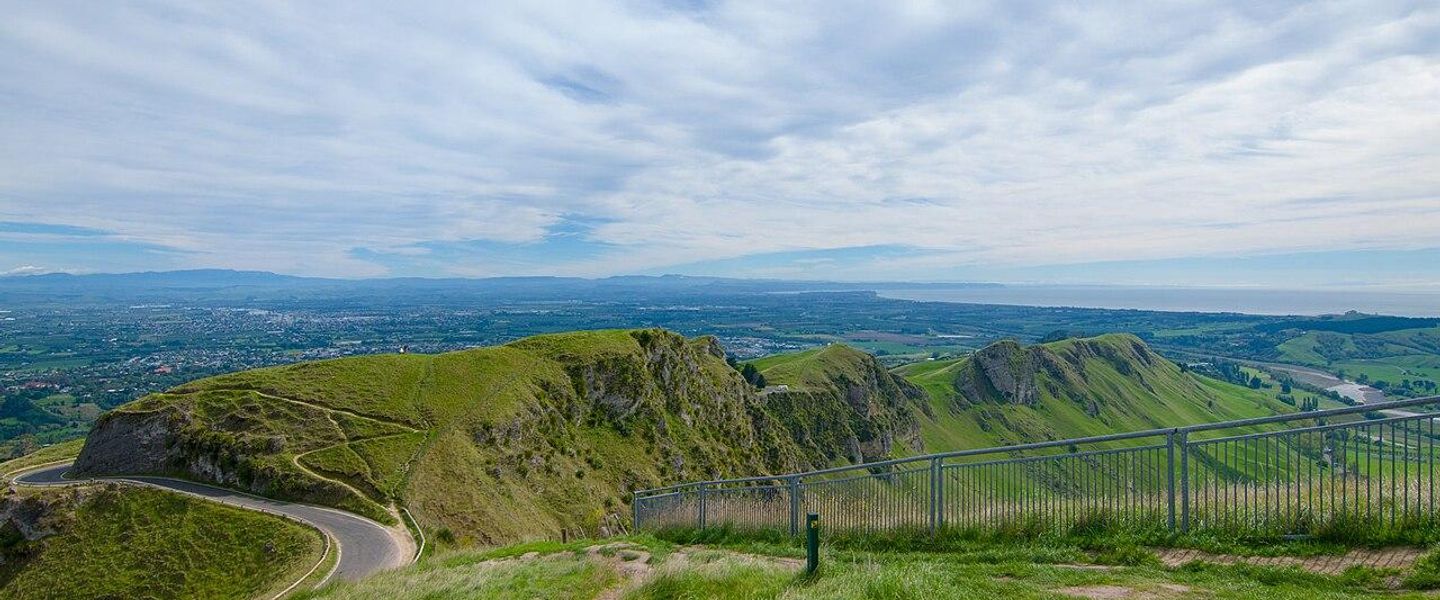
Hawke's Bay, New Zealand Travel Guide
Discover Hawke's Bay, New Zealand's gem of vineyards, beaches, and art deco charm, offering a blend of outdoor adventures, cultural experiences, and gourmet delights.
Hawke's Bay, located on the eastern coast of New Zealand's North Island, is a stunning blend of natural beauty and cultural richness. Famous for its rolling vineyards, pristine beaches, and art deco architecture, this region is a paradise for wine lovers, beachgoers, and history enthusiasts alike. The temperate climate and fertile soil make it one of New Zealand's premier wine-producing areas, with over 70 wineries offering tastings and tours. The scenic landscapes, from the rugged coastline to the lush hinterlands, provide a picturesque backdrop for outdoor activities such as hiking, cycling, and surfing. In addition to its natural allure, Hawke's Bay is home to the charming cities of Napier and Hastings. Napier, often referred to as the Art Deco Capital of the World, boasts beautifully preserved 1930s architecture, a legacy of the city's reconstruction after the 1931 earthquake. Strolling through Napier's streets feels like stepping back in time, with its pastel-colored buildings and vintage charm. Hastings, on the other hand, is a haven for foodies, offering a variety of gourmet experiences from farm-to-table dining to bustling farmers' markets. The region also has a rich Maori heritage, with opportunities to experience traditional Maori culture through guided tours and cultural performances. Whether you are exploring the gannet colony at Cape Kidnappers, enjoying the vibrant local arts scene, or simply relaxing with a glass of world-class wine, Hawke's Bay promises an unforgettable experience for every traveler.

Know before you go
Hi, I'm Eve. Here are a few practical things to know before exploring Hawke's Bay.
- Visit during the summer months (December to February) for the best weather and to enjoy the numerous outdoor festivals.
- Book wine tours in advance, especially during peak season, to ensure availability.
- Explore the Art Deco architecture in Napier by taking a guided walking tour to learn about the city's unique history.
- Don't miss the weekend farmers' markets in Hastings for fresh local produce and artisanal products.
- Rent a bike to explore the scenic cycle trails that connect the vineyards and coastal areas.
Top City Travel Guides in Hawke's Bay
The cities of Hawke's Bay, and the easiest places to base yourself.


Destinations in Hawke's Bay
Resorts, valleys and scenic spots worth a trip of their own.

Explore Hawke's Bay: Things to Do, Places to Eat, Hotels & More
Handpicked recommendations for top attractions, local dining, accommodations, and more

Top Attractions & Sightseeing in Hawke's Bay
Top-rated picks
Best Attractions

National Aquarium of New Zealand
Explore the captivating marine life and unique wildlife of New Zealand at the National Aquarium of New Zealand, a premier tourist attraction in Napier.

Te Mata Peak
Discover the breathtaking beauty and cultural significance of Te Mata Peak, a must-visit destination in New Zealand's Hawke's Bay.

Bluff Hill Lookout
Experience breathtaking views and rich history at Bluff Hill Lookout, a must-visit tourist attraction in Napier, New Zealand.

Splash Planet
Dive into adventure at Splash Planet, New Zealand's premier water park in Hastings, where fun, relaxation, and excitement await visitors of all ages.

Best landmarks in Hawke's Bay
Top-rated picks
Best Landmarks

National Aquarium of New Zealand
Discover the aquatic wonders at the National Aquarium of New Zealand, where marine life and conservation come together in an unforgettable experience.

Te Mata Peak
Discover breathtaking panoramas and rich cultural heritage at Te Mata Peak, a must-visit scenic spot in Hawke's Bay, New Zealand.

Bluff Hill Lookout
Experience breathtaking views at Bluff Hill Lookout, a historic landmark in Napier, showcasing stunning coastal vistas and rich maritime heritage.

Splash Planet
Dive into adventure at Splash Planet, New Zealand's top water park featuring thrilling rides, relaxing pools, and family fun in Hastings.

Best restaurants in Hawke's Bay
Top-rated picks
Best Restaurants

The Thirsty Whale Bar & Restaurant
Discover coastal dining at The Thirsty Whale Bar & Restaurant in Ahuriri, Napier—where local flavors meet stunning waterfront views.

Off The Track Restaurant and Licenced Cafe
Experience culinary excellence at Off The Track Restaurant in Havelock North - where local flavors meet warm hospitality.

Jarks Restaurant Hastings
Experience exquisite dining at Jarks Restaurant Hastings—where local flavors meet modern cuisine in an inviting atmosphere.

The Puketapu
Experience authentic Kiwi culture at The Puketapu - your go-to pub for great food, drinks, and stunning views in New Zealand.

Best bars in Hawke's Bay
Top-rated picks
Best Bars

The Thirsty Whale Bar & Restaurant
Experience the flavors of the sea at The Thirsty Whale, a premier restaurant in Napier, New Zealand, where culinary excellence meets stunning waterfront views.

Rose & Shamrock Village Inn
Discover the heart of Havelock North at Rose & Shamrock Village Inn, a cozy pub offering local brews, delicious food, and a warm atmosphere.

The Puketapu
Discover the charm of The Puketapu, a vibrant pub in Western Hills offering delicious food and local brews amidst stunning landscapes.

The Gintrap Restaurant & Bar
Discover The Gintrap Restaurant & Bar in Napier for an unforgettable dining experience with stunning waterfront views and a diverse menu.

Best nightclubs in Hawke's Bay
Top-rated picks
Best Nightclubs

Clubs Hastings
Discover the heart of Hastings at Clubs Hastings, a lively bar offering delicious food and drinks in a welcoming atmosphere.

Three Wise Birds Garden Bar
Experience the unique charm of Three Wise Birds Garden Bar in Hastings, New Zealand—a perfect blend of ciders, local cuisine, and a serene garden ambiance.

Cabana Bar
Discover the heart of Napier's nightlife at Cabana Bar, a must-visit concert hall with electrifying live music and a vibrant atmosphere.

Bay City Club
Discover the lively Bay City Club in Bluff Hill, Napier, a social hotspot for nightlife, karaoke, and entertainment in New Zealand's vibrant coastal town.

Best shops in Hawke's Bay
Top-rated picks
Best Shops

Silky Oak Chocolates
Discover the sweet world of Silky Oak Chocolates in Waiohiki, where handcrafted delights and a cozy café await every chocolate lover.

Spotlight Hastings
Discover a world of creativity and home essentials at Spotlight Hastings, where crafting dreams come to life with quality materials.

Cooltoys
Explore Cooltoys, Napier's enchanting toy and hobby store, where every corner sparks joy and creativity for kids and adults alike.

Ocean Boulevard Shopping Centre
Experience the best of shopping and dining at Ocean Boulevard Shopping Centre, a vibrant destination in Napier, New Zealand.

Explore Hawke's Bay on the Map
A handpicked selection of must-see spots in Hawke's Bay, mapped for you.
Hawke's Bay Essentials
-
Hawke's Bay is accessible by various modes of transportation. The nearest international airports are in Auckland and Wellington, both approximately 4-5 hours' drive away. Domestic flights can be taken to Napier Airport, which is the main airport serving the region. From the airport, car rentals, taxis, and shuttle services are available to take you to your destination. Alternatively, bus services like InterCity connect Hawke's Bay with other major cities in New Zealand.
-
Hawke's Bay has a well-connected transportation network. For local travel, you can use buses operated by GoBay, which serve Napier, Hastings, and other nearby areas. Taxis and ride-sharing services like Uber are also available. Renting a car is a popular option for tourists who wish to explore the region at their own pace. Bicycles can be rented for those interested in scenic rides along the many cycle trails in the area.
-
The official currency in New Zealand is the New Zealand Dollar (NZD). Credit and debit cards are widely accepted in most establishments, including hotels, restaurants, and shops. ATMs are readily available in urban areas, but it is advisable to carry some cash for use in smaller towns or rural areas. Contactless payments are also becoming increasingly common.
-
Hawke's Bay is generally a safe destination for tourists. However, it is always wise to exercise standard precautions. Avoid leaving valuable items in plain sight in parked cars and be cautious when walking alone at night in less populated areas. While crime rates targeting tourists are low, staying vigilant and aware of your surroundings is always recommended.
-
In case of an emergency, dial 111 for police, fire, or medical assistance. Hawke's Bay has several hospitals and medical centers, including Hawke's Bay Hospital in Hastings. Pharmacies are available in most towns for minor health concerns. It is advisable to have travel insurance that covers medical emergencies.
-
Fashion: Do dress comfortably and in layers, as the weather can change quickly. Don't wear overly casual clothing in upscale restaurants. Religion: Do respect local customs and traditions, especially in Maori cultural sites. Public Transport: Do be respectful and give up your seat to elderly or disabled passengers. Don't play loud music or talk loudly on public transport. Greetings: Do greet people with a smile and a handshake. A friendly 'Kia Ora' (hello) is appreciated. Eating & Drinking: Do try local specialties like Hawke's Bay apples and wines. Don't leave a tip, as it is not customary in New Zealand.
-
To experience Hawke's Bay like a local, visit the farmer's markets in Napier and Hastings for fresh produce and artisanal goods. Engage with locals who are generally friendly and willing to share insights about the area. Don't miss the Art Deco architecture in Napier and the region's renowned wineries. For a unique experience, take a guided tour of Cape Kidnappers to see the gannet colonies.
When is the best time to visit Hawke's Bay?
Useful Local Phrases for Hawke's Bay
You don't need to speak the language perfectly. Even learning a few simple words can make conversations warmer—and locals usually appreciate the effort.
— Eve

Here are the phrases I use most often in Hawke's Bay. Try a few—you'll be surprised how far they go! 😊
❤️
-
- HelloKia ora
[kee-ah ora] - GoodbyeHaere rā
[high-reh rah] - YesĀe
[ah-eh] - NoKāo
[kaw] - Please/You're welcomeTēnā koa
[teh-nah koh-ah] - Thank youNgā mihi
[ngah mee-hee] - Excuse me/SorryAroha mai
[ah-roh-ha my] - How are you?Kei te pēhea koe?
[kay teh peh-heh-ah koy] - Fine. And you?Ka pai. Ā koe?
[kah pie. ah koy?] - Do you speak English?Ka korero koe i te reo Ingarihi?
[kah kor-eh-roh koy ee teh reh-oh in-gah-ree-hee?] - I don't understandKāore au e mārama
[kah-oh-reh ow eh mah-rah-mah]
- HelloKia ora
-
- I'd like to see the menu, pleaseKa hiahia au ki te tirotiro i te rārangi kai, tēnā koa
[kah hee-ah-hee-ah ow kee teh tee-roh-tee-roh ee teh rah-rah-ngi kai, teh-nah koh-ah] - I don't eat meatKāore au e kai i te mutton
[kah-oh-reh ow eh kye ee teh mut-ton] - Cheers!Kia ora!
[kee-ah ora!] - I would like to pay, pleaseKa hiahia au ki te utu, tēnā koa
[kah hee-ah-hee-ah ow kee teh oo-too, teh-nah koh-ah]
- I'd like to see the menu, pleaseKa hiahia au ki te tirotiro i te rārangi kai, tēnā koa
-
- Help!Tautoko!
[tow-toh-koh!] - Go away!Haere atu!
[high-reh ah-too!] - Call the Police!Karanga ki te Pirihimana!
[kah-rah-ngah kee teh pee-ree-hee-mah-nah!] - Call a doctor!Karanga ki te taote!
[kah-rah-ngah kee teh tau-teh!] - I'm lostKua ngaro au
[koo-ah nah-roh ow] - I'm illKei te mate au
[kay teh mah-teh ow]
- Help!Tautoko!
-
- I'd like to buy...Ka hiahia au ki te hoko...
[kah hee-ah-hee-ah ow kee teh hoh-koh...] - I'm just lookingKei te tirotiro au
[kay te tee-roh-tee-roh ow] - How much is it?E hia te utu?
[eh hee-ah teh oo-too?] - That's too expensiveHe tino utu teitei
[he tee-noh oo-too tay-tay] - Can you lower the price?Ka taea e koe te whakaiti i te utu?
[kah tah-eh eh koy teh fah-kah-ee-tee ee teh oo-too?]
- I'd like to buy...Ka hiahia au ki te hoko...
-
- What time is it?He aha te wā?
[he ah-ha teh wah?] - It's one o'clockHe tekau mā tahi
[he teh-kau mah tah-hee] - Half past (10)Te hauwhā ki te tekau
[teh how-fah kee teh teh-kau] - MorningAta
[ah-tah] - AfternoonPopo
[poh-poh] - EveningPō
[poh] - YesterdayInā noa
[ee-nah noh-ah] - TodayI tēnei rā
[ee teh-nye rah] - TomorrowĀpōpō
[ah-poh-poh] - 1Tahi
[tah-hee] - 2Rua
[roo-ah] - 3Toru
[toh-roo] - 4Whā
[fah] - 5Rima
[ree-mah] - 6Ono
[oh-noh] - 7Whitu
[fee-too] - 8Waru
[wah-roo] - 9Iwa
[ee-wah] - 10Tekau
[teh-kau]
- What time is it?He aha te wā?
-
- Where's a/the...?Kei hea te...?
[kay he-ah teh...?] - What's the address?He aha te wāhitau?
[he ah-ha teh wah-hee-tah-oo?] - Can you show me (on the map)?Ka taea e koe te whakaatu mai (i te mapi)?
[kah tah-eh eh koy teh fah-kah-ah-too my (ee teh mah-pee)?] - When's the next (bus)?Kāinga te pahi e whai ake?
[kah-ing-ah teh pah-hee eh fwhy ah-keh?] - A ticket (to ....)He tikiti (ki...)
[he tee-kee-tee (kee...)]
- Where's a/the...?Kei hea te...?
History of Hawke's Bay
-
The history of Hawke's Bay begins with the arrival of the Maori people, who settled in the area over 700 years ago. The region, known for its fertile land and abundant resources, became home to several Maori iwi (tribes), including Ngati Kahungunu, one of the largest iwi in New Zealand. Maori culture and traditions have had a lasting influence on the region, with many place names and cultural sites still bearing their mark.
-
European settlers first arrived in Hawke's Bay in the early 19th century. British explorer Captain James Cook charted the coastline in 1769, naming the bay after Sir Edward Hawke, First Lord of the Admiralty. European settlers were drawn to the region for its agricultural potential, and by the 1850s, Hawke's Bay had become a significant center for sheep farming and wool production.
-
One of the most significant events in Hawke's Bay's history is the devastating earthquake that struck on February 3, 1931. Measuring 7.8 on the Richter scale, the earthquake destroyed much of the cities of Napier and Hastings, leading to widespread loss of life and property. In the aftermath, the city of Napier was rebuilt in the Art Deco architectural style, which has since become a defining feature of the city's character and a major tourist attraction.
-
Hawke's Bay is renowned for its wine industry, which began to flourish in the late 19th century. The region's warm climate and diverse soils make it ideal for viticulture, and today, it is one of New Zealand's premier wine-producing areas. Notable for its red wines, particularly Merlot and Cabernet Sauvignon, as well as its Chardonnay, Hawke's Bay attracts wine enthusiasts from around the world to its many vineyards and wineries.
-
Hawke's Bay hosts a variety of cultural festivals and events that celebrate its rich heritage and vibrant community. The annual Art Deco Festival in Napier commemorates the city's unique architectural style with parades, dances, and vintage car displays. The region also boasts the Hawke's Bay Food and Wine Classic, a gastronomic celebration featuring local food, wine, and entertainment that showcases the best of what the region has to offer.
Neighbouring Regions of Hawke's Bay
The closest regions to Hawke's Bay, if you have time for more than one.


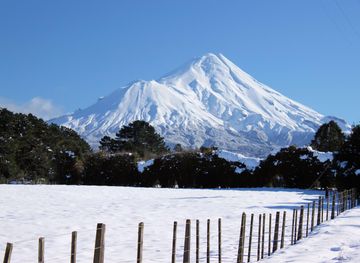
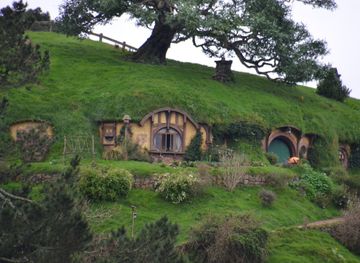

Your all‑in‑one travel companion app
Explore expert travel guides, compare and book tours, experiences, hotels, and more—all from the palm of your hand. Download now for seamless trip planning wherever your wanderlust takes you.


Explore More of New Zealand

Looking beyond Hawke's Bay? Discover New Zealand for broader travel guides, local hot-spots, and regional highlights.
Explore New ZealandHawke's Bay in Photos
Browse through our photo collection highlighting the charm and character of the destination.


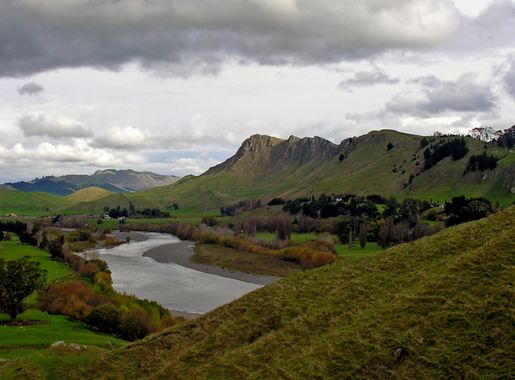


Hawke's Bay: A Symphony of Nature and Culture
Hawke's Bay, located on the eastern coast of New Zealand's North Island, is a stunning blend of natural beauty and cultural richness. Famous for its rolling vineyards, pristine beaches, and art deco architecture, this region is a paradise for wine lovers, beachgoers, and history enthusiasts alike. The temperate climate and fertile soil make it one of New Zealand's premier wine-producing areas, with over 70 wineries offering tastings and tours. The scenic landscapes, from the rugged coastline to the lush hinterlands, provide a picturesque backdrop for outdoor activities such as hiking, cycling, and surfing. In addition to its natural allure, Hawke's Bay is home to the charming cities of Napier and Hastings. Napier, often referred to as the Art Deco Capital of the World, boasts beautifully preserved 1930s architecture, a legacy of the city's reconstruction after the 1931 earthquake. Strolling through Napier's streets feels like stepping back in time, with its pastel-colored buildings and vintage charm. Hastings, on the other hand, is a haven for foodies, offering a variety of gourmet experiences from farm-to-table dining to bustling farmers' markets. The region also has a rich Maori heritage, with opportunities to experience traditional Maori culture through guided tours and cultural performances. Whether you are exploring the gannet colony at Cape Kidnappers, enjoying the vibrant local arts scene, or simply relaxing with a glass of world-class wine, Hawke's Bay promises an unforgettable experience for every traveler.