

Free Matagalpa Highlands Travel Guide & Mobile App
Explore Matagalpa Highlands with free travel guides. Discover regional history, expert tips, proposed trips, and audio guides on web or mobile app.


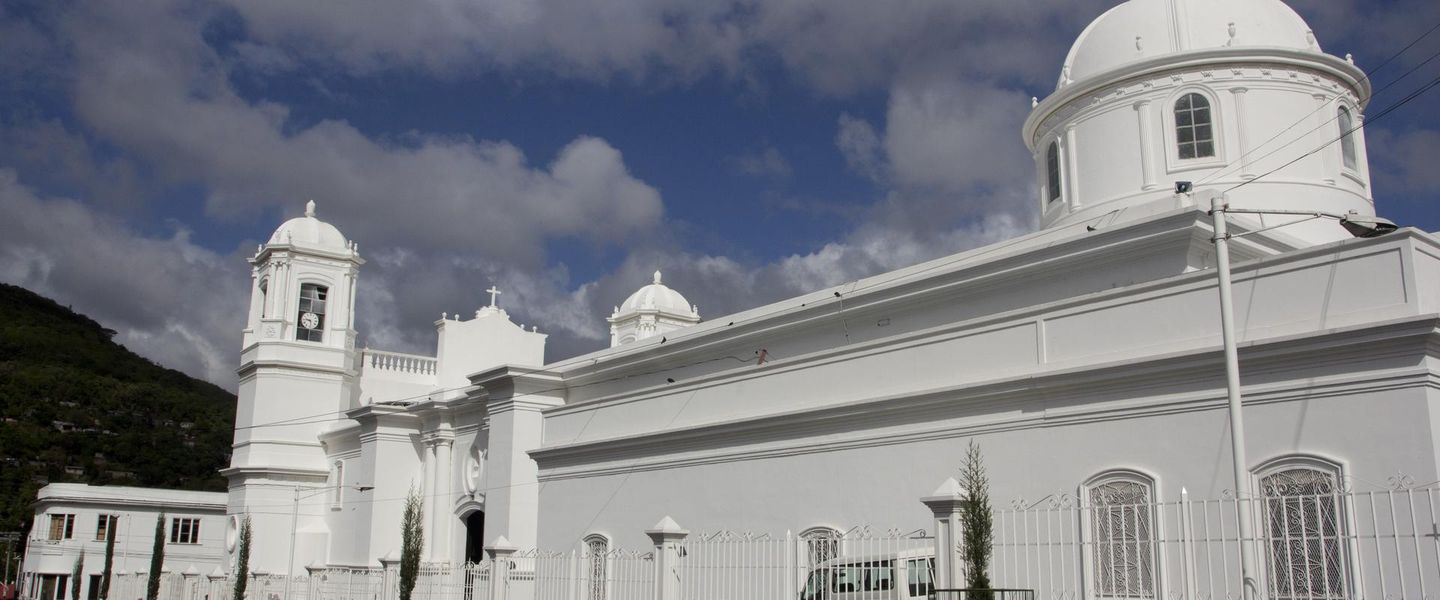


Explore the Matagalpa Highlands for cool mountain landscapes, coffee farms, forest trails, rural culture and Nicaraguan highland cuisine.
Read more about Matagalpa Highlands
When is the best time to visit Matagalpa Highlands?
Best: December–February · 25–26°C| Month | High (°C) | Rainfall (mm) |
|---|---|---|
| January (best) | 25 | 4 |
| February (best) | 25 | 4 |
| March | 26 | 7 |
| April | 27 | 20 |
| May | 27 | 40 |
| June | 28 | 50 |
| July | 28 | 50 |
| August | 28 | 50 |
| September | 27 | 50 |
| October | 27 | 40 |
| November | 26 | 20 |
| December (best) | 26 | 7 |
Getting to and around Matagalpa Highlands
How to get there
Transportation
Top city travel guides in Matagalpa Highlands
The cities of Matagalpa Highlands, and the easiest places to base yourself.

Swipe for more cities
Destinations in Matagalpa Highlands
Resorts, valleys and scenic spots worth a trip of their own.
-
-
-


Swipe for more destinations
Best attractions in Matagalpa Highlands
The Matagalpa Highlands are best explored through a combination of nature, agriculture and local life rather than a circuit of large monuments. Matagalpa city provides access to Cerro Apante Nature Reserve, where forest trails climb above the urban area and may reveal birds, orchids and broad views across the surrounding hills. Coffee farms around Matagalpa, San Ramón and El Tuma-La Dalia offer visits that explain cultivation, harvesting, washing, drying and roasting, although arrangements should be made before arrival. Rural routes lead to waterfalls, streams and small viewpoints, with conditions varying sharply after rain. Finca Esperanza Verde, in the San Ramón area, combines coffee production with forest conservation and is an example of the region’s interest in sustainable rural tourism. Markets and agricultural communities add a cultural dimension, while the highlands’ cooler climate suits walking, birdwatching and quiet landscape observation. Travellers should allow time for slow roads and should treat farms and reserves as working or protected environments rather than conventional entertainment venues.
-
Nature preserve
Eco-Lodge Cascada Blanca
Discover Eco-Lodge Cascada Blanca, a serene retreat in La Dalia, Nicaragua, blending nature, adventure, and authentic local cuisine.
-
Park
Rubén Darío Park
Explore Rubén Darío Park in Matagalpa, Nicaragua - a lush retreat perfect for relaxation, local culture, and scenic beauty.
-
Tourist attraction
Mirador Calvary
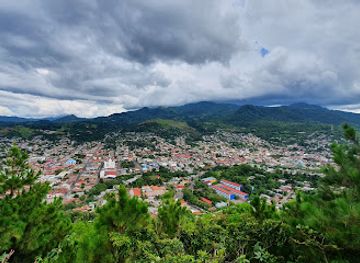
Discover the breathtaking vistas at Mirador Calvary in Matagalpa, Nicaragua, a must-see destination for nature lovers and adventure seekers.
-
Park
El Calvario Ecological Park
Experience the tranquility of El Calvario Ecological Park, a serene natural oasis in Matagalpa, Nicaragua, where nature and peace come together.



Best landmarks in Matagalpa Highlands
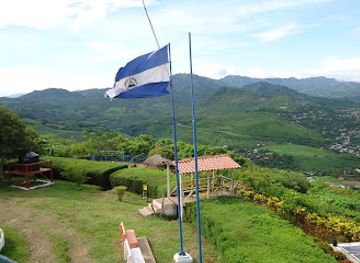
The most recognisable landmarks of the Matagalpa Highlands are closely tied to landscape and working history. Matagalpa city’s central cathedral and surrounding civic streets form the urban focus of the region, while the steep slopes of Cerro Apante provide a natural backdrop immediately above the city. Across the countryside, coffee estates and processing buildings are important agricultural landmarks: their drying patios, planted hillsides and mountain views express the economic history that shaped Matagalpa. Rural churches and town centres in communities such as San Ramón and San Dionisio provide more modest evidence of settlement beyond the departmental capital. The forested ridges and deeply cut valleys themselves are significant geographical markers, distinguishing the highlands from Nicaragua’s lowland plains. Viewpoints along rural roads often reveal the patchwork of coffee, pasture, maize and remaining woodland. These places matter less for monumental architecture than for showing how elevation, agriculture and settlement have created a recognisable northern Nicaraguan landscape.
-
Resort hotel
Selva Negra
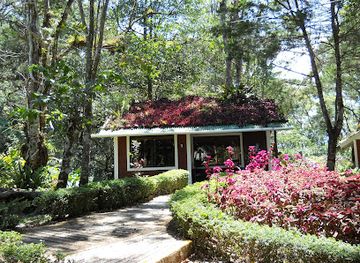
Experience the lush beauty and tranquility of Selva Negra, a unique resort hotel in Matagalpa blending eco-tourism with comfort.
-
Promenade
Plaza Nicaragua
Explore the vibrant atmosphere of Plaza Nicaragua, a cultural hub in Managua filled with art, food, and community spirit.
-
Nature preserve
Eco-Lodge Cascada Blanca
Discover Eco-Lodge Cascada Blanca - a serene escape in Nicaragua, perfect for nature lovers, adventure seekers, and those in search of tranquility.
-
Park
Rubén Darío Park
Discover the lush landscapes and vibrant culture at Rubén Darío Park, a serene oasis in Matagalpa, Nicaragua, perfect for relaxation and exploration.
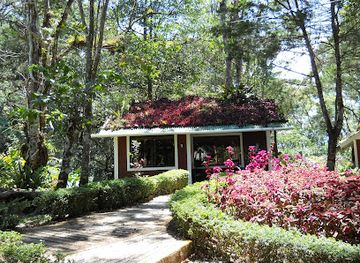
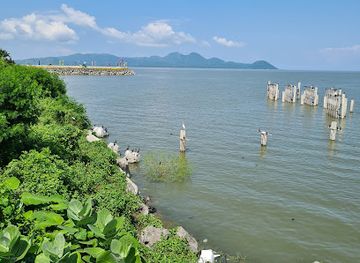


Explore Matagalpa Highlands on the map
Plan your trip on one map. See where the top cities, national parks and sights are, and book hotels and experiences in a few clicks.
Best hotels in Matagalpa Highlands
Best restaurants in Matagalpa Highlands
Dining in the Matagalpa Highlands reflects the practical cuisine of Nicaragua’s interior, with rice, beans, maize, plantains, eggs, chicken, beef and fresh cheese appearing frequently in home-style meals. In Matagalpa city, small eateries and cafés provide breakfasts, soups, grilled dishes and snacks, while rural farms and lodges may serve food based on their own produce. Coffee is central, from everyday cups of locally grown beans to more carefully prepared tastings that reveal differences between estates and processing methods. Fresh juices, cacao-based drinks and baked goods are also common. Markets are useful for trying regional staples and buying fruit, tortillas and simple snacks, though standards of preparation vary by stall. Rural dining is often arranged as part of a lodging or coffee visit rather than through a choice of formal restaurants, so advance notice can be important. The culinary character is distinctly highland and agricultural, but it belongs within Nicaragua’s broader national food tradition rather than being an entirely separate regional cuisine.
-
Resort hotel
Selva Negra
Discover the enchanting Selva Negra Resort Hotel - where luxury meets nature amidst breathtaking highland scenery.
-
Park
Rubén Darío Park
Explore Rubén Darío Park: A lush urban retreat in Matagalpa where nature meets culture amidst historic charm.
-
American
Jimmy "Three Fingers" Alabama Rib Shack
Discover the authentic taste of America at Jimmy 'Three Fingers' Alabama Rib Shack in Managua – a haven for rib lovers and burger enthusiasts alike.
-
Restaurant
Restaurante La Vita è Bella
Experience authentic Italian flavors at Restaurante La Vita è Bella in Matagalpa – where quality meets affordability.


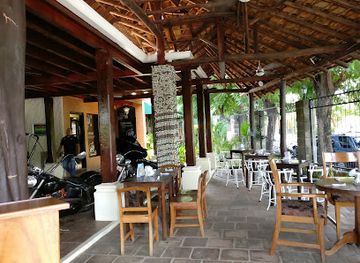
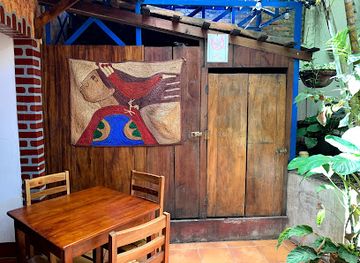
Best bars in Matagalpa Highlands
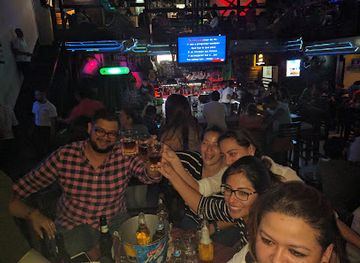
Evening life in the Matagalpa Highlands is concentrated in Matagalpa city and is generally more social and low-key than the nightclub scenes of Nicaragua’s larger tourist centres. Restaurants, cafés, traditional bars and casual venues provide places to meet, listen to music and watch sport, while some establishments offer live music or dancing at particular times. The city’s student and commercial population gives its central area more evening activity than the surrounding countryside, but it remains a modest regional centre rather than a major nightlife destination. Rural lodges and coffee estates usually focus on dinner, conversation, views and early mornings rather than late entertainment. Local beer, rum-based drinks and coffee are available, and visitors should drink responsibly, use known transport and avoid isolated roads after dark. Opening arrangements and individual venues change, so accommodation staff are the best source of current local information.
-
Coffee shop
Coffee Shop Barista
Discover the flavors of Matagalpa at Coffee Shop Barista, where local coffee and breakfast unite in a cozy atmosphere.
-
Restaurant
Restaurante La Vita è Bella
Savor authentic Italian cuisine in Matagalpa at Restaurante La Vita è Bella, where every dish is a celebration of flavor and tradition.
-
Restaurant
Restaurante La Pradera
Experience the rich flavors of Nicaraguan cuisine at Restaurante La Pradera in Matagalpa, a must-visit for food lovers.
-
Coffee shop
Selección Nicaragüense • Parque Darío
Experience the rich flavors of Nicaraguan coffee at Selección Nicaragüense, a cozy spot in Matagalpa perfect for relaxation and cultural immersion.


Best nightclubs in Matagalpa Highlands
Evening life in the Matagalpa Highlands is concentrated in Matagalpa city and is generally more social and low-key than the nightclub scenes of Nicaragua’s larger tourist centres. Restaurants, cafés, traditional bars and casual venues provide places to meet, listen to music and watch sport, while some establishments offer live music or dancing at particular times. The city’s student and commercial population gives its central area more evening activity than the surrounding countryside, but it remains a modest regional centre rather than a major nightlife destination. Rural lodges and coffee estates usually focus on dinner, conversation, views and early mornings rather than late entertainment. Local beer, rum-based drinks and coffee are available, and visitors should drink responsibly, use known transport and avoid isolated roads after dark. Opening arrangements and individual venues change, so accommodation staff are the best source of current local information.
-
Disco club
Woods Lounge Bar
Discover the vibrant nightlife of Matagalpa at Woods Lounge Bar, where unforgettable music and cocktails await every night.
-
Grill
Artesanos Bar
Savor the authentic taste of Nicaragua at Artesanos Bar, where every meal is a celebration of local flavor in a vibrant and welcoming atmosphere.
-
 Night club
Las Conejitas
Experience the vibrant nightlife at Las Conejitas, a premier night club in Las Tejas, where unforgettable music and dance await you.
-
Dance club
DISCOMOVIL SKY MUSIC
Discover the electric atmosphere of DISCOMOVIL SKY MUSIC, Matagalpa's top dance club, where unforgettable nights and vibrant music await.


Best shops in Matagalpa Highlands
Shopping in the Matagalpa Highlands is centred on Matagalpa’s markets, practical high-street businesses and small cafés or shops selling locally produced coffee. Roasted beans are the most characteristic purchase, and visitors can often choose between commercial packaging, cooperative products and beans sold directly through farms or locally focused enterprises. Markets offer fruit, vegetables, tortillas, household goods and everyday clothing rather than a large selection of dedicated souvenirs. In rural areas, honey, cacao products and small-scale food goods may be available, although supply and packaging vary. Independent shops in Matagalpa can provide handicrafts and regional food products, while coffee visits are a useful way to buy beans with information about their origin and processing. Bargaining is not appropriate everywhere, particularly in established shops, so ask about prices and payment before buying. The region is better suited to practical, agricultural and food-related purchases than to luxury retail or large shopping-centre excursions.
-
Resort hotel
Selva Negra
Selva Negra: A serene resort hotel in Nicaragua's lush highlands, offering a blend of nature, adventure, and coffee culture.
-
Supermarket
Maxi Pali • Matagalpa
Discover the best of local flavors and essentials at Maxi Pali, Matagalpa's leading supermarket for tourists and locals alike.
-
Tourist attraction
Mirador Calvary
Experience stunning panoramic views and local culture at Mirador Calvary in Matagalpa, Nicaragua.
-
Park
Waterfall Moon
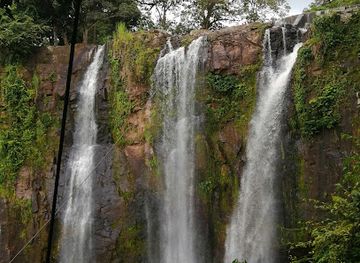
Discover the enchanting beauty of Waterfall Moon, a must-visit park in La Empresa, Nicaragua, featuring stunning waterfalls and lush landscapes.

Get your free copy of our complete guide to Matagalpa Highlands, delivered straight to you.
Everything on this page, from attractions and restaurants to essentials and local phrases, in one PDF you can read offline, print or share.
Already have an account? Sign in
Your Matagalpa Highlands guide is ready.
We'll send it to · Not you? Sign out

Getting your guide ready…
We are putting together a fresh copy of the Matagalpa Highlands guide. This can take up to a minute.
This can take a few moments. If your browser asks, choose Allow so the download can start. You'll find the guide in your Downloads folder.
Nothing happened? Download it again
Sorry, the guide is taking longer than usual. Please try again in a minute, or get it by email instead.
Matagalpa Highlands essentials
Currency and Payment
Safety
Emergency Situations
Do's and Don'ts
Local Tips
From Eve
Local phrases worth knowing
You don't need to get them perfect. A few words go a long way, and locals appreciate the effort.
Basics
| English | Local | Say it |
|---|---|---|
| Hello | Hola | [Ola] |
| Goodbye | Adiós | [Adios] |
| Yes | Sí | [See] |
| No | No | [No] |
| Please/You're welcome | Por favor/De nada | [Por favor/De nada] |
| Thank you | Gracias | [Grasias] |
| Excuse me/Sorry | Disculpe/Lo siento | [Dees-kul-peh/Lo syen-toh] |
| How are you? | ¿Cómo estás? | [Komo es-tas] |
| Fine. And you? | Bien. ¿Y tú? | [Byen. Ee too] |
| Do you speak English? | ¿Hablas inglés? | [A-blas een-glays] |
| I don't understand | No entiendo | [No en-tyen-do] |
Eating & Drinking
| English | Local | Say it |
|---|---|---|
| I'd like to see the menu, please | Me gustaría ver el menú, por favor | [Meh goo-stah-ree-ah ver el men-oo, por fah-vor] |
| I don't eat meat | No como carne | [No koh-mo kar-neh] |
| Cheers! | ¡Salud! | [Sah-lud] |
| I would like to pay, please | Me gustaría pagar, por favor | [Meh goo-stah-ree-ah pah-gar, por fah-vor] |
Emergencies
| English | Local | Say it |
|---|---|---|
| Help! | ¡Ayuda! | [Ah-yoo-dah] |
| Go away! | ¡Vete! | [Veh-teh] |
| Call the Police! | ¡Llama a la policía! | [Yah-mah ah lah po-lee-see-ah] |
| Call a doctor! | ¡Llama a un doctor! | [Yah-mah ah oon dok-tor] |
| I'm lost | Estoy perdido | [Es-toy per-dee-do] |
| I'm ill | Estoy enfermo/a | [Es-toy en-fer-mo/a] |
Shopping
| English | Local | Say it |
|---|---|---|
| I'd like to buy... | Me gustaría comprar... | [Meh goo-stah-ree-ah kom-prar] |
| I'm just looking | Solo estoy mirando | [So-lo es-toy mee-ran-do] |
| How much is it? | ¿Cuánto cuesta? | [Kwan-toh kwes-ta] |
| That's too expensive | Eso es muy caro | [Eh-so es moo-ee ka-roh] |
| Can you lower the price? | ¿Puedes bajar el precio? | [Pwe-des ba-har el pre-syo] |
Time & Numbers
| English | Local | Say it |
|---|---|---|
| What time is it? | ¿Qué hora es? | [Keh o-ra es] |
| It's one o'clock | Es la una | [Es lah oo-nah] |
| Half past (10) | Y media (10) | [Ee meh-dia (10)] |
| Morning | Mañana | [Man-yah-nah] |
| Afternoon | Tarde | [Tar-deh] |
| Evening | Noche | [No-cheh] |
| Yesterday | Ayer | [Ah-yer] |
| Today | Hoy | [Oy] |
| Tomorrow | Mañana | [Man-yah-nah] |
| 1 | Uno | [Oo-no] |
| 2 | Dos | [Dos] |
| 3 | Tres | [Tres] |
| 4 | Cuatro | [Kwah-tro] |
| 5 | Cinco | [Seen-ko] |
| 6 | Seis | [Says] |
| 7 | Siete | [See-eh-teh] |
| 8 | Ocho | [Oh-cho] |
| 9 | Nueve | [Nweh-veh] |
| 10 | Diez | [Dyez] |
Transport & Directions
| English | Local | Say it |
|---|---|---|
| Where's a/the...? | ¿Dónde hay un/una...? | [Don-deh ai oon/oo-nah] |
| What's the address? | ¿Cuál es la dirección? | [Kwal es lah dee-rek-syon] |
| Can you show me (on the map)? | ¿Puedes mostrarme (en el mapa)? | [Pwe-des mos-trar-me (en el ma-pa)] |
| When's the next (bus)? | ¿Cuándo es el próximo (autobús)? | [Kwan-do es el prok-si-mo (au-to-boos)] |
| A ticket (to ....) | Un boleto (a ....) | [Oon bo-leh-to (ah ....)] |
History of Matagalpa Highlands
Indigenous Matagalpa Communities before Spanish Rule
Before Spanish colonisation, the north-central highlands were occupied by Indigenous communities generally associated with the Matagalpa cultural and linguistic tradition. They farmed the uplands and valleys and maintained connections across the interior of present-day Nicaragua and neighbouring Honduras. Archaeological evidence and place names provide reminders of this earlier landscape, although much of the region’s Indigenous history was later recorded through colonial accounts rather than by surviving written sources. The Matagalpa language eventually disappeared, but Indigenous communities and cultural influence remain part of the region’s historical identity.
Spanish Colonisation and Highland Settlement
Spanish expansion into northern Nicaragua brought new religious, administrative and agricultural systems, although the mountainous terrain made control less direct than in the Pacific lowlands. Settlements developed around farming, local trade and Catholic institutions, while Indigenous communities experienced land pressure, labour demands and cultural change. Matagalpa became an important inland centre because it connected highland farming areas with routes towards the western settlements. The colonial legacy remains visible in town layouts, churches, place names and the continuing importance of small-scale agriculture.
The Expansion of Coffee in the Nineteenth Century
Coffee production expanded significantly in Nicaragua during the nineteenth century as international demand encouraged investment in suitable upland areas. Matagalpa’s elevation, rainfall and volcanic soils created favourable conditions for Arabica coffee, and the crop gradually reshaped land use, labour arrangements and commercial life. Roads and trading connections developed to move coffee from remote estates towards export routes. The industry also attracted foreign settlers, including Germans and other Europeans, whose presence influenced some farms and businesses. Coffee remains the highlands’ most recognisable economic and landscape legacy.
Commercial Agriculture and Changing Highland Society
During the late nineteenth and early twentieth centuries, coffee estates grew alongside cattle raising, food crops and timber-related activity. The expansion of commercial agriculture altered patterns of land ownership and created unequal relationships between estate owners, tenant farmers and seasonal workers. Matagalpa city became a market and administrative centre for the surrounding countryside, while rural communities remained dependent on difficult roads and fluctuating commodity prices. These changes connected the highlands more closely to national and international markets but also produced social tensions that continued through the twentieth century.
Matagalpa and the Sandino Era
The mountainous north-central region was drawn into Nicaragua’s political conflicts during the early twentieth century. Augusto C. Sandino’s forces operated in the northern mountains during their resistance to the United States occupation and to the Nicaraguan government supported by US forces. The wider Matagalpa area therefore became part of the historical geography of guerrilla warfare, contested authority and rural mobilisation. Sandino’s legacy remains politically powerful in Nicaragua, and references to this period help explain why the northern highlands occupy such an important place in the country’s modern national story.
Revolution, Land Reform and the Modern Coffee Economy
The 1979 Sandinista Revolution brought major political and economic changes to Nicaragua, including land reform and the reorganisation of agricultural estates. Coffee production continued, but farms and rural labour relations were affected by national conflict, shortages and the Contra War of the 1980s, which also touched northern departments. Since the 1990s, the sector has combined private estates, cooperatives and smallholder production, with renewed attention to quality, certification and environmental stewardship. Modern visitors encounter this history in cooperatives, family farms and the continuing importance of coffee to highland livelihoods.
Matagalpa Highlands in Photos
Browse through our photo collection highlighting the charm and character of the destination.
Neighbouring regions of Matagalpa Highlands
The closest regions to Matagalpa Highlands, if you have time for more than one.
-

-

-

-
-


Swipe for more regions
Explore more
Explore more of Nicaragua
Discover Nicaragua: Explore breathtaking lakes, active volcanoes, colonial cities, and pristine beaches in a country rich with culture and adventure.
Explore Nicaragua