

Mombacho Volcano Travel Guide - Free Web & App
Your ultimate guide to Mombacho Volcano. Discover top landmarks, proposed trips, and local tips. Free on the web or via the Evendo companion app.


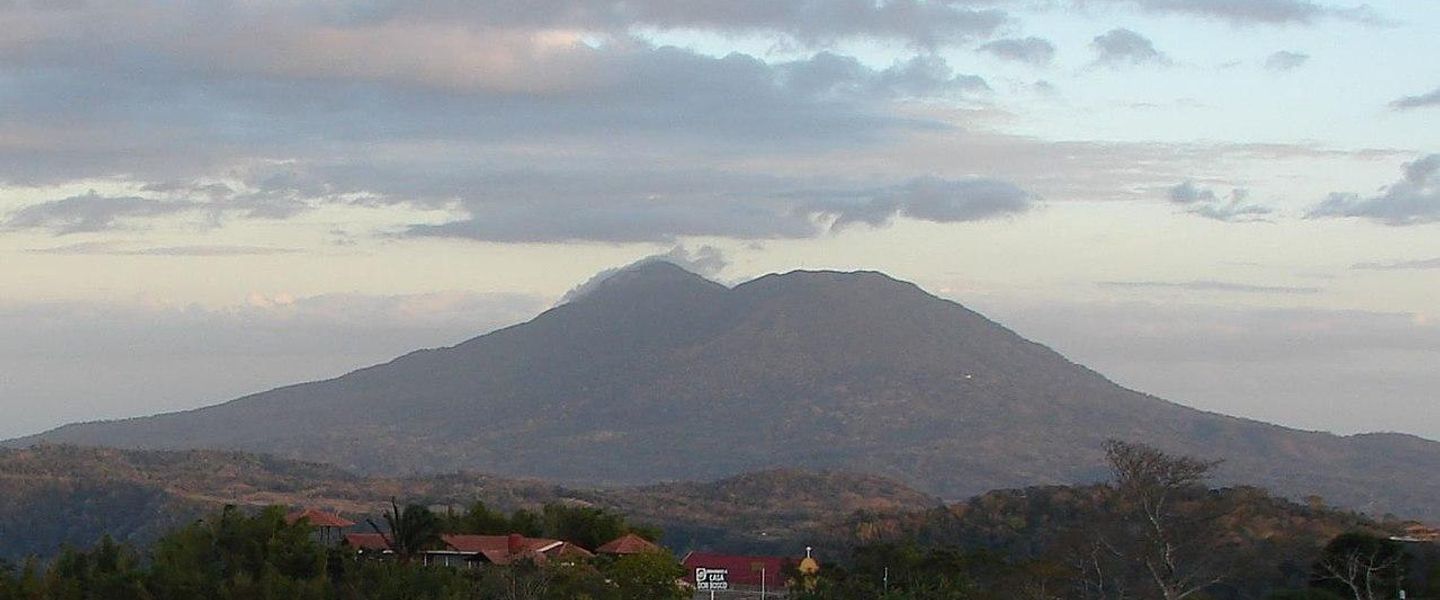


Mombacho Volcano, Nicaragua, offers cloud-forest hikes, crater trails, coffee landscapes and sweeping views over Granada, Lake Nicaragua and its islands.
Volcanic Landscapes and Cloud Forest
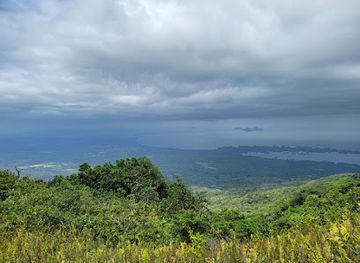
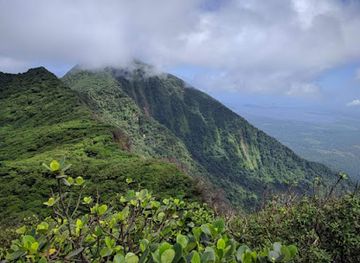
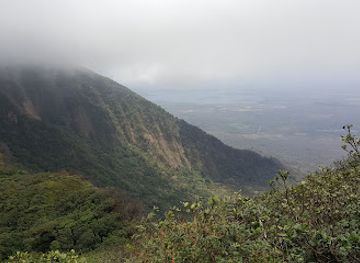
Rising to 1,344 metres above the plains south of Granada, Mombacho Volcano is one of Nicaragua’s most distinctive highland landscapes. Its slopes are protected within the Mombacho Volcano Nature Reserve, where humid cloud forest covers the upper mountain and vines, orchids, bromeliads and mosses thrive in the cooler, mist-laden air. The reserve’s trails lead around volcanic craters and through dense forest, with occasional clearings revealing Granada, Lake Nicaragua, the Isletas de Granada and the surrounding agricultural lowlands. Conditions can change quickly at elevation, and cloud may obscure views as readily as it creates the volcano’s atmospheric character.Read more about Mombacho Volcano
Trails, Wildlife and Coffee Country
Granada’s Volcanic Backdrop
When is the best time to visit Mombacho Volcano?
Best: January–March · 30–31°C| Month | High (°C) | Rainfall (mm) |
|---|---|---|
| January (best) | 30 | 40 |
| February (best) | 31 | 45 |
| March (best) | 31 | 50 |
| April | 32 | 55 |
| May | 32 | 60 |
| June | 33 | 65 |
| July | 33 | 70 |
| August | 34 | 75 |
| September | 34 | 80 |
| October | 35 | 75 |
| November | 35 | 70 |
| December | 36 | 65 |
Getting to and around Mombacho Volcano
How to get there
Transportation
Best attractions in Mombacho Volcano
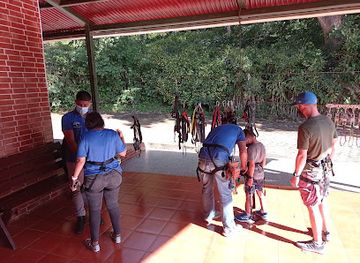
The principal attraction is the Mombacho Volcano Nature Reserve, whose upper slopes combine cloud forest, volcanic craters and elevated viewpoints above the Granada lowlands. The Cráter Trail introduces the summit’s volcanic terrain and often provides broad views when the cloud lifts, while the Tigrillo and Puma trails lead through denser forest and offer opportunities to observe birds, plants and other wildlife. The reserve’s interpretation and access areas help visitors understand the mountain’s ecology, while the steep road itself passes through a landscape increasingly shaped by coffee cultivation. On clear days, viewpoints look towards Granada, Lake Nicaragua and the Isletas de Granada, the small lake islands associated with volcanic and sedimentary landscapes around the city. The wider Mombacho area is also worth exploring through its coffee farms and rural roads, although these are working landscapes rather than a single formal attraction and access to private estates should be arranged rather than assumed.
-
Tourist attraction
Cafe Miravalle
Discover the tranquil charm of Café Miravalle in Santa Ana, where delightful cuisine meets breathtaking views, perfect for an unforgettable experience.
-
Nature preserve
El Sultán
Discover the beauty of nature at El Sultán, a serene preserve in Granada, Nicaragua, perfect for relaxation and wildlife encounters.
-
 Tourist attraction
Crater activo y principal del volcan Mombacho
Discover the breathtaking beauty and vibrant biodiversity of Mombacho Volcano's active crater, a premier tourist attraction in Nicaragua.
-
Hiking area
Sendero el Cráter
Explore Sendero el Cráter: A stunning hiking area in Santa Ana, Nicaragua, showcasing breathtaking views and rich biodiversity.
Best landmarks in Mombacho Volcano
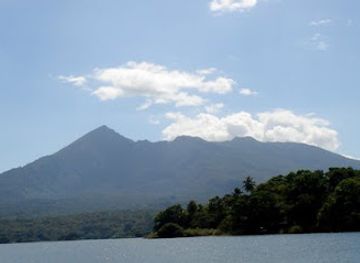
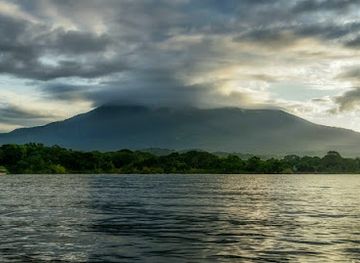
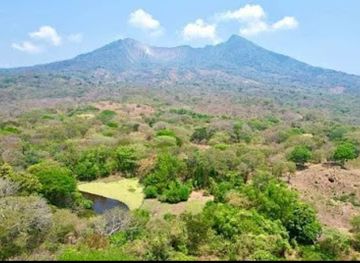
Mombacho’s defining landmark is the volcanic massif itself, rising abruptly from the lowlands south of Granada and crowned by a caldera and crater landscape. The forested summit is significant not only for its geology but also for the cloud-forest habitat that distinguishes it from the warmer plains below. The protected crater trails and high viewpoints form the mountain’s principal natural landmarks, with clear-weather outlooks towards Granada, Lake Nicaragua and the Isletas de Granada. On the lower slopes, coffee estates and cultivated volcanic ground represent a different kind of landmark: a long-established relationship between fertile soils, upland climate and rural production. Granada’s colonial centre is an important nearby cultural landmark and visual counterpart, but it lies outside Mombacho Volcano Nature Reserve and should not be confused with the protected mountain itself.
-
Nature preserve
Reserva Natural Volcán Mombacho
Explore the stunning biodiversity and scenic trails of Reserva Natural Volcán Mombacho, a must-visit destination near Granada, Nicaragua.
-
Volcano
Mombacho
Explore the stunning Mombacho Volcano in Nicaragua, a paradise for nature lovers and adventure seekers with breathtaking views and diverse wildlife.
-
Volcano
Volcan Mombacho
Experience the breathtaking landscapes and rich biodiversity of Volcan Mombacho, Nicaragua's iconic volcano, perfect for adventure and nature lovers.
-
Tourist attraction
Crater activo y principal del volcan Mombacho
Explore the active crater of Mombacho Volcano, a natural wonder offering breathtaking views and rich biodiversity in Nicaragua.
Explore Mombacho Volcano on the map
Plan your trip on one map. See where the top attractions, landmarks, restaurants and hotels are, and book hotels and experiences in a few clicks.
Best hotels in Mombacho Volcano
Best restaurants in Mombacho Volcano
There is no extensive restaurant district on Mombacho itself, so most visitors eat in Granada or arrange food through an excursion or accommodation provider before heading into the reserve. Granada offers the widest choice, from cafés and casual eateries to restaurants serving Nicaraguan staples such as gallo pinto, nacatamales, tortillas, grilled meats and plantains, alongside international food shaped by the city’s visitor economy. Around the lower volcano, coffee estates and rural businesses may provide coffee tastings or simple meals when included in an organised visit, but facilities and opening arrangements vary. Local produce from the fertile volcanic plain, including coffee, fruit and vegetables, forms an important part of the area’s food identity. Carrying water and a modest snack is sensible for longer trail outings, as the summit paths are not a conventional dining destination.
-
Cafe
Café Las Flores
Discover Café Las Flores: A charming café near Volcan Mombacho offering exceptional coffee, delicious bites, and unique souvenirs in Santa Ana.

Best shops in Mombacho Volcano
Shopping on Mombacho is limited and primarily connected with coffee, rural production and visitor stops rather than a permanent retail district. The most characteristic purchases are locally produced coffee and related goods, when available through farms or established businesses that receive visitors. Granada, the principal gateway outside the reserve, offers a broader selection of Nicaraguan crafts, ceramics, textiles, paintings, leather goods and food products through independent shops, market areas and artisan sellers. Visitors should distinguish genuinely local products from general souvenirs and ask about provenance when buying coffee or handicrafts. Small shops and rural businesses around the mountain may have limited stock and payment options, so Granada is the practical place to buy supplies, gifts and outdoor essentials before travelling up to the reserve.
-
Nature preserve
Reserva Natural Volcán Mombacho
Discover the stunning landscapes and rich biodiversity of Mombacho Volcano Natural Reserve, a paradise for nature enthusiasts in Nicaragua.
-
Espresso bar
Café Las Flores - Mombotour
Experience the perfect blend of rich Nicaraguan coffee and stunning volcanic views at Café Las Flores near Volcán Mombacho.
Get your free copy of our complete guide to Mombacho Volcano, delivered straight to you.
Everything on this page, from attractions and restaurants to essentials and local phrases, in one PDF you can read offline, print or share.
Already have an account? Sign in
Your Mombacho Volcano guide is ready.
We'll send it to · Not you? Sign out

Getting your guide ready…
We are putting together a fresh copy of the Mombacho Volcano guide. This can take up to a minute.
This can take a few moments. If your browser asks, choose Allow so the download can start. You'll find the guide in your Downloads folder.
Nothing happened? Download it again
Sorry, the guide is taking longer than usual. Please try again in a minute, or get it by email instead.
Mombacho Volcano essentials
Currency and Payment
Safety
Emergency Situations
Do's and Don'ts
Local Tips
From Eve
Local phrases worth knowing
You don't need to get them perfect. A few words go a long way, and locals appreciate the effort.
Basics
| English | Local | Say it |
|---|---|---|
| Hello | ¡Hola! | [oh-lah] |
| Goodbye | ¡Adiós! | [ah-dyohs] |
| Yes | Sí | [see] |
| No | No | [noh] |
| Please/You're welcome | Por favor | [por fah-vor] |
| Thank you | Gracias | [grah-syahs] |
| Excuse me/Sorry | Perdón | [pehr-dohn] |
| How are you? | ¿Cómo estás? | [koh-moh ehs-tahs] |
| Fine. And you? | Bien. ¿Y tú? | [byen. ee too] |
| Do you speak English? | ¿Hablas inglés? | [ah-blahs een-glehs] |
| I don't understand | No entiendo | [noh ehn-tyen-doh] |
Eating & Drinking
| English | Local | Say it |
|---|---|---|
| I'd like to see the menu, please | Me gustaría ver el menú, por favor | [meh goos-tah-ree-ah behr ehl meh-noo, por fah-vor] |
| I don't eat meat | No como carne | [noh koh-moh kahr-neh] |
| Cheers! | ¡Salud! | [sah-lood] |
| I would like to pay, please | Me gustaría pagar, por favor | [meh goos-tah-ree-ah pah-gahr, por fah-vor] |
Emergencies
| English | Local | Say it |
|---|---|---|
| Help! | ¡Ayuda! | [ah-yoo-dah] |
| Go away! | ¡Vete! | [veh-teh] |
| Call the Police! | ¡Llama a la Policía! | [yah-mah ah lah poh-lee-see-ah] |
| Call a doctor! | ¡Llama a un doctor! | [yah-mah ah oon dohk-tohr] |
| I'm lost | Estoy perdido | [ehs-toy pehr-dee-doh] |
| I'm ill | Estoy enfermo | [ehs-toy ehn-fehr-moh] |
Shopping
| English | Local | Say it |
|---|---|---|
| I'd like to buy... | Me gustaría comprar... | [meh goos-tah-ree-ah kohm-prahr] |
| I'm just looking | Solo estoy mirando | [soh-loh ehs-toy mee-rahn-doh] |
| How much is it? | ¿Cuánto cuesta? | [kwan-to kwes-tah] |
| That's too expensive | Esto es demasiado caro | [ehs-toh ehs deh-mah-syah-doh kah-roh] |
| Can you lower the price? | ¿Puede bajar el precio? | [pweh-deh bah-hahr ehl pree-syoh] |
Time & Numbers
| English | Local | Say it |
|---|---|---|
| What time is it? | ¿Qué hora es? | [keh oh-rah ehs] |
| It's one o'clock | Es la una | [ehs lah oo-nah] |
| Half past (10) | Son las diez y media | [sohn lahs dyehs ee meh-dee-ah] |
| Morning | Mañana | [mah-nyah-nah] |
| Afternoon | Tarde | [tahr-deh] |
| Evening | Noche | [noh-cheh] |
| Yesterday | Ayer | [ah-yehr] |
| Today | Hoy | [oy] |
| Tomorrow | Mañana | [mah-nyah-nah] |
| 1 | Uno | [oo-noh] |
| 2 | Dos | [dohs] |
| 3 | Tres | [tres] |
| 4 | Cuatro | [kwah-troh] |
| 5 | Cinco | [seen-koh] |
| 6 | Seis | [says] |
| 7 | Siete | [syeh-teh] |
| 8 | Ocho | [oh-choh] |
| 9 | Nueve | [nweh-veh] |
| 10 | Diez | [dyehs] |
Transport & Directions
| English | Local | Say it |
|---|---|---|
| Where's a/the...? | ¿Dónde está...? | [dohn-deh ehs-tah] |
| What's the address? | ¿Cuál es la dirección? | [kwal ehs lah dee-rehk-syon] |
| Can you show me (on the map)? | ¿Puedes mostrarme (en el mapa)? | [pweh-dehs mohs-trar-meh (ehn ehl mah-pah)] |
| When's the next (bus)? | ¿Cuándo es el próximo (autobús)? | [kwan-doh ehs ehl proh-ksee-moh (ow-toh-boos)] |
| A ticket (to ....) | Un boleto (a ...) | [oon boh-leh-toh (ah)] |
History of Mombacho Volcano
A Volcano Shaped by Fire and Collapse
Mombacho is a stratovolcano built from successive volcanic deposits, with a summit landscape marked by a broad caldera and smaller crater depressions. Its present form reflects both eruptive activity and the collapse and erosion of older volcanic materials. The mountain’s steep profile rises dramatically from the lowlands south of Lake Nicaragua, while its humid upper slopes retain moisture and support a very different environment from the drier agricultural landscapes below. The volcanic origin of the terrain also helps explain the fertility of surrounding soils and the long-term importance of farming on Mombacho’s lower flanks.
Indigenous and Colonial Landscapes
The region around Mombacho was occupied by Indigenous communities before Spanish colonisation, and the nearby settlement that became Granada was founded by the Spanish in 1524. The volcano formed part of the natural setting of this colonial town, whose position near Lake Nicaragua made it significant in regional trade and movement. Over subsequent centuries, the lowlands around Mombacho were transformed by agriculture, cattle raising and settlement, while the mountain itself remained a more difficult and forested environment. Granada’s surviving colonial character provides an important cultural counterpart to the natural reserve on the volcano’s slopes.
Agriculture on Volcanic Slopes
As farming expanded around Mombacho, the lower and middle slopes became associated with crops suited to fertile volcanic ground and a cooler upland climate, including coffee. Shade-grown coffee has helped preserve patches of tree cover while providing an important rural livelihood, although cultivation and forest conservation have not always had identical interests. Roads, farms and estates gradually connected the mountain more closely with nearby communities, making the volcano part of a lived agricultural landscape rather than an isolated wilderness. Coffee production remains an important element of the area’s identity and visitor experience.
From Scenic Mountain to Protected Reserve
Growing recognition of Mombacho’s cloud forest, volcanic habitats and scenic value led to formal conservation measures. The Mombacho Volcano Nature Reserve now protects the upper mountain and manages visitor access, trails and interpretation in cooperation with local conservation organisations. Protection has helped maintain habitat for forest wildlife and plants while allowing carefully managed hiking and environmental education. The reserve’s approach reflects a broader change in Nicaragua, where volcanic landscapes once valued mainly for agriculture, timber or scenery are increasingly understood as reservoirs of biodiversity and important components of sustainable tourism.
Modern Conservation and Tourism
Contemporary visits to Mombacho combine nature tourism with the continuing agricultural life of the surrounding area. Guided walks, reserve transport, wildlife observation and coffee-related experiences connect visitors with both the protected forest and the working landscape below. Granada’s popularity as a cultural destination has increased the volcano’s visibility, but Mombacho remains governed by practical limits: access is weather-dependent, the upper mountain has a small-scale visitor infrastructure, and its trails require respect for conservation rules. Tourism therefore functions alongside, rather than replacing, the reserve’s ecological and rural purposes.
Mombacho Volcano in Photos
Browse through our photo collection highlighting the charm and character of the destination.
Neighbouring destination travel guides
The closest destinations to Mombacho Volcano, if you have time for more than one.
-

-

-

-

-


Swipe for more destinations
Explore more

Explore more of Granada Plains
Discover the Granada Plains in Nicaragua: A blend of natural beauty, colonial charm, and outdoor adventure nestled between Lake Nicaragua and Mombacho Volcano.
Explore Granada Plains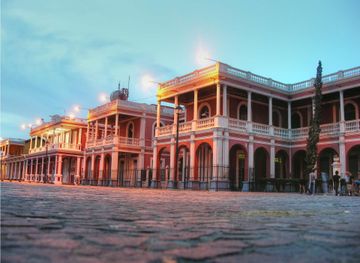
Explore more of Nicaragua
Discover Nicaragua: Explore breathtaking lakes, active volcanoes, colonial cities, and pristine beaches in a country rich with culture and adventure.
Explore Nicaragua