

Free Liberia Travel Guide & Mobile App
Plan your Liberia trip with Evendo. Get free guides to top attractions, restaurants, hotels, and bars. Web access or download the mobile app.


Liberia, Costa Rica blends Guanacaste history, colonial-era streets, sabanero culture and easy access to Pacific beaches, volcanoes and national parks.
A Historic Guanacaste Capital
Liberia is the administrative and cultural capital of Costa Rica’s Guanacaste province, set amid dry tropical woodland and broad cattle-country landscapes in the country’s north-west. Often called the “White City” because of its limewashed historic buildings and pale, dusty streets, it grew from a colonial-era settlement known as El Guanacaste. The city remains more practical and locally focused than resort-oriented, giving visitors a useful introduction to the traditions of the province before they continue towards the Pacific coast or inland national parks.Read more about Liberia
Sabanero Culture and City Life
Volcanoes, Forests and Beaches
When is the best time to visit Liberia?
Best: May–July · 30–31°C| Month | High (°C) | Rainfall (mm) |
|---|---|---|
| January | 31 | 48 |
| February | 32 | 38 |
| March | 31 | 29 |
| April | 32 | 20 |
| May (best) | 31 | 20 |
| June (best) | 30 | 26 |
| July (best) | 30 | 28 |
| August | 30 | 31 |
| September | 30 | 31 |
| October | 29 | 39 |
| November | 30 | 44 |
| December | 30 | 48 |
Getting to and around Liberia
How to get there
Transportation
Best attractions in Liberia
Liberia’s principal attractions are concentrated in and around its historic centre, where Parque Mario Cañas Ruiz provides a shaded civic setting beside the whitewashed Iglesia de la Agonía, one of the city’s best-known colonial-era landmarks. The Museo de Sabanero introduces the cattle-ranching culture, horsemanship and rural traditions that define Guanacaste, while the Museo del Sabanero and nearby cultural displays help place local festivals and music in context. The Mercado Municipal offers a more everyday experience through produce stalls and simple food counters. For nature, Rincón de la Vieja National Park lies outside the city and rewards organised visits with volcanic features, forest trails and wildlife, while the beaches of the Gulf of Papagayo and the wider Guanacaste coast require separate road excursions. Liberia’s appeal lies in connecting these landscapes with the province’s urban history rather than in a dense concentration of attractions.
-
Theme park
Ponderosa Adventure Park
Discover the thrill of nature at Ponderosa Adventure Park, a premier theme park in Liberia, Guanacaste, featuring wildlife encounters and thrilling rides.
29 min drive · 9.5 km from city centre
-
Nature preserve
La Leona Waterfall Adventure Hike
Discover the stunning La Leona Waterfall Adventure Hike in Guanacaste, Costa Rica – a perfect blend of nature, adventure, and breathtaking beauty.
30 min drive · 10 km from city centre
-
National park
Parque Nacional Rincón de la Vieja
Discover the natural beauty and volcanic wonders of Parque Nacional Rincón de la Vieja in Guanacaste Province, a must-visit destination for adventure and nature lovers.
38 min drive · 18 km from city centre
-
Resort hotel
Four Seasons Peninsula Papagayo, Costa Rica
Discover the ultimate luxury at Four Seasons Peninsula Papagayo, where breathtaking nature meets unparalleled service in Costa Rica.
48 min drive · 28 km from city centre


Best landmarks in Liberia
Liberia’s landmarks express the city’s role as Guanacaste’s historic and administrative centre. The Iglesia de la Agonía, a whitewashed church near the central area, is closely associated with the city’s colonial-era identity and the pale architecture that inspired its “White City” nickname. Parque Mario Cañas Ruiz forms an important civic space, framed by public buildings and everyday urban activity rather than monumental scale. The Museo de Sabanero preserves the material and cultural history of the Guanacaste cowboy, connecting Liberia with cattle ranching, horsemanship and rural music. Traditional houses with adobe or vernacular features survive among later construction, while the city’s churches, market and central streets reveal its gradual development from a colonial settlement into a provincial capital. Together these places convey Liberia’s regional character more clearly than isolated architectural grandeur.
-
Nature preserve
La Leona Waterfall Adventure Hike
Discover Costa Rica's hidden gem: La Leona Waterfall. Hike through rivers, swim in turquoise waters, and explore stunning canyons.
30 min drive · 10 km from city centre
-
National park
Parque Nacional Rincón de la Vieja
Discover Costa Rica's volcanic heart: Hike amidst geothermal wonders and lush landscapes at Rincón de la Vieja National Park near Liberia.
38 min drive · 18 km from city centre
-
City park
Parque Mario Cañas Ruiz
A serene city park in Liberia, Costa Rica, offering a peaceful escape, cultural events, and a glimpse into the city's history.
8 min walk · 0.7 km from city centre
-
Restaurant
El Callejero
Experience authentic Costa Rican flavors with a modern twist at El Callejero in Liberia, offering a diverse menu in a relaxed and inviting atmosphere.
13 min walk · 1.0 km from city centre


Explore Liberia on the map
Plan your Liberia trip on one map. See where the top attractions, landmarks, restaurants, bars and hotels are, find what's near where you're staying, and book hotels and experiences in a few clicks.
Best hotels in Liberia
Best restaurants in Liberia
Liberia’s food culture reflects Guanacaste’s agricultural traditions, dry tropical climate and strong links with maize, rice, beans and cattle. Local eateries serve staples such as gallo pinto, casado, tortillas, chorreadas made from fresh corn and hearty olla de carne, while grilled beef and pork are reminders of the sabanero ranching economy. The Mercado Municipal and modest cafés around the centre provide opportunities to eat alongside local residents, with fruit drinks, pastries and simple breakfasts especially useful during a hot day. Seafood becomes more prominent towards the Pacific coast, although many specialist beach restaurants are outside Liberia itself. Contemporary restaurants and international menus are available in the city and around the airport, but the most distinctive culinary character comes from traditional Guanacaste cooking, corn-based dishes and the relaxed small-soda format of family-run restaurants.
-
 Hotel
Hotel Riu Palace Costa Rica
All-inclusive luxury on Matapalo Beach: pools, spa, water sports, and gourmet dining amid Guanacaste's volcanic paradise.
56 min drive · 36 km from city centre
-
Restaurant
El Callejero
Experience authentic Costa Rican flavors at El Callejero in Liberia – a culinary hotspot where tradition meets vibrant atmosphere.
13 min walk · 1.0 km from city centre
-
Restaurant
Sabor Porteño Restaurante
Discover authentic Costa Rican cuisine at Sabor Porteño Restaurante in Liberia - where every meal tells a story.
12 min walk · 0.9 km from city centre
-
Asian
Restaurante Cuatro Mares
Discover exquisite Asian cuisine at Restaurante Cuatro Mares in Liberia - a perfect blend of tradition and innovation awaits you.
5 min walk · 0.4 km from city centre


Best bars in Liberia
Liberia’s evening scene is modest and locally oriented rather than built around a large club district. After sunset, residents gather at casual bars, cafés and restaurants around the centre, while music and conversation are often more important than elaborate cocktails or late-night dancing. During festivals and civic celebrations, public events, marimba music, equestrian displays and traditional Guanacaste entertainment can bring a livelier atmosphere to the city, with programmes varying from year to year. The resort areas of the Pacific coast, including Tamarindo and Playas del Coco, offer a more developed nightlife scene but are separate destinations reached by road. In Liberia, visitors should expect early-evening socialising, televised sport and regional food alongside a smaller number of bars, rather than the concentrated nightlife found in Costa Rica’s major tourist resorts.
-
Grill
Bar La Selegna
Experience the flavors of Costa Rica at Bar La Selegna, where delicious grilled meals and a vibrant atmosphere await in Liberia.
12 min walk · 0.9 km from city centre
-
Grill
Mariajuana Restobar
Experience the vibrant flavors of Costa Rica at Mariajuana Restobar, where culinary creativity meets local tradition in every delicious bite.
18 min walk · 1.4 km from city centre
-
Sports bar
Palermo
Discover Palermo Sports Bar: A vibrant spot in Liberia offering great food, drinks, and a lively atmosphere for sports enthusiasts and casual visitors alike.
6 min walk · 0.5 km from city centre
-
Bar
El coyote y el zanate
Experience the vibrant nightlife of Liberia at El Coyote y el Zanate, where local flavors and festive atmosphere come together.
5 min drive · 1.6 km from city centre


Best nightclubs in Liberia
Liberia’s evening scene is modest and locally oriented rather than built around a large club district. After sunset, residents gather at casual bars, cafés and restaurants around the centre, while music and conversation are often more important than elaborate cocktails or late-night dancing. During festivals and civic celebrations, public events, marimba music, equestrian displays and traditional Guanacaste entertainment can bring a livelier atmosphere to the city, with programmes varying from year to year. The resort areas of the Pacific coast, including Tamarindo and Playas del Coco, offer a more developed nightlife scene but are separate destinations reached by road. In Liberia, visitors should expect early-evening socialising, televised sport and regional food alongside a smaller number of bars, rather than the concentrated nightlife found in Costa Rica’s major tourist resorts.
-
Sports bar
Palermo
Palermo Sports Bar: Your Ultimate Sports Destination in Guanacaste, Offering Great Food, Drinks, and Live Games in a Vibrant Atmosphere.
6 min walk · 0.5 km from city centre
-
Bar
El coyote y el zanate
Experience the vibrant nightlife at El Coyote y El Zanate, a lively bar in Liberia, Guanacaste, perfect for cocktails, dancing, and socializing.
5 min drive · 1.6 km from city centre
-
Bar
Bar Julia
Experience the vibrant nightlife at Bar Julia in Liberia, Guanacaste, where delightful drinks and local charm come together for an unforgettable evening.
16 min walk · 1.3 km from city centre
-
Restaurant
Mojitos club
Experience the vibrant flavors of Liberia at Mojitos Club, where delicious food meets a lively atmosphere in the heart of Guanacaste.
16 min walk · 1.2 km from city centre


Best shops in Liberia
Shopping in Liberia is centred on practical local commerce rather than a major luxury or designer district. The Mercado Municipal is the most atmospheric place to browse everyday produce, spices, snacks and prepared food, while shops around the central streets sell clothing, household goods, leather items and supplies for the surrounding rural communities. Visitors may find Guanacaste-inspired crafts, woven goods, ceramics, wooden objects and souvenirs connected with sabanero culture, although quality and availability vary between sellers. Supermarkets and modern retail areas serve local residents and travellers stocking up before heading to the coast or national parks. More resort-focused boutiques and artisan stalls are found in beach towns outside Liberia, whereas the city itself offers a useful view of the province’s ordinary shopping habits and strong connection with agriculture and ranching.
-
Shopping mall
Santa Rosa Plaza
Santa Rosa Plaza: Discover a vibrant shopping and dining destination in Liberia, Guanacaste with local crafts, fashion, and delicious cuisine.
18 min walk · 1.5 km from city centre
-
Supermarket
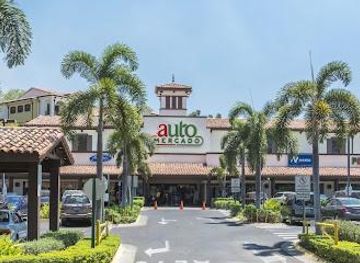
Auto Mercado - El Coco
Experience the best of Costa Rican flavors at Auto Mercado El Coco, your one-stop supermarket for fresh foods, local delicacies, and international products.
50 min drive · 30 km from city centre
-
Department store
Tienda Universal Liberia
Explore Tienda Universal Liberia, a vibrant department store in Guanacaste offering books, toys, and unique local products for every traveler.
16 min walk · 1.3 km from city centre
-
Outlet store
Mr Outlet Costa Rica
Explore Mr Outlet Costa Rica for unbeatable discounts on top brands, making your shopping experience in Liberia truly memorable.
14 min walk · 1.2 km from city centre



Get your free copy of our complete guide to Liberia, delivered straight to you.
Everything on this page, from attractions and restaurants to essentials and local phrases, in one PDF you can read offline, print or share.
Already have an account? Sign in
Your Liberia guide is ready.
We'll send it to · Not you? Sign out

Getting your guide ready…
We are putting together a fresh copy of the Liberia guide. This can take up to a minute.
This can take a few moments. If your browser asks, choose Allow so the download can start. You'll find the guide in your Downloads folder.
Nothing happened? Download it again
Sorry, the guide is taking longer than usual. Please try again in a minute, or get it by email instead.
Liberia essentials
Currency and Payment
Safety
Emergency Situations
Do's and Don'ts
Local Tips
From Eve
Local phrases worth knowing
You don't need to get them perfect. A few words go a long way, and locals appreciate the effort.
Basics
| English | Local | Say it |
|---|---|---|
| Hello | Hola | [oh-lah] |
| Goodbye | Adiós | [ah-dee-ohs] |
| Yes | Sí | [see] |
| No | No | [noh] |
| Please/You're welcome | Por favor/De nada | [por fah-vor/deh nah-dah] |
| Thank you | Gracias | [grah-see-ahs] |
| Excuse me/Sorry | Disculpe/Lo siento | [dees-kool-pe/loh see-en-toh] |
| How are you? | ¿Cómo estás? | [koh-moh ehs-tahs] |
| Fine. And you? | Bien. ¿Y tú? | [bee-ehn. ee too] |
| Do you speak English? | ¿Hablas inglés? | [ah-blahs een-glays] |
| I don't understand | No entiendo | [noh ehn-tee-ehn-doh] |
Eating & Drinking
| English | Local | Say it |
|---|---|---|
| I'd like to see the menu, please | Me gustaría ver el menú, por favor | [meh goos-tah-ree-ah behr ehl meh-noo, por fah-vor] |
| I don't eat meat | No como carne | [noh koh-moh kahr-neh] |
| Cheers! | ¡Salud! | [sah-lood] |
| I would like to pay, please | Me gustaría pagar, por favor | [meh goos-tah-ree-ah pah-gar, por fah-vor] |
Emergencies
| English | Local | Say it |
|---|---|---|
| Help! | ¡Ayuda! | [ah-yoo-dah] |
| Go away! | ¡Vete! | [veh-teh] |
| Call the Police! | ¡Llame a la policía! | [yah-meh ah lah poh-lee-see-ah] |
| Call a doctor! | ¡Llame a un médico! | [yah-meh ah oon meh-dee-koh] |
| I'm lost | Estoy perdido/a | [ehs-toy pehr-dee-doh/dah] |
| I'm ill | Estoy enfermo/a | [ehs-toy ehn-fehr-moh/dah] |
Shopping
| English | Local | Say it |
|---|---|---|
| I'd like to buy... | Me gustaría comprar... | [meh goos-tah-ree-ah kohm-prar...] |
| I'm just looking | Solo estoy mirando | [soh-loh ehs-toy mee-rahn-doh] |
| How much is it? | ¿Cuánto cuesta? | [kwan-toh kwehs-tah] |
| That's too expensive | Eso es demasiado caro | [eh-soh ehs deh-mah-see-ah-doh kahr-oh] |
| Can you lower the price? | ¿Puede bajar el precio? | [pweh-deh bah-hahr ehl pree-syoh] |
Time & Numbers
| English | Local | Say it |
|---|---|---|
| What time is it? | ¿Qué hora es? | [keh oh-rah ehs] |
| It's one o'clock | Es la una | [ehs lah oo-nah] |
| Half past (10) | Las diez y media | [lahs dee-ehs ee meh-dee-ah] |
| Morning | Mañana | [mah-nyah-nah] |
| Afternoon | Tarde | [tahr-deh] |
| Evening | Noche | [noh-cheh] |
| Yesterday | Ayer | [ah-yehr] |
| Today | Hoy | [oy] |
| Tomorrow | Mañana | [mah-nyah-nah] |
| 1 | Uno | [oo-noh] |
| 2 | Dos | [dohs] |
| 3 | Tres | [trehs] |
| 4 | Cuatro | [kwah-troh] |
| 5 | Cinco | [seen-koh] |
| 6 | Seis | [sehs] |
| 7 | Siete | [syeh-teh] |
| 8 | Ocho | [oh-choh] |
| 9 | Nueve | [nweh-veh] |
| 10 | Diez | [dee-ehs] |
Transport & Directions
| English | Local | Say it |
|---|---|---|
| Where's a/the...? | ¿Dónde está un/el...? | [dohn-deh ehs-tah oon/ehl] |
| What's the address? | ¿Cuál es la dirección? | [kwal ehs lah dee-rehk-syohn] |
| Can you show me (on the map)? | ¿Puede mostrarme (en el mapa)? | [pweh-deh mohs-trar-meh (ehn ehl mah-pah)] |
| When's the next (bus)? | ¿Cuándo es el próximo (autobús)? | [kwan-doh ehs ehl proh-ksy-moh (ow-toh-boos)] |
| A ticket (to ....) | Un boleto (para ....) | [oon boh-leh-toh (pah-rah)] |
History of Liberia
Chorotega Roots and Spanish Settlement
The area around present-day Liberia belonged to the cultural world of the Chorotega people, whose agricultural traditions and settlement patterns long predated Spanish colonisation. Spanish influence expanded during the sixteenth century, and the region later became part of a frontier zone connecting Nicaragua with the Nicoya Peninsula and Costa Rica. Livestock, agriculture and overland movement shaped the developing settlement, while the dry climate and open savannahs encouraged a rural economy distinct from the wetter central highlands.
The Foundation of El Guanacaste
Liberia emerged in the eighteenth century as a settlement serving travellers, ranchers and farmers along routes between Rivas, Nicoya and the interior. It was formally established in 1769 and was initially known as El Guanacaste, later also appearing under the name La Villa del Guanacaste. Its position near converging trade and transport routes helped it grow into a regional centre, while whitewashed houses, adobe construction and broad streets reflected the building traditions of colonial Guanacaste.
Annexation to Costa Rica
A decisive change came after Central America’s independence from Spain, when the Partido de Nicoya chose to join Costa Rica on 25 July 1824. Liberia and much of the surrounding territory thereby became part of Costa Rica, although the political relationship between Guanacaste and neighbouring Nicaragua had been complex. The anniversary of the annexation is now a major national celebration, and Guanacaste’s continuing regional identity is expressed through music, food, horsemanship and the figure of the sabanero.
From Villa to Provincial Capital
Liberia was granted city status in the nineteenth century and became the principal administrative centre of Guanacaste. Its civic role expanded as government institutions, churches, schools and commercial businesses developed around the central streets. The city’s built heritage reflects this transition: modest colonial and vernacular houses stand alongside later public buildings, while the Iglesia de la Agonía and central parks preserve important reference points in the urban landscape. Renamed Liberia in 1854, the city increasingly represented the province within the Costa Rican republic.
Modern Connections and Regional Tourism
Twentieth-century road improvements and the growth of Costa Rica’s Pacific tourism economy transformed Liberia’s regional importance. The Inter-American Highway strengthened links with San José, Nicaragua and coastal Guanacaste, while Daniel Oduber Quirós International Airport, opened in 2002, brought international access to the province from outside the city. Tourism has expanded around beaches, volcanic landscapes and national parks, yet Liberia remains a working administrative and commercial centre whose daily life is still grounded in ranching, agriculture and regional services.
Liberia in Photos
Browse through our photo collection highlighting the charm and character of the destination.
Cities near Liberia
The closest cities to Liberia, if you have time for more than one stop.
-

-

-
-
-


Swipe for more cities
Explore more

Explore more of Costa Rica
Discover Costa Rica, where lush rainforests, stunning beaches, and incredible wildlife create a paradise for nature lovers and adventure seekers alike.
Explore Costa Rica