

Free Playa Flamingo Travel Guide & Mobile App
Plan your Playa Flamingo trip with Evendo. Get free guides to top attractions, restaurants, hotels, and bars. Web access or download the mobile app.


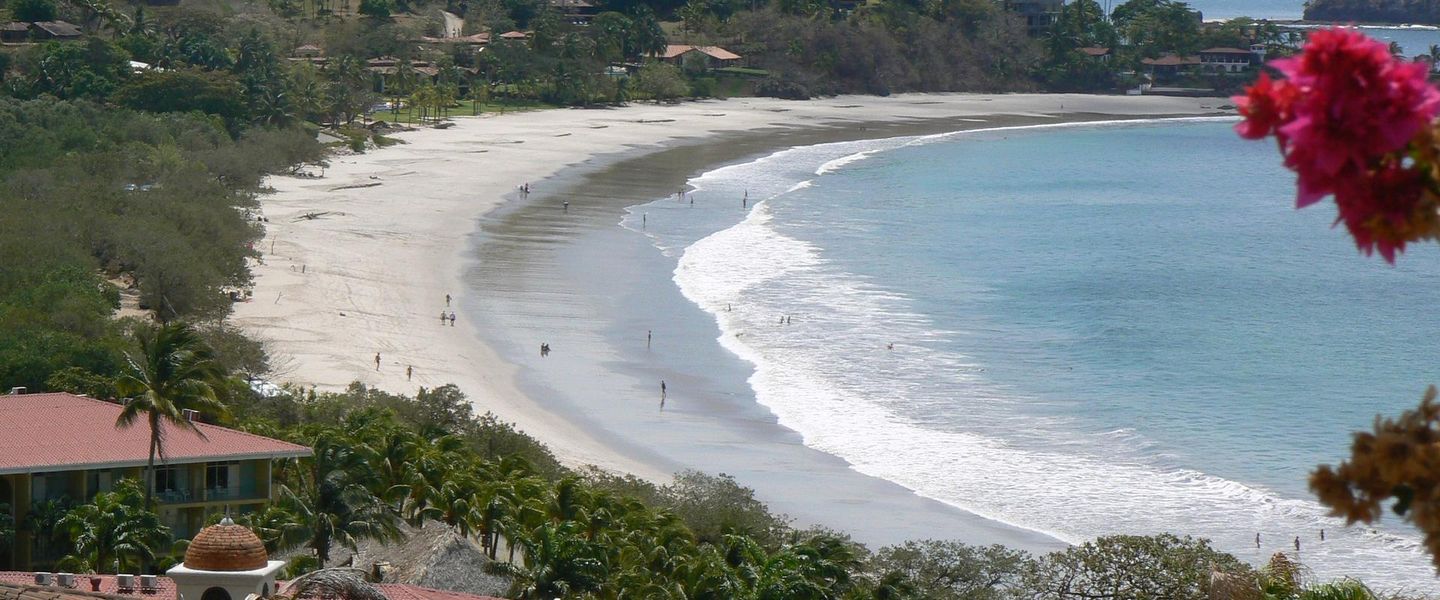


Playa Flamingo, Costa Rica, pairs a white-sand Pacific beach with sailing, sport fishing, Guanacaste sunsets and easy coastal nature trips.
A Pacific Coast Setting
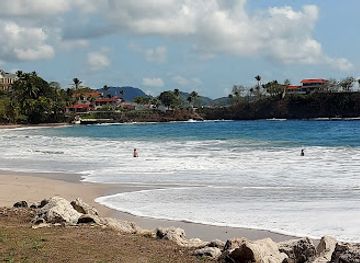
Playa Flamingo is a small coastal community in Costa Rica’s Guanacaste province, set around a pale crescent of sand on the Pacific coast. The beach curves between rocky headlands, with calm-looking tropical water, dry-forest hills and broad sunsets shaping the town’s identity. Although often referred to as a city by travel platforms, Playa Flamingo is better understood as a compact beach settlement whose life centres on the shore, the marina and the surrounding coastline.Read more about Playa Flamingo
Beach, Boats and Dry Forest
A Relaxed Guanacaste Base
When is the best time to visit Playa Flamingo?
Best: February–April · 32–33°C| Month | High (°C) | Rainfall (mm) |
|---|---|---|
| January | 32 | 25 |
| February (best) | 32 | 20 |
| March (best) | 33 | 15 |
| April (best) | 33 | 10 |
| May | 33 | 15 |
| June | 33 | 30 |
| July | 33 | 40 |
| August | 33 | 40 |
| September | 33 | 40 |
| October | 33 | 35 |
| November | 33 | 30 |
| December | 32 | 25 |
Getting to and around Playa Flamingo
How to get there
Transportation
Best attractions in Playa Flamingo
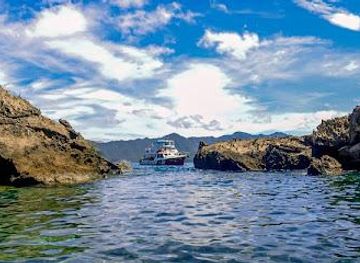
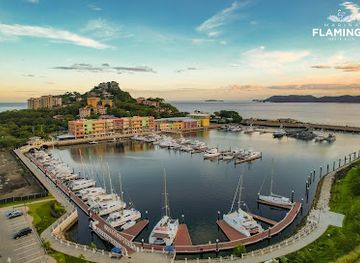
Playa Flamingo’s principal attraction is its pale, curved beach, where the broad shoreline and Pacific views create a natural setting for swimming, sunbathing and sunset walks, subject to changing sea conditions. Flamingo Marina adds a more active dimension, with boats departing for sailing, fishing, snorkelling and coastal sightseeing. The nearby beaches of Brasilito and Playa Conchal offer contrasting scenery: Brasilito has a local village atmosphere, while Conchal is known for its shell-like shoreline and clear water. Inland, the dry tropical forest of Guanacaste supports monkeys, iguanas and abundant birdlife, and the coast’s rocky points provide changing views across the bay. The area is also a useful base for exploring the region’s beaches and protected landscapes, though destinations outside Playa Flamingo should be treated as separate excursions rather than part of the settlement itself.
-
Beach
Playa Conchal
Discover Playa Conchal: A unique Costa Rican beach with crystal-clear waters and a shoreline of crushed seashells, perfect for relaxation and adventure.
13 min drive · 4.4 km from city centre
-
 Resort hotel
Reserva Conchal Beach Resort, Golf & Spa
Experience Costa Rican luxury at Reserva Conchal: championship golf, pristine beaches, and world-class amenities await on Guanacaste's stunning coast.
11 min drive · 3.7 km from city centre
-
Tour operator
Pacific Coast Dive Center
Explore the vibrant marine life of Costa Rica at the Pacific Coast Dive Center in Playa Flamingo, offering unforgettable diving and snorkeling experiences.
6 min walk · 0.5 km from city centre
-
Tour operator
Erik Garcia Conchal Beach
Erik Garcia Conchal Beach: A pristine paradise in Guanacaste, Costa Rica, renowned for its shell sand, crystal-clear waters, and tranquil atmosphere.
12 min drive · 3.9 km from city centre

Best landmarks in Playa Flamingo
Playa Flamingo’s most recognisable landmarks are geographic and maritime rather than monumental. The sweeping beach itself defines the settlement, framed by low rocky headlands that create the bay’s distinctive outline and provide broad Pacific views. Flamingo Marina is the area’s major contemporary structure and a visible symbol of the community’s transition towards organised boating, sport fishing and coastal tourism. Around the shoreline, the headlands and offshore horizons give the town a strong visual relationship with the sea, while the dry-forest hills behind it express Guanacaste’s characteristic landscape. The nearby communities of Brasilito and Potrero contain additional local buildings and coastal reference points, but Playa Flamingo has no historic castle, cathedral or colonial civic quarter. Its identity is instead tied to the beach, working and recreational boats, marina development and the meeting of tropical nature with modern visitor infrastructure.
-
Restaurant
Restaurante Coco Loco
Beachfront dining at its finest, Coco Loco offers fresh seafood, tropical cocktails, and unforgettable sunset views in Playa Flamingo.
8 min walk · 0.7 km from city centre
-
Resort hotel
Margaritaville Beach Resort Playa Flamingo
Experience 'Pura Vida' at this luxurious oceanfront resort in Playa Flamingo, Costa Rica, with stunning views and endless adventure.
13 min walk · 1.1 km from city centre
-
Visitor center
Flamingo, Costa Rica
Discover the enchanting beauty and vibrant culture of Flamingo, Costa Rica, where stunning beaches and thrilling adventures await.
8 min walk · 0.7 km from city centre
-
Restaurant
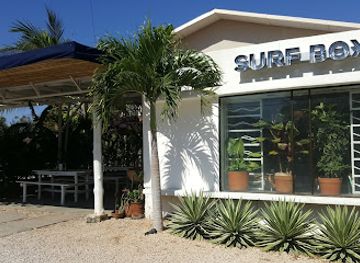
Surf Box
Enjoy delicious food with stunning ocean views at Surf Box, a culinary oasis in Playa Flamingo's vibrant Marina.
12 min walk · 1.0 km from city centre
Explore Playa Flamingo on the map
Plan your Playa Flamingo trip on one map. See where the top attractions, landmarks, restaurants, bars and hotels are, find what's near where you're staying, and book hotels and experiences in a few clicks.
Best hotels in Playa Flamingo
Best restaurants in Playa Flamingo
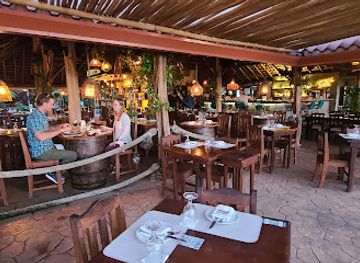
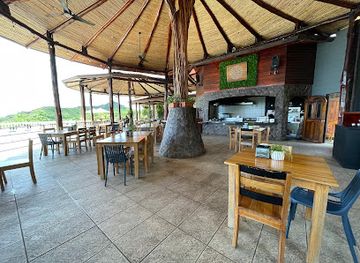
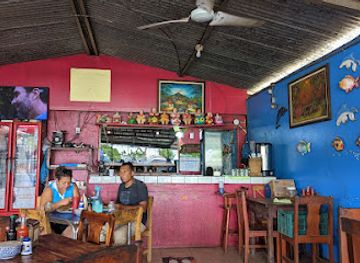
Dining in Playa Flamingo reflects both Guanacaste’s coastal setting and its international visitor economy. Seafood is prominent, with fish, prawns and other marine produce appearing alongside Costa Rican staples such as casado, gallo pinto, ceviche, plantains, beans and fresh tortillas. Regional cooking also draws on maize and ranching traditions, with dishes such as arroz de maíz and hearty meat preparations more closely associated with Guanacaste’s rural culture. Restaurants and casual eateries cluster around the beach, the road through the settlement and the marina, ranging from relaxed daytime meals to more polished venues serving international food. Fresh fruit drinks, coffee and simple bakery fare suit the hot climate, while nearby villages offer additional local choices. Menus, opening patterns and payment methods vary seasonally, so the dining scene is best approached as a mixture of established tourist services and small independent businesses.
-
Restaurant
Restaurante Coco Loco
Experience authentic Costa Rican cuisine at Restaurante Coco Loco in Playa Flamingo - where fresh flavors meet breathtaking ocean views.
8 min walk · 0.7 km from city centre
-
Restaurant
Patagonia del Mar
Discover the vibrant flavors of Costa Rica at Patagonia del Mar in Brasilito, where exquisite cuisine meets breathtaking ocean views.
8 min drive · 2.7 km from city centre
-
Restaurant
Gracia At Mar Vista
Discover authentic Costa Rican flavors at Gracia At Mar Vista—where local ingredients meet breathtaking views in Guanacaste Province.
6 min drive · 2.1 km from city centre
-
Restaurant
Soda Brasilito
Discover authentic Costa Rican cuisine at Soda Brasilito - beachfront dining with fresh flavors and friendly service.
9 min drive · 2.9 km from city centre
Best bars in Playa Flamingo
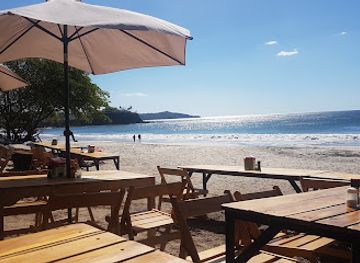
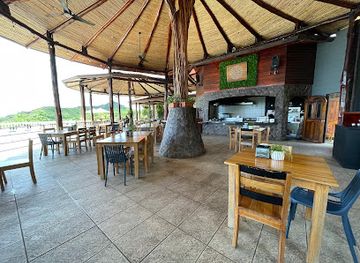
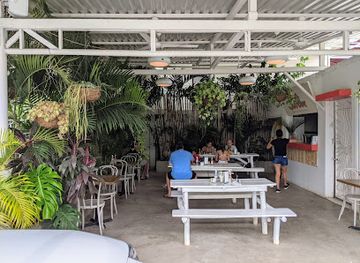
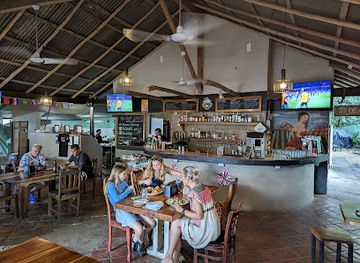
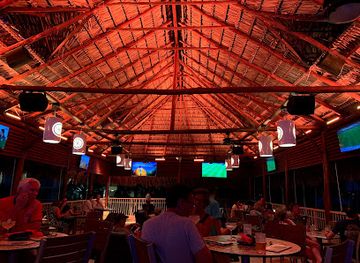
Playa Flamingo’s evening scene is relaxed rather than club-focused. Beachfront and marina-area restaurants provide spaces for cocktails, beer, wine and sunset drinks, while some venues offer live music or informal evening entertainment without the scale of a major resort district. The marina gives after-dark outings a nautical setting, but nightlife remains dispersed and comparatively quiet, with most activity concentrated around dinner and socialising rather than late-night dancing. Nearby Tamarindo has a larger and more developed range of bars and clubs, but it is a separate town and requires transport. In Playa Flamingo, roads and beach areas can be dim after dark, so visitors should arrange a reliable return journey and avoid walking isolated stretches alone. Local evening culture is generally casual, with visitors moving between restaurants, accommodation and small bars rather than following a dense nightlife circuit.
-
Restaurant
Restaurante Coco Loco
Discover the vibrant flavors of Costa Rica at Restaurante Coco Loco, where fresh seafood and local ingredients meet a warm, inviting atmosphere.
8 min walk · 0.7 km from city centre
-
Restaurant
Gracia At Mar Vista
Experience the culinary artistry and breathtaking ocean views at Gracia At Mar Vista, a must-visit restaurant in Flamingo, Costa Rica.
6 min drive · 2.1 km from city centre
-
Restaurant
Surf Box
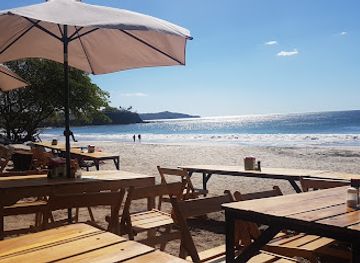
Discover Surf Box in Playa Flamingo, Costa Rica – where fresh local cuisine meets stunning marina views.
12 min walk · 1.0 km from city centre
-
Bar
The Shack
Experience the vibrant atmosphere of The Shack in Potrero, Costa Rica, where delicious food meets live entertainment in a lively setting.
7 min drive · 2.5 km from city centre
Best nightclubs in Playa Flamingo
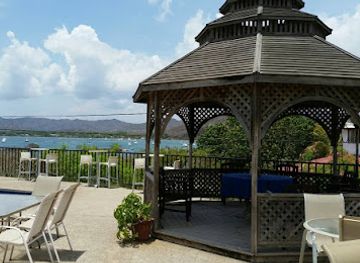
Playa Flamingo’s evening scene is relaxed rather than club-focused. Beachfront and marina-area restaurants provide spaces for cocktails, beer, wine and sunset drinks, while some venues offer live music or informal evening entertainment without the scale of a major resort district. The marina gives after-dark outings a nautical setting, but nightlife remains dispersed and comparatively quiet, with most activity concentrated around dinner and socialising rather than late-night dancing. Nearby Tamarindo has a larger and more developed range of bars and clubs, but it is a separate town and requires transport. In Playa Flamingo, roads and beach areas can be dim after dark, so visitors should arrange a reliable return journey and avoid walking isolated stretches alone. Local evening culture is generally casual, with visitors moving between restaurants, accommodation and small bars rather than following a dense nightlife circuit.
-
Bar
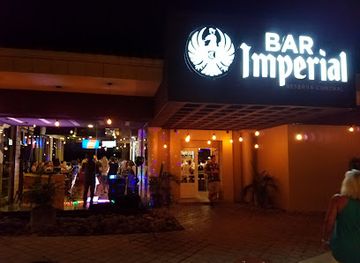
Bar Imperial
Experience the vibrant nightlife of Brasilito at Bar Imperial, where every night promises fun, music, and refreshing cocktails.
12 min drive · 4.0 km from city centre
-
Hotel
Mariner Inn
Experience the vibrant atmosphere of Mariner Inn, where comfort meets adventure in beautiful Playa Flamingo, Guanacaste.
12 min walk · 1.0 km from city centre
-
Lounge
Family Club Lounge
Experience the perfect blend of relaxation and family-friendly fun at Family Club Lounge in Brasilito, Guanacaste Province, Costa Rica.
12 min drive · 3.9 km from city centre
-
Restaurant
5 o’Clock Somewhere Bar and Grill
Discover the tropical flavors and relaxing atmosphere at 5 o’Clock Somewhere Bar and Grill in Playa Flamingo, where every moment feels like a vacation.
14 min walk · 1.1 km from city centre
Best shops in Playa Flamingo
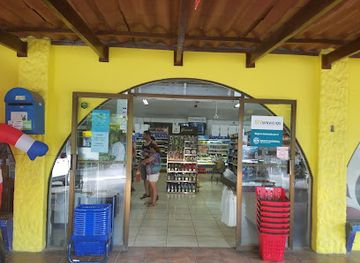
Shopping in Playa Flamingo is small-scale and oriented towards practical holiday needs rather than major retail. Around the beach, marina and main road, visitors find convenience shops, small boutiques, souvenir outlets and businesses selling beachwear, craft items, jewellery and locally themed gifts. Costa Rican coffee, chocolate, hot sauces and other packaged foods make useful purchases, while Guanacaste’s wider craft traditions include pottery, leatherwork, woven goods and objects associated with the region’s ranching culture. The settlement does not have a large department-store district or extensive indoor shopping centre, and a broader choice of supplies is available in nearby towns or larger regional centres. Markets and shops can have changing hours, particularly outside the busier travel periods, so shopping is best combined with a beach or marina outing rather than treated as a full-day urban activity.
-
Grocery store
Super Massai Grocery
Discover local flavors and essentials at Super Massai Grocery in Playa Flamingo, the perfect stop for tourists seeking authentic Costa Rican products.
7 min walk · 0.5 km from city centre
-
Marina
Marina Flamingo
Experience the charm of Marina Flamingo: a vibrant marina in Guanacaste, Costa Rica, where adventure meets relaxation amidst stunning coastal views.
13 min walk · 1.0 km from city centre
-
Espresso bar
NALU bagel & café flamingo
Discover the delightful flavors of Nalu Bagel & Café in Flamingo, where fresh bagels meet artisanal coffee in a cozy atmosphere.
13 min walk · 1.0 km from city centre
-
Vacation home rental agency
Special Places of Costa Rica - Playa Flamingo
Experience the pristine beaches and vibrant culture of Playa Flamingo, Costa Rica's coastal paradise for relaxation and adventure.
14 min walk · 1.1 km from city centre
Get your free copy of our complete guide to Playa Flamingo, delivered straight to you.
Everything on this page, from attractions and restaurants to essentials and local phrases, in one PDF you can read offline, print or share.
Already have an account? Sign in
Your Playa Flamingo guide is ready.
We'll send it to · Not you? Sign out

Getting your guide ready…
We are putting together a fresh copy of the Playa Flamingo guide. This can take up to a minute.
This can take a few moments. If your browser asks, choose Allow so the download can start. You'll find the guide in your Downloads folder.
Nothing happened? Download it again
Sorry, the guide is taking longer than usual. Please try again in a minute, or get it by email instead.
Playa Flamingo essentials
Currency and Payment
Safety
Emergency Situations
Do's and Don'ts
Local Tips
From Eve
Local phrases worth knowing
You don't need to get them perfect. A few words go a long way, and locals appreciate the effort.
Basics
| English | Local | Say it |
|---|---|---|
| Hello | Hola | [oh-lah] |
| Goodbye | Adiós | [ah-dee-ohs] |
| Yes | Sí | [see] |
| No | No | [noh] |
| Please/You're welcome | Por favor/De nada | [por fah-vor/deh nah-dah] |
| Thank you | Gracias | [grah-see-ahs] |
| Excuse me/Sorry | Disculpe/Lo siento | [dees-cool-peh/loh see-ehn-toh] |
| How are you? | ¿Cómo estás? | [koh-moh ehs-tahs] |
| Fine. And you? | Bien. ¿Y tú? | [bee-ehn. ee too] |
| Do you speak English? | ¿Hablas inglés? | [ah-blahs een-glays] |
| I don't understand | No entiendo | [noh ehn-tee-ehn-doh] |
Eating & Drinking
| English | Local | Say it |
|---|---|---|
| I'd like to see the menu, please | Me gustaría ver el menú, por favor | [meh goo-stah-ree-ah vehr ehl meh-noo, por fah-vor] |
| I don't eat meat | No como carne | [noh koh-moh kahr-neh] |
| Cheers! | ¡Salud! | [sah-lood] |
| I would like to pay, please | Me gustaría pagar, por favor | [meh goo-stah-ree-ah pah-gahr, por fah-vor] |
Emergencies
| English | Local | Say it |
|---|---|---|
| Help! | ¡Ayuda! | [ah-yoo-dah] |
| Go away! | ¡Vete! | [veh-teh] |
| Call the Police! | ¡Llame a la Policía! | [yah-meh ah lah poh-lee-see-ah] |
| Call a doctor! | ¡Llame al médico! | [yah-meh ahl MEH-dee-koh] |
| I'm lost | Estoy perdido/a | [ehs-toy pehr-dee-doh/dah] |
| I'm ill | Estoy enfermo/a | [ehs-toy ehn-fehr-moh/ah] |
Shopping
| English | Local | Say it |
|---|---|---|
| I'd like to buy... | Me gustaría comprar... | [meh goo-stah-ree-ah kohm-prahr] |
| I'm just looking | Sólo estoy mirando | [soh-loh ehs-toy mee-rahn-doh] |
| How much is it? | ¿Cuánto cuesta? | [kwan-toh kweh-stah] |
| That's too expensive | Eso es muy caro | [eh-soh ehs mwee kah-roh] |
| Can you lower the price? | ¿Puede bajar el precio? | [pweh-deh bah-har ehl pree-seh-oh] |
Time & Numbers
| English | Local | Say it |
|---|---|---|
| What time is it? | ¿Qué hora es? | [keh oh-rah ehs] |
| It's one o'clock | Es la una | [ehs lah oo-nah] |
| Half past (10) | Media (diez) | [meh-dee-ah (dee-ehs)] |
| Morning | Mañana | [mah-nyah-nah] |
| Afternoon | Tarde | [tahr-deh] |
| Evening | Noche | [noh-cheh] |
| Yesterday | Ayer | [ah-yehr] |
| Today | Hoy | [oy] |
| Tomorrow | Mañana | [mah-nyah-nah] |
| 1 | Uno | [oo-noh] |
| 2 | Dos | [dohs] |
| 3 | Tres | [trehs] |
| 4 | Cuatro | [kwah-troh] |
| 5 | Cinco | [seen-koh] |
| 6 | Seis | [sehs] |
| 7 | Siete | [syeh-teh] |
| 8 | Ocho | [oh-choh] |
| 9 | Nueve | [nweh-veh] |
| 10 | Diez | [dee-ehs] |
Transport & Directions
| English | Local | Say it |
|---|---|---|
| Where's a/the...? | ¿Dónde está...? | [dohn-deh ehs-tah] |
| What's the address? | ¿Cuál es la dirección? | [kwal ehs lah dee-rek-syohn] |
| Can you show me (on the map)? | ¿Puede mostrarme (en el mapa)? | [pweh-deh mohs-trahr-meh (ehn ehl mah-pah)] |
| When's the next (bus)? | ¿Cuándo es el próximo (autobús)? | [kwan-doh ehs ehl prohk-see-moh (ow-toh-boos)] |
| A ticket (to ....) | Un boleto (a ....) | [oon boh-leh-toh (ah)] |
History of Playa Flamingo
Chorotega Roots in Nicoya
The wider Nicoya Peninsula, including the area now known as Guanacaste, was inhabited before European colonisation by Indigenous communities, most notably the Chorotega. Their agricultural traditions, ceramic arts and links with Mesoamerican cultural networks helped shape the region’s early identity. Playa Flamingo itself was not a major pre-Columbian urban centre, but its coastal setting belonged to a landscape used for fishing, travel and settlement. Archaeological evidence across Guanacaste, including pottery and burial sites, shows that the region supported complex communities long before the modern beach towns and resorts appeared.
Spanish Rule and Coastal Settlement
Spanish influence reached the Nicoya region during the sixteenth century, bringing new political structures, Catholic institutions, livestock and agricultural practices. Colonial settlement developed more strongly around Nicoya and inland haciendas than on the exposed shoreline around present-day Playa Flamingo. Cattle ranching, maize cultivation and links between inland communities and Pacific ports became enduring features of Guanacaste. The period also brought profound disruption to Indigenous societies through disease, forced labour and cultural change, leaving a mixed regional heritage that remains visible in local foodways, horsemanship and festivals.
Guanacaste Joins Costa Rica
The former Partido de Nicoya, which included much of the peninsula and adjacent mainland, voted to annex itself to Costa Rica on 25 July 1824, after the collapse of Spanish colonial rule and during the political reorganisation of Central America. The anniversary is commemorated nationally as Guanacaste Day. This decision placed the future Playa Flamingo area within Costa Rica and connected it politically with the developing republic, while regional identity remained strongly Guanacastecan. Ranching, agriculture and small coastal settlements continued to dominate the local economy for much of the nineteenth and twentieth centuries.
From Rural Coast to Beach Settlement
For much of the twentieth century, the coast around Playa Flamingo was sparsely developed compared with the settled interior of Guanacaste. Fishing, cattle ranching and small-scale agriculture shaped the regional economy, while access to beaches was limited by distance and infrastructure. As roads, air links and international tourism developed in Costa Rica from the late twentieth century onwards, the northern Pacific coast attracted visitors seeking warm weather, beaches and dry-forest landscapes. Playa Flamingo gradually moved from a little-known coastal locality towards a tourism-oriented settlement with accommodation, restaurants and marine excursions.
The Marina and Contemporary Tourism
The development of Flamingo Marina strengthened the community’s connection with the sea and gave Playa Flamingo a more visible role in Guanacaste’s recreational boating and sport-fishing economy. Modern construction has altered the shoreline’s working and residential pattern, while the beach and surrounding headlands remain central to the destination’s image. Today the settlement sits within a wider coastal tourism network that includes Brasilito, Playa Conchal, Potrero and other Guanacaste beaches. Its contemporary character reflects the meeting of traditional Pacific livelihoods, conservation concerns and international holiday development.
Playa Flamingo in Photos
Browse through our photo collection highlighting the charm and character of the destination.
Cities near Playa Flamingo
The closest cities to Playa Flamingo, if you have time for more than one stop.
-

-

-

-
-


Swipe for more cities
Explore more

Explore more of Costa Rica
Discover Costa Rica, where lush rainforests, stunning beaches, and incredible wildlife create a paradise for nature lovers and adventure seekers alike.
Explore Costa Rica