

Free La Fortuna Travel Guide & Mobile App
Plan your La Fortuna trip with Evendo. Get free guides to top attractions, restaurants, hotels, and bars. Web access or download the mobile app.


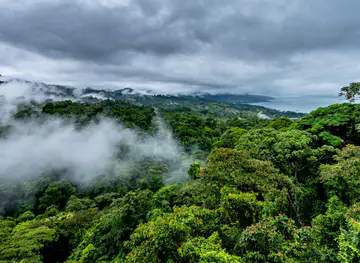
La Fortuna, Costa Rica, pairs Arenal Volcano views with hot springs, rainforest trails, waterfalls and wildlife for immersive nature-focused sightseeing.
Volcanic Landscapes
La Fortuna lies in northern Costa Rica beneath the broad, often cloud-wreathed cone of Arenal Volcano. The town is the principal base for exploring the surrounding rainforest, lava fields, hot springs and waterways, with the volcano providing a dramatic compass point from many roads and viewpoints. Although Arenal has been quiet since 2010, its symmetrical profile and past eruptions remain central to the identity of the area.Read more about La Fortuna
Town and Countryside
Water, Wildlife and Wellbeing
When is the best time to visit La Fortuna?
Best: January–March · 31–32°C| Month | High (°C) | Rainfall (mm) |
|---|---|---|
| January (best) | 31 | 68 |
| February (best) | 31 | 63 |
| March (best) | 32 | 58 |
| April | 32 | 131 |
| May | 32 | 267 |
| June | 32 | 311 |
| July | 32 | 238 |
| August | 33 | 297 |
| September | 33 | 355 |
| October | 33 | 381 |
| November | 33 | 254 |
| December | 33 | 97 |
Getting to and around La Fortuna
How to get there
Transportation
Best attractions in La Fortuna
La Fortuna’s principal sightseeing experiences are spread across the volcanic countryside rather than concentrated in the town centre. Arenal Volcano National Park provides trails through old lava flows and regenerating forest, with viewpoints towards the volcano when cloud permits. The Fortuna Waterfall descends through lush vegetation into a clear pool reached by a steep stairway, while the Arenal Observatory area offers elevated perspectives and forest walks. Hanging-bridge reserves reveal the canopy from suspension walkways, and the Arenal Conservation Area protects habitats where visitors may encounter monkeys, sloths, toucans and other wildlife. The town itself is small but pleasant to explore around its central park, church and cafés. Nearby thermal springs range from informal river bathing to developed resort facilities, giving the region a distinctive way to experience its volcanic geology. Lake Arenal, west of the volcano, adds broad water views and a quieter rural landscape beyond the main excursion circuit.
-
Nature preserve
Místico Arenal Hanging Bridges
Discover the breathtaking beauty of Místico Arenal Hanging Bridges in La Fortuna, where nature meets adventure in a stunning rainforest setting.
31 min drive · 11 km from city centre
-
Tourist attraction
Fortuna Waterfall
Experience the breathtaking beauty of Fortuna Waterfall in La Fortuna, Costa Rica—a must-visit destination for nature lovers and adventure seekers alike.
15 min drive · 5.0 km from city centre
-
Hotel
Baldi Hot Springs Resort Hotel & Spa
Discover the healing powers of nature at Baldi Hot Springs Resort, Hotel & Spa, where relaxation meets adventure in Costa Rica's stunning landscape.
10 min drive · 3.4 km from city centre
-
Rafting
Arenal Rafting
Discover the thrill of Arenal Rafting in Costa Rica – an unforgettable adventure amidst stunning landscapes and vibrant wildlife.
18 min walk · 1.4 km from city centre


Best landmarks in La Fortuna
Arenal Volcano is La Fortuna’s defining natural landmark, rising above the town as a near-symmetrical cone whose outline changes with cloud and light. Its significance is geological and historical as well as visual, since the 1968 eruption reshaped settlements and livelihoods across the region. In the town centre, La Fortuna’s Catholic church and park form the modest civic heart, providing a familiar meeting place amid the tourism businesses. The Fortuna Waterfall is another prominent landscape landmark, where the Fortuna River drops through forest below the town. Farther west, Lake Arenal creates a wide, engineered body of water beneath the volcanic skyline, while Cerro Chato, an extinct volcanic cone near Arenal, contributes to the area’s rugged profile. Together these features express La Fortuna’s identity more strongly than monumental urban architecture.
-
Nature preserve
Místico Arenal Hanging Bridges
Walk among the treetops and discover the wonders of Costa Rica's rainforest at Místico Arenal Hanging Bridges Park.
31 min drive · 11 km from city centre
-
 Tourist attraction
Fortuna Waterfall
Experience the majestic La Fortuna Waterfall: a stunning natural wonder, refreshing swim, and vibrant rainforest adventure in Costa Rica.
15 min drive · 5.0 km from city centre
-
National park
Parque Nacional Volcán Arenal
Explore Costa Rica's iconic Arenal Volcano National Park: Hike through lava fields, discover rainforests, and witness stunning volcanic landscapes.
27 min drive · 8.9 km from city centre
-
Rafting
Arenal Rafting
Experience thrilling whitewater adventures on Costa Rica's most scenic rivers with Arenal Rafting, your local experts in La Fortuna.
18 min walk · 1.4 km from city centre


Explore La Fortuna on the map
Plan your La Fortuna trip on one map. See where the top attractions, landmarks, restaurants, bars and hotels are, find what's near where you're staying, and book hotels and experiences in a few clicks.
Best hotels in La Fortuna
Best restaurants in La Fortuna
La Fortuna’s food scene combines Costa Rican home cooking with an international restaurant culture shaped by decades of nature tourism. Local sodas serve filling plates such as casado, usually built around rice, beans, salad, plantain and meat or fish, as well as gallo pinto, ceviche and soups. Fresh fruit drinks, coffee and sweet plantains are common, while the surrounding agricultural landscape supports plentiful produce. Around the centre, visitors will find pizzerias, burger restaurants, bakeries, cafés and establishments offering vegetarian or international menus alongside traditional dishes. The town’s dining areas are informal, and eating early can suit travellers whose excursions begin at dawn. Food stalls and small family-run businesses offer a closer connection to everyday local life than the larger tourist-oriented venues, while restaurants near hot springs and rural lodges reflect the area’s dispersed geography.
-
Restaurant
Soda la Hormiga
Discover authentic Costa Rican flavors at Soda la Hormiga in La Fortuna—where great food meets warm hospitality.
5 min drive · 1.6 km from city centre
-
Fine Dining
Don Rufino
Experience exquisite Latin American cuisine at Don Rufino in La Fortuna – where every dish is a celebration of flavor and culture.
5 min drive · 1.5 km from city centre
-
Peruvian
Chifa La Familia Feliz
Experience the unique fusion of Peruvian and Chinese cuisine at Chifa La Familia Feliz in La Fortuna - where flavor meets culture.
18 min walk · 1.4 km from city centre
-
Restaurant
Rain Forest
Experience the delightful flavors of Costa Rica at Rain Forest Cafe in La Fortuna - where nature meets culinary excellence.
5 min drive · 1.5 km from city centre


Best bars in La Fortuna
La Fortuna’s nightlife is modest and sociable rather than built around large clubs. After dark, activity centres on casual bars, restaurants and small venues around the central streets, where travellers and residents gather over Costa Rican beer, cocktails or music. Some establishments offer dancing or live entertainment, but the town is better known for early-morning excursions and relaxed evenings than for staying out until dawn. Hotels and thermal resorts may provide quieter evening settings, including bars, pools and views towards the volcano when skies are clear. Local music can form part of the atmosphere, though schedules vary and should not be assumed. Outside the centre, roads are poorly suited to walking late at night, so arranged transport is prudent when returning from rural accommodation or hot-spring properties.
-
Restaurant
Soda la Hormiga
Discover the culinary delights of Soda la Hormiga in La Fortuna, where authentic Costa Rican flavors meet an inviting atmosphere.
5 min drive · 1.6 km from city centre
-
Fine Dining
Don Rufino
Experience the flavors of Latin America at Don Rufino, La Fortuna's premier fine dining restaurant offering exquisite culinary creations.
5 min drive · 1.5 km from city centre
-
Espresso bar
Red Frog Coffee Roasters
Experience the rich flavors of Costa Rican coffee at Red Frog Coffee Roasters, where sustainability meets exceptional taste in La Fortuna.
6 min drive · 2.2 km from city centre
-
Restaurant
Lava Lounge
Experience the vibrant flavors and lively atmosphere at Lava Lounge, La Fortuna's top spot for delicious food and refreshing cocktails.
18 min walk · 1.4 km from city centre


Best nightclubs in La Fortuna
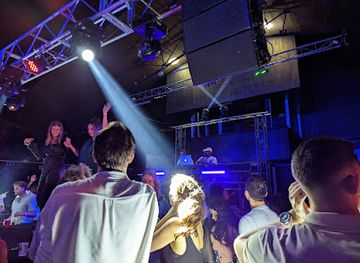
La Fortuna’s nightlife is modest and sociable rather than built around large clubs. After dark, activity centres on casual bars, restaurants and small venues around the central streets, where travellers and residents gather over Costa Rican beer, cocktails or music. Some establishments offer dancing or live entertainment, but the town is better known for early-morning excursions and relaxed evenings than for staying out until dawn. Hotels and thermal resorts may provide quieter evening settings, including bars, pools and views towards the volcano when skies are clear. Local music can form part of the atmosphere, though schedules vary and should not be assumed. Outside the centre, roads are poorly suited to walking late at night, so arranged transport is prudent when returning from rural accommodation or hot-spring properties.
-
Restaurant
Lava Lounge
Discover the vibrant flavors and lively atmosphere of Lava Lounge, La Fortuna's culinary gem, perfect for food lovers and music enthusiasts.
18 min walk · 1.4 km from city centre
-
Pub
La Fortuna Pub
Discover La Fortuna Pub, a vibrant local hotspot in Costa Rica offering a wide selection of beers, live music, and a lively atmosphere perfect for unwinding.
18 min walk · 1.4 km from city centre
-
Bar
Volcán Look Disco
Immerse yourself in the vibrant nightlife of San Carlos at Volcán Look Disco, where great music and drinks create unforgettable memories.
10 min drive · 3.2 km from city centre
-
Disco club
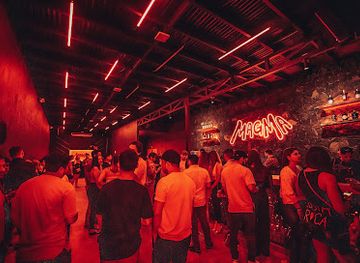
Magma Club
Discover the electrifying nightlife of La Fortuna at Magma Club, where vibrant music and an energetic atmosphere await every night.
5 min drive · 1.5 km from city centre


Best shops in La Fortuna
Shopping in La Fortuna is concentrated around the central streets and serves both local residents and visitors heading into the surrounding parks. Small shops sell Costa Rican coffee, chocolate, hot sauces, fruit products, clothing, practical outdoor equipment and souvenirs featuring Arenal Volcano, sloths and rainforest wildlife. Artisan goods may include woodwork, painted objects, jewellery and other craft items, although quality and provenance vary between sellers. Convenience shops and pharmacies are useful for forgotten trail supplies, rain protection and insect repellent, while supermarkets reflect the everyday needs of the local community. The town does not have a major luxury-shopping district or large department-store culture; its retail character is informal and tourism-oriented, with the most distinctive purchases generally linked to Costa Rican food production, nature imagery and locally made crafts.
-
Chocolate shop
Chocolate Fusión
Experience the sweet allure of artisanal chocolates at Chocolate Fusión in La Fortuna, Costa Rica's premier chocolate destination.
17 min walk · 1.3 km from city centre
-
Espresso bar
Red Frog Coffee Roasters
Discover the rich flavors of Costa Rican coffee at Red Frog Coffee Roasters, a charming espresso bar in La Fortuna, perfect for every coffee lover.
6 min drive · 2.2 km from city centre
-
Supermarket
Súper Rosvil La Fortuna
Experience the convenience of Súper Rosvil La Fortuna, your one-stop supermarket for groceries and local products in the heart of Costa Rica's adventure capital.
5 min drive · 1.7 km from city centre
-
Tour operator
Desafio Adventure Company
Experience the thrill of Costa Rica's natural wonders with Desafio Adventure Company—your gateway to unforgettable adventures in La Fortuna.
17 min walk · 1.4 km from city centre


Get your free copy of our complete guide to La Fortuna, delivered straight to you.
Everything on this page, from attractions and restaurants to essentials and local phrases, in one PDF you can read offline, print or share.
Already have an account? Sign in
Your La Fortuna guide is ready.
We'll send it to · Not you? Sign out

Getting your guide ready…
We are putting together a fresh copy of the La Fortuna guide. This can take up to a minute.
This can take a few moments. If your browser asks, choose Allow so the download can start. You'll find the guide in your Downloads folder.
Nothing happened? Download it again
Sorry, the guide is taking longer than usual. Please try again in a minute, or get it by email instead.
La Fortuna essentials
Currency and Payment
Safety
Emergency Situations
Do's and Don'ts
Local Tips
From Eve
Local phrases worth knowing
You don't need to get them perfect. A few words go a long way, and locals appreciate the effort.
Basics
| English | Local | Say it |
|---|---|---|
| Hello | Hola | [oh-lah] |
| Goodbye | Adiós | [ah-dee-ohs] |
| Yes | Sí | [see] |
| No | No | [no] |
| Please/You're welcome | Por favor/De nada | [por fah-vor/deh nah-dah] |
| Thank you | Gracias | [grah-see-ahs] |
| Excuse me/Sorry | Perdón/Lo siento | [pehr-dohn/loh see-ehn-toh] |
| How are you? | ¿Cómo estás? | [koh-moh ehs-tahs] |
| Fine. And you? | Bien. ¿Y tú? | [bee-ehn. ee too] |
| Do you speak English? | ¿Hablas inglés? | [ah-blahs een-glehs] |
| I don't understand | No entiendo | [noh ehn-tee-ehn-doh] |
Eating & Drinking
| English | Local | Say it |
|---|---|---|
| I'd like to see the menu, please | Me gustaría ver el menú, por favor | [meh goos-tah-ree-ah behr ehl meh-noo, pohr fah-vor] |
| I don't eat meat | No como carne | [noh koh-moh kahr-neh] |
| Cheers! | ¡Salud! | [sah-lood] |
| I would like to pay, please | Me gustaría pagar, por favor | [meh goos-tah-ree-ah pah-gahr, pohr fah-vor] |
Emergencies
| English | Local | Say it |
|---|---|---|
| Help! | ¡Ayuda! | [ah-yoo-dah] |
| Go away! | ¡Vete! | [veh-teh] |
| Call the Police! | ¡Llama a la policía! | [yah-mah ah lah poh-lee-see-ah] |
| Call a doctor! | ¡Llama a un médico! | [yah-mah ah oon meh-dee-koh] |
| I'm lost | Estoy perdido | [ehs-toy pehr-dee-doh] |
| I'm ill | Estoy enfermo | [ehs-toy ehn-fehr-moh] |
Shopping
| English | Local | Say it |
|---|---|---|
| I'd like to buy... | Me gustaría comprar... | [meh goos-tah-ree-ah kohm-prahr] |
| I'm just looking | Solo estoy mirando | [soh-loh ehs-toy mee-rahn-doh] |
| How much is it? | ¿Cuánto cuesta? | [kwan-toh kwehs-tah] |
| That's too expensive | Eso es demasiado caro | [eh-soh ehs deh-mah-see-ah-doh kahr-oh] |
| Can you lower the price? | ¿Puede bajar el precio? | [pweh-deh bah-hahr ehl pree-see-oh] |
Time & Numbers
| English | Local | Say it |
|---|---|---|
| What time is it? | ¿Qué hora es? | [keh oh-rah ehs] |
| It's one o'clock | Es la una en punto | [ehs lah oo-nah ehn poon-toh] |
| Half past (10) | Media (10) | [meh-dee-ah (dheez)] |
| Morning | Mañana | [mah-nyah-nah] |
| Afternoon | Tarde | [tahr-deh] |
| Evening | Noche | [noh-cheh] |
| Yesterday | Ayer | [ah-yehr] |
| Today | Hoy | [oy] |
| Tomorrow | Mañana | [mah-nyah-nah] |
| 1 | Uno | [oo-noh] |
| 2 | Dos | [dohs] |
| 3 | Tres | [trehs] |
| 4 | Cuatro | [kwah-troh] |
| 5 | Cinco | [seen-koh] |
| 6 | Seis | [sehs] |
| 7 | Siete | [syeh-teh] |
| 8 | Ocho | [oh-choh] |
| 9 | Nueve | [nweh-veh] |
| 10 | Diez | [dyehs] |
Transport & Directions
| English | Local | Say it |
|---|---|---|
| Where's a/the...? | ¿Dónde está un/el...? | [dohn-deh ehs-tah oon/ehl] |
| What's the address? | ¿Cuál es la dirección? | [kwal ehs lah dee-rek-syohn] |
| Can you show me (on the map)? | ¿Puedes mostrarme (en el mapa)? | [pweh-dehs mohs-trar-meh (ehn ehl mah-pah)] |
| When's the next (bus)? | ¿Cuándo es el próximo (autobús)? | [kwan-doh ehs ehl proh-see-moh (ow-toh-boos)] |
| A ticket (to ....) | Un boleto (a ....) | [oon boh-leh-toh (ah)] |
History of La Fortuna
Indigenous Northern Lowlands
The landscape around present-day La Fortuna lies within a wider northern Costa Rican region long associated with Indigenous peoples, including communities connected with the Maleku cultural area farther north. Forests, rivers and volcanic soils supported movement, hunting, agriculture and exchange before modern settlement. Arenal itself was known as a prominent volcanic mountain long before the town became a tourism centre. Today, the region’s Indigenous history is sometimes encountered through cultural interpretation and visits beyond La Fortuna, although the town’s visible built heritage largely reflects later rural colonisation and twentieth-century development.
Rural Settlement and El Borio
Modern La Fortuna developed as a small agricultural settlement in the early twentieth century, when families established farms and roads in the sparsely populated foothills of the northern mountains. The settlement was known as El Borio before adopting the name La Fortuna, commonly associated with the good fortune of the community’s fertile land and favourable conditions. Cattle, crops and local commerce shaped the early economy, while the settlement remained modest and relatively isolated compared with Costa Rica’s central highlands. The town’s central park and church still provide the clearest sense of its civic core.
The Arenal Eruption of 1968
On 29 July 1968, Arenal Volcano erupted after a long period of dormancy, destroying the settlements of Pueblo Nuevo, Tabacón and parts of the surrounding countryside. The eruption killed more than 80 people and transformed the region’s geography, livelihoods and collective memory. Lava, ash and volcanic debris altered river courses and covered farmland, while the volcano entered a prolonged period of activity that continued for decades. La Fortuna survived the main disaster and became an important service centre for displaced residents, agricultural communities and, later, visitors drawn to the active volcano.
From Agriculture to Nature Tourism
For much of the twentieth century, La Fortuna’s economy depended on farming, cattle and small-scale commerce. The continuing activity of Arenal, improved roads and the creation of protected areas gradually attracted scientists, adventurous travellers and nature-focused visitors. Local businesses began offering access to hot springs, rivers, forest trails and volcano viewpoints, allowing tourism to develop alongside agriculture rather than replacing every rural activity. The result was a service town whose hotels, restaurants and guides are closely tied to the surrounding landscape and to the memory of the 1968 eruption.
A Quiet Volcano and a Global Destination
Arenal’s eruptive activity declined markedly in 2010, bringing an end to the regular lava displays that had defined the area for many visitors, although the volcano remains an imposing geological presence. La Fortuna continued to grow as a base for exploring Arenal Volcano National Park, the Arenal Conservation Area and nearby river and forest ecosystems. Contemporary tourism now combines adventure activities, wildlife observation, thermal bathing and rural experiences. The town’s identity therefore rests on a layered history: agricultural settlement, volcanic disaster, conservation and carefully managed nature tourism.
La Fortuna in Photos
Browse through our photo collection highlighting the charm and character of the destination.
Cities near La Fortuna
The closest cities to La Fortuna, if you have time for more than one stop.
-
-

-

-

-


Swipe for more cities
Explore more

Explore more of Costa Rica
Discover Costa Rica, where lush rainforests, stunning beaches, and incredible wildlife create a paradise for nature lovers and adventure seekers alike.
Explore Costa Rica