
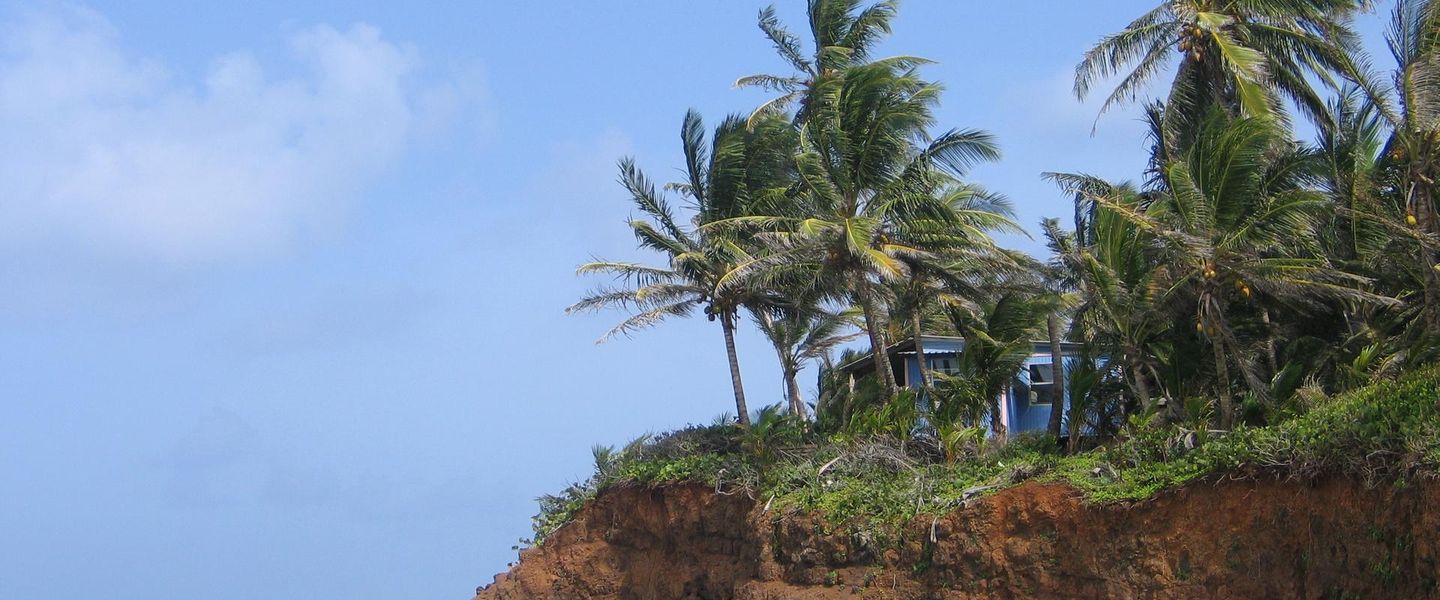
North Caribbean Coast Autonomous Region, Nicaragua Travel Guide
Discover the North Caribbean Coast Autonomous Region of Nicaragua, where lush rainforests meet pristine beaches and vibrant cultures create unforgettable experiences.
The North Caribbean Coast Autonomous Region in Nicaragua is a hidden gem waiting to be discovered. This region is known for its rich cultural diversity, stunning natural beauty, and vibrant communities. From the lush rainforests to the pristine beaches, every corner of this region offers something unique for the adventurous traveler. The indigenous communities and Afro-Caribbean cultures add a layer of depth to your visit, making it a culturally enriching experience. The region is home to the largest rainforest in Central America, the Bosawás Biosphere Reserve, which is a UNESCO World Heritage site. Here, nature lovers can explore a vast array of flora and fauna, including some species that are found nowhere else on earth. The coastal areas offer opportunities for snorkeling, diving, and fishing in the crystal-clear waters of the Caribbean Sea. For those interested in history and culture, the region's towns and villages provide a glimpse into the traditional ways of life. You can visit the town of Bluefields, which is a melting pot of cultures and a hub for local music and dance. The Pearl Lagoon and its surrounding communities offer a chance to experience the region's Afro-Caribbean heritage firsthand. Whether you're looking for adventure, relaxation, or cultural immersion, the North Caribbean Coast Autonomous Region of Nicaragua promises an unforgettable experience.

Know before you go
Hi, I'm Eve. Here are a few practical things to know before exploring North Caribbean Coast Autonomous Region.
- Learn a few phrases in the local languages, including Spanish, Miskito, and Creole, to enhance your interactions with the locals.
- Bring insect repellent and lightweight, long-sleeved clothing to protect against mosquitoes in the rainforest areas.
- Hire a local guide for exploring the Bosawás Biosphere Reserve to gain deeper insights into the region's unique ecosystem.
- Respect the local customs and traditions, especially when visiting indigenous communities.
- Consider visiting during the dry season (February to May) for more comfortable weather and better travel conditions.
Destinations in North Caribbean Coast Autonomous Region
Resorts, valleys and scenic spots worth a trip of their own.


Best restaurants in North Caribbean Coast Autonomous Region
Top-rated picks
Best Restaurants

Karaoke Bar&Grill "El Malecón"
Experience vibrant nightlife at Karaoke Bar & Grill 'El Malecón', where delicious cuisine meets exciting karaoke entertainment in Puerto Cabezas.

Restaurante Kabu Payaska
Experience authentic Nicaraguan cuisine at Restaurante Kabu Payaska in Puerto Cabezas – a true delight for every food lover.

Delicias Caribeñas
Experience authentic Caribbean flavors at Delicias Caribeñas in Puerto Cabezas, where every dish tells a story.

Comedor y Cafetín Mary - Rosita Nicaragua
Experience the essence of Nicaraguan cuisine at Comedor y Cafetín Mary in Rosita - where every dish tells a story.

Best bars in North Caribbean Coast Autonomous Region
Top-rated picks
Best Bars

Bar y Restaurante Los Cocos
Experience the vibrant flavors of Nicaragua at Bar y Restaurante Los Cocos, a premier grill restaurant in Rosita.

La Cueva Bar and Grill
Experience the vibrant flavors and welcoming atmosphere of La Cueva Bar and Grill, a culinary gem in Río Blanco, Nicaragua.

Discoteca Rio Escondido
Discover the vibrant nightlife at Discoteca Rio Escondido in Bonanza, where great music and a lively atmosphere await every visitor.

Bar Los Antojitos
Experience the vibrant nightlife of Bonanza at Bar Los Antojitos, where local culture and great drinks come together.

Best nightclubs in North Caribbean Coast Autonomous Region
Top-rated picks
Best Nightclubs

Discoteca Rio Escondido
Experience the vibrant nightlife of Bonanza at Discoteca Rio Escondido—where music, dancing, and local flavors come together for an unforgettable evening.

Bar Luna Caribeña
Experience the vibrant atmosphere and tropical flavors at Bar Luna Caribeña in Puerto Cabezas, your perfect Caribbean retreat.

Bar winamba
Experience the lively vibes and local flavors at Bar Winamba in Puerto Cabezas, the ideal spot for an unforgettable night out.

Siuna
Discover Siuna, Nicaragua's vibrant night club, where music, dance, and local culture merge for unforgettable nightlife experiences.

Best shops in North Caribbean Coast Autonomous Region
Top-rated picks
Best Shops

Palí Río Blanco
Explore the flavors of Nicaragua at Palí Río Blanco, a supermarket where local culture and daily life come to life.

Curves Plus Size Boutique
Discover stylish plus size fashion at Curves Plus Size Boutique in Managua, where inclusivity meets elegance in every outfit.

Distribuidora Vida Nueva
Explore the vibrant flavors and local culture at Distribuidora Vida Nueva, your go-to grocery store in Río Blanco, Nicaragua.

Tienda Adonay Meza
Explore a unique blend of clothing, accessories, and local crafts at Tienda Adonay Meza in Río Blanco, a shopping haven for tourists.

Explore North Caribbean Coast Autonomous Region on the Map
A handpicked selection of must-see spots in North Caribbean Coast Autonomous Region, mapped for you.
North Caribbean Coast Autonomous Region Essentials
-
The North Caribbean Coast Autonomous Region can be accessed primarily via the city of Bilwi (also known as Puerto Cabezas). The most convenient way to reach Bilwi is by air. Domestic flights operate from Augusto C. Sandino International Airport in Managua to Bilwi Airport. The flight takes about 1.5 hours. Alternatively, you can opt for a long but scenic bus or car ride from Managua, which can take up to 24 hours due to the challenging road conditions.
-
Within the region, transportation options include taxis, buses, and boats. Taxis are available in larger towns such as Bilwi and Siuna. For inter-town travel, buses are a common choice, although schedules can be irregular. Boats are essential for traveling to remote coastal and riverine communities. Renting a 4x4 vehicle can also be a good option if you plan to explore off-the-beaten-path areas.
-
The official currency in Nicaragua is the Nicaraguan Córdoba (NIO). While larger establishments in Bilwi may accept credit cards, it’s advisable to carry cash, especially when traveling to rural areas. ATMs are available in Bilwi and Siuna, but may not be reliable, so consider withdrawing sufficient cash in Managua before you travel.
-
The North Caribbean Coast Autonomous Region is generally safe for tourists, but caution is advised. Avoid walking alone at night and stay aware of your surroundings. Areas with higher crime rates include some neighborhoods in Bilwi, where petty theft and muggings can occur. Always secure your belongings and avoid displaying valuables.
-
In case of an emergency, dial 118 for police and 128 for medical assistance. Bilwi has a hospital and several clinics, but they may lack advanced medical facilities. It’s recommended to have travel insurance that covers medical emergencies. For minor health issues, pharmacies are available in Bilwi and Siuna.
-
Fashion: Do dress modestly, especially in remote communities. Avoid wearing revealing clothing. Religion: Do respect local customs and traditions, including the practices of indigenous communities. Public Transport: Do be respectful and patient; public transport can be crowded and schedules are flexible. Don't expect precise timings. Greetings: Do greet people with a polite 'Buenos días' (Good morning) or 'Buenas tardes' (Good afternoon). A handshake is common. Eating & Drinking: Do try local dishes like 'Rundown' and 'Gallo Pinto'. Don't refuse food or drink offerings as it can be considered impolite.
-
To experience the region like a local, visit the community markets in Bilwi for fresh seafood and local crafts. Engage with the Miskito and Mayangna people to learn about their culture and traditions. Attend a local festival if possible, such as Palo de Mayo in May, which showcases traditional music and dance. Don’t miss exploring the natural beauty of the region, including the Pearl Cays and Bosawás Biosphere Reserve.
When is the best time to visit North Caribbean Coast Autonomous Region?
Useful Local Phrases for North Caribbean Coast Autonomous Region
You don't need to speak the language perfectly. Even learning a few simple words can make conversations warmer—and locals usually appreciate the effort.
— Eve

Here are the phrases I use most often in North Caribbean Coast Autonomous Region. Try a few—you'll be surprised how far they go! 😊
❤️
-
- HelloHola
[Ola] - GoodbyeAdiós
[Adios] - YesSí
[Si] - NoNo
[No] - Please/You're welcomePor favor
[Por favor] - Thank youGracias
[Grasias] - Excuse me/SorryDisculpe
[Disculpe] - How are you?¿Cómo estás?
[Como estas] - Fine. And you?Bien. ¿Y tú?
[Bien. I tu] - Do you speak English?¿Hablas inglés?
[Hablas ingles] - I don't understandNo entiendo
[No entiendo]
- HelloHola
-
- I'd like to see the menu, pleaseMe gustaría ver el menú, por favor
[Me gustaria ver el menu, por favor] - I don't eat meatNo como carne
[No como carne] - Cheers!¡Salud!
[Salud] - I would like to pay, pleaseMe gustaría pagar, por favor
[Me gustaria pagar, por favor]
- I'd like to see the menu, pleaseMe gustaría ver el menú, por favor
-
- Help!¡Ayuda!
[Ayuda] - Go away!¡Vete!
[Vete] - Call the Police!¡Llama a la policía!
[Llama a la policia] - Call a doctor!¡Llama a un médico!
[Llama a un medico] - I'm lostEstoy perdido
[Estoy perdido] - I'm illEstoy enfermo
[Estoy enfermo]
- Help!¡Ayuda!
-
- I'd like to buy...Me gustaría comprar...
[Me gustaria comprar] - I'm just lookingSolo estoy mirando
[Solo estoy mirando] - How much is it?¿Cuánto cuesta?
[Cuanto cuesta] - That's too expensiveEso es muy caro
[Eso es muy caro] - Can you lower the price?¿Puedes bajar el precio?
[Puedes bajar el precio]
- I'd like to buy...Me gustaría comprar...
-
- What time is it?¿Qué hora es?
[Que hora es] - It's one o'clockEs la una
[Es la una] - Half past (10)Y media (10)
[Y media 10] - MorningMañana
[Mañana] - AfternoonTarde
[Tarde] - EveningNoche
[Noche] - YesterdayAyer
[Ayer] - TodayHoy
[Hoy] - TomorrowMañana
[Mañana] - 1Uno
[Uno] - 2Dos
[Dos] - 3Tres
[Tres] - 4Cuatro
[Cuatro] - 5Cinco
[Cinco] - 6Seis
[Seis] - 7Siete
[Siete] - 8Ocho
[Ocho] - 9Nueve
[Nueve] - 10Diez
[Diez]
- What time is it?¿Qué hora es?
-
- Where's a/the...?¿Dónde está un/los...?
[Donde esta un/los] - What's the address?¿Cuál es la dirección?
[Cual es la direccion] - Can you show me (on the map)?¿Puedes mostrarme (en el mapa)?
[Puedes mostrarme en el mapa] - When's the next (bus)?¿Cuándo es el próximo (autobús)?
[Cuando es el proximo autobus] - A ticket (to ....)Un boleto (a ...)
[Un boleto a]
- Where's a/the...?¿Dónde está un/los...?
History of North Caribbean Coast Autonomous Region
-
The North Caribbean Coast Autonomous Region (RACCN) of Nicaragua was originally inhabited by indigenous groups such as the Miskito, Sumo (Mayangna), and Rama people. These communities developed rich cultures with distinct languages, traditions, and social structures. They lived off the land through hunting, fishing, and agriculture, and maintained trade networks with other indigenous tribes in the region.
-
The arrival of Spanish explorers in the early 16th century marked the beginning of significant changes for the indigenous populations. However, the dense jungles and fierce resistance from local tribes made it difficult for the Spanish to establish permanent settlements in the region. Unlike other parts of Nicaragua, the North Caribbean Coast remained largely autonomous from Spanish control.
-
In the 17th and 18th centuries, the British began to exert influence over the North Caribbean Coast, establishing alliances with the Miskito people. The British saw the region as strategically important for trade and as a buffer against Spanish expansion. They supported the Miskito Kingdom, a local indigenous polity, which enjoyed a degree of autonomy under British protection and engaged in commerce with British merchants.
-
The Miskito Kingdom was a unique political entity that emerged in the North Caribbean Coast. It was a confederation of Miskito, Sumo, and other indigenous groups, with a system of kingship influenced by both indigenous traditions and European customs. The kingdom maintained a degree of independence and engaged in treaties with both the British and Spanish during the colonial period.
-
Following Nicaragua's independence from Spain in 1821, the North Caribbean Coast continued to be a region of contested influence. The newly independent Nicaraguan government sought to integrate the area, but faced resistance from local indigenous groups and British interests. It wasn't until the late 19th century that Nicaragua began to assert more control over the region.
-
In the late 19th and early 20th centuries, American business interests, particularly in the banana and mining industries, began to exploit the natural resources of the North Caribbean Coast. This period saw significant economic development, but also exploitation and displacement of indigenous peoples. The United States' influence continued through various political and military interventions in Nicaragua.
-
In the 1980s, during the Sandinista revolution, the North Caribbean Coast became a focal point for issues of indigenous rights and autonomy. In 1987, the Nicaraguan government granted the region a degree of self-governance through the Autonomy Statute, leading to the creation of the North Caribbean Coast Autonomous Region (RACCN). This statute recognized the cultural and political rights of the indigenous and Afro-descendant communities, allowing them to manage their own affairs to a significant extent.
-
Today, the North Caribbean Coast is a vibrant mosaic of cultures, including indigenous Miskito, Sumo, and Rama peoples, as well as Afro-descendant Creole and Garifuna communities. Each group maintains its own unique traditions, languages, and cultural practices, contributing to the rich diversity of the region. Festivals, music, dance, and traditional crafts are integral parts of the local cultural landscape.
Neighbouring Regions of North Caribbean Coast Autonomous Region
The closest regions to North Caribbean Coast Autonomous Region, if you have time for more than one.


Your all‑in‑one travel companion app
Explore expert travel guides, compare and book tours, experiences, hotels, and more—all from the palm of your hand. Download now for seamless trip planning wherever your wanderlust takes you.


Explore More of Nicaragua
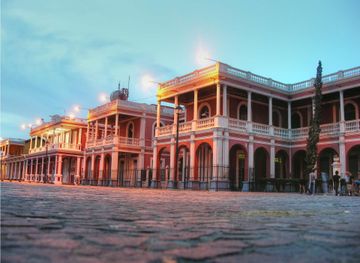
Looking beyond North Caribbean Coast Autonomous Region? Discover Nicaragua for broader travel guides, local hot-spots, and regional highlights.
Explore NicaraguaNorth Caribbean Coast Autonomous Region in Photos
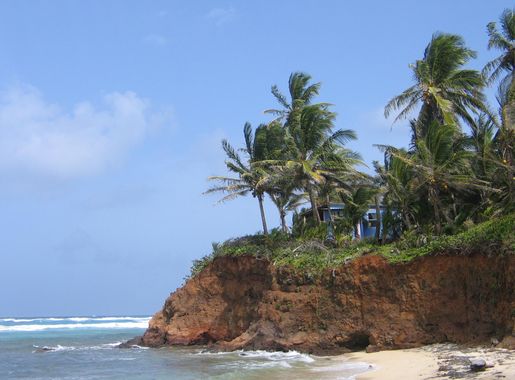
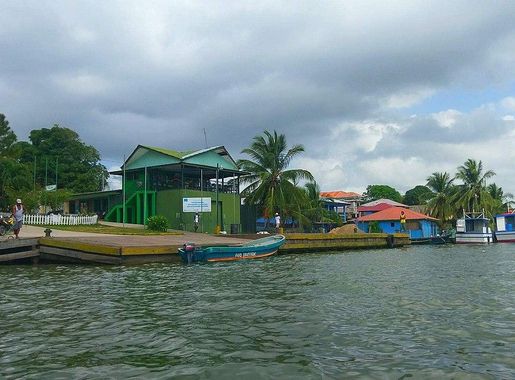
Browse through our photo collection highlighting the charm and character of the destination.




The Untouched Jewel of Nicaragua: North Caribbean Coast Autonomous Region
The North Caribbean Coast Autonomous Region in Nicaragua is a hidden gem waiting to be discovered. This region is known for its rich cultural diversity, stunning natural beauty, and vibrant communities. From the lush rainforests to the pristine beaches, every corner of this region offers something unique for the adventurous traveler. The indigenous communities and Afro-Caribbean cultures add a layer of depth to your visit, making it a culturally enriching experience. The region is home to the largest rainforest in Central America, the Bosawás Biosphere Reserve, which is a UNESCO World Heritage site. Here, nature lovers can explore a vast array of flora and fauna, including some species that are found nowhere else on earth. The coastal areas offer opportunities for snorkeling, diving, and fishing in the crystal-clear waters of the Caribbean Sea. For those interested in history and culture, the region's towns and villages provide a glimpse into the traditional ways of life. You can visit the town of Bluefields, which is a melting pot of cultures and a hub for local music and dance. The Pearl Lagoon and its surrounding communities offer a chance to experience the region's Afro-Caribbean heritage firsthand. Whether you're looking for adventure, relaxation, or cultural immersion, the North Caribbean Coast Autonomous Region of Nicaragua promises an unforgettable experience.