

Pearl Cays, Nicaragua Travel Guide
Discover the untouched beauty of the Pearl Cays in Nicaragua, where pristine beaches, turquoise waters, and vibrant marine life await in this secluded paradise.
The Pearl Cays are a hidden gem off the Caribbean coast of Nicaragua. This collection of 18 small, pristine islands offers visitors a serene escape from the hustle and bustle of everyday life. With their white sandy beaches, crystal-clear turquoise waters, and vibrant marine life, the Pearl Cays are a haven for nature lovers and adventure seekers alike. Visitors can explore the islands by boat, snorkel in the shallow reefs teeming with colorful fish, or simply relax on the beach under the shade of a palm tree. The tranquil waters around the cays are perfect for kayaking and paddleboarding, giving you a chance to experience the beauty of the area at your own pace. The Pearl Cays are also home to important nesting sites for endangered sea turtles. If you're visiting between May and November, you might be lucky enough to witness these magnificent creatures laying their eggs. This unique experience adds an extra layer of magic to your trip and highlights the importance of conservation efforts in the region.

Know before you go
Hi, I'm Eve. Here are a few practical things to know before exploring Pearl Cays.
- Visit between May and November to see endangered sea turtles nesting.
- Bring your own snorkeling gear to explore the vibrant coral reefs.
- Consider hiring a local guide for a boat tour of the islands.
- Pack plenty of sunscreen and insect repellent for your trip.
- Respect local wildlife and natural habitats during your visit.
Explore Pearl Cays: Things to Do, Places to Eat, Hotels & More
Handpicked recommendations for top attractions, local dining, accommodations, and more

Best attractions in Pearl Cays
Top-rated picks
Best Attractions

Central Park
Discover the lush beauty and vibrant culture of Central Park in Bluefields, an essential destination for every tourist seeking local charm and relaxation.

Laguna de Perlas
Explore the natural wonders of Laguna de Perlas, a serene lagoon in Nicaragua perfect for relaxation, adventure, and experiencing local culture.

Ródrigo Campbell Municipal Park
Experience tranquility and natural beauty at Rodríguez Campbell Municipal Park, a serene escape on the stunning Corn Islands of Nicaragua.

Soul of the World
Explore the Soul of the World: A serene state park in the Corn Islands with lush landscapes, vibrant wildlife, and tranquil beaches, perfect for nature lovers.

Best restaurants in Pearl Cays
Top-rated picks
Best Restaurants

Maris Daneth's Restaurant
Experience authentic Nicaraguan flavors at Maris Daneth's Restaurant on Corn Island - where fresh seafood meets tropical charm.

Seaside Grill
Experience authentic Nicaraguan flavors at Seaside Grill on Great Corn Island - where every meal comes with breathtaking ocean views.

Tranquilo Cafe
Discover culinary delights at Tranquilo Cafe on Little Corn Island – where fresh flavors meet breathtaking ocean views.

Bar & Rest Spekito's Place
Savor authentic Nicaraguan cuisine at Spekito's Place in Isla Grande del Maíz - a culinary gem with stunning ocean views.

Best shops in Pearl Cays
Top-rated picks
Best Shops

Sally Peachy Store
Discover local flavors and unique souvenirs at Sally Peachy Store, your essential grocery destination on Corn Island.

Coconut Delight Bakery
Discover the delightful flavors of Coconut Delight Bakery in Pearl Lagoon, where every bite is a journey into local culinary artistry.

Gloria Shop
Experience the vibrant mix of culture and convenience at Gloria Shop in Pearl Lagoon, where shopping meets local charm.

Pulperia Henriquez
Discover the heart of Pearl Lagoon at Pulperia Henriquez, where vibrant local culture meets unique shopping and delicious cuisine.

Explore Pearl Cays on the Map
A handpicked selection of must-see spots in Pearl Cays, mapped for you.
Pearl Cays Essentials
-
Pearl Cays is an archipelago located off the Caribbean coast of Nicaragua. The closest city with an airport is Bluefields, which can be reached via a domestic flight from Managua, the capital of Nicaragua. From Bluefields, you can hire a boat to take you to the Pearl Cays. The boat ride typically takes about an hour and offers stunning views of the Caribbean Sea.
-
Once in Pearl Cays, transportation is mostly by boat. There are no cars on the islands, so be prepared to walk or use bicycles for short distances. Local boats can be hired for island hopping and exploring nearby areas. It's advisable to arrange boat trips through your accommodation or reputable tour operators to ensure safety.
-
The official currency in Nicaragua is the Nicaraguan Córdoba (NIO). It's advisable to carry enough cash, as there are no ATMs on the Pearl Cays. Credit cards are seldom accepted, so make sure to have sufficient local currency for your needs. You can exchange money at banks or currency exchange offices in Managua or Bluefields before heading to the islands.
-
Pearl Cays is generally a safe destination for tourists. However, it's crucial to take standard precautions. Avoid displaying valuable items and keep your belongings secure. While the islands themselves are safe, Bluefields has areas with higher crime rates, particularly targeting tourists, so stay vigilant and avoid walking alone at night.
-
In case of emergency, contact local authorities or your accommodation for assistance. The nearest medical facilities are in Bluefields, so it's important to have travel insurance that covers medical emergencies. For minor health issues, carry a basic first-aid kit and necessary medications. Emergency numbers in Nicaragua are 118 for medical emergencies and 115 for the police.
-
Fashion: Do wear lightweight and breathable clothing suitable for the tropical climate. Avoid wearing expensive jewelry. Religion: Do respect local customs and traditions. Public Transport: Do respect boat operators and follow safety instructions. Don't overload boats. Greetings: Do greet locals with a friendly 'Hola!' and a smile. Eating & Drinking: Do try local seafood delicacies. Don't waste food, as it is considered disrespectful.
-
To experience Pearl Cays like a local, engage with the fishermen and learn about their way of life. Visit during the turtle nesting season to witness this natural wonder, but remember to respect the wildlife. Try local dishes like 'rondón,' a traditional seafood stew, and enjoy the laid-back island vibes. Always ask for permission before taking photographs of locals.
When is the best time to visit Pearl Cays?
Useful Local Phrases for Pearl Cays
You don't need to speak the language perfectly. Even learning a few simple words can make conversations warmer—and locals usually appreciate the effort.
— Eve

Here are the phrases I use most often in Pearl Cays. Try a few—you'll be surprised how far they go! 😊
❤️
-
- HelloHola
[oh-lah] - GoodbyeAdiós
[ah-dee-ohs] - YesSí
[see] - NoNo
[noh] - Please/You're welcomePor favor
[por fah-vor] - Thank youGracias
[grah-see-ahs] - Excuse me/SorryDisculpe
[dee-skool-peh] - How are you?¿Cómo estás?
[koh-moh ehs-tahs] - Fine. And you?Bien. ¿Y tú?
[byen. ee too] - Do you speak English?¿Hablas inglés?
[ah-blahs een-glays] - I don't understandNo entiendo
[noh ehn-tyehn-doh]
- HelloHola
-
- I'd like to see the menu, pleaseMe gustaría ver el menú, por favor
[meh goos-tah-ree-ah behr ehl meh-noo, por fah-vor] - I don't eat meatNo como carne
[noh koh-moh kahr-neh] - Cheers!¡Salud!
[sah-lood] - I would like to pay, pleaseMe gustaría pagar, por favor
[meh goos-tah-ree-ah pah-gahr, por fah-vor]
- I'd like to see the menu, pleaseMe gustaría ver el menú, por favor
-
- Help!¡Ayuda!
[ah-yoo-dah] - Go away!¡Vete!
[veh-teh] - Call the Police!¡Llama a la Policía!
[yah-mah ah lah poh-lee-see-ah] - Call a doctor!¡Llama a un doctor!
[yah-mah ah oon dohk-tohr] - I'm lostEstoy perdido/a
[ehs-toy pehr-dee-doh/dah] - I'm illEstoy enfermo/a
[ehs-toy ehn-fehr-moh/ah]
- Help!¡Ayuda!
-
- I'd like to buy...Me gustaría comprar...
[meh goos-tah-ree-ah kohm-prahr] - I'm just lookingSolo estoy mirando
[soh-loh ehs-toy mee-rahn-doh] - How much is it?¿Cuánto cuesta?
[kwan-toh kwehs-tah] - That's too expensiveEso es demasiado caro
[eh-soh ehs deh-mah-see-ah-doh kah-roh] - Can you lower the price?¿Puedes bajar el precio?
[pweh-dehs bah-har ehl preh-syoh]
- I'd like to buy...Me gustaría comprar...
-
- What time is it?¿Qué hora es?
[keh oh-rah ehs] - It's one o'clockEs la una en punto
[ehs lah oo-nah ehn poon-toh] - Half past (10)Las diez y media
[lahs dyehs ee meh-dee-ah] - MorningMañana
[mah-nyah-nah] - AfternoonTarde
[tahr-deh] - EveningNoche
[noh-cheh] - YesterdayAyer
[ah-yehr] - TodayHoy
[oy] - TomorrowMañana
[mah-nyah-nah] - 1Uno
[oo-noh] - 2Dos
[dohs] - 3Tres
[trehs] - 4Cuatro
[kwah-troh] - 5Cinco
[seen-koh] - 6Seis
[says] - 7Siete
[syeh-teh] - 8Ocho
[oh-choh] - 9Nueve
[nweh-veh] - 10Diez
[dyehs]
- What time is it?¿Qué hora es?
-
- Where's a/the...?¿Dónde está...?
[dohn-deh ehs-tah] - What's the address?¿Cuál es la dirección?
[kwal ehs lah dee-rehk-syon] - Can you show me (on the map)?¿Puedes mostrarme (en el mapa)?
[pweh-dehs mohs-trar-meh (ehn ehl mah-pah)] - When's the next (bus)?¿Cuándo es el próximo (autobús)?
[kwan-doh ehs ehl proh-see-moh (ow-toh-boos)] - A ticket (to ....)Un boleto (para ...)
[oon boh-leh-toh (pah-rah)]
- Where's a/the...?¿Dónde está...?
History of Pearl Cays
-
The Pearl Cays, a group of 18 small islands off the Caribbean coast of Nicaragua, have a rich pre-Columbian history. Archaeological evidence suggests that the Cays were inhabited by the indigenous Miskito people. These early inhabitants were adept fishermen and seafarers, living off the bounty of the sea and utilizing the islands' natural resources.
-
During the 17th and 18th centuries, the Pearl Cays became a refuge for pirates and privateers. The strategic location of these islands made them an ideal hideout for those looking to escape the Spanish colonial authorities. Legends abound of buried treasures and pirate lore, adding a layer of mystique to the Cays.
-
In the 18th century, the British established a significant presence on the Caribbean coast of Nicaragua, including the Pearl Cays. The British Mosquito Coast Protectorate aimed to exert control over the region, influencing local trade and politics. This period saw a blend of cultures and the introduction of European goods and customs to the indigenous population.
-
The Pearl Cays are not only historically significant but also ecologically vital. The islands are home to a variety of marine life, including endangered sea turtles. Conservation efforts have been ongoing to protect the delicate ecosystems of the Cays, ensuring that these natural treasures are preserved for future generations.
-
Today, the Pearl Cays are a popular destination for eco-tourism and adventure travel. Visitors are drawn to the pristine beaches, clear turquoise waters, and vibrant marine life. The local communities, primarily of Miskito descent, continue to maintain their cultural heritage while adapting to the opportunities presented by tourism.
Neighbouring destination travel guides
Browse our curated selection of top destinations, scenic points, and must-visit spots in the area.


Your all‑in‑one travel companion app
Explore expert travel guides, compare and book tours, experiences, hotels, and more—all from the palm of your hand. Download now for seamless trip planning wherever your wanderlust takes you.


Explore More of Eastern Region
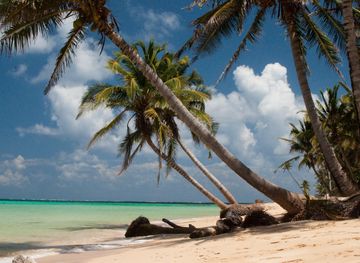
Looking beyond Pearl Cays? Discover Eastern Region for broader travel guides, local hot-spots, and regional highlights.
Explore Eastern RegionExplore More of Nicaragua
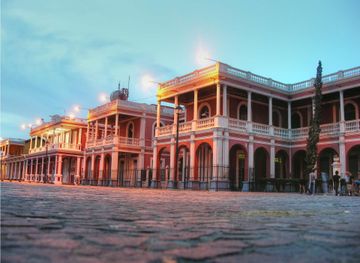
Looking beyond Pearl Cays? Discover Nicaragua for broader travel guides, local hot-spots, and regional highlights.
Explore NicaraguaPearl Cays in Photos
Browse through our photo collection highlighting the charm and character of the destination.
Pearl Cays: A Nicaraguan Paradise
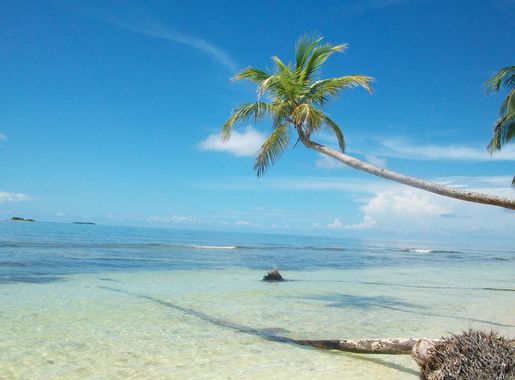
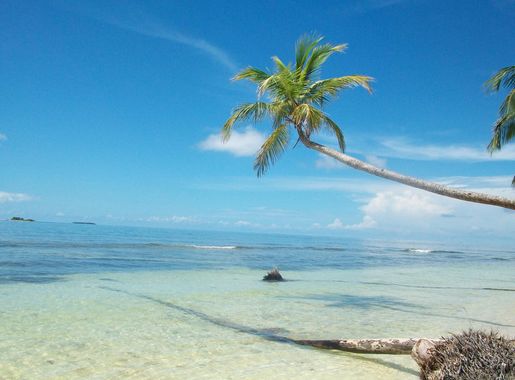
The Pearl Cays are a hidden gem off the Caribbean coast of Nicaragua. This collection of 18 small, pristine islands offers visitors a serene escape from the hustle and bustle of everyday life. With their white sandy beaches, crystal-clear turquoise waters, and vibrant marine life, the Pearl Cays are a haven for nature lovers and adventure seekers alike. Visitors can explore the islands by boat, snorkel in the shallow reefs teeming with colorful fish, or simply relax on the beach under the shade of a palm tree. The tranquil waters around the cays are perfect for kayaking and paddleboarding, giving you a chance to experience the beauty of the area at your own pace. The Pearl Cays are also home to important nesting sites for endangered sea turtles. If you're visiting between May and November, you might be lucky enough to witness these magnificent creatures laying their eggs. This unique experience adds an extra layer of magic to your trip and highlights the importance of conservation efforts in the region.