
Eastern Region, Nicaragua Travel Guide
Discover the natural beauty and rich cultural heritage of Nicaragua's Eastern Region, where pristine beaches, lush rainforests, and vibrant Afro-Caribbean traditions await.
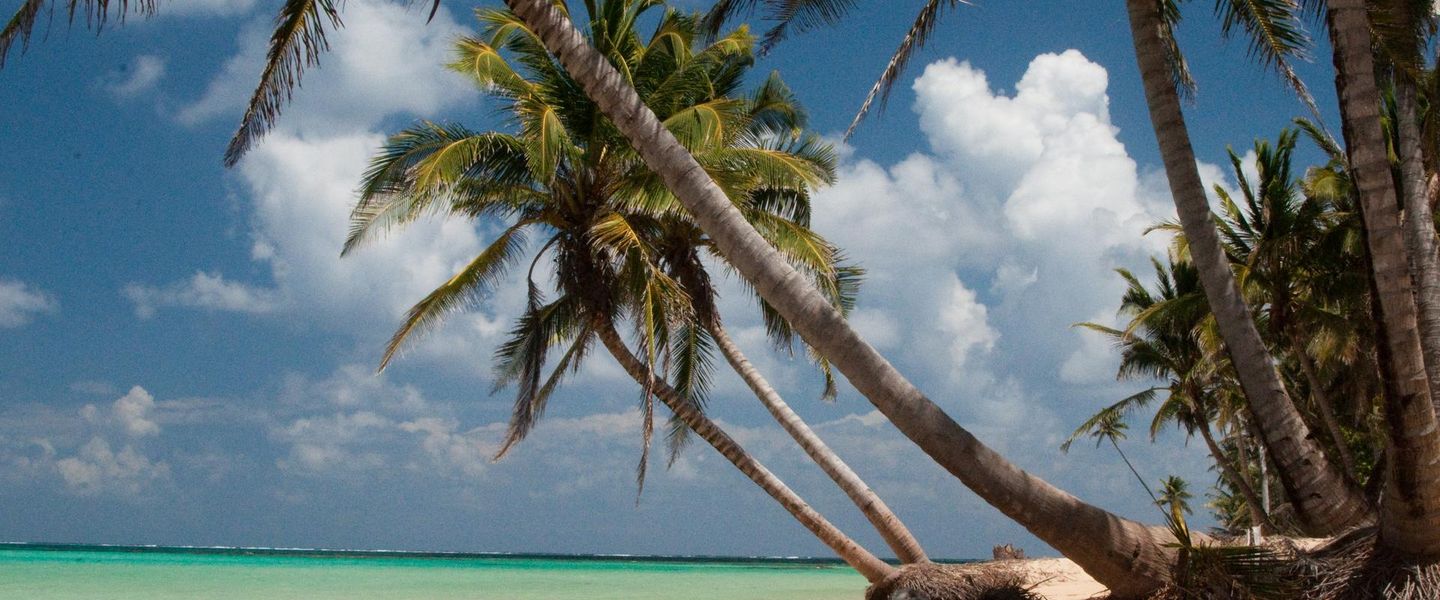
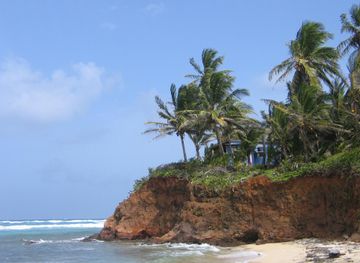
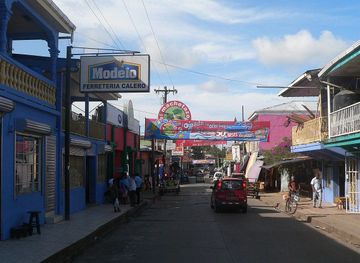
The Eastern Region of Nicaragua is a hidden gem waiting to be discovered by intrepid travelers. This area is known for its lush rainforests, pristine beaches, and vibrant Afro-Caribbean culture. The region is less developed than the western part of the country, offering a more authentic and off-the-beaten-path experience for visitors. One of the highlights of this region is the stunning Corn Islands, comprised of Big Corn Island and Little Corn Island. These tropical paradises boast crystal-clear waters, white sandy beaches, and incredible snorkeling opportunities. The islands are a haven for those seeking a tranquil escape from the hustle and bustle of everyday life. Additionally, the region is home to the vast Bosawás Biosphere Reserve, one of the largest rainforests in the Americas. This UNESCO World Heritage site is a biodiversity hotspot, teeming with exotic wildlife and rare plant species. Visitors to the Eastern Region can also immerse themselves in the rich cultural tapestry of the area. The city of Bluefields is the cultural heart of the region, where you can experience the unique blend of Nicaraguan and Afro-Caribbean influences. The local cuisine, music, and festivals are a testament to this vibrant cultural fusion. Whether you're exploring the colonial architecture or enjoying a plate of fresh seafood, the Eastern Region of Nicaragua offers a truly memorable experience.

Know before you go
Hi, I'm Eve. Here are a few practical things to know before exploring Eastern Region.
- Visit during the dry season (November to April) for the best weather.
- Pack insect repellent and light clothing for the rainforest.
- Learn some basic Spanish phrases; it will help you interact with locals.
- Try the local seafood dishes, especially the coconut-infused cuisine.
- Bring cash, as ATMs are scarce in remote areas.
Top City Travel Guides in Eastern Region
The cities of Eastern Region, and the easiest places to base yourself.


Destinations in Eastern Region
Resorts, valleys and scenic spots worth a trip of their own.


Explore Eastern Region: Things to Do, Places to Eat, Hotels & More
Handpicked recommendations for top attractions, local dining, accommodations, and more

Top Attractions & Sightseeing in Eastern Region
Top-rated picks
Best Attractions

Zoológico Nacional de Nicaragua
Explore the rich biodiversity of Nicaragua at Zoológico Nacional de Nicaragua, a premier zoo offering educational experiences and unforgettable wildlife encounters.

Cristo de La Misericordia
Discover the serenity of Cristo de La Misericordia, a towering statue offering breathtaking views and a spiritual retreat in San Juan del Sur, Nicaragua.

Plaza Nicaragua
Experience the vibrant culture and stunning views at Plaza Nicaragua, a must-visit promenade in the heart of Managua, Nicaragua.

Lake Nicaragua
Explore the stunning beauty and biodiversity of Lake Nicaragua, a must-visit destination for nature lovers and adventure seekers in Central America.

Best landmarks in Eastern Region
Top-rated picks
Best Landmarks

Parque Central de Granada
Explore the lush beauty and vibrant culture at Parque Central de Granada, the social heart of Nicaragua's colonial gem.

Cathedral-Basilica of the Assumption of the Blessed Virgin Mary
Explore the stunning Cathedral-Basilica of León, a masterpiece of colonial architecture and a significant cultural landmark in Nicaragua.

Plaza Nicaragua
Discover the beauty and culture of Managua at Plaza Nicaragua, a vibrant promenade filled with nature, art, and local charm.

Granada Malecon
Experience the breathtaking views and vibrant local culture at Granada Malecon, a stunning waterfront promenade in Granada, Nicaragua.

Best restaurants in Eastern Region
Top-rated picks
Best Restaurants

Cocina de Doña Haydée
Discover the heart of Nicaraguan cuisine at Cocina de Doña Haydée—where tradition meets flavor in every dish.

Pane e Vino
Experience the heart of Italy at Pane e Vino - where authentic flavors meet exceptional service in Managua.

El Tiscapa Los Ranchos # 2
Experience exceptional dining at El Tiscapa in Managua – where local flavors meet exquisite cuisine amidst stunning views.

Restaurante El Eskimo
Experience culinary excellence at Restaurante El Eskimo, Managua's top destination for succulent steaks and delightful ambiance.

Best bars in Eastern Region
Top-rated picks
Best Bars

Iguana Bar
Discover the vibrant atmosphere of Iguana Bar in San Juan del Sur, where delicious cuisine and refreshing drinks meet stunning coastal views.

Ron Kon Rolas
Discover the vibrant energy of Ron Kon Rolas, a premier bar and concert hall in Managua offering live music, refreshing drinks, and a lively atmosphere.

House Gastropub
Experience the vibrant flavors of Nicaragua at House Gastropub, a top tapas bar in Jacinto Vaca offering a delightful culinary adventure.

Woods Lounge Bar
Experience the vibrant nightlife at Woods Lounge Bar, Matagalpa's premier disco club with great music, cocktails, and a lively atmosphere.

Best nightclubs in Eastern Region
Top-rated picks
Best Nightclubs

El Chaman
Experience the vibrant nightlife of Managua at El Chaman, where the rhythm of Latin music and a lively atmosphere create unforgettable nights.

Lounge BB Club
Dive into the vibrant nightlife of Managua at Lounge BB Club with its energetic atmosphere, karaoke, and delicious food and drinks.

Level One
Discover the ultimate nightlife experience at Level One in Granada, Nicaragua, where vibrant music and a lively atmosphere await.

El Ateneo de Nicaragua
Experience the vibrant nightlife at El Ateneo de Nicaragua, where pulsating beats and lively atmosphere create unforgettable memories.

Best shops in Eastern Region
Top-rated picks
Best Shops

Galerías Santo Domingo
Explore the dynamic shopping, dining, and entertainment experience at Galerías Santo Domingo in Managua, Nicaragua.

Plaza Inter
Discover the vibrant shopping and dining experience at Plaza Inter, Managua's top shopping mall with local and international brands.

Plaza Once
Explore Plaza Once in Managua for shopping, dining, and entertainment in a vibrant atmosphere that captures the essence of local culture.

Plaza La Fe
Experience the best of shopping and dining at Plaza La Fe, Managua's vibrant mall offering a taste of local culture.

Explore Eastern Region on the Map
A handpicked selection of must-see spots in Eastern Region, mapped for you.
Eastern Region Essentials
-
The Eastern Region of Nicaragua, often referred to as the Caribbean coast, is primarily accessed via Bluefields, the region's main city. Bluefields can be reached by domestic flights from Managua, the capital city, with flights operated by La Costeña airline. Alternatively, travelers can take a boat from El Rama, which is a 5-6 hour bus ride from Managua. From Bluefields, boat services are available to other destinations within the region, such as the Corn Islands and Pearl Lagoon.
-
Within the Eastern Region, transportation options include taxis, boats, and public buses. Taxis are widely available in Bluefields and other larger towns, and fares are usually negotiable. Boats are a primary mode of transport between coastal settlements and islands. Public buses operate between towns, but schedules can be irregular. For exploring remote areas, hiring a local guide and using boats or 4x4 vehicles is recommended.
-
The official currency in Nicaragua is the Nicaraguan Córdoba (NIO). In major towns like Bluefields, you can find ATMs and banks where you can withdraw cash. Credit cards are accepted in some hotels and restaurants, but it’s advisable to carry cash, especially when traveling to smaller towns and remote areas. U.S. dollars are also widely accepted, but it's best to have local currency for everyday transactions.
-
While the Eastern Region is generally safe for tourists, certain precautions should be taken. Avoid walking alone at night, especially in remote areas and less populated neighborhoods. Petty theft can occur, so keep an eye on your belongings in crowded areas. Bluefields has a higher crime rate, particularly in neighborhoods like Beholden and Pointeen, so exercise extra caution there. Always stay aware of your surroundings and avoid displaying valuable items.
-
In case of emergencies, dial 118 for the police and 128 for medical emergencies. Bluefields has a hospital, and there are smaller clinics in other towns. It's advisable to have travel insurance that covers medical emergencies. Pharmacies are available in larger towns, but it's a good idea to carry a basic first aid kit for travel to remote areas. The U.S. Embassy in Managua can be contacted for assistance if needed.
-
Fashion: Do dress modestly, especially in rural and indigenous communities. Avoid overly revealing clothing. Religion: Do respect local customs and traditions, and ask for permission before taking photographs of people or religious sites. Public Transport: Do be respectful to fellow passengers and give up your seat to elderly or pregnant passengers. Don't eat or drink on public transport. Greetings: Do greet people with a friendly 'buenos días' (good morning) or 'buenas tardes' (good afternoon). A handshake is appropriate. Eating & Drinking: Do try local dishes and accept food and drink offerings graciously. Don't refuse hospitality, as it can be considered impolite.
-
To experience the Eastern Region like a local, spend time in the markets of Bluefields and try traditional dishes like 'rondón' (a hearty seafood stew) and 'gallo pinto' (rice and beans). Engage with locals who are often willing to share stories and insights into their culture. Consider visiting during local festivals, such as the Palo de Mayo in May, which features music, dance, and colorful celebrations. For a unique experience, explore the pristine beaches and coral reefs of the Corn Islands and participate in eco-tourism activities in Pearl Lagoon.
When is the best time to visit Eastern Region?
Useful Local Phrases for Eastern Region
You don't need to speak the language perfectly. Even learning a few simple words can make conversations warmer—and locals usually appreciate the effort.
— Eve

Here are the phrases I use most often in Eastern Region. Try a few—you'll be surprised how far they go! 😊
❤️
-
- HelloHola
[Ola] - GoodbyeAdiós
[A-dee-os] - YesSí
[See] - NoNo
[No] - Please/You're welcomePor favor
[Por fa-vor] - Thank youGracias
[Gra-thias] - Excuse me/SorryPerdón
[Per-don] - How are you?¿Cómo estás?
[Co-mo es-tas] - Fine. And you?Bien. ¿Y tú?
[Bee-en. Ee tu] - Do you speak English?¿Hablas inglés?
[A-blas in-glez] - I don't understandNo entiendo
[No en-tyen-do]
- HelloHola
-
- I'd like to see the menu, pleaseMe gustaría ver el menú, por favor
[Me gus-ta-ria ver el me-nu, por fa-vor] - I don't eat meatNo como carne
[No co-mo car-ne] - Cheers!¡Salud!
[Sa-lud] - I would like to pay, pleaseMe gustaría pagar, por favor
[Me gus-ta-ria pa-gar, por fa-vor]
- I'd like to see the menu, pleaseMe gustaría ver el menú, por favor
-
- Help!¡Ayuda!
[A-yu-da] - Go away!¡Vete!
[Ve-te] - Call the Police!¡Llama a la policía!
[Ya-ma a la po-li-cia] - Call a doctor!¡Llama a un doctor!
[Ya-ma a un doc-tor] - I'm lostEstoy perdido
[Es-toy per-di-do] - I'm illEstoy enfermo
[Es-toy en-fer-mo]
- Help!¡Ayuda!
-
- I'd like to buy...Me gustaría comprar...
[Me gus-ta-ria com-prar] - I'm just lookingSolo estoy mirando
[So-lo es-toy mi-ran-do] - How much is it?¿Cuánto cuesta?
[Cuan-to cues-ta] - That's too expensiveEso es muy caro
[E-so es muy ca-ro] - Can you lower the price?¿Puedes bajar el precio?
[Pue-des ba-har el pre-cio]
- I'd like to buy...Me gustaría comprar...
-
- What time is it?¿Qué hora es?
[Ke o-ra es] - It's one o'clockEs la una
[Es la u-na] - Half past (10)Y media (10)
[Ee me-dia] - MorningMañana
[Ma-nya-na] - AfternoonTarde
[Tar-de] - EveningNoche
[No-che] - YesterdayAyer
[A-yer] - TodayHoy
[Oy] - TomorrowMañana
[Ma-nya-na] - 1Uno
[U-no] - 2Dos
[Dos] - 3Tres
[Tres] - 4Cuatro
[Cua-tro] - 5Cinco
[Cin-co] - 6Seis
[Seis] - 7Siete
[Sye-te] - 8Ocho
[O-cho] - 9Nueve
[Nwe-ve] - 10Diez
[Dyez]
- What time is it?¿Qué hora es?
-
- Where's a/the...?¿Dónde está un/una...?
[Don-de es-ta un/una] - What's the address?¿Cuál es la dirección?
[Cual es la di-rec-ción] - Can you show me (on the map)?¿Puedes mostrarme (en el mapa)?
[Pue-des mos-trar-me en el ma-pa] - When's the next (bus)?¿Cuándo es el próximo (autobús)?
[Cuan-do es el pro-xi-mo auto-bus] - A ticket (to ....)Un boleto (a ....)
[Un bo-le-to a]
- Where's a/the...?¿Dónde está un/una...?
History of Eastern Region
-
The Eastern Region of Nicaragua, also known as the Mosquito Coast, has been home to the Miskito people for centuries. This indigenous group has a unique culture and history, marked by their semi-autonomous governance and alliances with European colonial powers. The Miskitos were skilled navigators and fishers, which helped them maintain their autonomy and resist external control.
-
During the 17th and 18th centuries, the Eastern Region was a hotspot for colonial competition, particularly between the British and Spanish empires. The British established a protectorate over the Miskito Kingdom, leveraging the region's strategic position and natural resources. This led to a blend of African, indigenous, and European influences that shaped the region's unique cultural tapestry.
-
In 1740, the British formally recognized the Miskito Kingdom, establishing a protectorate that lasted until the mid-19th century. This period saw increased trade and interaction with British settlers, leading to significant cultural exchanges. The British influence can still be seen today in the architecture of certain coastal towns and the use of English creole among some communities.
-
The signing of the Treaty of Managua in 1860 marked the end of the British protectorate and the beginning of the integration of the Eastern Region into Nicaragua. However, full integration was a complex and often contentious process, with the Miskito and other indigenous groups advocating for their rights and autonomy within the Nicaraguan state.
-
The Eastern Region played a significant role during the Sandinista Revolution in the 1980s. The Sandinista government aimed to incorporate the region more fully into the national framework, but faced resistance from indigenous groups who sought to maintain their autonomy. This period was marked by both conflict and cooperation, as the government and local leaders negotiated the terms of their relationship.
-
Today, the Eastern Region of Nicaragua is a vibrant mosaic of cultures, including Miskito, Garifuna, Creole, and Mestizo communities. This diversity is reflected in the region's festivals, music, cuisine, and daily life. The annual Palo de Mayo festival, for example, is a colorful celebration that showcases the region's rich cultural heritage through dance, music, and traditional foods.
Neighbouring Regions of Eastern Region
The closest regions to Eastern Region, if you have time for more than one.


Your all‑in‑one travel companion app
Explore expert travel guides, compare and book tours, experiences, hotels, and more—all from the palm of your hand. Download now for seamless trip planning wherever your wanderlust takes you.


Explore More of Nicaragua
Looking beyond Eastern Region? Discover Nicaragua for broader travel guides, local hot-spots, and regional highlights.
Explore NicaraguaEastern Region in Photos
Browse through our photo collection highlighting the charm and character of the destination.


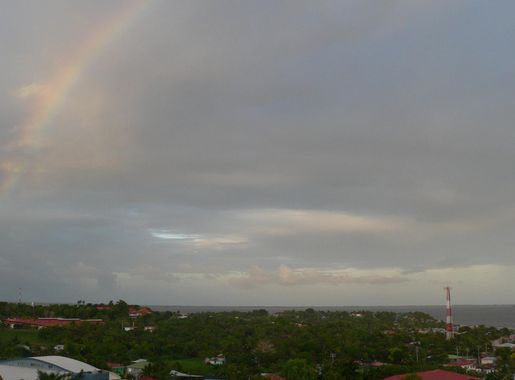
Unveiling the Mysteries of Nicaragua's Eastern Region
The Eastern Region of Nicaragua is a hidden gem waiting to be discovered by intrepid travelers. This area is known for its lush rainforests, pristine beaches, and vibrant Afro-Caribbean culture. The region is less developed than the western part of the country, offering a more authentic and off-the-beaten-path experience for visitors. One of the highlights of this region is the stunning Corn Islands, comprised of Big Corn Island and Little Corn Island. These tropical paradises boast crystal-clear waters, white sandy beaches, and incredible snorkeling opportunities. The islands are a haven for those seeking a tranquil escape from the hustle and bustle of everyday life. Additionally, the region is home to the vast Bosawás Biosphere Reserve, one of the largest rainforests in the Americas. This UNESCO World Heritage site is a biodiversity hotspot, teeming with exotic wildlife and rare plant species. Visitors to the Eastern Region can also immerse themselves in the rich cultural tapestry of the area. The city of Bluefields is the cultural heart of the region, where you can experience the unique blend of Nicaraguan and Afro-Caribbean influences. The local cuisine, music, and festivals are a testament to this vibrant cultural fusion. Whether you're exploring the colonial architecture or enjoying a plate of fresh seafood, the Eastern Region of Nicaragua offers a truly memorable experience.