

Free South Caribbean Coast Autonomous Region Travel Guide & Mobile App
Explore South Caribbean Coast Autonomous Region with free travel guides. Discover regional history, expert tips, proposed trips, and audio guides on web or mobile app.


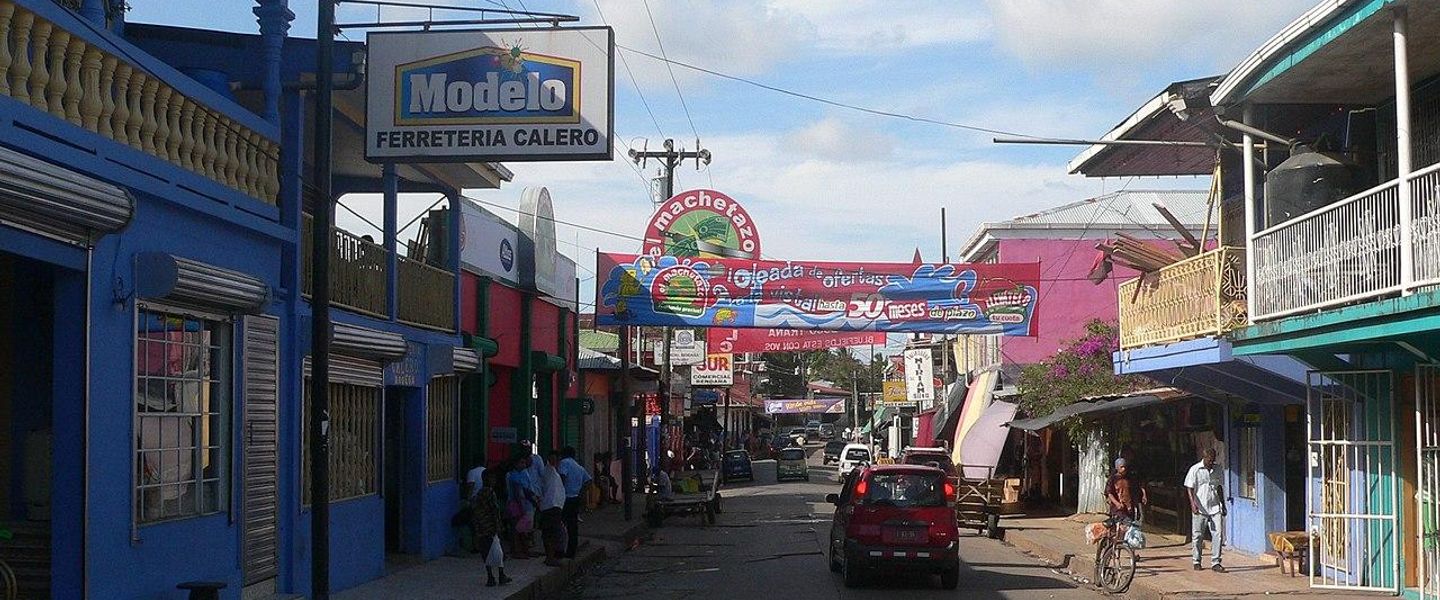


Explore Nicaragua’s South Caribbean Coast for Bluefields culture, lagoon journeys, coral islands, tropical forests and Creole-Caribbean cuisine.
Read more about South Caribbean Coast Autonomous Region
When is the best time to visit South Caribbean Coast Autonomous Region?
Best: January–March · 29–30°C| Month | High (°C) | Rainfall (mm) |
|---|---|---|
| January (best) | 29 | 120 |
| February (best) | 30 | 110 |
| March (best) | 30 | 105 |
| April | 31 | 140 |
| May | 31 | 200 |
| June | 31 | 240 |
| July | 31 | 230 |
| August | 31 | 240 |
| September | 31 | 250 |
| October | 30 | 260 |
| November | 30 | 220 |
| December | 29 | 170 |
Getting to and around South Caribbean Coast Autonomous Region
How to get there
Transportation
Top city travel guides in South Caribbean Coast Autonomous Region
The cities of South Caribbean Coast Autonomous Region, and the easiest places to base yourself.

Swipe for more cities
Destinations in South Caribbean Coast Autonomous Region
Resorts, valleys and scenic spots worth a trip of their own.
-

-

-

-


Swipe for more destinations
Best attractions in South Caribbean Coast Autonomous Region
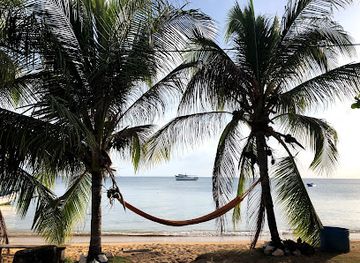
The South Caribbean Coast’s attractions are shaped by water and distance rather than by a dense chain of conventional sights. In Bluefields, visitors can explore the waterfront, markets, churches and cultural life before taking a boat across the lagoon or into the surrounding channels. Pearl Lagoon and its neighbouring communities offer quieter journeys through mangroves, forest-fringed waterways and fishing landscapes, with local guides providing the most meaningful access. The Corn Islands provide the region’s most developed leisure setting, with coral reefs, diving, snorkelling, fishing, beaches and short coastal walks; Little Corn Island is particularly suited to exploring on foot, while Big Corn Island offers more road-based movement. Inland and southward, humid forests and river systems support wildlife and conservation areas, including the difficult-to-access Indio Maíz Biological Reserve. Trips there require careful local planning rather than an improvised day excursion. The region also rewards visitors interested in living culture: Creole cooking, music, boatbuilding, religious communities and indigenous and Afro-Caribbean histories are central attractions in their own right. Expect fewer formal museums and large family attractions than in Nicaragua’s Pacific destinations, but a stronger emphasis on community-based experiences, marine environments and journeys through a sparsely connected tropical landscape.
-
Observatory
Mirador de Catarina
Experience stunning views of Lake Nicaragua and Mombacho Volcano at Mirador de Catarina, a top tourist attraction in Nicaragua.
-
Park
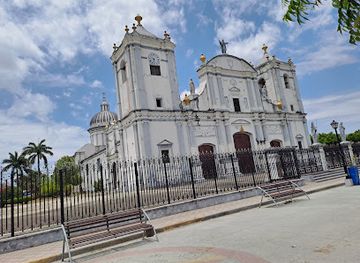
Ciudad de Rivas Central Park
Discover the beauty of Ciudad de Rivas Central Park, a vibrant oasis filled with art, history, and serene landscapes in the heart of Rivas.
-
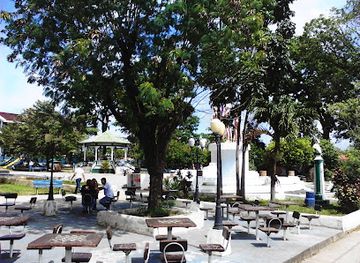
Central Park
Explore the lush beauty and vibrant culture of Central Park, a serene oasis in the heart of Bluefields, perfect for relaxation and local experiences.
-
Tourist attraction
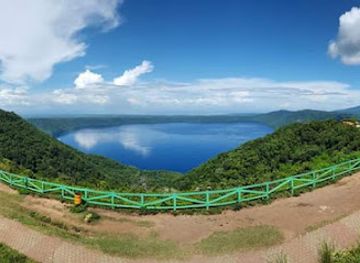
Mirador turístico Nandasmo
Experience breathtaking views of Lake Nicaragua at Mirador Turístico Nandasmo, a must-visit destination for nature lovers and photographers in Vista Alegre.

Best landmarks in South Caribbean Coast Autonomous Region
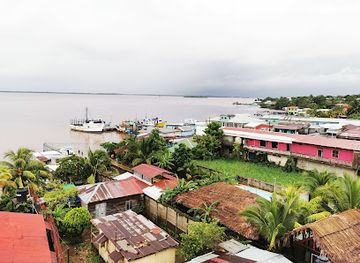
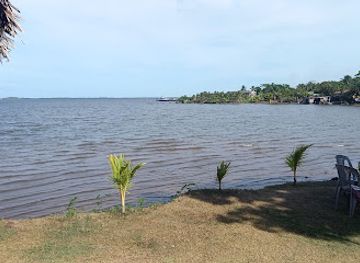
Bluefields Lagoon is the region’s defining geographical landmark, a broad body of water whose islands, channels and river connections explain the city’s history and continuing dependence on boats. In Bluefields itself, the historic waterfront, wooden buildings and churches provide visible reminders of its Creole, Caribbean and commercial past, although the town is better appreciated as a living urban landscape than as a preserved colonial centre. The Corn Islands’ coastlines and coral waters are natural landmarks of national importance to the region’s identity: Big Corn’s rugged shores and Little Corn’s compact tropical coastline frame communities shaped by fishing, diving and maritime travel. The Pearl Lagoon system is another major landscape landmark, combining open water, mangrove edges and forested channels around settlements with indigenous and Afro-Caribbean histories. Farther south, the forest and waterways associated with Indio Maíz represent one of the region’s most significant natural environments, though access is remote and controlled by local conditions. These places are important not because of monumental architecture, but because they express the South Caribbean Coast’s distinctive relationship between settlement, forest, lagoon and sea.
-
Hotel
Yemaya Reefs
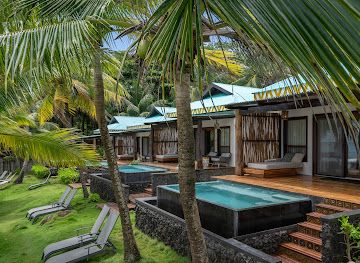
Experience the blend of luxury and nature at Yemaya Reefs, a boutique hotel and restaurant on Little Corn Island.
-
Restaurant
Tranquilo Cafe
Experience the laid-back vibes and fresh flavors at Tranquilo Cafe on Little Corn Island, a culinary gem in paradise.
-
Italian
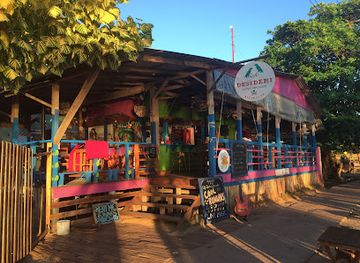
Café Desideri
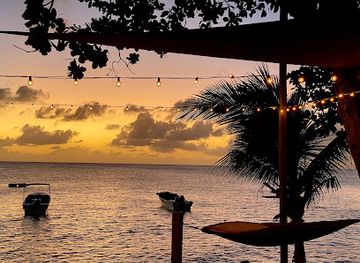
Discover the flavors of Italy at Café Desideri, a charming restaurant on Little Corn Island, blending culinary delight with stunning Caribbean views.
-
 Hotel
HotelLittle Corn Beach and Bungalow
Discover the idyllic retreat at Little Corn Beach and Bungalow, where luxury meets the serene beauty of Little Corn Island.
Explore South Caribbean Coast Autonomous Region on the map
Plan your trip on one map. See where the top cities, national parks and sights are, and book hotels and experiences in a few clicks.
Best hotels in South Caribbean Coast Autonomous Region
Best restaurants in South Caribbean Coast Autonomous Region
Dining on the South Caribbean Coast reflects its Caribbean setting, with coconut, plantain, cassava, rice, seafood and aromatic seasoning appearing across home cooking, simple eateries and restaurants. Rondón, a coconut-based stew prepared with seafood or meat, is one of the region’s best-known culinary traditions, while grilled fish, fried plantain and rice with beans are common coastal choices. Bluefields has the broadest range of cafés, casual restaurants and local food stalls, and its multicultural population gives meals a character distinct from Nicaragua’s Pacific cuisine. Pearl Lagoon and smaller communities offer a more limited but locally rooted selection, often dependent on the day’s catch. On the Corn Islands, restaurants serve seafood, Caribbean-influenced dishes and international fare for visitors, with availability varying by season and supply. Lobster is associated with the islands, but visitors should ask about legal seasons and responsible sourcing. Markets, family kitchens and small eateries are often better places to encounter everyday flavours than formal dining rooms; service can be relaxed, and menus may change with weather, fishing conditions and deliveries.
-
Restaurant
Pelican Bay
Experience delectable local cuisine at Pelican Bay, where breathtaking views meet vibrant flavors in Bluefields.
-
Italian
Café Desideri
Experience authentic Italian cuisine at Café Desideri on Little Corn Island, where every dish tells a story of flavor and warmth.
-
Nicaraguan
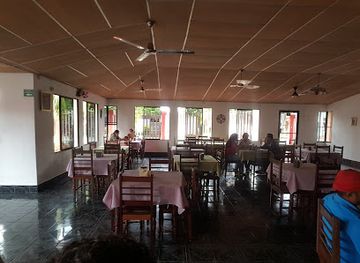
Restaurante El Expresso
Experience the true essence of Nicaraguan cuisine at Restaurante El Expresso in Rama - where tradition meets flavor!
-
Restaurant
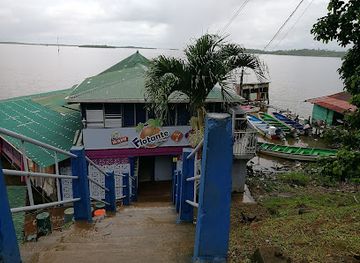
Flotante
Discover Flotante in Bluefields: A culinary gem blending local flavors with international cuisine in an inviting atmosphere.
Best bars in South Caribbean Coast Autonomous Region
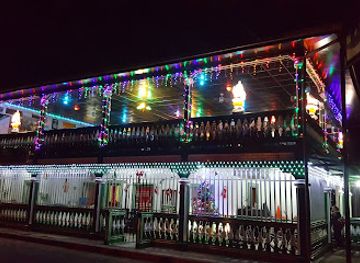
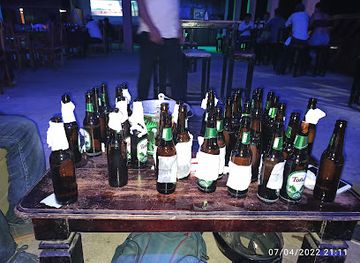
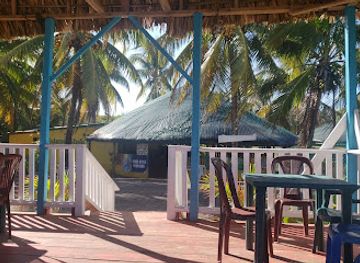
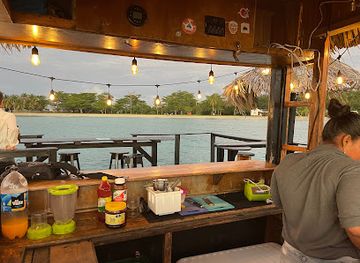
Evening life is concentrated in Bluefields and the Corn Islands, while the mainland’s smaller communities generally favour informal gatherings, family restaurants and local bars rather than a large club scene. Bluefields has a strong Caribbean social character, with music, dancing and waterfront drinking places reflecting Creole and wider coastal traditions; exact venues and opening patterns can change, so local advice is more reliable than a fixed nightlife list. Big Corn Island offers the region’s most visitor-oriented selection of bars and casual evening venues, while Little Corn Island has a compact, relaxed night-time scene centred on restaurants, small bars and occasional music rather than extensive clubbing. In Pearl Lagoon and rural settlements, evenings are quieter and may end early. Drink responsibly, keep valuables secure and arrange boat or island transport in advance, since services are limited after dark and sea travel should not be improvised at night.
-
Grill
Kingstown Ranch
Discover the authentic taste of local cuisine at Kingstown Ranch, a charming grill in the heart of Rama, perfect for tourists seeking flavorful dishes.
-
Grill
La Cueva Bar and Grill
Discover the vibrant tastes of Nicaragua at La Cueva Bar and Grill, where local cuisine and a lively atmosphere await.
-
Restaurant
Finca Nakili
Discover Finca Nakili - A Culinary Gem in Bluefields Offering Local and International Delights with Stunning Bay Views.
-
Bar
Island Style Beach Bar & Restaurant
Experience the essence of island life at Island Style Beach Bar & Restaurant with fresh seafood, tropical drinks, and stunning ocean views.
Best nightclubs in South Caribbean Coast Autonomous Region
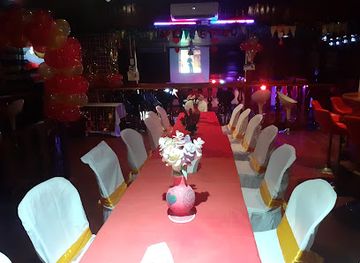
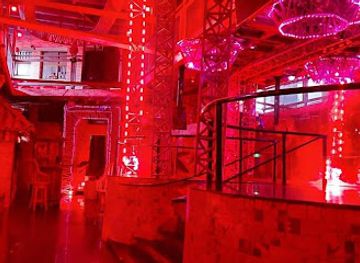
Evening life is concentrated in Bluefields and the Corn Islands, while the mainland’s smaller communities generally favour informal gatherings, family restaurants and local bars rather than a large club scene. Bluefields has a strong Caribbean social character, with music, dancing and waterfront drinking places reflecting Creole and wider coastal traditions; exact venues and opening patterns can change, so local advice is more reliable than a fixed nightlife list. Big Corn Island offers the region’s most visitor-oriented selection of bars and casual evening venues, while Little Corn Island has a compact, relaxed night-time scene centred on restaurants, small bars and occasional music rather than extensive clubbing. In Pearl Lagoon and rural settlements, evenings are quieter and may end early. Drink responsibly, keep valuables secure and arrange boat or island transport in advance, since services are limited after dark and sea travel should not be improvised at night.
-
Hotel
Encuentros Club - Granada
Experience the vibrant nightlife of Granada at Encuentros Club - a perfect blend of hotel, bar, and disco.
-
Bar
Bit Coin Island Bar
Unwind at Bit Coin Island Bar, where breathtaking views and refreshing drinks merge to create the ultimate tropical escape on Corn Islands.
-
Grill
Club Bar Pasarela
Experience the vibrant flavors of Bluefields at Club Bar Pasarela – your go-to grill and bar for authentic local cuisine and a lively atmosphere.
-
Night club
Night Club Fénix
Discover the pulsating nightlife at Night Club Fénix in Managua, where music, dancing, and fun come together for an unforgettable experience.
Best shops in South Caribbean Coast Autonomous Region
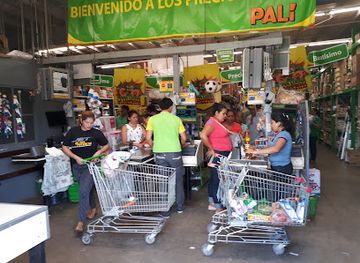
Shopping on the South Caribbean Coast is practical and locally oriented rather than centred on large retail districts. Bluefields has the region’s widest choice of markets, small shops and food stalls, where visitors can find fresh produce, seafood, basic travel supplies and everyday goods. Pearl Lagoon and smaller communities offer limited retail but are useful places to buy locally prepared food and support community businesses. On the Corn Islands, small shops and craft sellers cater to visitors with beachwear, handmade items, paintings, jewellery and souvenirs associated with the sea, although selection is modest and prices can reflect transport costs. Regional food products such as coconut-based preparations, spices, plantains and locally caught seafood are more meaningful purchases than generic imports, provided they can be carried safely and legally. Ask before photographing or buying indigenous or community-made crafts, and avoid products made from protected wildlife, coral or restricted shells. Cash is essential beyond the better-established hotels and restaurants, and bargaining should be restrained and courteous rather than assumed.
-
Supermarket
Palí Río Blanco
Explore authentic Nicaraguan flavors at Palí Río Blanco, the vibrant supermarket in Río Blanco filled with local produce and specialties.
-
Clothing store
Exclusividades Emi
Discover unique fashion at Exclusividades Emi in Río Blanco, where local styles and trendy clothing come together for an unforgettable shopping experience.
-
Clothing store
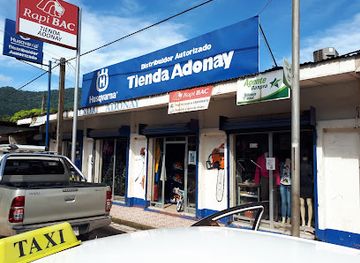
Tienda Adonay Meza
Explore Tienda Adonay Meza in Río Blanco for unique clothing, accessories, and local craftsmanship that embodies the spirit of Nicaragua.
-
Clothing store
El Oferton
Discover unique fashion pieces at El Oferton, a vibrant clothing store in Río Blanco, perfect for stylish souvenirs and local designs.
Get your free copy of our complete guide to South Caribbean Coast Autonomous Region, delivered straight to you.
Everything on this page, from attractions and restaurants to essentials and local phrases, in one PDF you can read offline, print or share.
Already have an account? Sign in
Your South Caribbean Coast Autonomous Region guide is ready.
We'll send it to · Not you? Sign out

Getting your guide ready…
We are putting together a fresh copy of the South Caribbean Coast Autonomous Region guide. This can take up to a minute.
This can take a few moments. If your browser asks, choose Allow so the download can start. You'll find the guide in your Downloads folder.
Nothing happened? Download it again
Sorry, the guide is taking longer than usual. Please try again in a minute, or get it by email instead.
South Caribbean Coast Autonomous Region essentials
Currency and Payment
Safety
Emergency Situations
Do's and Don'ts
Local Tips
From Eve
Local phrases worth knowing
You don't need to get them perfect. A few words go a long way, and locals appreciate the effort.
Basics
| English | Local | Say it |
|---|---|---|
| Hello | Bula | [boo-lah] |
| Goodbye | Adiós | [ah-dee-ohs] |
| Yes | Sí | [see] |
| No | No | [noh] |
| Please/You're welcome | Por favor | [por fah-vor] |
| Thank you | Gracias | [grah-see-as] |
| Excuse me/Sorry | Disculpe | [dis-kool-peh] |
| How are you? | ¿Cómo está? | [koh-moh es-tah] |
| Fine. And you? | Bien. ¿Y usted? | [byen. ee oos-tehd] |
| Do you speak English? | ¿Habla inglés? | [ah-blah een-glehs] |
| I don't understand | No entiendo | [noh en-tyen-doh] |
Eating & Drinking
| English | Local | Say it |
|---|---|---|
| I'd like to see the menu, please | Me gustaría ver el menú, por favor | [meh goos-tah-ree-ah vehr el meh-noo, por fah-vor] |
| I don't eat meat | No como carne | [noh koh-moh kar-neh] |
| Cheers! | Salud! | [sah-lood] |
| I would like to pay, please | Me gustaría pagar, por favor | [meh goos-tah-ree-ah pah-gar, por fah-vor] |
Emergencies
| English | Local | Say it |
|---|---|---|
| Help! | ¡Ayuda! | [ah-yoo-dah] |
| Go away! | ¡Vete! | [veh-teh] |
| Call the Police! | ¡Llama a la policía! | [yah-mah ah lah poh-lee-see-ah] |
| Call a doctor! | ¡Llama a un doctor! | [yah-mah ah oon dok-tor] |
| I'm lost | Estoy perdido | [es-toy pehr-dee-doh] |
| I'm ill | Estoy enfermo | [es-toy en-fehr-mo] |
Shopping
| English | Local | Say it |
|---|---|---|
| I'd like to buy... | Me gustaría comprar... | [meh goos-tah-ree-ah kom-prar] |
| I'm just looking | Solo estoy mirando | [so-lo es-toy mee-ran-do] |
| How much is it? | ¿Cuánto cuesta? | [kwan-to kwes-tah] |
| That's too expensive | Eso es demasiado caro | [eh-so es deh-mah-see-ah-doh kah-roh] |
| Can you lower the price? | ¿Puede bajar el precio? | [pweh-deh bah-har el preh-syo] |
Time & Numbers
| English | Local | Say it |
|---|---|---|
| What time is it? | ¿Qué hora es? | [keh oh-rah es] |
| It's one o'clock | Es la una | [es lah oo-nah] |
| Half past (10) | Diez y media | [dyehs ee meh-dee-ah] |
| Morning | Mañana | [mah-nyah-nah] |
| Afternoon | Tarde | [tar-deh] |
| Evening | Noche | [noh-cheh] |
| Yesterday | Ayer | [ah-yer] |
| Today | Hoy | [oy] |
| Tomorrow | Mañana | [mah-nyah-nah] |
| 1 | Uno | [oo-noh] |
| 2 | Dos | [dohs] |
| 3 | Tres | [tres] |
| 4 | Cuatro | [kwah-tro] |
| 5 | Cinco | [seen-koh] |
| 6 | Seis | [says] |
| 7 | Siete | [syeh-teh] |
| 8 | Ocho | [oh-choh] |
| 9 | Nueve | [nweh-beh] |
| 10 | Diez | [dyehs] |
Transport & Directions
| English | Local | Say it |
|---|---|---|
| Where's a/the...? | ¿Dónde está un/una...? | [dohn-deh es-tah oon/oo-nah] |
| What's the address? | ¿Cuál es la dirección? | [kwahl es lah dee-rek-syon] |
| Can you show me (on the map)? | ¿Me puede mostrar (en el mapa)? | [meh pweh-deh mos-trar en el mah-pah] |
| When's the next (bus)? | ¿Cuándo es el próximo (bus)? | [kwan-doh es el prohk-see-mo] |
| A ticket (to ....) | Un boleto (a ...) | [oon bo-leh-toh ah] |
History of South Caribbean Coast Autonomous Region
Indigenous societies before European rule
The southern Caribbean lowlands have long been home to indigenous peoples, including Rama and Miskito communities, whose economies and cultural systems developed around rivers, forests, lagoons and the sea. Their territories were not organised according to the colonial boundaries later imposed on Nicaragua. Fishing, hunting, horticulture, trade and detailed knowledge of waterways remain important parts of the region’s cultural inheritance. The survival of indigenous languages, place names and community institutions provides a living link with a history that predates both Spanish rule and the later growth of Bluefields.
The Mosquito Coast and British influence
Unlike much of western Nicaragua, the Caribbean coast developed under strong British influence from the seventeenth century onward. British traders and settlers formed relationships with Miskito rulers, and the Mosquito Coast became part of an Atlantic commercial world linked to Jamaica and other Caribbean ports. Spanish authority was limited for long periods, while English, African and indigenous influences shaped local society. The legacy is visible in the region’s English-based Creole, Protestant traditions, architecture, coastal trade and enduring cultural differences from Nicaragua’s Pacific side.
Bluefields and the rise of Caribbean commerce
Bluefields grew as a major regional port and administrative centre during the nineteenth century, benefiting from trade in timber, rubber, bananas and other tropical products. Its lagoon location connected inland rivers with the Caribbean Sea, while merchants and workers arrived from Nicaragua, the wider Caribbean and elsewhere. Commercial growth brought wealth to some sectors but also intensified foreign economic influence, labour inequality and pressure on indigenous lands and forests. The town’s multicultural population and waterfront character are lasting results of this period of Caribbean commerce.
Incorporation into Nicaragua
Nicaragua asserted fuller control over the Caribbean coast in the late nineteenth century, particularly after the incorporation of the Mosquito Reserve in 1894. The change brought new administrative structures and closer links to the national government, but it also generated resistance and complicated relations with indigenous and Creole communities. Spanish-speaking migration increased, while coastal peoples defended customary land, language and political rights. The region’s modern identity cannot be understood solely through national history; it reflects the tension between central government authority and long-established Caribbean forms of self-government.
Bananas, timber and changing coastal economies
During the late nineteenth and twentieth centuries, export industries shaped the lowlands through banana cultivation, logging, fishing and transport along rivers and lagoons. These activities connected remote settlements to international markets but also produced environmental pressure and recurring instability when companies, prices or transport networks changed. Roads remained sparse compared with Nicaragua’s Pacific corridor, leaving boats central to everyday movement. The present economy, which combines fishing, agriculture, commerce and tourism, still reflects the opportunities and environmental costs created by these earlier resource industries.
Autonomy and the Caribbean Coast today
The South Caribbean Coast Autonomous Region was established under Nicaragua’s 1987 autonomy framework, alongside the North Caribbean Coast Autonomous Region. Autonomy recognised the multi-ethnic character of the Caribbean territories and provided regional institutions intended to protect cultural, communal and political rights. Its implementation has remained complex, particularly around land, resource management and relations with the national state. For visitors, the most visible outcome is a region whose public life, languages and community identities differ markedly from those of Nicaragua’s Pacific and central highlands.
South Caribbean Coast Autonomous Region in Photos
Browse through our photo collection highlighting the charm and character of the destination.
Neighbouring regions of South Caribbean Coast Autonomous Region
The closest regions to South Caribbean Coast Autonomous Region, if you have time for more than one.
-

-

-
-

-


Swipe for more regions
Explore more
Explore more of Nicaragua
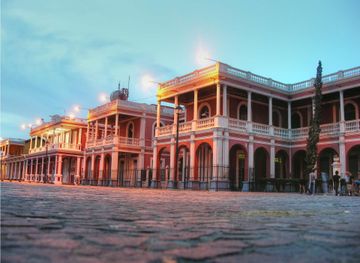
Discover Nicaragua: Explore breathtaking lakes, active volcanoes, colonial cities, and pristine beaches in a country rich with culture and adventure.
Explore Nicaragua