

Southern Region, Nicaragua Travel Guide
Explore the Southern Region of Nicaragua: A blend of pristine beaches, volcanic wonders, and rich cultural heritage awaits you in this captivating destination.
The Southern Region of Nicaragua is a hidden gem waiting to be discovered. Nestled between the Pacific Ocean and Lake Nicaragua, this area offers a blend of natural beauty, rich culture, and fascinating history. From the pristine beaches of San Juan del Sur to the volcanic wonders of Ometepe Island, there's something for everyone. San Juan del Sur is a charming coastal town known for its vibrant nightlife, delicious seafood, and stunning sunsets. It's a haven for surfers and beach lovers alike. The town also serves as a gateway to several secluded beaches such as Playa Maderas and Playa Hermosa, perfect for a day of relaxation or adventure. Ometepe Island, formed by two volcanoes rising from Lake Nicaragua, is a unique destination with a variety of activities. Hiking the Concepción or Maderas volcanoes offers breathtaking views and a sense of accomplishment. The island is also home to natural springs, petroglyphs, and a diverse range of wildlife. For those interested in culture and history, the city of Rivas is a must-visit. Its colonial architecture and bustling markets provide a glimpse into Nicaraguan life. Nearby, the town of Granada, one of the oldest cities in the Americas, boasts well-preserved Spanish colonial buildings and a rich cultural scene. Whether you're seeking adventure, relaxation, or cultural immersion, the Southern Region of Nicaragua promises an unforgettable experience.

Know before you go
Hi, I'm Eve. Here are a few practical things to know before exploring Southern Region.
- Visit during the dry season (November to April) for the best weather conditions.
- Consider renting a motorbike or scooter to explore Ometepe Island efficiently.
- Try the local dish 'Vigorón' in Granada for an authentic Nicaraguan culinary experience.
- Don't forget to pack insect repellent, especially if you plan to hike the volcanoes.
- Stay hydrated and bring plenty of water when exploring outdoor attractions.
Destinations in Southern Region
Resorts, valleys and scenic spots worth a trip of their own.


Explore Southern Region: Things to Do, Places to Eat, Hotels & More
Handpicked recommendations for top attractions, local dining, accommodations, and more

Top Attractions & Sightseeing in Southern Region
Top-rated picks
Best Attractions

Ortíz Gurdián Foundation Art Center
Explore the Ortíz Gurdián Foundation Art Center in León, a cultural gem showcasing contemporary art and diverse exhibitions from local and international artists.

Ruben Dario Registry Museum
Explore the Ruben Dario Registry Museum in León, where the legacy of Nicaragua's greatest poet comes to life through personal artifacts and historical insights.

Playa Gigante
Experience the serene beauty and vibrant surf culture of Playa Gigante, Nicaragua's hidden beach paradise offering relaxation and adventure.

Reserva Natural El Chocoyero y El Brujo
Explore the breathtaking Reserva Natural El Chocoyero y El Brujo, a nature preserve in Nicaragua with stunning waterfalls and diverse wildlife.

Best landmarks in Southern Region
Top-rated picks
Best Landmarks

Parque Central de Granada
Experience the beauty and culture of Parque Central de Granada, a lush city park filled with history, relaxation, and vibrant local life.

Zoológico Nacional de Nicaragua
Explore the rich wildlife of Nicaragua at the Zoológico Nacional de Nicaragua, a family-friendly attraction offering a unique glimpse into the country's natural heritage.

Parque Japón Nicaragua
Explore the serene beauty of Parque Japón Nicaragua, a lush park in Managua perfect for relaxation, family fun, and cultural immersion.

Cristo de La Misericordia
Discover the majestic Cristo de La Misericordia in San Juan del Sur, a serene attraction offering stunning views and a spiritual experience.

Best restaurants in Southern Region
Top-rated picks
Best Restaurants

Cocina de Doña Haydée
Savor authentic Nicaraguan flavors at Cocina de Doña Haydée, where tradition meets taste in every dish.

Pane e Vino
Experience the finest Italian cuisine in Managua at Pane e Vino – where tradition meets flavor in every bite.

El Tiscapa Los Ranchos # 2
Indulge in exquisite steaks with stunning lagoon views at El Tiscapa, Managua's premier dining destination.

Restaurante El Eskimo
Experience the best steaks in Managua at Restaurante El Eskimo - where flavor meets tradition in every bite.

Best bars in Southern Region
Top-rated picks
Best Bars

Iguana Bar
Discover Iguana Bar in San Juan del Sur: a lively restaurant and bar offering delicious food, refreshing drinks, and stunning ocean views.

Ron Kon Rolas
Discover the vibrant nightlife at Ron Kon Rolas, a premier bar and concert hall in Managua offering live music and a lively atmosphere.

Gecko's Bar
Experience the lively atmosphere and delicious drinks at Gecko's Bar, León's favorite spot for nightlife and social gatherings.

House Gastropub
Experience the vibrant flavors of Nicaragua at House Gastropub, where delightful tapas and a lively atmosphere come together.

Best nightclubs in Southern Region
Top-rated picks
Best Nightclubs

El Chaman
Discover the vibrant nightlife of El Chaman in Managua, where music, dance, and excitement converge for an unforgettable experience.

Lounge BB Club
Experience the vibrant nightlife of Managua at Lounge BB Club, featuring dancing, karaoke, and a delicious menu in an energetic atmosphere.

Level One
Level One in Granada: Dance the Night Away in a Lively Disco Club Atmosphere with Great Music and Vibrant Crowd.

El Ateneo de Nicaragua
Experience the lively ambiance of El Ateneo de Nicaragua, your go-to disco club for an unforgettable night out in Managua.

Best shops in Southern Region
Top-rated picks
Best Shops

Galerías Santo Domingo
Discover the perfect blend of shopping and entertainment at Galerías Santo Domingo, Managua's premier shopping mall and amusement center.

Plaza Inter
Discover the vibrant shopping hub of Plaza Inter in Managua, where fashion, food, and fun come together in a lively atmosphere.

Managua Comercial Center
Experience the bustling Managua Comercial Center, a diverse shopping destination blending local crafts and international brands in the heart of Nicaragua.

Plaza La Fe
Explore Plaza La Fe in Managua for a vibrant shopping experience filled with local charm and international brands.

Explore Southern Region on the Map
A handpicked selection of must-see spots in Southern Region, mapped for you.
Southern Region Essentials
-
The Southern Region of Nicaragua is accessible via Augusto C. Sandino International Airport in Managua, the capital city. From Managua, you can take a domestic flight to San Carlos, which is the gateway to the Solentiname Archipelago and other southern destinations. Alternatively, you can travel by bus or hire a private car for the journey south. The bus ride from Managua to San Carlos typically takes around 5-6 hours. If you prefer a more scenic route, consider taking a boat along the San Juan River.
-
Within the Southern Region, transportation options include buses, taxis, and boat services. Buses are the most economical means of travel and connect major towns and cities. Taxis are available in most urban areas and can be hired for day trips or longer journeys. In rural areas and along rivers, boats are a common mode of transport. For a more flexible and convenient option, renting a car is advisable, though be prepared for varying road conditions.
-
The official currency of Nicaragua is the Nicaraguan Córdoba (NIO). While credit cards are accepted in larger hotels, restaurants, and shops, it is advisable to carry cash, especially in remote areas and smaller establishments. ATMs are available in larger towns, but it's wise to withdraw sufficient cash before traveling to rural areas. US dollars are also widely accepted.
-
The Southern Region is generally safe for tourists, but it is important to take standard precautions. Avoid walking alone at night in unfamiliar areas, and do not display valuables in public. Areas such as San Carlos and the Solentiname Archipelago are considered safe, but be cautious in Bluefields and Puerto Cabezas due to higher crime rates targeting tourists. Always stay vigilant and be aware of your surroundings.
-
In case of an emergency, dial 118 for police assistance and 128 for medical emergencies. Major towns have police stations and medical facilities. It is recommended to have travel insurance that covers medical emergencies. For minor health issues, pharmacies are available in larger towns. Always carry a copy of your passport, emergency contact numbers, and any necessary medications.
-
Fashion: Do dress modestly, especially in rural areas and religious sites. Avoid wearing overly revealing clothing. Religion: Do respect local customs and traditions, especially when visiting churches. Public Transport: Do be courteous and offer your seat to elderly passengers. Don't eat or drink on public transport. Greetings: Do greet people with a handshake or a friendly nod. Avoid overly enthusiastic greetings. Eating & Drinking: Do try local dishes and accept food offerings graciously. Don't refuse hospitality, as it is considered impolite.
-
To experience the Southern Region like a local, visit the lively markets where you can buy fresh produce and handmade crafts. Engage with locals, who are often friendly and willing to share stories about their culture. Don't miss exploring the Solentiname Archipelago and the Los Guatuzos Wildlife Refuge for a unique natural experience. For an authentic taste of local cuisine, try the traditional dish 'Vigorón' and enjoy a cup of Nicaraguan coffee.
When is the best time to visit Southern Region?
Useful Local Phrases for Southern Region
You don't need to speak the language perfectly. Even learning a few simple words can make conversations warmer—and locals usually appreciate the effort.
— Eve

Here are the phrases I use most often in Southern Region. Try a few—you'll be surprised how far they go! 😊
❤️
-
- HelloHola
[O-la] - GoodbyeAdiós
[A-dee-os] - YesSí
[See] - NoNo
[No] - Please/You're welcomePor favor
[Por fa-vor] - Thank youGracias
[Gra-thias] - Excuse me/SorryDisculpe
[Dis-cool-pe] - How are you?¿Cómo estás?
[Co-mo es-tas] - Fine. And you?Bien. ¿Y tú?
[Bee-en. Ee tu] - Do you speak English?¿Hablas inglés?
[Ha-blas in-glez] - I don't understandNo entiendo
[No en-tyen-do]
- HelloHola
-
- I'd like to see the menu, pleaseMe gustaría ver el menú, por favor
[Me gus-ta-ree-a ver el me-nu, por fa-vor] - I don't eat meatNo como carne
[No co-mo car-ne] - Cheers!¡Salud!
[Sa-lud] - I would like to pay, pleaseMe gustaría pagar, por favor
[Me gus-ta-ree-a pa-gar, por fa-vor]
- I'd like to see the menu, pleaseMe gustaría ver el menú, por favor
-
- Help!¡Ayuda!
[A-yu-da] - Go away!¡Vete!
[Ve-te] - Call the Police!¡Llama a la policía!
[Ya-ma a la po-li-cia] - Call a doctor!¡Llama a un doctor!
[Ya-ma a un doc-tor] - I'm lostEstoy perdido
[Es-toy per-di-do] - I'm illEstoy enfermo/a
[Es-toy en-fer-mo/a]
- Help!¡Ayuda!
-
- I'd like to buy...Me gustaría comprar...
[Me gus-ta-ree-a com-prar] - I'm just lookingSolo estoy mirando
[So-lo es-toy mi-ran-do] - How much is it?¿Cuánto cuesta?
[Quan-to kwes-ta] - That's too expensiveEso es muy caro
[E-so es muy ca-ro] - Can you lower the price?¿Puedes bajar el precio?
[Pwe-des ba-har el pre-cio]
- I'd like to buy...Me gustaría comprar...
-
- What time is it?¿Qué hora es?
[Ke o-ra es] - It's one o'clockEs la una
[Es la u-na] - Half past (10)Y media (10)
[Ee me-dia (10)] - MorningMañana
[Ma-nya-na] - AfternoonTarde
[Tar-de] - EveningNoche
[No-che] - YesterdayAyer
[A-yer] - TodayHoy
[Oi] - TomorrowMañana
[Ma-nya-na] - 1Uno
[U-no] - 2Dos
[Dos] - 3Tres
[Tres] - 4Cuatro
[Cwa-tro] - 5Cinco
[Sin-co] - 6Seis
[Says] - 7Siete
[Sye-te] - 8Ocho
[O-cho] - 9Nueve
[Nwe-ve] - 10Diez
[Dyez]
- What time is it?¿Qué hora es?
-
- Where's a/the...?¿Dónde está un/una...?
[Don-de es-ta un/una] - What's the address?¿Cuál es la dirección?
[Kwal es la di-rec-ción] - Can you show me (on the map)?¿Puedes mostrarme (en el mapa)?
[Pwe-des mos-trar-me (en el ma-pa)] - When's the next (bus)?¿Cuándo viene el próximo (bus)?
[Quan-do vie-ne el pro-xi-mo] - A ticket (to ....)Un boleto (a ...)
[Un bo-le-to (a ...)]
- Where's a/the...?¿Dónde está un/una...?
History of Southern Region
-
The Southern Region of Nicaragua was inhabited by various indigenous groups long before the arrival of the Spanish. The Chorotega, an advanced Mesoamerican culture, were among the primary inhabitants. They established complex societies with unique art, architecture, and agricultural practices. Archaeological sites such as El Rivas provide a glimpse into the rich pre-Columbian history of this region.
-
In the early 16th century, the Spanish arrived in Nicaragua, led by conquerors like Gil González Dávila. The Southern Region, including the area around Lake Nicaragua, became a focal point of Spanish colonization. The town of Granada, founded in 1524 by Francisco Hernández de Córdoba, quickly grew into a significant colonial hub, renowned for its strategic location and beautiful Spanish colonial architecture.
-
Throughout the 17th century, the Southern Region, particularly Granada, faced numerous pirate attacks. Notable pirates like William Dampier and Henry Morgan targeted the area due to its wealth and strategic position. These invasions left their mark on the history of the region, leading to the construction of fortifications like the Fortaleza La Pólvora to protect against future attacks.
-
In the mid-19th century, American filibuster William Walker briefly took control of Nicaragua, including the Southern Region. Walker declared himself president and sought to Americanize the country. His regime was short-lived, ending in 1857 after a coalition of Central American armies defeated his forces. Walker's invasion remains a significant chapter in the region's turbulent history.
-
The late 19th and early 20th centuries saw the rise of coffee plantations in the Southern Region. The fertile volcanic soil and favorable climate made this area ideal for coffee cultivation. Plantations, like those in the highlands around Jinotepe and Diriamba, became economically vital, contributing significantly to the local and national economy and shaping the cultural landscape of the region.
-
In the late 20th century, the Southern Region played a role in the Sandinista revolution. The revolutionary movement, led by the Sandinista National Liberation Front (FSLN), sought to overthrow the Somoza dictatorship. The region witnessed numerous battles and acts of resistance, contributing to the eventual success of the revolution in 1979. This period profoundly impacted the social and political fabric of the area.
-
The Southern Region of Nicaragua is rich in cultural traditions and festivals. One of the most notable is the 'Hipica' in San Juan del Sur, a vibrant horse parade celebrating local equestrian culture. Additionally, religious festivals like the 'Fiestas Patrias' and 'La Purísima' reflect the region's deep-rooted Catholic traditions. These cultural events offer a window into the local customs and community spirit.
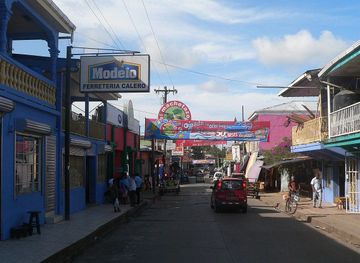
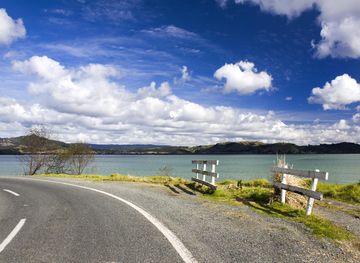
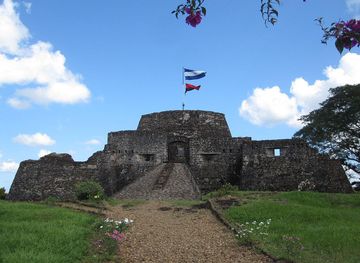
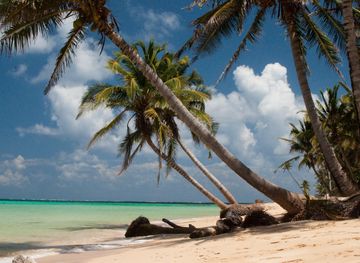
Neighbouring Regions of Southern Region
The closest regions to Southern Region, if you have time for more than one.


Your all‑in‑one travel companion app
Explore expert travel guides, compare and book tours, experiences, hotels, and more—all from the palm of your hand. Download now for seamless trip planning wherever your wanderlust takes you.


Explore More of Nicaragua
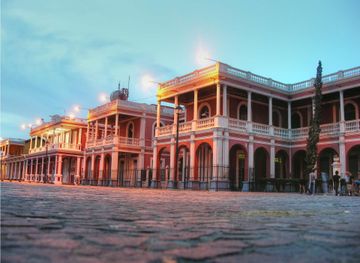
Looking beyond Southern Region? Discover Nicaragua for broader travel guides, local hot-spots, and regional highlights.
Explore NicaraguaSouthern Region in Photos
Browse through our photo collection highlighting the charm and character of the destination.


The Enchanting Southern Region of Nicaragua
The Southern Region of Nicaragua is a hidden gem waiting to be discovered. Nestled between the Pacific Ocean and Lake Nicaragua, this area offers a blend of natural beauty, rich culture, and fascinating history. From the pristine beaches of San Juan del Sur to the volcanic wonders of Ometepe Island, there's something for everyone. San Juan del Sur is a charming coastal town known for its vibrant nightlife, delicious seafood, and stunning sunsets. It's a haven for surfers and beach lovers alike. The town also serves as a gateway to several secluded beaches such as Playa Maderas and Playa Hermosa, perfect for a day of relaxation or adventure. Ometepe Island, formed by two volcanoes rising from Lake Nicaragua, is a unique destination with a variety of activities. Hiking the Concepción or Maderas volcanoes offers breathtaking views and a sense of accomplishment. The island is also home to natural springs, petroglyphs, and a diverse range of wildlife. For those interested in culture and history, the city of Rivas is a must-visit. Its colonial architecture and bustling markets provide a glimpse into Nicaraguan life. Nearby, the town of Granada, one of the oldest cities in the Americas, boasts well-preserved Spanish colonial buildings and a rich cultural scene. Whether you're seeking adventure, relaxation, or cultural immersion, the Southern Region of Nicaragua promises an unforgettable experience.