

Agadez Region, Niger Travel Guide
Discover the Agadez Region in Niger: A blend of ancient history, stunning desert landscapes, and vibrant Tuareg culture. Explore the heart of the Sahara like never before.
The Agadez Region in Niger is a captivating destination that offers a rich tapestry of culture, history, and natural beauty. Nestled on the edge of the Sahara Desert, this region is home to the ancient city of Agadez, a UNESCO World Heritage Site, renowned for its stunning adobe architecture and the iconic Grand Mosque of Agadez. Built in the 16th century, the mosque stands as a testament to the region's historical and religious significance. Beyond the city, the Agadez Region is a gateway to the majestic Aïr Mountains and the vast Ténéré Desert. These landscapes provide breathtaking views and opportunities for adventure, from trekking through rugged mountain trails to exploring the endless dunes of the desert. The vibrant Tuareg culture is another highlight, with local craftsmen producing exquisite silver jewelry and leather goods, and traditional music and dance performances that offer a glimpse into the region's rich heritage. Visitors to the Agadez Region will also find a warm and welcoming atmosphere, with friendly locals eager to share their customs and stories. Whether you're wandering through the bustling markets of Agadez, marveling at the ancient rock art in the surrounding areas, or simply soaking in the serene beauty of the Sahara, the Agadez Region promises an unforgettable experience for every traveler.

Know before you go
Hi, I'm Eve. Here are a few practical things to know before exploring Agadez Region.
- Visit the Grand Mosque of Agadez early in the morning to avoid the heat and crowds.
- Hire a local guide for trekking in the Aïr Mountains to ensure safety and to learn about the area's history and geology.
- Bring plenty of water and sun protection when exploring the Ténéré Desert.
- Experience a traditional Tuareg tea ceremony to immerse yourself in local culture.
- Purchase handmade crafts directly from local artisans to support the community and get authentic souvenirs.
Explore Agadez Region: Things to Do, Places to Eat, Hotels & More
Handpicked recommendations for top attractions, local dining, accommodations, and more

Top Attractions & Sightseeing in Agadez Region
Top-rated picks
Best Attractions

Traditional Wrestling Arena
Discover the vibrant culture and excitement of traditional wrestling in Agadez's historic arena, a must-see for every visitor to Niger.

Mosquée اغاديز المحمدية Agadez Niger
Discover the Agadez Mosque, a stunning example of Sahelian architecture, embodying the rich cultural heritage of Niger and the Tuareg people.

Agadez Historical mosque
Explore the Agadez Historical Mosque, a breathtaking architectural wonder and cultural icon of Niger's rich Tuareg heritage, steeped in history and spirituality.

Dari/Agadez
Explore the rich history and stunning architecture of Dari in Agadez, a must-see historical landmark that showcases Niger's cultural heritage.

Best landmarks in Agadez Region
Top-rated picks
Best Landmarks

Traditional Wrestling Arena
Discover the exhilarating world of traditional wrestling at Agadez Arena, where culture and community come together in electrifying matches.

Sahara Land
Experience the vibrant flavors of Niger at Sahara Land, Agadez's premier dining destination for locals and travelers alike.

NASSAROUA(AGADEZ)
Explore the vibrant Nassaroua Market in Agadez for an authentic experience of local culture, crafts, and culinary delights.
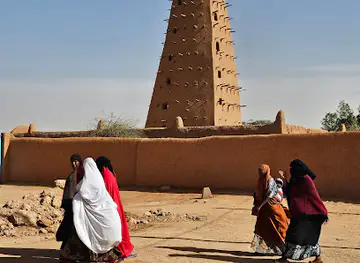
Grande Mosquée d'Agadez
Explore the Grande Mosquée d'Agadez, a UNESCO World Heritage site showcasing stunning Sahelian architecture and rich cultural heritage in Niger.

Best restaurants in Agadez Region
Top-rated picks
Best Restaurants

Sahara Land
Experience authentic Nigerien cuisine at Sahara Land in Agadez - where every meal is a celebration of flavor and culture.

OMBAETE RESTURANT
Discover the rich culinary heritage of Niger at Ombaete Restaurant in Agadez, where every dish tells a story.

Restaurant soudanais, cuisine populaire
Experience authentic Sudanese flavors at Restaurant Soudanais in Agadez, where every dish tells a story of culture and tradition.
Restaurant Hirondelle
Discover the flavors of Niger at Restaurant Hirondelle in Agadez – where tradition meets modern dining.

Best bars in Agadez Region
Top-rated picks
Best Bars
Auberge d'Azel
Experience the heart of Agadez at Auberge d'Azel, where comfort meets cultural exploration in a historic desert city.

Hotel Telwa Bungalow
Discover the charm of Agadez at Hotel Telwa Bungalow, where comfort meets cultural richness in the heart of Niger.

Sahara Land
Experience the rich flavors of Niger at Sahara Land, a must-visit restaurant in Agadez offering a delightful dining experience.
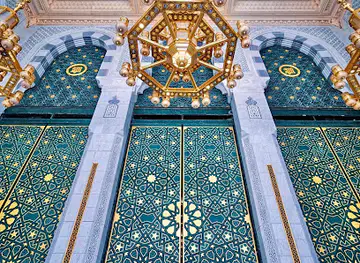
Cybercafé NTA
Discover Agadez's Cultural and Digital Hub at Cybercafé NTA - Where Local Flavors Meet Connectivity.

Best nightclubs in Agadez Region
Top-rated picks
Best Nightclubs

DISCOTEQUE STUDIO DE JAFAR
Discover Agadez's electrifying nightlife at Discotheque Studio de Jafar, where music, dance, and culture collide in a vibrant atmosphere.

18 Bar
Experience the vibrant atmosphere of Agadez at 18 Bar, a local hotspot for refreshing drinks and cultural connections.
Diamant Noir
Discover the pulse of Agadez's nightlife at Diamant Noir, a vibrant night club where music, dance, and local culture come alive.

Best shops in Agadez Region
Top-rated picks
Best Shops
Auberge d'Azel
Discover comfort and local charm at Auberge d'Azel, your perfect base for exploring the wonders of Agadez, Niger.

Hotel Telwa Bungalow
Discover the charm of Agadez at Hotel Telwa Bungalow, where comfort meets local culture in a tranquil setting.

Al-azeez Stores
Discover a world of flavors at Al-Azeez Stores, Kontagora’s go-to grocery store for fresh produce and local delights.

Boutique Anani
Explore the vibrant shopping scene at Boutique Anani, Agadez's premier destination for cultural crafts and modern retail delights.

Explore Agadez Region on the Map
A handpicked selection of must-see spots in Agadez Region, mapped for you.
Agadez Region Essentials
-
Agadez Region is located in the northern part of Niger. The nearest international airport is Mano Dayak International Airport (AJY) in Agadez. Flights to Agadez are limited and often connect through Niamey, the capital of Niger. From Niamey, you can take a domestic flight or a long-distance bus to Agadez. The bus journey can take up to 12 hours, so it's advisable to plan accordingly.
-
Within Agadez, transportation options include taxis, motorbikes, and car rentals. Taxis are a common and affordable means of getting around. For longer journeys within the region, 4x4 vehicles are recommended due to the rough terrain. Public buses and minibuses (bush taxis) can also be used for intercity travel, but they may not always adhere to a strict schedule.
-
The official currency in Niger is the West African CFA franc (XOF). Cash is the most common form of payment, especially in smaller establishments. Credit cards are accepted in some hotels and larger shops, but it's advisable to carry cash at all times. ATMs are available in Agadez, but they may not always be reliable, so withdrawing sufficient cash in Niamey is a good idea.
-
Agadez Region is generally safe for tourists, but it's important to exercise caution. Avoid traveling alone at night and be vigilant in busy areas. Some areas in the northern part of the region may have security concerns due to banditry and potential militant activities. Always stay updated on travel advisories and register with your embassy upon arrival. It's recommended to travel with a local guide who is familiar with the region.
-
In case of an emergency, dial 17 for police assistance and 15 for medical emergencies. The main hospital in Agadez is Centre Hospitalier Régional d'Agadez. For minor health issues, there are several pharmacies in the town. It's crucial to have travel insurance that covers medical emergencies. In more remote areas, medical facilities may be limited, so carrying a basic first-aid kit is advisable.
-
Fashion: Do dress modestly, especially in rural areas and when visiting religious sites. Avoid wearing revealing clothing. Religion: Do respect local customs and traditions. Always ask for permission before taking photos of people or religious sites. Public Transport: Do be polite and greet the driver. Don't be surprised if the transport schedules are flexible. Greetings: Do greet people with a handshake and a smile. It's customary to ask about someone's health and family. Eating & Drinking: Do try local dishes and accept food offerings graciously. Don't eat or drink in public during the daytime in the month of Ramadan.
-
To experience Agadez like a local, visit the local markets such as the Grand Marché, where you can buy traditional Tuareg crafts and jewelry. Engage with locals and learn about their rich cultural heritage. Take a guided tour to explore the historic Agadez Mosque, a UNESCO World Heritage Site, and the Sultan's Palace. Don't miss the opportunity to attend a traditional music performance or a camel race, which are unique experiences in the region.
When is the best time to visit Agadez Region?
Useful Local Phrases for Agadez Region
You don't need to speak the language perfectly. Even learning a few simple words can make conversations warmer—and locals usually appreciate the effort.
— Eve

Here are the phrases I use most often in Agadez Region. Try a few—you'll be surprised how far they go! 😊
❤️
-
- HelloSannu
[sah-noo] - GoodbyeSai
[sah-ee] - YesEh
[eh] - NoA'a
[ah-ah] - Please/You're welcomeDon Allah
[dawn ah-lah] - Thank youNagode
[nah-goh-day] - Excuse me/SorryYi hakuri
[yee hah-koh-ree] - How are you?Lafiya lau?
[lah-fee-yah lah-oo] - Fine. And you?Lafiya, kai fa?
[lah-fee-yah, kah-ee fah] - Do you speak English?Kana magana da turanci?
[kah-nah mah-gah-nah dah too-rahn-chee] - I don't understandBan gane ba
[bahn gah-neh bah]
- HelloSannu
-
- I'd like to see the menu, pleaseZan so ganin menu, don Allah
[zahn soh gah-neen meh-noo, dawn ah-lah] - I don't eat meatBan ci nama
[bahn chee nah-mah] - Cheers!A lafiya!
[ah lah-fee-yah] - I would like to pay, pleaseZan so in biya, don Allah
[zahn soh in bee-yah, dawn ah-lah]
- I'd like to see the menu, pleaseZan so ganin menu, don Allah
-
- Help!Taimako!
[tie-mah-koh] - Go away!Tafi!
[tah-fee] - Call the Police!Kira 'yan sanda!
[kee-rah 'yan sahn-dah] - Call a doctor!Kira likita!
[kee-rah lee-kee-tah] - I'm lostNa bata hanya
[nah bah-tah hahn-yah] - I'm illIna jin ciwo
[ee-nah jeen chee-woh]
- Help!Taimako!
-
- I'd like to buy...Zan so in sayi...
[zahn soh in sah-ee...] - I'm just lookingIna duba ne
[ee-nah doo-bah neh] - How much is it?Nawa ne?
[nah-wah neh] - That's too expensiveWannan yana da tsada
[wahn-nahn yah-nah dah tsah-dah] - Can you lower the price?Za ka iya rage farashi?
[zah kah ee-yah rah-geh fah-rah-shee]
- I'd like to buy...Zan so in sayi...
-
- What time is it?Wane lokaci ne?
[wah-neh loh-kah-chee neh] - It's one o'clockKadar ɗaya
[kah-dahr dah-yah] - Half past (10)Rabi bayan (10)
[rah-bee bah-yahn (ten)] - MorningSafiya
[sah-fee-yah] - AfternoonYamma
[yah-mah] - EveningYamma
[yah-mah] - YesterdayJiya
[jee-yah] - TodayYau
[yah-oo] - TomorrowGobe
[goh-beh] - 1Daya
[dah-yah] - 2Biyu
[bee-yoo] - 3Uku
[oo-koo] - 4Hudu
[hoo-doo] - 5Biyar
[bee-yahr] - 6Shida
[shee-dah] - 7Bakwai
[bah-kwhy] - 8Takwas
[tah-kwahs] - 9Tara
[tah-rah] - 10Goma
[goh-mah]
- What time is it?Wane lokaci ne?
-
- Where's a/the...?Ina ...?
[ee-nah ...?] - What's the address?Mece ce adireshin?
[meh-cheh cheh ah-dee-reh-sheen] - Can you show me (on the map)?Za ka iya nuna mini (a taswira)?
[zah kah ee-yah noo-nah mee-nee (ah tahs-weerah)?] - When's the next (bus)?Yaushe ne na gaba (bas)?
[yah-oo-sheh neh nah gah-bah (bus)?] - A ticket (to ....)Tikit (zuwa ...)
[tee-kit (zoo-wah ...)]
- Where's a/the...?Ina ...?
History of Agadez Region
-
Agadez, often referred to as the 'Gateway to the Desert,' was founded in the 14th century. It quickly became a key trading post and a crossroads for trans-Saharan trade routes. The city served as a meeting point for traders from all over West Africa, the Mediterranean, and the Middle East.
-
In the 15th century, Agadez became the capital of the Tuareg Sultanate of Aïr. The Tuareg people, known for their distinctive blue attire and nomadic lifestyle, established Agadez as a center of political power and cultural influence. The Sultanate played a crucial role in controlling trade routes and local politics.
-
Constructed in the 16th century, the Grand Mosque of Agadez is an iconic example of Sahelian architecture. Built from mudbrick, it features a towering minaret that has become a symbol of the city. The mosque remains a focal point of religious and community life in Agadez.
-
In the late 19th and early 20th centuries, Agadez and the surrounding region came under French colonial rule. The French influence brought changes in administration, infrastructure, and education. Despite this, local traditions and Tuareg culture remained resilient.
-
Niger gained independence from France in 1960, and Agadez became part of the new nation. The city has since grown as a cultural and economic hub. Efforts to preserve its unique heritage continue, even as modern challenges such as desertification and political instability impact the region.
-
Agadez is renowned for its vibrant cultural festivals, such as the Cure Salée and the Festival of the Nomads. These events celebrate the rich traditions of the Tuareg people, featuring music, dance, camel races, and artisan crafts. They offer a glimpse into the enduring cultural heritage of the region.
-
For centuries, Agadez has been a vital link in the trans-Saharan trade network. Caravans carrying salt, gold, spices, and other goods passed through the city, facilitating economic exchanges between sub-Saharan Africa and the Mediterranean world. This trade network significantly influenced the development and prosperity of Agadez.
Neighbouring Regions of Agadez Region
The closest regions to Agadez Region, if you have time for more than one.



Your all‑in‑one travel companion app
Explore expert travel guides, compare and book tours, experiences, hotels, and more—all from the palm of your hand. Download now for seamless trip planning wherever your wanderlust takes you.


Explore More of Niger

Looking beyond Agadez Region? Discover Niger for broader travel guides, local hot-spots, and regional highlights.
Explore NigerAgadez Region in Photos
Browse through our photo collection highlighting the charm and character of the destination.


Agadez Region: The Jewel of Niger's Sahara
The Agadez Region in Niger is a captivating destination that offers a rich tapestry of culture, history, and natural beauty. Nestled on the edge of the Sahara Desert, this region is home to the ancient city of Agadez, a UNESCO World Heritage Site, renowned for its stunning adobe architecture and the iconic Grand Mosque of Agadez. Built in the 16th century, the mosque stands as a testament to the region's historical and religious significance. Beyond the city, the Agadez Region is a gateway to the majestic Aïr Mountains and the vast Ténéré Desert. These landscapes provide breathtaking views and opportunities for adventure, from trekking through rugged mountain trails to exploring the endless dunes of the desert. The vibrant Tuareg culture is another highlight, with local craftsmen producing exquisite silver jewelry and leather goods, and traditional music and dance performances that offer a glimpse into the region's rich heritage. Visitors to the Agadez Region will also find a warm and welcoming atmosphere, with friendly locals eager to share their customs and stories. Whether you're wandering through the bustling markets of Agadez, marveling at the ancient rock art in the surrounding areas, or simply soaking in the serene beauty of the Sahara, the Agadez Region promises an unforgettable experience for every traveler.