

Awhum Waterfall Travel Guide - Free Web & App
Your ultimate guide to Awhum Waterfall. Discover top landmarks, proposed trips, and local tips. Free on the web or via the Evendo companion app.


Awhum Waterfall in Nigeria offers a forested cascade, warm spring, monastery and rural scenery near Enugu, with walking, photography and quiet reflection.
Water, Forest and Stone
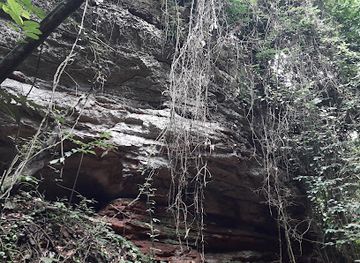
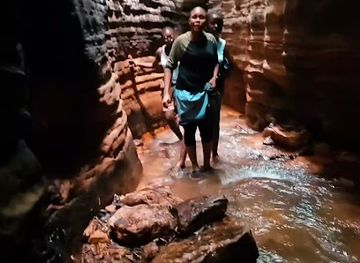
Awhum Waterfall is a compact natural attraction in Awhum community, within Udi Local Government Area of Enugu State in south-eastern Nigeria. The waterfall descends through a green, humid landscape of rock, trees and dense vegetation, while a warm spring associated with the site adds to its distinctive character. Water gathers and flows over a rocky ledge near a cave-like formation, creating a setting that feels markedly different from the surrounding roads and farmland. Conditions vary with rainfall, and the appearance and force of the cascade are often most impressive during the wetter months.Read more about Awhum Waterfall
A Sacred Landscape
Gateway from Enugu
When is the best time to visit Awhum Waterfall?
Best: December–January · 30°C| Month | High (°C) | Rainfall (mm) |
|---|---|---|
| January (best) | 30 | 25 |
| February | 31 | 26 |
| March | 31 | 27 |
| April | 31 | 27 |
| May | 31 | 28 |
| June | 31 | 29 |
| July (best) | 30 | 30 |
| August | 30 | 30 |
| September | 30 | 30 |
| October | 31 | 29 |
| November | 31 | 28 |
| December (best) | 30 | 27 |
Getting to and around Awhum Waterfall
How to get there
Transportation
Best attractions in Awhum Waterfall
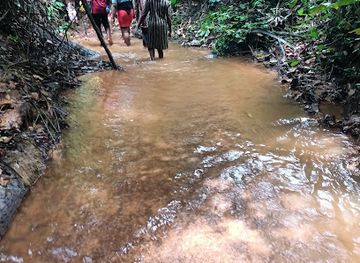
The central attraction is Awhum Waterfall, where water drops over a rocky ledge amid lush vegetation and flows through a shaded natural setting associated with a warm spring and cave-like rock formation. The surrounding paths and forested slopes provide opportunities for photography, quiet walks and observation of the changing landscape, although the terrain can be uneven and wet. The nearby Awhum Trappist Monastery adds a spiritual dimension, with visitors expected to respect its religious character and any access guidance. The rural journey through Awhum community and the surrounding Udi landscape is part of the experience, revealing farmland, village life and green hills rather than a developed resort environment. Enugu, outside the immediate waterfall site, is the main gateway for museums, restaurants, accommodation and transport, while the waterfall itself remains a small-scale natural and cultural destination whose appeal lies in the relationship between water, forest, rock and monastic surroundings.
-
Tourist attraction
Entrance To Ohum Waterfall And Monastry
Experience the serene beauty of Ohum Waterfall and Monastery, a hidden gem in Enugu, Nigeria, blending nature with spirituality.
-
Monastery
Awhum O.L. of Mount Calvary Monastery
Experience peace and spirituality at Awhum O.L. of Mount Calvary Monastery, a serene retreat with lush landscapes and a stunning waterfall.
-
Tourist attraction
Awhum Enugu State
Experience the breathtaking beauty of Awhum in Enugu State, Nigeria, where stunning waterfalls and lush surroundings create a serene escape into nature.
Best landmarks in Awhum Waterfall
Awhum Waterfall is the defining natural landmark, its flowing water descending through rock and vegetation in a setting that also includes a warm spring and a cave-like formation. The relationship between the spring, cascade and shaded forest gives the site its geographical identity, while seasonal rainfall influences the volume and appearance of the water. The Awhum Trappist Monastery is the principal human landmark nearby and is significant because it has shaped the area’s religious character and visitor etiquette. The waterfall should therefore be understood as part of a sacred rural landscape rather than an isolated geological curiosity. Awhum community and the surrounding Udi countryside provide the wider cultural context, but major urban landmarks and museums are found in Enugu rather than at the waterfall itself.
-
Tourist attraction
Entrance To Ohum Waterfall And Monastry
Explore the serene Ohum Waterfall and Monastery, a tranquil retreat in Enugu, Nigeria, perfect for relaxation and spiritual reflection.
-
Monastery
Awhum O.L. of Mount Calvary Monastery
Discover tranquility at Awhum O.L. of Mount Calvary Monastery, a serene retreat in Enugu, Nigeria, featuring stunning landscapes and spiritual reflection.
-
Tourist attraction
Awhum Enugu State
Experience the breathtaking beauty and spiritual tranquility of Awhum in Enugu State, Nigeria, where nature and culture harmoniously unite.
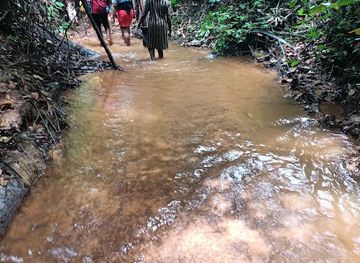
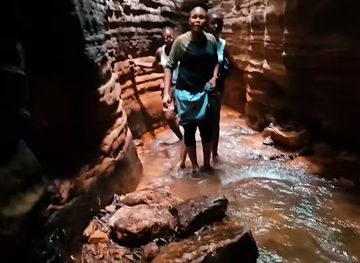
Explore Awhum Waterfall on the map
Plan your trip on one map. See where the top attractions, landmarks, restaurants and hotels are, and book hotels and experiences in a few clicks.
Best hotels in Awhum Waterfall
Best restaurants in Awhum Waterfall
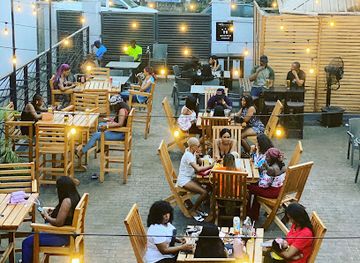
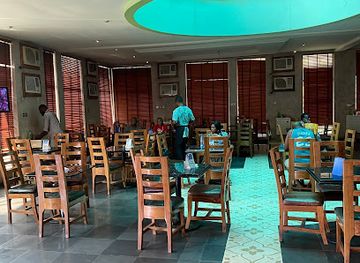
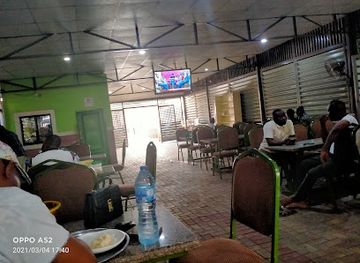
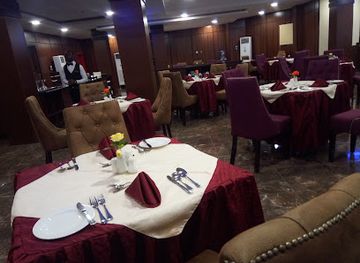
Awhum Waterfall has limited on-site dining infrastructure, so visitors should not expect a choice of restaurants beside the cascade. The practical approach is to eat before leaving Enugu, carry suitable food and water, or buy simple provisions in settlements along the route where available. Enugu provides the broadest range of Nigerian and international dining, while rural communities around Awhum may offer informal food sellers, small shops or locally prepared meals rather than formal tourist restaurants. Regional food commonly reflects the cooking traditions of south-eastern Nigeria, including dishes based on yam, cassava, rice, plantain, beans, vegetables and soups, though the exact offer varies by place and day. Ask locally about ingredients and preparation, and avoid leaving food waste in the monastery or waterfall surroundings.
-
Restaurant
Rewind Luxury Place
Discover the vibrant culinary scene at Rewind Luxury Place in Enugu - where grilled delights meet refreshing drinks in an inviting atmosphere.
-
Restaurant
Dolphin Restaurant
Discover exquisite breakfast dishes at Dolphin Restaurant in Enugu—where culinary excellence meets vibrant dining.
-
Fast Food
Open Sharaton
Discover delicious fast food at Open Sharaton in Enugu - where local flavors meet international tastes in a vibrant setting.
-
Restaurant
Emily Restaurant
Discover Emily Restaurant in Ogui, Enugu – where delicious breakfasts meet warm hospitality in Nigeria's vibrant culinary scene.
Best nightclubs in Awhum Waterfall
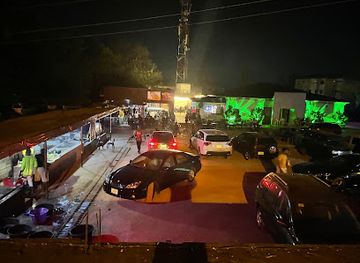
Awhum Waterfall is not a nightlife destination, and the monastery and natural setting favour quiet daytime visits rather than bars, clubs or late entertainment. Evening options within Awhum are likely to be limited, with hospitality centred on local community life and accommodation arrangements rather than a formal entertainment district. Visitors seeking restaurants, licensed bars, live music or a wider choice of evening venues should return to Enugu, outside the waterfall’s immediate rural setting. Because roads and transport connections are less dependable after dark, it is sensible to organise the return journey or overnight base before visiting. Any gathering near the waterfall should remain quiet, respectful and consistent with monastery guidance and the character of the site.
-
Grill
BLD Lounge/Bar
Discover the lively BLD Lounge/Bar in Enugu, where great food meets vibrant nightlife, perfect for an unforgettable evening.
-
Lounge
Breezzz Bar & Lounge
Experience the vibrant nightlife at Breezzz Bar & Lounge in Enugu, where great drinks and karaoke nights await you.
-
Bar
Voodoo Lounge
Experience the vibrant nightlife of Enugu at Voodoo Lounge, where local culture meets lively entertainment and exquisite cocktails.
-
Night club
BALLROOM
Discover the energetic nightlife of Enugu at BALLROOM, where great music and vibrant crowds create an unforgettable experience.


Best shops in Awhum Waterfall
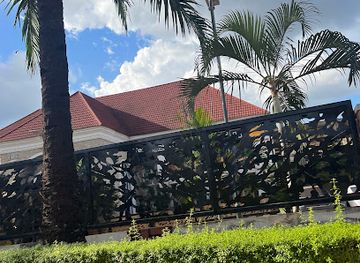
Shopping at Awhum Waterfall is limited and should not be confused with the retail facilities available in Enugu. Visitors may find basic provisions in nearby communities, but a permanent craft market, extensive souvenir trade or shopping district should not be assumed. Enugu is the more reliable place to buy food, drinks, travel essentials, outdoor items and locally made goods before or after the excursion. Regional products may include farm produce and handmade items associated with south-eastern Nigerian communities, although selection varies between individual sellers and settlements. Purchase respectfully from local traders when suitable, ask permission before photographing products or people, and avoid removing stones, plants or other natural material from the waterfall site as souvenirs.
-
Tourist attraction
Entrance To Ohum Waterfall And Monastry
Explore the breathtaking beauty of Ohum Waterfall and Monastery, a tranquil escape in Enugu, Nigeria, perfect for relaxation and reflection.
-
Monastery
Awhum O.L. of Mount Calvary Monastery
Experience spiritual tranquility at Awhum O.L. of Mount Calvary Monastery, a serene escape in Enugu, Nigeria, with breathtaking natural beauty.
-
Tourist attraction
Awhum Enugu State
Explore the enchanting Awhum Enugu State, a captivating blend of natural beauty and spiritual serenity in Nigeria.
Get your free copy of our complete guide to Awhum Waterfall, delivered straight to you.
Everything on this page, from attractions and restaurants to essentials and local phrases, in one PDF you can read offline, print or share.
Already have an account? Sign in
Your Awhum Waterfall guide is ready.
We'll send it to · Not you? Sign out

Getting your guide ready…
We are putting together a fresh copy of the Awhum Waterfall guide. This can take up to a minute.
This can take a few moments. If your browser asks, choose Allow so the download can start. You'll find the guide in your Downloads folder.
Nothing happened? Download it again
Sorry, the guide is taking longer than usual. Please try again in a minute, or get it by email instead.
Awhum Waterfall essentials
Currency and Payment
Safety
Emergency Situations
Do's and Don'ts
Local Tips
From Eve
Local phrases worth knowing
You don't need to get them perfect. A few words go a long way, and locals appreciate the effort.
Basics
| English | Local | Say it |
|---|---|---|
| Hello | Kedu | [kay-doo] |
| Goodbye | Kachifo | [ka-chee-fo] |
| Yes | Ee | [ee] |
| No | Mba | [um-bah] |
| Please/You're welcome | Biko | [bee-koh] |
| Thank you | Daalu | [dah-loo] |
| Excuse me/Sorry | Kedu | [kay-doo] |
| How are you? | Kedu ka ị mere? | [kay-doo ka ee-meh-reh] |
| Fine. And you? | Ọ dị mma. Ka ị mere? | [oh dee mah. ka ee-meh-reh] |
| Do you speak English? | Ị na-akọọ Bekee? | [ee nah-ah-kor beh-keh] |
| I don't understand | Aghotara m | [ah-go-tah-rah m] |
Eating & Drinking
| English | Local | Say it |
|---|---|---|
| I'd like to see the menu, please | A ga-enye m ihe menu, biko | [ah gah-ehn-yeh m ee-heh meh-noo, bee-koh] |
| I don't eat meat | A ghotu akị nti | [ah goh-too ah-kee ntee] |
| Cheers! | Ndeewo! | [n-day-woh] |
| I would like to pay, please | A ga-eme m ego, biko | [ah gah-eh-meh m eh-goh, bee-koh] |
Emergencies
| English | Local | Say it |
|---|---|---|
| Help! | Ọdịnaya! | [oh-dee-nah-yah] |
| Go away! | Gwaa n'aka! | [g-wah nah-kah] |
| Call the Police! | Kpọọ ụlo ịkwụ ọchịchị! | [kpoh-oh oo-loh ee-kwoo oh-chee-chee] |
| Call a doctor! | Kpọọ doctor! | [kpoh-oh doh-ktoh] |
| I'm lost | A gharachara | [ah gha-rah-cha-rah] |
| I'm ill | A na-achụ | [ah nah-ah-choo] |
Shopping
| English | Local | Say it |
|---|---|---|
| I'd like to buy... | A ga-ebi... | [ah gah-eh-bee...] |
| I'm just looking | A na-akpọ | [ah nah-ah-kpoh] |
| How much is it? | Ozi gị bụ otu nari? | [oh-zee gee boo oh-too nah-ree] |
| That's too expensive | Ọ bụrụ na bụ mma | [oh boo-roo nah boo-mah] |
| Can you lower the price? | Ka ị nweghị ike ịme ike otu? | [kah ee nweh-ghee ee-keh ee-meh ee-keh oh-too] |
Time & Numbers
| English | Local | Say it |
|---|---|---|
| What time is it? | Kedụ bụ usoro? | [kay-doo boo oo-soh-roh] |
| It's one o'clock | Ọ bụ otu | [oh boo oh-too] |
| Half past (10) | Nti nke (iri) | [ntee n-kay ee-ree] |
| Morning | Ututu | [oo-too-too] |
| Afternoon | Ehihie | [eh-hee-heh] |
| Evening | Mgbe | [mg-beh] |
| Yesterday | N'ụbọchị | [n-oo-boh-chee] |
| Today | Taa | [tah] |
| Tomorrow | Ọzọ | [oh-zoh] |
| 1 | Otu | [oh-too] |
| 2 | Abụọ | [ah-boo-oh] |
| 3 | Atọ | [ah-toh] |
| 4 | Anọ | [ah-noh] |
| 5 | Ise | [ee-seh] |
| 6 | Isii | [ee-see-ee] |
| 7 | Asaa | [ah-sah-ah] |
| 8 | Asato | [ah-sah-toh] |
| 9 | Itea | [ee-teh-ah] |
| 10 | Iri | [ee-ree] |
Transport & Directions
| English | Local | Say it |
|---|---|---|
| Where's a/the...? | Ebee ka... | [eh-beh kah...] |
| What's the address? | Kedu adreesị? | [kay-doo ah-dree-see] |
| Can you show me (on the map)? | Ka ị nwere m ike (na mepụ)? | [kah ee nweh-reh m ee-keh (nah meh-poo)] |
| When's the next (bus)? | Ọ bụrụ na ebe ndị ọzọ bụ... | [oh boo-roo nah eh-beh ndee oh-zoh boo] |
| A ticket (to ....) | Ọtụtọ (gaa ...) | [oh-too-toh gah] |
History of Awhum Waterfall
A Landscape Shaped by Water
Awhum Waterfall is part of the hilly, humid landscape of south-eastern Nigeria, where seasonal rainfall feeds streams that cut through weathered rock and forest vegetation. The waterfall and its associated warm spring are natural features rather than monuments created by human activity. Their present appearance reflects the continuing movement of water through the local terrain, with flow levels and the character of the surrounding vegetation changing during the wet and dry seasons. The geological detail of the site is less extensively documented for visitors than its religious and local significance, so the waterfall is best understood through its visible relationship between spring, rock, forest and stream.
Awhum Community and Rural Land Use
The waterfall lies within the cultural landscape of Awhum, a rural community in what is now Udi Local Government Area of Enugu State. Like many settlements in the region, Awhum has developed alongside farming, local roads and community networks rather than as a purpose-built tourism centre. The surrounding countryside remains important to ordinary patterns of work and movement, while the attraction has become a recognised place for visitors from Enugu and neighbouring parts of south-eastern Nigeria. Its history is therefore closely tied to local stewardship and custom, even though a detailed written chronology of the waterfall itself is not widely available.
The Monastery and Sacred Association
Awhum Waterfall is closely linked with the Catholic monastic presence at Awhum. The monastery has given the natural site a religious dimension, drawing people who combine an excursion with prayer, retreat or quiet reflection. The association also helps explain why the area should not be treated simply as a recreational swimming spot or an unrestricted picnic ground. Visitors enter a landscape in which spiritual practice, local community life and the natural environment overlap. Monastic rules and local guidance may determine which areas can be visited, photographed or used for recreation.
Emergence as a Visitor Attraction
In recent decades, Awhum Waterfall has become increasingly known as a scenic destination from Enugu and elsewhere in Nigeria, helped by photography, social media and regional travel. Its appeal rests on the combination of a waterfall, warm spring, forested surroundings and monastery within one relatively compact setting. Tourism remains modest in scale, with limited infrastructure compared with established Nigerian resorts or major national parks. This makes responsible visitation particularly important: waste, noise, careless access and damage to vegetation can affect a small and sensitive site whose value depends on both its natural condition and its sacred character.
Awhum Waterfall in Photos
Browse through our photo collection highlighting the charm and character of the destination.
Cities in Awhum Waterfall
The towns and cities of Awhum Waterfall, and the easiest places to base yourself.

Swipe for more cities
Neighbouring destination travel guides
The closest destinations to Awhum Waterfall, if you have time for more than one.
-

-

-

-

-


Swipe for more destinations
Explore more

Explore more of Igbo
Explore Igbo Nigeria through archaeological treasures, market towns, forested landscapes, Civil War history, distinctive food and living cultural traditions.
Explore Igbo
Explore more of Nigeria
Discover Nigeria: A Land of Vibrant Cultures, Stunning Landscapes, and Rich History in the Heart of Africa.
Explore Nigeria