

Free Ibibio Travel Guide & Mobile App
Explore Ibibio with free travel guides. Discover regional history, expert tips, proposed trips, and audio guides on web or mobile app.




Explore Ibibio culture in Nigeria through Uyo, rainforest landscapes, local cuisine, markets, craft traditions and welcoming south-eastern travel routes.
Read more about Ibibio
When is the best time to visit Ibibio?
Best: December–February · 31°C| Month | High (°C) | Rainfall (mm) |
|---|---|---|
| January (best) | 31 | 30 |
| February (best) | 31 | 35 |
| March | 32 | 70 |
| April | 32 | 100 |
| May | 31 | 140 |
| June | 31 | 170 |
| July | 30 | 150 |
| August | 31 | 140 |
| September | 31 | 190 |
| October | 31 | 220 |
| November | 31 | 70 |
| December (best) | 31 | 40 |
Getting to and around Ibibio
How to get there
Transportation
Top city travel guides in Ibibio
The cities of Ibibio, and the easiest places to base yourself.
-

-

-


Swipe for more cities
Best attractions in Ibibio
The strongest attraction in the Ibibio region is its cultural and environmental setting rather than a single concentration of monumental sights. Uyo provides an accessible introduction through public spaces, museums and cultural venues, including the National Museum of Colonial History, which places local and Nigerian history in a wider context. The city is also the base for exploring surrounding settlements, markets and community traditions. Beyond Uyo, roads pass through palm-growing districts, farmland and rainforest landscapes, with opportunities for visitors to observe everyday commerce and craft production when accompanied by a knowledgeable local contact. Akwa Ibom's wider territory includes riverine and coastal environments, but these can lie beyond the core Ibibio heartland and should be planned as separate excursions. Local food experiences, church and mission heritage, contemporary Nigerian music and community festivals may be more rewarding than hurried sightseeing. Outdoor activities should be arranged carefully because paths, waterways and rural facilities are not consistently signposted or maintained for international tourism.
-
Museum
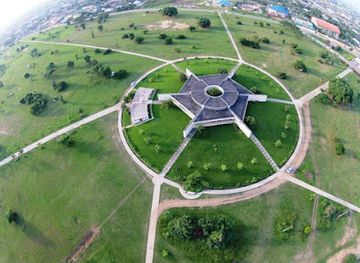
Igbo-Ukwu Museum
Discover the rich heritage of the Igbo people at the Igbo-Ukwu Museum, where ancient artifacts come to life in Anambra, Nigeria.
-
Tourist attraction
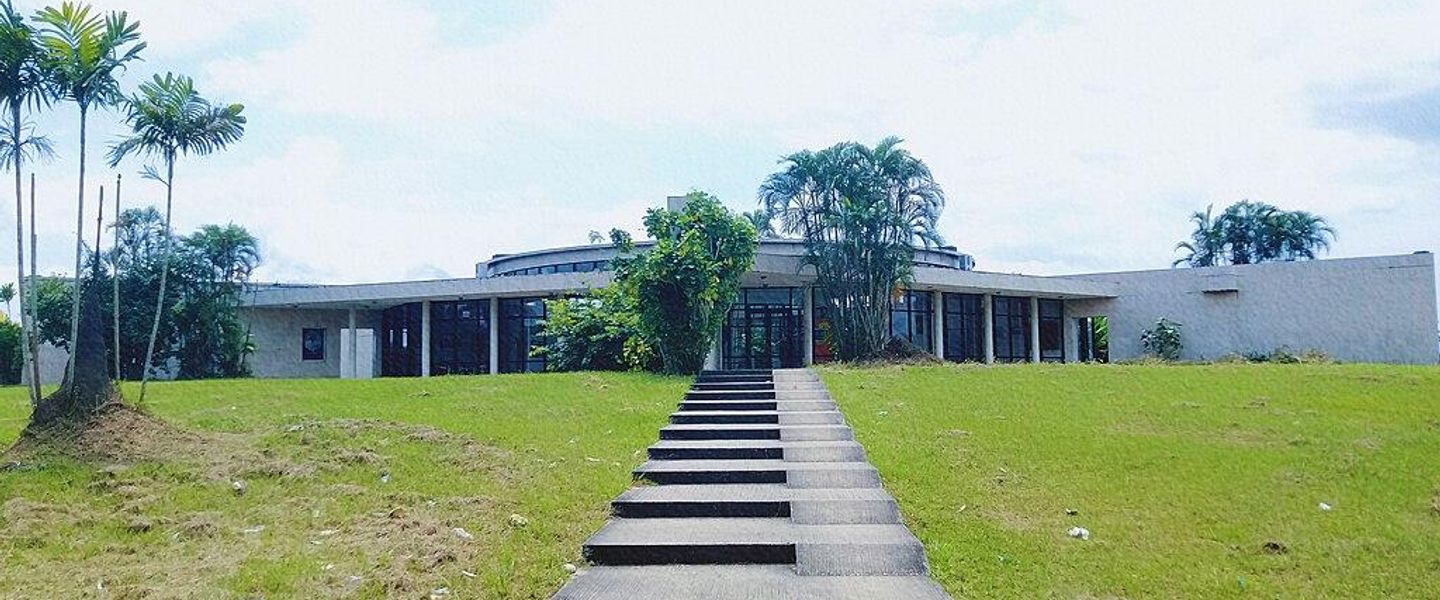
Ibibio Museum
Explore the vibrant heritage of the Ibibio people at the Ibibio Museum, a cultural treasure in Uyo, Akwa Ibom, Nigeria.
-
Resort hotel
Obudu Mountain Resort
Experience the breathtaking beauty of Obudu Mountain Resort, a serene getaway in Nigeria's stunning Cross River region, perfect for nature lovers and adventure seekers.
-
Nature preserve
Kwa Falls
Discover the enchanting Kwa Falls, a nature preserve in Aningeje, Cross River, where breathtaking views and adventure await in a serene setting.


Best landmarks in Ibibio
Uyo's Ibom Plaza is a prominent civic landmark and a useful orientation point in the state capital, reflecting the planned public face of modern Akwa Ibom. The cityscape also includes government architecture, major religious buildings and the large Godswill Akpabio International Stadium, whose scale expresses the region's recent investment and urban expansion. The National Museum of Colonial History is significant for its interpretation of colonial rule and its place within Uyo's growing cultural infrastructure. Outside the capital, the most meaningful landmarks are often less monumental: old churches, mission buildings, market-town thoroughfares, community meeting spaces and traditional compounds whose importance is understood locally. The surrounding palm landscapes and waterways provide geographical landmarks rather than formally signposted monuments. Because Ibibio territory is a cultural region with fluid boundaries, travellers should confirm local context before attributing a site to Ibibio heritage rather than to a neighbouring Akwa Ibom community.
-
National park
Freedom Park Lagos
Explore the serene landscapes and rich cultural heritage of Freedom Park Lagos, a national park that transforms history into a vibrant experience.
-
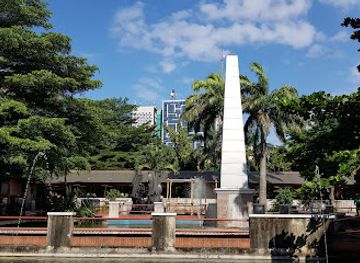
Plaza
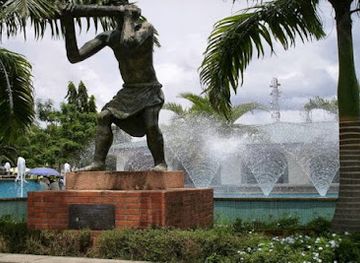
Ibom Plaza
Experience the vibrant culture and shopping at Ibom Plaza, the heart of Uyo, Akwa Ibom. A perfect blend of local and modern attractions awaits you.
-
 Hotel
HotelIbom Hotel & Golf Resort
Experience the breathtaking Ibom Hotel & Golf Resort in Uyo, where luxury meets local culture amidst stunning landscapes and world-class amenities.
-
River
Imo River
Explore Imo River, a stunning natural gem in Nigeria, where breathtaking views, diverse wildlife, and tranquil waters await your discovery.
Explore Ibibio on the map
Plan your trip on one map. See where the top cities, national parks and sights are, and book hotels and experiences in a few clicks.
Best hotels in Ibibio
Best restaurants in Ibibio
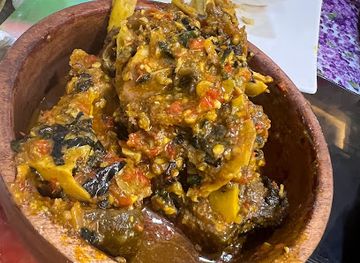
Dining in Ibibio country is rooted in the food traditions of Akwa Ibom and the neighbouring Cross River region. Afang soup, editang and ekpan ku kwo are among the dishes visitors may encounter, alongside soups prepared with seafood, meat or leafy vegetables and served with pounded yam, garri or other staples. Recipes vary between households and communities, so names do not always indicate an identical preparation. Uyo has the broadest choice of Nigerian restaurants, hotel dining rooms, cafés and informal local eateries, while smaller towns offer simpler menus shaped by seasonal produce. Palm oil, cassava, plantain, yam, river fish and assorted greens are important ingredients, and peppery sauces are common. Markets are useful for seeing the produce behind the cuisine, though prepared food should be chosen from busy, well-regarded stalls. Visitors with dietary restrictions should explain them clearly, as stock, seasoning and cooking methods may not be obvious from a menu.
-
Restaurant
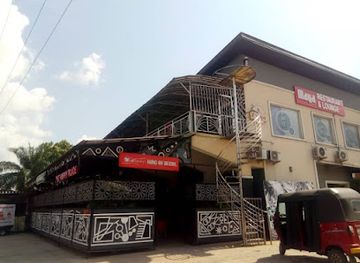
Maya Restaurant & Lounge
Savor the authentic flavors of Akwa Ibom at Maya Restaurant & Lounge – where every meal is a celebration.
-
Grill
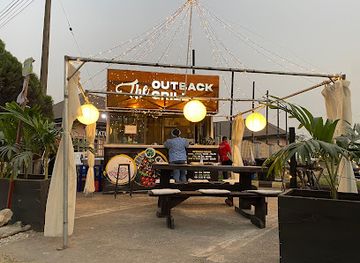
The Outback Grill
Discover delectable grilled dishes at The Outback Grill in Uyo—where every meal is a celebration of flavor and hospitality.
-
Western
Le’Goshen African Dishes Restaurant
Discover authentic African cuisine at Le’Goshen Restaurant in Uyo – where every dish tells a story.
-
Restaurant
De Venuz Sit-out
Discover the culinary delights of Akwa Ibom at De Venuz Sit-out in Uyo - where local flavors meet global cuisine.
Best bars in Ibibio
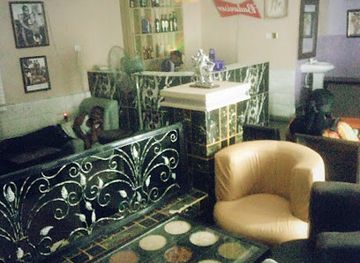
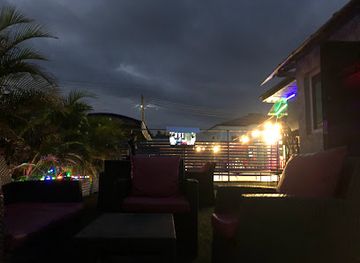
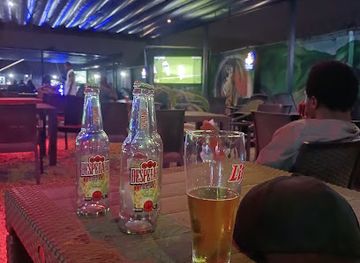
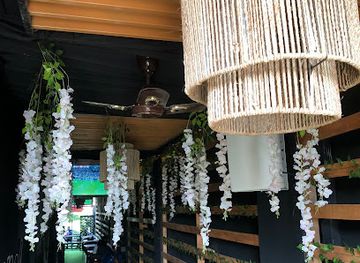
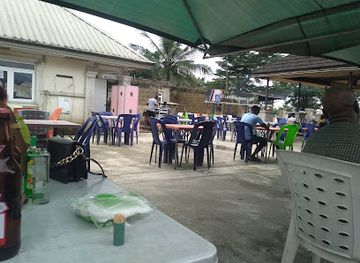
Evening life is concentrated in Uyo, where hotel lounges, restaurants, beer parlours, contemporary bars and occasional live-music venues provide the region's broadest choice. The city has a more developed nightlife scene than surrounding rural communities, but opening patterns and individual venues can change, so local advice is useful. In smaller towns and villages, evenings generally centre on family visits, restaurants, football viewing, informal social spaces and traditional or contemporary music rather than large nightclubs. Nigerian drinks, imported beverages and non-alcoholic options are widely available in urban venues, while breweries and lounges may attract a mixed local and business clientele. Dress should be neat, transport home should be arranged in advance, and visitors should avoid assuming that a popular venue is suitable for photography or unfamiliar social approaches.
-
Bar
Me Lounge
Unwind at Me Lounge, Uyo's vibrant bar with live music, delicious drinks, and an inviting atmosphere, perfect for a night out in Akwa Ibom.
-
Bar
Tiger bar Uyo
Discover the lively nightlife at Tiger Bar Uyo, where local flavors and vibrant ambiance create the perfect evening escape in Akwa Ibom.
-
Bar
Laundry Lounge Uyo
Discover the heart of Uyo's nightlife at Laundry Lounge, where exquisite drinks and delicious local cuisine await you.
-
Bar
LA-VISTA LOUNGE & BAR
Discover the lively LA-VISTA LOUNGE & BAR in Uyo, where vibrant atmosphere meets exceptional drinks and entertainment.
Best nightclubs in Ibibio
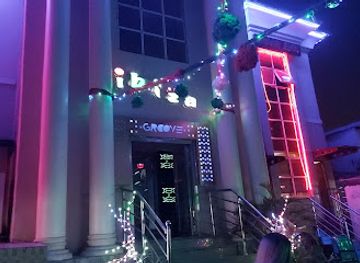
Evening life is concentrated in Uyo, where hotel lounges, restaurants, beer parlours, contemporary bars and occasional live-music venues provide the region's broadest choice. The city has a more developed nightlife scene than surrounding rural communities, but opening patterns and individual venues can change, so local advice is useful. In smaller towns and villages, evenings generally centre on family visits, restaurants, football viewing, informal social spaces and traditional or contemporary music rather than large nightclubs. Nigerian drinks, imported beverages and non-alcoholic options are widely available in urban venues, while breweries and lounges may attract a mixed local and business clientele. Dress should be neat, transport home should be arranged in advance, and visitors should avoid assuming that a popular venue is suitable for photography or unfamiliar social approaches.
-
Bar
Pegasus Lounge
Discover the lively Pegasus Lounge in Uyo, a vibrant bar offering a fantastic selection of drinks and an energetic atmosphere for an unforgettable night out.
-
Night club
Ibiza Nite Club
Discover the ultimate nightlife experience at Ibiza Nite Club in Abuja, where vibrant music and a lively atmosphere come together.
-
Lounge
Café D'Angelo Lounge & Nightlife
Experience the vibrant nightlife and diverse culinary delights at Café D'Angelo Lounge & Nightlife in Uyo, a must-visit for every traveler.
-
Night club
Play Terrace Lounge
Experience the vibrant nightlife of Uyo at Play Terrace Lounge, where great drinks and lively entertainment await every night.



Best shops in Ibibio
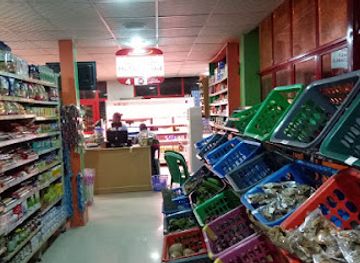
Shopping in the Ibibio region is centred on Uyo's markets, neighbourhood shops and modern retail outlets, with smaller market towns providing a more direct view of local commerce. Visitors can look for woven and raffia goods, baskets, mats, carved objects, fabrics, clothing, household items and packaged Nigerian food products, although quality and provenance vary. Fresh produce markets are especially useful for seeing cassava, yams, plantains, peppers, leafy vegetables and palm-related products that underpin local cooking. Craft purchases should be made respectfully and with realistic expectations: not every item sold in an urban shop is made locally or specifically Ibibio. Bargaining may be customary in some informal markets but is less appropriate in fixed-price shops, supermarkets and established galleries. Carry cash for smaller purchases, inspect food packaging before buying, and ask sellers about materials and origins when seeking a genuinely regional souvenir.
-
Supermarket
Enistores Limited
Discover Uyo's vibrant shopping scene at Enistores Limited, your one-stop destination for groceries, dining, and leisure experiences.
-
Shopping mall
Hephzibah Shopping Mall
Experience Eket's vibrant shopping scene at Hephzibah Shopping Mall, where fashion meets fun and entertainment for all ages.
-
Grocery store
De Choice Supermarket
Explore local flavors and quality products at De Choice Supermarket in Afaha Ibesikpo, a must-visit grocery store in Akwa Ibom.
-
Fashion accessories store
beebycollectionz
Explore BeebyCollectionz in Uyo for unique fashion accessories that blend local artistry with modern trends, making every outfit extraordinary.


Get your free copy of our complete guide to Ibibio, delivered straight to you.
Everything on this page, from attractions and restaurants to essentials and local phrases, in one PDF you can read offline, print or share.
Already have an account? Sign in
Your Ibibio guide is ready.
We'll send it to · Not you? Sign out

Getting your guide ready…
We are putting together a fresh copy of the Ibibio guide. This can take up to a minute.
This can take a few moments. If your browser asks, choose Allow so the download can start. You'll find the guide in your Downloads folder.
Nothing happened? Download it again
Sorry, the guide is taking longer than usual. Please try again in a minute, or get it by email instead.
Ibibio essentials
Currency and Payment
Safety
Emergency Situations
Do's and Don'ts
Local Tips
From Eve
Local phrases worth knowing
You don't need to get them perfect. A few words go a long way, and locals appreciate the effort.
Basics
| English | Local | Say it |
|---|---|---|
| Hello | Ndeewo | [N-deh-woo] |
| Goodbye | Ka ise | [Kah ee-seh] |
| Yes | Ee | [Eh] |
| No | Mma | [M-mah] |
| Please/You're welcome | Biko | [Bee-koh] |
| Thank you | Ese | [Eh-seh] |
| Excuse me/Sorry | Mma mmo | [M-mah mm-oh] |
| How are you? | Kedu? | [Kay-doo] |
| Fine. And you? | Ọ dị mma. Kedu nke gị? | [Oh dee mm-ah. Kay-doo n-kay gee?] |
| Do you speak English? | I na-ekwu Bekee? | [Ee nah-eh-koo Beh-keh] |
| I don't understand | Anọ m na aghọta | [Ah-noh m nah ah-goh-tah] |
Eating & Drinking
| English | Local | Say it |
|---|---|---|
| I'd like to see the menu, please | Achọrọ m ịhụ menu, biko | [Ah-chaw-roh m ee-hoo meh-noo, bee-koh] |
| I don't eat meat | Anọ m na-eri anụ | [Ah-noh m nah eh-ree ah-noo] |
| Cheers! | Nnoo! | [N-noh] |
| I would like to pay, please | Achọrọ m ịkwụ ụgwọ, biko | [Ah-chaw-roh m ee-kwooh oo-goh, bee-koh] |
Emergencies
| English | Local | Say it |
|---|---|---|
| Help! | Nkwado! | [N-kwa-do] |
| Go away! | Pụọ! | [Poo-ah] |
| Call the Police! | Kpọọ ndị uwe ojii! | [Kpoo n-dee oo-weh oh-jee] |
| Call a doctor! | Kpọọ dọkịta! | [Kpoo doh-kee-tah] |
| I'm lost | Anọ m na-efunahụ | [Ah-noh m nah eh-foo-nah-hoo] |
| I'm ill | Anọ m na-arịa ọrịa | [Ah-noh m nah ah-ree-ah oh-ree-ah] |
Shopping
| English | Local | Say it |
|---|---|---|
| I'd like to buy... | Achọrọ m zụta... | [Ah-chaw-roh m zoo-tah] |
| I'm just looking | Anọ m na-ele anya | [Ah-noh m nah eh-leh ah-n-yah] |
| How much is it? | Kedu ego nke a? | [Kay-doo eh-goh n-kay ah?] |
| That's too expensive | Ọ dị oke ọnụ | [Oh dee oh-kay oh-noo] |
| Can you lower the price? | Ị nwere ike belata ọnụ? | [Ee nwe-reh ee-keh beh-lah-tah oh-noo?] |
Time & Numbers
| English | Local | Say it |
|---|---|---|
| What time is it? | Kedu mgbe ọ bụ? | [Kay-doo mm-beh oh boo?] |
| It's one o'clock | Ọ bụ elekere nke 1 | [Oh boo eh-leh-keh-reh n-kay 1] |
| Half past (10) | Ọkara elekere nke (10) | [Oh-kah-rah eh-leh-keh-reh n-kay (10)] |
| Morning | Ụtụtụ | [Oo-too-too] |
| Afternoon | Ehihie | [Eh-hee-eh] |
| Evening | Mgbe ụtụtụ | [Mm-beh oo-too-too] |
| Yesterday | N'ehihie gara aga | [N-eh-hee-eh gah-rah ah-gah] |
| Today | Taa | [Tah] |
| Tomorrow | Echi | [Eh-chi] |
| 1 | Otu | [Oh-too] |
| 2 | Abụọ | [Ah-boo-ah] |
| 3 | Atọ | [Ah-toh] |
| 4 | Anọ | [Ah-noh] |
| 5 | Ise | [Ee-seh] |
| 6 | Isii | [Ee-see-ee] |
| 7 | Asaa | [Ah-sah-ah] |
| 8 | Asatọ | [Ah-sah-toh] |
| 9 | Ito | [Ee-toh] |
| 10 | Iri | [Ee-ree] |
Transport & Directions
| English | Local | Say it |
|---|---|---|
| Where's a/the...? | Ebee ka ... dị? | [Eh-beh-kah ... dee?] |
| What's the address? | Kedu adreesị? | [Kay-doo ah-dree-see?] |
| Can you show me (on the map)? | Ị nwere ike igosi m (na mpempe akwụkwọ)? | [Ee nwe-reh ee-keh ee-goh-see m (nah mm-peh-m-peh ah-kwah-kwah)?] |
| When's the next (bus)? | Kedu mgbe (bọọs) na-abịa? | [Kay-doo mm-beh (boh-s) nah-ah-bee-ah?] |
| A ticket (to ....) | Tiketi (na ...) | [Tee-keh-tee (nah ...)] |
History of Ibibio
Early Ibibio communities and cultural institutions
The Ibibio are among the long-established peoples of the Cross River and south-eastern forest belt. Historically, communities were organised through villages, kindreds, age grades and local authorities rather than a single centralised kingdom covering all Ibibio-speaking territory. Social institutions, ancestral observances and masquerade societies helped regulate community life, while farming supported settlements based on yams, cassava, oil palms and other crops. Archaeological evidence across the wider Cross River region indicates a long history of settled agriculture, craft production and exchange, although much of the earliest record is reconstructed through oral history, material culture and later documentation.
Trade, farming and the Atlantic-era economy
From the early modern period, the region participated in expanding networks linking inland communities with the Cross River, coastal waterways and markets farther west and east. Palm produce became increasingly important during the nineteenth century, alongside food crops and local craft goods. Rivers and tracks connected communities even where dense vegetation made overland travel difficult. These commercial links introduced new goods and outside influences, but local institutions remained central to daily life. The economic importance of palm products continued into the colonial era and helped shape the location and growth of market settlements.
Colonial rule and Christian missions
British colonial administration expanded into the area in the late nineteenth and early twentieth centuries, gradually imposing new courts, taxation, roads and administrative divisions. Christian missions established schools and churches, contributing to literacy and creating new religious and educational networks. Colonial rule also redirected trade towards export markets and altered local authority structures. The legacy remains visible in older churches, mission-influenced education, administrative towns and the mixture of Ibibio institutions with national political and religious life.
The growth of Uyo and modern Akwa Ibom
Uyo developed from an important local settlement into a major administrative and commercial centre, particularly after the creation of Akwa Ibom State in 1987. State institutions, roads, schools, hotels and public projects accelerated urban growth and made the city the principal gateway to Ibibio-speaking areas. This transformation brought new employment and services while also changing the relationship between the expanding city and surrounding rural communities. Uyo now combines a formal state-capital identity with the broader cultural traditions of the Ibibio heartland.
The Nigerian Civil War and regional disruption
The Nigerian Civil War, fought from 1967 to 1970, deeply affected south-eastern Nigeria, including communities in the present-day Akwa Ibom area. The conflict disrupted movement, trade, food supplies and public administration, and civilians experienced displacement and insecurity. Its consequences were intensified by the region's proximity to major conflict zones and by the political reorganisation that followed. Modern Nigeria's state boundaries and regional identities were shaped partly by this turbulent period, although Ibibio communities retain older cultural connections that cross administrative lines.
Oil, urbanisation and contemporary identity
Petroleum production and related infrastructure in Akwa Ibom altered the state's economy during the late twentieth and early twenty-first centuries, particularly in southern and coastal districts. Oil revenue supported public investment and rapid urban development, while also bringing debates about environmental change, land, employment and the distribution of resources. Uyo's expansion, new transport links and growing hospitality sector reflect this modern phase. Alongside these changes, Ibibio language, cuisine, music, craft practice and community ceremonies continue to provide important markers of regional identity.
Ibibio in Photos
Browse through our photo collection highlighting the charm and character of the destination.
Neighbouring regions of Ibibio
The closest regions to Ibibio, if you have time for more than one.
-

-

-

-

-


Swipe for more regions
Explore more

Explore more of Nigeria
Discover Nigeria: A Land of Vibrant Cultures, Stunning Landscapes, and Rich History in the Heart of Africa.
Explore Nigeria