

Free South East Travel Guide & Mobile App
Explore South East with free travel guides. Discover regional history, expert tips, proposed trips, and audio guides on web or mobile app.


Explore South East Nigeria for Igbo heritage, lively markets, historic cities, caves, waterfalls, upland scenery and distinctive regional cuisine.
Read more about South East
When is the best time to visit South East?
Best: November–January · 31–32°C| Month | High (°C) | Rainfall (mm) |
|---|---|---|
| January (best) | 32 | 12 |
| February | 33 | 14 |
| March | 35 | 16 |
| April | 35 | 23 |
| May | 34 | 27 |
| June | 32 | 32 |
| July | 31 | 39 |
| August | 31 | 42 |
| September | 31 | 36 |
| October | 32 | 27 |
| November (best) | 32 | 21 |
| December (best) | 31 | 16 |
Getting to and around South East
How to get there
Transportation
Top city travel guides in South East
The cities of South East, and the easiest places to base yourself.
-

-

-

-

-

-


Swipe for more cities
Destinations in South East
Resorts, valleys and scenic spots worth a trip of their own.
-

-


Swipe for more destinations
Best attractions in South East
The South East’s attractions combine archaeology, living culture, urban history and varied inland landscapes. Ogbunike Caves in Anambra lead through a forested valley into a striking limestone cave system, while nearby communities offer insight into local traditions when visits are properly guided. Igbo-Ukwu is important for its archaeological legacy, and Nri provides a setting for understanding the region’s precolonial political and spiritual history. Enugu’s coal heritage, museums and surrounding hills contrast with the wetlands of Oguta Lake in Imo and the salt lakes and agricultural landscapes of Ebonyi. Awhum Waterfall and Ngwo Pine Forest provide accessible nature excursions near Enugu, although paths can be slippery after rain. In Abia, the Long Juju site and historic environment of Arochukwu require respectful interpretation rather than hurried sightseeing. The National War Museum in Umuahia offers essential context on the Nigerian Civil War, while Mbari Cultural and Art Centre in Owerri reflects the region’s modern artistic life. Major markets in Onitsha, Aba and other cities are attractions in their own right, provided visitors travel with local advice and remain attentive to traffic and personal security.
-
Museum
Igbo-Ukwu Museum
Explore the rich heritage of the Igbo people at the Igbo-Ukwu Museum, a cultural gem in Anambra, Nigeria, showcasing ancient artifacts and traditions.
-
Tourist attraction
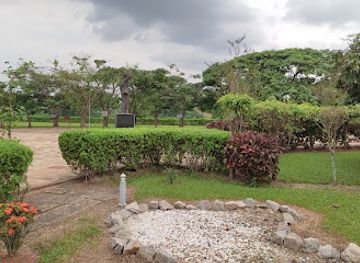
Nelson Mandela Gardens and Resort
Explore the lush greenery and serene ambiance of Nelson Mandela Gardens and Resort in Asaba, Delta – a perfect escape for nature lovers and relaxation seekers.
-
Heritage museum
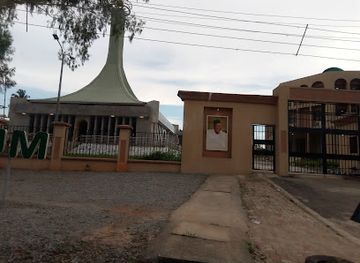
Zik's Mausoleum
Discover the rich history of Nigeria at Zik's Mausoleum, honoring the legacy of the nation's first President, Nnamdi Azikiwe.
-
Historical place
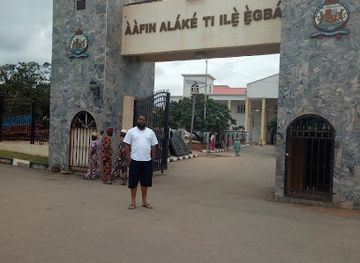
Centenary Hall- Abeokuta
Discover the rich history and architectural beauty of Centenary Hall, a historic landmark in Abeokuta, Nigeria, perfect for cultural explorations.

Best landmarks in South East
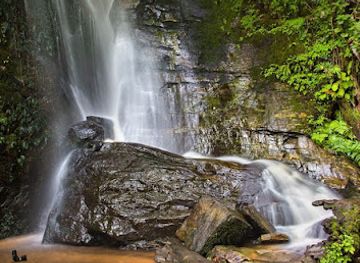
Ogbunike Caves are among the South East’s most recognisable natural landmarks, with a deep cave network reached through a forested descent and associated with local spiritual traditions. The coal-bearing hills and historic mining landscape around Enugu define the visual identity of the Coal City, while the city’s older civic avenues and colonial-era buildings recall its role in eastern Nigeria’s industrial development. Awhum Waterfall, where water drops beside a striking rock face and monastic setting, is one of Enugu State’s notable natural features. In Ebonyi, the salt lakes around Uburu and Okposi represent both geological character and long-established local production. Oguta Lake forms a broad inland-water landmark in Imo, surrounded by communities whose livelihoods have long been connected with fishing and agriculture. Arochukwu’s Long Juju site is historically significant for its links to Aro authority, commerce and Atlantic-era history. The National War Museum at Umuahia is a major commemorative landmark, while the dense commercial landscape of Onitsha’s markets expresses the region’s continuing importance as a centre of trade.
-
Mosque
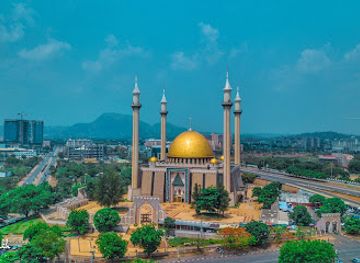
Abuja National Mosque
Experience the breathtaking architecture and cultural richness of the Abuja National Mosque, a cornerstone of Nigeria's Islamic heritage in the capital city.
-
National park
Freedom Park Lagos
Explore the historical and natural wonders of Freedom Park Lagos, an urban sanctuary blending culture, relaxation, and vibrant community events.
-
Bridge
Nyanya Bridge
Discover Nyanya Bridge, a vital landmark in Nigeria's Federal Capital Territory, blending scenic views with vibrant local culture.
-
Water park
Erin Ijesha Waterfall
Explore the enchanting Erin Ijesha Waterfall in Osun, Nigeria - a natural wonder perfect for hiking and unforgettable adventures.
Explore South East on the map
Plan your trip on one map. See where the top cities, national parks and sights are, and book hotels and experiences in a few clicks.
Best hotels in South East
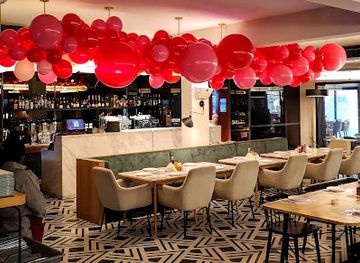
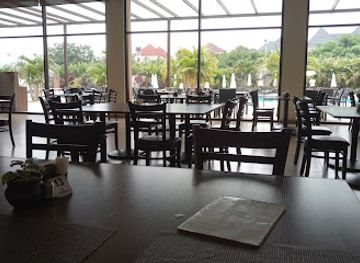
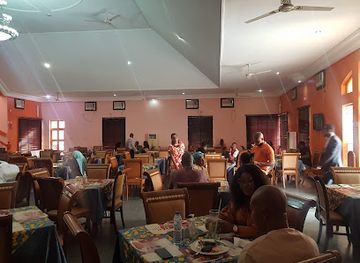
Best restaurants in South East
Food in South East Nigeria reflects Igbo farming, riverine and forest traditions alongside the practical cooking of busy commercial cities. Soups such as oha, bitter-leaf and ora are commonly served with swallows including garri, fufu or pounded yam, while ukwa, made from African breadfruit, is a valued regional dish. Abacha, often called African salad, is associated with eastern Nigerian cuisine, and yam, rice, plantain, beans, stockfish and smoked fish appear widely in home-style cooking. Roasted or grilled meat, pepper soups and fried snacks are easy to find in urban food areas, while palm wine and locally prepared drinks have cultural importance but should be consumed responsibly. Enugu, Owerri, Aba, Umuahia, Awka and Onitsha offer the broadest choice of restaurants, cafés, hotel dining rooms and informal eateries. Markets provide produce and prepared food, but visitors should choose busy, well-maintained vendors and drink treated or bottled water. Restaurant menus and payment methods can change, so local recommendations are useful.
-
West African
Farmcity Lekki lounge
Discover the vibrant tastes of West Africa at Farmcity Lekki Lounge, where every meal is an authentic culinary adventure.
-
Restaurant
Cactus Restaurant
Experience delicious bakery treats and hearty breakfasts at Cactus Restaurant in Lagos' vibrant Victoria Island.
-
Restaurant
BluCabana Restaurant & Cafe
Discover exquisite flavors at BluCabana Restaurant & Cafe in Abuja – where Mediterranean meets Mexican culinary traditions.
-
West African
Jevinik Restaurant
Discover authentic West African cuisine at Jevinik Restaurant in Abuja—where tradition meets taste in every dish.
Best bars in South East
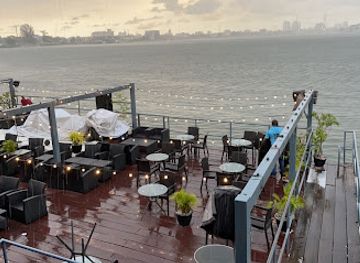
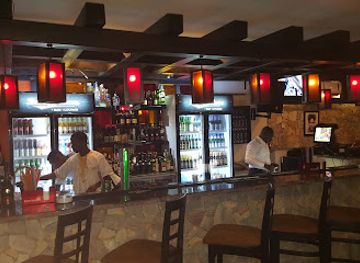
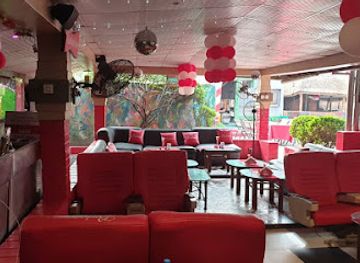
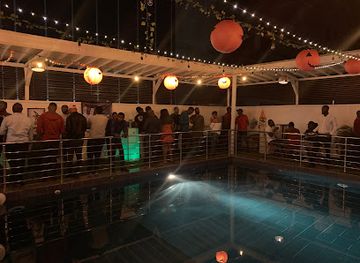
Evening life in the South East is concentrated in larger cities rather than spread evenly across the countryside. Enugu, Owerri, Aba, Awka and Onitsha have the widest selection of hotel lounges, restaurants, beer gardens, cocktail spots, live-music venues and clubs, with new businesses opening and closing frequently. Traditional pubs and informal outdoor drinking places remain part of urban social life, while contemporary venues often combine DJs, food and televised sport. Owerri is particularly associated with a substantial leisure and entertainment economy, although nightlife varies by neighbourhood and current security conditions. Enugu offers a more mixed evening scene of restaurants, music and cultural activity. In smaller towns, evenings generally centre on restaurants, family gatherings, churches or local pubs rather than dedicated nightclubs. Use trusted transport, avoid carrying conspicuous valuables and check locally whether a venue is operating before setting out.
-
Restaurant
Sailors Lounge | Restaurant | Lounge | Bar in Lekki Lagos
Experience the vibrant culinary and social scene at Sailors Lounge in Lekki, Lagos, where delicious food meets lively entertainment.
-
Lounge
Beer Barn Abuja
Discover Beer Barn Abuja, a vibrant lounge and sports bar where delicious drinks and exciting sports meet in a lively atmosphere.
-
Bar
Captains Bar Ilupeju Lagos
Discover the lively atmosphere of Captains Bar Ilupeju, where refreshing drinks meet live music in the heart of Lagos.
-
Cocktail bar
Piper Lounge & Bar
Discover the vibrant atmosphere and exquisite cocktails at Piper Lounge & Bar, the ultimate destination for nightlife in Abuja.
Best nightclubs in South East
Evening life in the South East is concentrated in larger cities rather than spread evenly across the countryside. Enugu, Owerri, Aba, Awka and Onitsha have the widest selection of hotel lounges, restaurants, beer gardens, cocktail spots, live-music venues and clubs, with new businesses opening and closing frequently. Traditional pubs and informal outdoor drinking places remain part of urban social life, while contemporary venues often combine DJs, food and televised sport. Owerri is particularly associated with a substantial leisure and entertainment economy, although nightlife varies by neighbourhood and current security conditions. Enugu offers a more mixed evening scene of restaurants, music and cultural activity. In smaller towns, evenings generally centre on restaurants, family gatherings, churches or local pubs rather than dedicated nightclubs. Use trusted transport, avoid carrying conspicuous valuables and check locally whether a venue is operating before setting out.
-
Disco club
Silverfox - Luxury Adult Entertainment Club
Discover Lagos' nightlife at Silverfox, the luxury adult entertainment club offering vibrant performances and upscale ambiance.
-
Night club
Tokyo Nightlife Abuja
Experience the fusion of Japanese culture and Abuja's vibrant nightlife at Tokyo Nightlife Abuja, your ultimate destination for fun and flavor.
-
Night club
Avatar Hush Lounge and Nightclub
Discover the pulse of Abuja's nightlife at Avatar Hush Lounge, where great music and vibrant energy come alive every night.
-
Night club
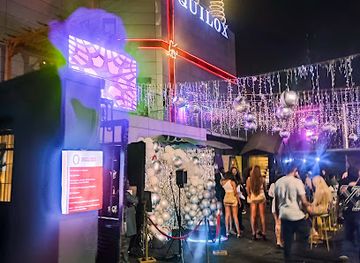
Club Quilox
Immerse yourself in the electrifying nightlife of Lagos at Club Quilox, where luxury meets entertainment in a vibrant atmosphere.


Best shops in South East
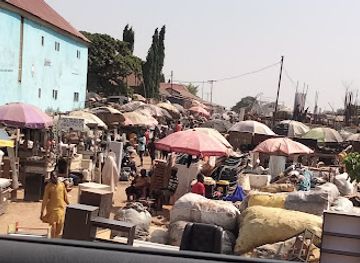
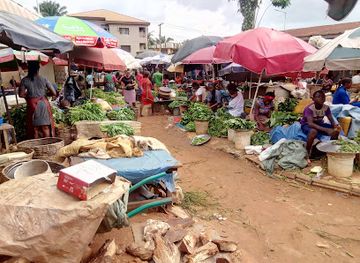
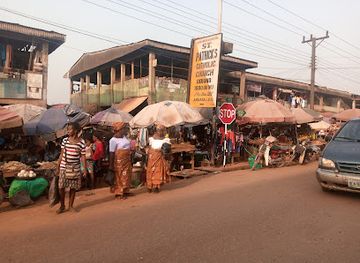
Shopping in the South East is shaped by enterprise, manufacturing and large regional markets rather than by a single souvenir tradition. Onitsha is one of Nigeria’s major commercial centres, with extensive wholesale and retail activity, while Aba is widely associated with locally made clothing, shoes, bags and leather goods. Visitors should use trusted local assistance in busy markets, agree prices clearly and arrange secure transport for substantial purchases. Enugu, Owerri, Awka, Umuahia and Abakaliki offer formal shops, independent traders, supermarkets, craft outlets and food markets, generally at a more manageable scale than Onitsha or Aba. Suitable regional purchases include textiles and made-to-measure garments, leather goods, woven items, artworks, books, spices, dried foods and packaged agricultural products. Salt from the Ebonyi area and locally produced foodstuffs can be distinctive gifts when properly packaged for travel. Ask about provenance and avoid buying archaeological objects, wildlife products or anything presented as ancient without clear legal documentation.
-
Market
Eke Awka Main Market
Discover the vibrant Eke Awka Main Market, a cultural and commercial hub in Awka, offering unique goods and authentic Nigerian cuisine.
-
Market
Afor-Igwe Umudioka
Discover the lively Afor-Igwe Umudioka Market, a cultural gem in Anambra filled with local crafts, delicious food, and vibrant community spirit.
-
Market
Nkwo Igbo Market
Discover the vibrant Nkwo Igbo Market, a cultural hub in Igbo Ukwu, where local crafts, fresh produce, and community spirit come alive.
-
Cake shop
DELUXE CAKES N EVENTS
Discover the enchanting world of cakes and event planning at Deluxe Cakes N Events in Onitsha, where every bite is a celebration of sweetness.


Get your free copy of our complete guide to South East, delivered straight to you.
Everything on this page, from attractions and restaurants to essentials and local phrases, in one PDF you can read offline, print or share.
Already have an account? Sign in
Your South East guide is ready.
We'll send it to · Not you? Sign out

Getting your guide ready…
We are putting together a fresh copy of the South East guide. This can take up to a minute.
This can take a few moments. If your browser asks, choose Allow so the download can start. You'll find the guide in your Downloads folder.
Nothing happened? Download it again
Sorry, the guide is taking longer than usual. Please try again in a minute, or get it by email instead.
South East essentials
Currency and Payment
Safety
Emergency Situations
Do's and Don'ts
Local Tips
From Eve
Local phrases worth knowing
You don't need to get them perfect. A few words go a long way, and locals appreciate the effort.
Basics
| English | Local | Say it |
|---|---|---|
| Hello | Ndewo | [N-deh-woh] |
| Goodbye | Ka chi fo | [Kah chee foh] |
| Yes | Ee | [Eh] |
| No | Mba | [M-bah] |
| Please/You’re welcome | Biko | [Bee-koh] |
| Thank you | Dalu | [Dah-loo] |
| Excuse me/Sorry | Ndo | [N-doh] |
| How are you? | Kedu? | [Kay-doo] |
| Fine. And you? | O di mma. Kedu kwa? | [Oh dee mah. Kay-doo kwah] |
| Do you speak English? | I na-ekwu Bekee? | [Ee nah-eh-koo Beh-kay] |
| I don't understand | Anaghị m aghọta | [Ah-nah-hee m ah-go-tah] |
Eating & Drinking
| English | Local | Say it |
|---|---|---|
| I'd like to see the menu, please | Achọrọ m ịhụ menu, biko | [Ah-choh-roh m ee-huh meh-noo, bee-koh] |
| I don't eat meat | Anaghị m eri anụ | [Ah-nah-hee m eh-ree ah-noo] |
| Cheers! | Nnoo! | [N-noh] |
| I would like to pay, please | Achọrọ m ịkwụ ụgwọ, biko | [Ah-choh-roh m ee-kwoo oo-goh, bee-koh] |
Emergencies
| English | Local | Say it |
|---|---|---|
| Help! | Enyemaka! | [Eh-nyah-mah-kah] |
| Go away! | Pụọ! | [Poo-rah] |
| Call the Police! | Kpọọ polisi! | [Kpo-oh poh-lee-see] |
| Call a doctor! | Kpọọ dọkịta! | [Kpo-oh doh-kee-tah] |
| I'm lost | Enwere m ọnwụ | [Eh-nweh-reh m oh-n-wuh] |
| I'm ill | Enwere m ọrịa | [Eh-nweh-reh m oh-ree-ah] |
Shopping
| English | Local | Say it |
|---|---|---|
| I'd like to buy... | Achọrọ m ịzụta... | [Ah-choh-roh m ee-zoo-tah] |
| I'm just looking | Anọ m na-ele anya | [Ah-noh m nah-eh-leh ah-nyah] |
| How much is it? | Ego ole ka nke a? | [Eh-go oh-leh kah n-keh ah] |
| That's too expensive | Ọ dị oke ọnụ | [Oh dee oh-keh oo-nuh] |
| Can you lower the price? | Ị nwere ike belata ọnụ? | [Ee nwee-ree ee-keh beh-lah-tah oo-nuh] |
Time & Numbers
| English | Local | Say it |
|---|---|---|
| What time is it? | Kedu oge? | [Kay-doo oh-geh] |
| It's one o'clock | Oge bụ otu | [Oh-geh boo oh-too] |
| Half past (10) | Oge iri na ise | [Oh-geh ee-ree nah ee-seh] |
| Morning | Ututu | [Oo-too-too] |
| Afternoon | Ehihie | [Eh-hee-eh] |
| Evening | Mgbede | [Mm-bay-deh] |
| Yesterday | N'abalị gara aga | [N'ah-bah-lee gah-rah ah-gah] |
| Today | Taa | [Tah] |
| Tomorrow | Echi | [Eh-chee] |
| 1 | Otu | [Oh-too] |
| 2 | Abụọ | [Ah-boo-ah] |
| 3 | Atọ | [Ah-toh] |
| 4 | Anọ | [Ah-noh] |
| 5 | Ise | [Ee-seh] |
| 6 | Isii | [Ee-see-ee] |
| 7 | Asaa | [Ah-sah] |
| 8 | Asatọ | [Ah-sah-toh] |
| 9 | Itoolu | [Ee-toh-loo] |
| 10 | Iri | [Ee-ree] |
Transport & Directions
| English | Local | Say it |
|---|---|---|
| Where's a/the...? | Ebee ka ... dị? | [Eh-beh kah ... dee] |
| What's the address? | Kedu adreesị? | [Kay-doo ah-dreh-see] |
| Can you show me (on the map)? | Ị nwere ike igosi m (na map)? | [Ee nwee-ree ee-keh ee-goh-see m (nah mahp)] |
| When's the next (bus)? | Kedu mgbe bọsị ọzọ? | [Kay-doo mm-beh boh-see oh-zoh] |
| A ticket (to ....) | Tiketi (ga ...) | [Tee-keh-tee (gah ...)] |
History of South East
Igbo-Ukwu and Early Metalworking
The archaeological discoveries at Igbo-Ukwu in present-day Anambra State include finely worked bronze vessels, regalia and ritual objects produced around the ninth century. Their technical sophistication, complex decoration and evidence of local production changed earlier assumptions about the history of metalworking in West Africa. The finds also suggest participation in long-distance exchange networks, although many details of the society that created them remain debated. The objects are now among the most important archaeological evidence for the ancient history of south-eastern Nigeria and form a foundation for understanding the region’s precolonial artistic heritage.
The Nri Political and Religious Tradition
The Nri tradition developed in the northern parts of the Igbo cultural area, especially around present-day Anambra, and exercised influence through ritual authority, specialist knowledge and networks of affiliation rather than a centralised territorial empire of the type familiar elsewhere in Africa. Nri institutions were associated with purification, kingship and religious practice, and their influence extended beyond the immediate town. Although historical interpretations differ, the tradition remains essential to understanding the region’s political diversity before colonial rule and the continuing importance of ancestry, title-taking and ritual institutions in Igbo cultural history.
Arochukwu and Precolonial Trade
Arochukwu in present-day Abia State became a major centre of the Aro trading network, whose merchants and political connections linked communities across much of south-eastern Nigeria and beyond. The Long Juju shrine at Arochukwu, known locally as Ibini Ukpabi, was an important religious institution whose authority was intertwined with law, commerce and regional power. European accounts often described these institutions through colonial assumptions, while later histories have emphasised the complexity of Aro influence and its connection to the Atlantic-era slave trade. The town’s heritage therefore requires careful, historically informed interpretation.
Colonial Rule and the Coalfields of Enugu
British colonial rule reorganised the region through administrative boundaries, taxation, missionary education, transport construction and commercial agriculture. The discovery and development of coal around Enugu from the early twentieth century created a major industrial centre and helped connect the eastern interior to the railway and port systems. Enugu became known as the Coal City, and its mines, workers’ communities and colonial civic architecture shaped the region’s modern urban identity. Mission schools and new commercial towns also produced an educated political class that later played a prominent role in Nigeria’s nationalist movement.
Eastern Nigeria and Regional Political Change
After independence in 1960, most of today’s South East formed part of Nigeria’s Eastern Region, an area with distinctive political institutions, commercial networks and educational centres. The creation of new states changed administrative identities and encouraged the growth of capitals such as Enugu, Owerri, Umuahia, Awka and Abakaliki. Competition over federal structure, representation and resource distribution remained politically significant. The region’s rapid postcolonial urbanisation was accompanied by expanding trade, manufacturing, universities and transport links, while older town and village institutions continued to influence public life.
The Nigerian Civil War and Biafran Memory
The Nigerian Civil War, fought from 1967 to 1970 after the secession of Biafra, profoundly affected the South East. Enugu was an early Biafran capital, Umuahia later served as a major wartime centre, and many communities across the region experienced displacement, hunger, destruction and loss. The conflict remains a sensitive subject, remembered through family histories, memorials and museums such as the National War Museum in Umuahia. Understanding this history helps explain aspects of regional politics, migration, commemoration and identity, while visitors should approach the subject with respect and avoid treating personal trauma as a spectacle.
Postwar Enterprise and Urban Transformation
Since the 1970s, the South East has undergone extensive reconstruction and urban growth. Aba developed a strong reputation for small-scale manufacturing and fashion production, Onitsha expanded as a major wholesale and retail centre, and cities across the region grew through private enterprise, education and migration. Roadside commerce, markets, churches, universities and family businesses have reshaped the physical landscape. This entrepreneurial culture coexists with agriculture, quarrying, food processing and public-sector employment, giving the region a diverse contemporary economy despite continuing infrastructure and environmental pressures.
South East in Photos
Browse through our photo collection highlighting the charm and character of the destination.
Neighbouring regions of South East
The closest regions to South East, if you have time for more than one.
-

-

-

-

-


Swipe for more regions
Explore more
Explore more of Nigeria
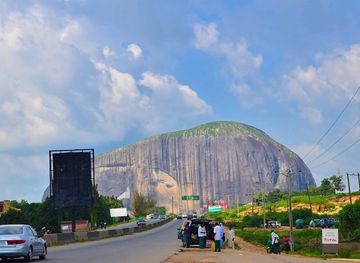
Discover Nigeria: A Land of Vibrant Cultures, Stunning Landscapes, and Rich History in the Heart of Africa.
Explore Nigeria