

Free South South Travel Guide & Mobile App
Explore South South with free travel guides. Discover regional history, expert tips, proposed trips, and audio guides on web or mobile app.


Explore South South Nigeria for Niger Delta waterways, Benin heritage, rainforest landscapes, distinctive cuisine and culturally rich southern cities.
Read more about South South
When is the best time to visit South South?
Best: December–February · 32°C| Month | High (°C) | Rainfall (mm) |
|---|---|---|
| January (best) | 32 | 20 |
| February (best) | 32 | 40 |
| March | 33 | 60 |
| April | 33 | 100 |
| May | 33 | 140 |
| June | 32 | 180 |
| July | 32 | 200 |
| August | 32 | 180 |
| September | 32 | 160 |
| October | 32 | 120 |
| November | 33 | 80 |
| December (best) | 32 | 40 |
Getting to and around South South
How to get there
Transportation
Top city travel guides in South South
The cities of South South, and the easiest places to base yourself.
-

-

-

-

-

-


Swipe for more cities
Destinations in South South
Resorts, valleys and scenic spots worth a trip of their own.
-

-


Swipe for more destinations
Best attractions in South South
South South Nigeria offers a varied attraction landscape built around waterways, historic cities, forest environments and living cultural traditions. Port Harcourt provides museums, arts activity and access to the wider delta, while nearby riverine communities reveal a landscape of creeks, mangroves and fishing settlements best explored with arranged boat trips. Benin City is central to visits focused on the Benin Kingdom, royal heritage and traditional metalworking. Calabar combines historic streets and Efik cultural institutions with access to Cross River’s forests. Cross River National Park and the Obudu highlands offer hiking, birdwatching and nature-based travel, although facilities and access should be confirmed in advance. Uyo, Asaba and Yenagoa are useful urban bases for exploring surrounding communities and landscapes. Festivals, markets, craft workshops and food experiences add cultural depth, while outdoor activities depend strongly on weather, local permissions and competent guides.
-
Tourist attraction
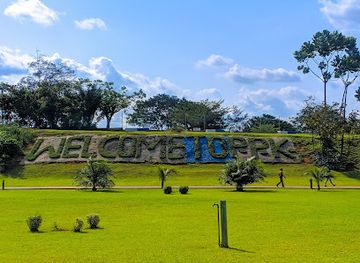
Port Harcourt Pleasure Park
Experience the excitement and tranquility at Port Harcourt Pleasure Park, the ultimate destination for fun, relaxation, and family-friendly entertainment in Rivers State.
-
Zoo
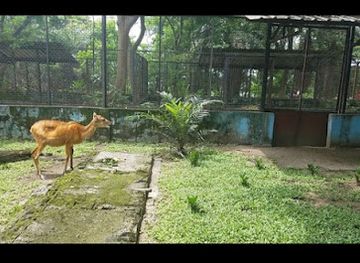
Port Harcourt Zoo
Explore the enchanting Port Harcourt Zoo, a top tourist attraction in Nigeria, where wildlife and nature come together for an unforgettable experience.
-
Non-governmental organization
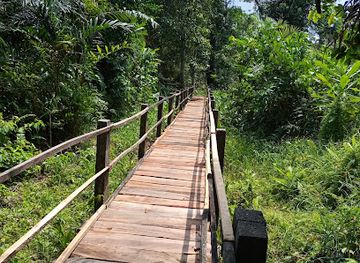
Finima Nature Park
Experience the breathtaking natural beauty of Finima Nature Park, a wildlife haven in Rivers State, Nigeria, perfect for adventure and relaxation.
-
Park
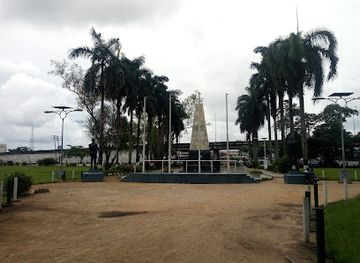
Isaac Boro Park
Explore Isaac Boro Park: A Green Haven in Port Harcourt for Relaxation and Cultural Festivities.
Best landmarks in South South
The most recognisable landmarks of South South Nigeria express royal history, colonial commerce, petroleum-era development and distinctive natural geography. In Benin City, the Royal Palace of the Oba of Benin symbolises the continuity of one of West Africa’s historic kingdoms, while the city’s museums and craft traditions help interpret the Benin artistic legacy. Calabar’s older colonial-era buildings and historic waterfront areas reflect its role in nineteenth- and twentieth-century commerce, though the surviving townscape is interwoven with a modern city. The Niger Delta’s waterways are landmarks in their own right: broad channels, mangrove edges and settlements on creeks reveal how geography has shaped daily life. Farther north-east in Cross River State, the Obudu plateau and forested mountain scenery provide a strong contrast to the lowlands. In Edo, the earthworks associated with the Benin Kingdom’s historic defensive landscape remain important reminders of the scale of precolonial urban organisation.
-
Shopping mall
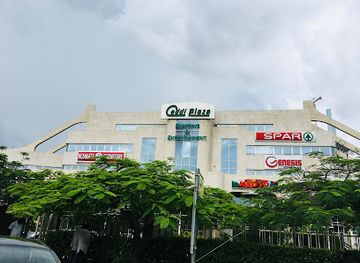
Ceddi Plaza
Discover shopping bliss at Ceddi Plaza in Abuja, Nigeria, where retail, dining, and entertainment converge in an unforgettable experience.
-
Amusement park
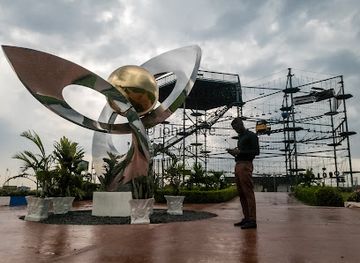
Port Harcourt Pleasure Park
Experience the thrill and joy at Port Harcourt Pleasure Park, a vibrant amusement park perfect for family outings and fun-filled adventures in Nigeria.
-
Park
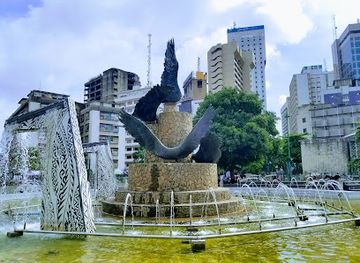
Tinubu Square
Experience the heartbeat of Lagos at Tinubu Square, a cultural gem with rich history, lively street life, and beautiful colonial architecture.
-
Beach
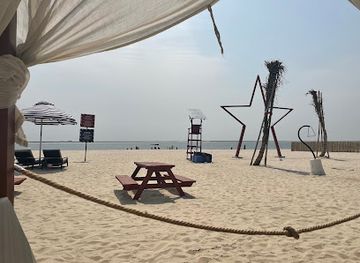
Landmark Beach
Experience the beauty and tranquility of Landmark Beach in Lagos, where stunning views and exciting activities await every visitor.
Explore South South on the map
Plan your trip on one map. See where the top cities, national parks and sights are, and book hotels and experiences in a few clicks.
Best hotels in South South
Best restaurants in South South
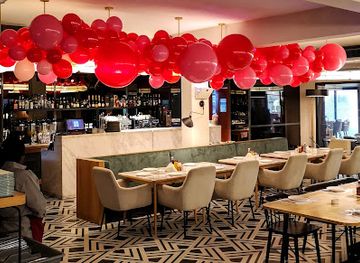
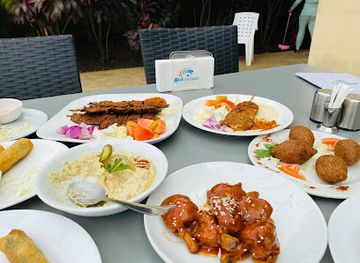
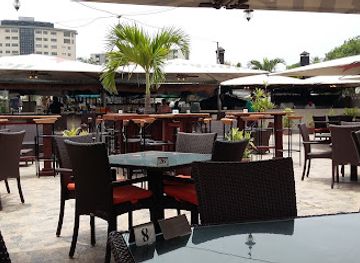
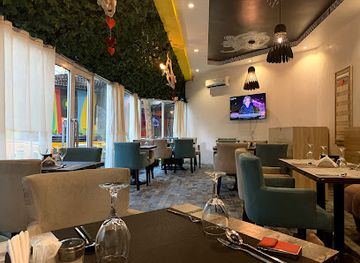
Dining across South South Nigeria draws on river fish, seafood, plantain, cassava, yam, rice, peppers and leafy vegetables, with recipes changing significantly between communities. Calabar and the wider Cross River area are especially associated with richly flavoured soups and dishes such as afang and other regional preparations, while Efik and Ibibio cooking often gives prominence to seafood, greens and ground ingredients. Delta and Ijaw food traditions make extensive use of fish and river produce, and Edo cuisine includes soups, starches and pepper-based dishes served in homes and local restaurants. Port Harcourt, Uyo, Benin City and Calabar offer the broadest choice, from Nigerian family restaurants and informal food stalls to cafés and contemporary dining rooms. Busy markets are useful for observing local produce, but prepared food should be bought from clean, well-used establishments and bottled or treated water is prudent.
-
Restaurant
Cactus Restaurant
Discover Cactus Restaurant: A delightful blend of local and international cuisines awaits you in Victoria Island, Lagos.
-
Restaurant
BluCabana Restaurant & Cafe
Experience culinary excellence at BluCabana Restaurant & Cafe in Abuja, where diverse flavors meet exquisite ambiance.
-
Restaurant
LAGOON RESTAURANTS
Discover exquisite dining at Lagoon Restaurants in Victoria Island - where local flavors meet modern elegance.
-
Restaurant
Lagos Bistro
Experience the vibrant flavors of Nigeria at Lagos Bistro in Abuja—where traditional cuisine meets modern elegance.
Best bars in South South
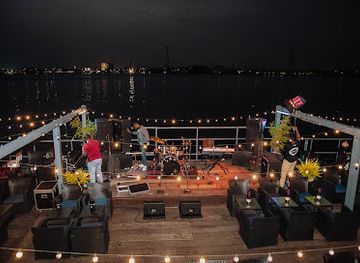
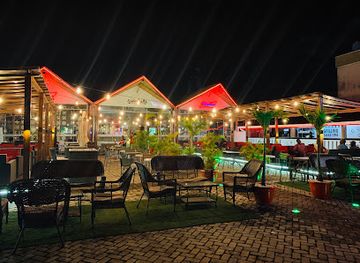
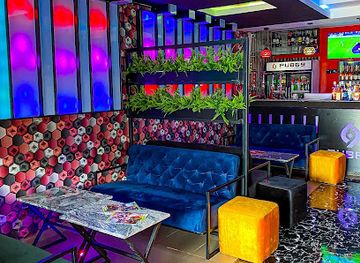
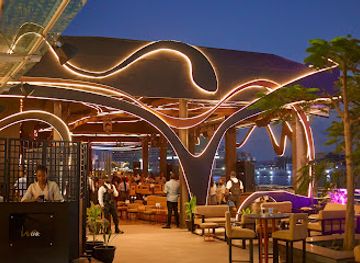
Evening life is concentrated in Port Harcourt, Benin City, Uyo and Calabar, where restaurants, lounges, music venues and nightclubs serve local residents, business travellers and students. Port Harcourt has the region’s most extensive urban entertainment offer, while Benin City and Uyo are known for busy social scenes that combine contemporary Nigerian music with dining and informal gatherings. Calabar’s evenings tend to centre on restaurants, hotels, cultural programmes and selected music venues rather than a single nightlife quarter. In Yenagoa, Asaba and other smaller centres, nightlife is more likely to involve pubs, lounges, eateries and live music than large clubs. Opening arrangements and security conditions vary, so use trusted transport, avoid isolated streets late at night and follow local advice without assuming that alcohol is central to the region’s social life.
-
Restaurant
Sailors Lounge | Restaurant | Lounge | Bar in Lekki Lagos
Experience the vibrant atmosphere and exquisite cuisine at Sailors Lounge, Lekki's top restaurant, bar, and lounge for food lovers and nightlife enthusiasts.
-
Bar
Sidewalk Lounge
Discover the lively ambiance and exquisite flavors of Sidewalk Lounge, an essential stop for nightlife lovers in Lagos' Victoria Island.
-
Lounge
Pub69 Lounge
Discover the lively Pub69 Lounge in Abuja, where delicious food, refreshing drinks, and vibrant entertainment create unforgettable experiences.
-
Bar
W Bar Lounge
Experience the allure of W Bar Lounge in Ikoyi, Lagos, where luxury meets breathtaking lagoon views and exquisite drinks.
Best nightclubs in South South
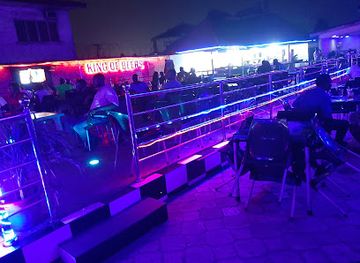
Evening life is concentrated in Port Harcourt, Benin City, Uyo and Calabar, where restaurants, lounges, music venues and nightclubs serve local residents, business travellers and students. Port Harcourt has the region’s most extensive urban entertainment offer, while Benin City and Uyo are known for busy social scenes that combine contemporary Nigerian music with dining and informal gatherings. Calabar’s evenings tend to centre on restaurants, hotels, cultural programmes and selected music venues rather than a single nightlife quarter. In Yenagoa, Asaba and other smaller centres, nightlife is more likely to involve pubs, lounges, eateries and live music than large clubs. Opening arrangements and security conditions vary, so use trusted transport, avoid isolated streets late at night and follow local advice without assuming that alcohol is central to the region’s social life.
-
Disco club
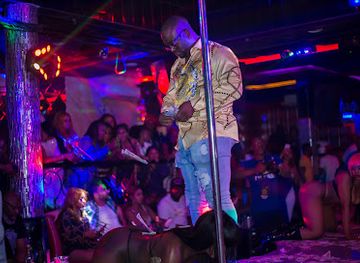
Silverfox - Luxury Adult Entertainment Club
Discover the allure of Silverfox, Lagos' elite adult entertainment club, where luxury and nightlife collide for an unforgettable experience.
-
Lounge
Sok Lounge, Nightclub And Restaurant
Discover the vibrant nightlife of Port Harcourt at Sok Lounge, a premier nightclub and restaurant offering great food, music, and an unforgettable atmosphere.
-
Lounge
Club Envy
Experience the vibrant nightlife of Lagos at Club Envy, a premier lounge and nightclub offering great food, drinks, and dancing.
-
Night club
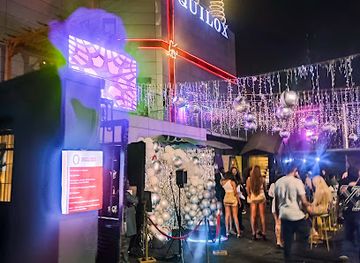
Club Quilox
Dive into the electrifying nightlife at Club Quilox, Lagos' premier night club offering a luxurious experience filled with music, dance, and vibrant energy.

Best shops in South South
Shopping is most rewarding when focused on regional food, crafts and locally made objects rather than generic imported goods. Benin City is the principal place to explore Edo metalworking, carved objects, textiles and art connected with the Benin cultural tradition, although buyers should ask about provenance and avoid undocumented antiquities. Calabar and Uyo have craft shops, markets and galleries offering fabrics, baskets, carvings and contemporary souvenirs, while Port Harcourt provides the largest concentration of modern retail, supermarkets and independent boutiques in the region. Yenagoa and other delta towns are useful for locally grown produce, smoked fish and everyday market trading rather than extensive tourist retail. Across the six states, markets are good places to find spices, dried foods, plantain products and regional ingredients. Bargaining may be customary in open markets, but clear, courteous negotiation is preferable to aggressive haggling.
-
Shopping mall
The Palms Shopping Mall
Discover a shopping paradise at The Palms Mall in Lekki, Lagos, with diverse stores, delicious dining, and exciting entertainment options.
-
Hypermarket
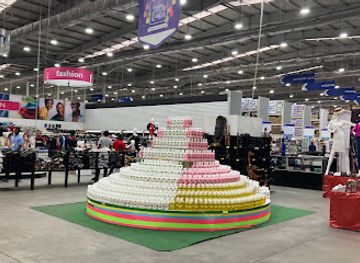
SPAR PH Mall
Discover the vibrant SPAR PH Mall in Port Harcourt, a bustling hypermarket offering diverse shopping, dining, and cultural experiences for every traveler.
-
Hypermarket
Next Cash And Carry Hypermarket, Port Harcourt
Experience the ultimate shopping destination at Next Cash And Carry Hypermarket in Port Harcourt, where quality meets variety and affordability.
-
Shopping mall
Dunes Center
Discover the Dunes Center, Abuja's premier shopping destination with diverse shops and eateries, perfect for tourists seeking local delights.


Get your free copy of our complete guide to South South, delivered straight to you.
Everything on this page, from attractions and restaurants to essentials and local phrases, in one PDF you can read offline, print or share.
Already have an account? Sign in
Your South South guide is ready.
We'll send it to · Not you? Sign out

Getting your guide ready…
We are putting together a fresh copy of the South South guide. This can take up to a minute.
This can take a few moments. If your browser asks, choose Allow so the download can start. You'll find the guide in your Downloads folder.
Nothing happened? Download it again
Sorry, the guide is taking longer than usual. Please try again in a minute, or get it by email instead.
South South essentials
Currency and Payment
Safety
Emergency Situations
Do's and Don'ts
Local Tips
From Eve
Local phrases worth knowing
You don't need to get them perfect. A few words go a long way, and locals appreciate the effort.
Basics
| English | Local | Say it |
|---|---|---|
| Hello | Bia | [Bee-ah] |
| Goodbye | Chao | [Chow] |
| Yes | Ee | [Eh] |
| No | No | [No] |
| Please/You're welcome | Abeg | [Ah-beg] |
| Thank you | Thank you | [Thank you] |
| Excuse me/Sorry | Sorry | [So-ree] |
| How are you? | How far? | [How far?] |
| Fine. And you? | I dey okay. You sef? | [I dey oh-kay. You sef?] |
| Do you speak English? | You sabi English? | [You sah-bee English?] |
| I don't understand | I no sabi | [I no sah-bee] |
Eating & Drinking
| English | Local | Say it |
|---|---|---|
| I'd like to see the menu, please | I wan see di menu, abeg | [I wan see dee men-oo, ah-beg] |
| I don't eat meat | I no chop meat | [I no chop meet] |
| Cheers! | Cheers! | [Cheers!] |
| I would like to pay, please | I wan pay, abeg | [I wan pay, ah-beg] |
Emergencies
| English | Local | Say it |
|---|---|---|
| Help! | Help! | [Help!] |
| Go away! | Comot for here! | [Comot for here!] |
| Call the Police! | Call di Police! | [Call dee Po-lees!] |
| Call a doctor! | Call doctor! | [Call docta!] |
| I'm lost | I dey lost | [I dey lost] |
| I'm ill | I dey sick | [I dey sick] |
Shopping
| English | Local | Say it |
|---|---|---|
| I'd like to buy... | I wan buy... | [I wan buy...] |
| I'm just looking | I just dey look | [I just dey look] |
| How much is it? | How much be dat? | [How much be dat?] |
| That's too expensive | Dat one too expensive | [Dat one too expen-siv] |
| Can you lower the price? | You fit reduce di price? | [You fit re-dooce dee price?] |
Time & Numbers
| English | Local | Say it |
|---|---|---|
| What time is it? | Wet in be di time? | [Wet in be dee time?] |
| It's one o'clock | Na one o'clock | [Na one o'clock] |
| Half past (10) | Half past ten | [Half past ten] |
| Morning | Mornin | [Mornin] |
| Afternoon | Afternoon | [Afternoon] |
| Evening | Evening | [Evening] |
| Yesterday | Yesterday | [Yesterday] |
| Today | Today | [Today] |
| Tomorrow | Tomorrow | [Tomorrow] |
| 1 | One | [One] |
| 2 | Two | [Two] |
| 3 | Three | [Three] |
| 4 | Four | [Four] |
| 5 | Five | [Five] |
| 6 | Six | [Six] |
| 7 | Seven | [Seven] |
| 8 | Eight | [Eight] |
| 9 | Nine | [Nine] |
| 10 | Ten | [Ten] |
Transport & Directions
| English | Local | Say it |
|---|---|---|
| Where's a/the...? | Where di...? | [Where dee...?] |
| What's the address? | Wet in be di address? | [Wet in be dee ad-dress?] |
| Can you show me (on the map)? | You fit show me (for di map)? | [You fit show me (for dee map)?] |
| When's the next (bus)? | When be di next (bus)? | [When be dee next (bus)?] |
| A ticket (to ....) | One ticket (to ....) | [One ticket (to ....)] |
History of South South
Early Kingdoms and Trade Networks
South South Nigeria has long been shaped by complex societies connected through farming, fishing, metalworking and regional trade. The Benin Kingdom developed a centralised court and an influential artistic tradition in present-day Edo, while communities around the Niger Delta organised life around waterways, palms and commercial exchange. Efik trading networks around the Cross River connected the coast and interior, and numerous Ijaw, Itsekiri, Urhobo, Ibibio and related communities developed their own political and cultural institutions. These histories predate European rule and remain visible in royal traditions, festivals, languages, material culture and settlement patterns.
The Benin Kingdom and the 1897 Invasion
Benin was a major West African kingdom whose court commissioned cast-brass plaques, commemorative heads, ivory carvings and other works of exceptional technical and historical importance. In 1897, a British military expedition invaded Benin City after a confrontation involving a British mission, destroyed or seized royal property and exiled Oba Ovonramwen. The dispersal of Benin works into museums and private collections worldwide remains a central issue in debates about colonial violence and restitution. The Benin royal institution continues to be an important cultural presence in Edo State.
Coastal Commerce and Colonial Rule
From the nineteenth century, British commercial and political influence expanded along the coast, the Niger Delta and the Cross River. Palm produce, timber and other commodities entered imperial trading systems, while ports and stations altered older commercial relationships. Calabar became an important colonial centre, and missionary activity established schools and churches whose influence still affects the region’s urban culture. Colonial rule created administrative boundaries that grouped diverse peoples within new territories, while transport routes and export infrastructure increasingly connected the hinterland to coastal commerce.
The Nigerian Civil War in the Eastern Region
The Nigerian Civil War of 1967–70 profoundly affected the eastern and south-eastern parts of the country, including areas that now form much of South South Nigeria. The former Eastern Region became Biafra, and fighting, displacement, shortages and political upheaval reached communities around the Niger Delta and Cross River. Rivers State was created during the war, partly reflecting the strategic importance of the delta and its non-Igbo communities. The conflict left difficult memories and demographic, political and infrastructural consequences that remain part of the region’s modern history.
Oil, Port Cities and Environmental Change
Commercial petroleum production began in the Niger Delta in the mid-twentieth century, with the Oloibiri oilfield in present-day Bayelsa associated with Nigeria’s first commercially productive well. Oil transformed national finances and accelerated the growth of Port Harcourt, Warri and other urban centres, but it also brought disputes over land, pollution, compensation, community rights and control of resources. Mangrove degradation, damaged farmland and contaminated waterways have made environmental justice a major regional concern. The petroleum economy continues to shape employment, infrastructure and politics across the delta.
Post-Independence Cultural Renewal
Since Nigerian independence in 1960, South South cities have developed as centres of education, publishing, performance, religion, commerce and popular culture. Calabar’s cultural programming, Benin’s renewed attention to royal and artistic heritage, Port Harcourt’s literary and creative activity, and the expanding urban life of Uyo and Asaba reflect this transformation. At the same time, communities have continued to sustain masquerade traditions, choral music, weaving, carving, metalwork and food customs. Contemporary culture in the region is therefore not separate from older identities, but an evolving combination of local inheritance, national life and global connections.
South South in Photos
Browse through our photo collection highlighting the charm and character of the destination.
Neighbouring regions of South South
The closest regions to South South, if you have time for more than one.
-

-

-

-

-


Swipe for more regions
Explore more
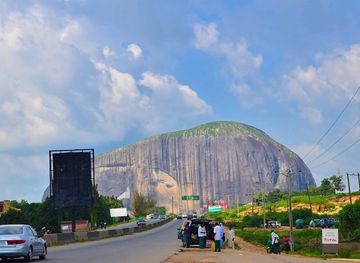
Explore more of Nigeria
Discover Nigeria: A Land of Vibrant Cultures, Stunning Landscapes, and Rich History in the Heart of Africa.
Explore Nigeria