

Free Ijaw Travel Guide & Mobile App
Explore Ijaw with free travel guides. Discover regional history, expert tips, proposed trips, and audio guides on web or mobile app.


Explore Ijaw Nigeria through mangrove waterways, river communities, seafood traditions and the layered history of the Niger Delta.
Read more about Ijaw
When is the best time to visit Ijaw?
Best: December–February · 32–33°C| Month | High (°C) | Rainfall (mm) |
|---|---|---|
| January (best) | 32 | 50 |
| February (best) | 33 | 60 |
| March | 34 | 70 |
| April | 33 | 80 |
| May | 33 | 90 |
| June | 32 | 100 |
| July | 31 | 110 |
| August | 31 | 110 |
| September | 32 | 100 |
| October | 32 | 90 |
| November | 32 | 80 |
| December (best) | 32 | 70 |
Getting to and around Ijaw
How to get there
Transportation
Top city travel guides in Ijaw
The cities of Ijaw, and the easiest places to base yourself.

Swipe for more cities
Best attractions in Ijaw
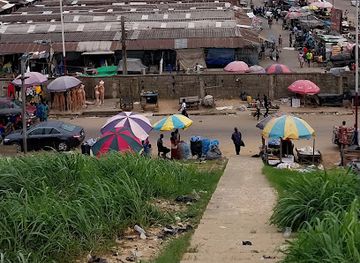
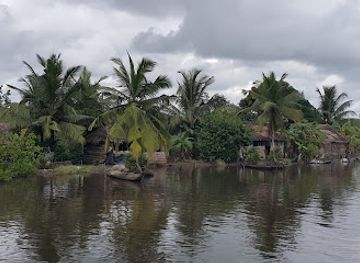
The attractions of Ijaw country are primarily cultural and environmental rather than concentrated in a single visitor circuit. Yenagoa offers the most accessible introduction, with public spaces and local institutions associated with Bayelsa's history, while the Isaac Boro Park provides a reference point for the region's modern political story. Beyond the state capital, river journeys reveal mangrove channels, freshwater wetlands, fishing settlements, sandbanks and broad tidal waterways. Nembe, Brass, Bonny, Okrika and Degema have different maritime histories and should be visited with local arrangements rather than treated as interchangeable destinations. Wildlife and wetland excursions can provide sightings of birds, mudskippers and other delta fauna, although conditions and access vary. The industrial landscape is also part of the region's contemporary story: oilfields, pipelines, jetties and gas infrastructure sit alongside older fishing economies, but these are working or restricted environments, not conventional sightseeing attractions. Community-led visits, cultural events and canoe journeys are generally more informative than hurried independent trips.
-
Water park
Erin Ijesha Waterfall
Explore the stunning Erin Ijesha Waterfall, a perfect blend of adventure and tranquility in Nigeria's natural beauty.
-
Traditional market
Swali Market
Explore Swali Market, a bustling traditional market in Bayelsa, Nigeria, showcasing local crafts, fresh produce, and authentic culinary delights.
-
National forest
Edumanom National Forest
Explore the natural beauty of Edumanom National Forest, a breathtaking national forest in Agbalamabugokiri, Nigeria, perfect for outdoor adventures.
-
Amusement park
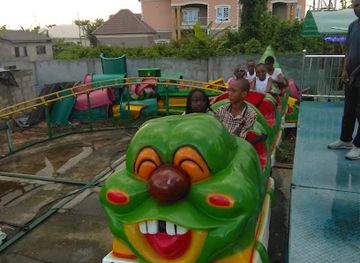
Kontiki Amusement Park and Resort
Experience the ultimate blend of fun and relaxation at Kontiki Amusement Park and Resort in Yenagoa, where adventure meets comfort.

Best landmarks in Ijaw
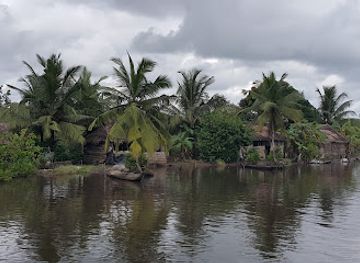
The most recognisable landmarks of Ijaw country are closely tied to political memory, river geography and maritime settlement. Isaac Boro Park in Yenagoa commemorates the Ijaw nationalist figure whose 1966 revolt became an important symbol of Niger Delta resource politics. Oloibiri in the Ogbia area of Bayelsa State is a landmark of Nigeria's petroleum history because commercial oil production began there, although the site is not a conventional, fully developed visitor attraction and should be approached with local guidance. The riverfronts and waterways of Nembe, Brass, Bonny, Okrika and Degema express the region's older identity as a network of trading and fishing communities. In these places, jetties, canoe traffic, waterfront compounds and broad tidal channels are more significant than monumental architecture. Industrial structures, pipelines and oil-service facilities form a powerful modern landscape, but they are working sites and may be restricted or unsafe to approach. The delta itself, with mangrove creeks and shifting channels, is the region's defining natural landmark.
-
National forest
Edumanom National Forest
Explore Edumanom National Forest, Nigeria's serene escape with lush landscapes and diverse wildlife perfect for nature lovers and adventurers.
-
Tourist attraction
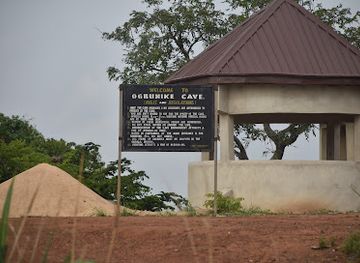
Ogbunike Cave
Explore the stunning Ogbunike Cave, a natural wonder in Anambra rich in history and adventure, perfect for nature lovers and cultural enthusiasts.

Explore Ijaw on the map
Plan your trip on one map. See where the top cities, national parks and sights are, and book hotels and experiences in a few clicks.
Best hotels in Ijaw
Best restaurants in Ijaw
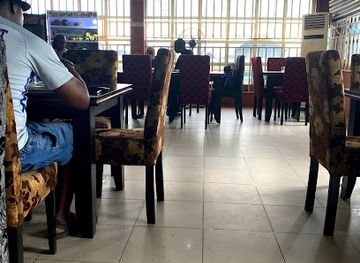
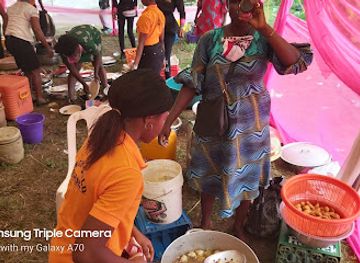
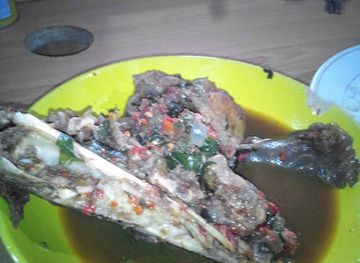
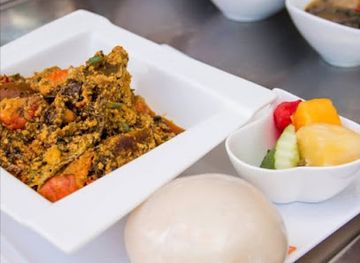
Dining in Ijaw communities centres on the produce of rivers, creeks and humid lowland farms. Fresh or smoked fish, prawns, periwinkles and other seafood commonly appear alongside rice, plantain, cassava, yam and leafy vegetables. Regional meals may include peppery fish preparations and native soups such as banga or other delta-style soups, though recipes and names differ between communities and households. In Yenagoa, visitors will find the broad range of Nigerian cooking offered by restaurants, hotels, cafés and roadside food sellers, while smaller river settlements have fewer formal choices and rely more heavily on home cooking or modest local eateries. Palm wine and locally produced drinks may be available, but quality and hygiene vary. Markets are useful for understanding the ingredients of delta cuisine, although visitors should choose cooked food carefully, drink treated or bottled water and respect local advice about food preparation in remote areas.
-
Restaurant
Comfort Kitchen
Discover authentic Nigerian flavors at Comfort Kitchen in Biogbolo, Bayelsa - where every meal tells a story.
-
Restaurant
Frank Da Biggie Restaurant
Experience authentic African cuisine at Frank Da Biggie Restaurant in Yenagoa - where every dish tells a story.
-
Restaurant
HOD BEANSUP
Experience authentic Nigerian flavors at HOD BEANSUP in Amassoma - where every dish tells a story.
-
Restaurant
Hannis Kitchen
Discover the flavors of Nigeria at Hannis Kitchen in Yenagoa - where authentic cuisine meets warm hospitality.
Best bars in Ijaw
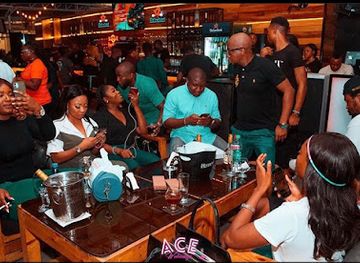
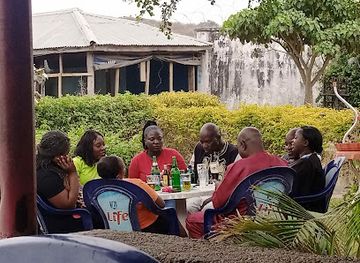
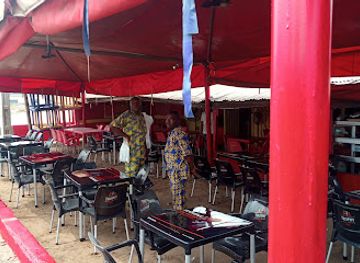
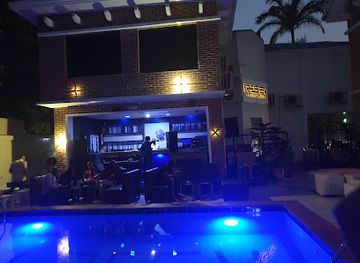
Nightlife is concentrated in Yenagoa and larger urban centres rather than spread evenly throughout the Ijaw homeland. In the Bayelsa capital, hotel lounges, neighbourhood bars, restaurants and occasional music venues provide the principal evening options, with contemporary Nigerian music alongside local social gatherings. In smaller riverine towns, evening life generally revolves around family compounds, community events, modest bars and local restaurants, and many businesses close earlier than visitors may expect. Bonny and Okrika have distinct port and maritime identities, but access and security arrangements should be checked before planning an evening visit. There is no single nightlife district representing all Ijaw communities, and remote settlements may have no formal entertainment venues. Travel after dark is best arranged in advance, especially when jetties, waterways or unfamiliar roads are involved.
-
Bar
W Bar Lounge
Experience the vibrant nightlife of Lagos at W Bar Lounge, where exquisite cocktails meet stunning waterfront views in an upscale setting.
-
Grill
St Ejix Bush Bar
Discover the vibrant flavors of Nigeria at St Ejix Bush Bar, where grilled delights and refreshing drinks meet a lively atmosphere in Plateau.
-
Bar
Pauly's Grill n Bar
Discover the lively ambiance of Pauly's Grill n Bar in Asagba, where great drinks and a vibrant atmosphere await every visitor.
-
Bar
IYAWO BAR
Experience the vibrant atmosphere of IYAWO BAR, where refreshing drinks meet the unique relaxation of a fish spa in the heart of Anambra.
Best nightclubs in Ijaw
Nightlife is concentrated in Yenagoa and larger urban centres rather than spread evenly throughout the Ijaw homeland. In the Bayelsa capital, hotel lounges, neighbourhood bars, restaurants and occasional music venues provide the principal evening options, with contemporary Nigerian music alongside local social gatherings. In smaller riverine towns, evening life generally revolves around family compounds, community events, modest bars and local restaurants, and many businesses close earlier than visitors may expect. Bonny and Okrika have distinct port and maritime identities, but access and security arrangements should be checked before planning an evening visit. There is no single nightlife district representing all Ijaw communities, and remote settlements may have no formal entertainment venues. Travel after dark is best arranged in advance, especially when jetties, waterways or unfamiliar roads are involved.
-
Night club
Tokyo Nightlife Abuja
Experience the electrifying vibe of Tokyo Nightlife Abuja, where vibrant nightlife meets tasty breakfast delights in Nigeria's capital city.
-
Night club
Avatar Hush Lounge and Nightclub
Discover the nightlife of Abuja at Avatar Hush Lounge and Nightclub, where great music and a vibrant atmosphere await you.
-
Night club
Club Quilox
Club Quilox: Lagos' ultimate nightclub experience, where luxury meets the vibrant nightlife of Victoria Island.
-
Bar
Rumors Night Club
Discover the vibrant nightlife of Lagos at Rumors Night Club, where music, dance, and excitement come together for an unforgettable experience.



Best shops in Ijaw
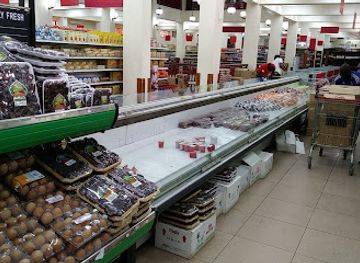
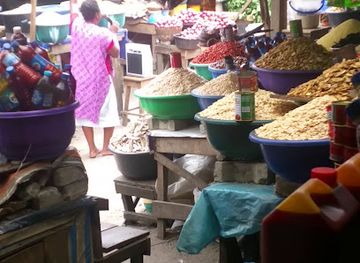
Shopping in Ijaw country is practical and local rather than centred on large retail districts. Yenagoa has the widest choice of supermarkets, pharmacies, clothing shops, mobile-phone outlets and general markets, while smaller towns offer open markets and independent traders serving everyday needs. Fresh and smoked fish, prawns, dried seafood, plantain, cassava products and other regional ingredients are the most characteristic purchases, though transport and storage should be considered before buying perishable food. In river communities, visitors may encounter woven items, carved objects, locally made baskets, canoe-related products and textiles, but quality and availability vary by place and season. Ask permission before buying culturally significant objects and avoid anything that appears to have been taken from protected environments. Bargaining is common in informal markets but should remain courteous; fixed prices are more likely in supermarkets, pharmacies and established shops.
-
Shopping mall
Jabi Lake Mall
Experience shopping, dining, and stunning lake views at Jabi Lake Mall, Abuja's premier shopping destination.
-
Department store
Exclusive Stores
Explore Exclusive Stores in Abuja for an unforgettable shopping experience, blending local culture with a modern shopping environment.
-
National forest
Edumanom National Forest
Discover the breathtaking beauty and diverse wildlife of Edumanom National Forest, a perfect escape for nature lovers and adventure seekers.
-
Market
Ogbe-ijaw MARKET
Experience the vibrant culture and local flavors at Ogbe-Ijaw Market in Warri, Delta State, Nigeria, a true gem for explorers and food lovers.

Get your free copy of our complete guide to Ijaw, delivered straight to you.
Everything on this page, from attractions and restaurants to essentials and local phrases, in one PDF you can read offline, print or share.
Already have an account? Sign in
Your Ijaw guide is ready.
We'll send it to · Not you? Sign out

Getting your guide ready…
We are putting together a fresh copy of the Ijaw guide. This can take up to a minute.
This can take a few moments. If your browser asks, choose Allow so the download can start. You'll find the guide in your Downloads folder.
Nothing happened? Download it again
Sorry, the guide is taking longer than usual. Please try again in a minute, or get it by email instead.
Ijaw essentials
Currency and Payment
Safety
Emergency Situations
Do's and Don'ts
Local Tips
From Eve
Local phrases worth knowing
You don't need to get them perfect. A few words go a long way, and locals appreciate the effort.
Basics
| English | Local | Say it |
|---|---|---|
| Hello | Ibo | [Ee-bo] |
| Goodbye | Tua | [Too-ah] |
| Yes | Ee | [Eh] |
| No | Ono | [Oh-no] |
| Please/You’re welcome | Biko | [Bee-koh] |
| Thank you | Ose | [Oh-seh] |
| Excuse me/Sorry | Maa | [Mah] |
| How are you? | O di iyi? | [Oh dee ee-yee?] |
| Fine. And you? | I di mma. Kedu? | [Ee dee mah. Keh-doo?] |
| Do you speak English? | I na-asụ Bekee? | [Ee nah-ah-soo Beh-keh?] |
| I don't understand | Anaghị m aghọta | [Ah-nah-hee m ah-go-tah] |
Eating & Drinking
| English | Local | Say it |
|---|---|---|
| I’d like to see the menu, please | Achọrọ m ịhụ menu, biko | [Ah-choh-roh m ee-huh meh-noo, bee-koh] |
| I don’t eat meat | Anaghị m eri anụ | [Ah-nah-hee m eh-ree ah-noo] |
| Cheers! | Nnoo! | [Nnoh] |
| I would like to pay, please | Achọrọ m ịkwụ ụgwọ, biko | [Ah-choh-roh m ee-kwoo oo-goh, bee-koh] |
Emergencies
| English | Local | Say it |
|---|---|---|
| Help! | Ndị a! | [Ndee ah] |
| Go away! | Pụọ! | [Poo-ah] |
| Call the Police! | Kpọọ ndị uweojii! | [Kpo-oh ndi oo-weh-gee] |
| Call a doctor! | Kpọọ dọkịta! | [Kpo-oh doh-kee-tah] |
| I’m lost | A na m efu | [Ah nah m eh-foo] |
| I’m ill | A na m arịa | [Ah nah m ah-ree-ah] |
Shopping
| English | Local | Say it |
|---|---|---|
| I’d like to buy... | Achọrọ m ịzụta... | [Ah-choh-roh m ee-zoo-tah] |
| I’m just looking | Ana m ele anya | [Ah-nah m eh-leh ah-nya] |
| How much is it? | Ego ole ka ọ bụ? | [Eh-goh oh-leh kah oh boo?] |
| That’s too expensive | Ọ dị oke ọnụ | [Oh dee oh-keh oh-noo] |
| Can you lower the price? | I nwere ike belata ọnụ? | [Ee nwe-reh ee-keh beh-lah-tah oh-noo?] |
Time & Numbers
| English | Local | Say it |
|---|---|---|
| What time is it? | Kedu oge? | [Keh-doo oh-geh?] |
| It’s one o'clock | Oge bụ otu | [Oh-geh boo oh-too] |
| Half past (10) | Nkeji iri na ise | [Nkeh-jee ee-ree nah ee-seh] |
| Morning | Ụtụtụ | [Oo-too-too] |
| Afternoon | Ehihie | [Eh-hee-yeh] |
| Evening | N'abalị | [Nah-bah-lee] |
| Yesterday | N'izu gara aga | [Nah-ee-zoo gah-rah ah-gah] |
| Today | Taa | [Tah] |
| Tomorrow | Echi | [Eh-chee] |
| 1 | Otu | [Oh-too] |
| 2 | Abụọ | [Ah-boo-ah] |
| 3 | Atọ | [Ah-toh] |
| 4 | Anọ | [Ah-noh] |
| 5 | Ise | [Ee-seh] |
| 6 | Isii | [Ee-see-ee] |
| 7 | Asaa | [Ah-sah-ah] |
| 8 | Asatọ | [Ah-sah-toh] |
| 9 | Itoolu | [Ee-toh-loo] |
| 10 | Iri | [Ee-ree] |
Transport & Directions
| English | Local | Say it |
|---|---|---|
| Where's a/the...? | Ebee ka ...? | [Eh-beh-kah?] |
| What's the address? | Kedu adreesị? | [Keh-doo ah-dree-see?] |
| Can you show me (on the map)? | I nwere ike igosi m (na map)? | [Ee nwe-reh ee-keh ee-goh-see m (nah map)?] |
| When's the next (bus)? | Kedu mgbe (basi) ọzọ? | [Keh-doo mm-beh (bah-see) ah-zoh?] |
| A ticket (to ....) | Tiket (na ...) | [Tee-ket (nah ...)] |
History of Ijaw
Early Delta Settlement and Riverine Society
Ijaw-speaking peoples have long inhabited the tidal waterways, islands and coastal margins of the eastern Niger Delta. The environment encouraged settlements adapted to fishing, canoe transport, wetland farming and trade rather than large inland agricultural towns. River channels were routes of communication, while kinship, chieftaincy and local trading networks organised political and economic life. Archaeological evidence in the wider Niger Delta is difficult to interpret because the wet environment preserves some materials poorly, but oral traditions, linguistic connections and historic settlement patterns point to deep regional continuity.
Atlantic Trade and Coastal Trading Houses
From the fifteenth century onwards, European maritime traders entered the Niger Delta, where existing riverine networks connected coastal markets with inland producers. Ijaw communities participated in the trade in palm products, fish and other commodities, while coastal polities such as Bonny and Brass became important points of exchange. The Atlantic slave trade also affected the delta, bringing coercion, political competition and changing commercial relationships. Later trade in palm oil became increasingly important, linking river communities to British commercial interests and the expanding industrial economy of Europe.
Colonial Rule and the Palm-Oil Economy
British colonial administration gradually imposed new political structures over the delta, often working through or reshaping existing rulers and trading authorities. The nineteenth-century palm-oil trade brought merchants, agents and shipping into the creeks, while colonial taxation and regulation altered older patterns of autonomy. River ports and trading settlements gained importance, but many communities remained difficult to reach by land. The colonial legacy is visible in the region's coastal commercial history, Christian institutions, imported architecture and the continuing tension between central administration and dispersed riverine communities.
Petroleum and Oloibiri
Nigeria's petroleum era began with the discovery of oil at Oloibiri in the present-day Ogbia area of Bayelsa State in the late 1950s; commercial production followed in 1958. The discovery transformed national finances and brought roads, pipelines, terminals and industrial installations to parts of the delta. It also altered local livelihoods and created disputes over land, waterways, compensation and environmental damage. Oloibiri therefore occupies an important place in both Nigeria's economic history and Ijaw discussions of the benefits and costs of oil extraction.
Isaac Boro and the Niger Delta Political Movement
Isaac Adaka Boro, from the Ijaw community of Kaiama in present-day Bayelsa State, became a major symbol of Niger Delta minority rights. In 1966 he led a short-lived declaration of the Niger Delta Republic, protesting political marginalisation and the distribution of oil wealth. The revolt was quickly defeated, but Boro's memory endured and influenced later activism concerning resource control, environmental protection and regional representation. His legacy is commemorated in Bayelsa, including Yenagoa's Isaac Boro Park, and remains part of the political history of the delta.
Environmental Conflict and Contemporary Delta Identity
Since the late twentieth century, oil spills, gas flaring, dredging, canal construction and industrial pollution have become central issues in many Niger Delta communities. Ijaw activists, traditional institutions and civil-society groups have demanded environmental restoration, greater local participation and a fairer share of petroleum revenues. Militancy and state security operations, particularly during periods of intensified conflict in the 1990s and 2000s, affected travel and everyday life in parts of the region. Contemporary Ijaw identity therefore combines riverine cultural traditions with a powerful modern history of environmental and political advocacy.
Ijaw in Photos
Browse through our photo collection highlighting the charm and character of the destination.
Neighbouring regions of Ijaw
The closest regions to Ijaw, if you have time for more than one.
-

-

-

-

-


Swipe for more regions
Explore more
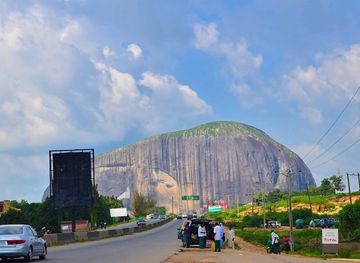
Explore more of Nigeria
Discover Nigeria: A Land of Vibrant Cultures, Stunning Landscapes, and Rich History in the Heart of Africa.
Explore Nigeria