

Urhobo, Nigeria Travel Guide
Experience the rich culture, vibrant festivals, and delicious cuisine of Urhobo in Nigeria – a true gem in the heart of Delta State.
Urhobo, located in the Delta State of Nigeria, is a vibrant community rich in culture and traditions. This charming destination offers visitors an authentic taste of Nigerian life, with its colorful festivals, delicious cuisine, and warm, welcoming people. One of the highlights of visiting Urhobo is experiencing their unique festivals. The Urhobo people celebrate several traditional festivals throughout the year, such as the Ohworu Festival and the Orhorho Festival. These events are filled with music, dance, and elaborate costumes, providing a fascinating insight into the local customs and way of life. Food lovers will be delighted by the culinary offerings in Urhobo. Local dishes such as Ukodo (yam and plantain pepper soup) and Oghwevwri (palm nut soup) are must-tries, offering a burst of flavors that are unique to this region. Many local markets and street vendors sell these traditional foods, giving you a chance to taste and enjoy the local cuisine. For those interested in history and culture, a visit to the Urhobo Cultural Centre is a must. This center showcases the rich history and heritage of the Urhobo people through various exhibits and artifacts. It's a great place to learn about the traditions, beliefs, and history of this fascinating community. Nature enthusiasts will also find plenty to enjoy in Urhobo. The region is blessed with lush landscapes and scenic beauty. Exploring the natural surroundings, including the nearby rivers and forests, can be both relaxing and invigorating. The serene environment offers a perfect escape from the hustle and bustle of city life.

Know before you go
Hi, I'm Eve. Here are a few practical things to know before exploring Urhobo.
- Try to visit during one of the major festivals to experience the vibrant cultural celebrations.
- Don't miss out on tasting local dishes like Ukodo and Oghwevwri for an authentic culinary experience.
- Visit the Urhobo Cultural Centre to learn more about the history and heritage of the Urhobo people.
- Explore the natural surroundings for a serene and scenic experience.
- Engage with the locals to get a deeper understanding of their customs and way of life.
Top City Travel Guides in Urhobo
The cities of Urhobo, and the easiest places to base yourself.

Explore Urhobo: Things to Do, Places to Eat, Hotels & More
Handpicked recommendations for top attractions, local dining, accommodations, and more

Top Attractions & Sightseeing in Urhobo
Top-rated picks
Best Attractions

Nike Art Gallery
Explore the rich tapestry of Nigerian culture at the Nike Art Gallery, showcasing traditional and contemporary African artistry in the heart of Lagos.

Omu Resort Ibeju Lekki
Experience the ultimate getaway at Omu Resort Ibeju Lekki, where adventure meets relaxation in the heart of Lagos.

Park Vega Waterpark
Discover the excitement of water slides, lazy rivers, and family fun at Park Vega Waterpark in Agbor, Nigeria - your ultimate summer escape.

Nelson Mandela Gardens and Resort
Discover the natural beauty and vibrant wildlife at Nelson Mandela Gardens and Resort in Asaba, a perfect getaway for relaxation and exploration.

Best landmarks in Urhobo
Top-rated picks
Best Landmarks

Freedom Park Lagos
Explore the lush landscapes and rich history of Freedom Park Lagos, a cultural haven in the heart of Nigeria's bustling metropolis.
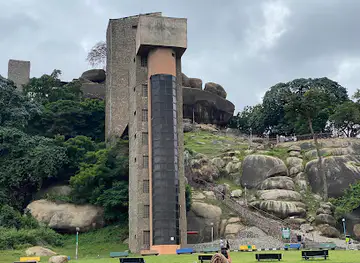
Olumo Rock Tourist Centre
Discover the breathtaking views and rich heritage at Olumo Rock, a historical landmark in Abeokuta, Nigeria, where nature and culture meet.

Jaekel House
Discover the captivating history and culture of Lagos at Jaekel House, a stunning colonial museum reflecting Nigeria's rich heritage.
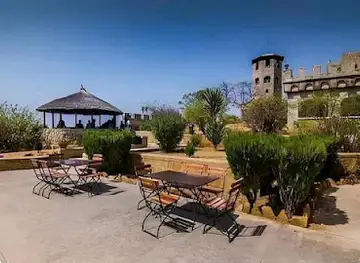
Kajuru Castle
Experience the magic of Kajuru Castle, a unique resort hotel in Kaduna, Nigeria, offering stunning architecture and breathtaking views amidst serene landscapes.

Best restaurants in Urhobo
Top-rated picks
Best Restaurants

Niger Delta Restaurant
Discover authentic Nigerian cuisine at Niger Delta Restaurant in Abuja – a culinary journey through rich flavors and vibrant culture.
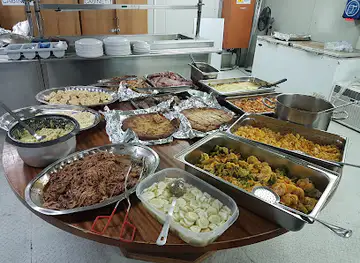
FUBAR
Experience authentic Nigerian flavors at FUBAR in Ogidigbe - where every meal tells a story!

Afribuka Restaurant
Discover authentic Nigerian cuisine at Afribuka Restaurant in Ikirun – where every meal is a celebration of local flavors.

Finger Linkin Kitchen
Discover culinary bliss at Finger Linkin Kitchen - where every breakfast is a celebration of taste in Okuokoko, Delta.

Best bars in Urhobo
Top-rated picks
Best Bars

K16 Lounge
Experience the vibrant atmosphere and culinary delights at K16 Lounge, the perfect bar and restaurant in Warri for every traveler.

Dynasty Lounge
Discover the lively ambiance and diverse drink selection at Dynasty Lounge, the premier bar experience in Warri, Delta.

Kool Breeze Bar
Experience the vibrant nightlife of Warri at Kool Breeze Bar, where refreshing drinks and lively atmosphere await every visitor.

FUBAR
Discover the vibrant flavors of Delta at FUBAR, a must-visit restaurant in Ogidigbe, offering a unique blend of local and international cuisine.

Best nightclubs in Urhobo
Top-rated picks
Best Nightclubs

Tokyo Nightlife Abuja
Discover the perfect blend of nightlife and breakfast at Tokyo Nightlife Abuja, where every visit promises unforgettable moments and delectable flavors.

Avatar Hush Lounge and Nightclub
Discover the pulse of Abuja’s nightlife at Avatar Hush Lounge and Nightclub, where great music and vibrant crowds create unforgettable experiences.

Club Quilox
Discover the vibrant nightlife of Lagos at Club Quilox, where luxury meets electrifying entertainment in the heart of Victoria Island.

Rumors Night Club
Discover the electrifying nightlife of Lagos at Rumors Night Club, where music, drinks, and dancing come together for an unforgettable experience.

Best shops in Urhobo
Top-rated picks
Best Shops

Rubeecharms
Explore Rubeecharms for unique handmade crafts, souvenirs, and household goods that embody local culture and creativity.

Ogbe-Ukwu Quarters
Explore the vibrant Ogbe-Ukwu Quarters in Rivers, Nigeria, a shopping paradise offering local brands, dining, and entertainment for every traveler.

Bunu Souvenirs and Gifts
Explore Bunu Souvenirs and Gifts for an authentic taste of Nigerian culture through unique keepsakes and handcrafted treasures.

Uniquely Rhades Company Limited
Experience the essence of health and sustainability at Uniquely Rhades Company Limited, your go-to destination for organic delights in Warri.

Explore Urhobo on the Map
A handpicked selection of must-see spots in Urhobo, mapped for you.
Urhobo Essentials
-
Urhobo is located in the Delta State of Nigeria. The nearest international airport is the Osubi Airport in Warri, which is approximately 20 kilometers away from the Urhobo region. Travelers can also use the Murtala Muhammed International Airport in Lagos and then take a domestic flight to Osubi Airport. From the airport, taxis and car rentals are available to take you to various parts of the Urhobo region.
-
Within the Urhobo region, local transportation options include taxis, motorcycle taxis (okadas), and minibuses (danfos). Taxis are the most comfortable and safest option for tourists, while okadas offer a quicker but less safe means of transport. Minibuses are the most economical, but they can be crowded and less reliable. Car rentals are also available and can be a convenient option for exploring the area at your own pace.
-
The official currency in Nigeria is the Nigerian Naira (NGN). Credit cards are accepted in some hotels, restaurants, and larger shops in the Urhobo region, but it is advisable to carry cash, especially in smaller establishments and more rural areas. ATMs are available in larger towns, but it is wise to withdraw sufficient cash when you have the opportunity to ensure you have enough funds throughout your stay.
-
While the Urhobo region is generally safe for tourists, it is advisable to take standard precautions. Avoid walking alone at night in unfamiliar areas and keep an eye on your belongings in crowded places. Some neighborhoods in larger towns may have higher crime rates, so it’s best to stay in well-populated and well-lit areas. Always be aware of your surroundings and avoid displaying valuable items openly.
-
In case of emergency, dial 112 for immediate assistance. The local police station and medical facilities are available in larger towns in the Urhobo region. It is recommended to have travel insurance that covers medical emergencies. For minor health issues, there are pharmacies where you can purchase over-the-counter medications.
-
Fashion: Do dress modestly, especially when visiting religious or traditional sites. Avoid wearing revealing clothing. Religion: Do respect local customs and traditions. Always ask for permission before taking photos in religious sites. Public Transport: Do be respectful and give up your seat to elderly passengers. Don’t eat or drink on public transport. Greetings: Do greet people with a handshake. A slight bow of the head is also a sign of respect. Eating & Drinking: Do try local delicacies and accept food offerings graciously. Don’t refuse hospitality, as it is considered impolite.
-
To experience Urhobo like a local, visit the local markets where you can buy fresh produce and traditional Urhobo goods. Engage with locals, as they are often friendly and willing to share stories about the region's history and culture. Don’t miss visiting the traditional Urhobo festivals, such as the Ohworhu Festival, which showcases local music, dance, and cuisine. For a unique experience, take a boat ride on the Ethiope River, offering beautiful views of the surrounding landscape.
When is the best time to visit Urhobo?
Useful Local Phrases for Urhobo
You don't need to speak the language perfectly. Even learning a few simple words can make conversations warmer—and locals usually appreciate the effort.
— Eve

Here are the phrases I use most often in Urhobo. Try a few—you'll be surprised how far they go! 😊
❤️
-
- HelloUfuoma
[oo-foh-mah] - GoodbyeOghene w'evwe
[oh-ghen-eh weh-vweh] - YesEe
[eh] - NoN'ee
[n-eh] - Please/You're welcomeEyi o/n'ye
[eh-yee oh/n-yeh] - Thank youOse
[oh-seh] - Excuse me/SorryM'ehwhe
[meh-wheh] - How are you?Udi o?
[oo-dee oh?] - Fine. And you?Udi, na u?
[oo-dee, nah oo?] - Do you speak English?Iwo na soro English?
[ee-woh nah soh-roh English?] - I don't understandMi no dey understand
[mee noh dey un-der-stand]
- HelloUfuoma
-
- I'd like to see the menu, pleaseMi wan si di menu, please
[mee wan see dee meh-nu, pleeze] - I don't eat meatMi no dey chop meat
[mee noh dey chop meet] - Cheers!Oghene na!
[oh-ghen-eh nah!] - I would like to pay, pleaseMi wan pay, please
[mee wan pay, pleeze]
- I'd like to see the menu, pleaseMi wan si di menu, please
-
- Help!Help!
[help!] - Go away!Gbe o!
[gbe oh!] - Call the Police!Call di Police!
[call dee po-lees!] - Call a doctor!Call doctor!
[call doc-tor!] - I'm lostMi don lost
[mee don lost] - I'm illMi dey sick
[mee dey sik]
- Help!Help!
-
- I'd like to buy...Mi wan buy...
[mee wan buy...] - I'm just lookingMi dey just look
[mee dey just luk] - How much is it?How much be am?
[how much beh ahm?] - That's too expensiveDat one dey too expensive
[daht wan dey too ex-pen-sive] - Can you lower the price?You fit lower di price?
[yoo fit loh-wah dee price?]
- I'd like to buy...Mi wan buy...
-
- What time is it?Wet'in time be dis?
[weh-tin time beh dis?] - It's one o'clockNa one o'clock
[nah won o-clock] - Half past (10)Half past ten
[half past ten] - MorningOmor
[oh-mor] - AfternoonOghene
[oh-ghen-eh] - EveningOghene v'ee
[oh-ghen-eh vee] - YesterdayYesterday
[yes-ter-day] - TodayToday
[to-day] - TomorrowTomorrow
[to-mor-row] - 1One
[won] - 2Two
[too] - 3Three
[three] - 4Four
[four] - 5Five
[five] - 6Six
[six] - 7Seven
[seven] - 8Eight
[eight] - 9Nine
[nine] - 10Ten
[ten]
- What time is it?Wet'in time be dis?
-
- Where's a/the...?Where di...?
[where dee...?] - What's the address?Wet'in di address?
[wet'in dee ad-dress?] - Can you show me (on the map)?You fit show me (for di map)?
[yoo fit show mee (for dee map)?] - When's the next (bus)?When di next (bus) go come?
[when dee next (bus) go come?] - A ticket (to ....)One ticket (to ...)
[won ti-ket (to ...)]
- Where's a/the...?Where di...?
History of Urhobo
-
The Urhobo people are one of the indigenous ethnic groups in the Niger Delta region of Nigeria. They are believed to have migrated from the Edo-speaking areas around the 15th century. The Urhobo settled in the western part of the Niger Delta, where they established numerous clans and kingdoms, each with its own distinct leadership and traditions.
-
The Urhobo people organized themselves into over 20 autonomous kingdoms, each ruled by a traditional king known as an Ovie. These kingdoms include Agbon, Okpe, Ughelli, and Abraka. Each kingdom operated independently, yet they share cultural practices, languages, and religious beliefs that unify the Urhobo identity.
-
During the late 19th and early 20th centuries, the Urhobo region came under British colonial rule. This period was marked by resistance from the Urhobo people, who were determined to preserve their autonomy and cultural heritage. Notable figures like Chief Mukoro Mowoe emerged as leaders who resisted colonial policies and fought for the rights of the Urhobo people.
-
Traditionally, the Urhobo people are known for their fishing, farming, and trading practices. However, the discovery of oil in the Niger Delta region in the mid-20th century dramatically changed the economic landscape. While oil exploration brought economic opportunities, it also led to environmental degradation and conflicts over resource control, impacting the Urhobo communities significantly.
-
The Urhobo culture is rich and vibrant, with numerous festivals and traditional ceremonies celebrated throughout the year. One of the most famous festivals is the Ohworu Festival, which is a colorful display of music, dance, and masquerades, celebrating the river goddess Ohworu. These festivals are not only a celebration of Urhobo heritage but also an opportunity for communal bonding and identity reinforcement.
-
The Urhobo language is a crucial aspect of the people's identity. It belongs to the Niger-Congo language family and has several dialects. Efforts have been made to preserve the language through literature, with notable authors like Peter Ekeh and Tanure Ojaide contributing significantly to Urhobo literary heritage. Their works explore themes of culture, identity, and the socio-political issues facing the Urhobo people.
-
In contemporary Nigeria, Urhobo people continue to play significant roles in the socio-political and economic spheres. With a population of over two million, they are a vibrant community with representation in various sectors, including politics, academia, and business. Despite modern influences, the Urhobo people remain deeply connected to their cultural roots, striving to balance tradition with progress.
Neighbouring Regions of Urhobo
The closest regions to Urhobo, if you have time for more than one.



Your all‑in‑one travel companion app
Explore expert travel guides, compare and book tours, experiences, hotels, and more—all from the palm of your hand. Download now for seamless trip planning wherever your wanderlust takes you.


Explore More of Nigeria
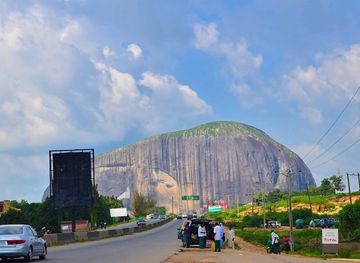
Looking beyond Urhobo? Discover Nigeria for broader travel guides, local hot-spots, and regional highlights.
Explore NigeriaUrhobo in Photos
Browse through our photo collection highlighting the charm and character of the destination.


Discover the Heart of Urhobo Culture in Nigeria
Urhobo, located in the Delta State of Nigeria, is a vibrant community rich in culture and traditions. This charming destination offers visitors an authentic taste of Nigerian life, with its colorful festivals, delicious cuisine, and warm, welcoming people. One of the highlights of visiting Urhobo is experiencing their unique festivals. The Urhobo people celebrate several traditional festivals throughout the year, such as the Ohworu Festival and the Orhorho Festival. These events are filled with music, dance, and elaborate costumes, providing a fascinating insight into the local customs and way of life. Food lovers will be delighted by the culinary offerings in Urhobo. Local dishes such as Ukodo (yam and plantain pepper soup) and Oghwevwri (palm nut soup) are must-tries, offering a burst of flavors that are unique to this region. Many local markets and street vendors sell these traditional foods, giving you a chance to taste and enjoy the local cuisine. For those interested in history and culture, a visit to the Urhobo Cultural Centre is a must. This center showcases the rich history and heritage of the Urhobo people through various exhibits and artifacts. It's a great place to learn about the traditions, beliefs, and history of this fascinating community. Nature enthusiasts will also find plenty to enjoy in Urhobo. The region is blessed with lush landscapes and scenic beauty. Exploring the natural surroundings, including the nearby rivers and forests, can be both relaxing and invigorating. The serene environment offers a perfect escape from the hustle and bustle of city life.