

Free Itsekiri Travel Guide & Mobile App
Explore Itsekiri with free travel guides. Discover regional history, expert tips, proposed trips, and audio guides on web or mobile app.


Explore Itsekiri heritage around Warri and Koko through riverine landscapes, royal history, trading traditions and Niger Delta culture.
Read more about Itsekiri
When is the best time to visit Itsekiri?
Best: December–February · 30–31°C| Month | High (°C) | Rainfall (mm) |
|---|---|---|
| January (best) | 30 | 30 |
| February (best) | 31 | 35 |
| March | 32 | 40 |
| April | 31 | 50 |
| May | 30 | 70 |
| June | 29 | 90 |
| July | 28 | 110 |
| August | 28 | 110 |
| September | 29 | 90 |
| October | 30 | 70 |
| November | 31 | 50 |
| December (best) | 30 | 30 |
Getting to and around Itsekiri
How to get there
Transportation
Top city travel guides in Itsekiri
The cities of Itsekiri, and the easiest places to base yourself.

Swipe for more cities
Best attractions in Itsekiri
Itsekiri attractions are primarily cultural, historical and environmental rather than a dense collection of purpose-built visitor facilities. In Warri, visitors can explore the urban setting in which Itsekiri, Urhobo and Ijaw histories meet, with local cultural contacts providing context that is difficult to gain from a short independent visit. Koko, in Warri North, is the principal historical excursion associated with Chief Nana Olomu and the Nana Living History Museum, where a former palace setting introduces the political and commercial world of nineteenth-century Itsekiri leadership. The surrounding waterways and settlements offer insight into canoe transport, fishing, mangrove ecology and the practical realities of life in the Niger Delta. Visits to these areas require advance arrangements, permission and careful attention to security. River journeys can reveal the region's geography more clearly than road travel, but they should be undertaken with experienced local operators and proper safety equipment. Churches, markets, royal traditions, local foodways and community stories are also important parts of the cultural experience, although access and interpretation vary. The region is not organised around a conventional tourist trail, so its strongest attractions are best approached as guided encounters with history, waterways and living communities rather than as a checklist of monuments.
-
Resort hotel
McCarthy beach
Discover the serene beauty and luxurious comfort of McCarthy Beach, a premier resort hotel in Urhuoka, Edo State, Nigeria.
-
National park
Okomu National Park
Experience the rich biodiversity and serene beauty of Okomu National Park, a hidden gem in Nigeria perfect for eco-tourism and adventure.
-
Tourist attraction
Falcorp Mangrove Park
Explore the serene beauty and biodiversity of Falcorp Mangrove Park, a must-visit destination for nature lovers in Delta State, Nigeria.
-
Historical place
Nanna of Itsekiri Memorial
Immerse yourself in the rich history and cultural heritage of the Itsekiri people at the Nanna of Itsekiri Memorial in Delta State, Nigeria.
Best landmarks in Itsekiri
The most important historic landmark associated with Itsekiri country is the former palace of Chief Nana Olomu at Koko, now connected with the Nana Living History Museum. Its importance lies not only in its architecture but in what it represents: the authority of an Itsekiri trading leader, the commercial wealth generated by the nineteenth-century Niger Delta and the confrontation between local political power and British colonial expansion. The waterways around Koko and the wider Warri Kingdom are themselves defining geographical landmarks, forming the channels through which people, goods and political influence moved. Warri's urban landscape is less a single monumental historic centre than a layered meeting place of royal, commercial, Christian, industrial and residential histories. Elsewhere, royal compounds, churches, market spaces and river landings may carry strong local significance, but access is governed by community permission and changing conditions. Oil installations and port infrastructure are visually prominent reminders of the modern Niger Delta, although they are working sites rather than visitor attractions and should not be approached or photographed without authorisation.
-
Historical landmark
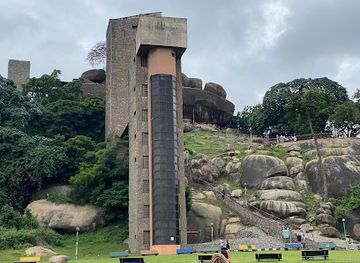
Olumo Rock Tourist Centre
Explore Olumo Rock Tourist Centre, a stunning historical landmark in Abeokuta, offering breathtaking views and rich cultural experiences in Ogun State, Nigeria.
-
Historical place museum
Jaekel House
Explore the historical significance of Jaekel House in Lagos, a museum offering insights into Nigeria's rich cultural heritage and colonial past.
-
Resort hotel
Kajuru Castle
Experience the allure of Kajuru Castle, a breathtaking resort hotel in Kaduna, Nigeria, blending medieval architecture with stunning natural beauty.
-
National park
Okomu National Park
Discover the stunning landscapes and diverse wildlife of Okomu National Park, one of Nigeria's hidden gems for nature lovers and adventure seekers.

Explore Itsekiri on the map
Plan your trip on one map. See where the top cities, national parks and sights are, and book hotels and experiences in a few clicks.
Best hotels in Itsekiri
Best restaurants in Itsekiri
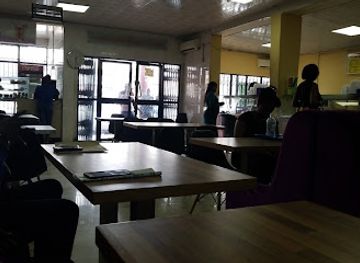
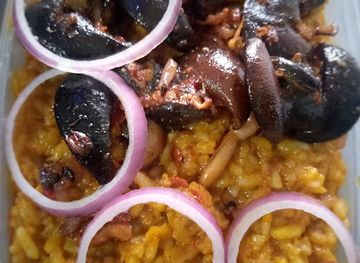
Dining in Itsekiri country is centred on Warri and the wider Delta urban corridor, with smaller communities offering more informal food prepared for local residents rather than visitors. Fish and seafood are important in a riverine environment, while soups and stews are commonly served with staples such as starches made from cassava, plantain or yam. Itsekiri food traditions overlap with those of neighbouring Niger Delta peoples, so dishes should not automatically be labelled exclusively Itsekiri; local preparation, ingredients and household custom often matter more than a fixed regional menu. In Warri, look for everyday restaurants, buka-style eateries, cafés and hotel dining rooms, checking hygiene and turnover rather than relying on a formal tourist scene. Fresh fish, pepper-rich sauces, plantain, rice and seasonal produce are widely encountered. Markets may provide ingredients and snacks, but visitors should use a trusted local contact when buying food or arranging meals in smaller settlements. Bottled or treated water is the sensible choice, and dietary requirements should be explained clearly because English-language menus are not universal.
-
Restaurant
TEMPLEGRILL
Experience exquisite flavors at TempleGrill in Warri - where local traditions meet global cuisine in a welcoming atmosphere.
-
Restaurant
Otres
Experience authentic Nigerian cuisine at Otres in Warri – where every dish tells a story.
-
Restaurant
Finger Linkin Kitchen
Experience authentic Nigerian breakfasts at Finger Linkin Kitchen - where every bite tells a story.
-
Restaurant
FoodieXpress Cuisine
Discover authentic Nigerian flavors at FoodieXpress Cuisine in Warri – where every dish tells a story.
Best bars in Itsekiri
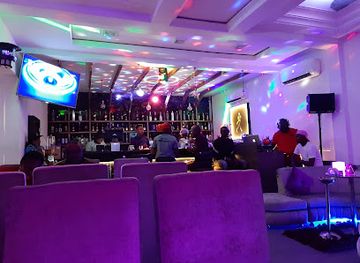
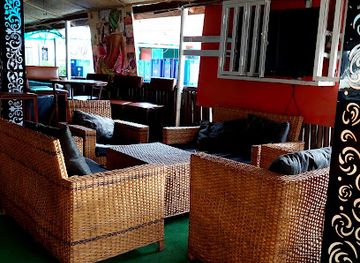
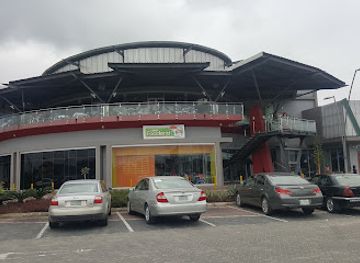
Evening life is concentrated in Warri and Effurun rather than in the smaller riverine settlements. The urban area has neighbourhood pubs, hotel bars, restaurants, beer gardens, lounges and occasional live-music venues, with the precise scene changing as businesses open and close. Nightlife is generally more social and locally oriented than a dedicated international club circuit, and visitors should choose established venues recommended by a trusted local contact. In Koko and other smaller communities, evenings are more likely to revolve around family visits, informal conversation, food and modest local drinking spots than nightclubs. Avoid travelling unfamiliar roads or waterways after dark, keep transport arranged in advance and remain discreet with phones and valuables. Alcohol is not necessary to experience the region's evening culture, and religious, family and community contexts mean that public behaviour should remain considerate.
-
Bar
K16 Lounge
Experience the vibrant atmosphere and delicious cuisine at K16 Lounge, a must-visit bar and restaurant in Warri, Nigeria.
-
Lounge
Hood Lounge and Gardens
Discover the serene ambiance and vibrant culture at Hood Lounge and Gardens, Abuja's perfect spot for relaxation and entertainment.
-
Bar
Dynasty Lounge
Discover the lively nightlife at Dynasty Lounge in Warri, Delta - a perfect blend of local culture, drinks, and entertainment.
-
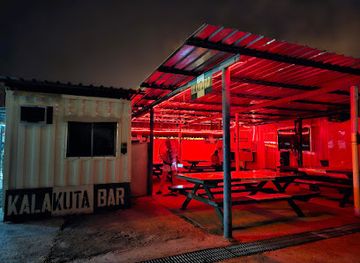
Bar
Kalakuta Bar, EGTL
Experience the vibrant nightlife of Ogidigbe at Kalakuta Bar, where relaxation meets local culture in a welcoming atmosphere.
Best nightclubs in Itsekiri
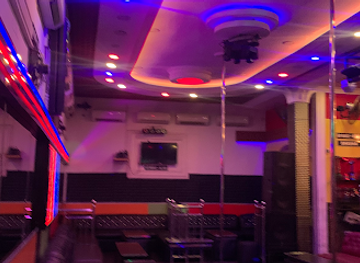
Evening life is concentrated in Warri and Effurun rather than in the smaller riverine settlements. The urban area has neighbourhood pubs, hotel bars, restaurants, beer gardens, lounges and occasional live-music venues, with the precise scene changing as businesses open and close. Nightlife is generally more social and locally oriented than a dedicated international club circuit, and visitors should choose established venues recommended by a trusted local contact. In Koko and other smaller communities, evenings are more likely to revolve around family visits, informal conversation, food and modest local drinking spots than nightclubs. Avoid travelling unfamiliar roads or waterways after dark, keep transport arranged in advance and remain discreet with phones and valuables. Alcohol is not necessary to experience the region's evening culture, and religious, family and community contexts mean that public behaviour should remain considerate.
-
Night club
Tokyo Nightlife Abuja
Discover the lively fusion of nightlife and breakfast at Tokyo Nightlife Abuja, where unforgettable experiences await in the heart of the city.
-
Disco club
De Crib Night Club
Dive into Lagos' nightlife at De Crib Night Club, where music, dance, and fun come together for an unforgettable evening.
-
Night club
Warri Club
Immerse yourself in the energetic nightlife of Warri Club, where live music and vibrant dance floors create unforgettable experiences.
-
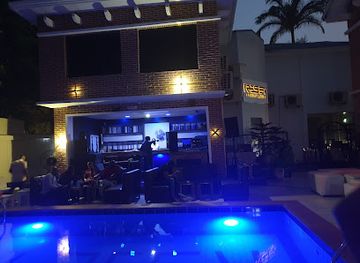
Night club
Club Edge
Discover the vibrant nightlife at Club Edge, Warri's top nightclub and bar, where music, dance, and unforgettable memories come together.


Best shops in Itsekiri
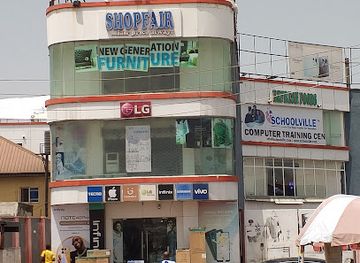
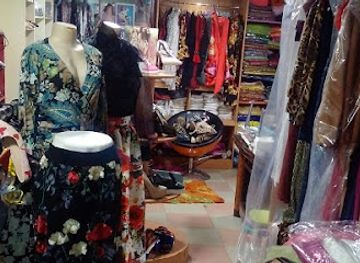
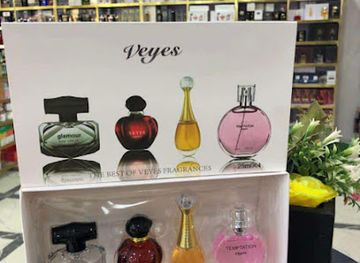
Shopping is most practical in Warri and Effurun, where markets, supermarkets, high streets and independent traders serve the surrounding region. Visitors can look for locally prepared foods, fabrics, clothing, carved or decorative items, household goods and everyday market produce, although quality and provenance should be checked carefully. Koko and other smaller communities offer a more local trading atmosphere, but retail choice is limited and opening arrangements can be informal. Regional food products, dried fish and packaged Nigerian snacks may be easier to find than specifically branded Itsekiri souvenirs. Cultural objects, antique-looking goods and items described as traditional should be bought only through reputable contacts, since export restrictions and questions of ownership can apply to antiquities and sacred material. Bargain courteously where appropriate, carry smaller naira notes and keep valuables secure in crowded markets. The most meaningful purchases are often contemporary products from local makers rather than objects removed from royal, religious or archaeological contexts.
-
Shopping mall
Shopfair Nigeria Limited
Explore Shopfair Nigeria Limited, Ughelli's vibrant shopping mall offering diverse retail, dining, and entertainment experiences.
-
Boutique
Amajite Place Fashionshop
Explore unique fashion at Amajite Place Fashionshop in Warri, where vibrant styles meet local culture for an unforgettable shopping experience.
-
Perfume store
Esirishop (Esiri company limited)
Experience the art of fragrance at Esirishop, a premier perfume store in Warri blending luxury scents with exquisite interior design.
-
Department store
Unique Merchandize
Explore the vibrant assortment of local crafts and contemporary goods at Unique Merchandize, a must-visit department store in Langtang North.
Get your free copy of our complete guide to Itsekiri, delivered straight to you.
Everything on this page, from attractions and restaurants to essentials and local phrases, in one PDF you can read offline, print or share.
Already have an account? Sign in
Your Itsekiri guide is ready.
We'll send it to · Not you? Sign out

Getting your guide ready…
We are putting together a fresh copy of the Itsekiri guide. This can take up to a minute.
This can take a few moments. If your browser asks, choose Allow so the download can start. You'll find the guide in your Downloads folder.
Nothing happened? Download it again
Sorry, the guide is taking longer than usual. Please try again in a minute, or get it by email instead.
Itsekiri essentials
Currency and Payment
Safety
Emergency Situations
Do's and Don'ts
Local Tips
From Eve
Local phrases worth knowing
You don't need to get them perfect. A few words go a long way, and locals appreciate the effort.
Basics
| English | Local | Say it |
|---|---|---|
| Hello | Bọ̀wọ̀ | [Boh-wah] |
| Goodbye | Dọ̀tẹ́ | [Doh-teh] |
| Yes | Ẹ̀ẹ́ | [Eh-eh] |
| No | Kò | [Koh] |
| Please/You're welcome | Jọ̀wọ́ | [Jow-oh] |
| Thank you | Ẹ se | [Eh seh] |
| Excuse me/Sorry | Ẹ jọ̀ | [Eh joh] |
| How are you? | Kí ni ìmọ́? | [Kee nee ee-moh] |
| Fine. And you? | Dáadáa. Ẹ́ ń dáa? | [Dah-dah. Eh n dah?] |
| Do you speak English? | Ṣé o ń sọ́ English? | [Sheh oh n soh English?] |
| I don't understand | Mi ò ye | [Mee oh yeh] |
Eating & Drinking
| English | Local | Say it |
|---|---|---|
| I'd like to see the menu, please | Mo fẹ́ rí àkóónú, jọ̀wọ́ | [Moh feh ree ah-koh-noo, jow-oh] |
| I don't eat meat | Mi ò jẹ́ ẹran | [Mee oh jeh eh-rah-n] |
| Cheers! | Àlàáfíà! | [Ah-lah-fee-ah] |
| I would like to pay, please | Mo fẹ́ san, jọ̀wọ́ | [Moh feh sahn, jow-oh] |
Emergencies
| English | Local | Say it |
|---|---|---|
| Help! | Iranlọwọ! | [Ee-rahn-loo] |
| Go away! | Kó lọ! | [Koh law!] |
| Call the Police! | Pe ọlọ́pa! | [Pe oh-loh-pah!] |
| Call a doctor! | Pe dọ́kítà! | [Pe doh-kee-tah!] |
| I'm lost | Mo sọnù | [Moh soh-noo] |
| I'm ill | Mo ń sùn | [Moh n soon] |
Shopping
| English | Local | Say it |
|---|---|---|
| I'd like to buy... | Mo fẹ́ rà... | [Moh feh rah...] |
| I'm just looking | Mo kan wò | [Moh kahn woh] |
| How much is it? | Kí ni owó rẹ? | [Kee nee oh-woh reh?] |
| That's too expensive | Èyí pọ̀ jù | [Eh-yee poh joo] |
| Can you lower the price? | Ṣé o lè dinku owó? | [Sheh oh leh deen-koo oh-woh?] |
Time & Numbers
| English | Local | Say it |
|---|---|---|
| What time is it? | Kí ni àsìkò? | [Kee nee ah-see-koh?] |
| It's one o'clock | Ó jẹ́ àkókò kan | [Oh jeh ah-koh-koh kahn] |
| Half past (10) | Ìkẹ́ta mẹ́wàá | [Ee-keh-tah meh-wah] |
| Morning | Òwúrọ̀ | [Oh-woo-roh] |
| Afternoon | Ọ̀sán | [Oh-sahn] |
| Evening | Alẹ́ | [Ah-leh] |
| Yesterday | Àná | [Ah-nah] |
| Today | Tíìnyí | [Tee-nee] |
| Tomorrow | Ọ́la | [Oh-lah] |
| 1 | Ọkan | [Oh-kahn] |
| 2 | Méjì | [Meh-jee] |
| 3 | Mẹ́ta | [Meh-tah] |
| 4 | Mẹ́rin | [Meh-reen] |
| 5 | Márùn-ún | [Mah-roon-oon] |
| 6 | Mẹ́fa | [Meh-fah] |
| 7 | Mẹ́je | [Meh-jeh] |
| 8 | Mẹ́jọ | [Meh-joh] |
| 9 | Mẹ́san | [Meh-sahn] |
| 10 | Mẹ́wa | [Meh-wah] |
Transport & Directions
| English | Local | Say it |
|---|---|---|
| Where's a/the...? | Nibo ni...? | [Nee-boh nee...?] |
| What's the address? | Kí ni àdírẹ́sì? | [Kee nee ah-dee-reh-see?] |
| Can you show me (on the map)? | Ṣé o lè fihan mi (ní àtẹ́)? | [Sheh oh leh fee-han mee (nee ah-teh)?] |
| When's the next (bus)? | Kí ni àsìkò to kàn (bùsì)? | [Kee nee ah-see-koh toh kahn (boo-see)?] |
| A ticket (to ....) | Tiketi (sí....) | [Tee-keh-tee (see....)] |
History of Itsekiri
Early Itsekiri Settlement and Benin Connections
The early history of the Itsekiri is preserved through oral traditions, royal genealogies and later written accounts rather than through a single uncontested foundation narrative. Itsekiri political culture developed in the western Niger Delta amid sustained interaction with Benin and neighbouring Ijaw and Urhobo societies. These contacts influenced court practice, titles, trade and settlement patterns, while the waterways encouraged movement between communities. The Warri Kingdom emerged as the central Itsekiri political institution, linking dispersed riverine settlements under royal authority and helping the Itsekiri participate in regional commerce.
The Warri Kingdom and Atlantic Contact
From the late fifteenth century, Portuguese and other European traders reached the Niger Delta, creating new commercial and diplomatic relationships. European accounts referred to the Warri polity by names such as Warri or Ouere, while Itsekiri rulers managed relations with foreign merchants and nearby African powers. Christian influence also reached the royal court during the early modern period, although religious life remained shaped by local institutions and later change. The kingdom's position between inland markets and the Atlantic-facing waterways enabled the Itsekiri to become an important intermediary in regional trade.
Riverine Trade and the Palm-Oil Economy
During the eighteenth and nineteenth centuries, Itsekiri merchants played a significant role in the commerce of the Niger Delta. Canoe transport, control of river routes and relationships with inland producers connected coastal trading points with markets farther upriver. Palm oil and palm kernels became especially important during the nineteenth-century expansion of European industrial demand, while other commodities and forms of commerce also shaped the region. Itsekiri trading houses and political leaders gained influence through this economy, but commercial power was accompanied by rivalry among local authorities and increasing European pressure.
Nana Olomu and the Colonial Conquest
Chief Nana Olomu of Ebrohimi was one of the most prominent Itsekiri commercial and political figures of the late nineteenth century. His influence grew through trade in the western Niger Delta, but relations with the British deteriorated as colonial authorities sought greater control over commerce and political affairs. In 1894, British forces attacked Ebrohimi after a dispute that reflected wider struggles over trade and sovereignty. Nana was exiled, and the defeat weakened the autonomy of established Itsekiri trading authorities. His former residence at Koko is now associated with the Nana Living History Museum.
Colonial Warri and Changing Administration
British rule reorganised the political and economic geography of the lower Niger Delta. Warri became an important administrative and commercial centre, while colonial structures attempted to regulate waterways, taxation, trade and local authority. Itsekiri communities continued to maintain their own identity and royal institutions, even as education, Christian missions, wage employment and new forms of transport altered everyday life. The area also became increasingly connected to neighbouring Urhobo and Ijaw communities, producing both cooperation and disputes over land, representation and access to resources.
Oil, Industry and Niger Delta Transformation
The development of Nigeria's petroleum industry transformed the Warri area during the twentieth century. Oil production, refineries, ports, pipelines and associated industries brought employment and infrastructure but also intensified competition over land, waterways and political influence. Riverine communities have raised concerns about pollution, damaged fisheries and the effects of industrial development on mangrove and creek environments. Modern Itsekiri history therefore combines cultural continuity with the pressures of urbanisation, petroleum economics, environmental change and debates about the rights of communities within the wider Niger Delta.
Itsekiri in Photos
Browse through our photo collection highlighting the charm and character of the destination.
Neighbouring regions of Itsekiri
The closest regions to Itsekiri, if you have time for more than one.
-

-

-

-

-


Swipe for more regions
Explore more
Explore more of Nigeria
Discover Nigeria: A Land of Vibrant Cultures, Stunning Landscapes, and Rich History in the Heart of Africa.
Explore Nigeria