

Free Niger Delta Travel Guide & Mobile App
Explore Niger Delta with free travel guides. Discover regional history, expert tips, proposed trips, and audio guides on web or mobile app.


Explore Nigeria's Niger Delta for mangrove waterways, riverine cultures, rainforest habitats, coastal history and distinctive southern cuisine.
Read more about Niger Delta
When is the best time to visit Niger Delta?
Best: December–February · 30–32°C| Month | High (°C) | Rainfall (mm) |
|---|---|---|
| January (best) | 31 | 20 |
| February (best) | 32 | 25 |
| March | 33 | 30 |
| April | 32 | 50 |
| May | 31 | 70 |
| June | 30 | 130 |
| July | 29 | 170 |
| August | 29 | 160 |
| September | 30 | 130 |
| October | 31 | 90 |
| November | 31 | 50 |
| December (best) | 30 | 25 |
Getting to and around Niger Delta
How to get there
Transportation
Top city travel guides in Niger Delta
The cities of Niger Delta, and the easiest places to base yourself.
-

-

-

-

-

-


Swipe for more cities
Destinations in Niger Delta
Resorts, valleys and scenic spots worth a trip of their own.
-

-


Swipe for more destinations
Best attractions in Niger Delta
The Niger Delta's attractions are shaped less by a single concentration of monuments than by the relationship between waterways, communities, industry and wetlands. Port Harcourt provides the widest choice of museums, cultural venues, restaurants and organised excursions, while Yenagoa is a useful base for understanding Bayelsa's creek environment and contemporary environmental politics. In the coastal west, Bonny Island and nearby river settlements offer maritime history and access to mangrove and rainforest landscapes, subject to local permission and current security advice. Finima Nature Park on Bonny Island protects rainforest habitat and can provide a counterpoint to the island's industrial setting. Across the wider delta, guided canoe journeys, fishing communities, markets and festivals offer insight into riverine life, but should be arranged through trusted local contacts rather than improvised. The region's broader travel area also includes museums and historic sites in cities such as Calabar, Benin City and Uyo, which help explain the cultural histories of the coast and its hinterland. Wildlife viewing is possible in protected wetlands and forest remnants, although habitat loss, seasonal flooding and access restrictions mean that expectations should remain realistic. Visits to oil-producing landscapes can be informative, but industrial facilities are controlled sites and are not ordinary tourist attractions.
-
National forest
Bayelsa National Forest
Explore the breathtaking landscapes and diverse wildlife of Bayelsa National Forest, a tranquil escape in Yenagoa, Nigeria.
-
Non-governmental organization
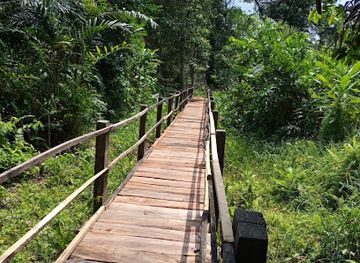
Finima Nature Park
Experience the tranquility of Finima Nature Park, a nature preserve in Rivers, Nigeria, teeming with wildlife and lush landscapes perfect for relaxation and exploration.
-
National forest
Orashi National Forest
Explore the lush beauty of Orashi National Forest, a serene retreat near Port Harcourt, Nigeria, perfect for nature lovers and outdoor enthusiasts.
-
Tourist attraction
Tamigbe
Explore the hidden gem of Tamigbe in Nigeria's Delta region, where natural beauty meets rich culture and authentic experiences await every traveler.
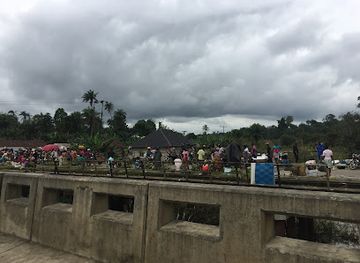

Best landmarks in Niger Delta
-
Amusement park
Port Harcourt Pleasure Park
Discover Port Harcourt Pleasure Park, an exciting amusement park that offers thrilling rides, lush landscapes, and engaging entertainment for all ages.
-
Supermarket
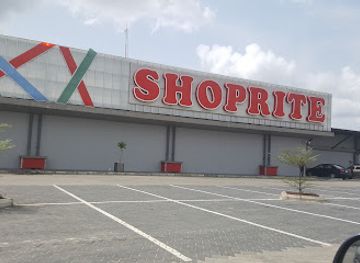
Shoprite Delta Mall
Discover local flavors and everyday essentials at Shoprite Delta Mall, the vibrant supermarket in Wado, Delta.
-
Movie theater
Filmhouse Cinemas Benin
Discover the magic of movies at Filmhouse Cinemas Benin – your ultimate destination for entertainment in Edo State.
-
Market
MR KC STORES LTD
Discover shopping, culture, and local cuisine at MR KC Stores Ltd, Onitsha's vibrant market hub for a unique Nigerian experience.

Explore Niger Delta on the map
Plan your trip on one map. See where the top cities, national parks and sights are, and book hotels and experiences in a few clicks.
Best hotels in Niger Delta
Best restaurants in Niger Delta
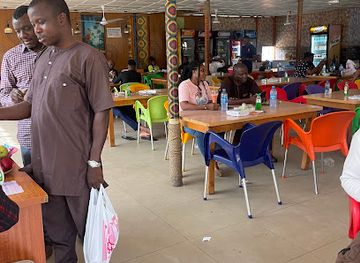
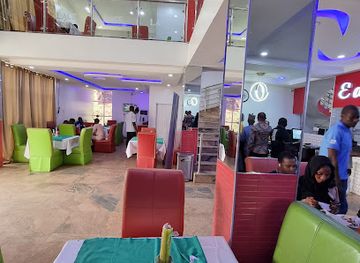
Food across the Niger Delta reflects the abundance and variety of its rivers, creeks, farms and coastal waters. Banga soup, made with palm-fruit extract, is strongly associated with parts of the delta and is served with regional starches such as starch, garri, pounded yam or rice, while recipes differ between communities. Rivers State and neighbouring areas are known for peppery seafood dishes, smoked fish, crab, prawns and soups prepared with local greens; outside specialist restaurants, the precise ingredients may depend on the day's catch. In cities such as Port Harcourt, Uyo, Calabar, Yenagoa and Warri, visitors can find modern Nigerian restaurants alongside canteens, grills, bakeries and hotel dining rooms. Calabar's wider regional food culture includes dishes such as afang and edikang ikong, although these are associated with Cross River and Akwa Ibom traditions rather than the whole delta. Markets provide the best sense of local produce, but hygiene and refrigeration standards vary, so choose busy stalls and well-cooked food.
-
Restaurant
Niger Delta Restaurant
Experience authentic Niger Delta cuisine in Abuja with flavorful dishes and welcoming ambiance.
-
Restaurant
Lace restaurant
Experience authentic Nigerien flavors at Lace Restaurant - your go-to breakfast spot in Kwamba.
-
Restaurant
USAIMAF Restaurant and Supermarket
Discover authentic Nigerien cuisine at USAIMAF Restaurant and Supermarket - where flavor meets culture in Kwamba.
-
Restaurant
Fauzi café
Experience the flavors of Niger at Fauzi Café, where local cuisine meets warm hospitality in the heart of Suleja.
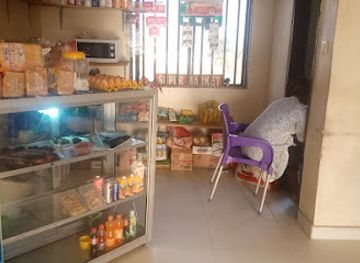
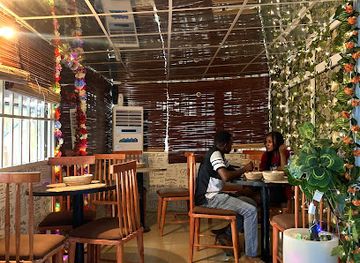
Best bars in Niger Delta
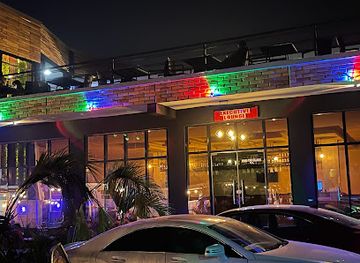
Evening life in the Niger Delta is concentrated in larger cities, especially Port Harcourt, Uyo, Calabar, Benin City, Warri and parts of Asaba, rather than spread evenly across the wetlands. Urban hotels, lounges, restaurants and bars commonly provide music, football screenings and social spaces, while Port Harcourt has the broadest range of contemporary nightlife in the core delta. In smaller towns, evenings tend to centre on neighbourhood bars, food spots, churches, family visits and occasional live music rather than a large club circuit. Bonny, Yenagoa and other riverine centres have a more limited and locally oriented scene, with activity affected by transport and security conditions. Visitors should return to accommodation by reliable transport, avoid isolated waterfronts after dark and check current local advice before attending large gatherings. Alcohol is widely available in appropriate venues, but it is not necessary for engaging with the region's evening culture.
-
Bar
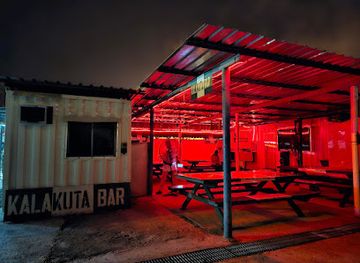
Kalakuta Bar, EGTL
Experience the vibrant nightlife at Kalakuta Bar in Delta, where great drinks and friendly locals await you.
-
Bar
Kool Breeze Bar
Discover the vibrant atmosphere of Kool Breeze Bar in Warri, where refreshing drinks meet local culture in a relaxed setting.
-
Bar
Exclusive Spot Bar & Lounge
Discover vibrant nightlife at Exclusive Spot Bar & Lounge, where delicious drinks and great ambiance await in the heart of Warri.
-
Grill
Highlight Bar and Lounge
Explore the vibrant nightlife of Asaba at Highlight Bar and Lounge, where delicious grilled dishes meet a lively atmosphere for an unforgettable experience.

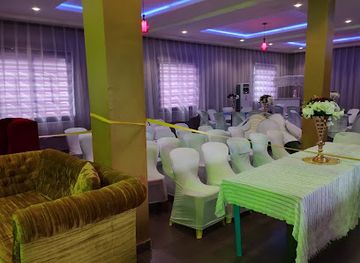
Best nightclubs in Niger Delta
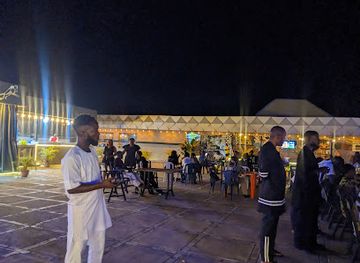
Evening life in the Niger Delta is concentrated in larger cities, especially Port Harcourt, Uyo, Calabar, Benin City, Warri and parts of Asaba, rather than spread evenly across the wetlands. Urban hotels, lounges, restaurants and bars commonly provide music, football screenings and social spaces, while Port Harcourt has the broadest range of contemporary nightlife in the core delta. In smaller towns, evenings tend to centre on neighbourhood bars, food spots, churches, family visits and occasional live music rather than a large club circuit. Bonny, Yenagoa and other riverine centres have a more limited and locally oriented scene, with activity affected by transport and security conditions. Visitors should return to accommodation by reliable transport, avoid isolated waterfronts after dark and check current local advice before attending large gatherings. Alcohol is widely available in appropriate venues, but it is not necessary for engaging with the region's evening culture.
-
Lounge
Maria Lounge
Experience relaxation and local charm at Maria Lounge in Jos, a perfect escape for tourists seeking comfort and a taste of Nigeria's vibrant culture.
-
Lounge
Koco Lounge
Experience the vibrant atmosphere of Koco Lounge in Suleja, where relaxation meets local flavors in the heart of Niger.
-
Night club
De emirates Club and lounge
Explore Otokutu's nightlife at De Emirates Club and Lounge, the ultimate destination for music, dancing, and unforgettable moments.
-
Night club
De'jays Gardens
Discover the vibrant nightlife at De'jays Gardens in Kwang, Plateau, where music, dance, and local culture come together for an unforgettable experience.

Best shops in Niger Delta
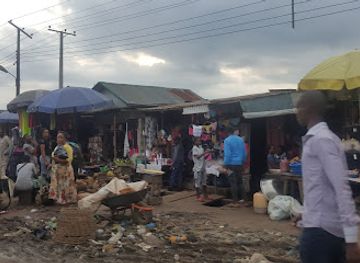
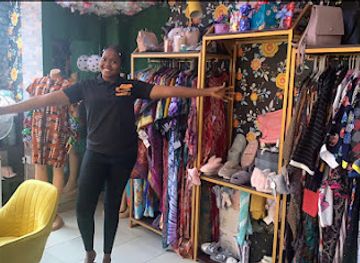
Shopping in the Niger Delta is primarily practical, local and market-led. Port Harcourt has the region's broadest selection of supermarkets, malls, bookshops, fashion retailers, craft sellers and food outlets, while Yenagoa, Warri, Uyo, Calabar and Benin City each have busy central markets and independent shopping streets. Open-air markets are useful for seeing smoked fish, dried seafood, palm products, fruit, spices, fabrics and household goods, although prices are often negotiable and payment is usually in cash. Responsible souvenirs may include woven items, locally made textiles, carved objects and packaged regional foods, but visitors should avoid products made from protected wildlife, uncertified antique materials or culturally sensitive objects. Small galleries, craft stalls and cultural centres can offer more traceable purchases than informal roadside trading. Because stock and opening arrangements change, it is better to ask accommodation staff or a trusted guide about currently operating markets rather than relying on fixed shopping directories.
-
Market
Market
Explore the dynamic Market in Abraka, a cultural haven filled with local treasures, fresh produce, and vibrant community life.
-
Shopping mall
Twin Plazza
Explore Twin Plazza in Orerokpe, a vibrant shopping mall offering a mix of local and international brands, dining options, and community events.
-
Shopping mall
F & J
Experience the vibrant shopping scene at F & J in Ekete, where local culture meets modern retail in a delightful atmosphere.
-
Gift shop
NikarabyOdna Fashion & Gift Shop
Explore the vibrant world of Nigerian fashion and unique gifts at NikarabyOdna Fashion & Gift Shop in Asaba, where creativity meets culture.
Get your free copy of our complete guide to Niger Delta, delivered straight to you.
Everything on this page, from attractions and restaurants to essentials and local phrases, in one PDF you can read offline, print or share.
Already have an account? Sign in
Your Niger Delta guide is ready.
We'll send it to · Not you? Sign out

Getting your guide ready…
We are putting together a fresh copy of the Niger Delta guide. This can take up to a minute.
This can take a few moments. If your browser asks, choose Allow so the download can start. You'll find the guide in your Downloads folder.
Nothing happened? Download it again
Sorry, the guide is taking longer than usual. Please try again in a minute, or get it by email instead.
Niger Delta essentials
Currency and Payment
Safety
Emergency Situations
Do's and Don'ts
Local Tips
From Eve
Local phrases worth knowing
You don't need to get them perfect. A few words go a long way, and locals appreciate the effort.
Basics
| English | Local | Say it |
|---|---|---|
| Hello | Ndewo | [N-deh-woh] |
| Goodbye | Kachifo | [Kah-chee-foh] |
| Yes | Ee | [Eh] |
| No | Mba | [Em-bah] |
| Please/You’re welcome | Biko | [Bee-koh] |
| Thank you | Daalụ | [Dah-loo] |
| Excuse me/Sorry | Ndo | [N-doh] |
| How are you? | Kedu? | [Kay-doo] |
| Fine. And you? | Adị m mma. Kedu gị? | [Ah-dee m mm-ah. Kay-doo gee?] |
| Do you speak English? | I na-asụ Bekee? | [Ee nah-ah-soo Beck-ee?] |
| I don't understand | A naghị m aghọta | [Ah nah-hee m ah-goh-tah] |
Eating & Drinking
| English | Local | Say it |
|---|---|---|
| I’d like to see the menu, please | Achọrọ m ịhụ menu, biko | [Ah-choh-roh m ee-hoo meh-noo, bee-koh] |
| I don't eat meat | Anaghị m eri anụ | [Ah-nah-gee m eh-ree ah-noo] |
| Cheers! | Nnoo! | [N-nuh-oh] |
| I would like to pay, please | Achọrọ m ịkwụ ụgwọ, biko | [Ah-choh-roh m ee-kwooh oo-gho, bee-koh] |
Emergencies
| English | Local | Say it |
|---|---|---|
| Help! | Nkwado! | [N-kwa-do] |
| Go away! | Pụọ! | [Poo-ah] |
| Call the Police! | Kpọọ ndị uwe ojii! | [Kpoh ee-ndee oo-weh oh-jee!] |
| Call a doctor! | Kpọọ dọkịta! | [Kpoh doh-kee-tah!] |
| I’m lost | Emechara m | [Eh-meh-chah-rah m] |
| I’m ill | A na m ọrịa | [Ah nah m oh-ree-ah] |
Shopping
| English | Local | Say it |
|---|---|---|
| I’d like to buy... | Achọrọ m ịzụta... | [Ah-choh-roh m ee-zoo-tah...] |
| I’m just looking | Ana m ele anya | [Ah-nah m eh-leh ah-nyah] |
| How much is it? | Ogologo ego ole? | [Oh-goh-loh-goh eh-goh oh-leh?] |
| That’s too expensive | Ọ dị oke ọnụ | [Aw dee oh-keh oh-noo] |
| Can you lower the price? | Ị nwere ike ibelata ọnụ? | [Ee nweh-reh ee-keh ee-beh-lah-tah oh-noo?] |
Time & Numbers
| English | Local | Say it |
|---|---|---|
| What time is it? | Kedu oge ole? | [Kay-doo oh-geh oh-leh?] |
| It’s one o'clock | Oge bụ otu | [Oh-geh boo oh-too] |
| Half past (10) | Ọkara nke iri | [Aw-kah-rah nkeh ee-ree] |
| Morning | Ụtụtụ | [Oo-too-too] |
| Afternoon | Ehihie | [Eh-hee-eh] |
| Evening | Mgbede | [Mm-gbeh-deh] |
| Yesterday | Ụnyaahụ | [Oo-nyah-hoo] |
| Today | Taa | [Tah] |
| Tomorrow | Echi | [Eh-chee] |
| 1 | Otu | [Oh-too] |
| 2 | Abụọ | [Ah-boo-ah] |
| 3 | Atọ | [Ah-toh] |
| 4 | Anọ | [Ah-noh] |
| 5 | Ise | [Ee-seh] |
| 6 | Isii | [Ee-see-ee] |
| 7 | Asaa | [Ah-sah] |
| 8 | Asatọ | [Ah-sah-toh] |
| 9 | Itolu | [Ee-toh-loo] |
| 10 | Iri | [Ee-ree] |
Transport & Directions
| English | Local | Say it |
|---|---|---|
| Where's a/the...? | Ebee ka ... dị? | [Eh-beh-kah ... dee?] |
| What's the address? | Kedu adreesị? | [Kay-doo ah-dree-see?] |
| Can you show me (on the map)? | Ị nwere ike igosi m (n'ọnụ ụzọ)? | [Ee nweh-reh ee-keh ee-goh-see m (n-oh-nee soo?)] |
| When's the next (bus)? | Kedu mgbe bọs ọzọ? | [Kay-doo mm-geh baw-s oh-zoh?] |
| A ticket (to ....) | Ekwentị (na ...) | [Eh-kwehn-tee (nah ...)] |
History of Niger Delta
Early Riverine Societies and Trade
Long before colonial rule, the waterways and forests of the Niger Delta supported fishing, farming, canoe transport and regional trade. Communities developed around rivers, creeks and trading points, with political systems varying from village-based authority to more centralised kingdoms and city-states. The delta's position between the interior and the Atlantic encouraged exchanges in food, forest products, pottery, cloth and later enslaved people. Archaeological evidence and oral histories provide different but complementary ways of understanding this past, while contemporary ethnic identities and settlement patterns retain strong links with these older riverine economies.
Atlantic Trade and Coastal Kingdoms
From the fifteenth century, Portuguese and later British and other European merchants established commercial relationships along the West African coast and its estuaries. Delta polities such as Bonny and Opobo became important centres in the palm-oil and earlier Atlantic trading systems. Local rulers and merchant houses negotiated, competed and sometimes resisted European influence rather than simply receiving colonial power passively. Rivers served as commercial highways, but control of access to them could also bring conflict. The surviving histories of Bonny, Opobo, Brass and neighbouring communities reflect the region's maritime diplomacy and its involvement in Atlantic commerce.
Palm Oil and British Expansion in the Nineteenth Century
During the nineteenth century, industrialising Europe created intense demand for palm oil, used in soap, lubricants and other manufactured goods. The delta became a major export zone, and trading houses sought direct control over supply routes and coastal markets. British pressure increased through treaties, military intervention and the creation of colonial protectorates. The 1895 British attack on Brass, then a significant trading polity, illustrates the coercive force behind commercial expansion. Palm oil commerce reshaped local politics and landscapes, while British colonial consolidation eventually placed the delta within the wider administrative structure of Nigeria.
Colonial Administration, Missions and Port Harcourt
Colonial rule introduced new administrative boundaries, courts, schools, roads and Christian missions, although their reach varied greatly across the waterways. Port Harcourt was founded in the early twentieth century as a railway and port outlet for the export economy, linking the interior to the coast and accelerating urban growth. Mission stations and trading towns developed alongside older communities, producing new forms of education, religion and political organisation. These changes did not erase local identities; instead, they added new institutions and competing authorities to an already complex social landscape.
Oil Production and the Post-Independence Delta
Commercial petroleum production began at Oloibiri in present-day Bayelsa State in 1956, marking a decisive change in the region's economic and political importance. Oil infrastructure, roads, pipelines, terminals and company towns expanded, while Nigeria became increasingly dependent on petroleum revenues. The benefits were unevenly distributed, and spills, gas flaring, land loss and damage to fishing and farming generated widespread grievances. After independence in 1960, debates over federalism, resource control and environmental responsibility became central to national politics and local activism throughout the delta.
Environmental Campaigns and Resource Politics
From the late twentieth century, communities and civil-society organisations increasingly challenged the environmental and social effects of oil extraction. Ken Saro-Wiwa and the Movement for the Survival of the Ogoni People became internationally recognised for non-violent campaigning on behalf of Ogoni communities; Saro-Wiwa and eight other activists were executed by Nigeria's military government in 1995 after a controversial trial. Subsequent protests, militancy, amnesty initiatives and legal campaigns have kept questions of pollution, remediation, local participation and resource control at the centre of Niger Delta affairs.
Niger Delta in Photos
Browse through our photo collection highlighting the charm and character of the destination.
Neighbouring regions of Niger Delta
The closest regions to Niger Delta, if you have time for more than one.
-

-

-

-

-


Swipe for more regions
Explore more
Explore more of Nigeria
Discover Nigeria: A Land of Vibrant Cultures, Stunning Landscapes, and Rich History in the Heart of Africa.
Explore Nigeria