

Free Isoko Travel Guide & Mobile App
Explore Isoko with free travel guides. Discover regional history, expert tips, proposed trips, and audio guides on web or mobile app.


Explore Isoko in Nigeria’s Delta State for living culture, palm landscapes, local markets, waterways and the everyday traditions of the Niger Delta.
Read more about Isoko
When is the best time to visit Isoko?
Best: December–February · 31–34°C| Month | High (°C) | Rainfall (mm) |
|---|---|---|
| January (best) | 33 | 10 |
| February (best) | 34 | 20 |
| March | 35 | 40 |
| April | 36 | 80 |
| May | 35 | 120 |
| June | 33 | 170 |
| July | 32 | 200 |
| August | 32 | 180 |
| September | 32 | 150 |
| October | 33 | 100 |
| November | 32 | 50 |
| December (best) | 31 | 20 |
Getting to and around Isoko
How to get there
Transportation
Best attractions in Isoko
Isoko’s attractions are primarily cultural, environmental and community-based rather than a collection of large formal visitor sites. Ozoro and Oleh provide useful starting points for understanding local commerce, education, religious life and public institutions, while surrounding settlements reveal the region’s agricultural character through palm groves, cassava and plantain cultivation, seasonal wetlands and small waterways. With permission and suitable local guidance, visitors can explore rural landscapes, learn about traditional food preparation or observe how produce moves from farms to markets. Community festivals and ceremonies can be important cultural experiences, but dates, access and photography rules vary and should be confirmed locally. The region’s oil-producing areas also form part of its contemporary geography, although industrial installations are controlled spaces rather than tourist attractions. Birdlife, fishing activity and wetland scenery may interest visitors travelling with a knowledgeable resident guide, particularly outside the wetter periods when roads are more difficult. Isoko is best experienced through cultural introductions, family connections, local organisations and carefully arranged day visits rather than through an independent checklist of monuments.
-
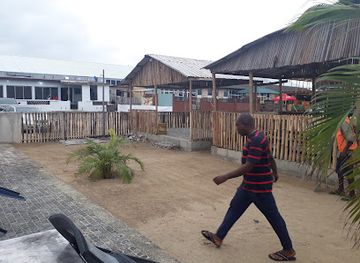
Tourist attraction
Oniru Private Beach
Experience the perfect blend of relaxation and vibrant nightlife at Oniru Private Beach, Lagos' premier coastal destination.
-
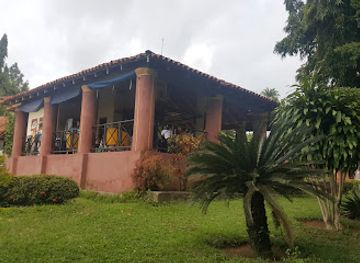
Country club
Abraka Turf and Country Club
Experience relaxation and adventure at Abraka Turf and Country Club, Delta State's premier destination for outdoor recreation and scenic beauty.
-
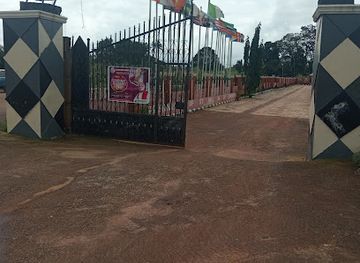
Catholic church
ST. MARTIN OF TOURS CATHOLIC CHURCH IGBODO
Experience the tranquility and cultural richness of St. Martin of Tours Catholic Church in Igbodo, a true gem in Delta, Nigeria.
-
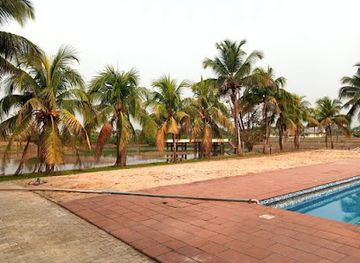
Resort hotel
Uzere Lake Resort
Experience the tranquility of Uzere Lake Resort, a perfect getaway for relaxation and adventure in the heart of Delta State, Nigeria.
Best landmarks in Isoko
Isoko’s most meaningful landmarks are often civic, religious, environmental or community landmarks rather than monumental structures known internationally. Oleh and Ozoro contain the region’s most visible concentrations of administrative buildings, educational institutions, churches, commercial streets and community facilities, reflecting their roles as local centres. Traditional compounds and palaces associated with community rulers can be culturally significant, but they are working institutions and should be approached through an introduction rather than treated as open monuments. Palm groves, low-lying farmland and waterways are equally important features of the regional landscape, showing the environmental setting that has shaped Isoko agriculture and settlement. Oil infrastructure, where present, marks the region’s modern economic history but may be restricted and should not be approached without authorisation. The strongest sense of place often comes from the relationship between market towns, village roads, farms, waterways and community gathering places. Because access to many landmarks is locally controlled, a host or guide can explain their significance and appropriate visitor etiquette.
-
National park
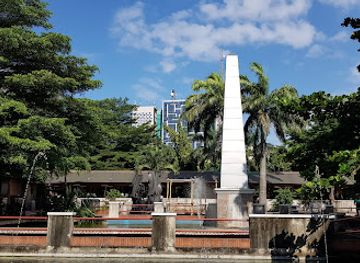
Freedom Park Lagos
Explore Freedom Park Lagos: A historical national park offering nature, culture, and tranquility in the heart of Lagos Island.
-
Historical landmark
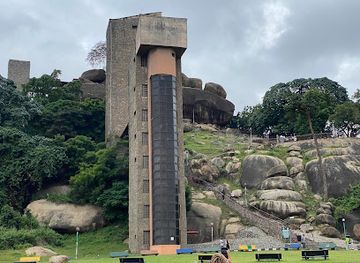
Olumo Rock Tourist Centre
Discover the historical wonders and stunning vistas at Olumo Rock Tourist Centre in Abeokuta, Ogun State, a perfect blend of adventure and culture.
-
Historical place museum
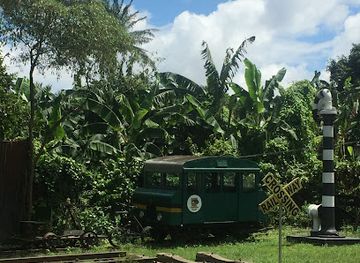
Jaekel House
Explore the colonial elegance and rich history at Jaekel House, a must-visit historical museum in Lagos, Nigeria.
-
Resort hotel
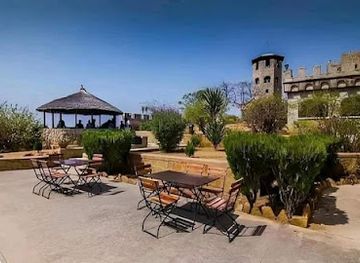
Kajuru Castle
Experience the allure of Kajuru Castle, a stunning resort hotel in Kaduna, Nigeria, blending history with breathtaking views and luxurious accommodations.
Explore Isoko on the map
Plan your trip on one map. See where the top cities, national parks and sights are, and book hotels and experiences in a few clicks.
Best hotels in Isoko
Best restaurants in Isoko
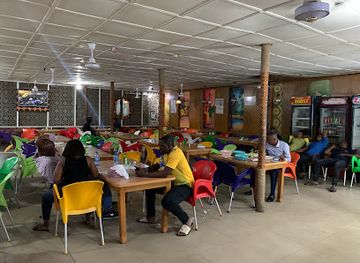
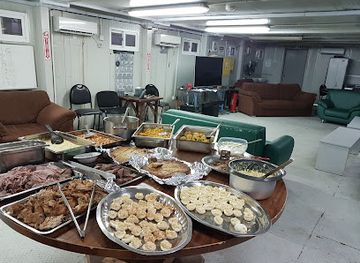
Eating in Isoko is closely linked to household cooking, local markets and modest restaurants rather than a highly formalised dining scene. Common ingredients include cassava, garri, yam, plantain, rice, leafy vegetables, peppers, palm products and freshwater fish, with preparation varying between households and communities. Visitors may encounter soups and stews served with pounded yam, starch-based accompaniments or other regional staples, but recipes are not uniform across the Niger Delta. Ozoro and Oleh offer the broadest choice of everyday eateries, while smaller communities may rely on food stalls, roadside vendors or meals arranged through a host. Markets are useful for seeing the range of local produce, although hygiene standards and storage conditions vary, so choose busy vendors with good turnover and eat food served hot. Bottled or treated water is the prudent choice. Anyone seeking a particular dish should ask locally, since names, ingredients and preparation can differ between Isoko households and neighbouring Delta communities.
-
Restaurant
Niger Delta Restaurant
Discover authentic Nigerian cuisine at Niger Delta Restaurant in Abuja—where traditional flavors meet modern dining.
-
Restaurant
FUBAR
Discover FUBAR: A culinary hotspot in Ogidigbe offering exquisite local flavors and a welcoming atmosphere.
-
Restaurant
Finger Linkin Kitchen
Experience authentic Nigerian breakfast at Finger Linkin Kitchen in Okuokoko, Delta – where every meal tells a story.
-
Restaurant
SKY KITCHEN
Experience authentic Nigerian breakfasts at Sky Kitchen in Ogharefe - where flavor meets hospitality.


Best bars in Isoko
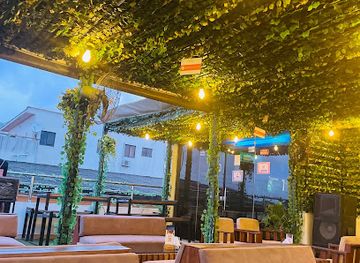
Evening life in Isoko is centred mainly on neighbourhood drinking spots, restaurants, small lounges, event venues, churches and social gatherings rather than a large, concentrated nightclub district. Ozoro and Oleh generally offer more choice than smaller communities, with activity shaped by local residents, students, celebrations and weekend events. Traditional beer parlours and contemporary bars may serve Nigerian lagers, soft drinks and spirits, while music is often associated with private parties or organised functions rather than permanent club programmes. Opening arrangements and venue status can change, so local recommendations are more reliable than old listings. In rural areas, evenings are quieter and transport options become limited after dark. Visitors should choose a venue through a trusted local contact, arrange a safe return journey and remember that alcohol is not necessary to participate in Isoko’s social and cultural life.
-
Bar
W Bar Lounge
Experience the vibrant nightlife at W Bar Lounge in Ikoyi, Lagos, where chic ambiance meets exquisite cocktails and stunning waterfront views.
-
Lounge
The Nest Lounge
Experience the vibrant nightlife and culinary delight at The Nest Lounge in Lagos, a perfect blend of relaxation and entertainment.
-
Bar
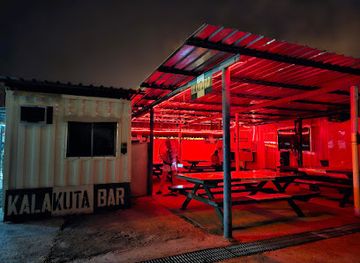
Kalakuta Bar, EGTL
Experience the vibrant nightlife at Kalakuta Bar in Delta, where local culture and delicious drinks come together in a lively atmosphere.
-
Restaurant
FUBAR
Discover the vibrant flavors of Nigeria at FUBAR, Ogidigbe's top restaurant offering authentic local cuisine in a lively atmosphere.

Best nightclubs in Isoko
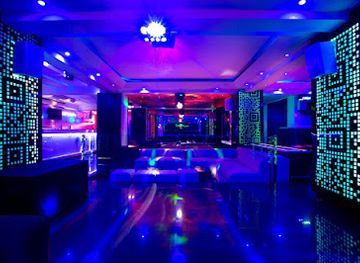
Evening life in Isoko is centred mainly on neighbourhood drinking spots, restaurants, small lounges, event venues, churches and social gatherings rather than a large, concentrated nightclub district. Ozoro and Oleh generally offer more choice than smaller communities, with activity shaped by local residents, students, celebrations and weekend events. Traditional beer parlours and contemporary bars may serve Nigerian lagers, soft drinks and spirits, while music is often associated with private parties or organised functions rather than permanent club programmes. Opening arrangements and venue status can change, so local recommendations are more reliable than old listings. In rural areas, evenings are quieter and transport options become limited after dark. Visitors should choose a venue through a trusted local contact, arrange a safe return journey and remember that alcohol is not necessary to participate in Isoko’s social and cultural life.
-
Night club
Tokyo Nightlife Abuja
Tokyo Nightlife Abuja: A fusion of exhilarating nightlife and delightful breakfast offerings in the heart of Nigeria's capital.
-
Night club
Moscow Underground
Discover the electrifying nightlife of Abuja at Moscow Underground, where music and dance create unforgettable memories.
-
Disco club
Reset Club
Dive into the lively nightlife at Reset Club, Abuja's ultimate destination for unforgettable disco and clubbing experiences in Nigeria's capital.
-
Night club
Doi Club
Discover the vibrant nightlife at Doi Club in Jos, Plateau, where great music and lively ambiance create unforgettable experiences.


Best shops in Isoko
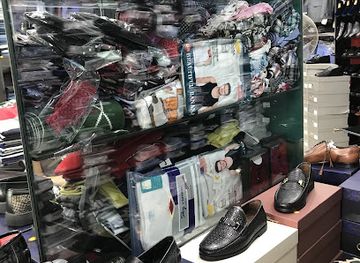
Shopping in Isoko is oriented towards everyday markets, provisions, clothing, household goods, agricultural produce and locally traded food rather than large-scale tourist retail. Ozoro and Oleh provide the widest choice of shops and market stalls, while smaller communities offer more limited periodic and roadside trading. Visitors can look for cassava products, garri, plantain, yam, spices, palm-derived goods and other regional provisions, with availability changing according to season and harvest. Tailoring, fabrics and practical household items are more realistic purchases than a standardised range of souvenirs. Where locally made crafts, woven items or artwork are available, ask the seller about their origin rather than assuming that every item represents Isoko heritage. Bargaining may be customary in some open markets but not in every shop, so negotiate courteously and confirm the final price. Carry small naira notes, inspect food packaging and remember that market photography requires permission.
-
Boutique
UniqueMike Boutique - Best male boutique in Abuja NIGERIA
Immerse yourself in Abuja's fashion scene at UniqueMike Boutique, where style meets quality for the discerning modern man.
-
 Gift shop
Shiloh Decor & Home Accessories
Discover unique gifts and home accessories at Shiloh Decor, a charming shop in Finima Bonny Island that embodies local artistry and culture.
-
Department store
Unique Merchandize
Explore Unique Merchandize in Langtang North for a vibrant shopping experience filled with local treasures and authentic souvenirs.
-
Store
Stores
Discover the captivating stores of Diko, Niger, where vibrant local crafts and modern goods converge in an authentic shopping experience.
Get your free copy of our complete guide to Isoko, delivered straight to you.
Everything on this page, from attractions and restaurants to essentials and local phrases, in one PDF you can read offline, print or share.
Already have an account? Sign in
Your Isoko guide is ready.
We'll send it to · Not you? Sign out

Getting your guide ready…
We are putting together a fresh copy of the Isoko guide. This can take up to a minute.
This can take a few moments. If your browser asks, choose Allow so the download can start. You'll find the guide in your Downloads folder.
Nothing happened? Download it again
Sorry, the guide is taking longer than usual. Please try again in a minute, or get it by email instead.
Isoko essentials
Currency and Payment
Safety
Emergency Situations
Do's and Don'ts
Local Tips
From Eve
Local phrases worth knowing
You don't need to get them perfect. A few words go a long way, and locals appreciate the effort.
Basics
| English | Local | Say it |
|---|---|---|
| Hello | Ekaabo | [Eh-kah-boh] |
| Goodbye | O d'oro | [Oh doh-roh] |
| Yes | Ee | [Eh] |
| No | Abe | [Ah-beh] |
| Please/You're welcome | Jọwọ | [Joh-wah] |
| Thank you | O seun | [Oh shay-oon] |
| Excuse me/Sorry | E ma binu | [Eh mah bee-noo] |
| How are you? | Kedu? | [Kay-doo] |
| Fine. And you? | Dara. Kedu nke gị? | [Dah-rah. Kay-doo en-kay gee?] |
| Do you speak English? | I ma asụ Bekee? | [Ee mah ah-soo Beh-kay?] |
| I don't understand | Mi o ye | [Mee oh yeh] |
Eating & Drinking
| English | Local | Say it |
|---|---|---|
| I'd like to see the menu, please | Mo fe ri ètò oúnje, jọwọ | [Moh feh ree eh-toh oon-jeh, joh-wah] |
| I don't eat meat | Mi o jẹ ẹran | [Mee oh jeh eh-rahn] |
| Cheers! | Iye! | [Ee-yeh!] |
| I would like to pay, please | Mo fe san, jọwọ | [Moh feh sahn, joh-wah] |
Emergencies
| English | Local | Say it |
|---|---|---|
| Help! | I ran mi! | [Ee rahn mee!] |
| Go away! | Kọ jade! | [Koh jah-deh!] |
| Call the Police! | Pe ọlọpa! | [Peh oh-loh-pah!] |
| Call a doctor! | Pe dokita! | [Pe doh-kee-tah!] |
| I'm lost | Mo sọrọ | [Moh soh-roh] |
| I'm ill | Mo n sick | [Moh n seek] |
Shopping
| English | Local | Say it |
|---|---|---|
| I'd like to buy... | Mo fe ra... | [Moh feh rah...] |
| I'm just looking | Mo kan n wo | [Moh kahn n woh] |
| How much is it? | Elo ni? | [Eh-loh nee?] |
| That's too expensive | Iye naa to ṣeé gbooro | [Ee-yeh nah-tah shay-eh boh-roh] |
| Can you lower the price? | Se e le dinku owó? | [Shay eh leh deen-koo oh-woh?] |
Time & Numbers
| English | Local | Say it |
|---|---|---|
| What time is it? | Kí ni àkókò tó? | [Kee nee ah-koh-koh toh?] |
| It's one o'clock | Ó ti di ìkà kan | [Oh tee dee ee-kah kahn] |
| Half past (10) | Ìkà mẹ́ta | [Ee-kah meh-tah] |
| Morning | Òwúrọ̀ | [Oh-woo-roh] |
| Afternoon | Oru | [Oh-roo] |
| Evening | Irọ̀lẹ́ | [Ee-roh-leh] |
| Yesterday | Ana | [Ah-nah] |
| Today | Oni | [Oh-nee] |
| Tomorrow | Ọ́la | [Oh-lah] |
| 1 | Ọ̀kan | [Oh-kahn] |
| 2 | Ẹjìrè | [Eh-jee-reh] |
| 3 | Ẹta | [Eh-tah] |
| 4 | Ẹrin | [Eh-reen] |
| 5 | Marun | [Mah-roon] |
| 6 | Mefa | [Meh-fah] |
| 7 | Meje | [Meh-jeh] |
| 8 | Mẹjọ | [Meh-joh] |
| 9 | Mẹsan | [Meh-sahn] |
| 10 | Mẹwà | [Meh-wah] |
Transport & Directions
| English | Local | Say it |
|---|---|---|
| Where's a/the...? | Nibo ni...? | [Knee-boh nee...?] |
| What's the address? | Kí ni àdírẹ́sì? | [Kee nee ah-dee-reh-see?] |
| Can you show me (on the map)? | Se e le fi han mi (lórí maapu)? | [Shay eh leh fee hahn mee (loh-ree mah-poo)?] |
| When's the next (bus)? | Kí ni àkókò tó n bọ̀ (bús)? | [Kee nee ah-koh-koh toh n boh (boos)?] |
| A ticket (to ....) | Ìwé ìrìn àjò (sí ....) | [Ee-weh ee-reen ah-joh (see ....)] |
History of Isoko
Early Isoko communities and Niger Delta settlement
The Isoko developed as a group of closely related communities in the western Niger Delta, where farming, fishing, palm cultivation and local exchange shaped settlement. Oral traditions preserve accounts of migration, founding ancestors, lineage divisions and relationships with neighbouring Edo-, Urhobo- and Ijaw-speaking peoples. Much of this history is transmitted through families, community institutions and ritual practice rather than through large surviving monumental sites. The region’s waterways and fertile but seasonally difficult terrain influenced where villages grew and how communities maintained links with one another.
Benin influence and regional political connections
Before colonial rule, Isoko communities maintained political, commercial and cultural connections with surrounding societies, including the Benin kingdom to the north-west and Urhobo neighbours. The extent and character of these relationships varied between communities; they involved trade, diplomacy, migration traditions and, at times, political influence rather than a single uniform system of government. Benin artistic and political influence remains part of the wider historical context of southern Nigeria, but Isoko communities also retained their own local authorities, lineage structures and cultural practices.
Palm produce and nineteenth-century trade
During the nineteenth century, palm oil and palm kernels became increasingly important in the commercial economy of the Niger Delta. Isoko communities participated in production and exchange, linking farms and settlements to larger trading networks leading towards the Delta’s river ports and the coast. Palm cultivation altered household economies and connected the area to expanding European commerce. The trade created opportunities for local merchants while also increasing outside commercial pressure, setting the stage for deeper British political intervention in the region.
Colonial administration in southern Nigeria
British rule expanded across the region during the late nineteenth and early twentieth centuries, eventually incorporating Isoko communities into the administrative structures of Southern Nigeria and later colonial Nigeria. New forms of taxation, courts, policing and indirect administration affected existing authorities and patterns of authority. Mission Christianity and Western education also expanded during this period, alongside roads and commercial links. Colonial boundaries did not erase local identities, but they helped establish the administrative geography from which later Nigerian states and local government areas developed.
Independence, state formation and local government
Nigeria’s independence in 1960 began a period of changing regional and state boundaries that shaped political life in Isoko. The area became part of successive administrative units before being included in Delta State, created in 1991. The establishment of Isoko North and Isoko South as local government areas strengthened the importance of Ozoro and Oleh as administrative and service centres. These changes brought new public institutions and political networks while preserving the importance of community associations, traditional leadership and local identity.
Oil extraction and contemporary transformation
Petroleum production became a major influence on the wider Niger Delta during the twentieth century, including parts of the Isoko area. Oil activity contributed to national revenue and local employment but also generated concerns about land use, pollution, compensation, infrastructure and environmental responsibility. Alongside the petroleum economy, Isoko communities continue to depend on farming, commerce, education, public-sector work and migration. Contemporary Isoko is therefore shaped by both older agricultural traditions and the economic, social and environmental consequences of Nigeria’s oil-producing region.
Isoko in Photos
Browse through our photo collection highlighting the charm and character of the destination.
Neighbouring regions of Isoko
The closest regions to Isoko, if you have time for more than one.
-

-

-

-

-


Swipe for more regions
Explore more
Explore more of Nigeria
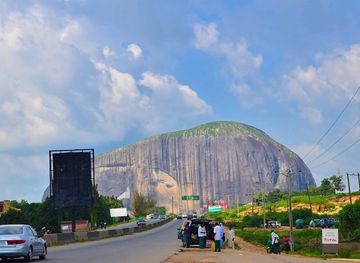
Discover Nigeria: A Land of Vibrant Cultures, Stunning Landscapes, and Rich History in the Heart of Africa.
Explore Nigeria